Interior Design
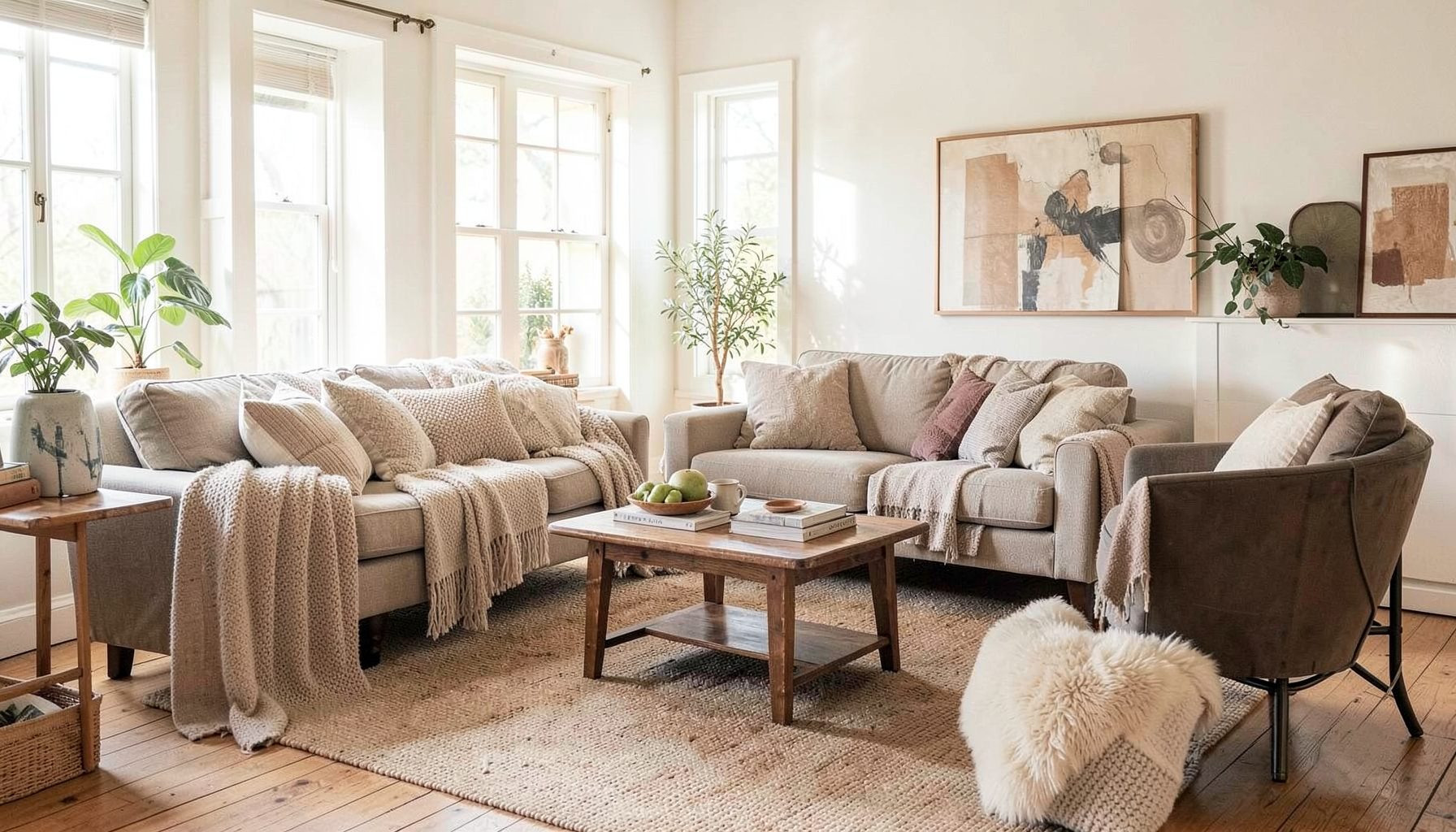
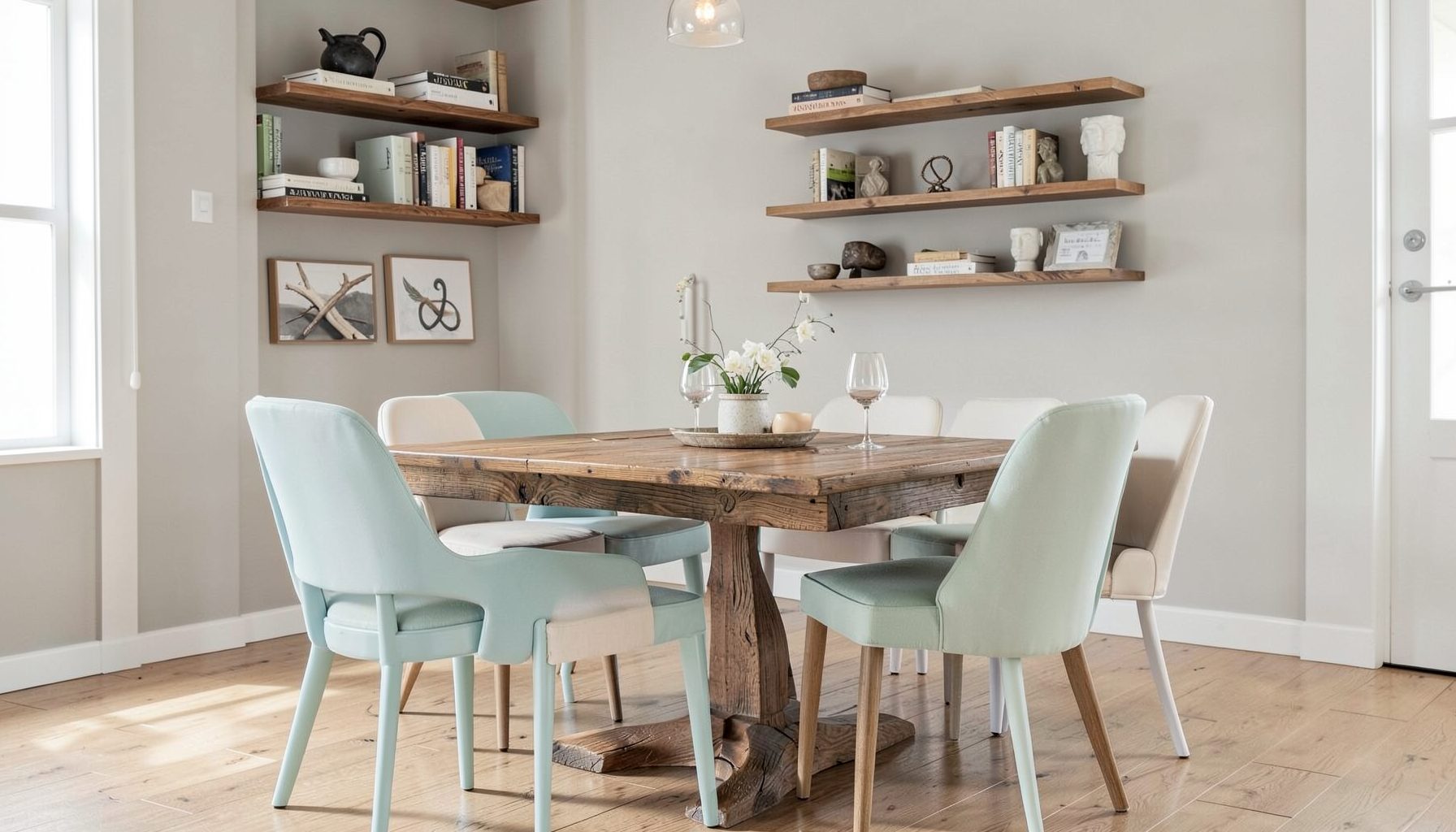
Full-service decorating that blends high and low, vintage finds with modern pieces for spaces that feel personal and collected.
Learn More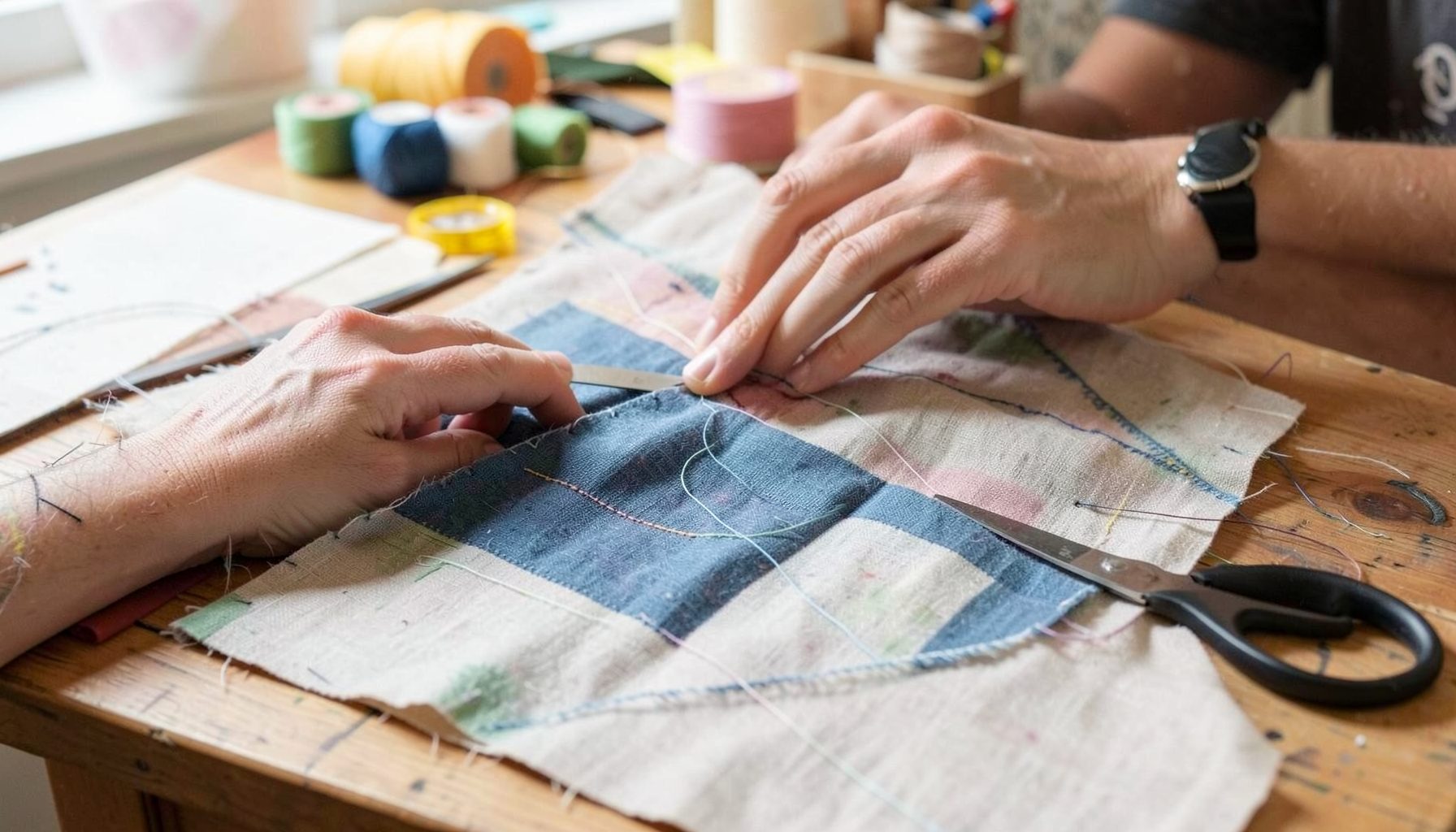
DIY Projects
Step-by-step tutorials for refinishing furniture, sewing pillows, styling bookshelves, and transforming rooms on a budget.
Learn More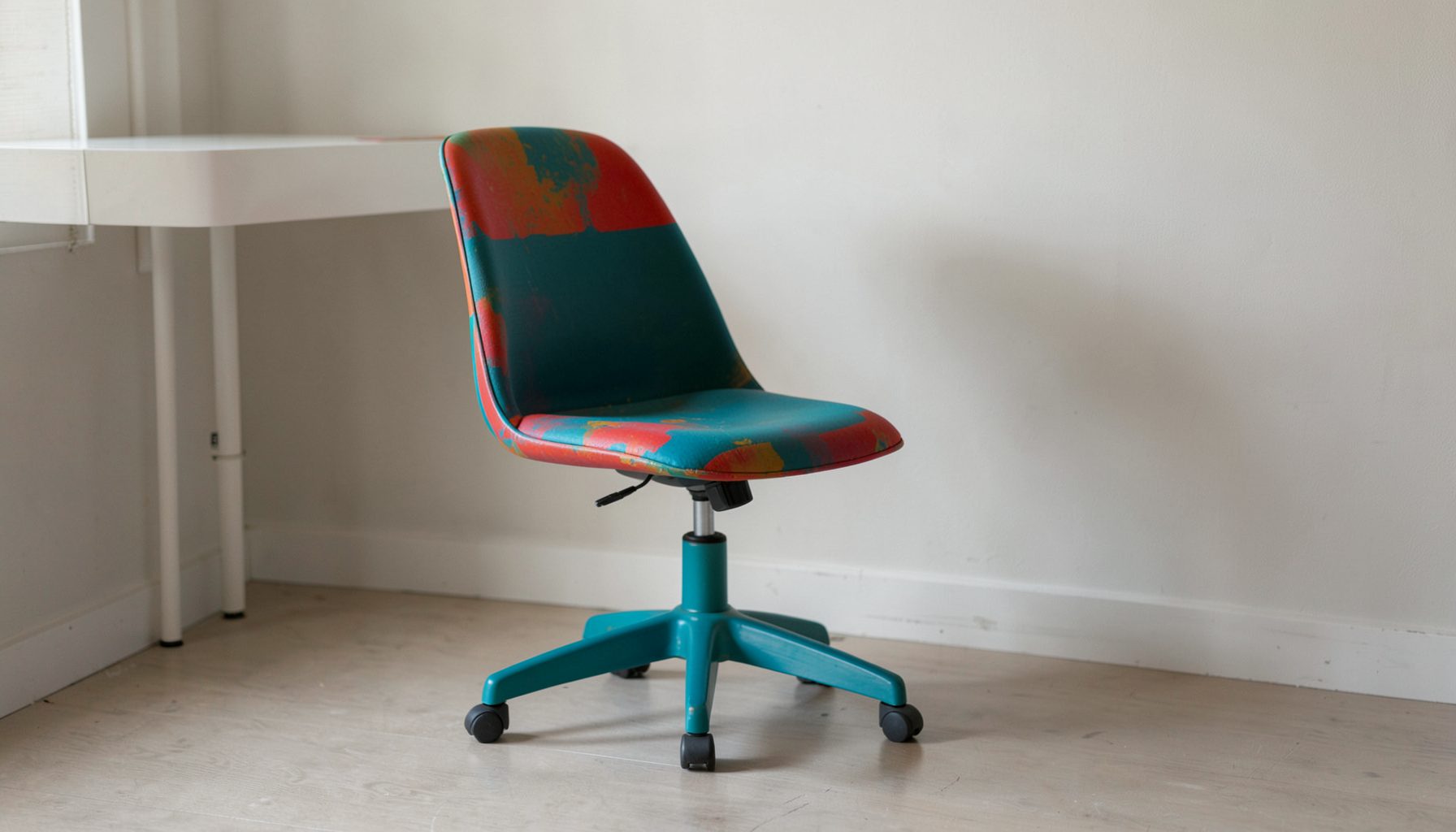
E-Decorating
Personalized design guidance delivered online — perfect for clients anywhere in the world who want a professional eye.
Learn More
Portfolio
Browse completed room makeovers, before-and-after transformations, and styling projects from Bay Area homes.
Learn More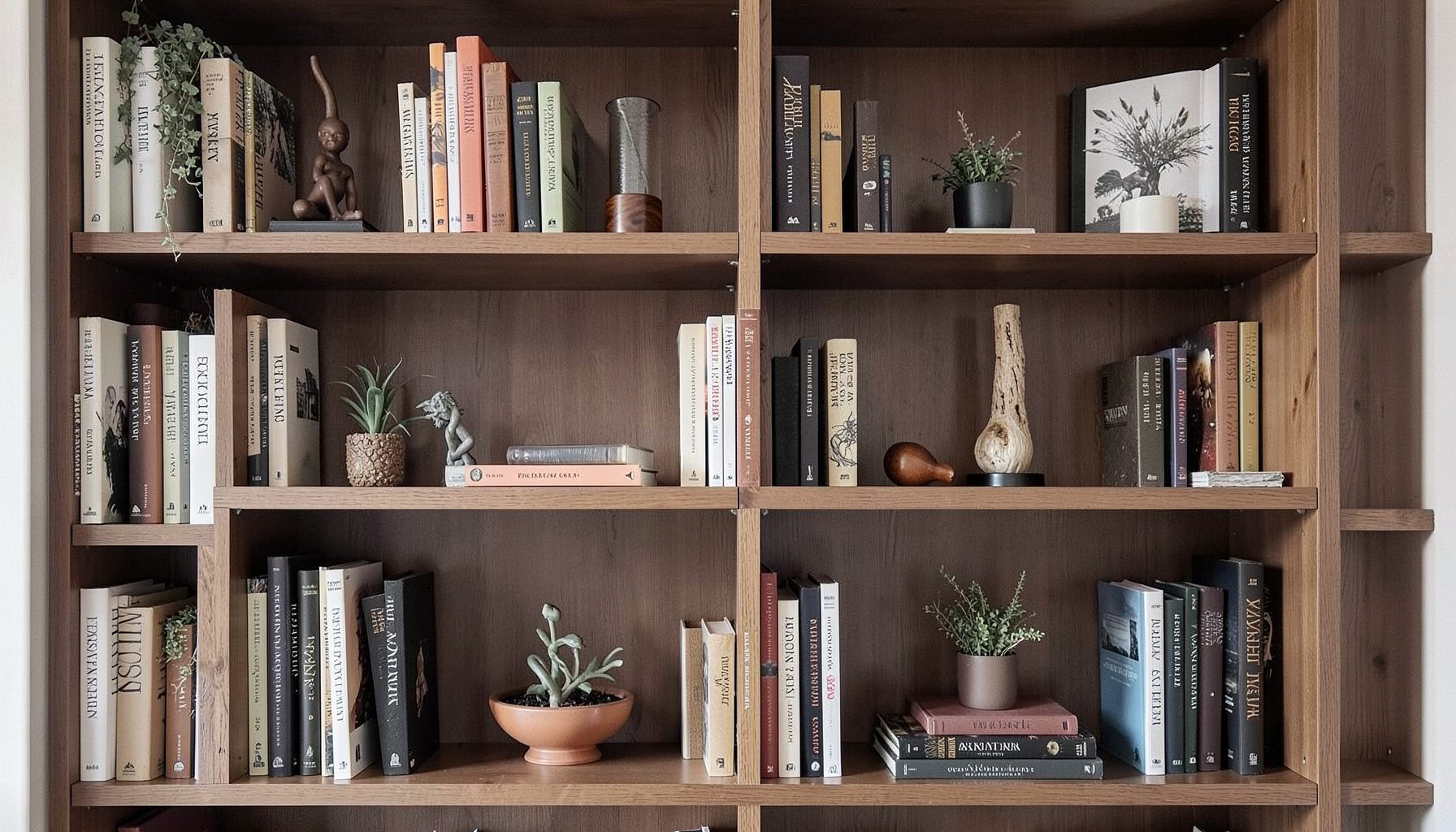
Blog
Interior design inspiration, fashion finds, entertaining ideas, and peeks into real home renovations and styling projects.
Learn More
Downloads
Free curated resources for home decorating and design — guides, checklists, and inspiration to help you get started.
Learn MoreTransforming a basic bookcase with woven baskets and art books
A plain bookcase often fades into the background of a room, doing its job of holding books but rarely earning a second glance. With a few considered changes, the same utilitarian piece can become a focal point that reflects your personality and the way you live. Layering woven baskets with art books is one of the most approachable ways to refresh a basic shelving unit without buying new furniture or undertaking a renovation.
The layered, collected look favoured by designers in suburbs from Paddington to Fitzroy relies on mixing textures, heights, and old with new. Woven baskets bring warmth and softness to rigid lines, while a curated selection of hardcover art books offers colour, imagery, and a glimpse of the owner's interests. Together they turn storage into styling, and the bookcase becomes part of the room's story rather than an afterthought.
Australia's strong reading culture means most households already have a stash of books worth displaying. Combine that with the country's thriving second-hand market, and the ingredients for a stylish shelf are within easy reach. From Salvos Stores in suburban Adelaide to weekend Trash and Treasure markets across Perth, the materials for a thoughtful refresh are often closer than you think.
The transformation does not require special tools, a big budget, or any design training. An afternoon spent shuffling items, swapping in a basket or two, and editing your book collection will produce visible results. The sections below walk through assessing what you have, finding the right baskets, curating your art books, and arranging everything so the finished shelf feels effortless.
Assessing the bookcase and the room around it
Before adding anything new, spend a moment looking at the bookcase itself and the space it occupies. A flat-pack unit from a big-box store can look very different once it is repainted, though that step is optional. What matters is understanding the proportions of each shelf, the depth, and how light falls across the surface during the day. In north-facing living rooms across Brisbane and Sydney, bright afternoon sun can fade book spines, which is worth considering when choosing placement.
Note the negative space. Many bookcases look cluttered simply because every shelf is full. Empty room allows the eye to rest and gives baskets and books room to breathe. A useful guideline is to clear at least a quarter of each section before adding anything back. This is also a good moment to set aside items that belong elsewhere, such as mismatched mugs or stacks of paperwork that have crept onto lower shelves.
Consider the colours already in the room. A warm timber floor in a Perth coastal home pairs beautifully with honey-toned seagrass, while cooler grey tiles in a Melbourne apartment might call for bleached rattan or black-dyed baskets. Pulling from existing tones keeps the shelf connected to the rest of the space. If the surrounding walls are deep or saturated, lighter baskets can stop the bookcase from disappearing into the background.
Sourcing woven baskets that suit Australian homes
Woven baskets come in a range of natural fibres, including seagrass, jute, water hyacinth, rattan, and bamboo. Each has its own texture and durability, which matters in Australian conditions. Coastal homes from the Mornington Peninsula to Byron Bay often contend with humidity, and natural fibres cope well as long as they are kept out of direct moisture. For households in bushfire-prone regions of New South Wales or Victoria, treated baskets placed away from heat sources are usually fine, though it is worth checking product details before purchase.
Affordable options are easy to find. Bunnings Warehouse stocks a rotating range of rattan and seagrass storage baskets, while Kmart, Target, and IKEA frequently release seasonal designs in neutral tones. For something with more character, op-shops run by organisations such as the Salvation Army and St Vincent de Paul often have handmade or vintage pieces that bring a sense of history to a shelf. Online marketplaces and Facebook groups also turn up interesting finds in cities like Hobart and Canberra, where smaller populations can mean a quieter local market.
When choosing sizes, measure the shelf depth and height first. A basket that fills a square cubby from side to side looks neat, while a smaller basket grouped with two art books creates a more relaxed, layered effect. Lids are worth considering for items you would rather hide, such as cables, paperwork, or children's craft supplies. Many Australian renters prefer lidded baskets because tenancy agreements in states like New South Wales and Victoria can limit how much storage furniture is altered, and concealed storage keeps the look tidy without modifying the unit itself.
Curating art books for colour and personality
Art books are the visual anchor of a styled shelf. They come in every size and palette, from slim monographs on Australian painters to oversized photography titles on architecture and gardens. The aim is not to keep every book on display, but to choose those that contribute colour, scale, or a sense of the owner's interests. A handful of well-chosen books will always look better than a crowded row of paperbacks.
Grouping books by size is one of the easiest ways to create order. Tall books at one end, mid-sized in the middle, and shorter square formats at the other forms a gentle descending line. Leaning the tallest books on their sides and stacking a few horizontally on top doubles as a plinth for a small object or candle. This breaks up the uniformity of a basic bookcase, giving it a more bespoke appearance.
Colour is where personality enters. If the room is full of soft neutrals, a row of books with saturated spines in terracotta, forest green, or navy can introduce a much-needed lift. In a brighter, more eclectic home, choosing books in similar tones to the surrounding cushions or rug ties the shelf into the broader scheme. Australian publishers such as Hardie Grant and Thames and Hudson Australia release titles on local design, flora, and travel, which suit the relaxed, nature-inspired aesthetic many readers gravitate towards.
For a touch of personal history, mix in secondhand finds. Markets in Fremantle, Paddington in Brisbane, and inner-city Melbourne often have stalls with vintage art books at low prices. A weathered title on mid-century ceramics or a 1970s monograph on Australian birds adds depth and storytelling, even if the subject is not strictly what you love to read. Layering the old with the new is a hallmark of collected interiors, and it stops the display from feeling too polished or catalogue-perfect.
Arranging shelves with rhythm and negative space
Styling a bookcase is closer to composing a still life than filling a storage unit. The goal is rhythm: areas of density followed by moments of calm. Start by placing baskets on lower shelves, where they ground the unit and provide hidden storage for everyday items. Reserve upper shelves for objects you want to draw attention to, such as framed prints, ceramics, or a carefully arranged row of art books.
The rule of thirds is a useful guide. Divide each shelf mentally into three sections and aim to place items of varying heights in different thirds rather than centring everything. A tall vase on one end, a stack of three books in the middle, and a small framed photograph on the other creates balance without symmetry. Eye-level shelves deserve the most attention, since those are the ones seen at a glance from the sofa or dining table.
Layering in front of books is what makes a shelf feel lived-in. Lean a piece of art or a small mirror against the back of the shelf, then place a stack of two or three art books in front, topped with a small object such as a candle, a stone, or a ceramic dish. This creates depth and encourages the eye to travel across the display. In compact apartments in cities like Sydney, where every surface has to work harder, the back of a bookcase can serve as a mini gallery wall.
Negative space is not a failure of design but an essential part of it. Leaving one section of a shelf entirely empty, or placing a single sculptural object on a wide span of timber, lets the material of the bookcase itself speak. This is especially effective on units made from warm Australian timbers such as blackbutt or spotted gum, where the grain becomes part of the styling. Resist the urge to fill every gap immediately; the shelf will evolve as you find new pieces and rotate your collection with the seasons.
Personal touches that make the shelf your own
Once the structure is in place, the smallest additions often have the biggest impact. A vintage ceramic found at a Sunday market in Adelaide, a piece of driftwood collected from a beach in Wye River, or a framed botanical print bought from a local artist can shift the entire mood of the shelf. These objects tell a story and stop the display from looking like a magazine spread pulled from someone else's home.
Plants bring life to a bookcase. Trailing pothos or string of pearls look at home spilling over the edge of a shelf, while a small potted succulent sits neatly beside a stack of art books on gardening or native flora. For households without strong natural light, dried arrangements or preserved eucalyptus stems offer texture without maintenance. In parts of Australia where water restrictions apply, especially in dry summers across South Australia and Western Australia, dried botanicals are both practical and stylish.
Lighting can also change the way a styled shelf feels. Clip-on picture lights, small battery-operated LEDs, or a nearby floor lamp will cast warm shadows across the baskets and highlight the spines of the books. In open-plan homes, this kind of layered lighting helps the bookcase hold its own against a television or a large piece of artwork on the opposite wall. If you decide to give the unit a fresh coat of paint before styling, a guide on DIY painted furniture from dresser walks through the process in detail and the same techniques translate well to a basic bookcase.
The bookcase at its best is not a finished project but a quiet record of a life being lived. The baskets, the books, and the small objects gathered along the way together tell the story of the room and the people in it. That sense of personal history is what separates a styled shelf from a simple storage unit, and it is the detail most worth getting right.

Recent Projects