Interior Design
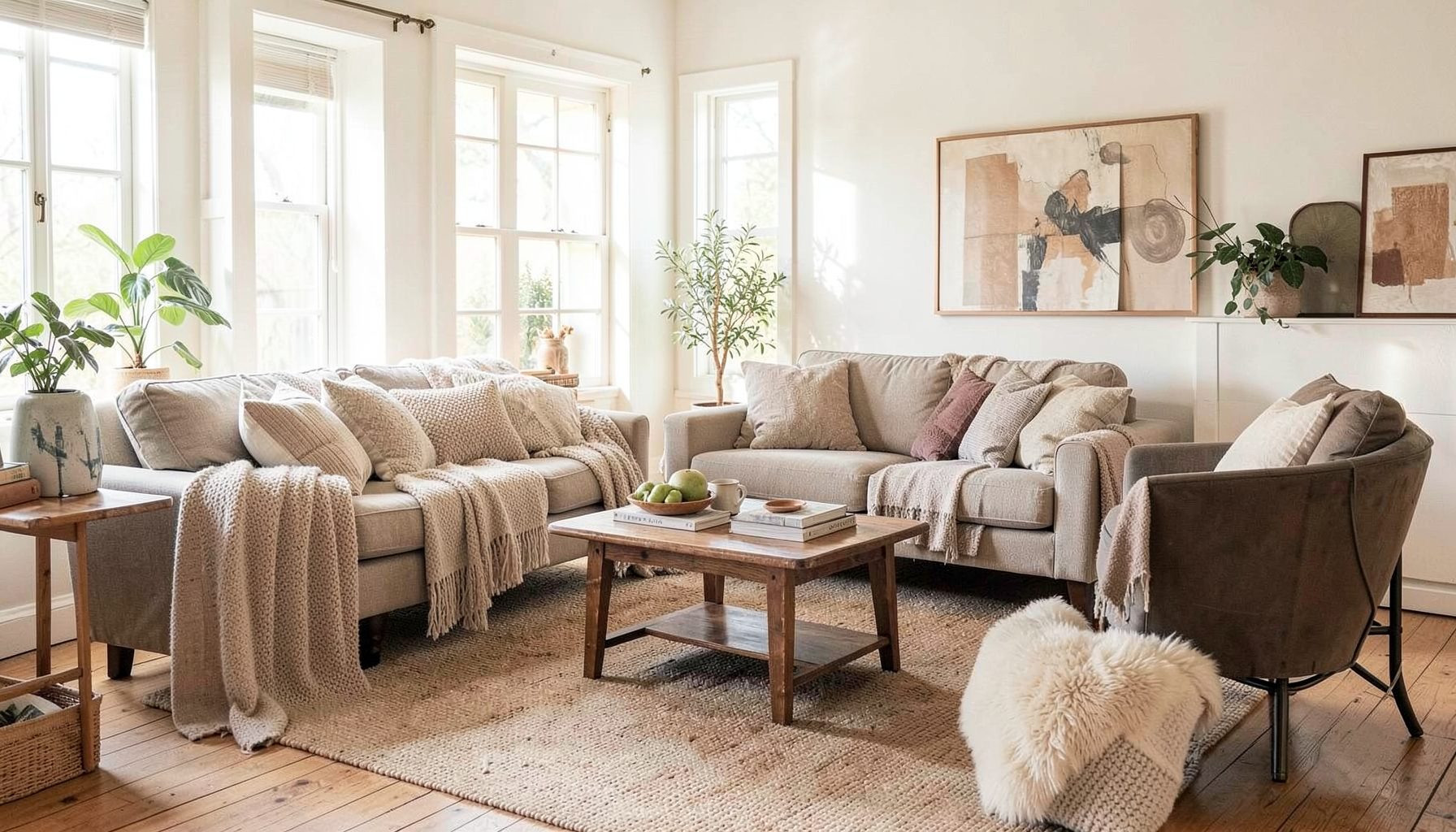
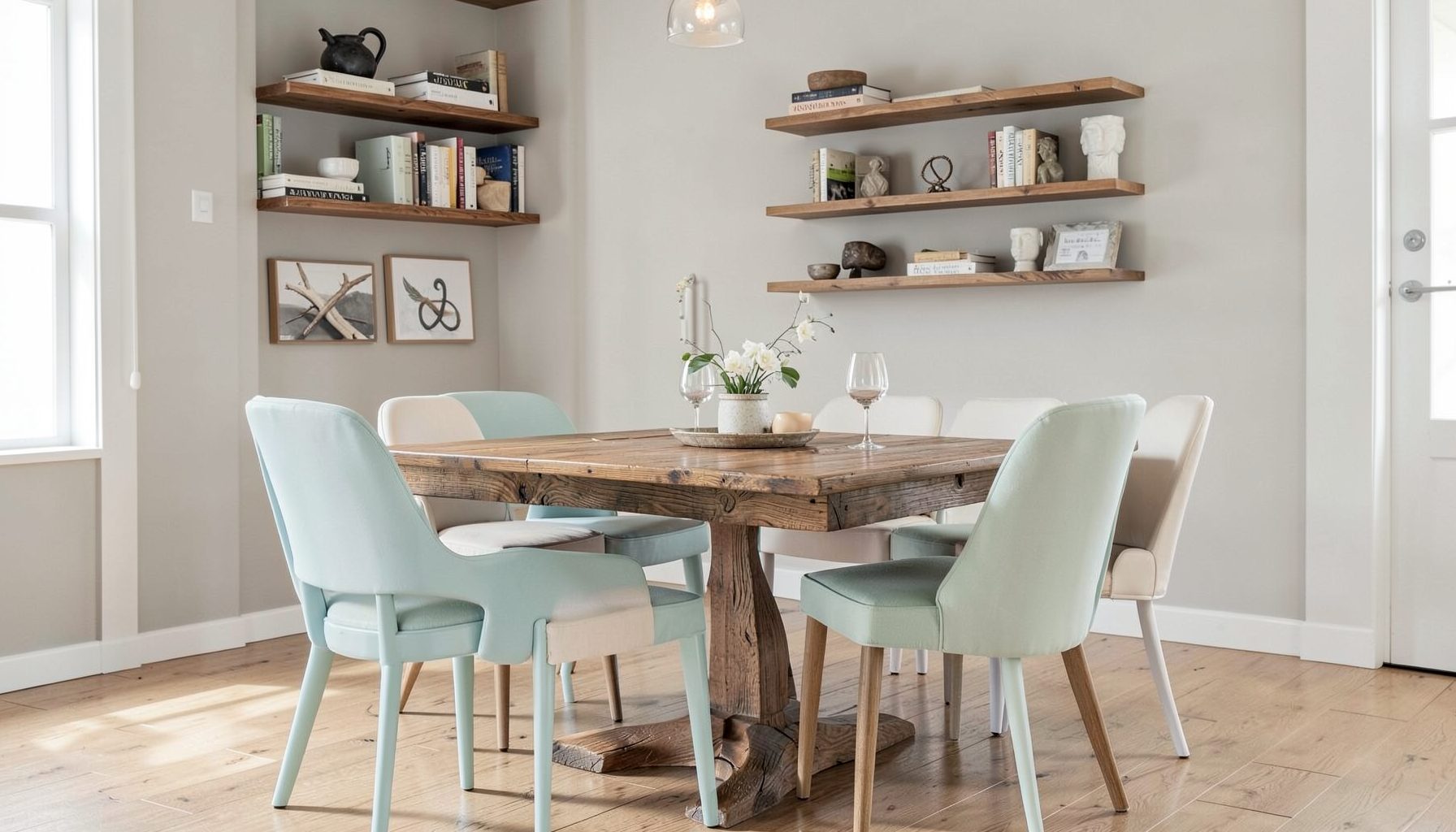
Full-service decorating that blends high and low, vintage finds with modern pieces for spaces that feel personal and collected.
Learn More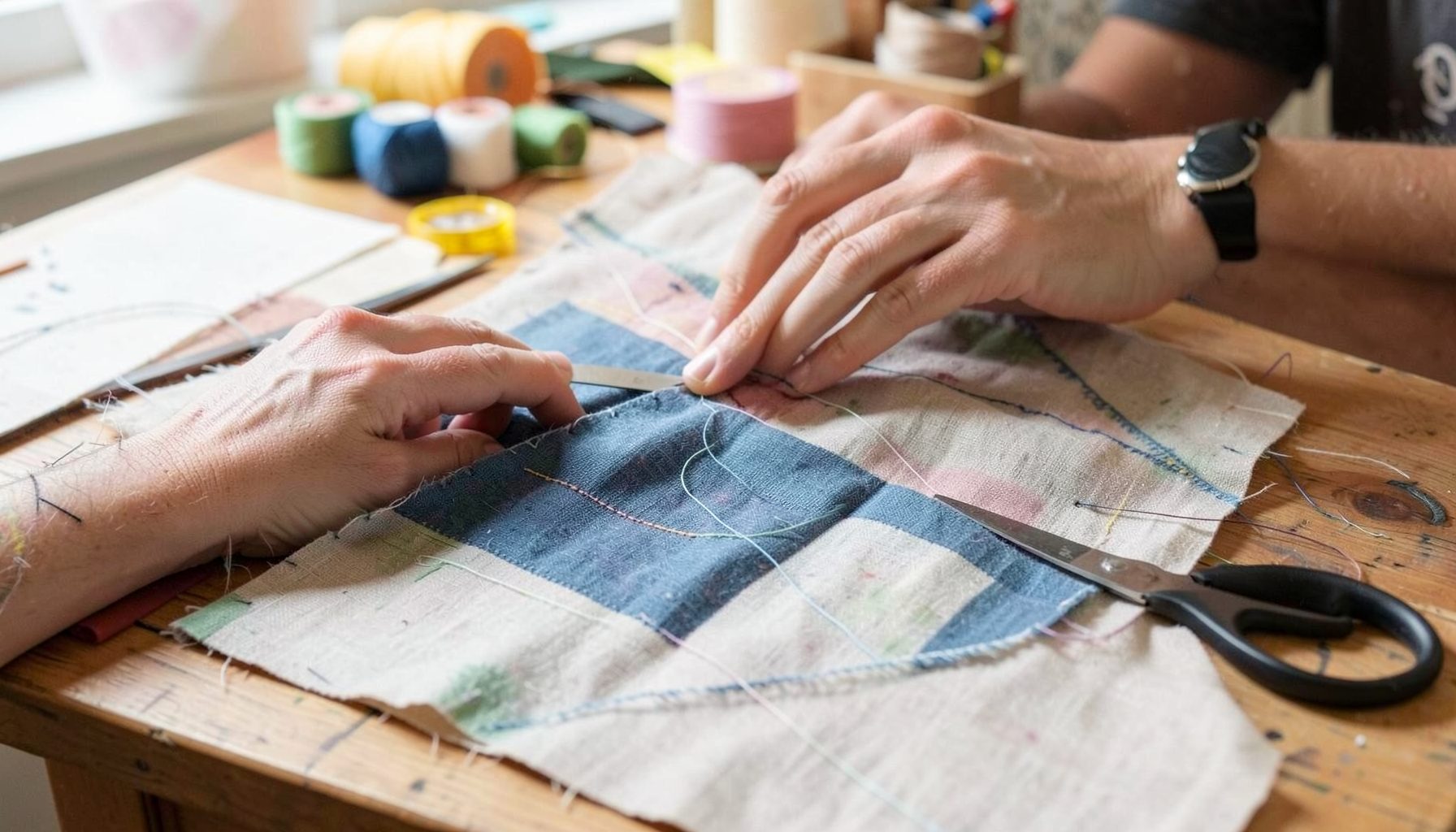
DIY Projects
Step-by-step tutorials for refinishing furniture, sewing pillows, styling bookshelves, and transforming rooms on a budget.
Learn More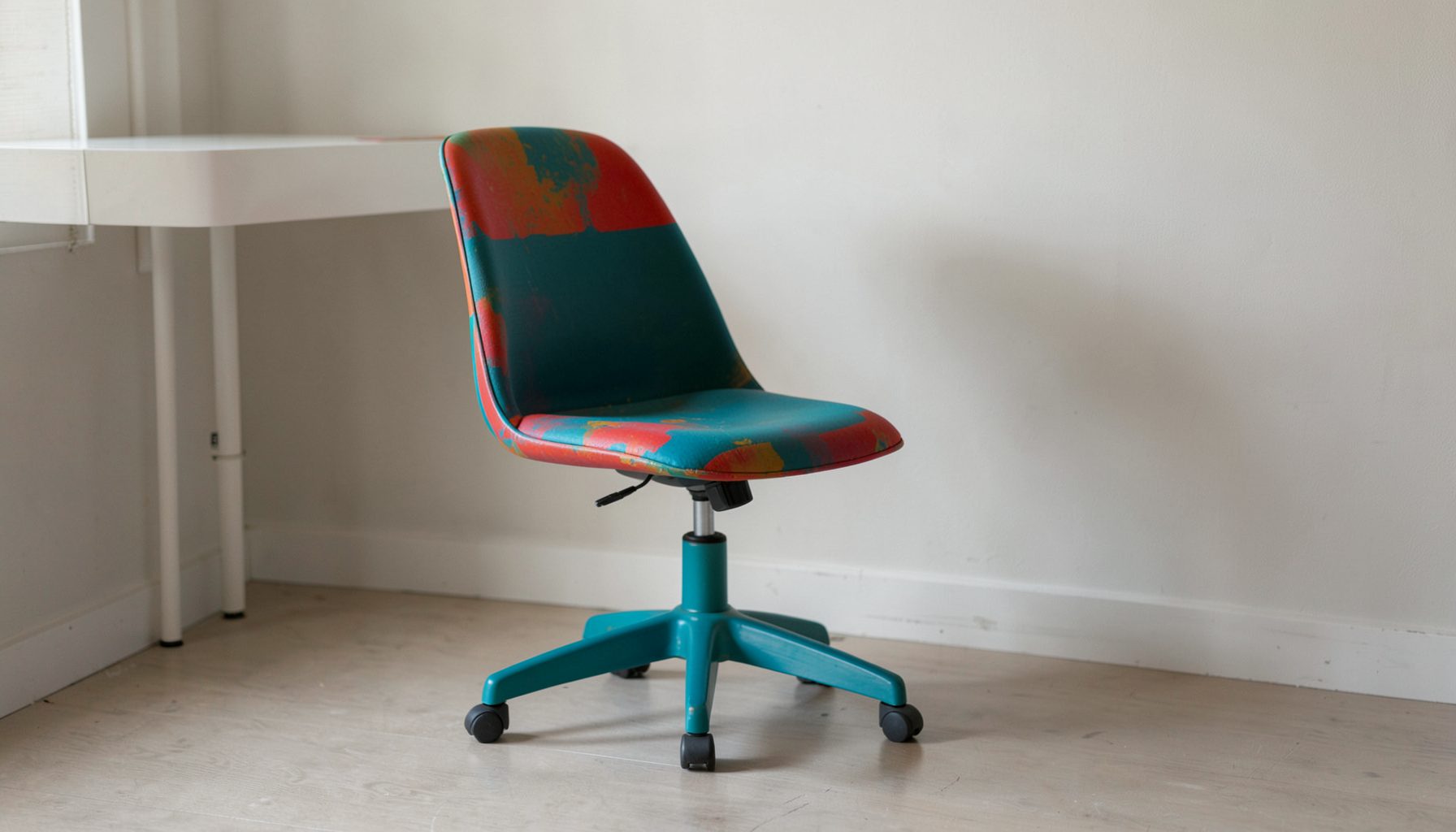
E-Decorating
Personalized design guidance delivered online — perfect for clients anywhere in the world who want a professional eye.
Learn More
Portfolio
Browse completed room makeovers, before-and-after transformations, and styling projects from Bay Area homes.
Learn More
Blog
Interior design inspiration, fashion finds, entertaining ideas, and peeks into real home renovations and styling projects.
Learn More
Downloads
Free curated resources for home decorating and design — guides, checklists, and inspiration to help you get started.
Learn MoreMaking a Narrow Balcony Feel Like an Extension of Your Living Space
A narrow balcony can be far more than a place to hang washing or store a few neglected pots. With the right proportions, lighting and materials, it can become a comfortable outdoor room for morning coffee, evening drinks, reading or entertaining. The goal is not to squeeze a full lounge setting into a restricted footprint. It is to create a clear sense of purpose and make every centimetre earn its place.
Australian homes often have balconies that need to work hard. A compact apartment terrace in Sydney, a high-rise balcony in Melbourne or a slim alfresco in Brisbane may need to cope with intense sun, wind, rain and strata rules. A thoughtful decorating scheme can respond to those realities while still feeling personal, layered and connected to the interior.
Begin With The Balcony’s Shape
Before buying furniture, measure the balcony carefully. Record its length, width, ceiling height, door swing and the position of drainage points, power outlets and balustrades. Pay attention to the usable walking path from the living room to the outside. A balcony may look wide enough for a table until a chair is pulled out, or a planter may block the only practical route to the clothesline.
Treat the floor plan as an extension of your living room rather than an entirely separate zone. If the indoor space opens directly onto the balcony, repeat one or two visual cues between both areas. A similar timber tone, a related colour or a matching black metal finish can make the threshold feel less abrupt. The exterior does not need to be a perfect copy of the room; it simply needs to feel like part of the same story.
For a very slim balcony, choose one dominant activity. A bench for morning coffee, a pair of compact lounge chairs or a built-in banquette will usually be more successful than trying to include dining, sun lounging and gardening in one narrow strip. In a Sydney or Melbourne apartment, this restraint can also make cleaning easier and keep access clear for building maintenance.
Furniture scale matters more than furniture quantity. Look for pieces with narrow frames, open sides and raised legs, which allow the floor to remain visible and make the area feel less crowded. A small round table can soften a long rectangular layout, while a slim console or ledge can provide a useful perch without consuming the full depth of the balcony.
Choose Furniture For Real Outdoor Living
Outdoor furniture should be selected for the conditions it will face, not just for its appearance in a showroom. Australian sunlight can fade fabrics quickly, particularly on west-facing balconies, while coastal air in places such as Perth, Adelaide and the Gold Coast can be hard on untreated metal. Powder-coated aluminium, teak, treated hardwood and quality outdoor-rated textiles are practical starting points.
A built-in bench is one of the most efficient solutions for a narrow outdoor area. It can sit along the longest wall, provide generous seating and include concealed storage beneath. Add a slim seat cushion and a few removable pillows rather than a bulky outdoor sofa. If drilling into walls or floors is not permitted by your strata committee or body corporate, a freestanding bench can create a similar effect without permanent alterations.
Folding and nesting furniture can help the balcony adapt throughout the day. A wall-mounted drop-leaf table works for breakfast and folds away when the space is needed for plants or stretching. Two lightweight chairs can be brought indoors during storms or rearranged when friends visit. In Australia, where a sudden change from a sunny afternoon to a wet evening is common, furniture that can be moved easily is especially valuable.
Look beyond specialist outdoor retailers when shopping. A vintage timber stool, a second-hand bistro table from Gumtree or Facebook Marketplace, or an indoor-style side table protected under cover can add character and reduce the sense that the balcony came as a matching set. Check every item for stability, rust and weather resistance, and be mindful that many apartment buildings restrict combustible materials or unsecured objects at height.
Create A Comfortable Sense Of Enclosure
A narrow balcony can feel exposed when it has too much empty sky and no visual protection from neighbouring buildings. Enclosure does not require heavy screening. A tall planter, outdoor curtain, slatted panel or woven privacy screen can define the edge while preserving light and airflow. Always check strata or body corporate approval before attaching anything to the façade, balustrade or ceiling.
Plants are particularly effective because they soften hard architectural lines and add privacy without making the balcony feel boxed in. Use a combination of heights: a tall, narrow plant at the corner, medium foliage near the seating and low pots on a ledge or stand. For a sunny Australian balcony, consider hardy choices such as westringia, rosemary, lomandra or olive trees in appropriately sized containers. A shaded Melbourne balcony may suit ferns, cast-iron plants or clivia more comfortably.
Choose containers with a consistent visual language. A collection of terracotta pots can bring warmth to a pale balcony, while charcoal or stone-coloured planters create a calmer backdrop for green foliage. If the balcony is exposed to strong wind, use heavier pots and avoid placing tall, top-heavy plants close to the balustrade. Check drainage carefully so excess water does not stain surfaces or drip onto neighbours below.
Soft screening can also improve comfort in apartments facing busy streets. Outdoor curtains made from a breathable, weather-resistant fabric can filter glare and create a sense of occasion in the evening. They need secure tracks, weights or tie-backs so they do not become a hazard in windy conditions. In Brisbane’s humid climate, fabrics should dry quickly and be easy to remove for regular cleaning.
Add Texture, Light And Colour
Layered texture makes a small balcony feel considered rather than crowded. Combine smooth materials such as powder-coated metal or glazed ceramic with tactile surfaces including timber, woven fibre, stone and outdoor fabric. These subtle contrasts are especially useful when there is little room for decorative objects. A ribbed planter, a timber stool and a nubby cushion can bring depth without taking up additional floor area.
For more ideas on combining tactile finishes, this guide to adding texture at home offers useful principles that can be adapted outdoors. Think about texture at several levels: underfoot, at seating height and around eye level. An outdoor rug can anchor the arrangement, while woven cushions and a natural-fibre pendant can make the balcony feel visually connected to the living room.
Use colour with a light touch. A narrow outdoor room usually benefits from a quiet base such as warm white, sand, soft grey or olive. Bring in richer notes through one cushion, a striped seat pad, a ceramic pot or a small painted table. If the interior has blue cabinetry, brass details or terracotta accents, echoing one of those tones outside can make the two areas read as a continuous space.
Lighting will determine whether the balcony is useful after sunset. A hard overhead fitting can feel stark, so combine a wall light with rechargeable lamps, warm fairy lights or a small lantern placed safely on a table. Choose warm-white bulbs rather than cool blue light, and keep cords protected from water. Candles may suit a sheltered dinner, but check building rules and avoid open flames on exposed balconies.
Make The Balcony Work Every Day
The most successful small balconies are designed around ordinary habits rather than occasional entertaining. If you drink coffee outside, provide a stable surface for the cup and a comfortable place to sit. If you work from home, consider a narrow table with enough depth for a laptop, shade for the screen and a nearby power solution approved for outdoor use. If you enjoy gardening, allow space for watering, pruning and storing tools instead of filling every corner with pots.
Storage should be discreet and weather-conscious. A lidded bench can hold cushions, while a slim outdoor cabinet may store gardening supplies, lanterns and cleaning equipment. Avoid leaving textiles outside permanently unless they are genuinely designed for outdoor use. UV exposure, dust and coastal moisture can shorten the life of even expensive materials, so removable covers and a simple storage routine are worthwhile.
The connection to the living room can be strengthened through the threshold. Keep the doorway visually clear, use a runner or rug that relates to the indoor palette, and avoid placing a tall object directly beside the opening. When the doors are open, the eye should travel naturally from the sofa to the balcony seating, plants or focal point. This makes the total living area feel larger, even when the balcony itself has not changed size.
Remember practical Australian conditions when finalising the scheme. A balcony in Perth may need serious protection from afternoon sun, while a coastal apartment near Sydney may require regular rinsing to remove salt. In Melbourne, flexible layers are useful when a cool morning becomes a bright afternoon. If you are buying plants or outdoor furniture from Bunnings, a local nursery or a design showroom, check the product’s care requirements and make choices suited to your exact exposure.
A narrow balcony feels most generous when it has a clear purpose, a comfortable place to sit and enough breathing room to move around it. Measure before shopping, prioritise durable materials, use plants and lighting to create atmosphere, and repeat a few colours or finishes from the room inside. The lasting idea is simple: treat the balcony as a real part of the home, and even a slim outdoor space can feel welcoming, useful and distinctly yours.

Recent Projects