Interior Design
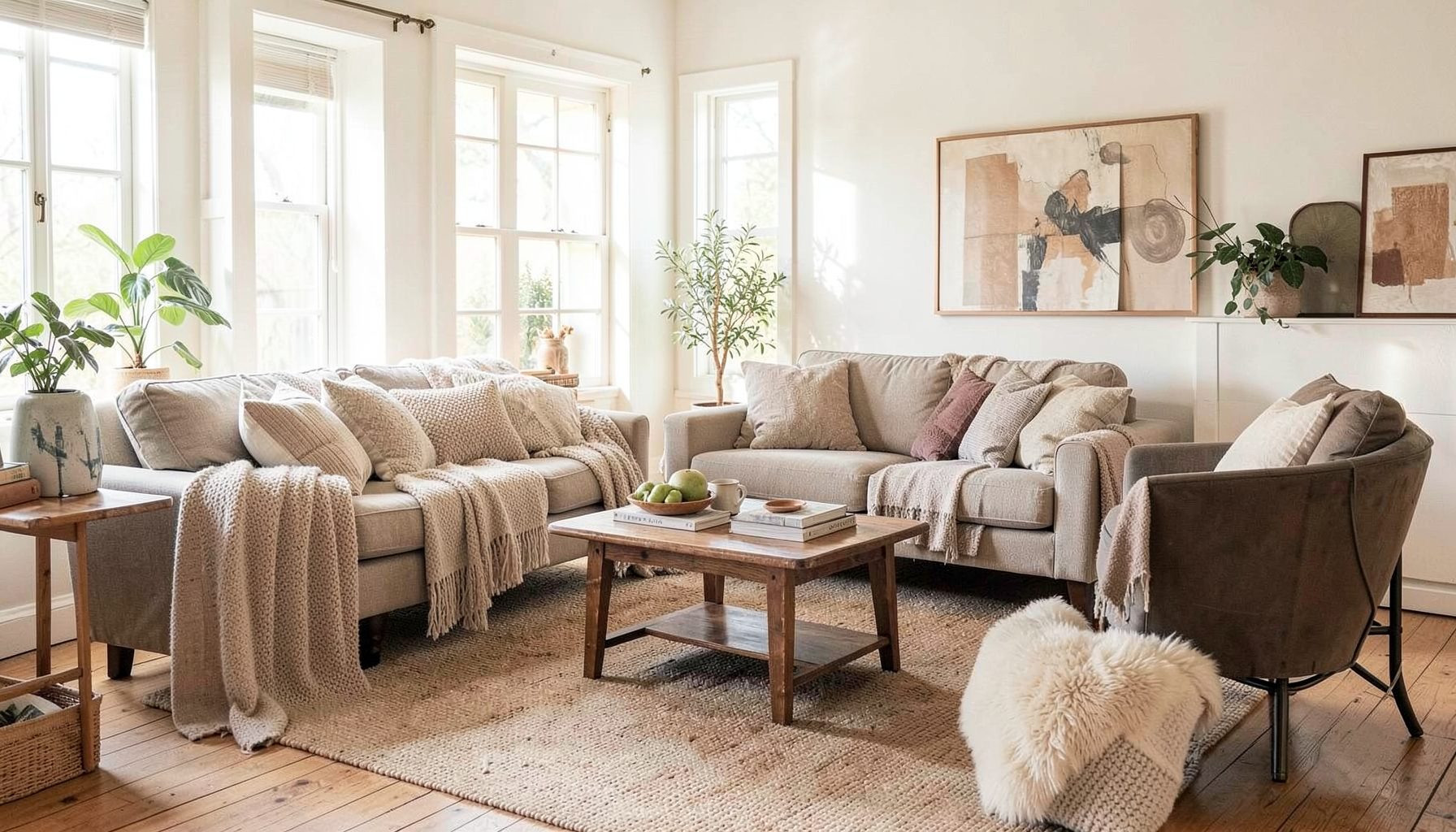
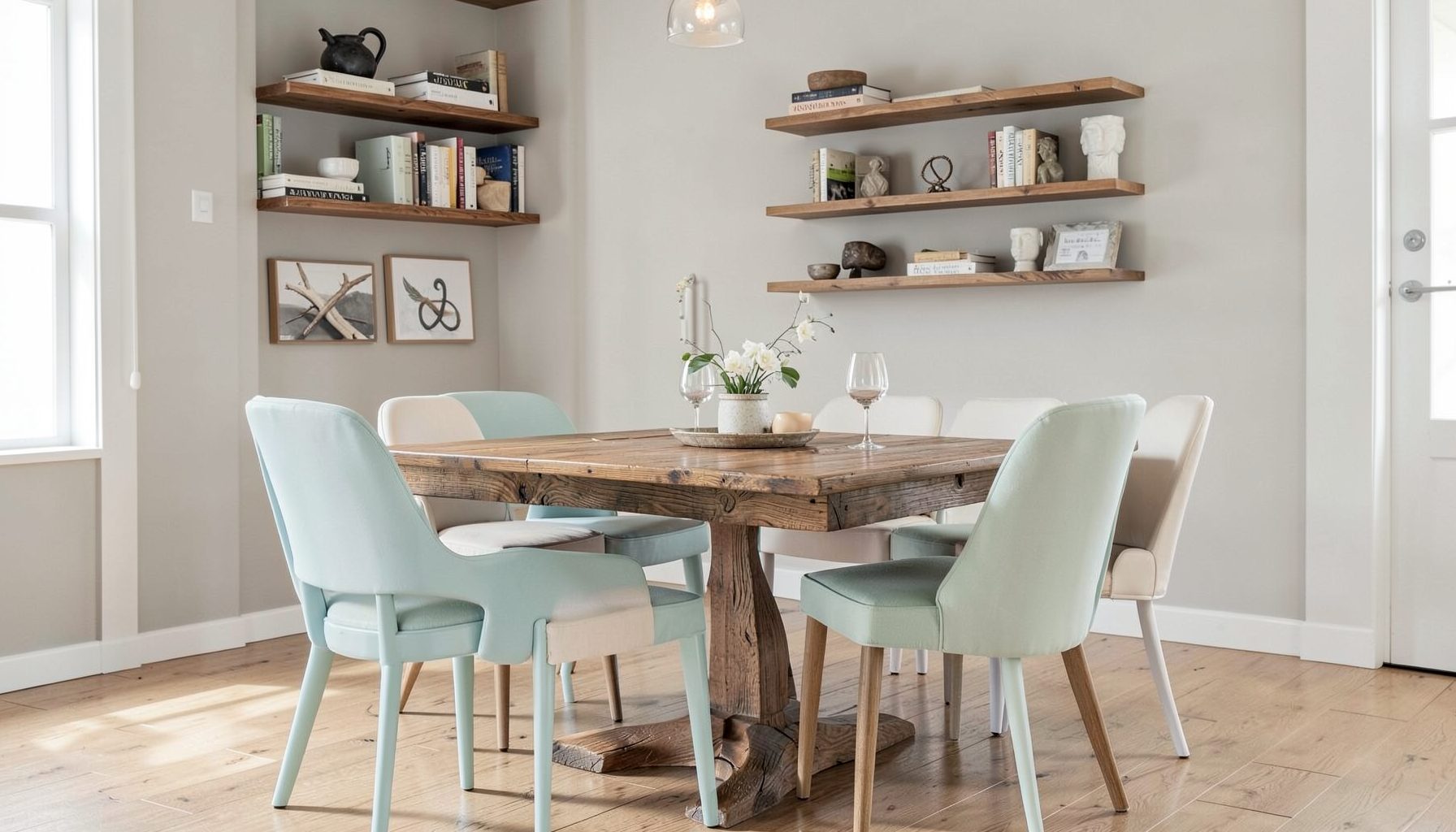
Full-service decorating that blends high and low, vintage finds with modern pieces for spaces that feel personal and collected.
Learn More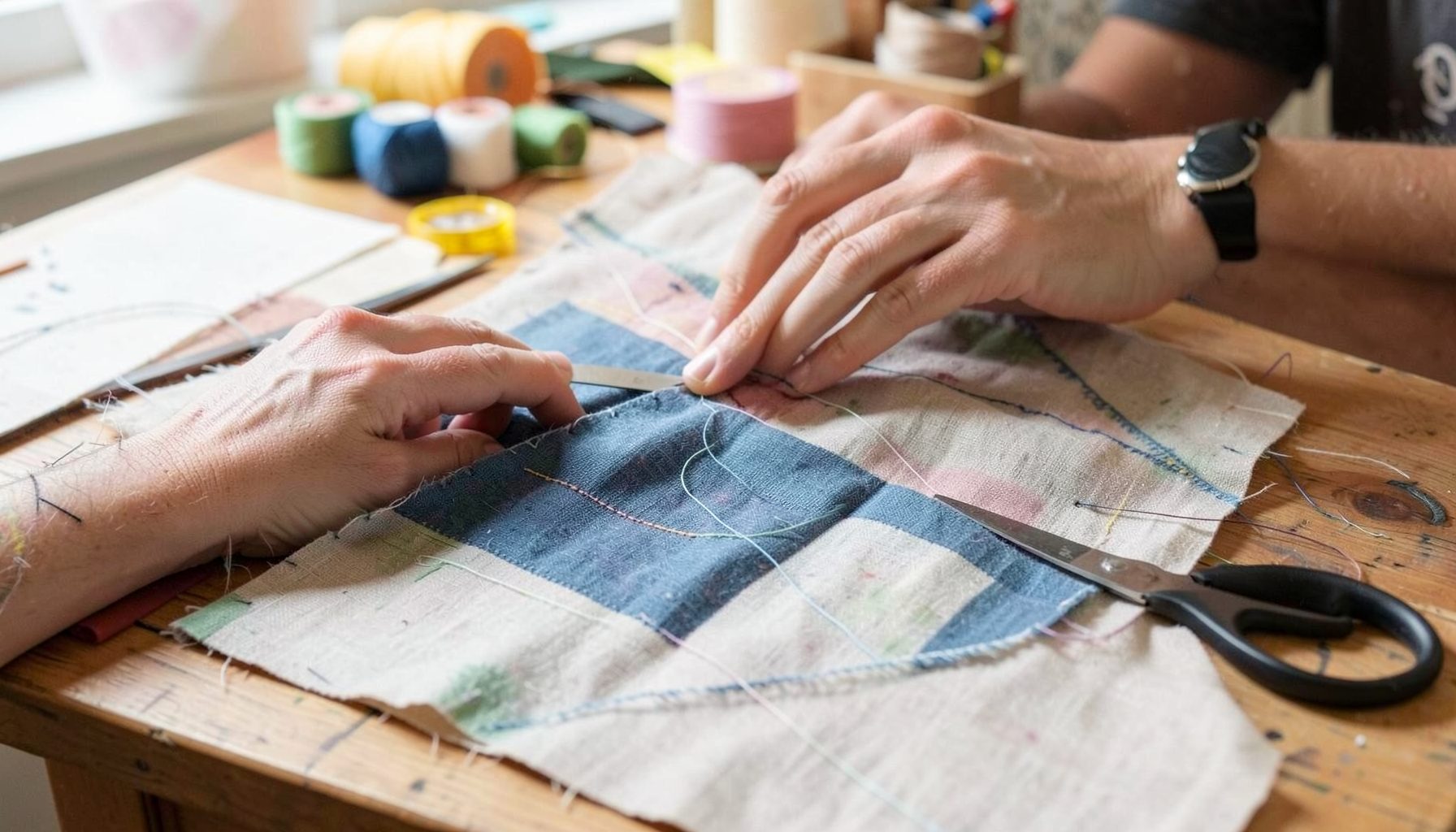
DIY Projects
Step-by-step tutorials for refinishing furniture, sewing pillows, styling bookshelves, and transforming rooms on a budget.
Learn More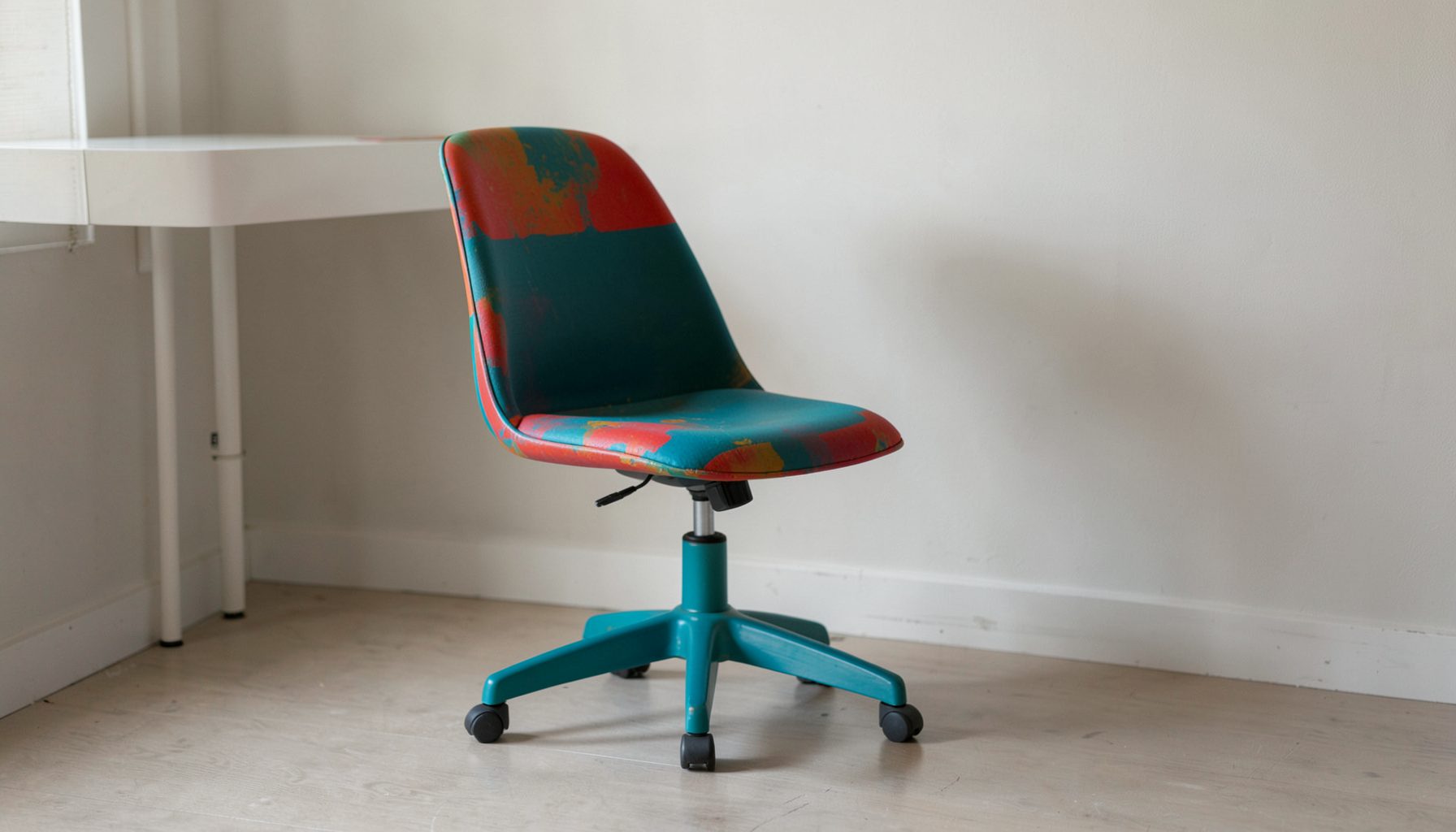
E-Decorating
Personalized design guidance delivered online — perfect for clients anywhere in the world who want a professional eye.
Learn More
Portfolio
Browse completed room makeovers, before-and-after transformations, and styling projects from Bay Area homes.
Learn More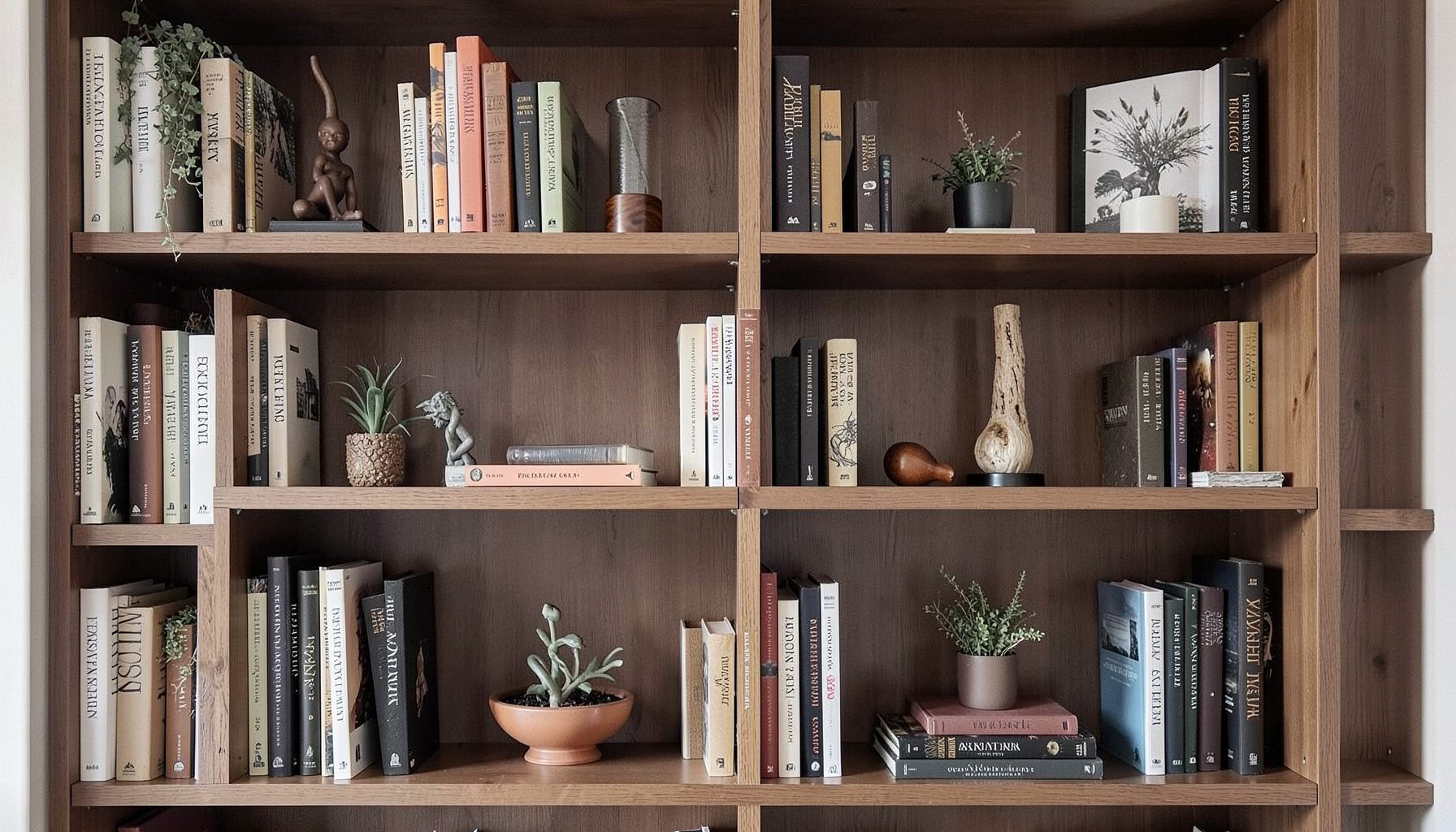
Blog
Interior design inspiration, fashion finds, entertaining ideas, and peeks into real home renovations and styling projects.
Learn More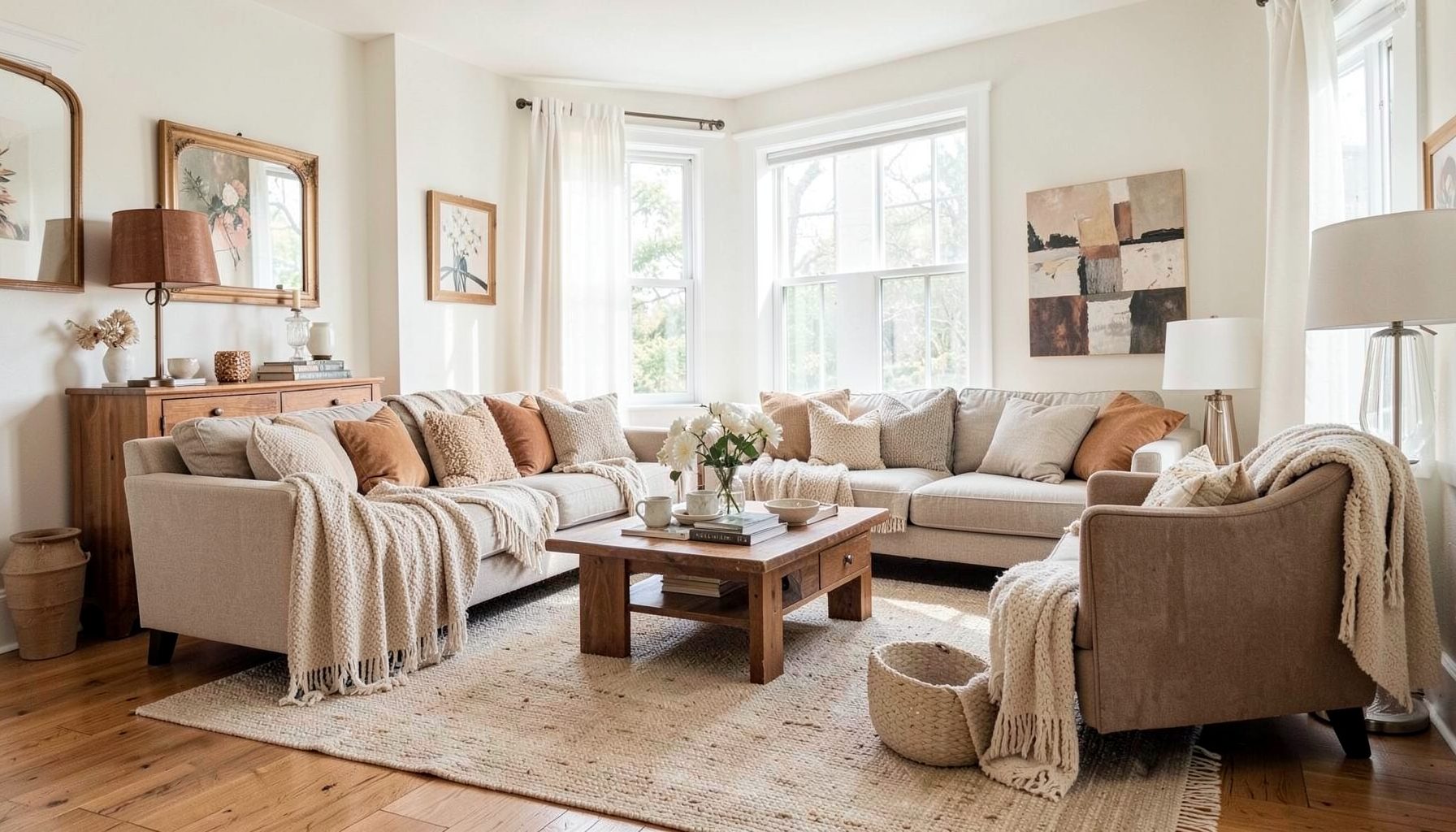
Downloads
Free curated resources for home decorating and design — guides, checklists, and inspiration to help you get started.
Learn More5 Ways to Add Texture to a Neutral Interior
Neutral rooms create a calm foundation for everyday living. Soft whites, warm taupes, sandy beiges, muted grays, and earthy browns allow architecture, light, and furnishings to take center stage. Yet a room built from similar colors can feel flat when every surface has the same finish.
Texture brings depth without requiring a dramatic color change. A nubby linen, handwoven basket, aged wood finish, or softly patterned rug can make a restrained palette feel layered and inviting. The most successful neutral interiors use contrast in touch, shape, sheen, and scale to create visual interest.
For a collected look, combine vintage and modern elements rather than purchasing every piece from the same collection. This approach works particularly well in Bay Area homes, where relaxed California style often benefits from natural materials, thoughtful simplicity, and furnishings that feel comfortable rather than overly formal.
Layer Natural Fabrics Throughout the Room
Textiles are one of the easiest ways to introduce tactile variety into a neutral space. Begin with a foundation of linen, cotton, wool, or hemp, then vary the weave and weight. A tailored linen sofa can sit comfortably beside a chunky wool throw, a nubby boucle pillow, and a lightweight cotton curtain. The color story stays quiet while the surfaces create movement.
Layering fabric works best when each material has a distinct personality. Smooth linen has a relaxed, gently rumpled appearance, while velvet offers a subtle sheen and a denser hand. Woven cotton adds casual texture, and wool contributes warmth and softness. Mixing these finishes prevents a beige or ivory room from becoming visually repetitive.
Window treatments are often overlooked in decorating plans, yet they have a major effect on the atmosphere of a room. Full-length linen draperies soften hard architectural edges and filter daylight beautifully. Roman shades in a woven grasscloth or textured cotton can provide a cleaner tailored look. Even simple fabric panels can make a room feel more finished.
Use cushions and throws in varied proportions rather than placing identical pillows across a sofa. A long lumbar pillow, a square embroidered cushion, and a smaller patterned accent create a more natural arrangement. Keep the palette related, but let the stitching, fringe, pleats, and weave add personality.
Bring In Wood, Stone, And Woven Materials
Hard finishes provide essential balance in a soft neutral interior. Raw or lightly finished wood introduces warmth and organic variation, especially when its grain remains visible. A pale oak coffee table, a walnut stool, or a vintage pine cabinet can anchor a room without adding a strong color statement.
Stone contributes a different kind of texture. Honed limestone, travertine, marble with a matte finish, and soapstone all have quiet visual movement. Their natural veining and irregularity help a neutral kitchen, bathroom, or living room feel considered. A stone lamp base, side table, fireplace surround, or decorative bowl can be enough to bring this quality into a space.
Woven materials create a relaxed bridge between upholstery and hard surfaces. Rattan, seagrass, cane, jute, and rush bring an artisanal character that suits both modern and traditional interiors. Consider a cane-front cabinet, a woven pendant, a seagrass basket for blankets, or a rush-seat dining chair.
The key is to avoid repeating one material everywhere. A room with only woven baskets and rattan furniture can lose contrast. Pair coarse fibers with smooth wood, honed stone with nubby upholstery, and pale natural finishes with one or two darker accents. A layered room should feel collected over time rather than coordinated in a single afternoon.
Use Rugs To Define Softness And Depth
A rug adds texture underfoot while helping organize a seating area. In a neutral room, the rug does not need bold color to make an impression. A subtle geometric pattern, faded vintage motif, tonal stripe, or high-low weave can provide enough variation to make the floor feel intentional.
Choose the pile according to the room’s purpose. A flatweave rug is practical for dining spaces and high-traffic areas, while a plush wool style brings comfort to a bedroom or family room. A vintage rug with slight variations in tone can add character to an otherwise clean space. For a more contemporary look, consider a hand-knotted rug with an understated pattern and an irregular edge.
Layering two rugs can create additional dimension when done with restraint. Place a smaller patterned rug over a larger jute or sisal foundation to combine softness with structure. This works especially well in open-plan rooms, where the layered arrangement helps define a conversation area without adding walls.
Scale matters as much as material. A rug that is too small can make furniture appear disconnected, while the right size gives the room a grounded, generous feeling. Whenever possible, allow the front legs of seating to rest on the rug. In larger living areas, placing all major furniture on the rug creates a cohesive, welcoming arrangement.
| Material or Finish | Tactile Quality | Best Use | Neutral Palette Pairing |
|---|---|---|---|
| Linen | Relaxed, lightly rumpled | Drapery, sofas, bedding | Ivory, sand, warm white |
| Wool | Soft, substantial, insulating | Rugs, throws, upholstery | Taupe, camel, mushroom |
| Rattan or Cane | Airy, woven, artisanal | Chairs, cabinet fronts, lighting | Cream, tan, muted green |
| Aged Wood | Warm, grainy, organic | Tables, shelving, case goods | Beige, clay, charcoal |
| Honed Stone | Cool, matte, naturally varied | Accessories, countertops, tables | White, putty, soft gray |
| Velvet | Dense, smooth, gently reflective | Accent pillows, chairs, ottomans | Mocha, dusty rose, olive |
Add Dimension With Walls And Lighting
Texture does not have to come from furniture alone. Walls offer a broad surface where subtle finishes can create depth throughout the room. Limewash, Roman clay, grasscloth wallpaper, plaster effects, and subtly patterned papers can all enrich a neutral palette without making it feel busy.
A limewashed wall has a soft, cloudlike variation that changes with the light. Grasscloth adds woven dimension and a refined natural character, while a small-scale tonal wallpaper can make a hallway, powder room, or bedroom feel more intimate. These treatments work particularly well when their colors remain close to the surrounding upholstery and trim.
Lighting also changes the way texture is perceived. A pleated fabric shade casts a softer glow than a glossy metal fixture. A ceramic lamp with a hand-finished surface adds interest even when it remains within a cream or white palette. Wall sconces, picture lights, and portable lamps create pools of illumination that reveal the weave of textiles and the grain of wood.
Aim for a mix of ambient, task, and accent lighting. A central fixture may provide general illumination, but table lamps and floor lamps create warmth at eye level. Adjustable picture lights can highlight artwork, while under-cabinet lighting can emphasize stone or tile. Layered light gives a neutral room dimension from morning through evening.
Mix Shapes, Sheen, And Imperfect Details
Texture is visual as well as tactile. Rounded silhouettes, irregular edges, reflective surfaces, and handcrafted details can keep a monochromatic room from looking overly uniform. Place a curved boucle chair near a rectangular wood coffee table, or combine a round mirror with linear shelving and a sculptural ceramic vessel.
Sheen should be used selectively. A matte plaster wall beside a polished stone object creates contrast, while an aged brass lamp can add a small glimmer to a room filled with natural fibers. Glass, glazed ceramic, and brushed metal each reflect light differently. These details help a neutral interior feel alive without introducing a wide range of colors.
Imperfection brings another kind of richness. Look for hand-thrown pottery, vintage frames, carved wood, woven trays, and objects with visible marks of making. A slightly uneven surface often feels warmer than a perfectly manufactured one. This is where personal style becomes visible: a room should hold pieces that have meaning, history, or an appealing shape.
When arranging accessories, vary height and silhouette. A low stone bowl, a tall branch in a ceramic vessel, and a small framed artwork can form a simple layered grouping. Leave some breathing room between objects so each texture can be appreciated. Editing is important; too many small accessories create visual noise rather than depth.
Create A Balanced Neutral Palette
The most inviting neutral interiors usually include several related shades instead of one dominant beige. Start with a base color for walls or larger upholstery, then add supporting tones such as oatmeal, mushroom, camel, warm gray, chalk, clay, or muted olive. These subtle shifts make texture easier to see.
Temperature matters when building a restrained palette. Warm neutrals pair naturally with aged brass, walnut, terracotta, and creamy textiles. Cooler neutrals work well with pale oak, brushed nickel, charcoal, and blue-gray accents. Mixing temperatures can be successful, but repeat each choice enough to make the room feel intentional.
Contrast can be gentle or pronounced. In a soft room, a charcoal frame, dark wood table, or blackened metal light fixture provides definition. If the space already has strong architectural features, keep the contrast quieter and let texture do most of the work. The goal is a visual rhythm that feels relaxed rather than stark.
Vintage and budget-friendly pieces can sit alongside investment furnishings with ease. A secondhand side table, handmade basket, or thrifted landscape painting may contribute more character than a perfectly matched accessory set. Personalized design guidance can help determine which pieces deserve attention, which surfaces need softening, and where a small change will have the greatest effect.
Practical Ways To Layer Texture
A thoughtful plan keeps texture from becoming random. Before adding new pieces, look around the room and identify what is missing. If everything is smooth, introduce a woven or nubby element. If the room feels visually heavy, add glass, a lighter textile, or an open-leg piece. If the palette feels washed out, bring in aged wood or a darker accent.
Use repetition to connect the room. A warm wood tone can appear in a table, picture frame, and decorative bowl. A woven quality might repeat in a pendant, basket, and rug border. Repetition creates cohesion while variation keeps the setting from looking like a showroom.
- Combine at least three textile types, such as linen, wool, cotton, or velvet.
- Pair smooth surfaces with rougher materials to create tactile contrast.
- Repeat one or two natural finishes across furniture and accessories.
- Use lighting to highlight walls, artwork, pottery, and woven details.
- Edit the room seasonally with throws, pillow covers, and small decorative pieces.
Neutral decorating is most successful when it reflects how a home is actually lived in. A linen sofa can wrinkle, a wood table can show its grain, and a woven basket can hold everyday clutter while still contributing to the design. Texture makes a room feel welcoming because it gives the eye and the hand something to discover.
For a room makeover, full-service interior decorating, online e-decorating, or personalized styling support, Maggie Rose Interiors can help develop a layered scheme around your home, budget, and individual taste. Explore the studio’s portfolio and decorating resources, then begin creating a neutral interior with depth, warmth, and unmistakable character.

Recent Projects