Interior Design
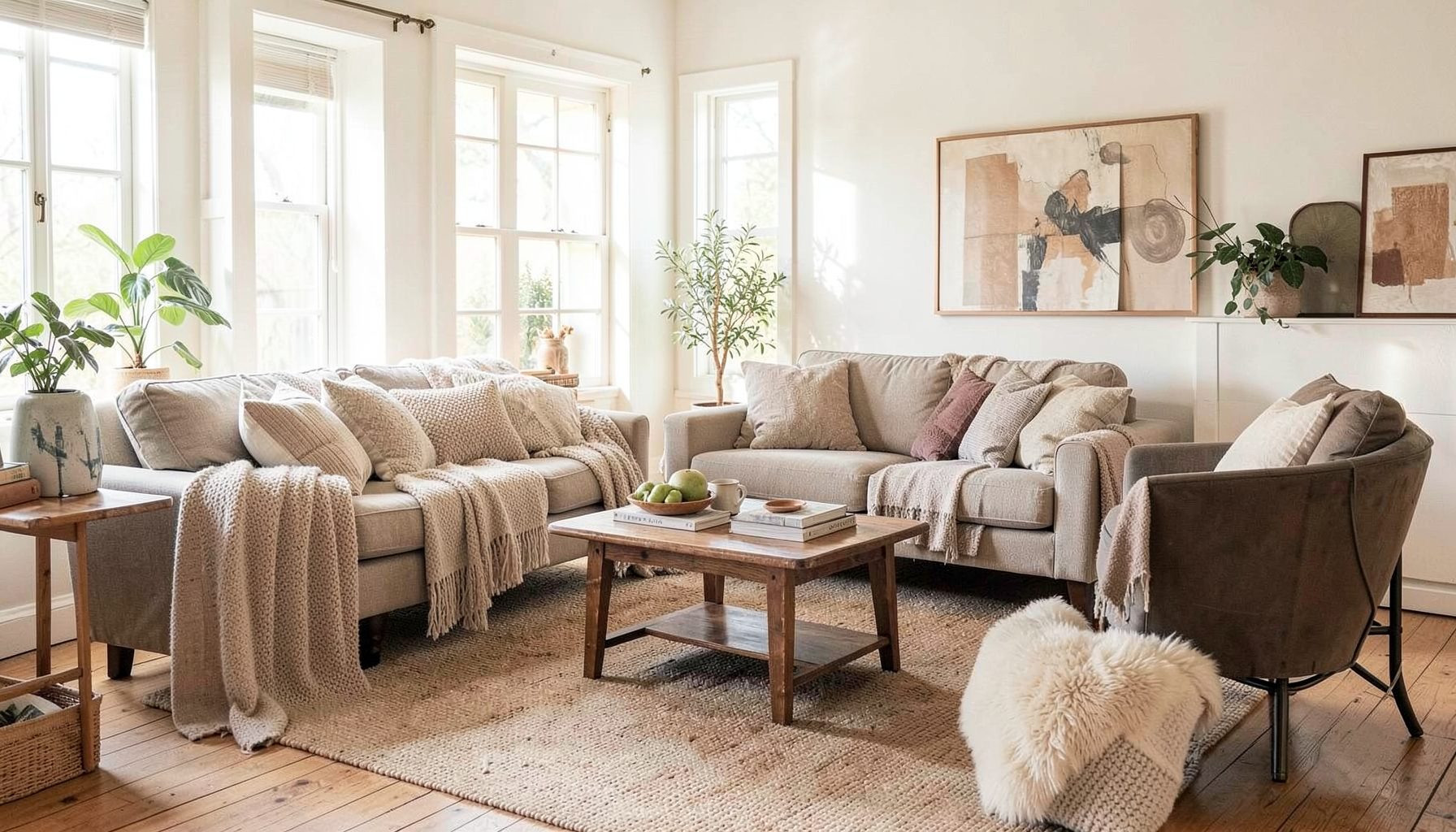
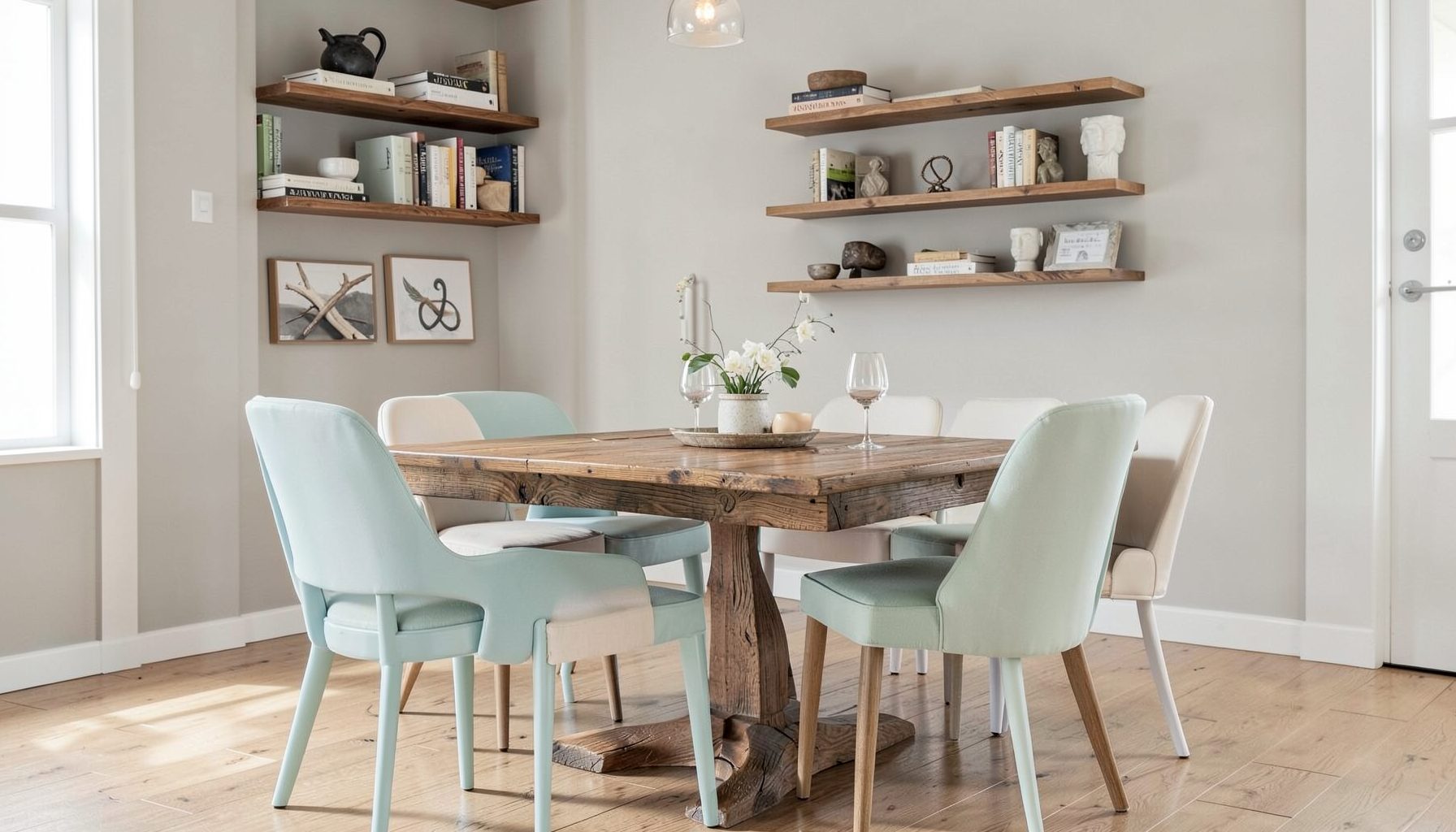
Full-service decorating that blends high and low, vintage finds with modern pieces for spaces that feel personal and collected.
Learn More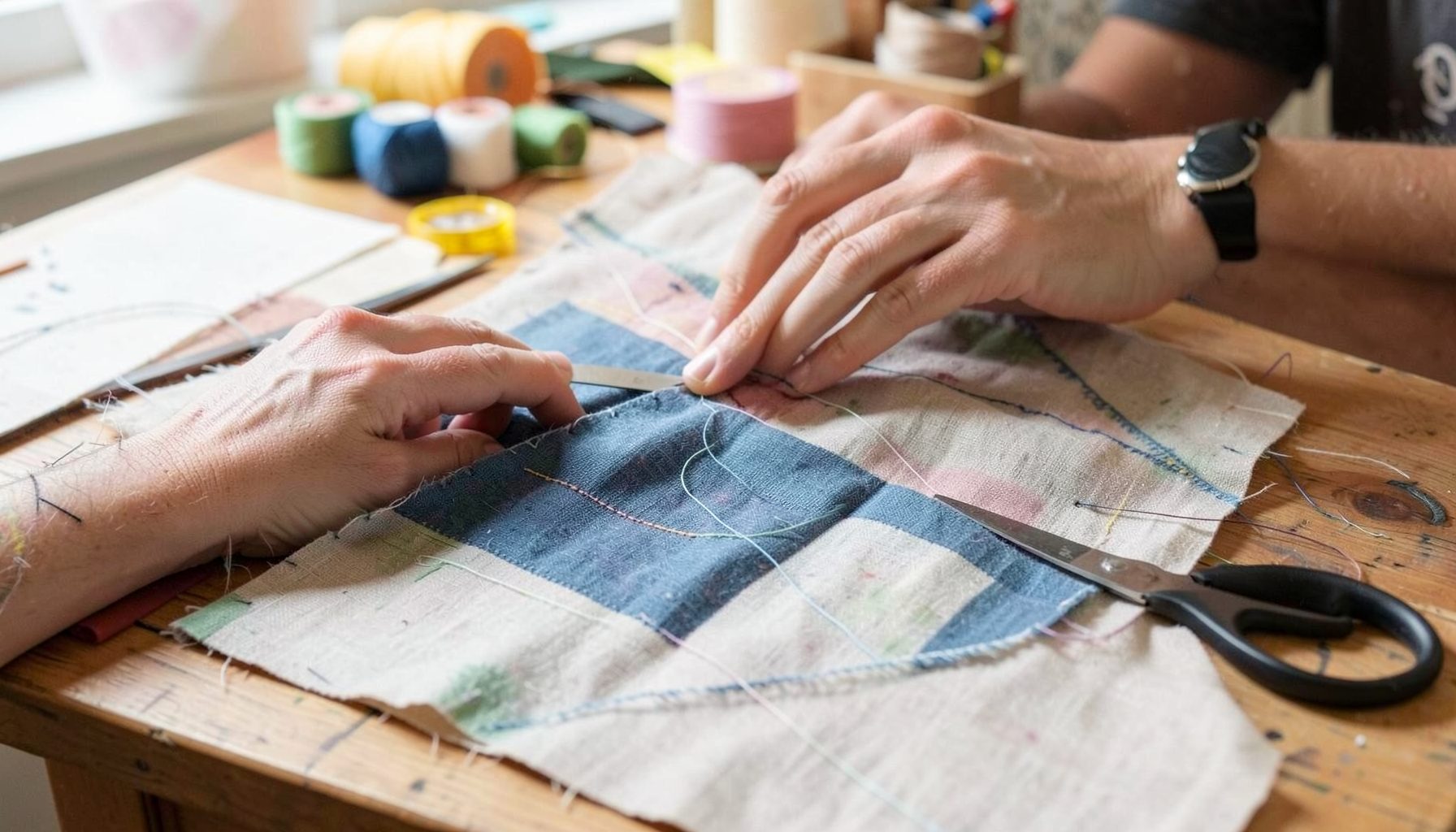
DIY Projects
Step-by-step tutorials for refinishing furniture, sewing pillows, styling bookshelves, and transforming rooms on a budget.
Learn More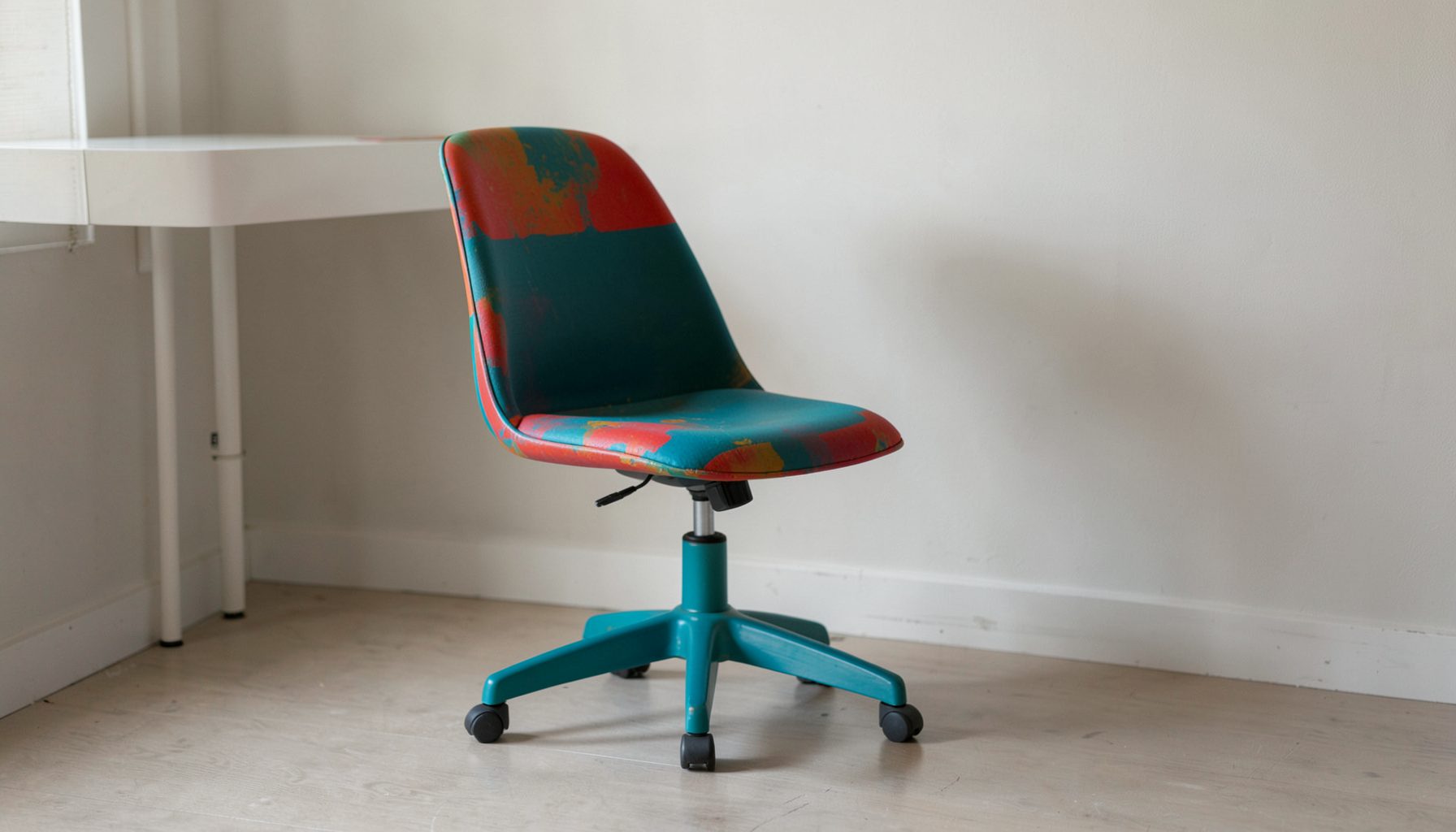
E-Decorating
Personalized design guidance delivered online — perfect for clients anywhere in the world who want a professional eye.
Learn More
Portfolio
Browse completed room makeovers, before-and-after transformations, and styling projects from Bay Area homes.
Learn More
Blog
Interior design inspiration, fashion finds, entertaining ideas, and peeks into real home renovations and styling projects.
Learn More
Downloads
Free curated resources for home decorating and design — guides, checklists, and inspiration to help you get started.
Learn MoreLayered Bedding for a Guest Bedroom That Feels Like a Boutique Hotel
There's a moment every traveller recognises: stepping into a boutique hotel and feeling the bed draw you in like a magnet. Crisp edges, plump cushions, the quiet weight of a folded throw, and that just-right scent of fresh linen. That feeling is what makes a guest bedroom truly memorable, and it has very little to do with square footage.
Australians have a soft spot for boutique hotel aesthetics. We travel to Byron Bay, the Barossa, and the Mornington Peninsula where small hotels lean into layered, collected interiors rather than corporate minimalism. Bringing that mood home has become a quietly popular project, especially for households hosting friends escaping a chilly Melbourne winter or family flying in for a Sydney summer Christmas.
Layered bedding is the heart of it. Done well, it transforms a spare room into somewhere guests actually look forward to retreating to at the end of the day. Once you understand the layers, the rest falls into place. Here's how to build the look from the mattress up.
Starting with the Foundation: Sheets and Base Bedding
Every boutique-hotel bed begins with the base you can't see but absolutely feel. Skip this step and no amount of styling on top will save the bed. Australian shoppers are spoiled for choice here, with Sheridan, Bed Threads, and the Adairs own-label range all worth investing in. If the budget is tighter, a 500-thread-count set from Kmart Australia holds up surprisingly well to repeat washing, which matters more than the marketing number on the packet.
Go for a tight, simple colour at the bottom. White, oatmeal, soft sand, or a quiet sage all read the way hotel beds do and let the layers above do the talking. Fitted sheets should be deep enough to actually grip it; a bed that pops its corners mid-stay feels instantly home-y in the wrong way. A flat sheet layered over the top, hospital-corner style, signals proper housekeeping and gives guests that tucked-in confidence that everything has been thought of.
Pillow protectors are an underrated part of the foundation. They extend the life of the actual pillows and add a final whisper of softness against the head. A feather-and-down pillow at the top of the stack, plump and supportive, sits over a firmer inner pillow so guests can adjust without the whole arrangement collapsing. This is the layer nobody talks about but everybody notices the moment they lie down.
Building Up: Duvets, Coverlets and the Power of Weight
Above the sheets comes the duvet, and this is where the hotel bed starts to look and feel substantial. Choose a weight that suits the climate you're styling for; a guest room in coastal Queensland calls for something much lighter than what works in a Tassie winter. All-seasons duvets that button together are a clever solution if the room pulls double duty and hosts visitors year-round. The duvet should drape, not puff. Pull it up so it reaches the top of the pillow line, fold once at the foot, and let the sides fall naturally.
A coverlet folded across the foot of the bed is the single move that pushes a room from bedroom to boutique-hotel-suite. A coverlet is lighter than a second duvet but heavier than a throw, which gives the bed a layered look without overheating the sleeper. Linen coverlets in a slightly darker tone than the base sheets create that tonal, slightly undone finish designers chase. If a coverlet feels like too much commitment, a folded throw can do similar work in a smaller dose. The principles behind creating a layered entryway from the door inward apply just as well to a layered bed: texture on texture, soft on soft, with the eye invited to rest gently on each surface rather than rushing past.
The way these layers stack is the secret. Duvet first, then the coverlet folded at the bottom third, then one or two throws draped diagonally. Nothing should look squared-off or stiff; the eye wants a little softness, a hint that someone actually lives a beautiful life here.
The Pillow Conversation: Choosing Counts and Sizes
Boutique hotels are shameless about pillow count, and there's no reason a guest bedroom shouldn't follow suit. The trick is choosing sizes and textures that look intentional rather than excessive. Start with the sleeping pillows at the back, then layer in standard decorative pillows in front, finishing with one or two accent cushions at the very front in a contrasting texture or pattern.
For a queen bed, two sleeping pillows and four decorative cushions arranged as a pair of euros behind a pair of standards reads beautifully. A king can carry six to eight cushions without feeling cluttered, especially if the headboard is tall and the scale of the room can absorb them. Australians with a soft spot for natural fibres tend to gravitate toward linen, cotton velvet, and lightly textured wovens, all of which photograph the way high-end hotel beds do in design magazines.
Don't forget the cushion insert. A limp insert ruins the look, no matter how beautiful the cover. Go up one size from the cover so the cushion stands proud and holds its shape through the night. If a guest flops on the bed to watch telly, the cushions should bounce back when fluffed, not sag into sad triangles by morning.
Colour, Texture and the Quiet Drama of Neutrals
Most boutique hotels lean on a tight colour palette and let texture do the heavy lifting. Cream, charcoal, soft taupe, deep navy, sage green, and the occasional inky black all play well together and survive the test of multiple guests with different tastes. If the room already has a feature wall, the bedding should pull from that palette rather than fight it. A guest bedroom in a Federation cottage in Paddington might lean into dusty pinks and heritage greens, while a new-build in Brisbane's inner west can carry a cooler, more architectural palette of stone and slate.
Texture is where the personality hides. A waffle linen cushion against a smooth cotton sheet, a chunky knit throw over a fine quilt, a velvet bolster pillow in a sea of linen pillowcases. These contrasts make a bed look collected rather than catalogue-ordered. Sourcing the mix is half the fun. A hunt through vintage stores in places like Fitzroy or New Farm will turn up old bolsters, embroidered cushions, and one-off throws that no chain store can replicate. Pair those with new pieces from Country Road, Hale Mercantile, or the linen aisle at any decent Bunnings and the bed starts telling a story.
The Hotel-Style Amenities That Make Guests Feel Cared For
The bed itself is only half the project. The other half lives in the small gestures that signal hospitality. A simple bedside tray with a carafe of water and a drinking glass is the move that consistently gets mentioned in guest reviews of boutique hotels. Add a small dish for jewellery, a folded welcome note, and a phone-charging cable tucked in a drawer and the practical side is covered without much expense.
Scent matters more than most people expect. Australians often default to heavy florals, but boutique hotels tend toward softer, less obvious choices: fig and cedar, white tea, or a quiet coastal linen. A linen spray on the pillows before guests arrive lifts the whole experience. Lighting is the other quiet hero. A warm bedside lamp with a low-wattage bulb, ideally on a dimmer, gives guests the option of reading without flooding the room. Overhead downlights are unforgiving and immediately strip the boutique mood.
Storage is the often-forgotten hotel cue. Clear a drawer or two, leave wardrobe space, and pop a couple of hangers where they'll be spotted. Guests notice when their things have a place, even if they don't comment on it out loud. A small luggage rack or a bench at the foot of the bed finishes the picture and signals that someone actually thought about how the room would be used.
The Last Few Percent: Styling Touches That Lift Everything
This is where the room shifts from "nicely made bed" to "I want to live here." A folded throw placed on a chair in the corner, a stack of books on the nightstand, a small vase of something green on the dresser. None of these items are expensive and none of them take more than a minute to arrange, but together they create the collected, slightly imperfect look that distinguishes boutique hotels from chain stays.
Artwork is worth a second look. A single oversized piece above the headboard, or a relaxed gallery wall with mismatched frames, signals that the room is finished rather than functional. Locally made ceramics, a woven wall hanging from a market stall, or a framed botanical print all work. Avoid anything that screams "spare room." The moment a guest walks in, the space should feel chosen, not leftover.
Finally, give the room a quiet once-over before each guest arrives. Fluff the cushions, smooth the duvet, fold the throw, refill the water carafe, and open a window for ten minutes to air the space. That last step is something every good hotel does and almost no home host remembers. Fresh air is free, and a guest who walks into a softly sunlit, faintly breezy room with a beautifully made bed will remember it long after they leave.
A guest bed layered this way stops feeling like a spare room and starts feeling like an invitation. The kind of small holiday your guests didn't know they were getting until they climbed in, turned down the lamp, and felt that everything had been thought of. That's the boutique hotel moment, and it lives at home as well as it does on the road.

Recent Projects