Interior Design
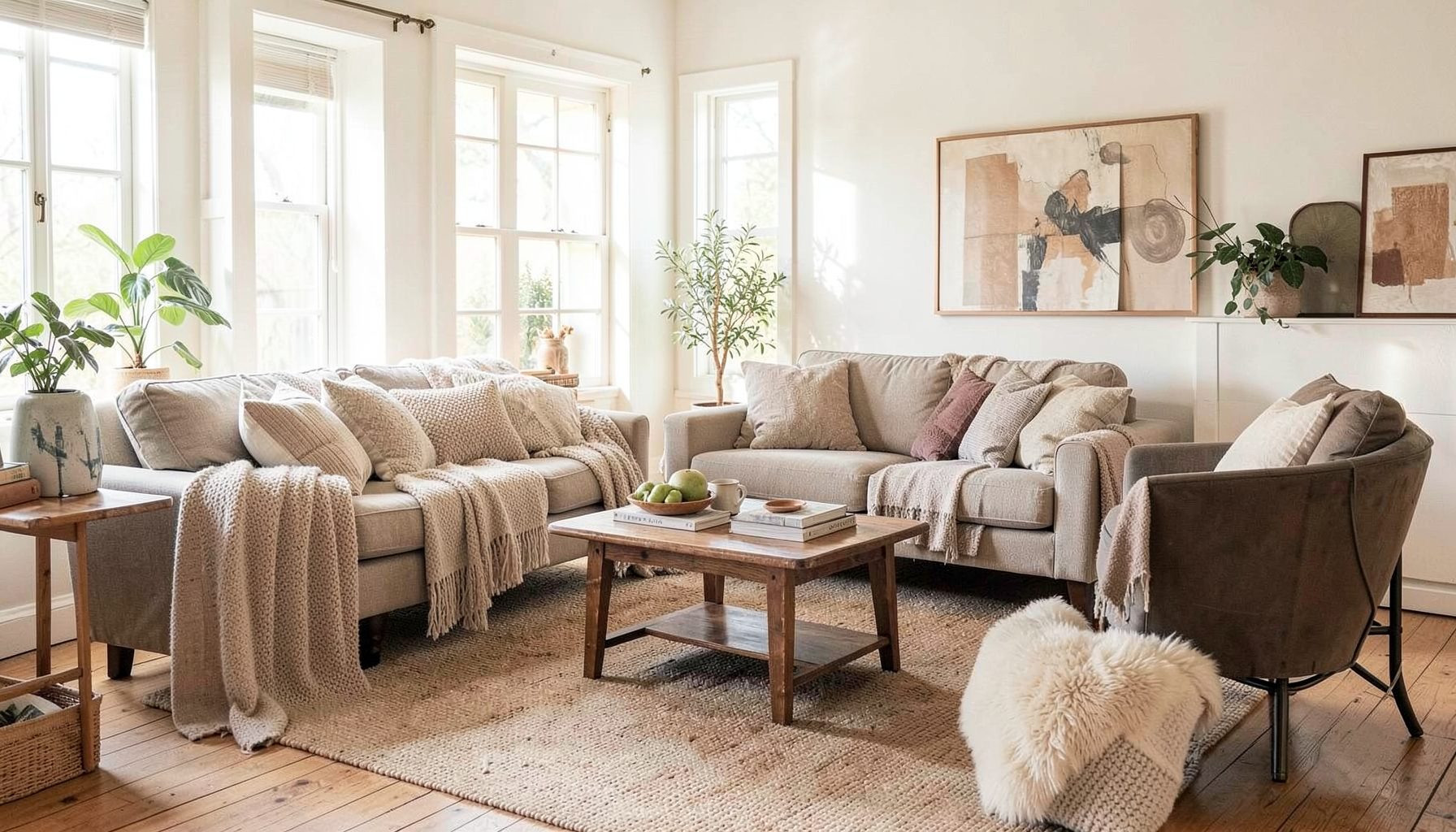
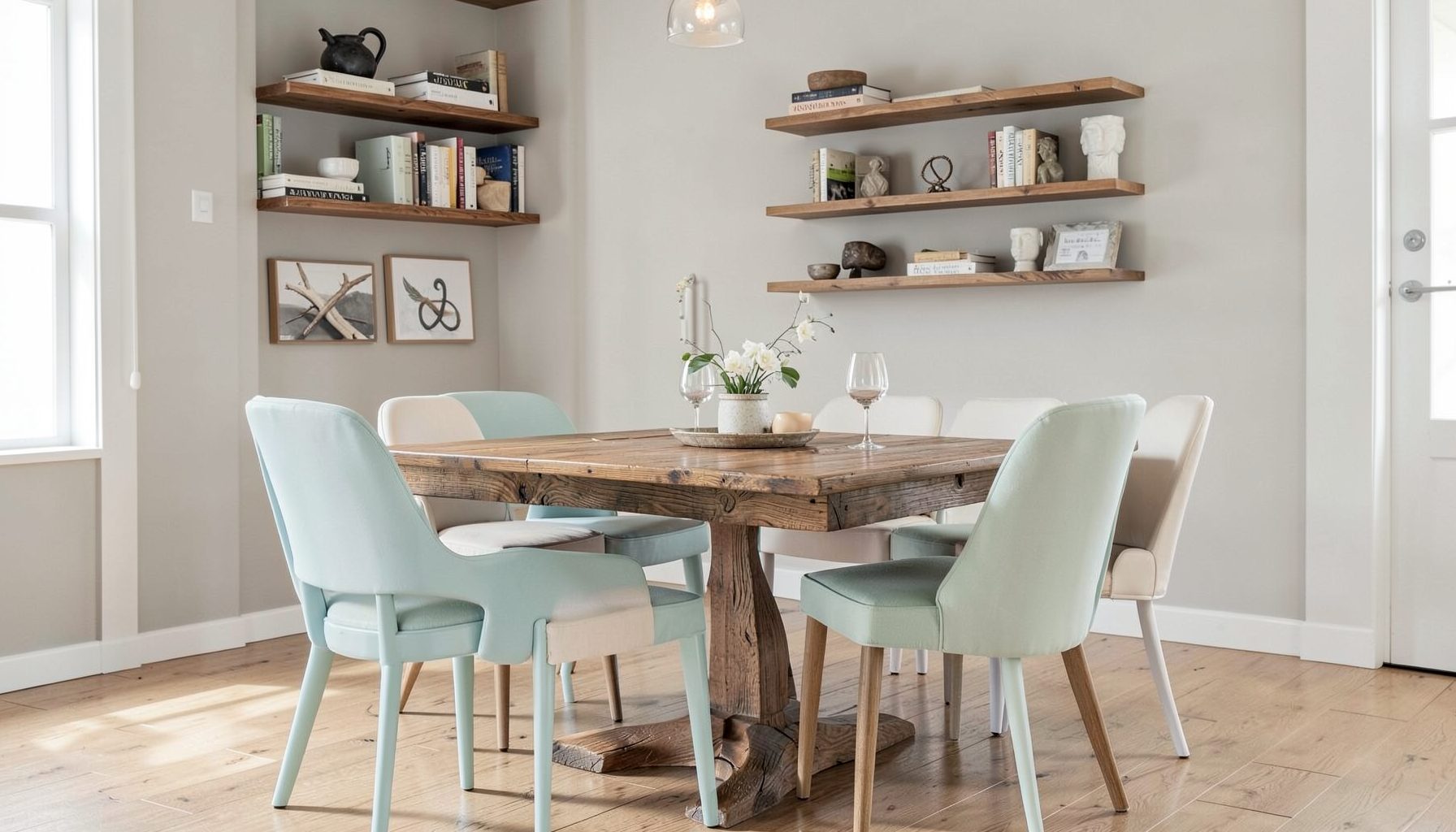
Full-service decorating that blends high and low, vintage finds with modern pieces for spaces that feel personal and collected.
Learn More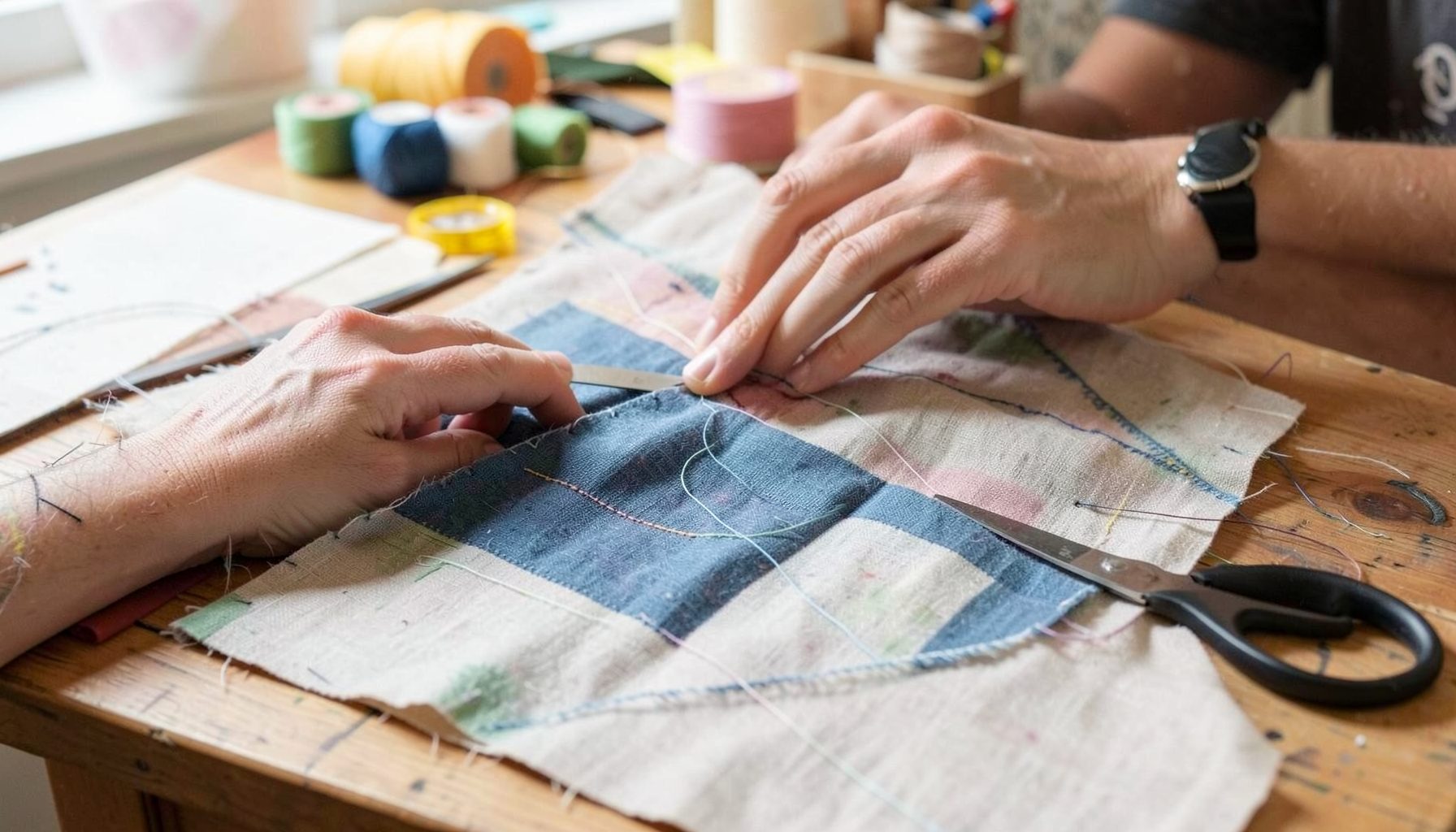
DIY Projects
Step-by-step tutorials for refinishing furniture, sewing pillows, styling bookshelves, and transforming rooms on a budget.
Learn More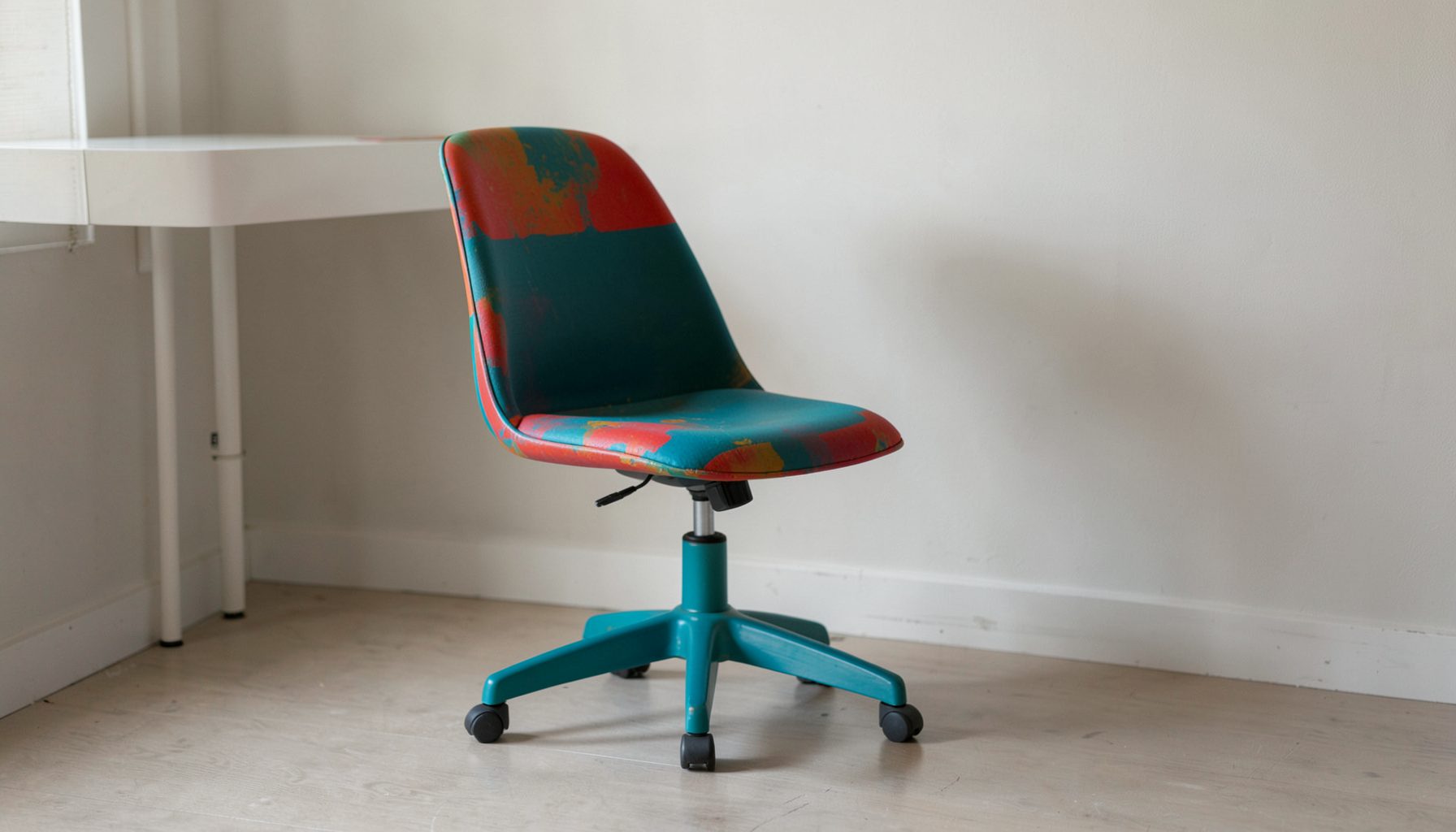
E-Decorating
Personalized design guidance delivered online — perfect for clients anywhere in the world who want a professional eye.
Learn More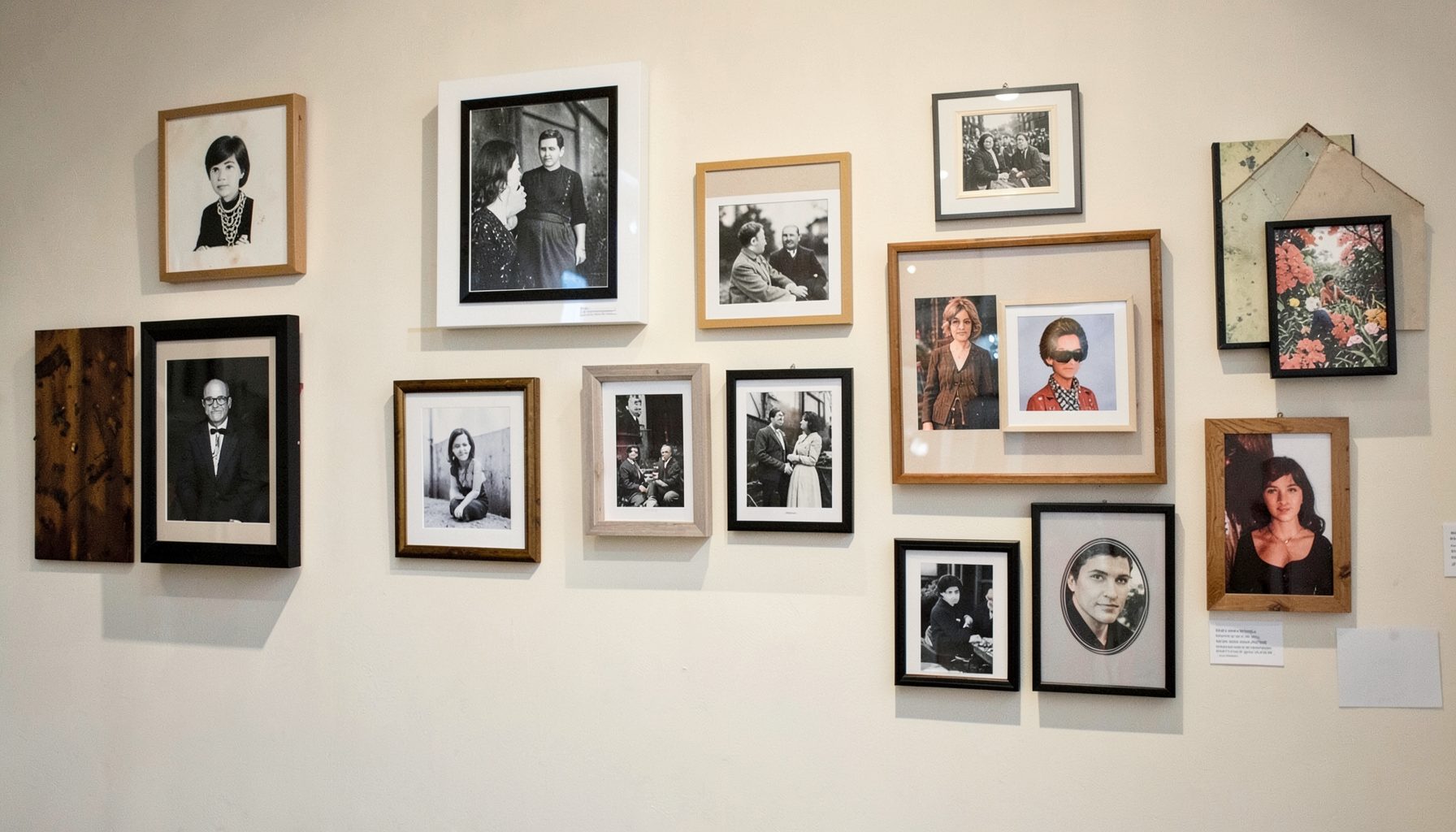
Portfolio
Browse completed room makeovers, before-and-after transformations, and styling projects from Bay Area homes.
Learn More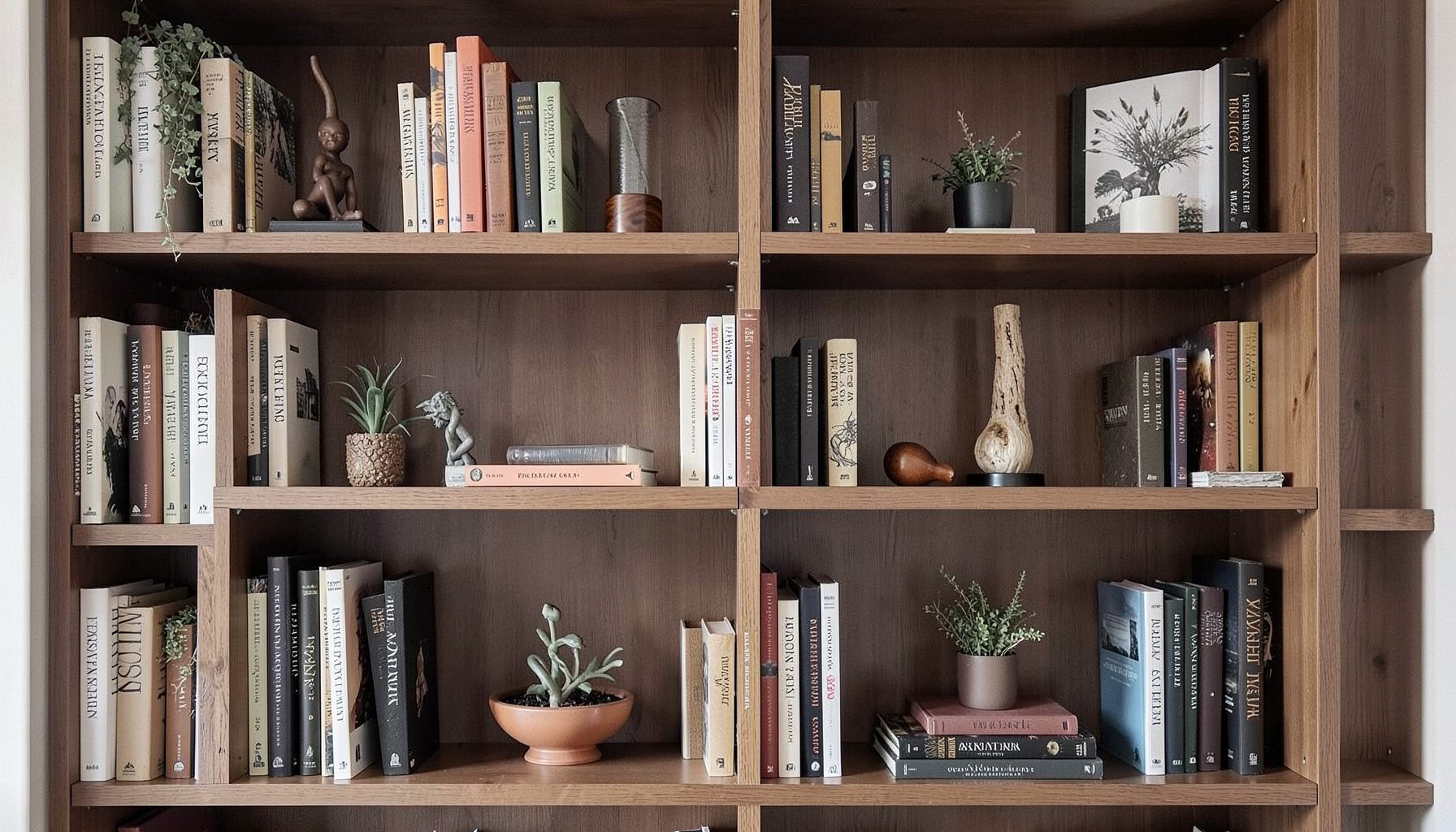
Blog
Interior design inspiration, fashion finds, entertaining ideas, and peeks into real home renovations and styling projects.
Learn More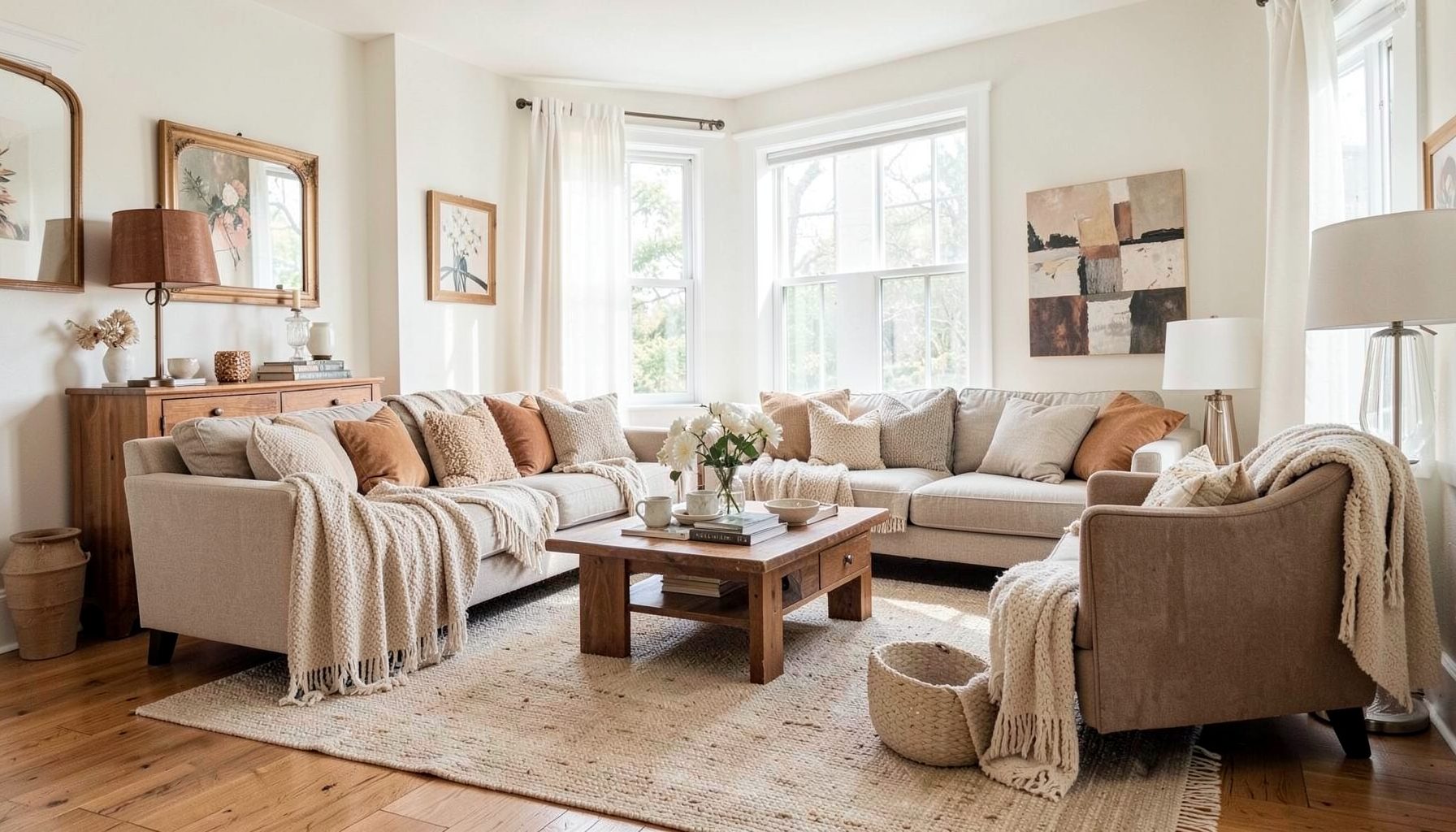
Downloads
Free curated resources for home decorating and design — guides, checklists, and inspiration to help you get started.
Learn MoreCreating a Layered Entryway From Console Table to Artwork
An entryway sets the tone for the rest of a home. It is the first space guests see and the last place you pass through before leaving, so it needs to balance beauty with everyday function. A thoughtfully arranged foyer can hold keys, shoes, bags, and mail while still feeling collected, welcoming, and distinctly personal.
The most successful entryways rarely come from buying a matching furniture set. They develop through layers: a console with useful storage, a mirror or artwork that establishes a focal point, lighting that adds warmth, and smaller objects that create rhythm and character. Mixing finishes, heights, textures, and eras keeps the arrangement from feeling flat or overly staged.
Whether your home has a generous foyer or a narrow wall near the front door, the same decorating principles apply. Start with the architecture and the way you use the space, then build a composition that combines practical pieces with meaningful details. The result should look polished while retaining the relaxed charm of a collected interior.
Begin With The Entryway’s Function
Before choosing a console table or selecting wall decor, consider what happens in the space every day. If the entryway receives backpacks, dog leashes, shopping bags, and mail, the design needs accessible storage. If it is mainly a passage between the front door and living room, a slim console and a few carefully edited accessories may be enough.
Measure the wall, door swing, and walking path. Leave enough clearance for people to move comfortably, especially if the entry is narrow. A console that is too deep can make the area feel crowded, while one that is too small may look disconnected from the wall. As a general guideline, a hallway console often works best when it leaves a generous passage beside or in front of it.
Think about visual weight as well as dimensions. A substantial wood console can anchor a large foyer, while a delicate metal or painted table may suit a compact apartment. Open shelving creates an airy feeling but requires more discipline, whereas drawers and cabinets keep daily clutter contained. Function gives the arrangement a foundation before decorative layers come into play.
Choose A Console With Character
The console table is the grounding element of the composition, so look beyond basic proportions. A vintage dresser, an antique hunt table, a simple Parsons-style piece, or a modern cabinet can all work beautifully. The right choice depends on the atmosphere you want to create and the other finishes already present in the home.
A wood console brings warmth and works especially well with ceramics, woven baskets, and aged brass. Lacquered or painted furniture introduces color and can make a small entryway feel intentional. Glass and acrylic tables visually recede, which is useful when the foyer is tight, while dark finishes create contrast against pale walls.
Layered interiors benefit from a mix of old and new. You might pair a contemporary console with a vintage mirror, or place a streamlined table beneath an inherited painting. This balance is central to the design philosophy of Maggie Rose Interiors, where personal style, collected pieces, and varied price points can exist together in a polished room.
Pay attention to the wall-to-table relationship. Artwork or a mirror should generally feel connected to the width of the console without extending dramatically beyond it. The arrangement does not have to be perfectly symmetrical, but its visual center should feel stable. If the furniture has strong lines, softer objects above it can provide welcome contrast.
Build A Focal Point Above The Table
Artwork gives an entryway its personality, but there is no single rule that determines what belongs above a console. A large abstract canvas can create a bold focal point, while a framed botanical print, landscape, portrait, or textile adds a quieter sense of depth. Choose something that relates to the colors and mood of nearby rooms without copying them exactly.
A mirror is especially useful in an entryway because it reflects light and offers a practical final glance before leaving. Round mirrors soften angular furniture, arched mirrors add architectural interest, and rectangular designs can reinforce a clean, tailored look. When the wall is wide, a pair of matching mirrors or a small gallery arrangement can provide balance.
For a layered gallery wall, vary frame sizes while keeping one element consistent, such as a shared color family or similar matting. Begin with the largest piece and build outward, leaving enough breathing room between frames. The arrangement should feel assembled rather than mechanically aligned, but the outer edges still need a clear visual boundary.
Lighting also contributes to the focal point. A pair of lamps creates symmetry and makes a broad console feel finished. A single lamp can work on a smaller surface, particularly when balanced by a vase, sculpture, or stack of books on the other side. If wiring is limited, a rechargeable picture light or a nearby ceiling fixture can add a warm evening glow.
Combine Height, Texture, And Shape
A console display becomes interesting when objects occupy different visual levels. Place a tall lamp, branch, or sculptural vessel toward one side, then balance it with lower books, a bowl, or a compact box. Avoid arranging every item at the same height; a stepped composition gives the eye a path to follow.
Texture prevents a vignette from appearing too polished or sterile. Combine glazed ceramics with aged wood, woven fibers, smooth stone, brushed metal, or a framed textile. A shallow tray can organize small essentials, while a basket underneath the table adds softness and concealed storage. Natural materials are particularly effective in an entryway because they create warmth near hard surfaces such as flooring, doors, and walls.
Shape matters just as much as material. Curved pottery can soften a rectangular console, while a geometric lamp may echo the lines of a modern mirror. Repeating a shape once or twice creates cohesion without making the display predictable. For example, a round mirror, rounded ceramic vessel, and circular catchall can form a subtle visual thread.
Leave some empty space. A layered arrangement does not mean filling every inch of the console or wall. Negative space helps important pieces stand out and keeps the entryway usable. Edit anything that feels redundant, blocks drawers, or makes the surface difficult to clear when daily life gets busy.
| Entryway Element | Practical Role | Layering Opportunity | Good Choices |
|---|---|---|---|
| Console table | Anchors the wall and provides storage | Introduces wood, metal, color, or vintage character | Slim cabinet, dresser, hunt table, modern console |
| Mirror or artwork | Creates a focal point and defines the mood | Adds reflection, pattern, scale, or color | Round mirror, oversized canvas, gallery wall |
| Table lighting | Adds warmth and evening ambiance | Creates height and symmetry or asymmetry | Pair of lamps, single lamp, rechargeable picture light |
| Catchall or tray | Organizes keys and small items | Adds a contrasting material or shape | Stone bowl, ceramic dish, leather tray |
| Lower storage | Hides shoes, bags, and household clutter | Brings softness and texture | Basket, lidded box, woven bin |
| Decorative accents | Adds personality and visual rhythm | Connects colors and varied finishes | Books, vase, sculpture, branches, framed photo |
Style The Surface With Purpose
Begin styling with the largest objects, then fill in the smaller gaps. A lamp, a tall vessel, or a stack of books can establish the overall height. Add one or two medium-scale pieces next, such as a bowl, candleholder, or framed photograph. Tiny accessories should be the final layer rather than the starting point.
Create small groupings instead of spreading individual objects evenly across the entire console. Odd-numbered arrangements often feel natural, but balance is more important than following a strict rule. A tall vase on the left might be countered by a lamp and low bowl on the right. The objects can differ in size while still sharing a color, material, or overall mood.
Use the entryway to introduce something personal. A travel souvenir, family photograph, inherited box, or handmade ceramic can give the space emotional depth. These details make a foyer feel connected to the people who live there rather than resembling a showroom. Personal objects are especially effective when surrounded by simpler pieces that allow them to stand out.
Seasonal updates can be small. Replace branches with flowers, switch a woven basket for a painted box, or add a candle with a new scent. Keeping the core furniture and artwork consistent makes refreshes easy and prevents the entryway from accumulating unnecessary decor.
Make Small Spaces Feel Intentional
A narrow entrance benefits from visual restraint and furniture scaled to the architecture. Choose a console with a shallow profile, or use a floating shelf when floor space is extremely limited. Wall-mounted storage, hooks, and a small bench can provide function without interrupting circulation.
Light colors can make a compact foyer feel more open, but a darker wall can also create a sophisticated jewel-box effect. The deciding factor is often the amount of natural light and how the entry connects to adjoining rooms. A consistent paint color can visually extend a hallway, while a contrasting finish can define the entrance as its own zone.
Use vertical space thoughtfully. A tall mirror, stacked frames, or a narrow piece of artwork draws the eye upward and makes the ceiling feel higher. Wall hooks can become part of the design when arranged in a deliberate row and paired with attractive baskets or textiles. Avoid placing decorative objects where they interfere with door handles, switches, or the natural path through the room.
Rugs and runners bring another layer to the foyer, especially over tile or hardwood. Select a durable weave with enough pattern to disguise daily wear, and make sure the rug does not catch beneath the door. A runner can guide movement through a long hallway, while a compact patterned rug can define a small landing area near the entrance.
Refine The Look With A Final Edit
Stand across the room and view the entryway as a whole. The console, wall feature, lighting, and floor covering should read as one composition rather than a collection of unrelated purchases. If one element dominates too strongly, reduce its visual weight by adding a quieter companion or moving it slightly off-center.
Check the arrangement at different times of day. A foyer can look balanced in bright daylight but feel shadowy at night. Warm bulbs, reflective surfaces, and a well-placed lamp can make the space more inviting after dark. Also test the practical details: open drawers, place keys in the tray, and walk through with a coat or bag to make sure the design supports real routines.
Use these guidelines as a final editing checklist:
- Keep the console proportional to the wall and preserve a comfortable walkway.
- Choose one primary focal point, then let supporting pieces reinforce it.
- Mix at least two or three textures, such as wood, ceramic, metal, and woven fiber.
- Include a practical landing place for keys, mail, or other daily essentials.
- Remove anything that feels crowded, fragile, or disconnected from your home’s style.
A beautifully layered foyer should feel collected over time, even when it has been assembled in a single afternoon. The secret is variation with intention: a modern line beside an antique finish, a useful basket beneath an elegant console, or a meaningful photograph paired with a dramatic piece of art. Each contrast adds depth while the repeated colors and materials keep the arrangement cohesive.
The entryway is a small opportunity to express how you want your home to feel. Begin with a console that suits your space, add artwork that captures your taste, and build outward with light, texture, storage, and personal objects. For a tailored room makeover or guidance on creating a collected look throughout your home, explore the studio’s decorating services and connect with Maggie Rose Interiors to bring your entryway vision to life.

Recent Projects