Interior Design
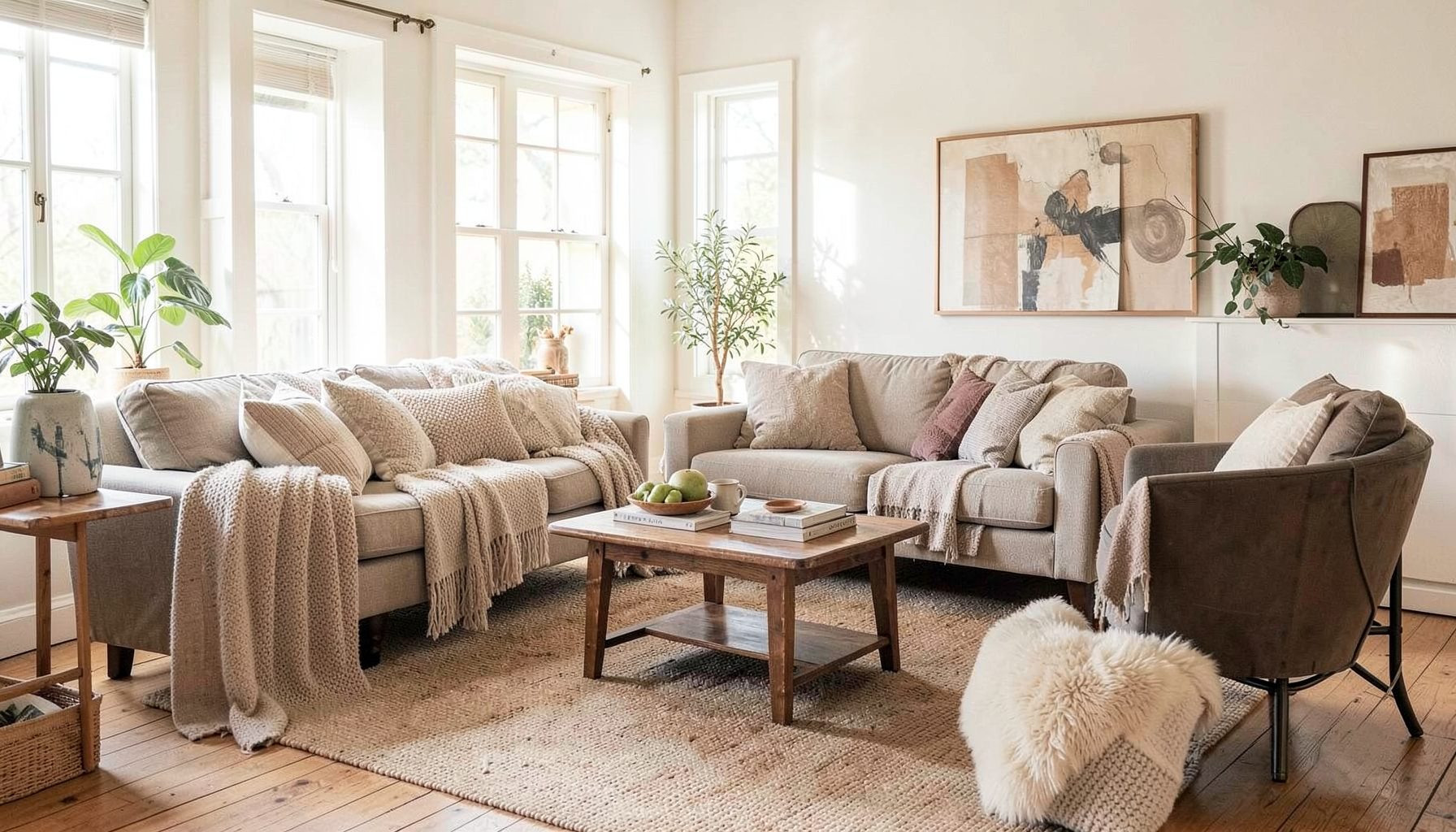
Full-service decorating that blends high and low, vintage finds with modern pieces for spaces that feel personal and collected.
Learn More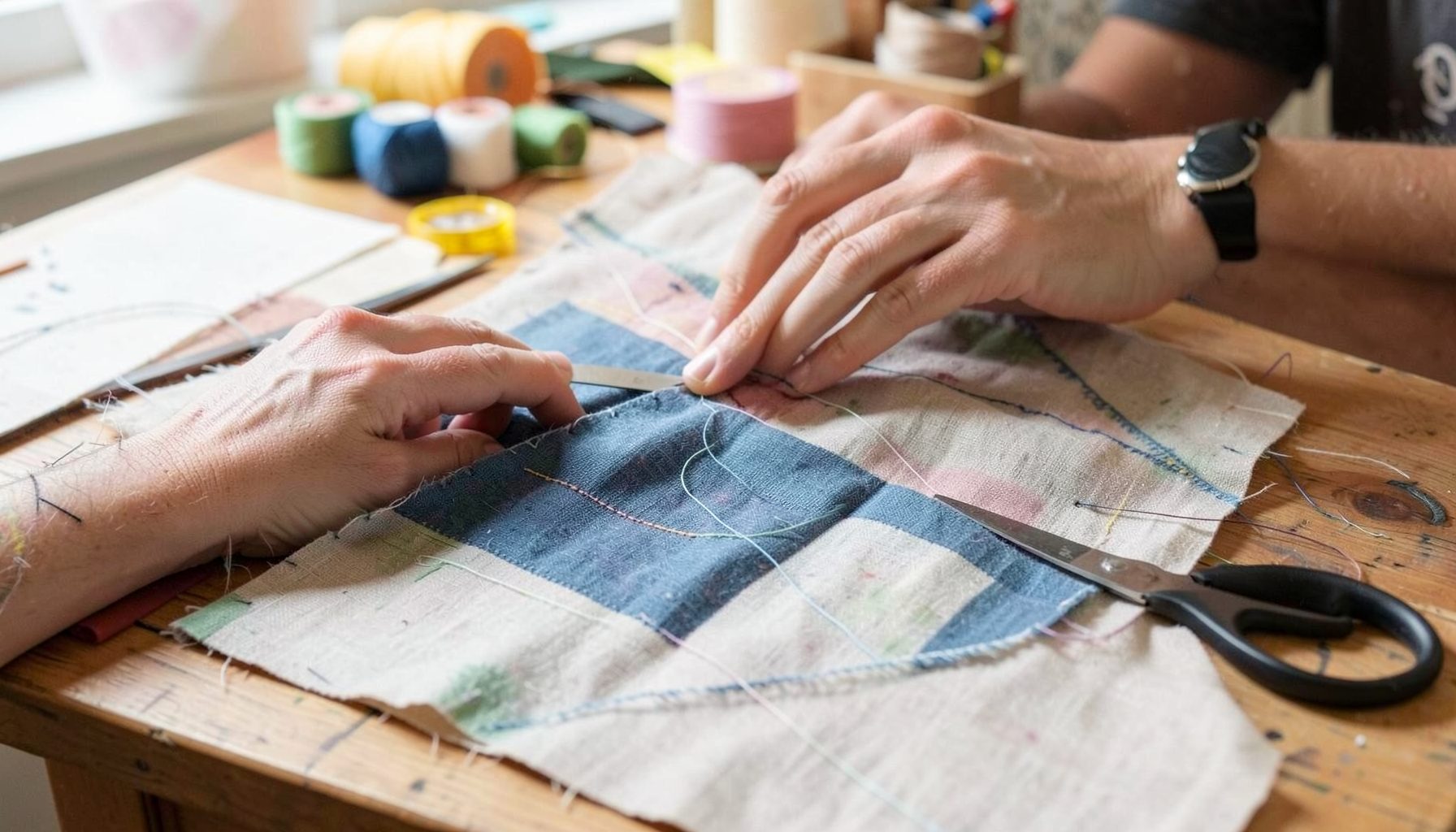
DIY Projects
Step-by-step tutorials for refinishing furniture, sewing pillows, styling bookshelves, and transforming rooms on a budget.
Learn More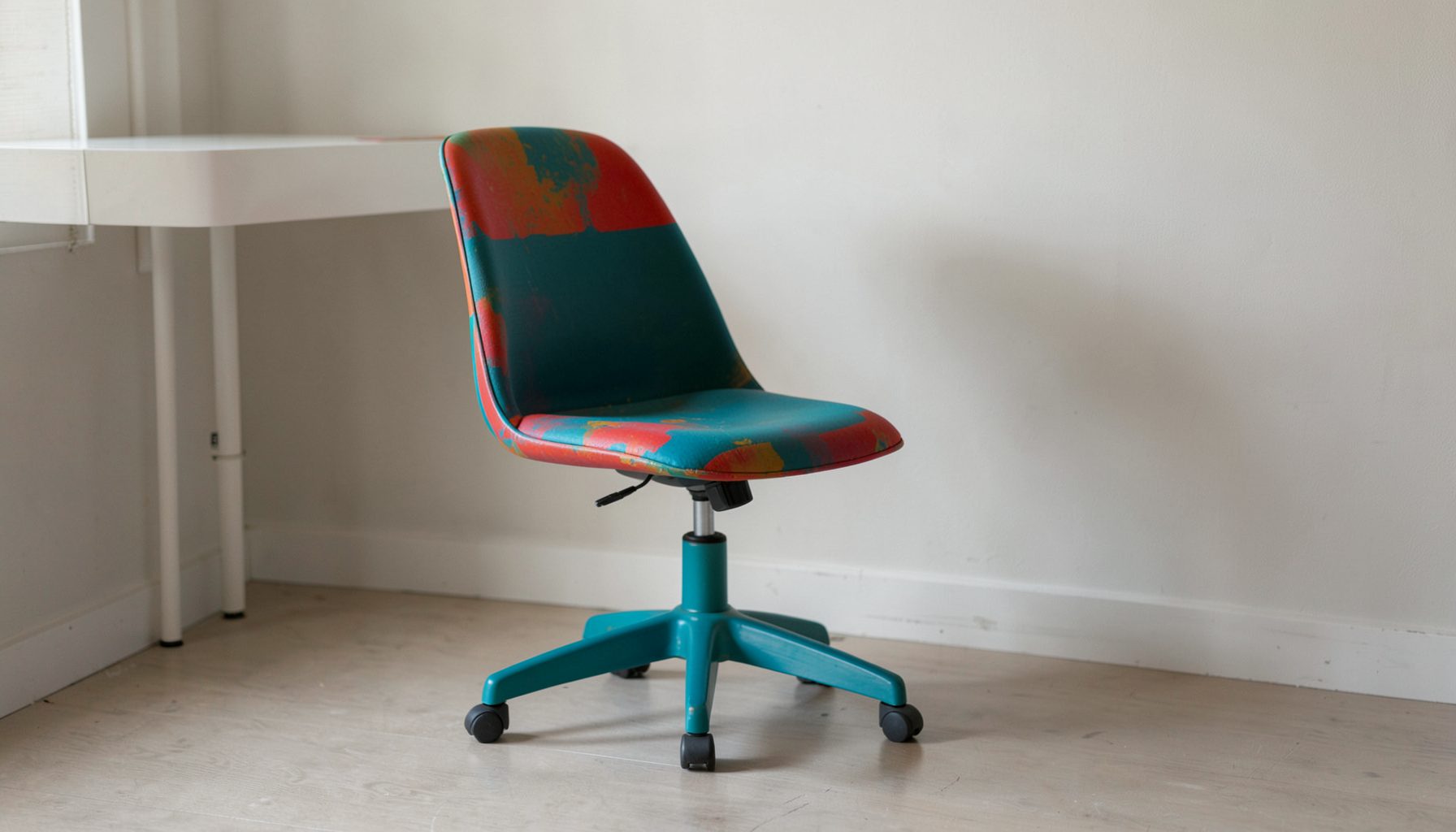
E-Decorating
Personalized design guidance delivered online — perfect for clients anywhere in the world who want a professional eye.
Learn More
Portfolio
Browse completed room makeovers, before-and-after transformations, and styling projects from Bay Area homes.
Learn More
Blog
Interior design inspiration, fashion finds, entertaining ideas, and peeks into real home renovations and styling projects.
Learn More
Downloads
Free curated resources for home decorating and design — guides, checklists, and inspiration to help you get started.
Learn MoreHow to style a statement plant in an empty living room corner
An empty corner in the living room can quietly undermine even the most considered interior. In Australian homes, where open-plan layouts often stretch from the kitchen to a casual lounge zone, an awkward gap tends to draw the eye for the wrong reasons. A bare floor-to-ceiling angle reads as a missing piece, almost like a sentence with the verb left out.
A single, well-chosen plant is one of the most forgiving solutions. It introduces height, organic shape, and a living quality that hard furnishings alone cannot replicate. For Sydneysiders and Melburnians alike, indoor greenery has become less of a trend and more of a fixture, partly because of the way our homes blur into courtyards, decks, and balconies throughout the year.
The appeal goes beyond aesthetics. Studies on biophilic design consistently link indoor greenery with reduced stress and improved air quality, which suits the Australian appetite for relaxed, sun-drenched interiors. A large plant tucked into a quiet corner can shift the entire mood of a room, anchoring the space and giving the eye somewhere to rest.
The real craft lies in treating the plant as a deliberate design object rather than an afterthought. Scale, pot choice, lighting, and the surrounding vignette all matter. Get those right, and even a tricky corner becomes one of the most photographed spots in your home.
Reading the light and space before you buy
Before falling in love with a fiddle leaf fig at your local Bunnings or Collectors Corner Plants, spend a week observing the corner at different times of day. North-facing windows in Brisbane and Perth deliver bright, steady light that suits most large foliage plants. South-facing rooms in Hobart or Melbourne's inner suburbs tend to be cooler and dimmer, particularly through winter, which narrows the plant choices significantly.
Measure the height of your ceiling and the width of the corner. A plant that tops out at chest height will look lost in a room with three-metre ceilings. Conversely, a six-foot monster in a low-slung apartment will feel oppressive. Most Australian living rooms sit somewhere between 2.4 and 2.7 metres, and a plant between 1.5 and 2 metres tall usually reads as balanced without crowding the walls.
Check the floor too. Solid timber, polished concrete, and tiles all behave differently under a large pot. If the pot will sit on a rug, remember that dark, dense rugs absorb light and make the base of the plant feel heavy. Lighter jute or wool rugs, common in coastal homes from Noosa to Byron Bay, allow the pot to feel grounded without visual weight.
Finally, think about traffic flow. A plant in a corner should not block a doorway, graze a sofa arm, or force anyone to squeeze past it. If the corner sits near a hallway or opening to a dining zone, leave at least a hand-span of clearance so people can move through without brushing the foliage.
Choosing a plant with real architectural presence
Not every large plant works in a corner. Some, like a trailing pothos, want to spill outward rather than rise upward. For an empty vertical space, you need a plant with strong vertical lines or a sculptural silhouette that holds its shape.
Fiddle leaf figs remain a staple in Australian interiors, particularly in renovated Queenslanders and newer townhouses around Adelaide and Canberra. They give a dense column of glossy leaves and a clear central trunk, which suits a corner placement. Kentia palms are another reliable option, especially in rooms with filtered light, and they carry a slightly softer, more relaxed vibe that suits coastal or Hamptons-inspired schemes.
If you want something more dramatic, consider a bird of paradise. Its broad, paddle-shaped leaves fan outward and create immediate presence, though it needs warmth and plenty of indirect light to thrive. For shadier corners, a large Sansevieria, sometimes sold as mother-in-law's tongue, will hold its upright sword-like leaves for years with minimal fuss, and is widely available at nurseries across the country from Darwin to Geelong.
For something with native character, a well-grown Dracaena or a mature philodendron can read beautifully in a layered, collected interior. Many Australian designers mix these with vintage rattan and mid-century pieces, which makes the plant feel like part of the story rather than a hired guest.
Whatever you choose, buy the largest healthy specimen you can reasonably afford and transport. A small plant in a big corner will look tentative for years. A mature plant, even slightly older, looks intentional the moment it arrives home.
Picking the right pot and placement strategy
The pot is where most people get the proportions wrong. A small nursery pot sitting on the floor reads as a plant that has not been thought through. The container needs to feel substantial enough to anchor the foliage above it.
Terracotta remains a favourite in Australian homes because it suits both contemporary and heritage architecture and weathers gracefully. For a moodier look, matte black or charcoal stoneware pots are popular in renovated Victorian terraces across Fitzroy and Paddington. If your scheme leans lighter, raw stone or textured ceramic in sand and oat tones echoes the pale palette many Australians favour for relaxed coastal interiors.
In terms of scale, aim for a pot roughly one-third the height of the plant once it is potted up. A 1.8-metre fiddle leaf fig, for example, looks balanced in a 50 to 60-centimetre pot. Too small, and the pot looks like an afterthought; too large, and the plant appears to be sitting in a bath.
Placement is just as important as pot choice. Rather than pushing the plant flat into the corner, pull it out by 15 to 25 centimetres so the leaves have room to breathe and the corner retains some softness. This also allows you to angle the plant slightly, which catches the light and creates more dynamic shadows on the wall behind.
If your flooring is particularly sensitive, sit the pot on a small plant caddy with hidden castors. It makes watering, rotating, and seasonal repositioning far easier, particularly in apartments where the best light shifts between summer and winter.
Building a layered vignette around the plant
A single plant can feel lonely if it stands completely alone. The most successful corner vignettes are layered, with smaller objects that invite the eye in and reward a closer look. This is the same visual logic that interior designers use when layering art how to hang — varying heights, mixing old and new, and creating rhythm across the eye line.
Start with something at floor level. A stack of art books, a woven basket, or a small ceramic stool tucked beside the pot grounds the plant and breaks up the empty floor. Next, bring in something at mid-height, such as a slender floor lamp that arcs over the foliage, or a tall candleholder on a nearby console. Finally, add something that draws the eye upward, perhaps a piece of wall art hung slightly off-centre above the plant, or a textured wall hanging that softens the corner itself.
Consider the materials around the plant. If your pot is matte and solid, introduce something reflective nearby, like a small mirror in a brass frame or a glass vase on a side table. If the pot is glossy and patterned, keep the surrounding objects quieter and more textural, perhaps raw timber or boucle.
In Australian homes with strong natural light, watch how the vignette changes through the day. Shadows from the plant leaves across a pale wall in the late afternoon can be one of the most beautiful effects in the room, and worth planning for. Hang the art or place the lamp so it interacts with those shadows rather than fighting them.
Caring for your corner plant through the year
Once the plant is in place, keeping it healthy is mostly about consistency rather than constant attention. Rotate the pot a quarter turn every few weeks so the foliage grows evenly and does not lean toward the window. Dust the leaves occasionally with a damp cloth, which both improves appearance and helps the plant breathe.
Watering in Australia is more nuanced than many care guides suggest. Coastal humidity in places like Sydney and the Gold Coast means soil stays moist longer, while dry inland summers in Adelaide or Melbourne can dehydrate a large plant in just a few days. Stick a finger into the top few centimetres of soil before watering, and only water when it feels dry at that depth.
Most large foliage plants prefer a weak, regular feed during the warmer months. A slow-release indoor plant fertiliser applied in early spring and again in early summer is usually enough. Through winter, hold back on feeding and reduce watering, as growth slows and the plant uses far less energy.
Watch for signs of stress. Yellowing lower leaves often suggest overwatering, while crispy brown edges usually point to dry air or inconsistent watering. A sudden lean toward the light means the plant needs to be rotated or moved slightly closer to the window. None of these issues are urgent, and most Australian homes offer forgiving conditions once you learn the rhythm of your own space.
Treat the plant as part of the furniture, not a separate living thing to be ignored between waterings. Trim away tired leaves, refresh the top layer of potting mix once a year, and don't be afraid to move it seasonally if a different corner catches better light. A well-tended large plant becomes a quiet companion in the living room, shaping the mood of the space every single day, and the next step is simply visiting a nursery this weekend, choosing one healthy specimen, and watching the room quietly come together around it.

Recent Projects