Interior Design
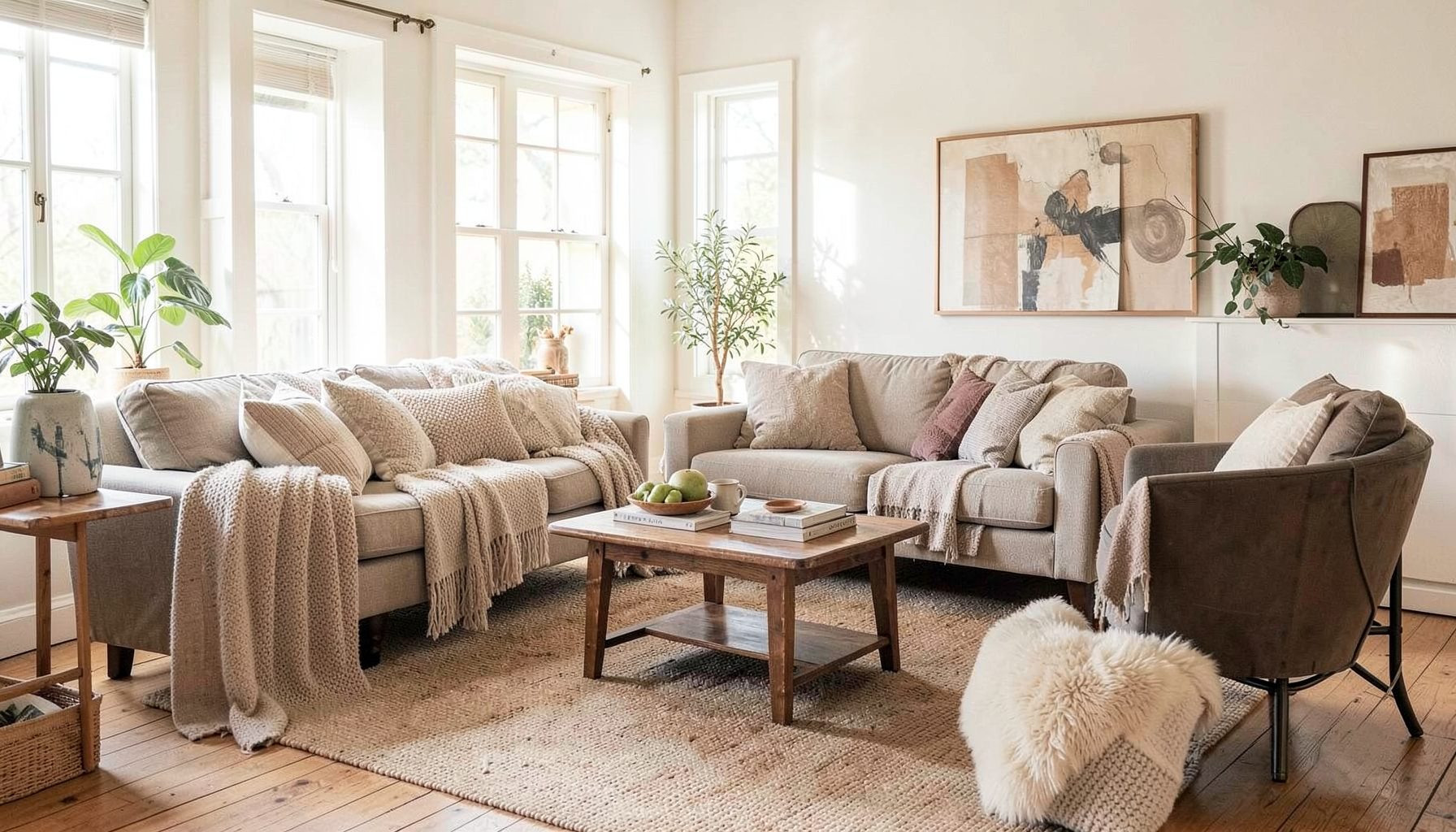
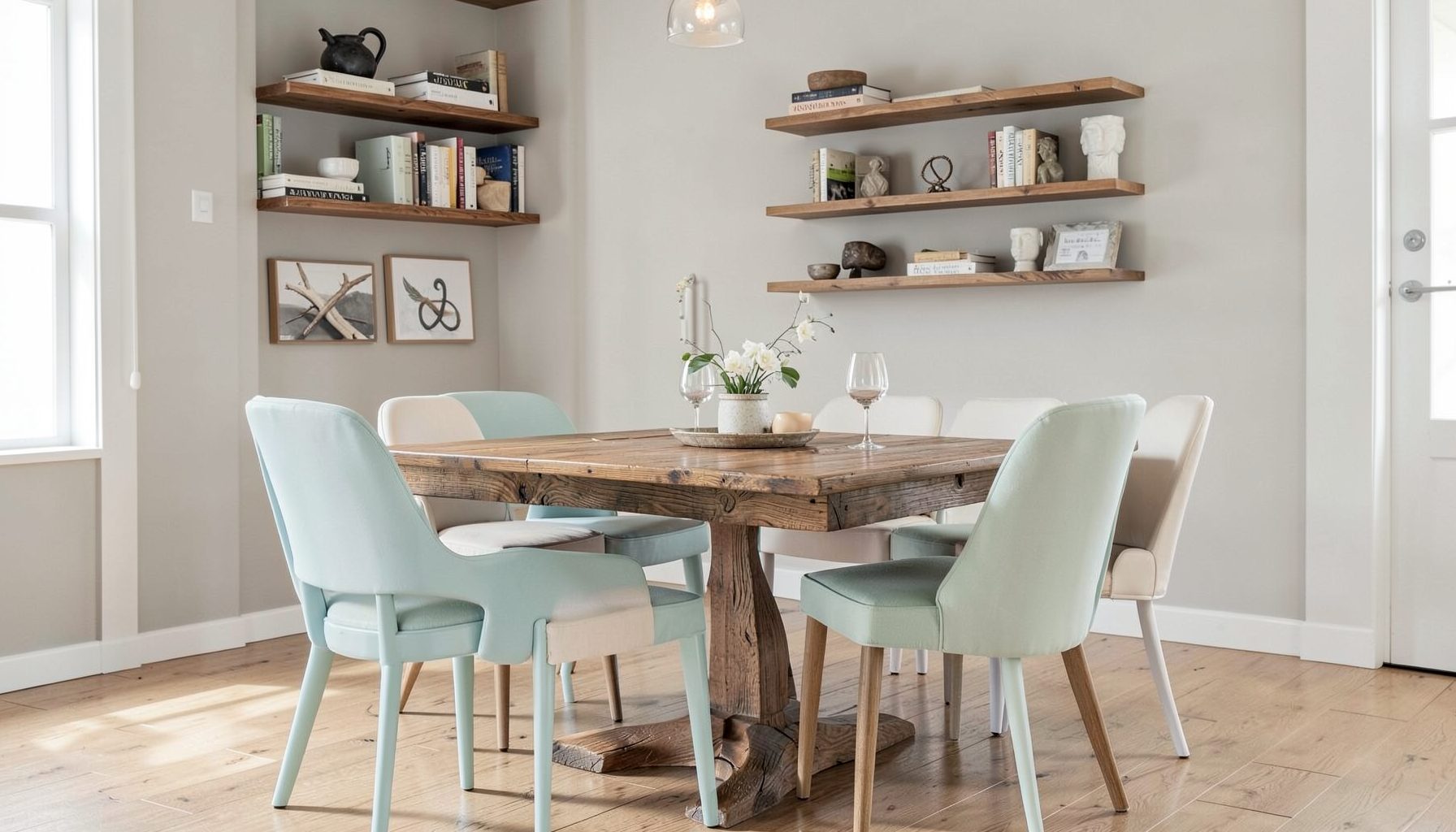
Full-service decorating that blends high and low, vintage finds with modern pieces for spaces that feel personal and collected.
Learn More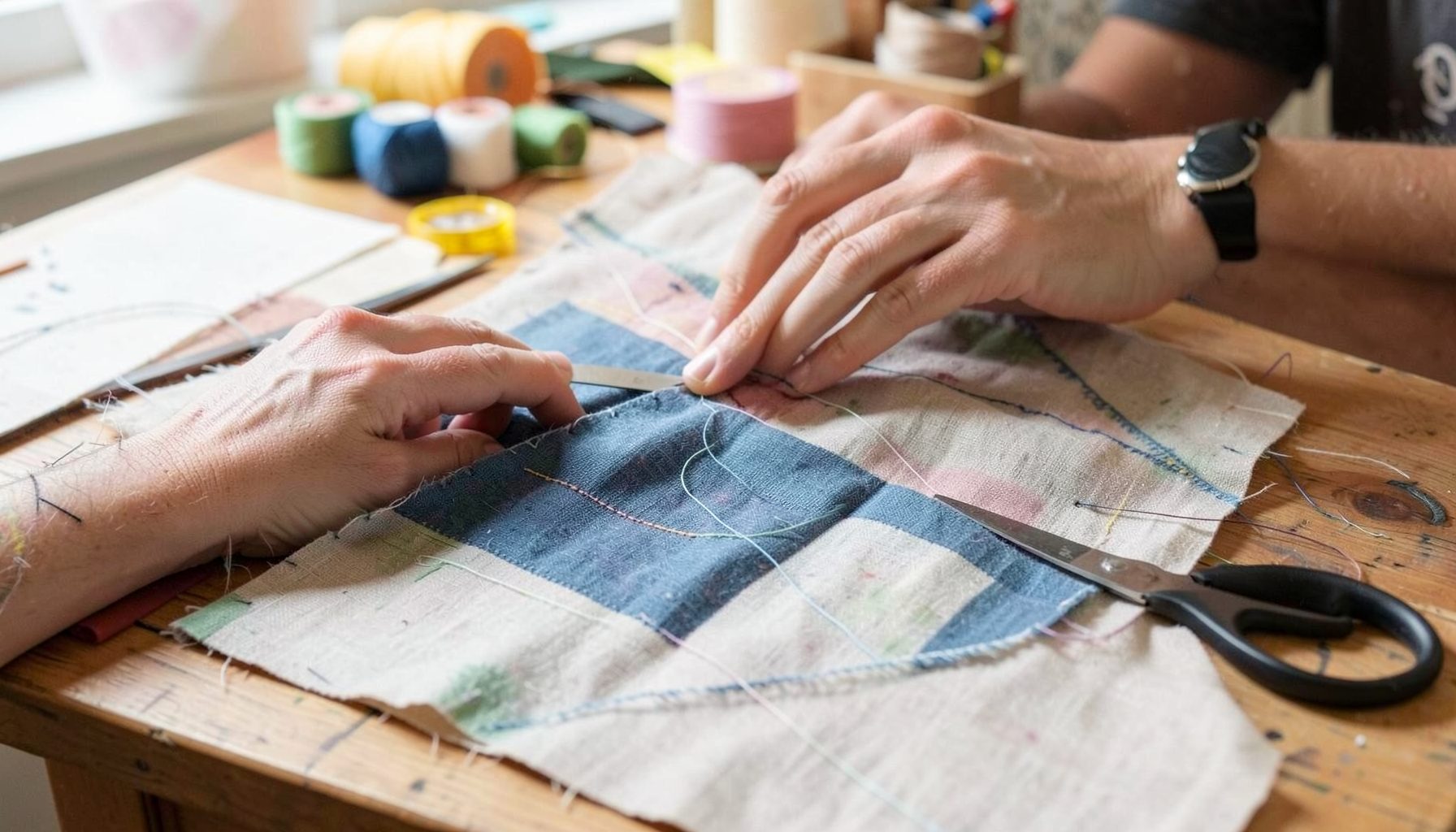
DIY Projects
Step-by-step tutorials for refinishing furniture, sewing pillows, styling bookshelves, and transforming rooms on a budget.
Learn More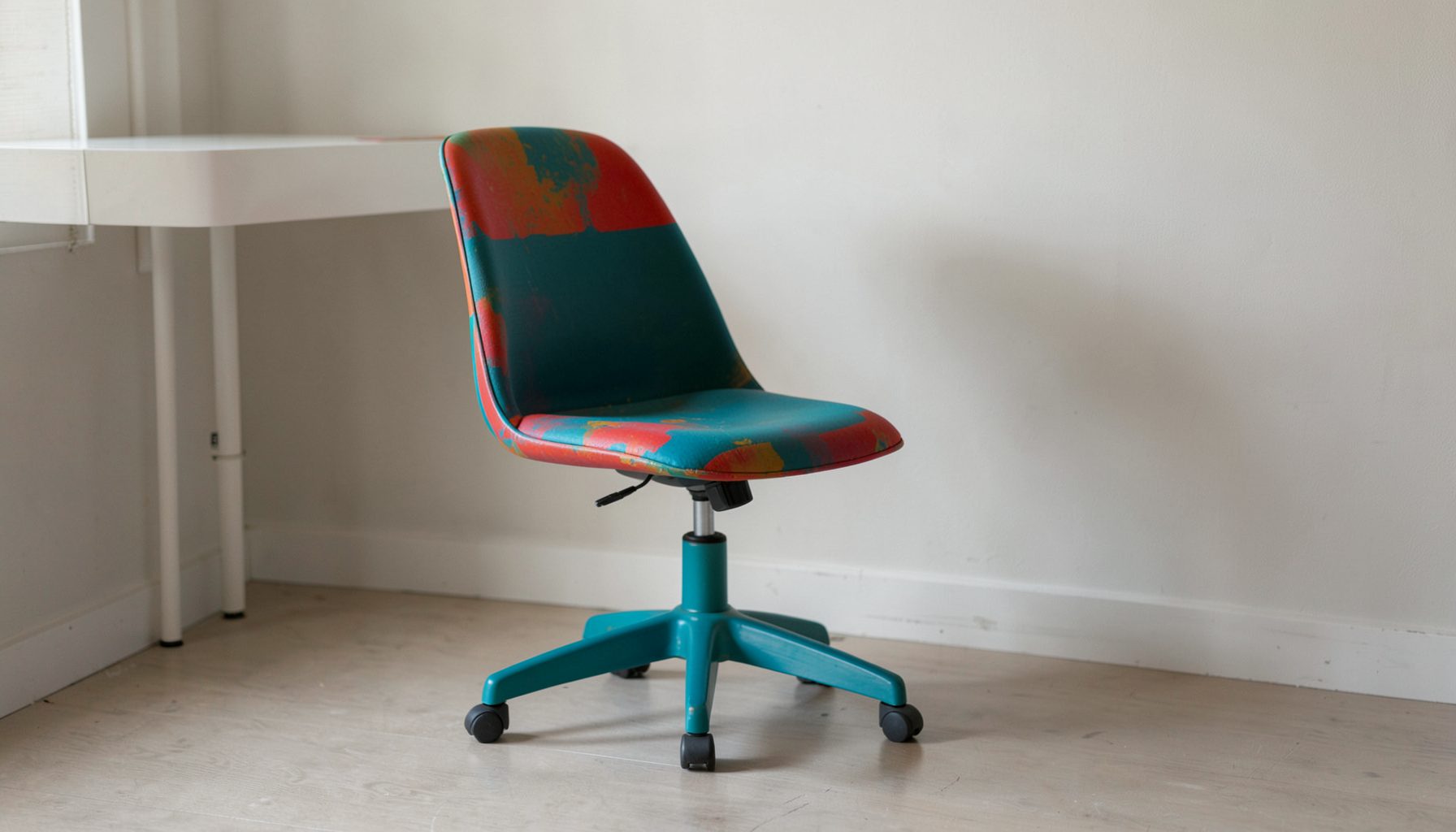
E-Decorating
Personalized design guidance delivered online — perfect for clients anywhere in the world who want a professional eye.
Learn More
Portfolio
Browse completed room makeovers, before-and-after transformations, and styling projects from Bay Area homes.
Learn More
Blog
Interior design inspiration, fashion finds, entertaining ideas, and peeks into real home renovations and styling projects.
Learn More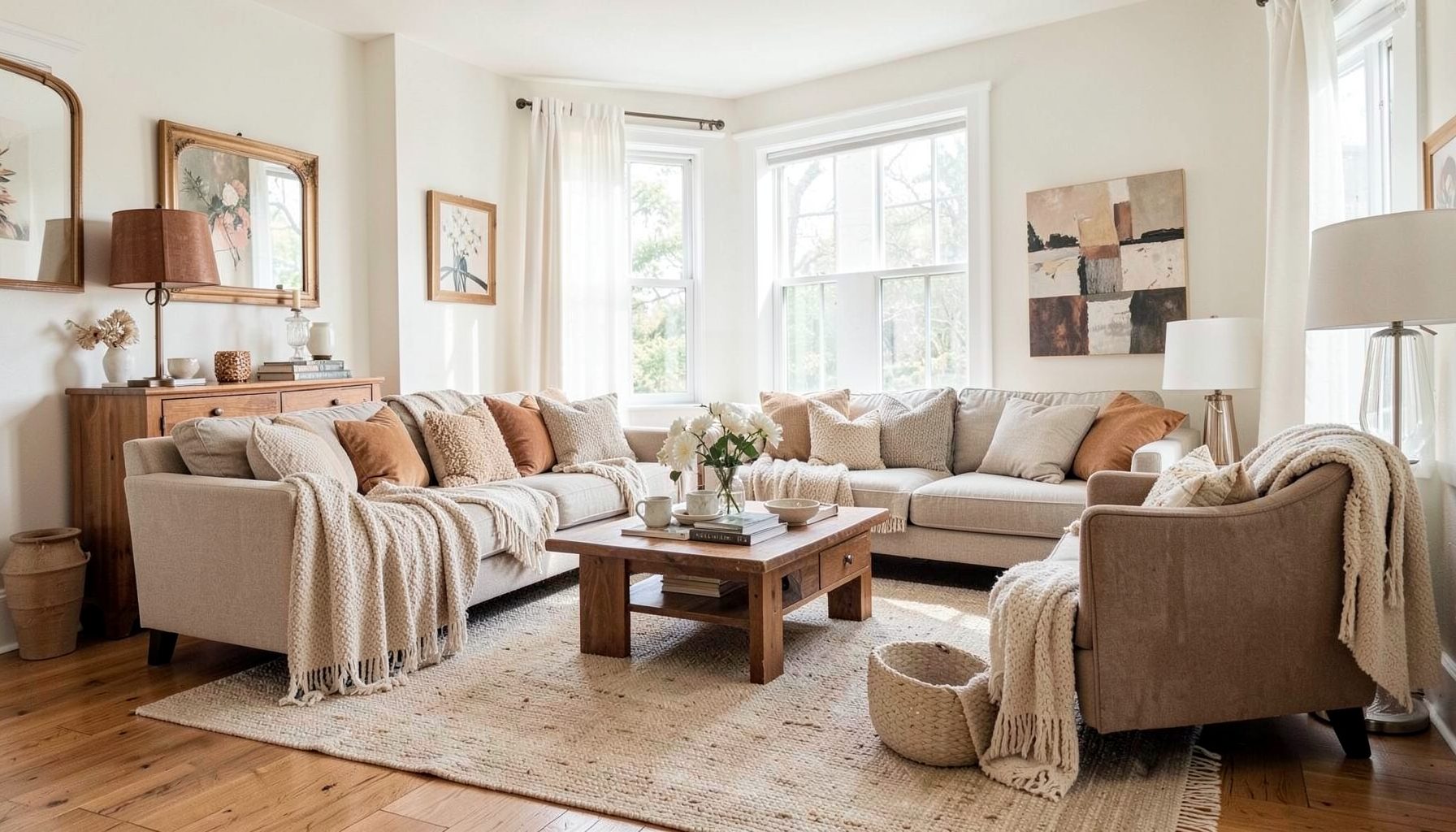
Downloads
Free curated resources for home decorating and design — guides, checklists, and inspiration to help you get started.
Learn MoreChoosing a sofa fabric that stays clean with pets at home
Living with pets while keeping a lounge room looking pulled-together is something most Australian households know well. Dogs shake off beach sand after a quick trip to Bondi or Largs Bay, and cats leave tufts of fur on every surface they touch. The right upholstery turns that everyday reality from a constant battle into a manageable part of family life.
Australia has one of the highest rates of pet ownership in the world, with roughly two in three households sharing their home with a dog, cat, or both. Upholstery in this country has to handle beach towels, afternoon thunderstorms tracked in on wet paws, and the ever-present threat of red wine tipped during Sunday lunch. A sofa is rarely treated as a showpiece here. It is the centre of a casual life that involves barefoot kids, muddy runners, and friends who pop over without warning.
Performance matters more than brand recognition. Fabric choice influences how often you reach for the lint roller, how confident you feel offering guests a glass of Shiraz, and how long your investment piece lasts. Treating fabric selection as a practical decision, rather than a purely aesthetic one, is the first shift that pays off for years.
This guide walks through the materials, weaves, colours, and styling habits that make pet hair and stains far less obvious, with attention to the realities of Australian homes, from humid coastal suburbs to dry inland summers.
Understanding pet-friendly fabric performance
The first number worth knowing is the Martindale or Wyzenbeek double rub count, which measures how many rubs a fabric takes before it shows wear. A weave rated above 30,000 double rubs will stand up to daily use from a medium-sized dog or a household of cat claws, while anything under 15,000 is likely to pill and thin within a couple of years. Tightly woven constructions, where threads sit close together rather than looped loosely, naturally resist snags and keep claws from catching on raised fibres.
Performance does not require a futuristic, plastic-feeling textile. Modern weaves blend natural fibres with synthetic cores, giving you the hand of cotton or linen with the resilience of polyester. Look for terms like "performance blend," "pet-friendly weave," or "high-traffic" on swatches, and always request a sample to test at home. Australian showrooms, particularly along Melbourne's Chapel Street and Brisbane's Fortitude Valley, often have working displays where you can rub, scratch, and even spill coffee on the fabric before committing.
Colour and pattern strategies
A pale sofa is the most common regret among pet owners, and a dark sofa is the second. The sweet spot lives in the middle: muted earthy tones, slate blues, moss greens, and warm greys all disguise the grey tumbleweeds that golden retrievers and ragdolls leave behind. Multi-tonal weaves that combine two or three close shades create visual movement, so a single strand of white cat hair becomes nearly invisible against the texture rather than standing out like a flag.
Patterns are a pet owner's quiet ally. Small-scale geometrics, soft florals, and textured weaves scatter light in a way that makes both fur and small marks harder to spot. A classic approach in Australian interiors is to anchor a room around a patterned hero piece, then layer quieter cushions and throws around it. If you are curious about this balance between statement upholstery and supporting pieces, the principle of mixing high and low shows how a hero textile can hold its own against simpler elements without competing for attention.
Tight weaves and texture choices
Loose weaves like boucle and chenille snag easily, and their loops act as tiny traps for hair that becomes almost impossible to remove. Smooth, tight weaves such as microfibre, tightly woven cotton twill, and performance velvet offer a flat surface where hair sits on top rather than weaving itself into the textile. A quick pass with a rubber glove or a damp cloth sends it away in seconds.
Leather and leather-look alternatives deserve special mention in the Australian context. Genuine leather wipes clean, ages into a soft patina, and does not trap odours the way some fabrics do. In homes with asthma or allergy sufferers, this is a meaningful advantage. The trade-off is scratch visibility on softer full-grain hides, so households with determined cats may prefer a corrected-grain or protected leather that holds up to light marking. Faux leather has improved dramatically and now offers a durable, easy-clean option for budget-conscious projects, particularly for renters in Sydney and Perth where lease-friendly choices matter.
Performance fabrics worth the investment
A handful of engineered textiles have earned their reputation in commercial hospitality, and they translate beautifully to family homes. Crypton, Sunbrella, and Warwick's performance ranges are now widely stocked through Australian retailers such as Domayne and Freedom, as well as independent upholstery workshops in Adelaide's Leigh Street and Fremantle's Market Street. These fabrics resist stains at the fibre level, often allowing spills to be blotted rather than rubbed in.
Many performance fabrics carry independent certifications for low chemical emissions, which matters in homes with young children and pets who spend hours on the lounge. Worth knowing: under the Australian Consumer Law, goods must be of acceptable quality and last a reasonable time based on price and advertised claims. A performance fabric marketed as stain-resistant cannot simply fail to perform; buyers are protected if the product does not live up to what is promised on the label. Keeping receipts and care documentation supports any claim if the fabric disappoints.
Smart choices for Australian conditions
Climate quietly shapes which fabrics work in each region. Coastal homes in Sydney's Northern Beaches, the Mornington Peninsula, or Cairns face salt-laden air that can degrade natural fibres and encourage mildew in cellulosic weaves. Synthetic performance blends handle humidity far better than untreated cotton or linen, which can feel clammy and develop a musty smell in subtropical Brisbane or Townsville during the wet season.
Indoor-outdoor living is a defining Australian habit, and it shows up in how people treat their lounges. Open windows, ceiling fans, and sliding doors that stay propped open for hours mean more dust, pollen, and bushfire-season ash settling on upholstery. Choosing fabrics with a tight weave and a soil-repellent finish limits how deeply particles embed into the textile. During summer, mid-tone colours that reflect heat keep a lounge comfortable to sit on, while still being dark enough in tone to disguise everyday wear. In cooler southern states like Hobart and Ballarat, heavier weaves with a soft nap add warmth without attracting the static and fine dust that come with dry winter air.
Styling and care habits that extend sofa life
Even the most forgiving fabric benefits from a few thoughtful habits. A washable slipcover in a complementary tone lets you rotate through heavy-use seasons, then strip it off when guests arrive or the cooler months end. Removable covers also let you wash away the buildup of body oils, pet dander, and the fine red dust that finds its way indoors from the backyard, particularly in Adelaide and across regional South Australia.
Throws draped over the back and arms act as a sacrificial layer, catching most of the fur before it reaches the upholstery. Vacuuming weekly with an upholstery attachment keeps fibres from compacting and stops pet hair from working its way into the weave. A small handheld lint roller kept in the side table drawer turns quick touch-ups into a ten-second task rather than an afternoon chore.
The right fabric quietly does the heavy lifting in a busy home, and the wrong one turns everyday life into a stress test. Choose with your real routine in mind, lean toward mid-tone textured weaves or quality leather, and treat upholstery as something to live on rather than look at. A sofa that hides the realities of life with pets, looks considered when friends drop by, and still feels comfortable at the end of a long week is well within reach when the textile underneath has been chosen with care.
Recent Projects