Interior Design
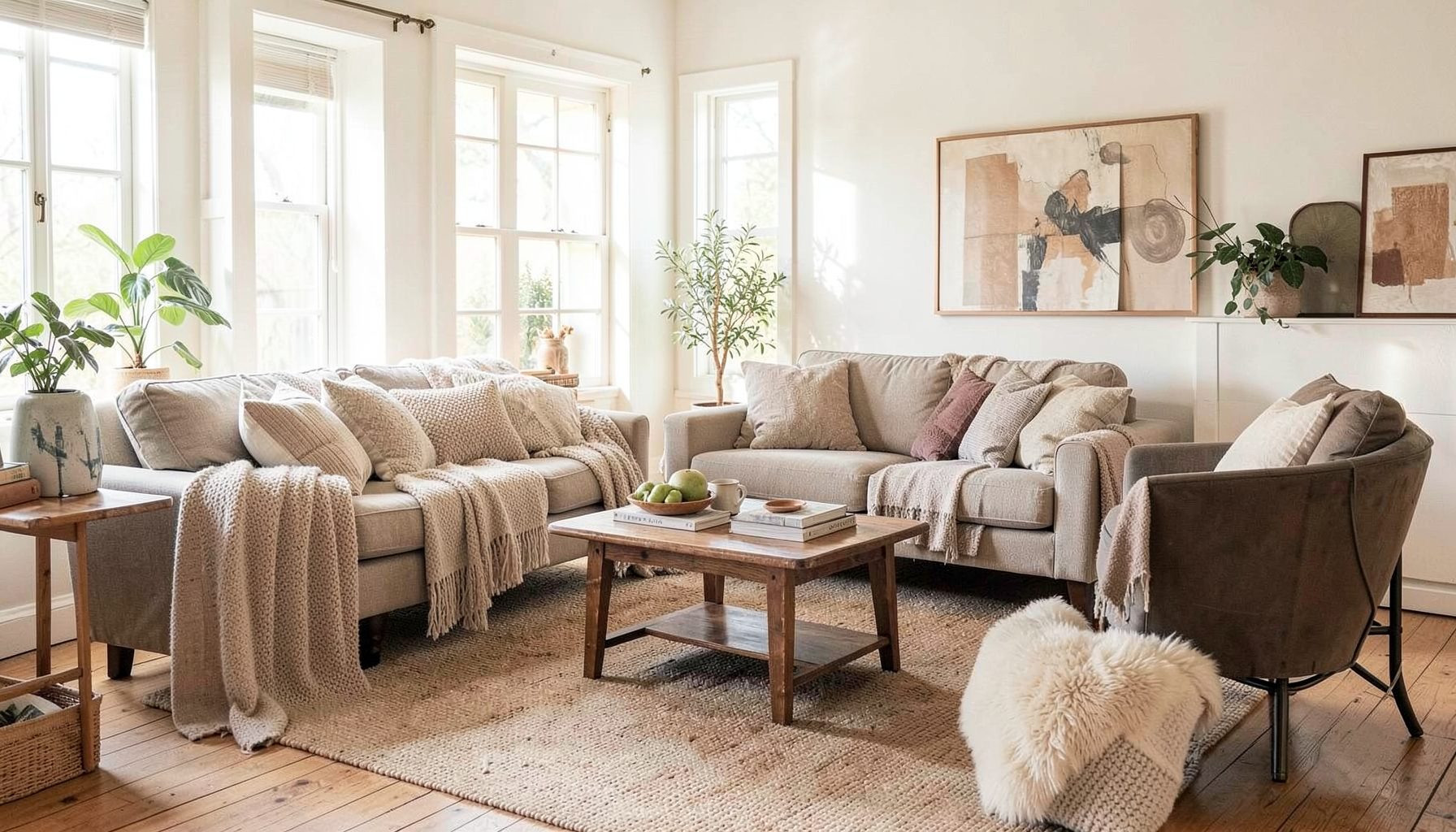
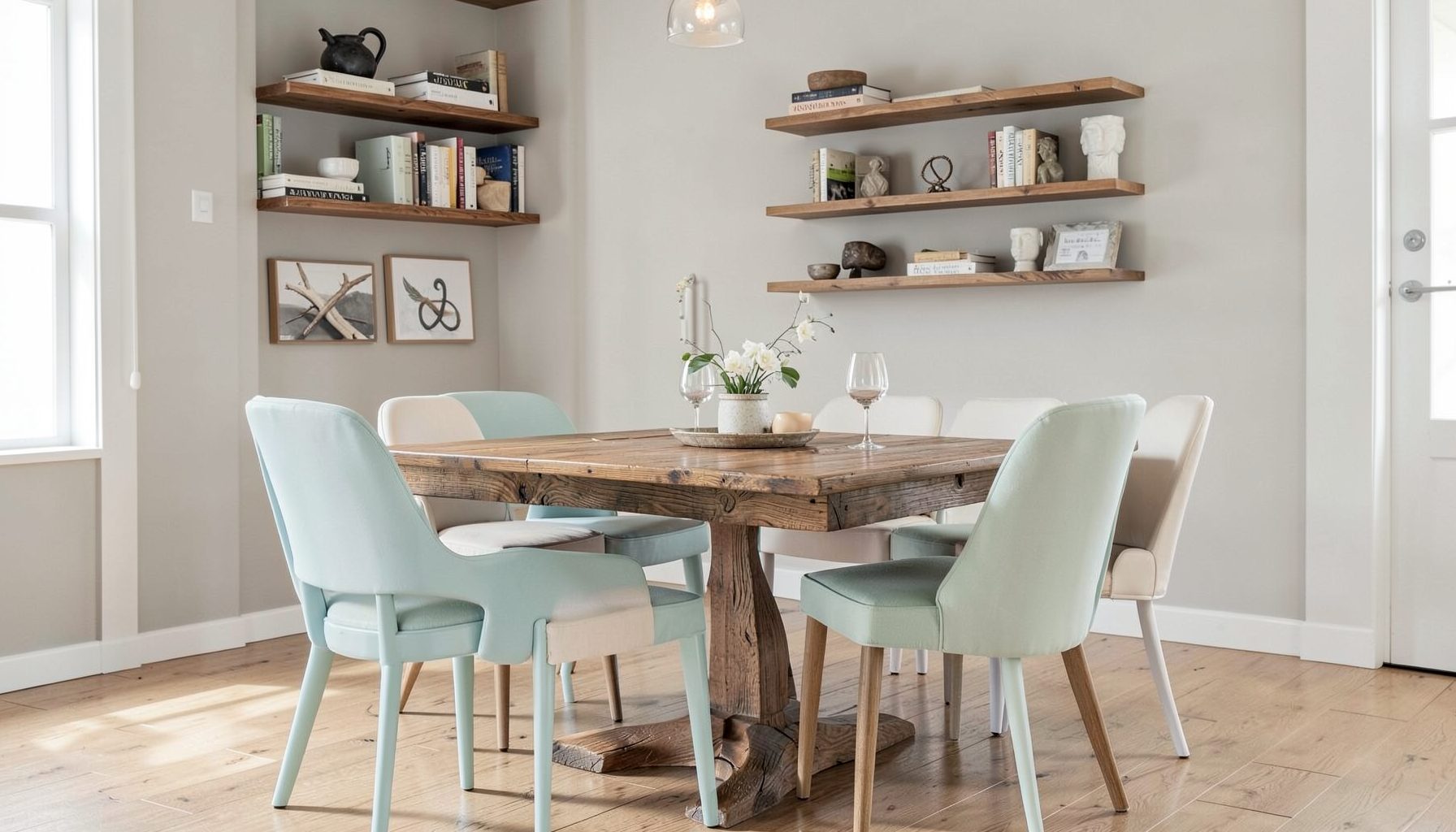
Full-service decorating that blends high and low, vintage finds with modern pieces for spaces that feel personal and collected.
Learn More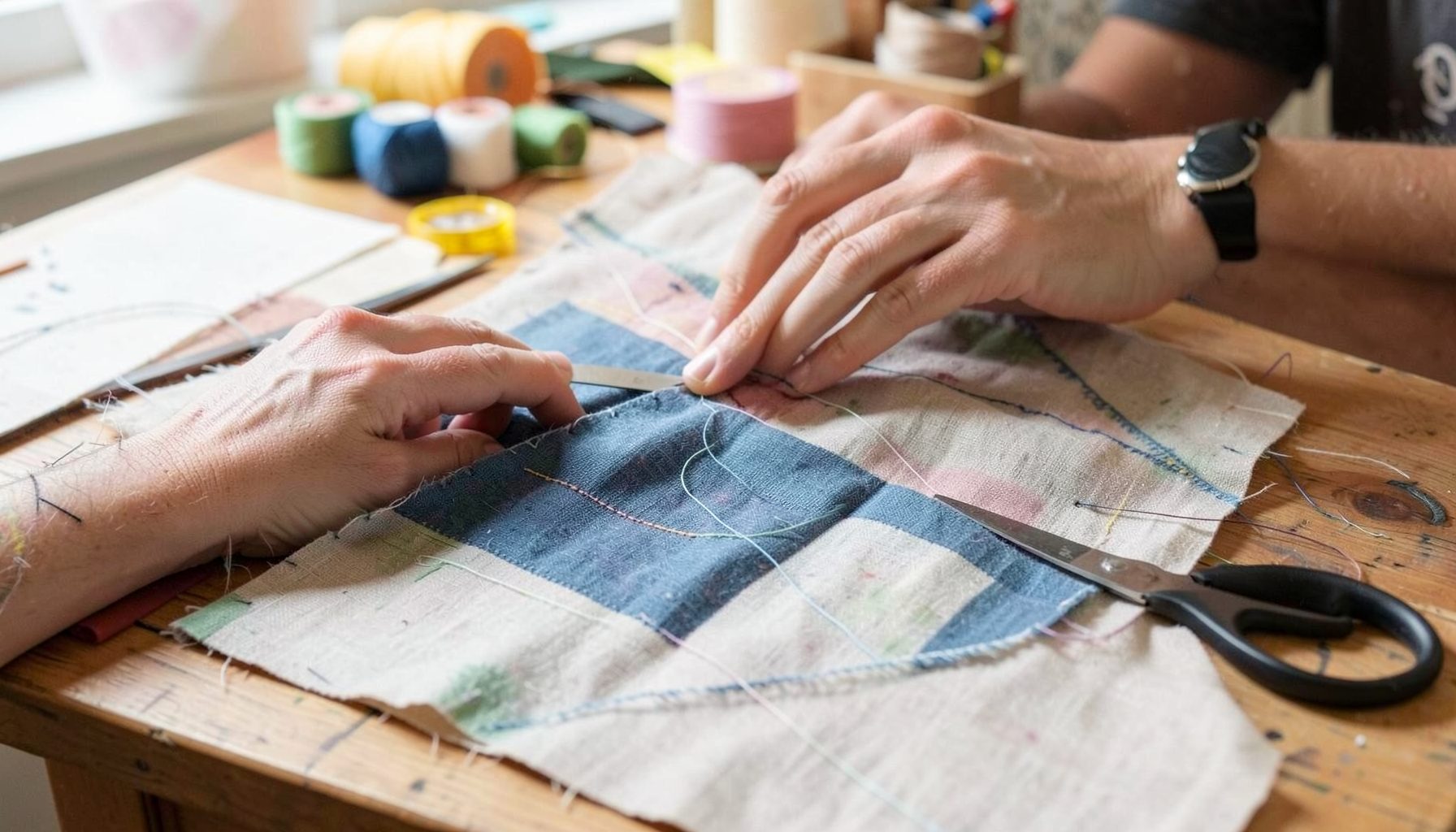
DIY Projects
Step-by-step tutorials for refinishing furniture, sewing pillows, styling bookshelves, and transforming rooms on a budget.
Learn More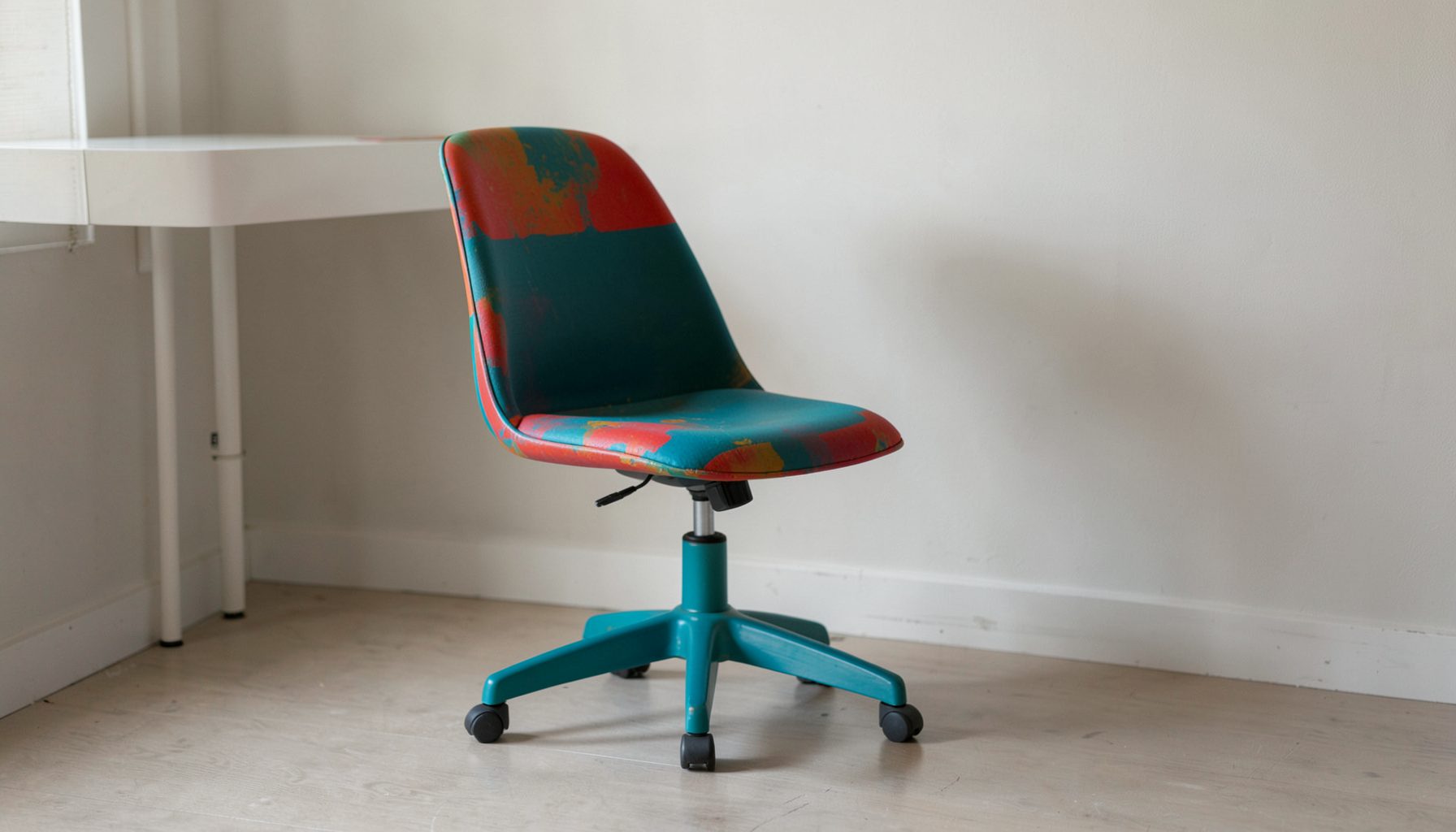
E-Decorating
Personalized design guidance delivered online — perfect for clients anywhere in the world who want a professional eye.
Learn More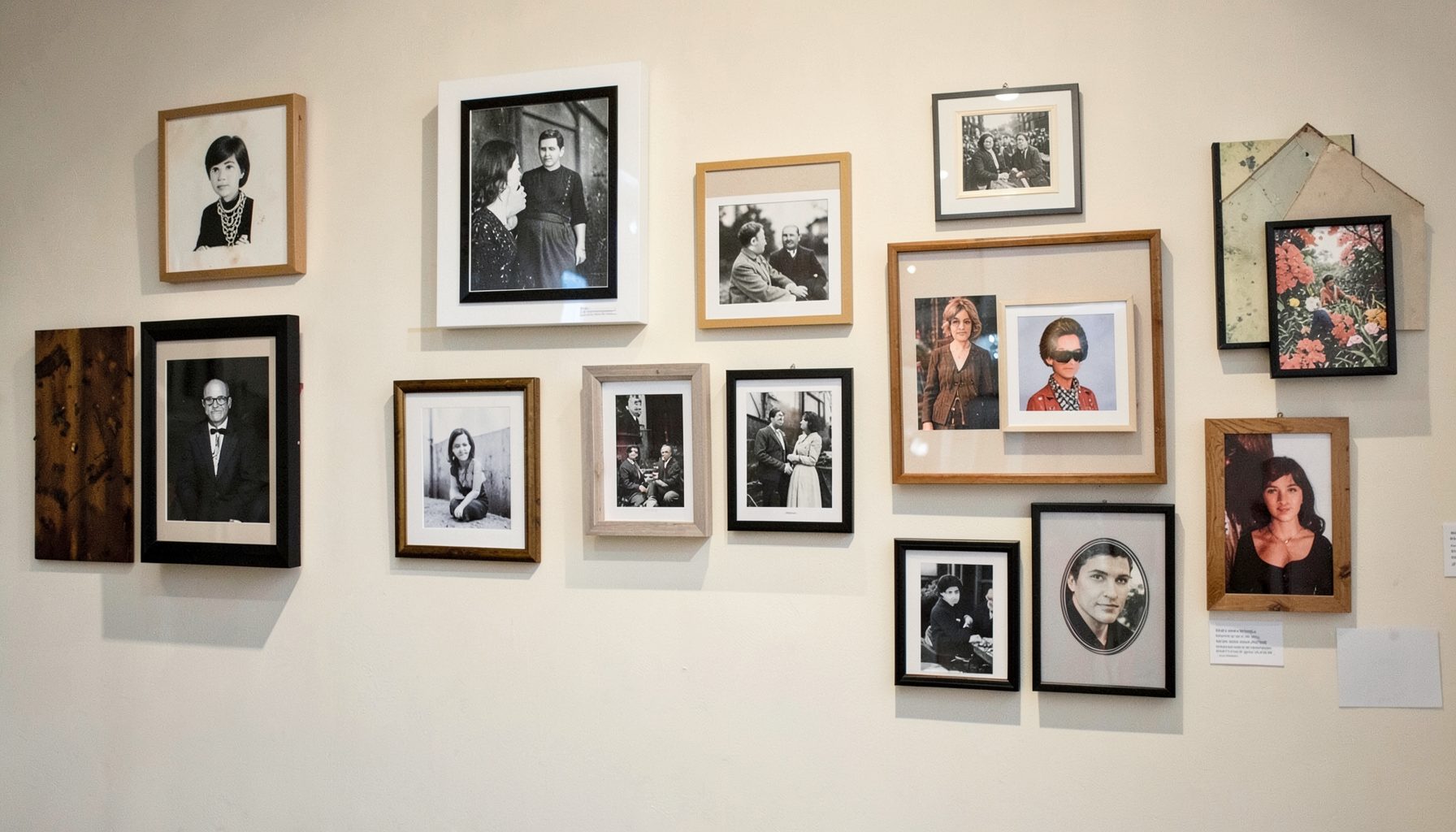
Portfolio
Browse completed room makeovers, before-and-after transformations, and styling projects from Bay Area homes.
Learn More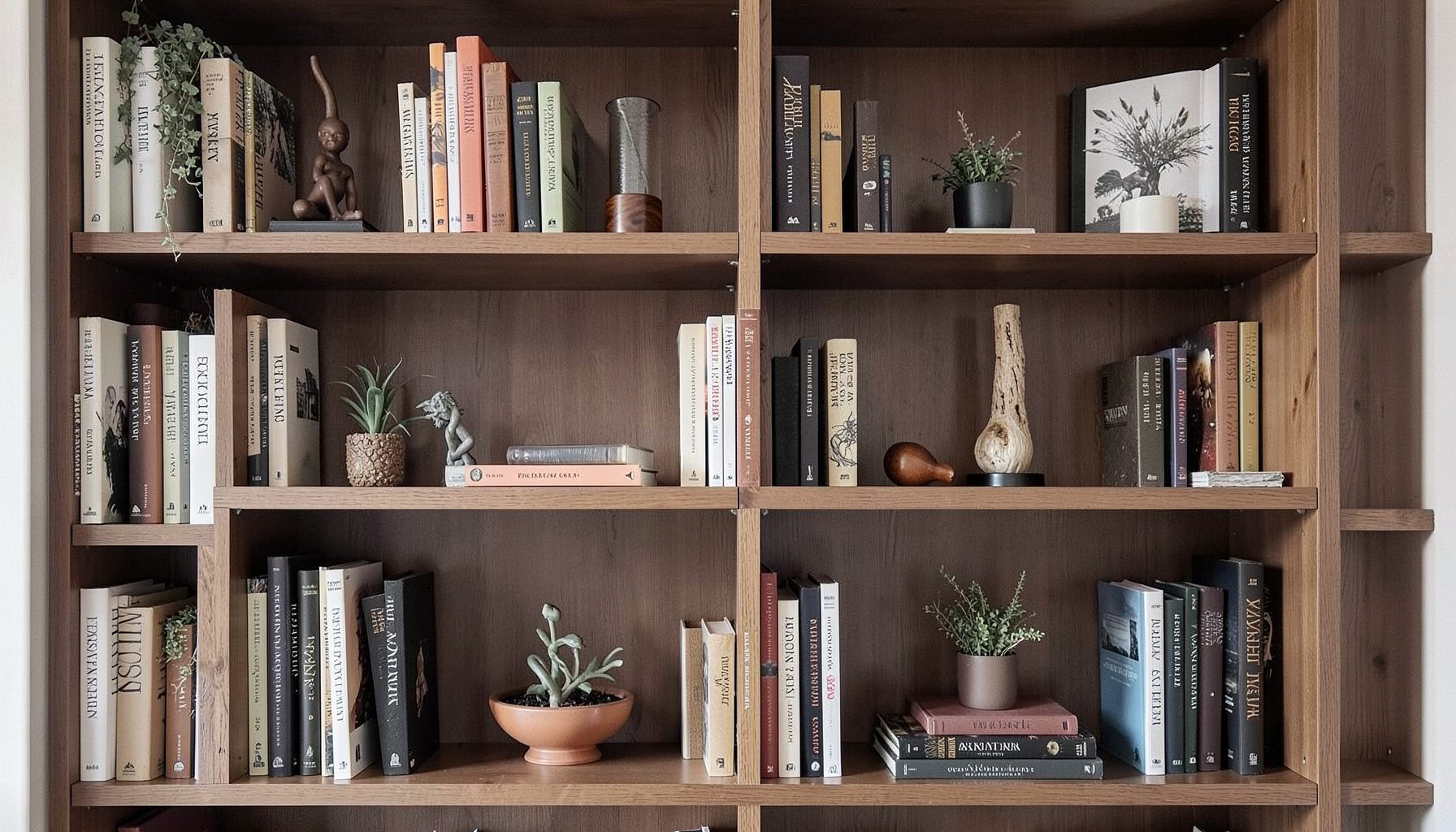
Blog
Interior design inspiration, fashion finds, entertaining ideas, and peeks into real home renovations and styling projects.
Learn More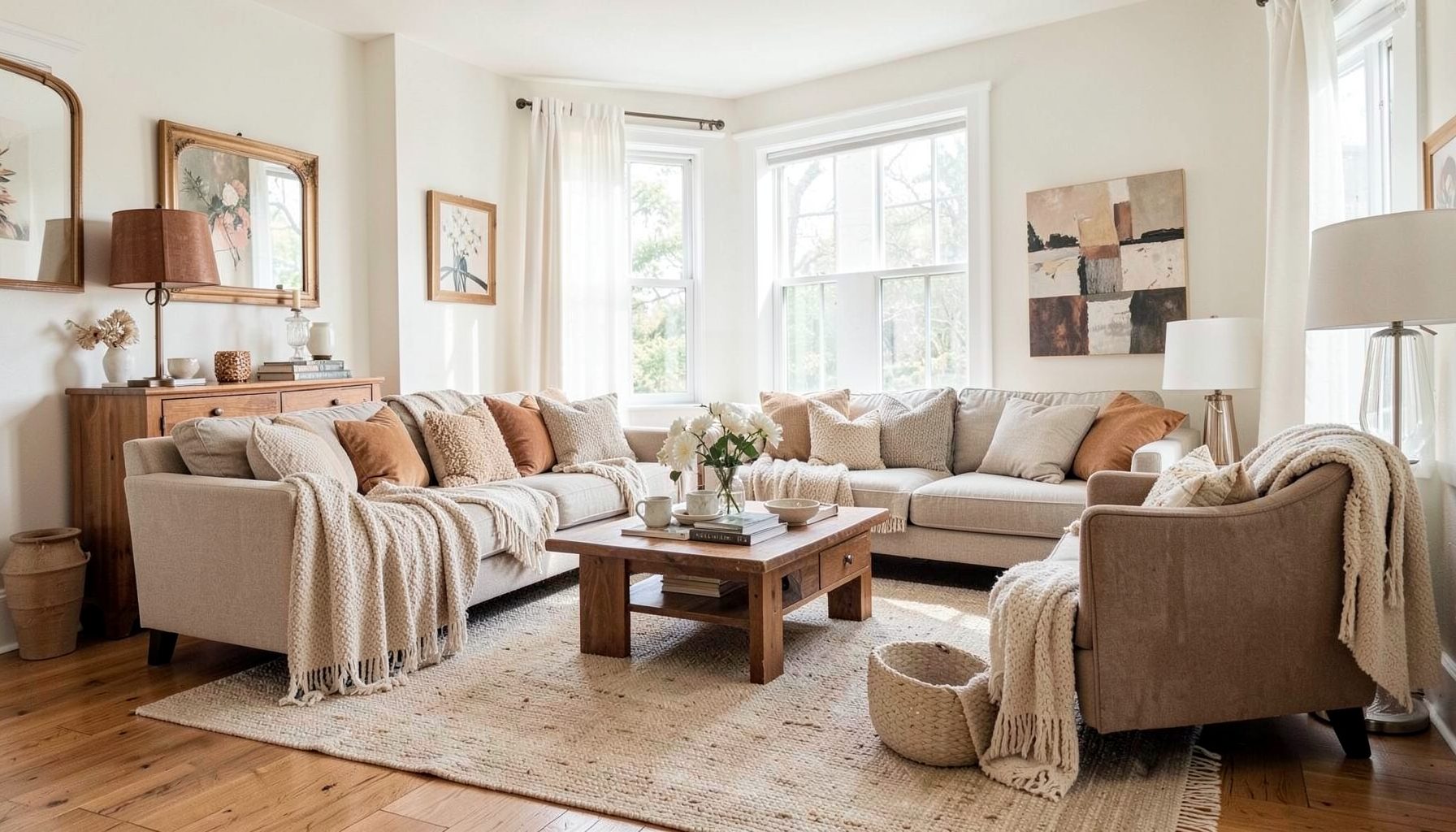
Downloads
Free curated resources for home decorating and design — guides, checklists, and inspiration to help you get started.
Learn MoreThe Art Of Mixing High-End And Budget-Friendly Decor
A beautiful room rarely depends on the price of every object inside it. The most memorable interiors usually combine investment pieces with practical finds, inherited treasures, vintage accents, and carefully chosen basics. This contrast gives a space character while keeping the design connected to real life.
The key is learning where quality creates the greatest visual and functional impact. A well-made sofa may anchor the room for years, while an affordable side table, lamp, or textile can add personality without stretching the budget. When each purchase has a purpose, the finished space feels collected rather than assembled from a single showroom.
This approach works across many design styles, from relaxed California interiors to tailored traditional rooms and modern spaces with warm, layered details. It is also a useful framework for homeowners who want professional guidance while making thoughtful decisions over time. Maggie Rose Interiors creates personalized rooms that balance luxury furnishings, accessible resources, and the distinctive style of each client.
Define Luxury By Impact
High-end decorating is often associated with a large budget, but luxury is better understood as a feeling. It can come from generous proportions, tactile materials, excellent lighting, visual calm, or the way a room supports everyday routines. A modestly priced room can feel elevated when it has thoughtful composition and a clear point of view.
Begin by identifying the elements that matter most in the room. In a living area, that may be a comfortable sofa, a beautiful rug, or layered lighting. In a bedroom, it could be the bed, window treatments, and bedding. Spending strategically on these high-impact features creates a strong foundation, allowing less expensive accessories to contribute color and charm without carrying the entire design.
A refined space also benefits from restraint. Too many decorative purchases can make a room feel crowded, even when each item is attractive. Fewer, better-selected pieces often create a more polished impression than a collection of impulse buys.
Set The Foundation Before Shopping
The foundation includes the elements that establish scale, texture, and flow: paint color, flooring, rugs, major furniture, and lighting. These decisions should come before decorative accessories because they determine how the room functions and how much visual weight it can support.
A quality area rug, for instance, can unify mismatched furnishings and make budget-friendly seating look more intentional. It does not have to be an expensive designer rug. A well-proportioned vintage rug, a durable flatweave, or a textured wool-blend alternative can provide warmth and definition at different price points. The important considerations are size, color, durability, and relationship to the furniture.
Window treatments are another investment worth considering. Ready-made curtains can work beautifully when properly hemmed and hung high and wide, while custom drapery may be appropriate for rooms that require unusual dimensions or a particularly tailored finish. Either choice can elevate the architecture and make the room feel more complete.
Balance Investment Pieces And Smart Buys
The strongest rooms typically use a deliberate mix of price points. An expensive item should have a clear role, while an affordable piece should still meet basic standards for proportion, material, and usefulness. Price alone does not determine whether an object belongs in a well-designed room.
Use the guide below to evaluate where to spend and where to save. The recommendations are flexible rather than absolute; durability, availability, and personal priorities should always shape the final decision.
| Room Element | Consider Investing In | Good Opportunities To Save | What To Check |
|---|---|---|---|
| Sofa or Bed | Frame quality, comfort, upholstery, longevity | Simple silhouette with accessible fabric | Proportion, construction, warranty, daily use |
| Area Rug | Natural fibers, dense weave, timeless pattern | Vintage finds, flatweaves, performance blends | Correct size, foot traffic, cleanability |
| Lighting | Statement fixture or quality task lighting | Lampshades, simple table lamps, plug-in sconces | Warm bulb temperature, scale, placement |
| Window Treatments | Custom fit, lining, hardware | Ready-made panels altered by a tailor | Fullness, length, mounting height |
| Accent Tables | Solid construction and distinctive shape | Thrifted, painted, or budget wood pieces | Stability, finish, relationship to seating |
| Art And Accessories | Original work, meaningful objects, handmade pieces | Affordable prints, flea-market finds, simple frames | Emotional connection, color, composition |
| Textiles | Linen, wool, silk, or durable performance fabric | Throws, pillows, seasonal covers | Texture, pattern scale, ease of care |
A practical strategy is to purchase the largest or most frequently used item first, then live with it for a while. This reveals what the room needs next. You may discover that a simple lamp creates enough drama, or that the space needs a stronger pattern than originally expected. Decorating in stages often leads to more confident decisions than filling every surface at once.
The same principle applies when combining designer furniture with affordable home decor. Keep the silhouettes and finishes compatible, even when the prices differ. A simple oak stool can sit comfortably beside a custom chair if both share a warm tone and balanced scale.
Create Depth With Materials And Age
Mixing materials helps a room feel layered and substantial. Smooth wood, woven fibers, brushed metal, ceramic, glass, velvet, cotton, and stone each reflect light differently. Combining several surfaces keeps a neutral palette from appearing flat and gives the eye places to rest.
Try pairing a tailored upholstered chair with a rougher vintage stool, or place a sleek lamp on a weathered wood console. A polished coffee table can feel more relaxed when surrounded by linen pillows, a nubby throw, and handmade pottery. These contrasts create visual tension without requiring a dramatic color scheme.
Age is equally useful. Vintage and antique pieces bring irregularity, patina, and a sense of history that new furniture often lacks. A secondhand mirror, framed botanical print, old brass candlestick, or worn leather ottoman can make a newly furnished room feel established. The goal is not to make every object look old; it is to introduce enough variation that the room feels collected over time.
When shopping for vintage decor, focus on shape and condition before obsessing over labels. A distinctive form or beautiful finish can be more valuable to the design than a recognizable brand. Check for structural stability, odors, damage, and repair costs, especially with upholstered pieces.
Shop With A Plan
A successful budget-conscious interior begins with a clear shopping process. Create a short list of functional needs, visual priorities, and items that can wait. This prevents attractive bargains from consuming the budget before essential pieces are in place.
Before purchasing, record the room’s measurements, photograph the existing furnishings, and save reference images that express the desired mood. A simple material and color palette can keep secondhand finds, online purchases, and custom selections working together.
Use these recommendations to keep the mix cohesive:
- Establish a spending priority for each room, giving the largest share to pieces that support comfort, durability, or architecture.
- Compare dimensions carefully, especially for sofas, rugs, lighting, and occasional tables, because scale has a greater visual effect than price.
- Add affordable pieces through portable accents such as pillows, throws, lampshades, baskets, and small artworks that can move between rooms.
- Wait before buying decorative objects, then choose pieces that add contrast, memory, texture, or a useful function.
- Leave room in the budget for finishing details such as installation, frame upgrades, alterations, delivery, and professional cleaning.
Online shopping can make it easier to compare options, but images do not always reveal texture, color, or construction. Request fabric samples when possible and read dimensions rather than relying on product photography. For vintage pieces, ask for close-up images and details about repairs or wear.
A room makeover does not need to happen all at once. In fact, a gradual process can produce a more personal result. Begin with the essential furniture, add lighting and textiles, then refine the space with art and accessories as the room develops.
Make The Mix Feel Personal
Personal style is what turns a collection of well-priced and high-end pieces into a home. The most successful interiors reflect how their occupants live, what they notice, and what they want to feel in the space. A family photograph, a travel souvenir, a favorite color, or a well-used chair can carry more design value than an expensive object selected without meaning.
Consider the emotional role of each room. A living room might need to feel welcoming and conversational, while a home office may benefit from visual simplicity and focused task lighting. Let those needs guide the balance between decoration and utility. Practical choices can be beautiful when they are thoughtfully integrated.
Color is a useful connector when furniture comes from different sources. Repeating one or two tones across pillows, artwork, ceramics, and upholstery helps diverse pieces relate to one another. This does not require matching everything. A thread of olive green, warm white, muted blue, or terracotta can be enough to create continuity.
Professional design support can be especially helpful when a room contains items that have accumulated over many years. A designer can identify what should stay, what needs repositioning, and where a single investment could transform the composition. Browsing a layered design portfolio can also reveal how different combinations of vintage, modern, custom, and accessible pieces come together in finished spaces.
Refine The Room In Layers
After the major furnishings are placed, pay attention to height, spacing, and visual rhythm. A room often feels unfinished because every object sits at the same level or because surfaces are decorated without enough variation. Use books, boxes, vessels, plants, and artwork to create a gentle rise and fall across the room.
Lighting deserves a final review at this stage. Combine ambient, task, and accent lighting rather than relying on a single overhead fixture. A floor lamp can brighten a dark corner, a table lamp can make a seating area feel intimate, and a picture light can give artwork greater presence. Warm-toned bulbs generally support the relaxed atmosphere associated with layered residential interiors.
Edit with the same care used to select. Remove objects that compete with one another, move accessories from one room to another, and leave some surfaces partially open. Negative space gives special pieces greater emphasis and makes affordable accents appear more intentional.
The art of combining high-end and budget-friendly decor lies in making every choice feel connected. Invest where comfort, scale, and longevity matter; save where experimentation and flexibility are useful; then bring everything together through color, texture, proportion, and personal meaning.
A thoughtfully layered home can evolve for years rather than becoming outdated after a single decorating phase. Whether you are planning a complete interior transformation, refreshing one room, or looking for online design guidance, Maggie Rose Interiors can help turn a mix of treasured pieces and new discoveries into a cohesive, welcoming space. Start shaping a room that reflects your life, your taste, and the way you want to live in it.

Recent Projects