Interior Design
Full-service decorating that blends high and low, vintage finds with modern pieces for spaces that feel personal and collected.
Learn More
DIY Projects
Step-by-step tutorials for refinishing furniture, sewing pillows, styling bookshelves, and transforming rooms on a budget.
Learn More
E-Decorating
Personalized design guidance delivered online — perfect for clients anywhere in the world who want a professional eye.
Learn More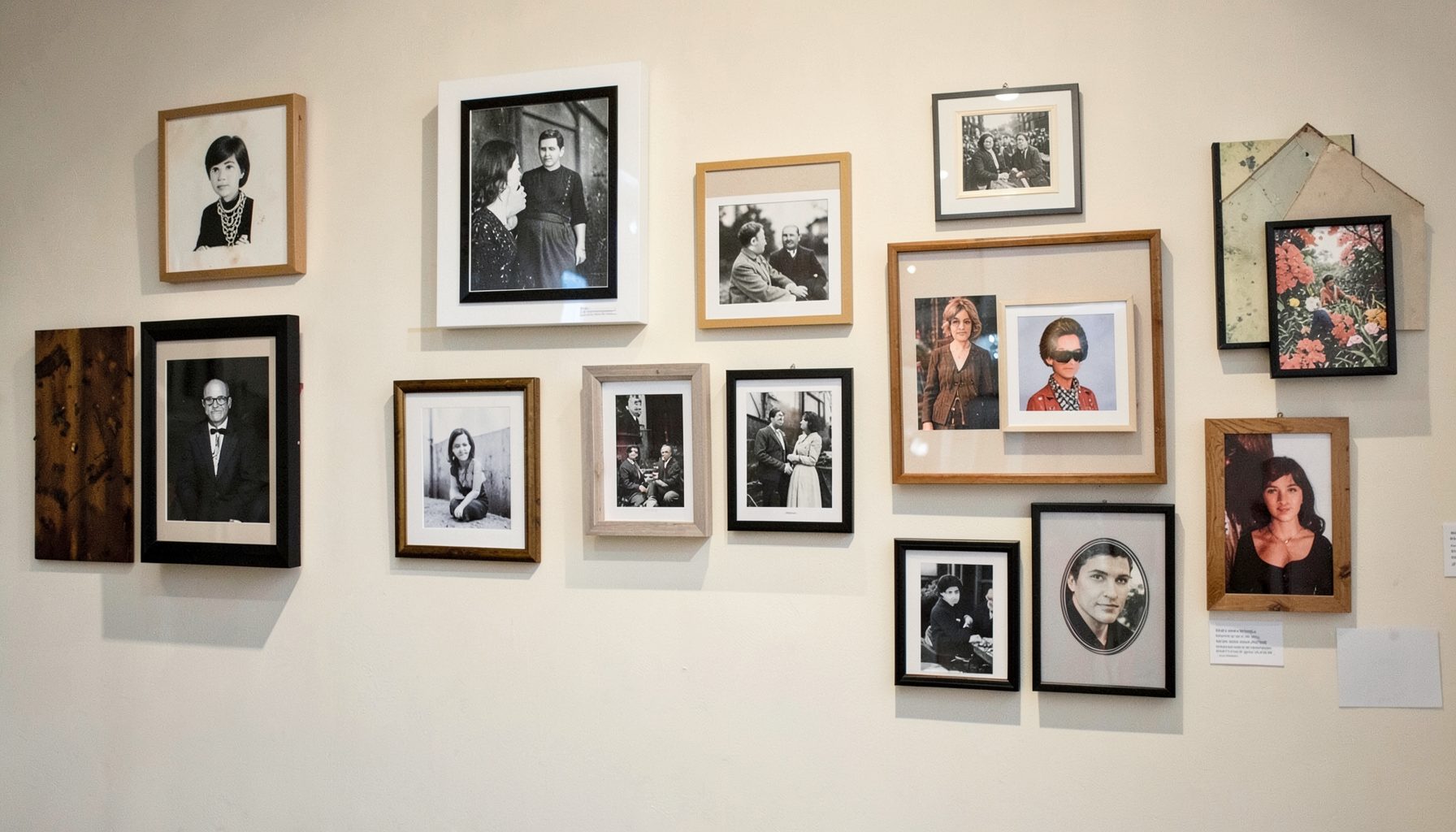
Portfolio
Browse completed room makeovers, before-and-after transformations, and styling projects from Bay Area homes.
Learn More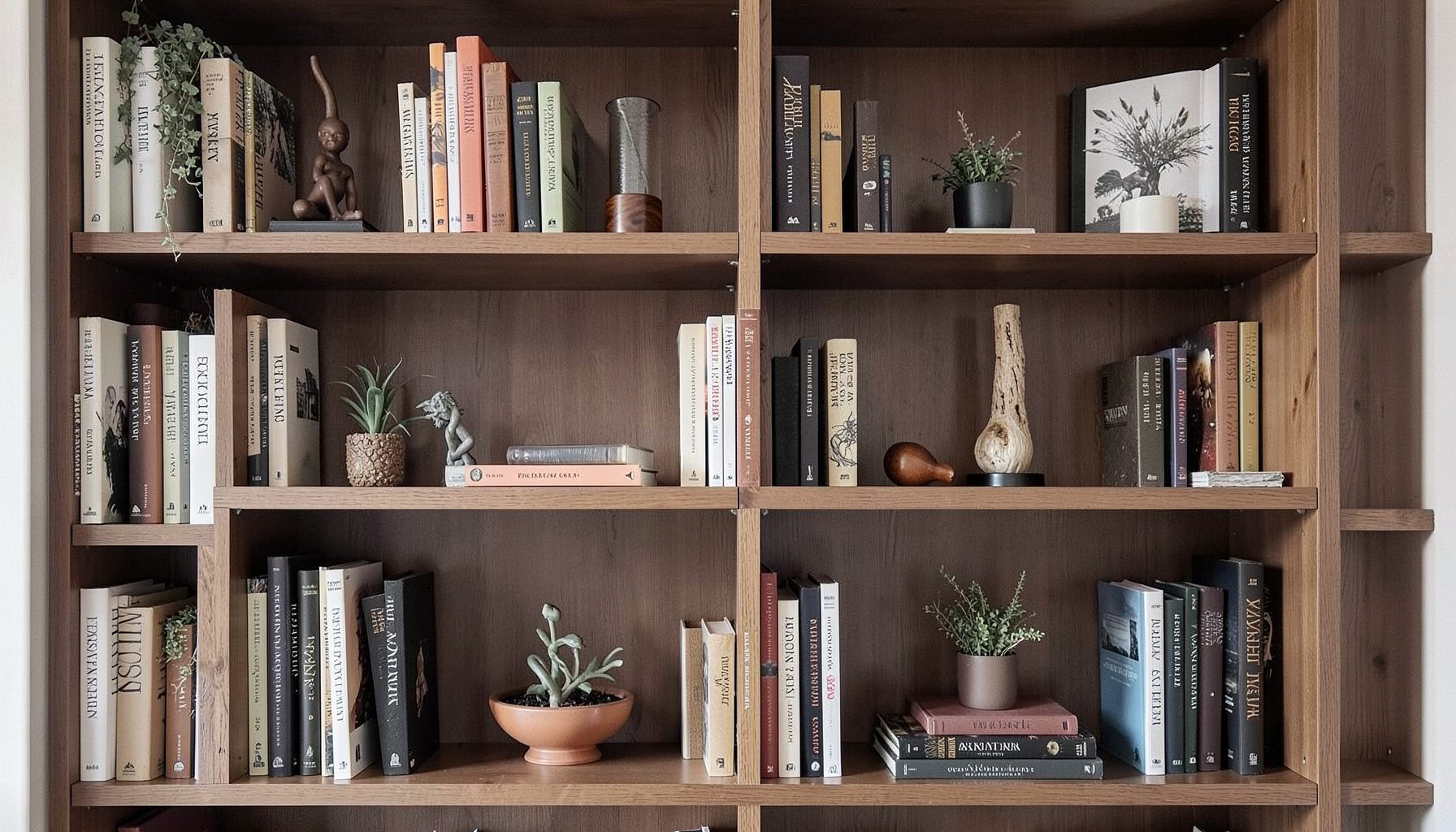
Blog
Interior design inspiration, fashion finds, entertaining ideas, and peeks into real home renovations and styling projects.
Learn More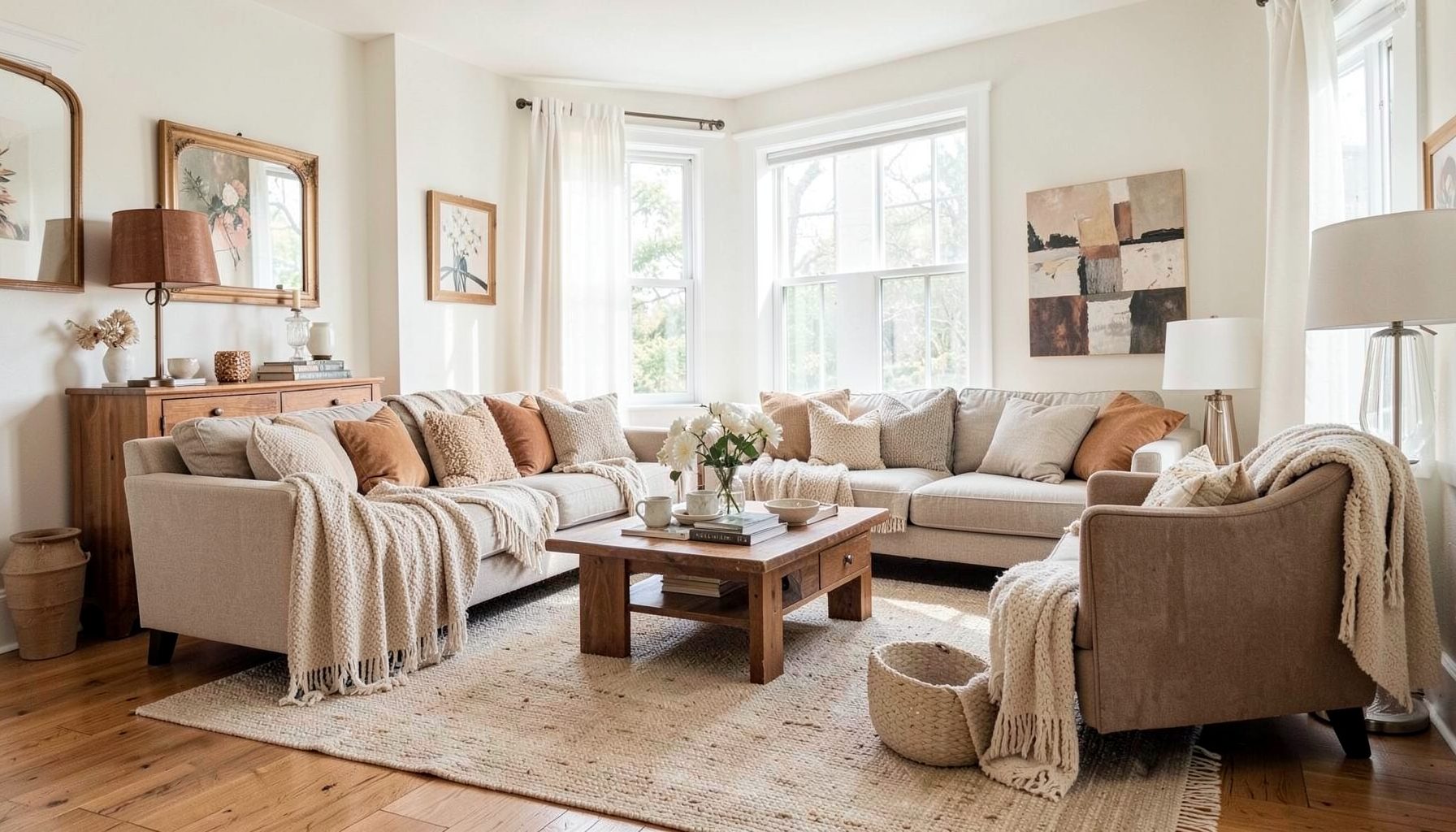
Downloads
Free curated resources for home decorating and design — guides, checklists, and inspiration to help you get started.
Learn MoreLayering vintage and modern art in a gallery wall that feels curated
Creating a gallery wall that weaves vintage finds with contemporary pieces is one of the most rewarding styling projects you can tackle at home. The trick lies in treating the arrangement as a slow conversation between eras rather than a forced match-up, allowing each artwork to breathe while still contributing to a cohesive whole. In Australia, where weekend op-shop crawls and visits to local galleries are practically a national pastime, sourcing that eclectic mix often happens organically over months or even years.
The beauty of mixing decades is that the finished arrangement tells a story unique to your home and travels. A mid-century linocut print found at a Camberwell market stall can sit happily beside a bold contemporary canvas from a Sydney-based artist, provided you anchor them with a few unifying elements. The result feels collected and intentional, never chaotic, and gives you the freedom to swap pieces in and out as your tastes evolve.
Sourcing vintage and contemporary pieces without leaving Australia
Australia's art market offers an embarrassment of riches for the layering enthusiast, from established names to emerging local talent. Sydney's White Rabbit Gallery in Chippendale houses one of the world's most significant collections of contemporary Chinese art, while the National Gallery of Victoria in Melbourne regularly features exhibitions that span colonial still lifes through to modern First Nations works. For vintage finds, op shops in inner-city suburbs like Fitzroy, Newtown, or Fremantle often yield unexpected treasures: framed etchings, botanical prints, or original oils that have survived decades in someone's garage sale pile.
When sourcing, think about the conversation you want the wall to have. A bold abstract by an emerging artist from Adelaide's Hill Smith Gallery might need a quieter vintage partner, such as an antique map of Tasmania from a thrift store in Hobart. Conversely, two busy vintage pieces can be balanced by a single oversized modern work that gives the eye somewhere to rest. Don't overlook local auction houses like Leonard Joel or Deutscher and Hackett, where you can sometimes score an original Brett Whiteley print or a work by Margaret Olley at a fraction of gallery retail.
For budget-conscious decorators, regional markets are goldmines. The Salamanca Market in Hobart, the Eumundi Markets on the Sunshine Coast, and the Rose Street Artist Market in Fitzroy all host makers and resellers who understand the appeal of the layered look. If you're after something specific, Facebook Marketplace and Gumtree remain go-to platforms for Aussies hunting vintage frames and art locally, often with the bonus of negotiating a fair price over a flat white.
Choosing frames and mats to unify different eras
Frames are the secret handshake of any well-curated gallery wall. They are what allows a 1920s watercolour and a 2024 acrylic to feel like they belong in the same family. In Australian homes, where the architecture leans heavily toward federation-era details in established suburbs or sleek minimalist builds in newer estates, frame choice can either honour the bones of the house or deliberately contrast them for personality.
A safe and timeless approach is to keep frames within a tight tonal range, even if the profiles vary. Think warm timber, matte black, brushed brass, or crisp white. If your vintage piece is already in an ornate gilt frame, resist the urge to reframe it. The patina is part of its charm, and pairing it with a simple modern frame creates that high-low tension that designers chase. For contemporary works on paper, consider float frames that allow the deckled edges to show, which is a respectful nod to the maker's process.
Mat boards offer a clever visual reset between mismatched artworks. Using the same warm white mat across a mix of vintage photographs, modern prints, and original drawings creates breathing room and consistency. If you're working with a tight budget, many Australian framers offer mat-cutting services at a reasonable rate, and chains like Frame Today have outlets in most capital cities. Avoid coloured mats unless the colour is deliberately pulled from a dominant hue elsewhere in the room.
Planning the layout for flow and visual rhythm
Before a single nail goes into the wall, lay everything out on the floor. This is non-negotiable in the Bay Area and just as true in a Brisbane Queenslander or a Sydney terrace. Use butcher's paper or old newspaper to trace each frame, label them, and play with arrangements until the composition feels right. A common mistake is treating the gallery wall as a symmetrical grid, which can look corporate and stiff, especially when mixing eras.
Instead, aim for a salon-style hang with a loose anchor piece. This is often the largest or most visually dominant work, which could be a striking vintage landscape or a moody modern portrait. Build outwards, alternating frame styles, mediums, and scales so the eye travels naturally rather than landing in clusters. A piece with heavy visual weight, like a large dark oil painting, should be balanced by something lighter, such as a delicate pencil sketch in a thin frame.
Consider the architecture of the room. In a heritage home with tall ceilings and decorative cornices, you have the luxury of hanging higher and embracing vertical stacking. In a modern apartment with lower ceilings, keep the arrangement more horizontal and centred around eye level. If the wall includes a doorway, window, or built-in like a console or bookshelf, work around those permanent features rather than fighting them.
Hanging, spacing, and adapting to Australian conditions
Hanging a gallery wall is part maths, part intuition. As a rule of thumb, keep two to four centimetres between frames, and ensure the centre of the arrangement sits at roughly 145 to 150 centimetres from the floor, which is standard eye level. Always use two hooks per frame for anything over a couple of kilos, and consider security hangers in older homes where plaster can be unpredictable. For renters, which is a significant chunk of the Australian population, adhesive strips like Command or 3M hooks are lifesavers, though they have weight limits worth respecting.
Australia's climate throws a few curveballs worth planning for. In coastal areas like the Mornington Peninsula or Byron Bay, salt air can corrode cheaper metal frames over time, so opt for sealed finishes or rotate pieces seasonally. In humid subtropical zones like Brisbane or far north Queensland, consider using museum glass or UV-protective acrylic, particularly for valuable vintage works or works on paper, as mould and fading are real risks. Avoid hanging original works on external walls where temperature swings can damage both frame and medium.
Lighting is the final layer that brings the wall to life. Picture lights, track lighting, or even well-placed floor lamps can transform a daytime arrangement into an evening feature. If you're hiring an electrician, many Australian sparkies are familiar with discreet wiring options for picture lights, and the investment pays off in spades when entertaining or simply enjoying the wall after dark.
Styling around the gallery wall for a collected look
A gallery wall never lives in isolation, and the surrounding styling is what elevates it from a cluster of frames to a room-defining moment. Think of the wall as one element within a larger vignette that might include a console, a bench, a pair of reading chairs, or open shelving. Layer in a few objects of varying heights, materials, and eras to echo the rhythm of the artwork above.
For those styling a console beneath a gallery wall, styling a console table offers a chance to repeat the high-low mix. A vintage ceramic lamp base sourced from an Adelaide op shop can sit beside a stack of contemporary art books, with a modern sculpture or a trailing plant to soften the edges. Trays, candlesticks, and small framed photos all earn their place when they pick up colours or textures from the wall above.
Resist the urge to over-style. Negative space, even on a console or shelf, allows the eye to rest and the art to shine. In true Maggie Rose spirit, the goal is a space that feels layered and collected rather than styled for a catalogue shoot, where every piece looks like it has lived there for years.
Lay your current collection out on the floor this weekend, adjust until the balance feels right, and once the arrangement is set, measure twice, hang once, then step back to watch how the light shifts across the wall throughout the day.

Recent Projects