Interior Design
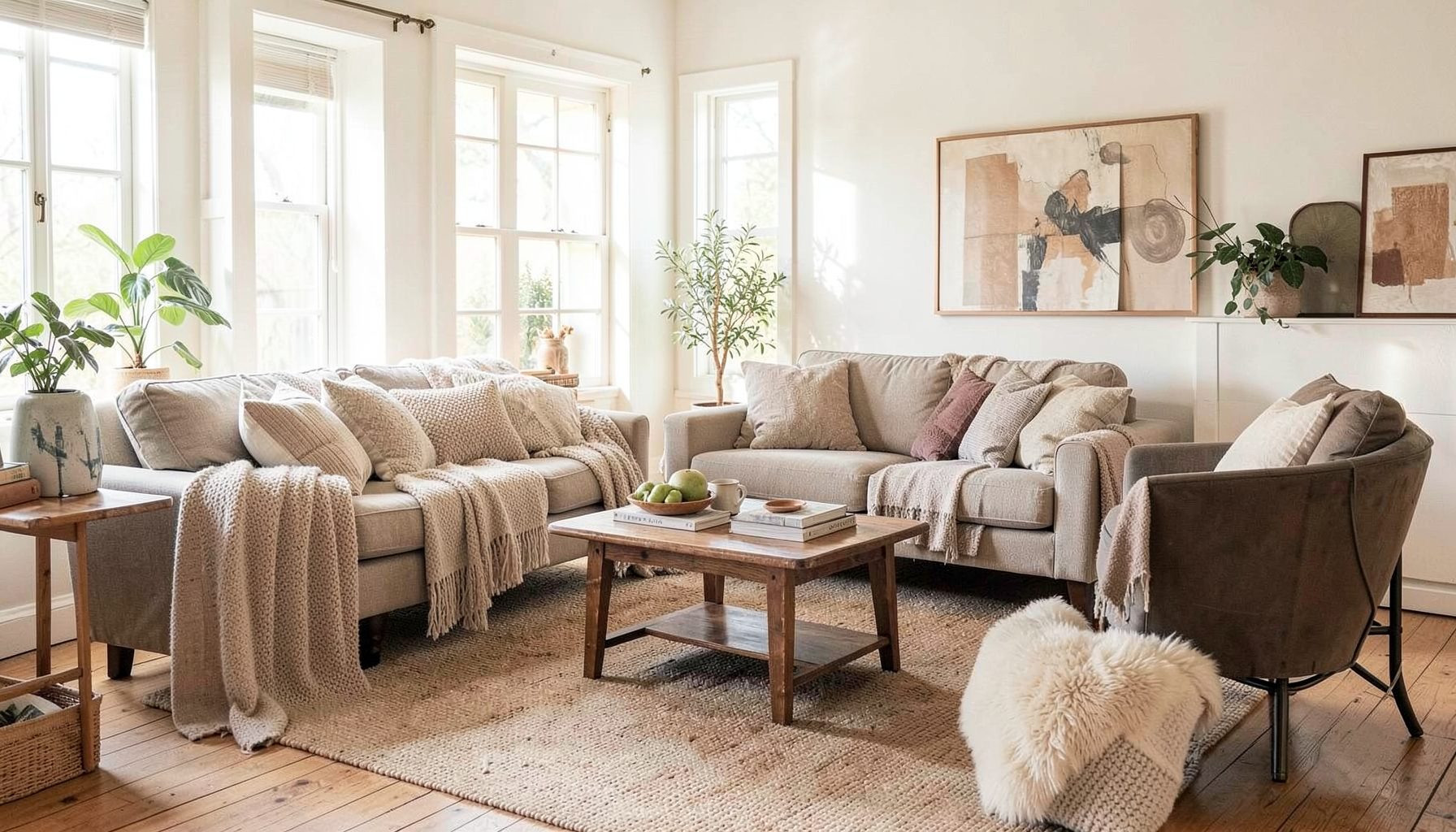
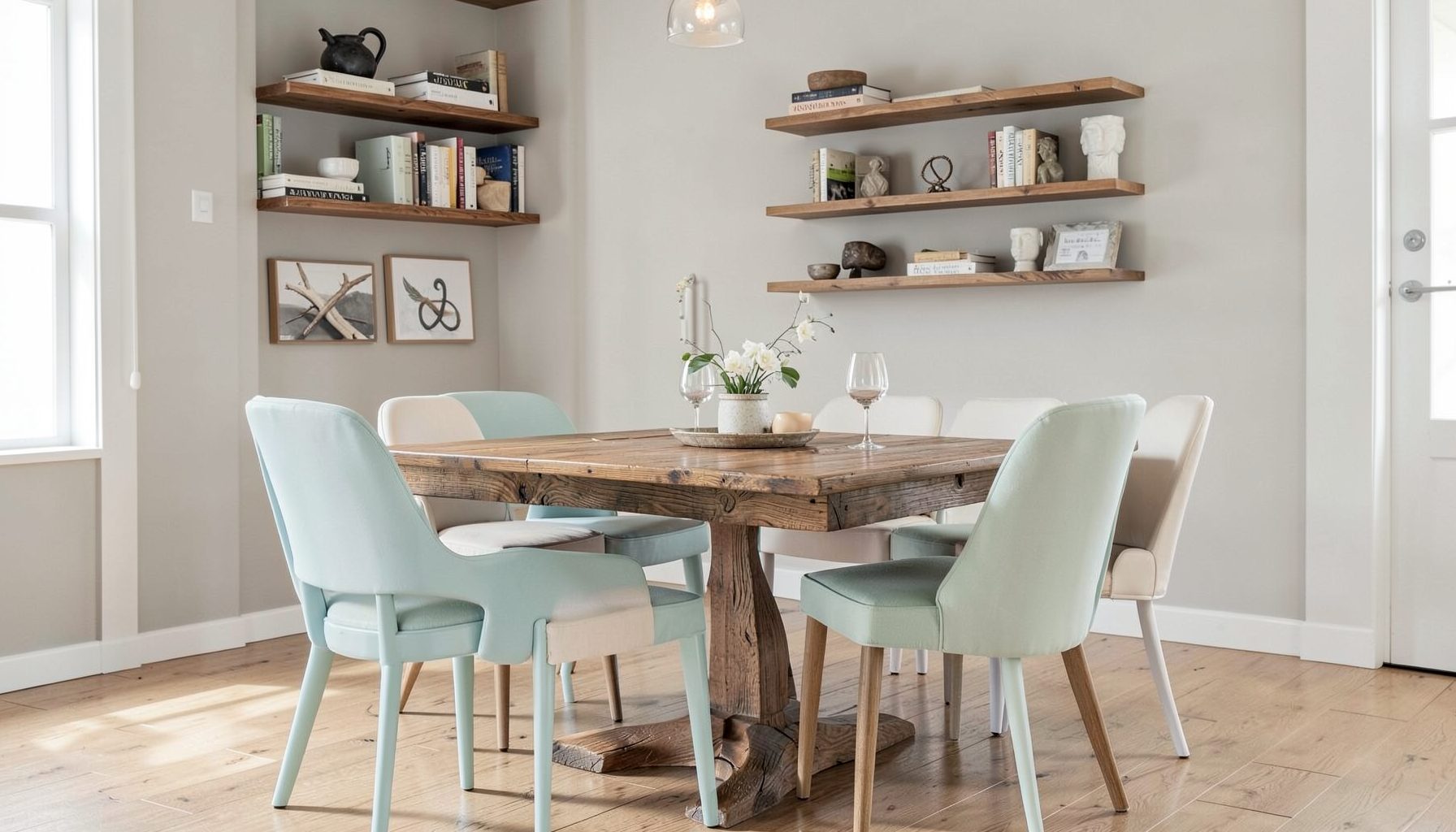
Full-service decorating that blends high and low, vintage finds with modern pieces for spaces that feel personal and collected.
Learn More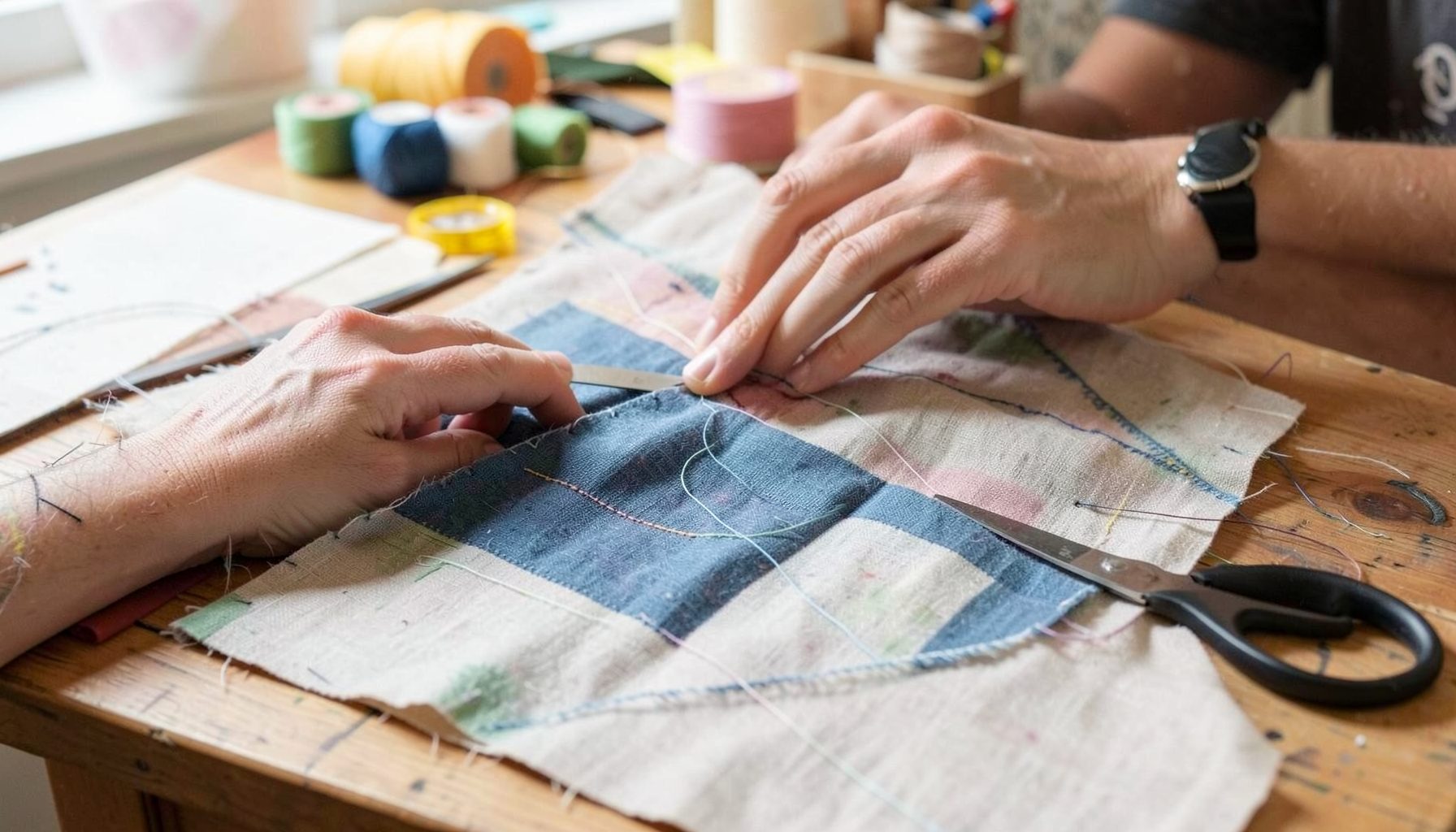
DIY Projects
Step-by-step tutorials for refinishing furniture, sewing pillows, styling bookshelves, and transforming rooms on a budget.
Learn More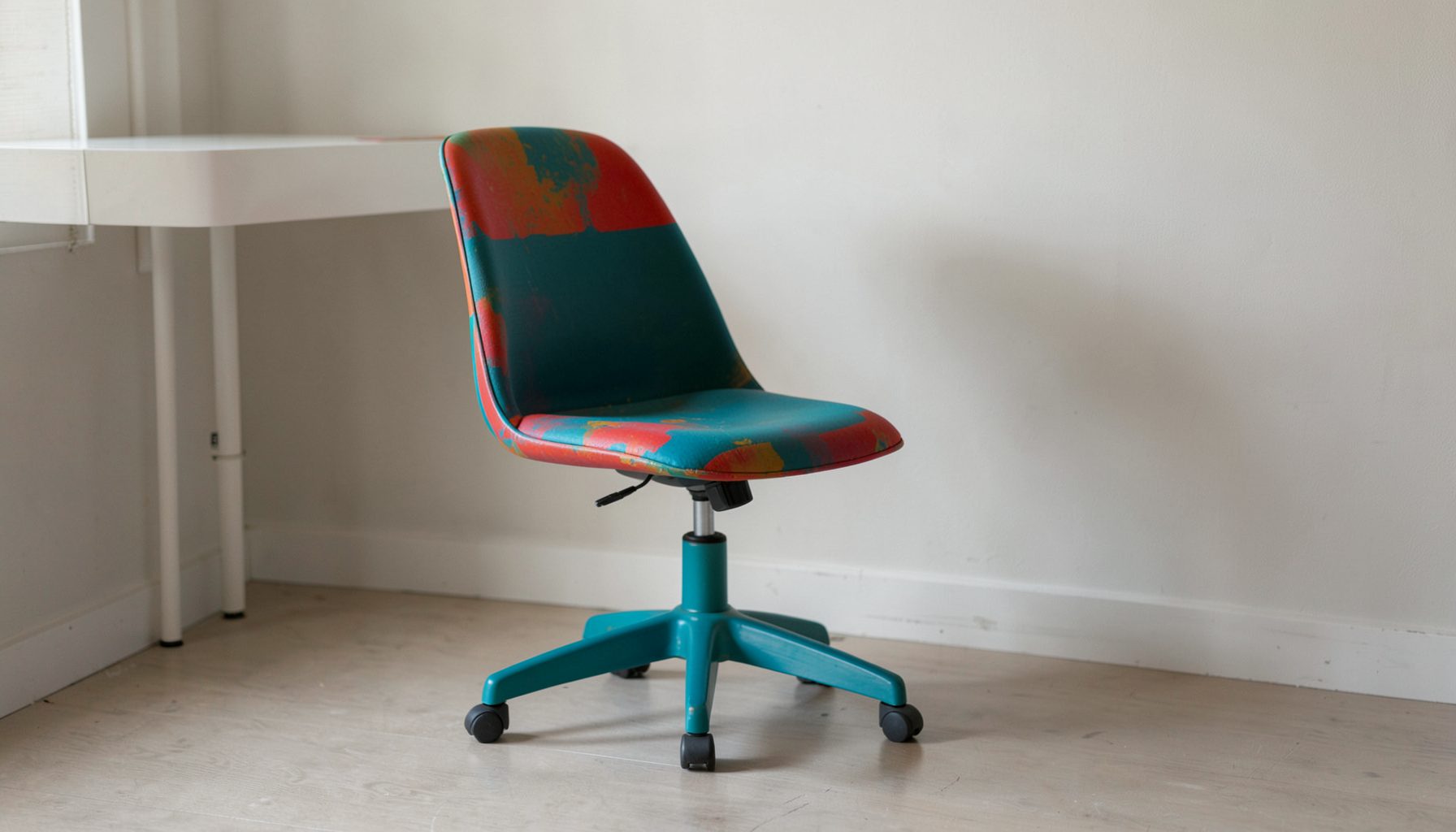
E-Decorating
Personalized design guidance delivered online — perfect for clients anywhere in the world who want a professional eye.
Learn More
Portfolio
Browse completed room makeovers, before-and-after transformations, and styling projects from Bay Area homes.
Learn More
Blog
Interior design inspiration, fashion finds, entertaining ideas, and peeks into real home renovations and styling projects.
Learn More
Downloads
Free curated resources for home decorating and design — guides, checklists, and inspiration to help you get started.
Learn MoreStyling A Console Table In A Narrow Hallway
A narrow hallway has a difficult job. It needs to guide movement, welcome guests, hold everyday essentials, and establish the tone of the rooms beyond it. When space is limited, a console table can bring warmth and function without making the passage feel cramped.
The most successful entryway arrangements rely on proportion, restraint, and layers. A slim piece of furniture, a well-placed mirror, and a few carefully chosen accessories can create a collected look while preserving a comfortable walkway. The goal is not to fill every inch, but to make each visible detail feel intentional.
A hallway console also offers a useful opportunity to express personal style. Vintage pottery, framed art, modern lighting, woven baskets, and treasured objects can sit together naturally when they share a connection in color, material, scale, or story. This mix is central to the relaxed, layered approach favored by Maggie Rose Interiors.
Start With Hallway Proportions
Before choosing decorative objects, measure the hallway and identify how people move through it. Note the width of the passage, the location of doors, the swing of nearby cabinets, and the distance between the console and the opposite wall. A beautiful table that interrupts traffic will quickly become a daily frustration.
For most narrow entryways, a console depth between 10 and 14 inches is a practical starting point. The exact measurement depends on the hallway, but there should be enough room to walk past comfortably while carrying bags, coats, or groceries. Tape the proposed footprint on the floor for a day or two before purchasing anything. This simple step reveals whether corners feel tight and whether drawers or doors can open freely.
Height matters as well. A console around 30 to 34 inches high usually feels natural beside a front door, while a taller, slimmer piece can create a more vertical composition. If the furniture is especially narrow, use the wall above it to carry visual weight through a mirror, artwork, or a sculptural light fixture.
Choose A Console That Works Hard
Look for a hallway table with a restrained silhouette and useful storage. A drawer can hold keys, sunglasses, and mail, while a lower shelf can accommodate a basket for scarves or dog leashes. If the console has no storage, add a small box or lidded vessel that keeps daily clutter contained.
The material should support the mood of the home. A warm wood console softens a contemporary hallway, painted furniture can bring character to a traditional home, and a metal-and-glass design may suit a streamlined apartment. Vintage pieces are especially effective because their patina adds depth without requiring a large collection of accessories.
Pay attention to leg shape and visual weight. Open legs allow more of the floor to remain visible, making the hallway feel less crowded. A solid cabinet has greater storage capacity but may need a lighter arrangement above it. When the furniture is substantial, keep the styling edited; when the console is delicate, a fuller arrangement can provide balance.
Build A Layered Focal Point
The wall above the console is often the main visual anchor in an entryway. A large mirror reflects light and gives the space a practical purpose, especially near a front door. Choose a shape that responds to the architecture: a rounded mirror can soften a corridor filled with straight lines, while a rectangular design can reinforce a clean, tailored feel.
Artwork offers a more personal alternative. One large piece creates a confident focal point, while a small gallery arrangement can add a collected, residential quality. In a narrow hallway, avoid spreading frames too widely across the wall. A compact grouping that relates directly to the console usually looks more cohesive than a display that competes with the length of the passage.
Layering creates dimension without demanding extra floor area. Lean a smaller framed print in front of a mirror, place a shallow bowl near the edge of the tabletop, or hang a pair of sconces on either side of the central artwork. Keep the deepest objects toward the wall and the lowest pieces toward the front so the arrangement remains visible and usable.
| Console Element | Practical Role | Styling Direction |
|---|---|---|
| Slim table | Defines the entry zone | Choose a finish that relates to nearby flooring or doors |
| Mirror or artwork | Creates a focal point | Use one strong piece or a tightly edited grouping |
| Lidded box or tray | Contains keys and small items | Select a material that adds texture, such as wood, ceramic, or leather |
| Lamp or sconce | Adds ambient light | Favor a narrow profile with a soft, warm glow |
| Bowl or catchall | Holds daily essentials | Keep it shallow and easy to reach |
| Vase or branches | Brings height and organic shape | Use an airy silhouette rather than dense foliage |
| Basket or lower shelf | Stores flexible items | Match the basket scale to the available clearance |
Balance Beauty With Everyday Function
A console table should support the rhythm of daily life. Place a tray where keys can land quickly, but leave enough clear surface for setting down a phone or a small package. If mail tends to accumulate, use a decorative file holder or a shallow basket instead of allowing papers to spread across the tabletop.
Use the rule of three as a loose guide, not a strict formula. A tall object, a medium-height piece, and a low horizontal element often create a pleasing rhythm. For example, a ceramic lamp can stand beside a medium vase, while a small tray anchors the front edge. Varying height keeps the display from looking flat.
Negative space is especially important in a tight corridor. A tabletop crowded from end to end can make the entire hallway appear narrower. Leave visible sections of the surface and allow the wall behind the objects to show through. The eye needs pauses, and those pauses make decorative pieces feel more significant.
A layered home benefits from objects with different histories and finishes. Pair a polished lamp with a rough terracotta vessel, or place a contemporary bowl beside a vintage frame. This kind of contrast keeps the entry from looking like a furniture showroom and helps the console feel connected to the rest of the home.
Use Light, Color, And Texture Carefully
Lighting can transform a narrow hall, especially when natural light is limited. A small table lamp introduces a warm pool of light and makes the entry feel welcoming in the evening. Choose a lamp with a narrow base and an appropriately scaled shade so it does not dominate the tabletop.
Wall sconces are useful when tabletop space is minimal. Hardwired fixtures create a finished look, while plug-in sconces offer flexibility in a rental or a home where electrical work is not practical. Warm bulbs generally flatter wood, brass, woven materials, and painted finishes. Avoid harsh, cool light that can make a small hallway feel clinical.
Color does not need to arrive through a bold painted wall. A patterned runner, colorful artwork, a painted console, or a single saturated ceramic piece can provide enough contrast. In a neutral hallway, use tonal layers of cream, camel, brown, black, or soft gray to create interest without visual noise.
Texture is equally valuable. A woven basket, linen shade, aged metal frame, carved wood bowl, or stone vessel gives the eye something to explore. In a small area, two or three contrasting textures are usually enough. Repeating one finish elsewhere in the hallway, such as brass from the light fixture echoed in a frame, helps the composition feel deliberate.
Keep The Arrangement Livable
Decorative styling needs regular editing. Remove anything that blocks drawers, catches on clothing, or makes cleaning difficult. Fragile heirlooms may be better placed higher on a secure shelf, while frequently handled items should be durable and easy to move.
If the home has children or pets, use heavier vessels and stable objects near the front edge. Avoid sharp corners where a narrow walkway gets busy. A wall-mounted mirror should be properly secured, and tall branches should sit in a weighty container that cannot tip easily.
A hallway arrangement should also respond to the season without becoming a rotating display of clutter. In autumn, a darker ceramic vessel or a few branches can add warmth. During spring, lighter textiles and fresh greenery may brighten the space. Small changes are enough; the underlying composition should remain calm and recognizable.
A quick reset once a week keeps the console looking polished. Return keys to the tray, recycle old mail, straighten the runner, and remove anything that does not belong. This maintenance is part of good design because a thoughtfully styled surface should make order easier, not create another task.
A Simple Styling Checklist
Use the following sequence when arranging a narrow entryway console. It keeps the process focused and helps prevent over-accessorizing:
- Measure the passage, furniture depth, door swings, and walking clearance before selecting a console.
- Choose one primary focal point, such as a mirror, artwork, or architectural wall light.
- Add one tall, one medium, and one low object to create a varied but balanced profile.
- Include a tray, box, drawer, or basket for the items that collect near the front door.
- Step back from the opposite end of the hallway and remove anything that makes the passage feel visually crowded.
Once the essentials are in place, live with the arrangement before making final purchases. Natural light changes throughout the day, and an object that looks balanced in a shop may feel oversized once it is viewed from a distance. Photographs can help reveal areas that need more breathing room.
Trust the relationship between the console and the rooms around it. The entryway does not need to match every adjoining space, but it should share a few cues with them. Repeating a wood tone, introducing a color found in nearby upholstery, or echoing a metal finish can create continuity without making the home feel overly coordinated.
Make The Entryway Feel Personal
The finishing details should say something about the people who live in the home. A travel photograph, inherited bowl, favorite book, or small collection can give the console meaning. Personal objects tend to look most polished when they are grouped with restraint and given enough space to be appreciated.
For professional guidance, a design studio can help resolve the practical constraints of a narrow hall while preserving the character of the home. Maggie Rose Interiors works across San Jose, San Francisco, and the wider Bay Area, creating spaces that blend vintage finds, modern furnishings, approachable pieces, and personal collections. The studio’s client experiences reflect the value of a design process shaped around each home and lifestyle.
Whether the project involves a full entryway redesign or a small styling refresh, begin with the furniture footprint, establish a clear focal point, and add useful layers gradually. A thoughtfully arranged console can make a narrow hallway feel brighter, more organized, and unmistakably yours. Explore the possibilities with Maggie Rose Interiors and create an entry that welcomes every arrival with warmth and intention.

Recent Projects