Interior Design
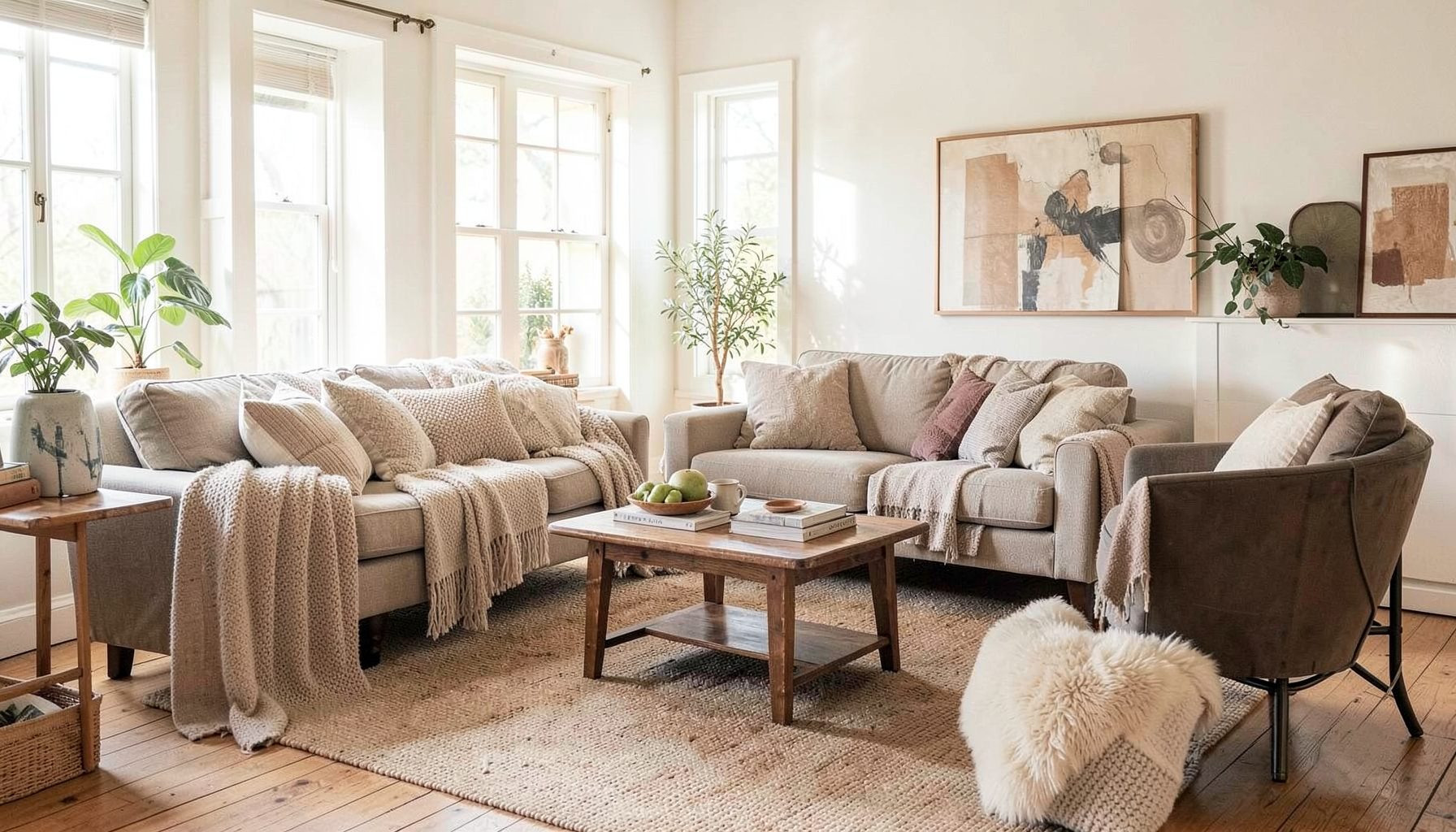
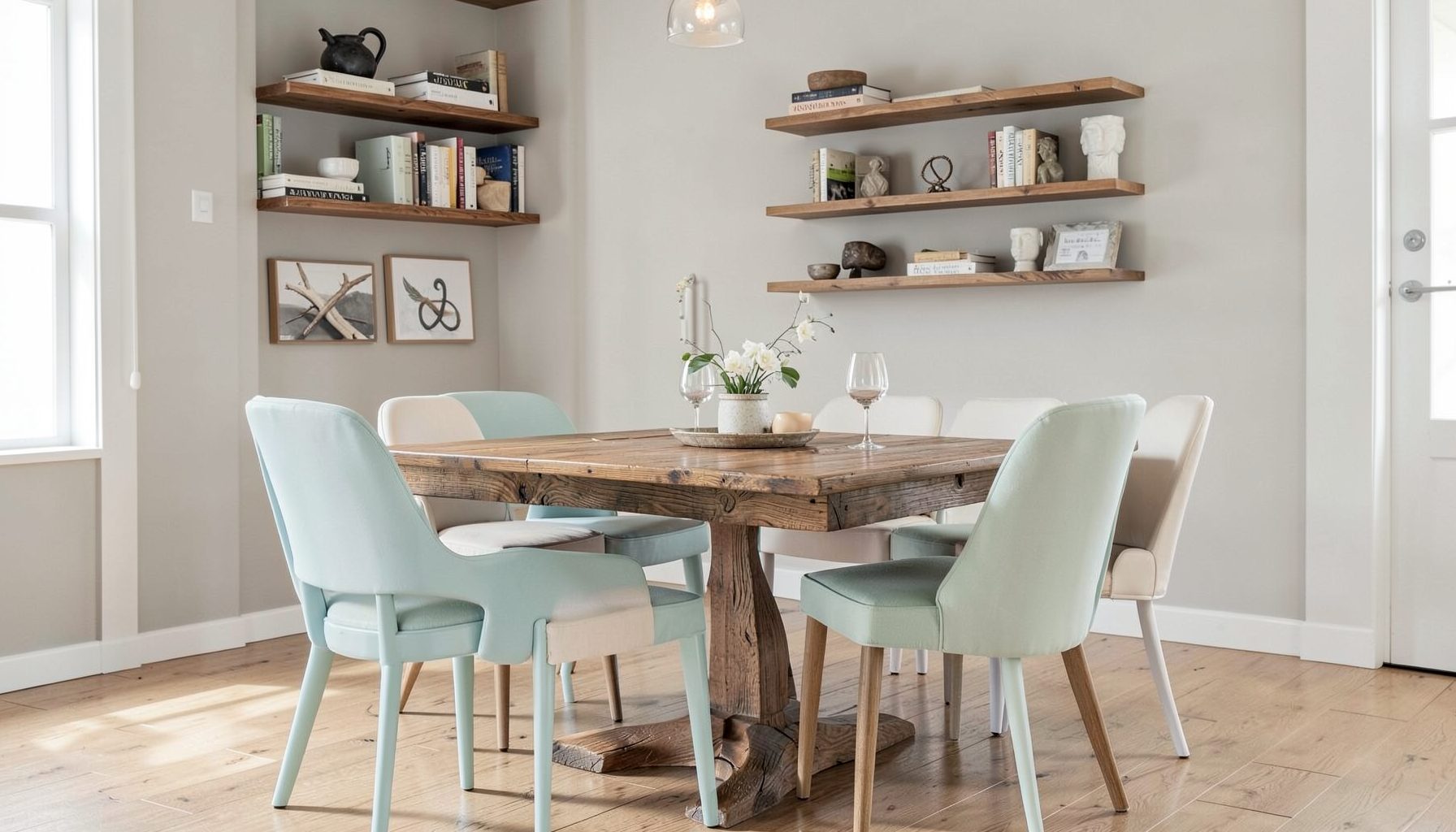
Full-service decorating that blends high and low, vintage finds with modern pieces for spaces that feel personal and collected.
Learn More
DIY Projects
Step-by-step tutorials for refinishing furniture, sewing pillows, styling bookshelves, and transforming rooms on a budget.
Learn More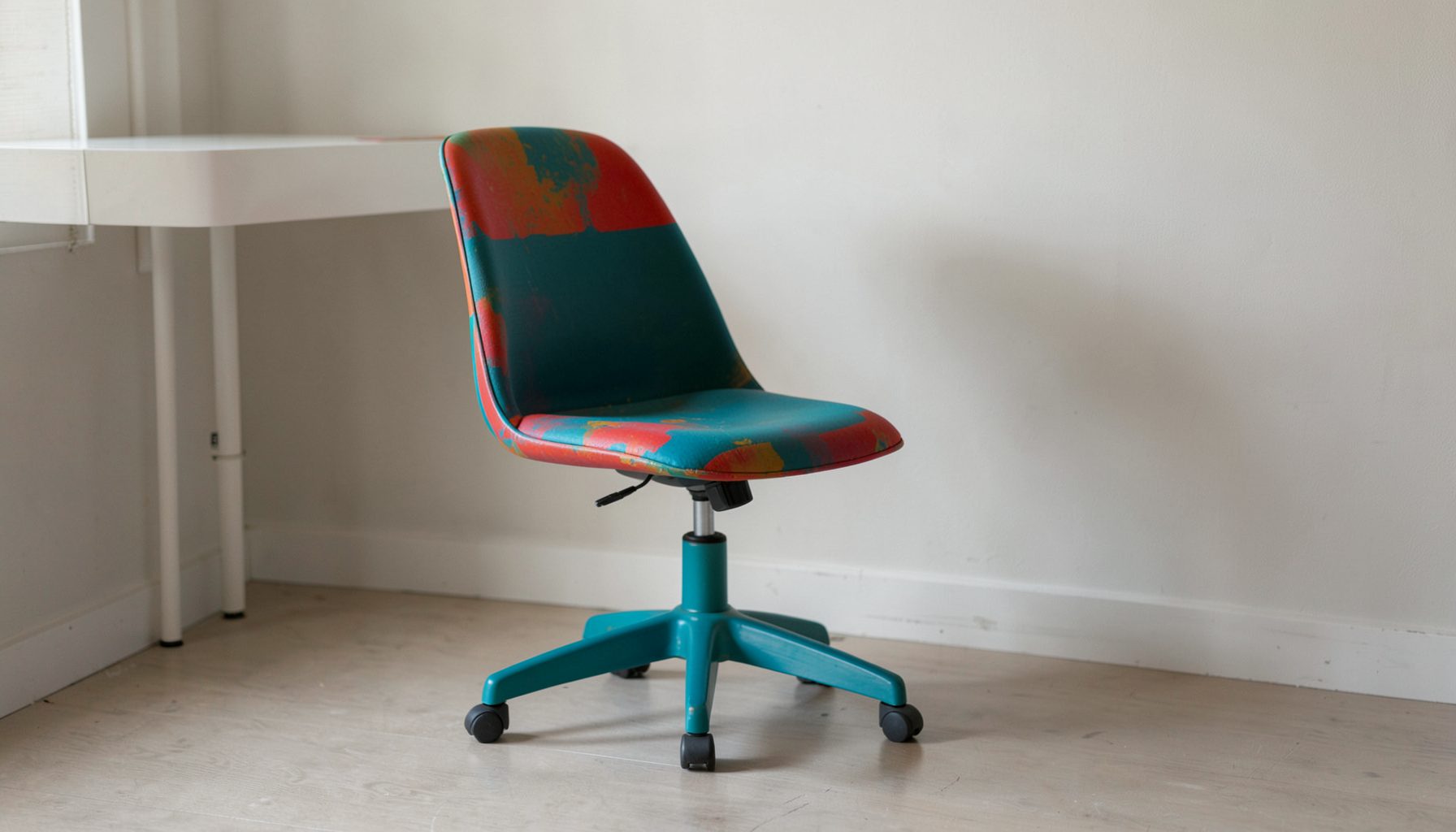
E-Decorating
Personalized design guidance delivered online — perfect for clients anywhere in the world who want a professional eye.
Learn More
Portfolio
Browse completed room makeovers, before-and-after transformations, and styling projects from Bay Area homes.
Learn More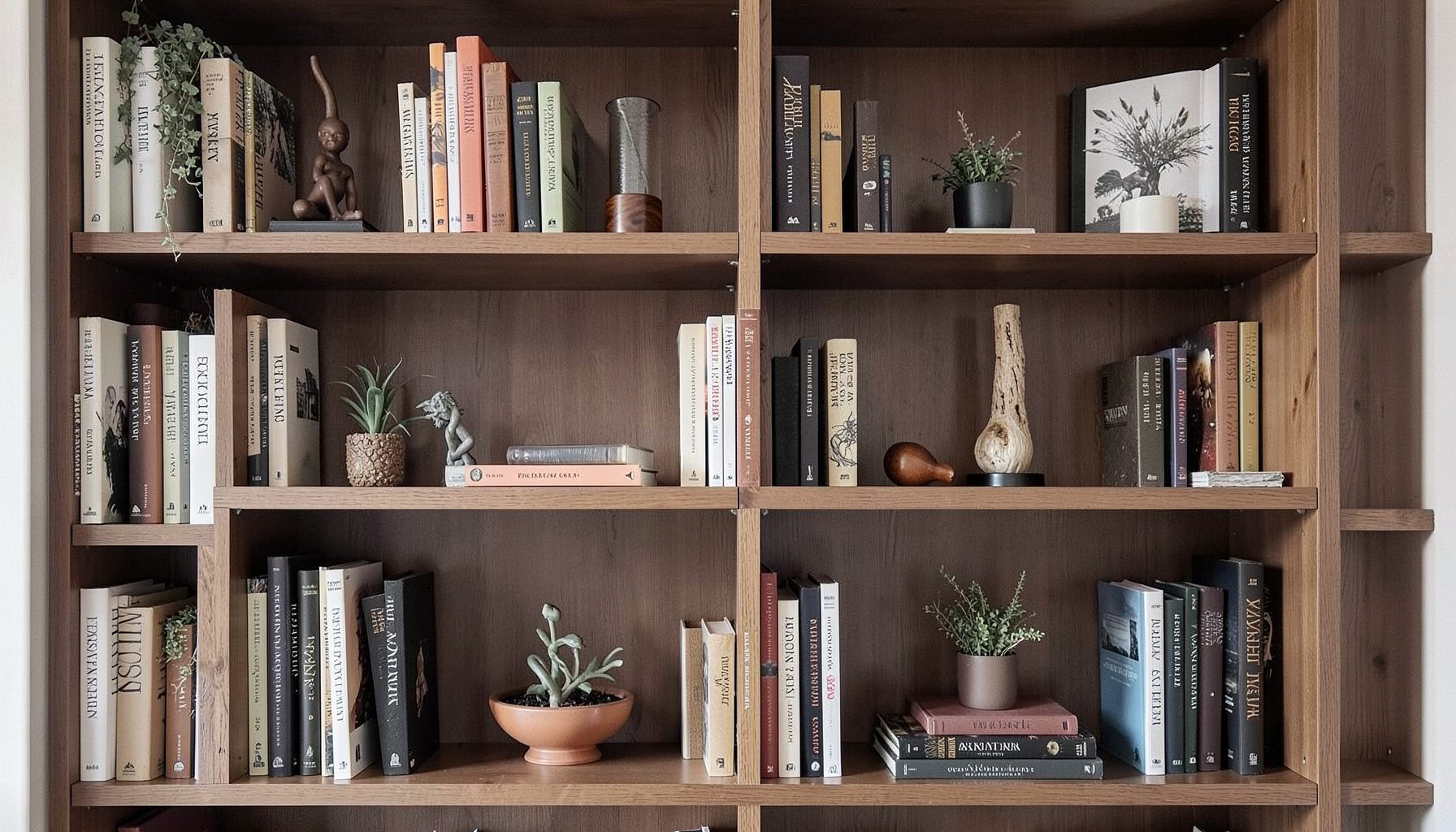
Blog
Interior design inspiration, fashion finds, entertaining ideas, and peeks into real home renovations and styling projects.
Learn More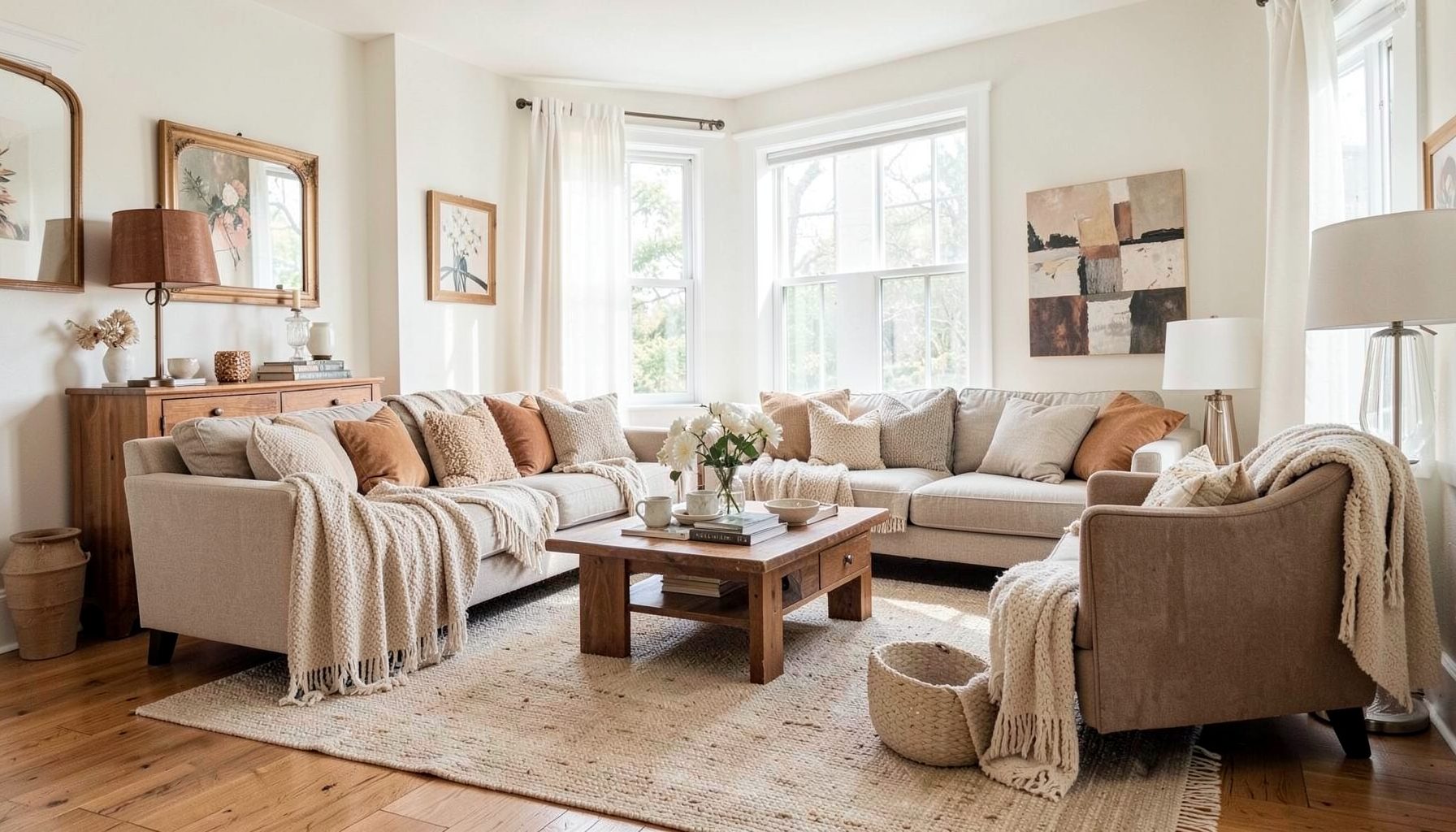
Downloads
Free curated resources for home decorating and design — guides, checklists, and inspiration to help you get started.
Learn MoreA Painted Door: The Easiest Way to Bring Colour into Any Room
Walk through any renovated weatherboard in Brunswick or a fresh Hamptons-style build in the Northern Beaches and you'll spot the same quiet trick: a single painted interior door in a bold, unexpected shade. It might be terracotta behind the laundry, deep olive off the hallway, or a dusty rose inside a home office. The door becomes the moment your eye lands on, the punctuation mark at the end of an otherwise neutral scheme.
This works particularly well in Australian homes because we tend to favour open, light-filled floor plans with neutral walls, big windows, and timber or tile floors. A flash of colour on a door gives the space personality without committing to a feature wall that might date quickly or clash with a future couch.
It is also one of the most forgiving projects a homeowner can tackle. The door is small, it lifts off its hinges in ten minutes, and the whole job can be done over a weekend with supplies from Bunnings or your local paint specialist. No scaffolding, no plastering, no permits. Just colour.
Choosing a shade that belongs in the room
The first decision is also the most fun. Stand in the doorway of the room you want to lift and look around. What colours are already there? A painted door works best when it speaks to something nearby, even if only loosely. A sage green door can echo the leaves of a fiddle leaf fig in the corner. A navy door might pick up on indigo scatter cushions or a striped rug across the hall.
Australians are leaning into earthy, sun-warmed tones this year. Think burnt sienna, muted ochre, eucalyptus green, and the soft pinks you see on weatherboard facades through inner-west Sydney. Dulux has a palette called "Whites, Off-whites and Neutrals" that pairs beautifully with these stronger accents, while Porter's Paints offers chalky, limewashed finishes if you want something with more texture.
Do not pick a colour from a chip in the store. Take testers home and stick them on the door itself. Look at them in the morning sun, in the harsh afternoon light that streams across a Queenslander verandah, and again at night under lamps. Colours shift dramatically between these conditions, especially in our bright, dry climate.
Pick a paint that can handle knocks and grubby hands
An interior door takes more abuse than almost any other surface. It gets bumped by furniture, touched by every hand that walks past, and usually has at least one lock or handle scraping across it. Choose a paint that is genuinely hard-wearing.
For most Australian homes, a water-based enamel in satin or semi-gloss is the sweet spot. It levels out beautifully, cleans easily, and holds up to the rough and tumble of family life. Brands like Dulux Aquanamel, Wattyl Estapol, and Taubmans Endure are widely available at Bunnings and independent paint shops in suburbs like Richmond, Paddington, or Fortitude Valley.
If your door is a high-traffic zone, consider a hybrid enamel with cross-linking technology. These products cure harder than standard acrylics and resist scuffs far better, which matters in a household with kids or a kelpie that charges down the hallway every time the back gate rattles.
For a matte finish that still wipes clean, look at the newer mineral and clay-based paints from brands such as Bauwerk or Porters. They give a softer, more European look but cost around $90 to $130 a litre, so factor that into your budget.
Prep: the step that makes or breaks the job
Most weekend painters rush this stage and then wonder why their finish looks patchy after a week. Spend the time.
Remove the door from its hinges using a screwdriver and a flathead to tap out the hinge pins. Lay it flat across two trestles or a pair of saw horses in your garage or on the back patio. Take off the handle and any lockset so you are not painting around them. In older Melbourne terraces, these fittings are often original brass; set them aside carefully so you can reinstall them later.
Sand the door lightly with 180-grit paper to give the new paint something to grip. Wipe down with a sugar soap solution to remove grease, fingerprints, and any residue from previous coats. If the door has old flaking paint or a glossy finish, a light sand is essential. Skip this and your topcoat will peel within months, especially in humid coastal areas like the Mornington Peninsula or the Illawarra.
Fill any dints or holes with a flexible filler, sand smooth when dry, and prime any bare timber with a quality water-based primer. A quick coat of primer stops tannins from yellow timber from bleeding through lighter colours and helps the topcoat sit evenly.
Painting without leaving marks
Lay the door flat. Always. Painting a door while it is hanging means runs, sags, and brush marks you can spot from across the room. Gravity is not your friend on a vertical surface.
Start with the panels, if your door has them. Use a small angled brush to cut in around the edges of each recessed panel, then roll the flat area with a fine-nap mini roller. This combo gives a near-spray finish and avoids the obvious brush texture that shows up in raking light.
Move to the rails (the horizontal sections) and then the stiles (the vertical edges). Maintain a wet edge so each new stroke blends into the previous one before the paint begins to set. In warmer parts of Australia, paint dries fast, so work in smaller sections and avoid painting in direct midday sun if the door is outdoors.
Apply two thin coats rather than one thick one. Allow at least four hours between coats, longer if you are in a humid climate like Brisbane in summer. Rehang the door only after the final coat has fully cured, which usually means leaving it overnight.
Style ideas worth borrowing
A coral door against crisp white panelling is a classic look in restored Queensland workers' cottages around New Farm and Paddington. It feels playful without being loud and pairs beautifully with rattan, brass, and linen.
In a more contemporary apartment in South Yarra or Surry Hills, try a single dark door in charcoal, ink, or forest green. Against white walls and pale oak floors, it reads as architecture rather than decoration. The door essentially becomes a piece of art.
For something a bit unexpected, paint the inside of a door one colour and the outside another. So when you close your study door, you see a calm soft sage, but everyone in the hallway sees the bold ochre. It is a small surprise that delights.
You can also paint the door frame and architrave in a contrasting tone to make the opening feel more deliberate. A pale door in a crisp white frame reads as quiet and refined. A pale door in a dark frame looks editorial and modern.
Make the whole room feel considered
A painted door works best when the rest of the room is not trying to compete with it. Keep the walls in a soft, supporting neutral. If your door is doing the talking, the walls should be doing the listening.
Layer in texture through your soft furnishings. A textured rug underfoot, linen curtains, a few well-chosen ceramics on a sideboard. If you want to bring the door colour into other parts of the room, do it gently. Repeat the hue on a cushion, a piece of art, a throw, or a vase. Three small touches across the room are usually enough.
For a really polished look, think about how your door colour interacts with the floor. If you have blackbutt or spotted gum timber floors, almost any warm tone will sing. With concrete or polished porcelain, lean towards dusty, mineral shades like clay, terracotta, or muted teal. With carpet, the door colour should be at least two shades away from the floor covering so the door does not visually disappear.
If you are layering rugs in the same room, a guide like layering rugs can help you build depth and texture without making the space feel busy.
A painted interior door is one of those rare design moves that costs less than $100 in paint, takes a single weekend, and completely changes the mood of a room. The trick is choosing a colour that genuinely speaks to you, prepping the door properly, and then letting the door carry the drama while the rest of the room stays calm. Pick a shade you love, take your time with the prep, and trust that a single bright moment in a quiet room is exactly the kind of detail that makes a house feel like a home.

Recent Projects