Interior Design
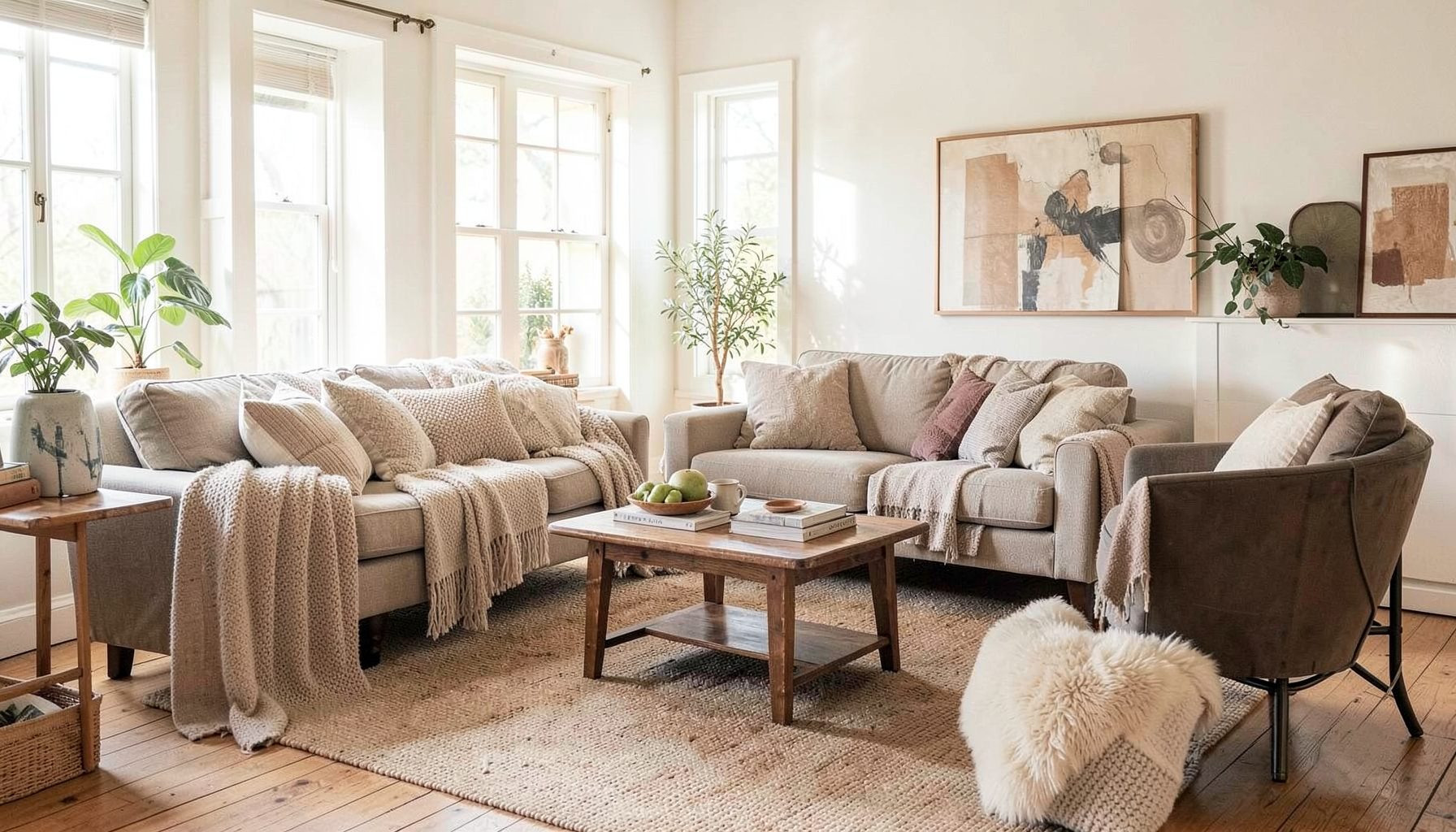
Full-service decorating that blends high and low, vintage finds with modern pieces for spaces that feel personal and collected.
Learn More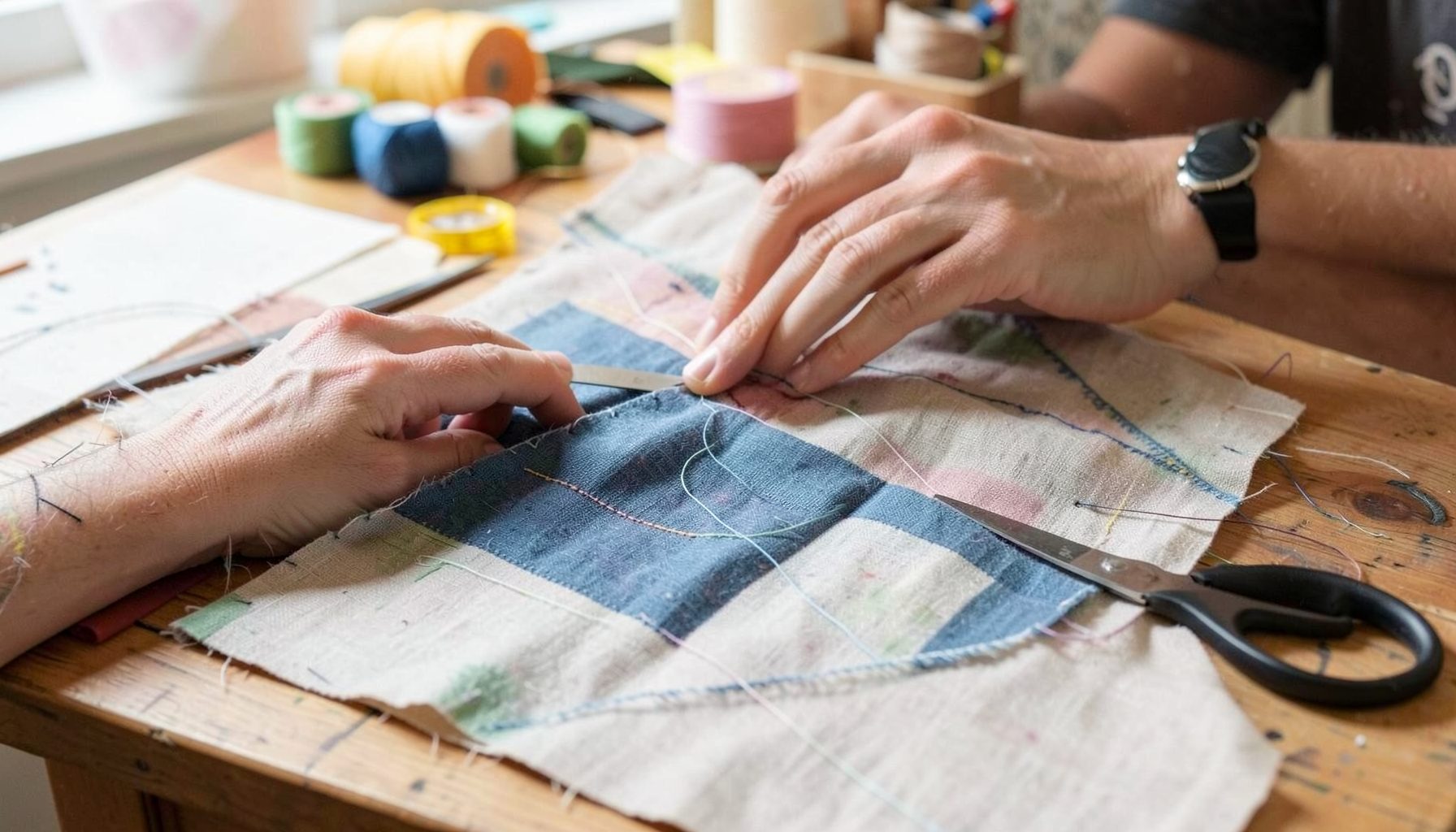
DIY Projects
Step-by-step tutorials for refinishing furniture, sewing pillows, styling bookshelves, and transforming rooms on a budget.
Learn More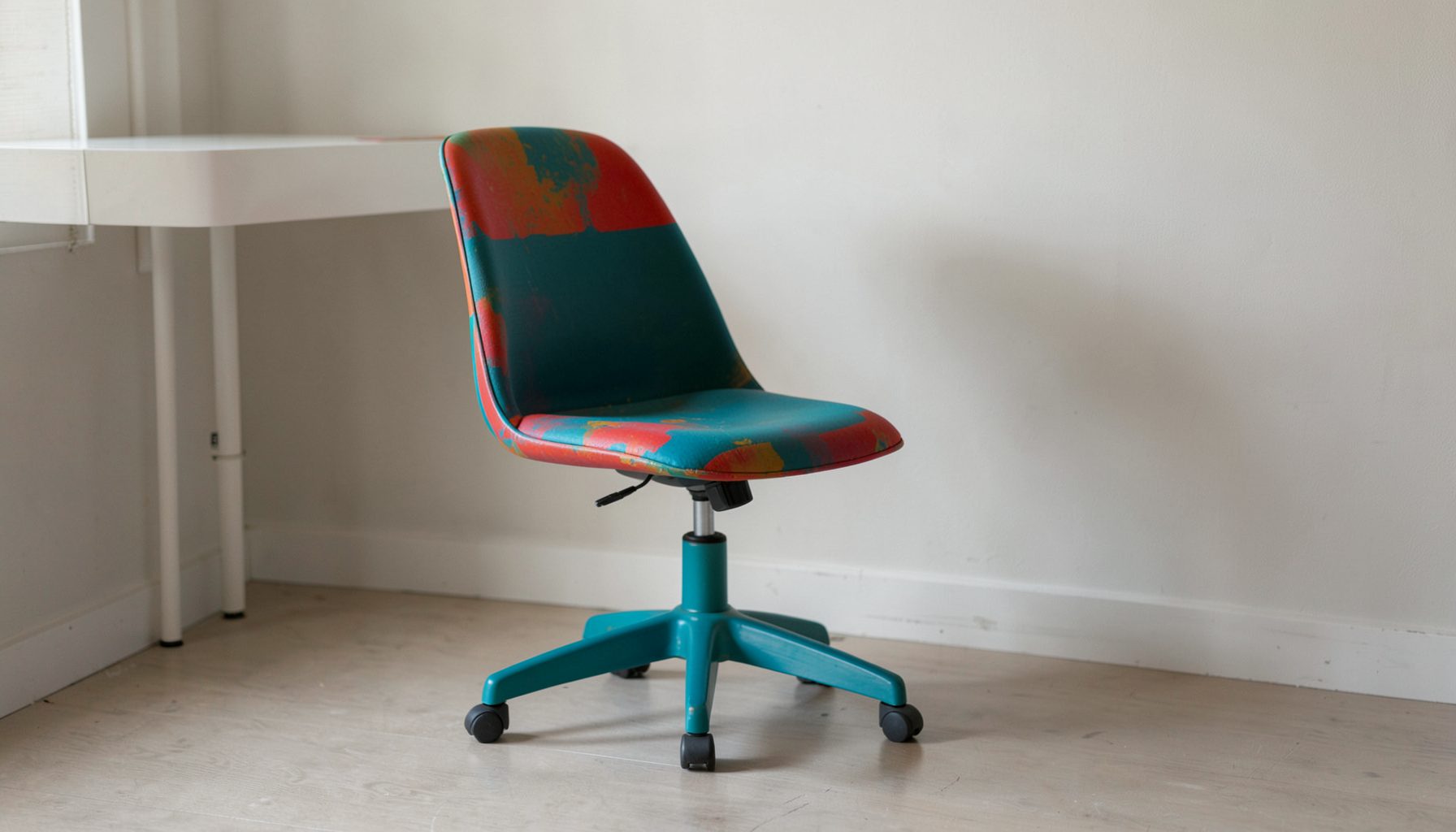
E-Decorating
Personalized design guidance delivered online — perfect for clients anywhere in the world who want a professional eye.
Learn More
Portfolio
Browse completed room makeovers, before-and-after transformations, and styling projects from Bay Area homes.
Learn More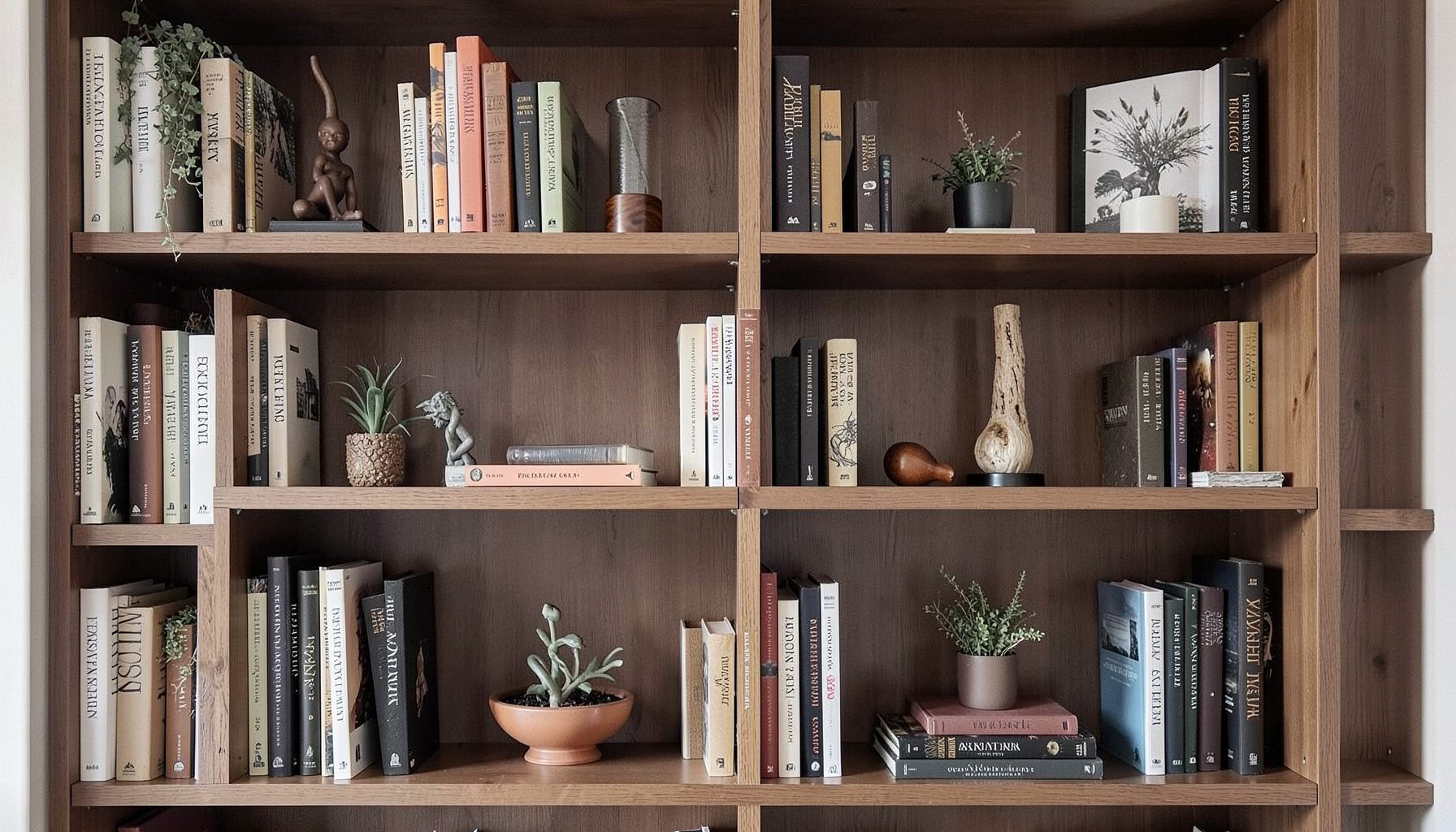
Blog
Interior design inspiration, fashion finds, entertaining ideas, and peeks into real home renovations and styling projects.
Learn More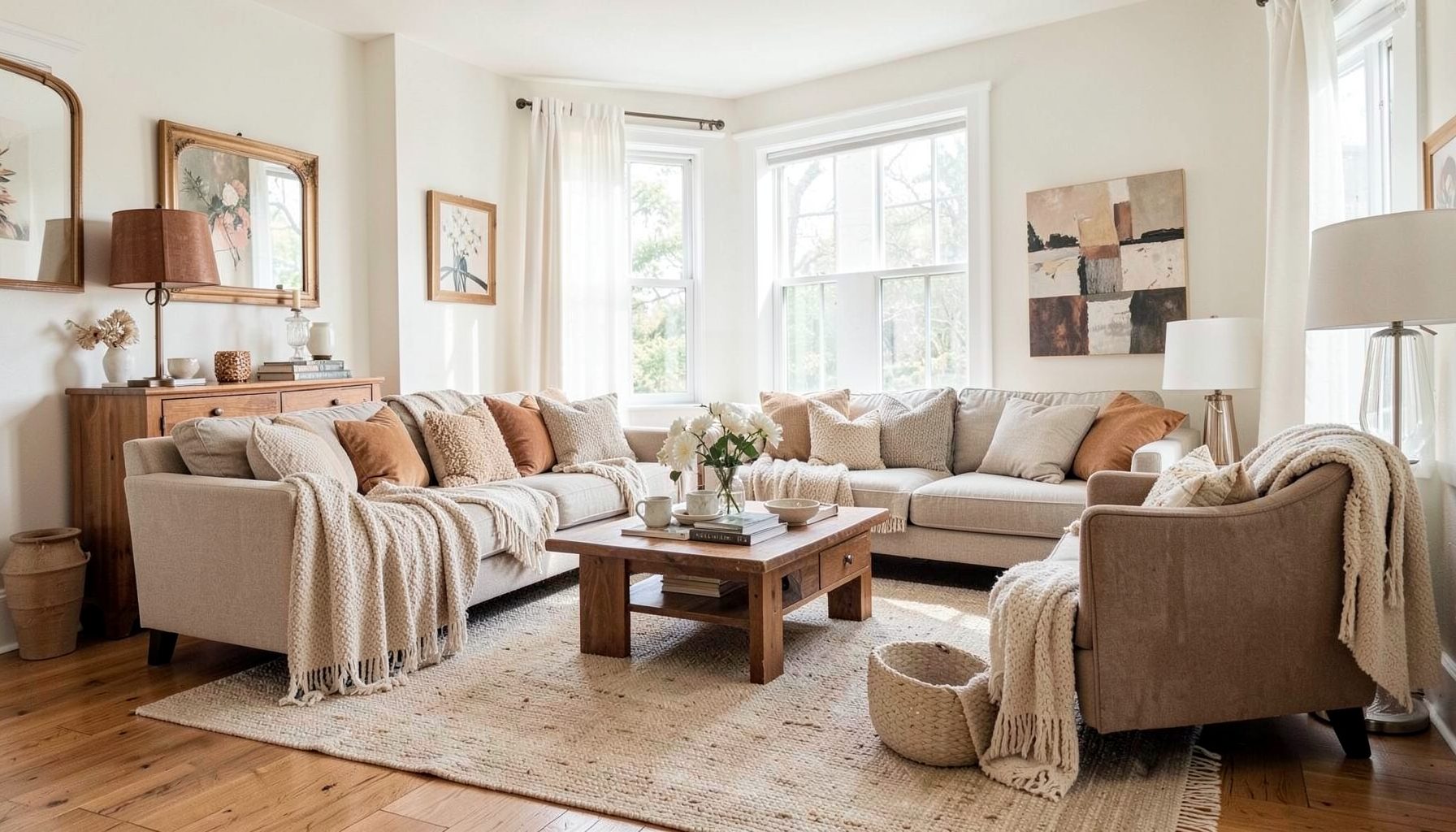
Downloads
Free curated resources for home decorating and design — guides, checklists, and inspiration to help you get started.
Learn MoreHow to Layer Rugs for a Cozy, Custom Look
A room can have beautiful furniture and still feel unfinished when the floor lacks warmth, texture, or definition. Layered rugs solve that problem by adding visual depth beneath the seating, dining, or sleeping area. The effect feels relaxed and collected rather than overly coordinated, especially when the rugs vary in scale, pattern, or material.
Learning how to layer rugs for a cozy, custom look is less about following strict rules and more about creating a thoughtful relationship between the pieces. A broad natural-fiber rug can ground a room, while a smaller vintage carpet brings color, softness, and personality to the center.
This approach works across many interiors, from a compact San Francisco apartment to a spacious Bay Area home. With the right proportions and a few intentional contrasts, layered area rugs can make a room feel warmer, more polished, and distinctly personal.
Start With A Strong Foundation
The bottom rug should usually be the largest and most visually quiet layer. Its purpose is to anchor the furniture arrangement and establish a generous base beneath the smaller rug. Jute, sisal, wool, flatweave cotton, and low-pile woven rugs are useful choices because they provide texture without overwhelming the room.
In a living room, the foundation rug should extend beneath at least the front legs of the sofa and chairs. If space allows, placing all furniture fully on the rug creates a more unified seating area. A rug that is too small can make the furniture appear disconnected, while a large neutral rug gives the arrangement a grounded, intentional feel.
Natural textures are especially effective in layered designs because they add subtle variation. A chunky jute rug beneath a faded Persian-style carpet creates an easy contrast between casual and refined. For a softer foundation, choose a wool or cotton rug in an understated stripe, solid tone, or quiet geometric pattern.
Choose Rugs That Share A Visual Connection
Layering does not require every rug to match. In fact, the composition is often more interesting when the designs are different. The key is to give the rugs at least one connecting element, such as a repeated color, similar undertone, related pattern scale, or compatible texture.
For example, a muted blue in a vintage rug can echo the blue-gray upholstery on a nearby chair. A cream border may relate to the walls, while warm rust and ochre tones can complement wood furniture. This color repetition helps the room feel cohesive even when the rugs come from different styles or periods.
Pattern mixing works best when the designs have varied visual weight. Pair a subtle stripe or natural weave with a smaller rug featuring a floral motif, medallion, or geometric pattern. When both rugs have equally bold patterns, the floor can feel busy. Let one layer serve as a calm backdrop and allow the other to become the focal point.
Get The Proportions And Placement Right
A common arrangement places the larger rug straight within the room and turns the smaller rug slightly off-center. This creates a casual, collected appearance and prevents the layers from looking like identical mats stacked together. The smaller rug can also be aligned with a coffee table, fireplace, or the main axis of the seating area.
Leave enough of the bottom rug visible to make the layering intentional. Showing 12 to 24 inches around the smaller rug often creates a clear border, although the ideal amount depends on the room and rug sizes. A narrow reveal may work in a small bedroom, while a broader frame can feel more substantial in a large living space.
In a bedroom, place the foundation rug under the bed and extend it beyond the sides and foot. A smaller rug can sit near the footboard or beside the bed, adding softness where bare feet land. In a dining room, use caution with layered rugs: both rugs should extend well beyond the chairs so the legs do not catch on the edges when pulled out.
Combine Texture, Pile, And Shape
Texture is one of the easiest ways to make a layered rug arrangement feel inviting. A flatwoven base beneath a plush wool rug creates a tactile contrast that looks comfortable and considered. A distressed rug over a braided jute layer brings together age, craftsmanship, and relaxed warmth.
Pile height matters for both appearance and safety. Avoid placing a thick shag rug over another deep-pile rug, since the combination can become unstable and difficult to vacuum. If the top rug is plush, choose a low-profile foundation. For high-traffic areas, flatweave or low-pile materials are often easier to maintain.
Shape can add another layer of visual interest. A rectangular base with a smaller round rug can soften a boxy seating arrangement, especially beneath a circular coffee table. A cowhide, hide-shaped rug, or irregular vintage textile can also work over a simple rectangular foundation, provided the surrounding furniture keeps the composition balanced.
Select Materials For Real Life
A layered rug combination should suit the way the room is used. In a family room, durable wool, performance fibers, washable cotton, or tightly woven flatweaves may be more practical than delicate silk or loosely constructed vintage textiles. In a bedroom or quiet sitting room, you can prioritize softness and visual delicacy.
Consider sunlight, pets, spills, and foot traffic before choosing the top layer. Natural dyes and aged materials often develop character over time, but they may require gentler care. Performance rugs can deliver a similar decorative effect with greater stain resistance, making them useful in homes where beauty needs to coexist with everyday activity.
The underlay is equally important. Use a rug pad beneath the foundation rug to prevent sliding and protect the floor. If the top rug shifts, a thin nonslip pad or rug-to-rug gripper can stabilize it without creating a bulky edge. Secure corners and check the layers after rearranging furniture.
Match The Layering Style To The Room
Different decorating styles call for different approaches. A relaxed coastal room might pair a pale sisal rug with a faded blue-and-cream striped textile. A traditional space could combine a subtle wool foundation with an ornate Persian or Turkish rug. In a modern home, a restrained geometric rug over a solid natural weave can introduce pattern without disrupting clean lines.
Collected interiors benefit from a sense of history. A vintage rug with slight variations, softened edges, or an imperfect motif can make newer furniture feel more personal. Mix in modern pieces, handmade accessories, and budget-friendly finds so the room feels assembled over time rather than purchased as a single set.
The technique also works in small spaces. In a studio or narrow living room, use a slim foundation rug and a smaller accent rug to define one zone. Keep the palette restrained and avoid excessive fringe if circulation is tight. The result can visually separate a seating area without adding walls or bulky furniture.
| Room | Foundation Rug | Top Rug | Placement Tip |
|---|---|---|---|
| Living room | Large jute, wool, or flatweave | Vintage, patterned, or plush accent rug | Center the smaller rug beneath the coffee table and front seating area |
| Bedroom | Broad rug extending beyond the bed | Small runner or soft accent rug | Place the accent near the foot or beside the bed |
| Entryway | Durable low-pile runner | Small decorative textile | Keep the top layer flat and away from door clearance |
| Home office | Woven rectangular rug | Compact patterned rug under the desk chair | Choose stable, low-profile materials |
| Reading nook | Medium neutral rug | Round or irregular accent rug | Use shape contrast to define the chair and side table |
Create A Balanced Color Story
Color is where layered rugs can become either cohesive or chaotic. Begin with the room’s existing palette, including wall color, upholstery, curtains, artwork, and wood tones. The rugs do not need to repeat every shade, but they should support the overall atmosphere.
A tonal combination is a safe place to begin. Pair ivory with oatmeal, camel with warm gray, or dusty blue with faded denim. For more energy, select one dominant color from the smaller rug and repeat it in two or three modest accents around the room, such as a pillow, ceramic lamp, or piece of art.
Pay attention to undertones. A cool gray rug may clash with a warm beige foundation, while a creamy rug can make a stark white room feel more welcoming. When mixing vintage and contemporary rugs, slightly faded colors are often forgiving because they bridge the difference between old and new.
Avoid Common Layering Mistakes
The most frequent mistake is choosing rugs that are too similar in size. When the top rug nearly covers the foundation, the lower layer looks accidental rather than purposeful. Make the size difference clear enough that the base rug frames the accent rug.
Another issue is placing the rugs without considering furniture. A layered arrangement should reinforce the room’s function, not create obstacles. Keep pathways clear, avoid catching door swings, and make sure chairs can move comfortably. In an open-plan space, rugs should help define zones while maintaining a visual relationship between them.
Use these guidelines when refining your arrangement:
- Begin with the largest rug you can comfortably fit beneath the main furniture grouping.
- Keep one rug relatively calm if the other has a bold pattern or strong color.
- Repeat at least one color, material, or design detail between the rugs and the rest of the room.
- Use rug pads or grippers to prevent shifting, curling, and uneven edges.
- Test the arrangement with fabric samples or folded blankets before committing to a purchase.
Layering should feel intentional, but it does not need to look rigid. Slight asymmetry, a visible worn edge, or a casually angled accent rug can give the room character. The most successful interiors balance structure with a little imperfection.
A layered rug arrangement can transform the mood of a room with relatively little effort. It adds softness underfoot, defines furniture groupings, and creates an opportunity to bring together pieces from different eras and price points. The foundation establishes order; the smaller rug adds the personality.
At Maggie Rose Interiors, layered spaces are approached as a reflection of the people who live in them. Vintage finds, contemporary furnishings, collected accessories, and practical choices can all coexist when they are connected by color, proportion, and feeling. Explore decorating resources, browse completed projects, or connect with Maggie Rose Interiors for personalized guidance in creating a home that feels warm, individual, and beautifully lived in.

Recent Projects