Interior Design
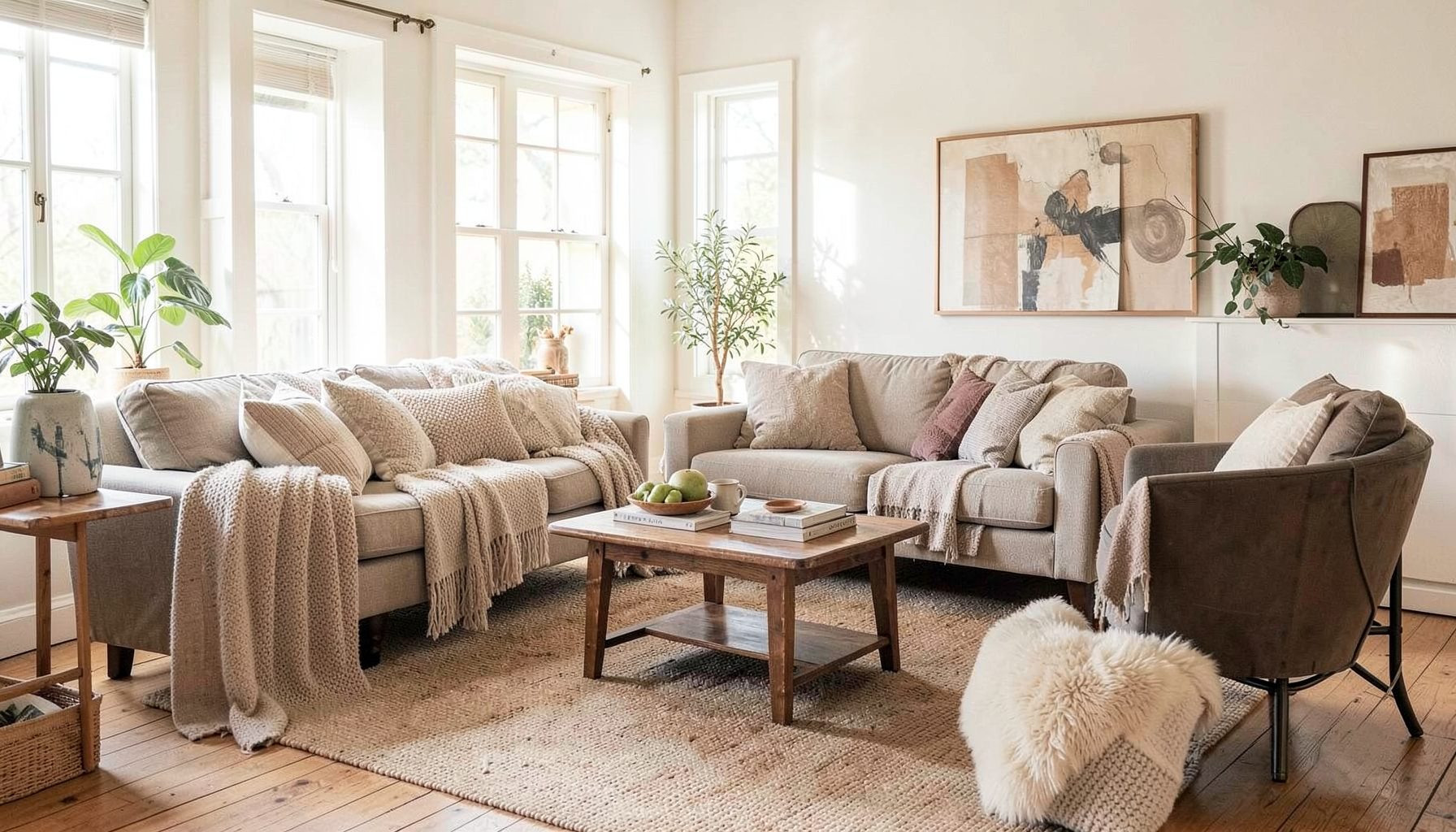
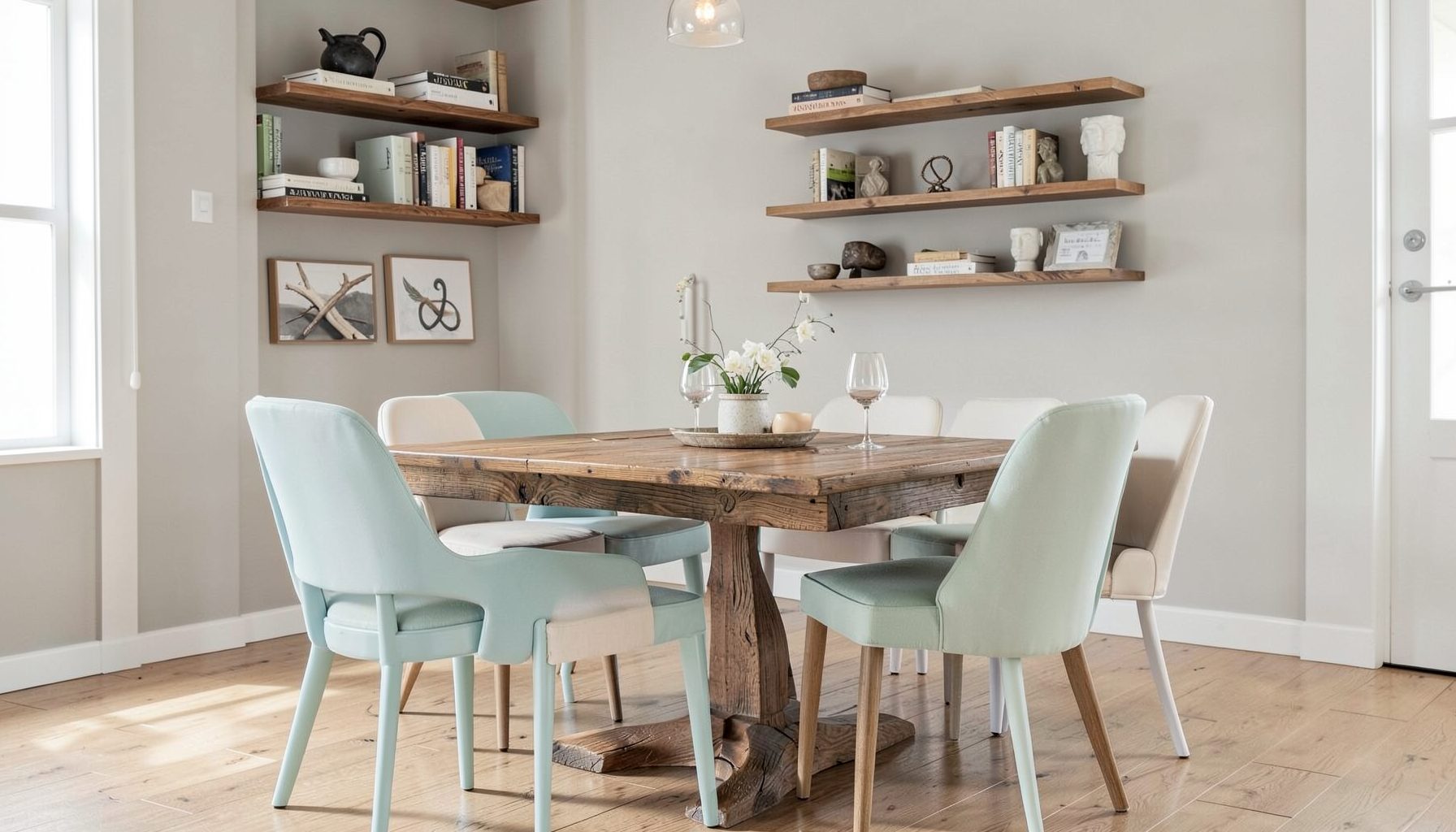
Full-service decorating that blends high and low, vintage finds with modern pieces for spaces that feel personal and collected.
Learn More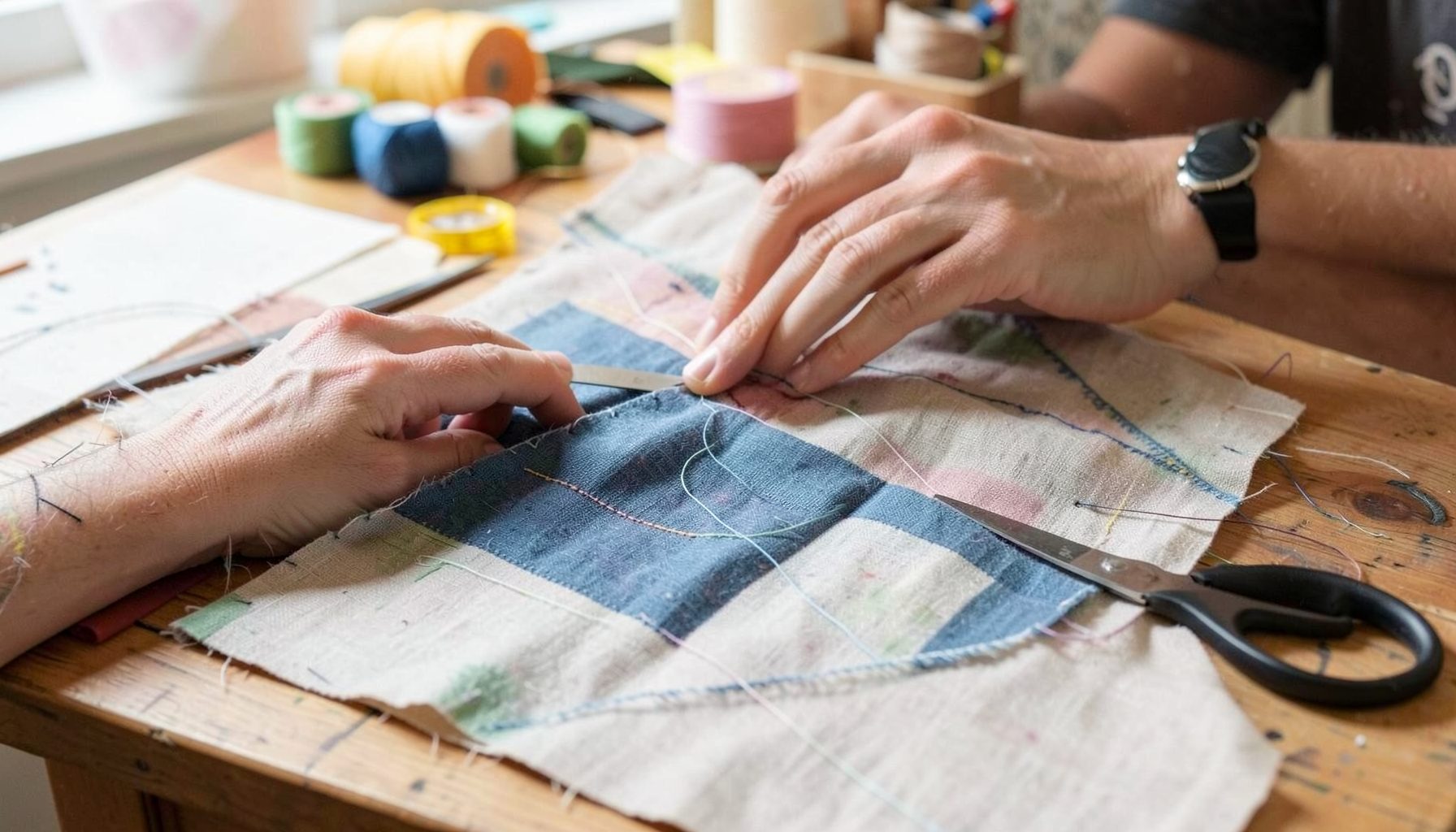
DIY Projects
Step-by-step tutorials for refinishing furniture, sewing pillows, styling bookshelves, and transforming rooms on a budget.
Learn More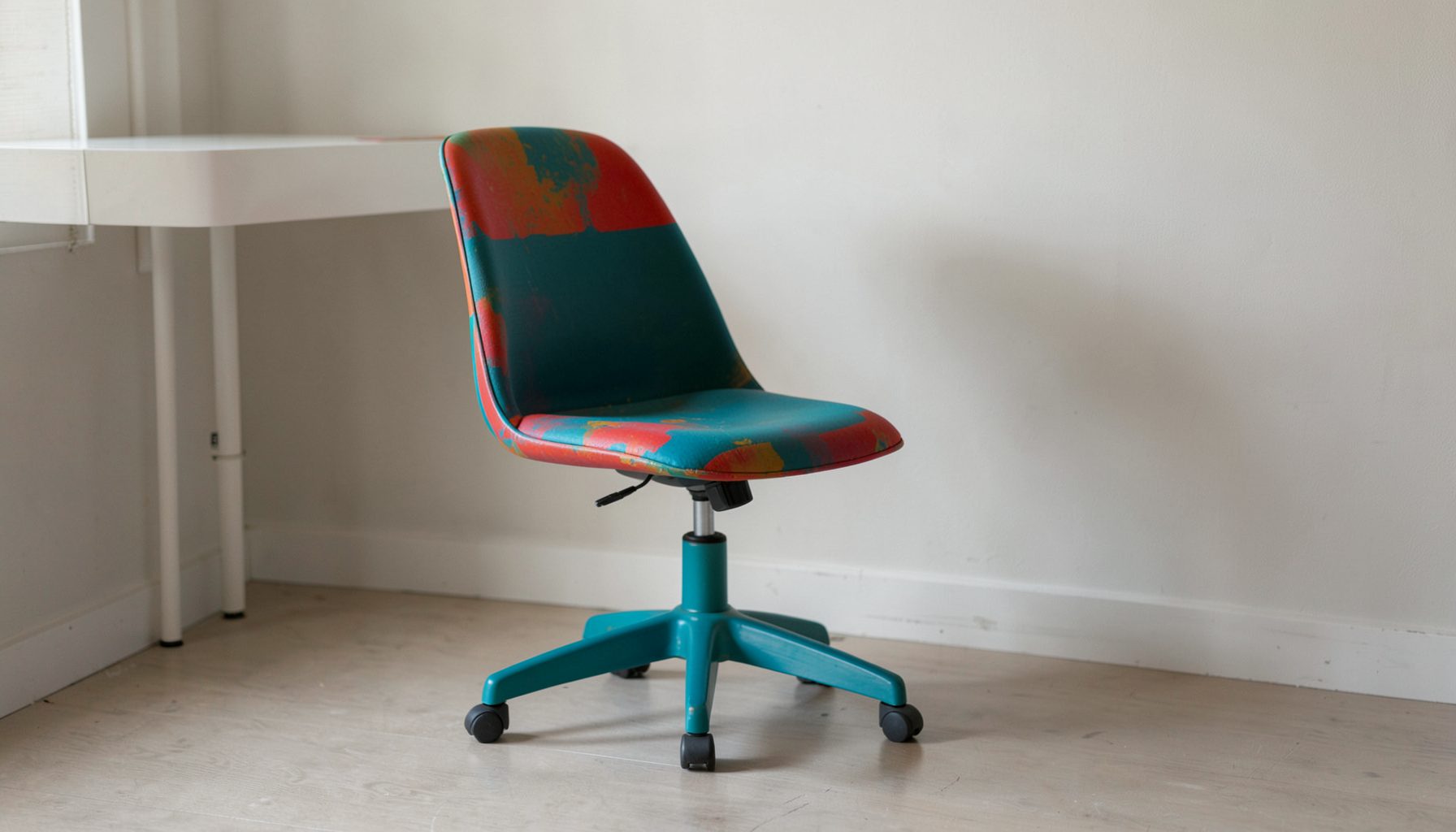
E-Decorating
Personalized design guidance delivered online — perfect for clients anywhere in the world who want a professional eye.
Learn More
Portfolio
Browse completed room makeovers, before-and-after transformations, and styling projects from Bay Area homes.
Learn More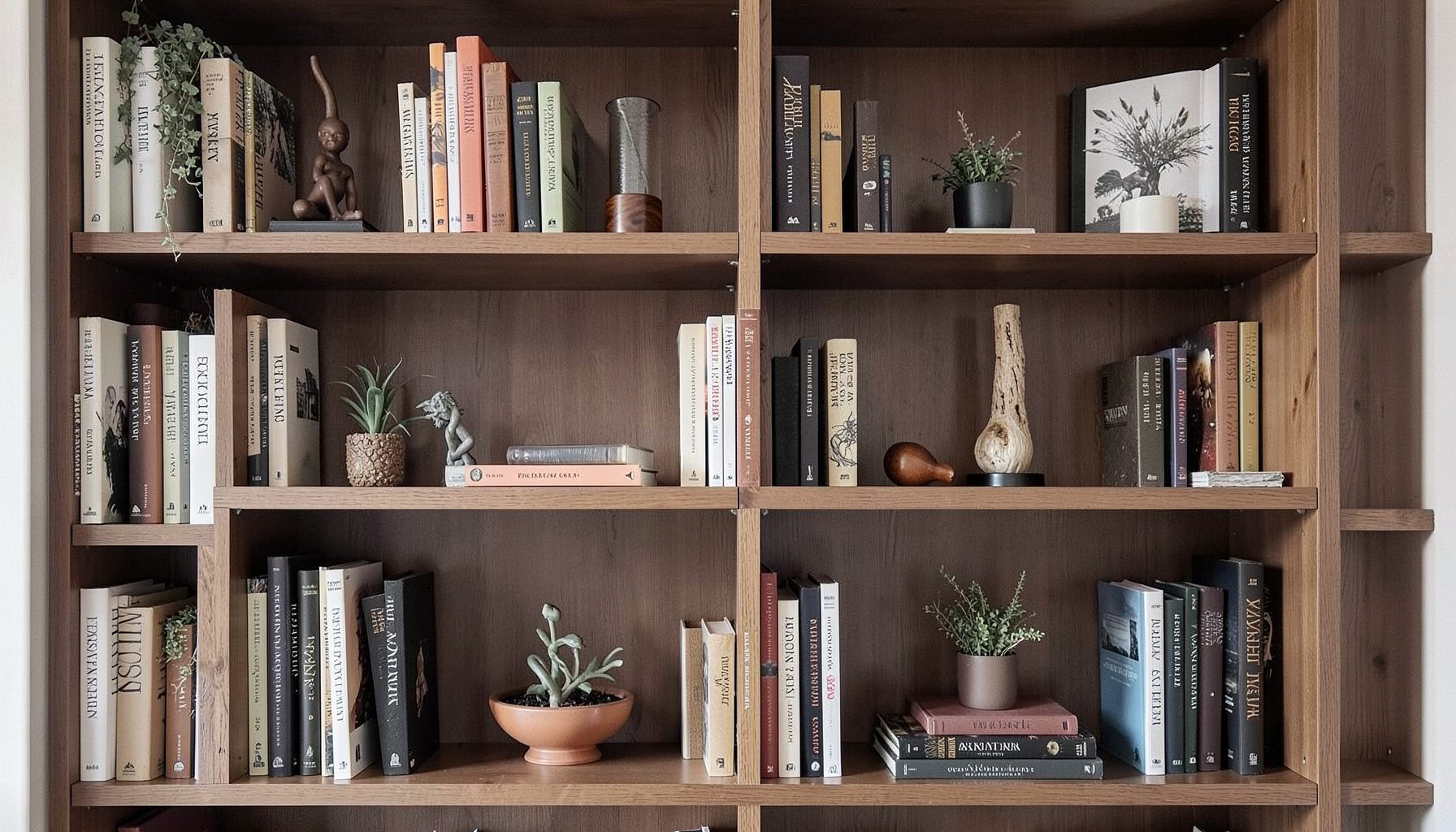
Blog
Interior design inspiration, fashion finds, entertaining ideas, and peeks into real home renovations and styling projects.
Learn More
Downloads
Free curated resources for home decorating and design — guides, checklists, and inspiration to help you get started.
Learn MoreCreating a Luxurious Bathroom Experience with a Towel Warmer and Caddy
A luxurious bathroom does not depend on an oversized footprint or an unlimited renovation budget. The feeling comes from small, considered details: a warm towel waiting after a shower, a well-positioned caddy holding the essentials, flattering light, and materials that feel pleasing underfoot and in the hand. Together, these elements turn an ordinary bathroom into a calm daily retreat.
A towel warmer and bath caddy are especially effective because they combine comfort with useful storage. They can suit a compact Melbourne apartment, a coastal home in Sydney, or a spacious Brisbane ensuite, while allowing the rest of the room to remain personal and collected. The goal is a bathroom that feels polished without appearing overly matched or impersonal.
The Feeling of a Boutique Hotel at Home
The best hotel bathrooms create a sense of ease through preparation. Towels are within reach, surfaces are uncluttered, products are neatly arranged, and every fixture seems to support the next step in the routine. Recreating that atmosphere at home begins with deciding what you want to feel when you enter the room: restored, energised, cocooned, or quietly indulged.
A heated towel rail immediately adds a touch of ceremony. It takes the chill out of a winter morning and gives a damp towel a better chance to dry between uses. In cooler parts of Australia, including Canberra and Melbourne, that practical benefit can be just as valuable as the visual appeal. Select a model that can warm one or two towels without dominating the wall, particularly if the bathroom has a narrow circulation path.
Luxury also comes from restraint. Rather than filling every ledge with bottles and accessories, choose a few useful objects and give them breathing room. A folded bath sheet, a small tray, a natural soap, and one attractive vessel can create more impact than a crowded collection of toiletries.
Choose the Right Towel Warmer
Towel warmers generally fall into two categories: electric rails and hydronic systems connected to a home’s hot-water circulation. Electric rails are often the simpler choice for a renovation or bathroom refresh because they can be installed independently of the central plumbing system. Hydronic options may suit a larger build, though they require more detailed planning and are less flexible if the room layout changes.
Consider the number and size of towels used by the household. An Australian bath sheet is generous, so a rail with closely spaced bars may fail to warm it evenly. Look for enough vertical and horizontal space to hang the towel open rather than bunched together. A ladder-style rail can be particularly useful for family bathrooms because it gives each person a dedicated section.
Electrical safety deserves careful attention in a wet area. Towel warmers should be selected and installed in accordance with Australian requirements, including the relevant wet-zone restrictions and AS/NZS 3000 wiring rules. Use a licensed electrician, check the manufacturer’s instructions, and think about timer controls so the rail warms towels during the morning and evening without running continuously.
Finish matters as much as function. Polished stainless steel feels crisp and contemporary, while brushed brass, aged brass, matte black, and white powder-coated finishes can support more individual decorating styles. In a coastal home, marine-grade or corrosion-resistant materials are worth considering, especially where salt air may affect metal surfaces.
Design A Caddy That Works Hard
A bath caddy should make relaxation easier rather than create another object to balance. Measure the bath before buying one, including the width of the rim and the distance between any tapware or wall niches. Expandable timber or metal designs are adaptable, but a fixed-width caddy can look more intentional when the bathtub is a permanent feature.
Decide what the caddy needs to hold. A generous ledge may accommodate a book, a glass of water, a candle in a protected holder, and a small towel. If you use a tablet, choose a design with a secure stand and keep electronics well away from splashing water. A removable tray is easier to clean and can be stored elsewhere when the bath is being used by children.
Materials set the mood. Teak, bamboo, and sealed timber bring warmth to white tile, while powder-coated metal gives a sharper architectural quality. Marble or stone trays look beautiful but are heavy, so check that the bathtub rim can support them safely. Rounded corners make the piece feel softer and reduce the chance of catching clothing or knocking against the bath.
Keep the arrangement visually balanced. Place taller items toward the centre or rear, low vessels at the front, and leave a little empty space around everything. A caddy should suggest a ritual without looking like a product display.
Layer Texture, Colour, And Light
Soft goods are one of the fastest ways to make a bathroom feel more luxurious. Choose towels in a generous weight, but avoid assuming that the thickest option is always the best. Dense towels can take longer to dry in humid conditions, especially in Brisbane or Darwin. A medium-heavy cotton, waffle weave, or Turkish-style towel may provide a more comfortable balance between softness, absorbency, and drying time.
Use a restrained palette with one or two points of contrast. Warm white towels can soften grey stone, pale sage can complement natural timber, and deep olive or terracotta can add depth to a neutral room. If the bathroom already contains patterned tile, keep the towels relatively quiet. If the walls and fittings are simple, a striped bath sheet or coloured hand towel can provide personality.
Lighting should support both practical tasks and relaxation. Bright, even light is essential around the vanity, while a warmer secondary source can make the bath area feel more restful. Dimmable, appropriately rated fittings are useful, but any candle or open flame must be placed securely and well away from towels, curtains, and toiletries.
For a collected look, introduce small details that relate to the rest of the home. A framed print, a ceramic soap dish, or a timber stool can echo materials used in the bedroom or hallway. A few carefully chosen books can bring character to a bathroom shelf; this guide to decorating with books offers ideas for making reading material feel like part of the room rather than visual clutter.
Plan For Australian Bathrooms
Australian bathrooms often need to manage a demanding mix of ventilation, temperature changes, and compact planning. In older Sydney terraces and inner-city Melbourne apartments, windows may be small or absent, making an effective exhaust fan essential. Run the fan during the shower and for a period afterwards to reduce condensation around mirrors, ceilings, and cabinetry.
Humidity changes the way materials perform. In Queensland, a caddy made from untreated timber may swell or develop mildew if it is left wet. Choose sealed timber, powder-coated metal, or another moisture-resistant finish, and allow the item to dry fully between uses. Keep fabric baskets away from regular splash zones unless they can be washed easily.
Water efficiency is also part of responsible Australian bathroom design. A luxurious experience does not require excessive water use. A well-designed shower, a quality hand shower, and a comfortable towel can make a short shower feel special. If the bathroom is being renovated, investigate efficient fittings with a strong flow pattern rather than relying on volume for comfort.
Apartment living creates another practical consideration. Heated rails, extraction fans, and lighting may affect strata approvals or electrical planning, particularly in high-rise buildings. Before ordering fixtures, check building rules, access requirements, and whether any work must be completed by an approved contractor. These details are less glamorous than choosing finishes, but they prevent costly changes later.
Style The Surrounding Space
A towel warmer and caddy should belong to a larger composition. Begin with the main visual line from the bathroom door. If the heated rail is immediately visible, give it enough wall space to appear deliberate rather than squeezed beside the vanity. Align it with grout lines, cabinetry edges, or the vanity centreline wherever possible.
Storage helps preserve the sense of calm. Open shelves can hold folded towels and attractive containers, while drawers are better for spare toiletries and cleaning supplies. A shallow wall niche near the bath can replace a bulky caddy for everyday products, leaving the caddy free for occasional use. Keep frequently handled items close to the point of use and reserve decorative objects for areas that will not be splashed.
Mixing old and new can keep a bathroom from feeling like a showroom. A contemporary towel warmer can sit comfortably beside a vintage mirror, a hand-thrown ceramic cup, or a reclaimed timber stool. In a renovated Queenslander or a character home in Adelaide, preserving one original detail—such as a timber window, decorative handle, or heritage-inspired tile—can give the room a stronger sense of place.
The same principle applies to budget. Spend more on the elements touched every day, such as the towel warmer, tapware, bath sheets, and lighting. Save on easily changed accessories, including trays, containers, and artwork. This creates a layered result with the flexibility to evolve.
Make The Ritual Easy To Maintain
A beautiful bathroom must work on an ordinary weekday. Set the towel warmer on a timer that matches the household routine, and avoid placing it where towels will block a door, drawer, or shower screen. If the rail is used by several people, assign each towel a section or add discreet hooks nearby so damp fabric does not pile up.
Keep the caddy simple enough to clear quickly. Water, oils, and bath products can leave residue, so choose surfaces that wipe clean and avoid deep grooves that collect soap. Timber should be dried regularly and treated according to the manufacturer’s instructions. Metal finishes benefit from gentle cleaning products rather than abrasive powders that can dull the surface.
A small basket or lidded container can hold bath salts, replacement soap, and spare face cloths. This prevents the caddy from becoming overloaded while keeping the relaxing elements close at hand. If a tablet forms part of the wind-down routine, a stable caddy stand can hold it for reading or for browsing pokie entertainment ideas while the device remains safely away from the bathwater.
Scent should be subtle and considered. Eucalyptus, cedar, lavender, or bergamot can reinforce the spa feeling, but strong fragrances may become tiring in a small enclosed room. Use one source at a time, such as a bath oil, diffuser, or soap, and keep ventilation running so the room remains fresh.
Balance Indulgence With Everyday Use
The most successful bathroom upgrades combine sensory pleasure with clear practical value. A heated towel rail warms and dries fabric, while a caddy gathers the few things needed for a comfortable bath. Together, they can make a compact room feel more generous without requiring a complete demolition.
Begin with the room’s existing conditions: measure the bath, locate the electrical zones, assess ventilation, and note the finishes that will remain. Then select the towel warmer and caddy as a pair, matching their proportions and finishes rather than buying each in isolation. Add textiles, lighting, and accessories gradually so the room retains a sense of space.
The final detail is consistency. Hang towels neatly, clear empty bottles, wipe the caddy after use, and let the rail support the daily rhythm rather than becoming another neglected fixture. Start by measuring the wall beside the bath and the full width of the tub before choosing a towel warmer or caddy.

Recent Projects