Interior Design
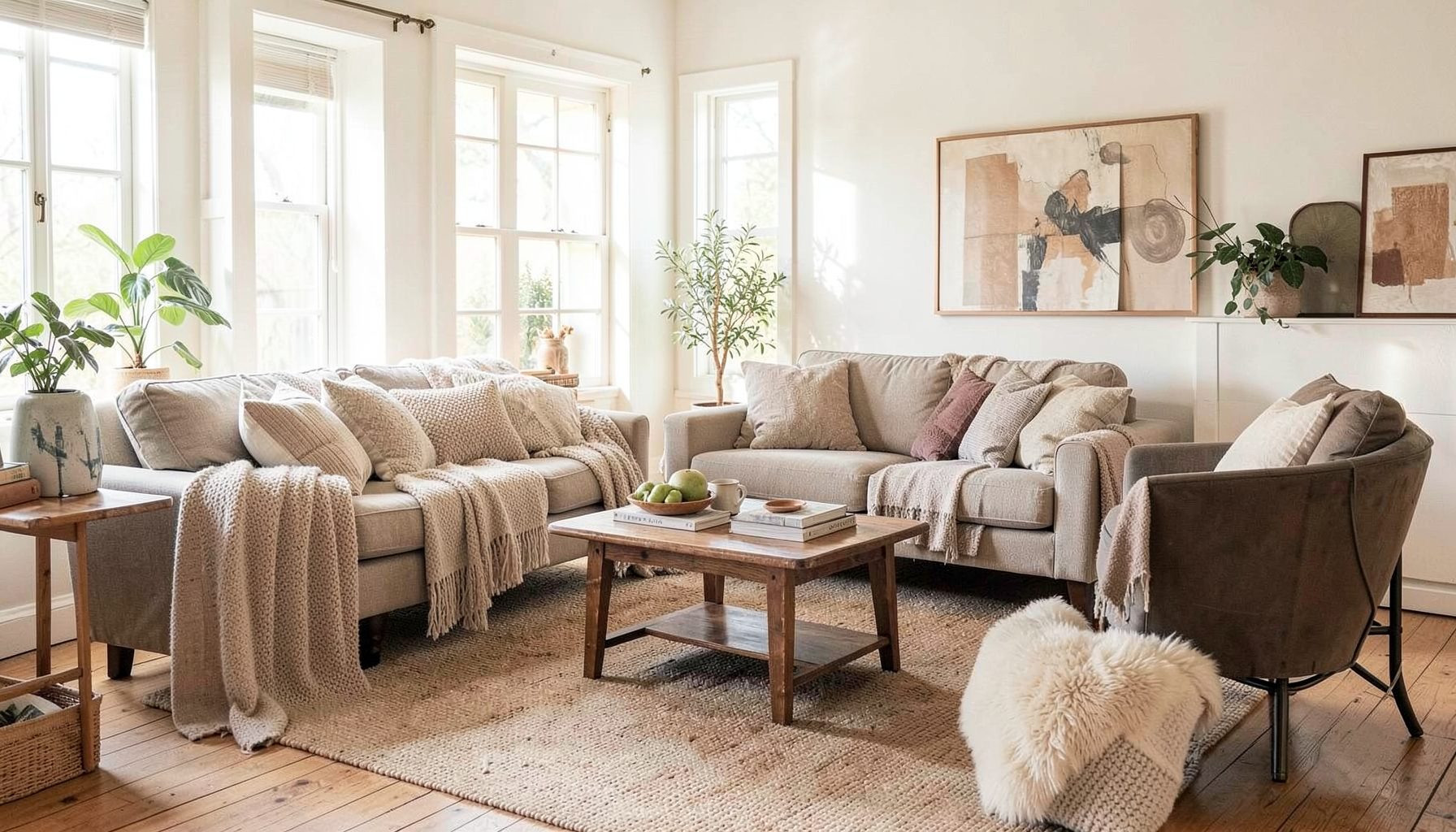
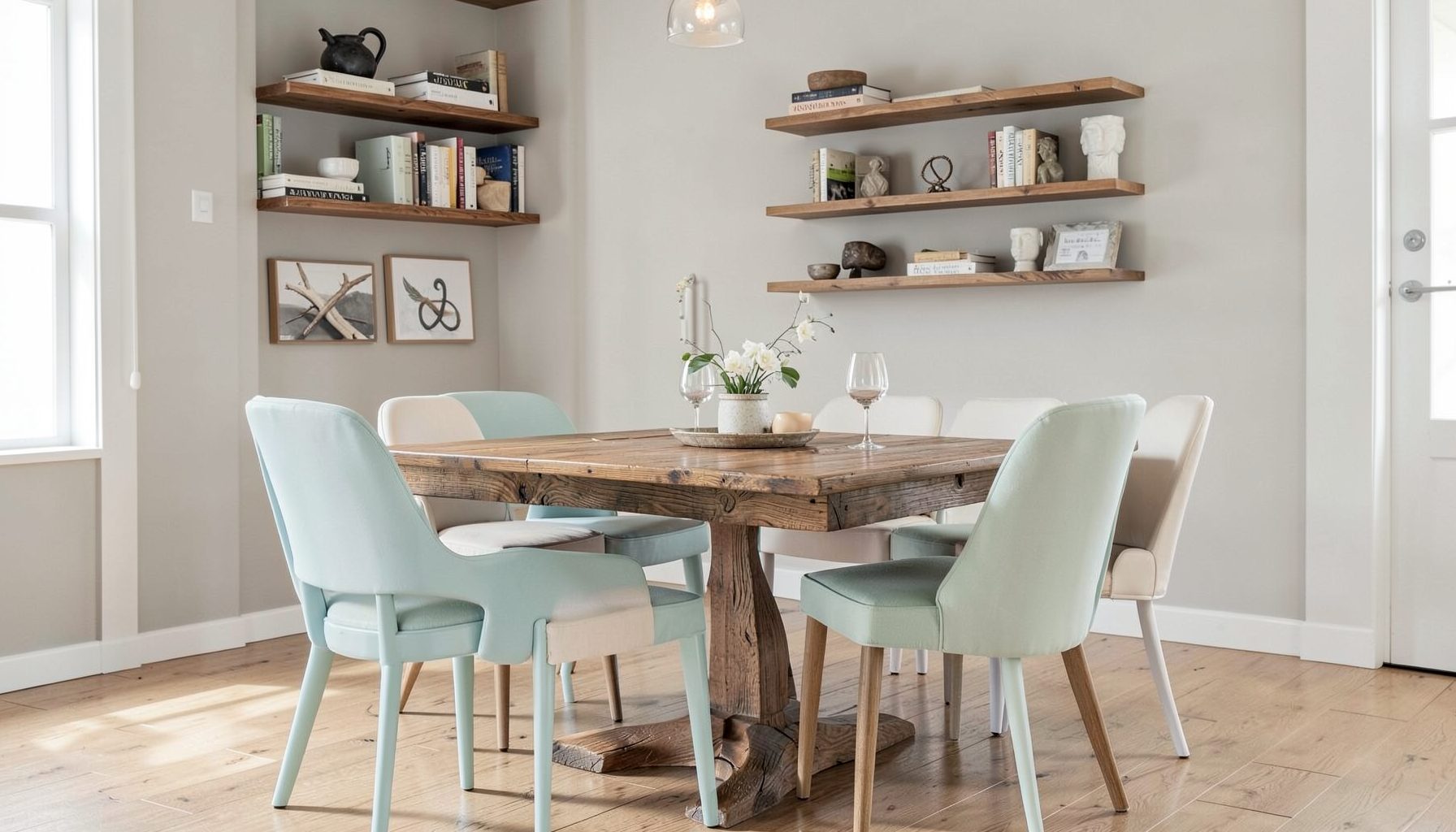
Full-service decorating that blends high and low, vintage finds with modern pieces for spaces that feel personal and collected.
Learn More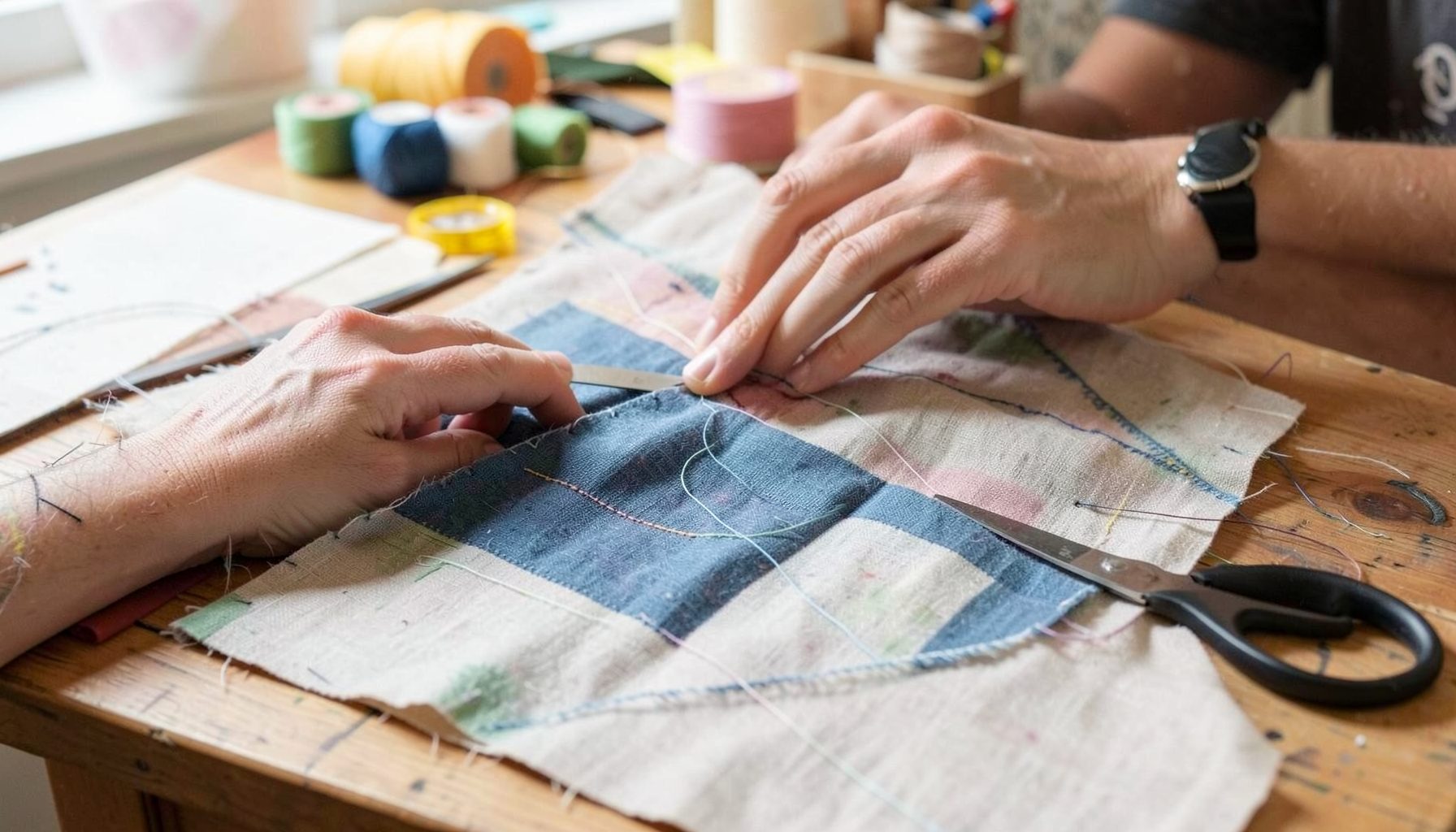
DIY Projects
Step-by-step tutorials for refinishing furniture, sewing pillows, styling bookshelves, and transforming rooms on a budget.
Learn More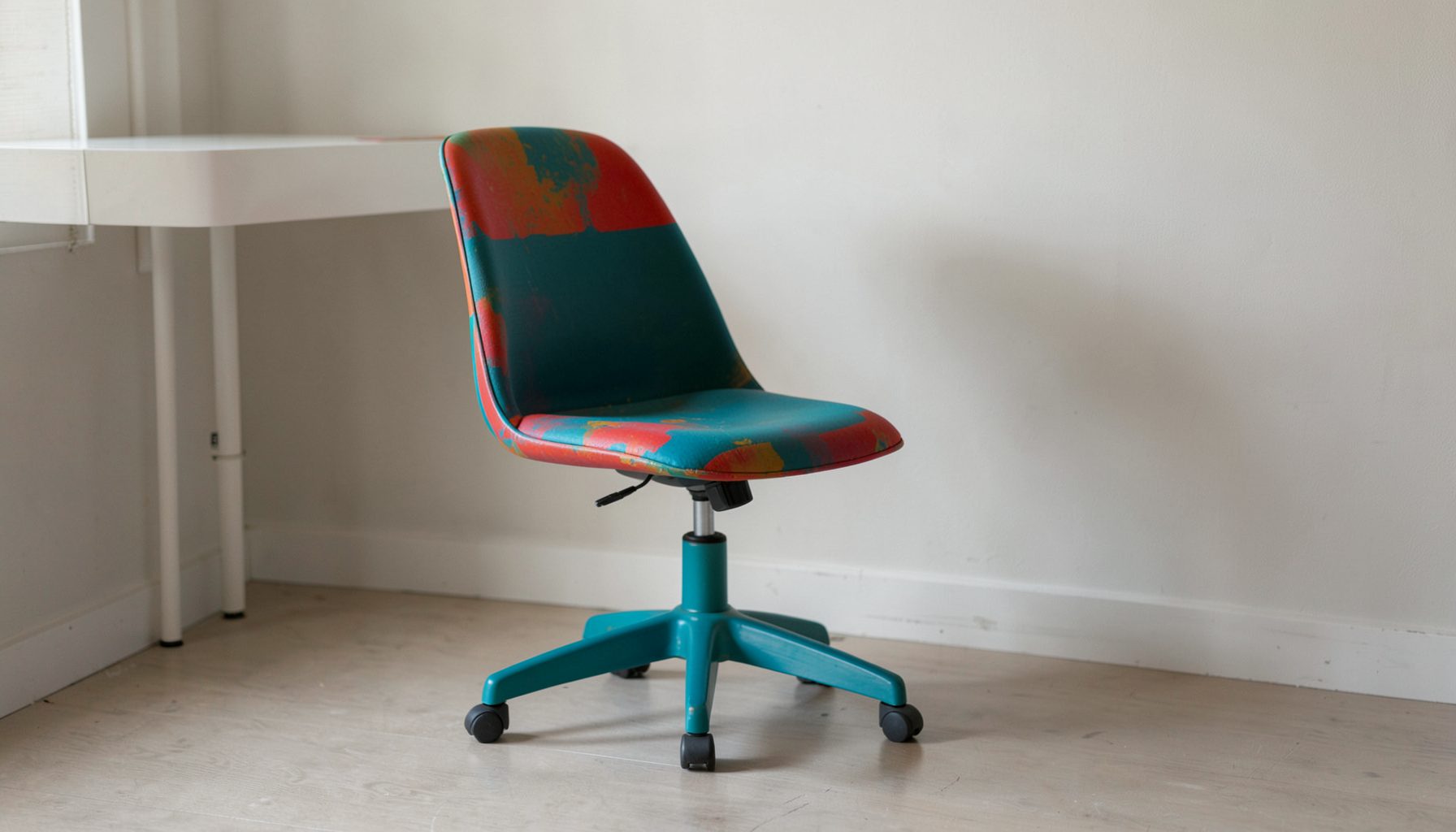
E-Decorating
Personalized design guidance delivered online — perfect for clients anywhere in the world who want a professional eye.
Learn More
Portfolio
Browse completed room makeovers, before-and-after transformations, and styling projects from Bay Area homes.
Learn More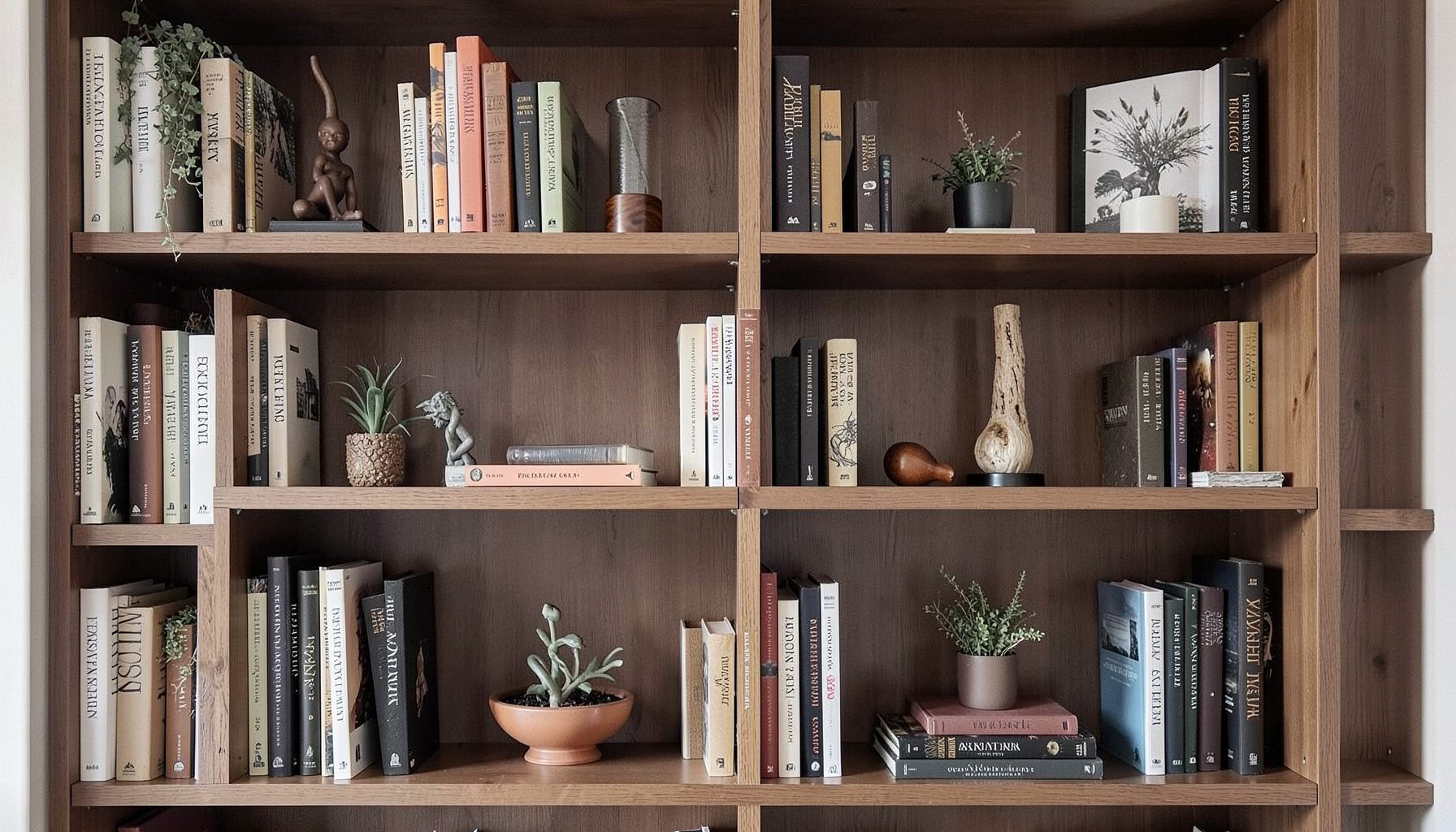
Blog
Interior design inspiration, fashion finds, entertaining ideas, and peeks into real home renovations and styling projects.
Learn More
Downloads
Free curated resources for home decorating and design — guides, checklists, and inspiration to help you get started.
Learn MoreDecorating With Books: How To Display Them Like A Designer
Books bring color, texture, and personal history into a room. They can soften the clean lines of a modern console, add height to a low coffee table, or make an open shelf feel collected rather than overly arranged. When displayed thoughtfully, books become part of the room’s architecture and storytelling.
The most appealing book displays rarely look purchased as a single set. They combine art books, novels, travel guides, inherited volumes, and well-loved paperbacks with objects already meaningful to the household. This layered approach creates interiors that feel polished while retaining warmth and personality.
Whether you are refreshing a living room in San Jose, styling a San Francisco apartment, or making a small reading corner feel finished, the goal is balance. A designerly arrangement considers scale, color, proportion, and everyday use without making the room feel precious.
Start With A Point Of View
Before placing books on a shelf, decide what you want the collection to communicate. A stack of cookbooks in a kitchen can suggest hospitality, while architecture books in a study may reinforce the character of the space. In a guest room, novels and poetry can create a relaxed, welcoming mood.
Your display should reflect the people who live in the home. A room filled with books selected only for their covers may look coordinated but lack depth. Include titles you genuinely read, family favorites, subjects connected to your work, and books collected during travel. Personal relevance gives decorative styling a natural foundation.
It also helps to establish a loose visual direction. You might prefer a quiet palette of cream, black, and warm brown, or enjoy jewel-toned spines arranged among brass and lacquered accessories. A consistent feeling is more important than a strict color scheme.
Choose Books For Shape And Story
When decorating with books, think beyond the title on the spine. Consider the book’s height, thickness, binding, and cover color. Oversized illustrated books work well as anchors, while smaller volumes can fill gaps or create a stepped arrangement. Hardcovers generally provide a more substantial look, but paperbacks can add casual texture in the right setting.
Group books by subject when you want a tailored, library-like effect. Arrange them by color when a room needs visual calm or a stronger decorative rhythm. A combination of both approaches usually feels the most collected: related titles can sit together while a few contrasting spines interrupt the sequence.
Avoid arranging every book with the spine facing outward. Turning a few volumes so the page edges show introduces a softer, tonal element, especially when the paper has aged to a warm ivory. This technique works beautifully on open shelving, where too many competing spine colors can make the composition feel busy.
Build Strong Vignettes
A successful book display has a clear visual hierarchy. Start with one substantial stack or a group of upright books, then add an object that changes the height or silhouette. A ceramic vessel, framed photograph, small sculpture, or candleholder can keep the arrangement from looking flat.
Use odd-numbered groupings when you want an informal composition. Three books beneath a small bowl often feel more relaxed than two books placed beside an accessory of equal height. The principle is flexible, however; a pair of architectural books may look especially elegant beneath a symmetrical lamp or artwork.
Leave some breathing room around the arrangement. Negative space allows the books and decorative objects to be appreciated individually. Filling every available inch can make a shelf look crowded and makes routine dusting or retrieving a book unnecessarily difficult.
| Display Location | Best Book Arrangement | Helpful Pairings | Common Mistake |
|---|---|---|---|
| Coffee table | One large book or two to three stacked volumes | Tray, bowl, sculptural object | Building a stack too tall for conversation or visibility |
| Built-in shelves | Upright groups mixed with horizontal stacks | Art, baskets, framed photographs | Using identical spacing across every shelf |
| Console table | A compact stack at one end | Lamp, vase, or mirror above | Centering every object on the same axis |
| Bedside table | One or two frequently used books | Small lamp, catchall, flowers | Choosing a display that leaves no practical surface |
| Kitchen shelves | Cookbooks grouped by size or color | Cutting boards, pottery, glassware | Placing fragile accessories where they are hard to reach |
| Home office | Vertical rows with a few horizontal breaks | Boxes, desk accessories, artwork | Creating a wall of books without visual pauses |
Match The Display To The Room
In a living room, coffee table books make an immediate visual statement because they occupy a central, accessible surface. Choose volumes with generous proportions and tactile covers, then keep the stack low enough that people can see across the table. A small tray on top can hold reading glasses, a remote, or a decorative object while keeping the arrangement functional.
Bookshelves and built-ins benefit from variation. Try placing some books upright with bookends and laying others horizontally in short stacks. Shift the position of these groupings from shelf to shelf rather than lining them all along one side. The result feels designed, yet it avoids the stiffness of perfect symmetry.
In a bedroom, a small stack on a nightstand can make the space feel personal without adding clutter. In a kitchen, cookbooks can be displayed near a prep area, but they should be protected from splashes and grease. In an entryway, a few books on a console can support a lamp or vase while signaling the home’s character as soon as guests arrive.
Mix Vintage And Modern Pieces
Books are particularly effective in layered interiors because they bridge different periods and materials. A vintage atlas can sit beside a contemporary ceramic object, or a glossy modern art book can balance an antique wooden box. These combinations create tension and keep a room from feeling like a showroom.
Pay attention to material relationships. A stack of linen-bound books can soften polished stone, while dark covers may ground pale oak or woven baskets. Brass, glass, rattan, painted wood, and ceramics each bring a different quality to the arrangement. Repeating one material elsewhere in the room helps the display feel connected to the broader decorating scheme.
Budget matters, too. You do not need a rare collection to create a sophisticated book vignette. Thrift stores, used bookstores, library sales, estate sales, and personal collections can yield beautiful options at modest prices. If the contents matter more than the original cover, removable jackets can reveal quieter cloth bindings underneath.
Use Color Without Making It Feel Forced
Color-sorting books can create a strong graphic effect, especially in a room with simple furnishings. A shelf organized through warm neutrals, greens, or deep blues can function almost like a piece of artwork. The key is to avoid treating every color transition as an absolute rule.
A few unexpected spines make a curated arrangement feel lived in. Place a red book among earthy neutrals, or let a faded yellow cover echo a nearby pillow or painting. Repeating small color notes across the room creates cohesion without requiring a perfectly matched palette.
For a softer display, turn books page-side out and rely on the tones of the paper and binding edges. This is useful when the collection includes bright covers that compete with artwork or upholstery. It also gives the shelves a relaxed, tonal appearance that works well with traditional, transitional, and organic modern interiors.
Protect Books And Keep Them Usable
Decorative styling should never prevent books from being used. Leave enough space to remove a volume without disturbing an entire shelf, and avoid placing frequently handled books in precarious stacks. On a coffee table, use heavier books on the bottom and keep the arrangement stable when someone reaches for the top volume.
Sunlight can fade covers and damage paper over time, particularly on shelves near large windows. Rotate especially valuable or sentimental books and use window treatments when direct light is intense. Keep books away from damp areas, heat sources, and surfaces where spills are likely.
Dust regularly with a soft, dry cloth or a gentle brush, working from the top of the book toward the edges. Avoid storing books tightly against an exterior wall if the room is prone to humidity. A little maintenance preserves both the appearance and the history that make a book collection meaningful.
A Simple Styling Sequence
Approach a shelf or tabletop in stages instead of trying to perfect the entire arrangement at once. Clear the surface, gather the books you may want to use, and assess the room from several angles. Photographing the area can also reveal uneven spacing or visual clutter that is easy to miss in person.
Use this sequence to create a balanced display:
- Begin with the largest books or most substantial groupings, placing them where the composition needs weight.
- Add vertical rows in varied heights, using bookends or neighboring objects to keep them secure.
- Introduce horizontal stacks to create breaks in direction and provide platforms for smaller accessories.
- Add one or two objects with contrasting shape, such as a round bowl beside rectangular books.
- Step back, remove one unnecessary item, and leave enough empty space for the arrangement to breathe.
Finish by considering function. A beautiful grouping that blocks a drawer, crowds a lamp, or hides a favorite title will quickly become frustrating. The best styling supports the way a room is actually lived in.
Books can also guide the mood of a larger room makeover. A collection of travel books may inspire woven textures and collected souvenirs, while art monographs can inform the palette of pillows, rugs, and wall decor. Let the books participate in the design conversation rather than treating them as an afterthought.
The most memorable interiors are built from layers that reveal something over time. Arrange your books with intention, then allow the display to evolve as you read, travel, inherit, and collect. For personalized help creating shelves, surfaces, or an entire room that feels collected and distinctly yours, explore Maggie Rose Interiors’ decorating and design services, portfolio, and online guidance.

Recent Projects