Interior Design
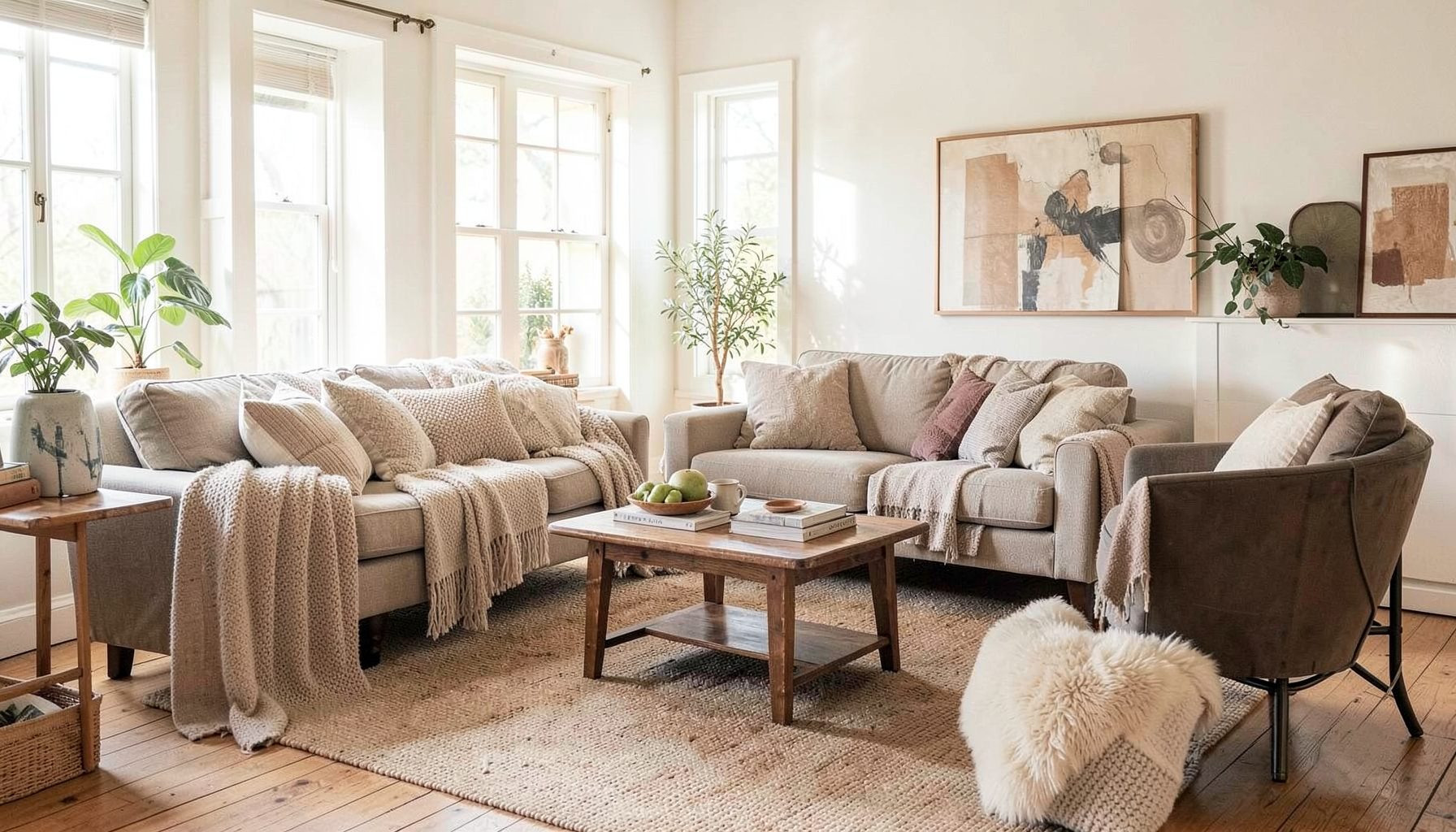
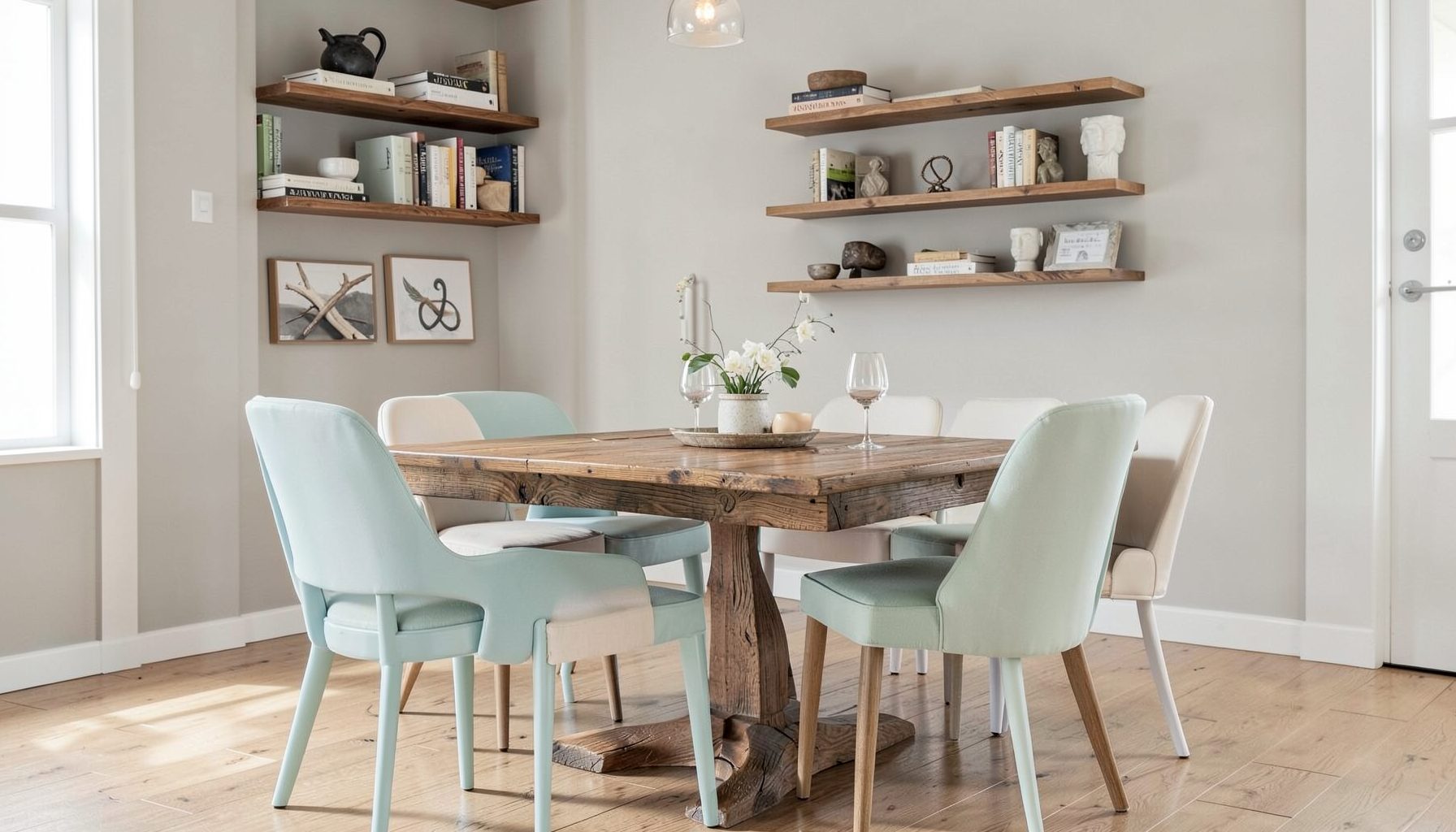
Full-service decorating that blends high and low, vintage finds with modern pieces for spaces that feel personal and collected.
Learn More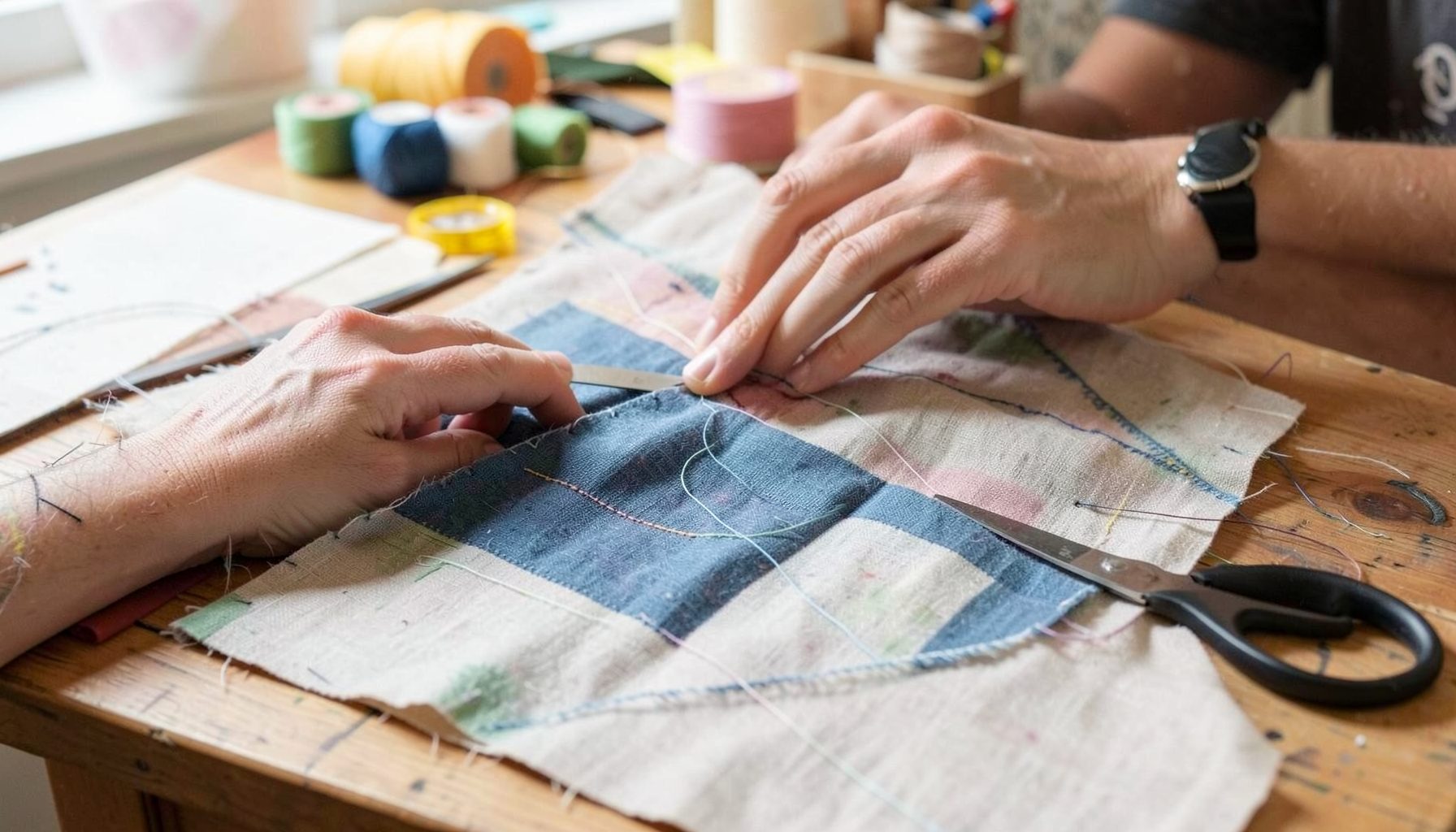
DIY Projects
Step-by-step tutorials for refinishing furniture, sewing pillows, styling bookshelves, and transforming rooms on a budget.
Learn More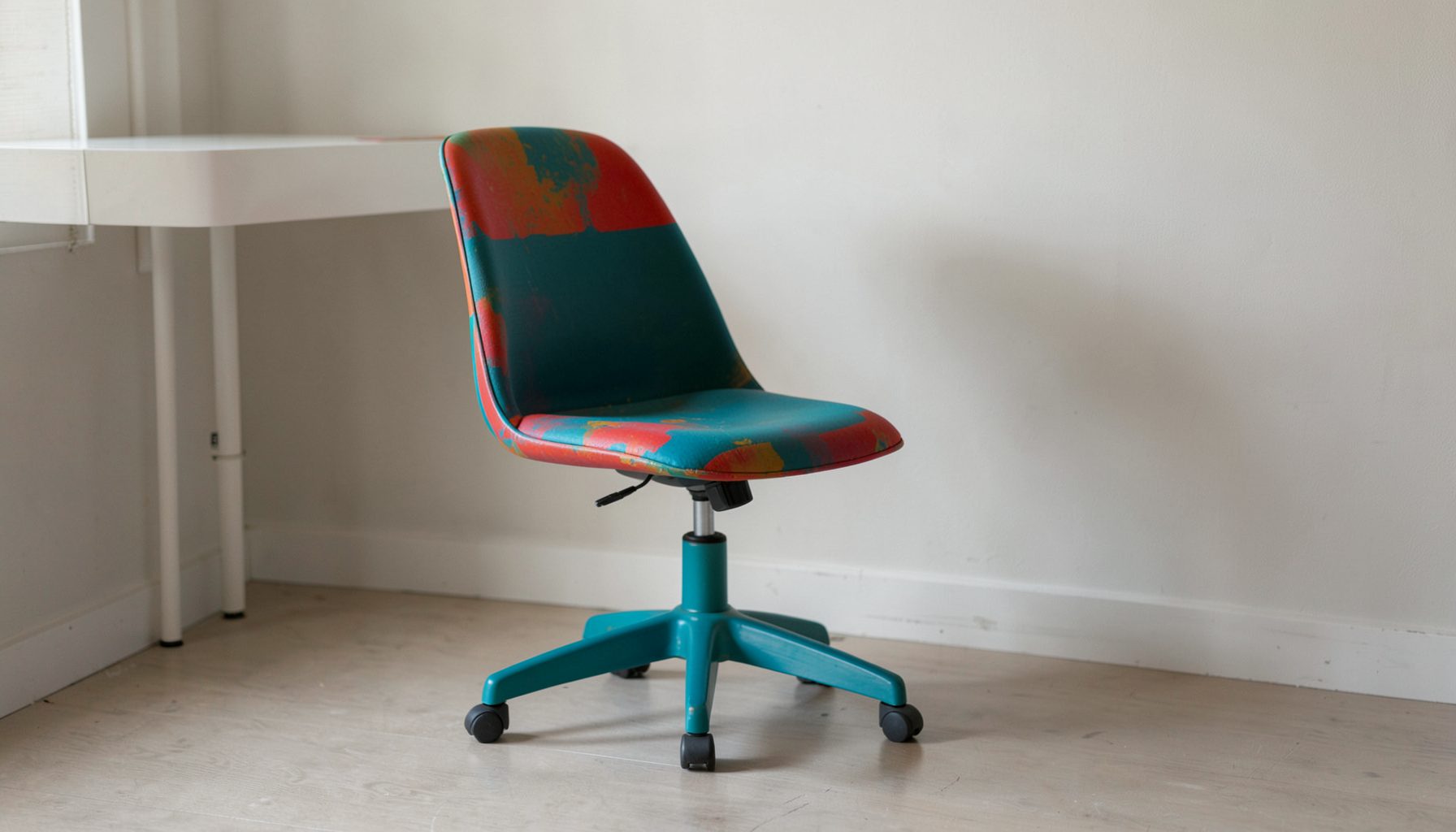
E-Decorating
Personalized design guidance delivered online — perfect for clients anywhere in the world who want a professional eye.
Learn More
Portfolio
Browse completed room makeovers, before-and-after transformations, and styling projects from Bay Area homes.
Learn More
Blog
Interior design inspiration, fashion finds, entertaining ideas, and peeks into real home renovations and styling projects.
Learn More
Downloads
Free curated resources for home decorating and design — guides, checklists, and inspiration to help you get started.
Learn MoreBuild a stylish home bar cart without breaking the bank
A well-stocked bar cart turns an ordinary corner into the social heart of a home, and Australians have always had a knack for making entertaining feel effortless. From casual sundowners on a Brisbane balcony to a Friday night G&T ritual in a Newtown share house, the cart has become a quiet hero of modern hosting. The best part is that pulling one together does not require a designer budget or a sprawling open-plan home. With a clear plan, a few clever buys and a willingness to mix high and low, you can build something that looks pulled-together and works hard every day.
The starting point is honesty about how you actually live. A cart tucked into a one-bedroom apartment in Surry Hills will serve a different purpose than one sitting next to a built-in bar in a Queenslander. Think about the drinks you reach for, the glassware you already own, and the kind of gatherings you want to host. From there, every choice, from the trolley itself to the final garnish bowl, can be made with intention rather than impulse.
Choosing the right trolley for your space
The trolley sets the tone for everything that follows, so it is worth taking a moment before clicking add to cart. In compact inner-city living, where a Sydney studio might measure forty square metres total, footprint matters more than ornate detailing. A slim three-tier kitchen trolley often outperforms a wider vintage bar cart because it disappears into a nook when not in use and still holds the essentials. Measure the space twice, including any door swings or nearby furniture, and visualise how the cart will look fully loaded, not empty.
Affordable trolleys are widely available across the country. IKEA stores in Marsden Park, Tempe and Springvale stock the RÅSKOG and BEKVÄM models, both popular with renters because they offer strong metal frames at modest prices. Kmart Australia's homewares aisle regularly rotates through rattan and brass-effect trolleys that punch well above their price tag, and a Sunday morning wander through the Camberwell or Paddy's Markets stalls will often surface a solid timber option that just needs a clean and a wax. Facebook Marketplace and Gumtree are also worth a weekly scan, particularly in suburbs where people move frequently and offload barely used furniture.
Material choice matters more than brand. A powder-coated metal frame handles spills and humidity better than untreated MDF, which can swell in coastal air. If you fall for a timber piece, check that joints are tight and that the top will not ring hollow when tapped. A wobbly base will frustrate you every time you pour a drink, and no styling trick hides a flimsy trolley.
Stocking the essentials on a modest budget
Once the trolley is home, the real fun begins. Resist the urge to buy everything at once, and instead build the bar over a few weeks, focusing on what you will actually pour. A starter kit of six to eight pieces is plenty: a pair of highballs, a pair of tumblers, a couple of stemmed glasses for spritzes and wine, a small shaker or mixing glass, a long-handled spoon, and a jigger or measuring shot glass. Buying sets from Kmart, Big W, or discount stores like Howards Storage World keeps the glassware spend under a hundred dollars, and the right shape still looks elegant on the top shelf.
Spirits do not have to cost a fortune either, and supporting local distillers is one of the small pleasures of building an Australian bar. Four Pillars in Healesville produces an approachable gin that handles a classic G&T beautifully, while Manly Spirits on the Northern Beaches offers a coastal character that suits a summer spritz. Sullivan's Cove in Tasmania or Starward in Melbourne bring real weight to a whisky corner without needing a collector's budget. Look for 200ml or 500ml bottles rather than full 700ml when you want to taste widely; they sit neatly on a cart and stop waste.
Mixers, garnishes and a few finishing touches complete the picture. A bottle of dry vermouth, a couple of quality tonics, fresh citrus, and a jar of maraschino cherries will carry most impromptu gatherings. A small tin of cocktail bitters, a bag of ice from the servo for emergencies, and a stack of linen napkins borrowed from the kitchen drawer will see you through most weekends. Store-bought garnishes are fine, but a pot of rosemary or mint on the bottom shelf turns any drink into a small ceremony.
Styling your cart with intention
A bar cart reads as styled when the contents look layered rather than stacked. Treat it like a small still life: tallest pieces at the back, working tools within easy reach, and a few decorative anchors in the foreground. Decanters filled with coloured spirits or a jug of homemade limoncello look beautiful, but they also earn their keep by being used. Choose two or three items you genuinely love, such as a cut-glass tumbler, a brass scoop, or a vintage cocktail book, and let everything else play a supporting role.
A tray on the top tier keeps spills contained and signals that the cart is working, not just decorating. A round rattan tray from Kmart or a leather one from a market stall introduces texture and warms up the metal or timber frame beneath. Tuck a folded cloth or a small linen runner underneath to soften hard edges, and remember that negative space matters. A cart that holds twelve bottles and twenty accessories will feel cluttered; one that holds six bottles, four glasses and a tray of tools will feel composed.
Lighting is the often-overlooked styling tool. If the cart lives near a power point, a small table lamp or a string of battery-operated fairy lights threaded through the lower shelf adds instant atmosphere for evening entertaining. In rentals where candles are restricted, a plug-in wax warmer gives the same warm glow without smoke or fire risk. For daytime styling, a single stem of eucalyptus or a sprig of olive branch in a low vase echoes the Australian landscape and ties the whole setup to its surroundings.
Upcycling and DIY touches
A new trolley is one route, but a thoughtful upcycle often delivers more character for less money. An old kitchen trolley, a tired side table, or even a plant stand can be transformed into a bar cart with a weekend of work and a few supplies from Bunnings. Sanding back timber and applying a fresh stain gives warmth, while a coat of matte black or deep forest paint introduces drama and hides imperfections. For those who love a project, DIY painted furniture from dresser walks through the kind of technique that turns a cast-off piece into a genuine feature.
The same principles apply to smaller items. Mismatched thrifted glasses become a set when grouped on a tray. A wooden cheese board rescued from a garage sale becomes a serving platter for olives and nuts. Glass jars from the kitchen, washed and labelled, hold stirrers, picks and napkins. Even a humble ice bucket can be elevated with a strip of leather, a coat of spray paint, or a vintage tea towel tied around its middle.
Personal touches are what make a cart feel like yours rather than a catalogue page. A small framed photograph, a souvenir from a recent trip, or a handwritten cocktail recipe propped in a stand all signal that the cart belongs to someone with stories to tell. The trick is restraint. Two or three personal items read as characterful; ten read as hoarding. Edit often, and let the pieces that earn their place stay.
Keeping the setup practical for everyday use
A bar cart earns its keep only if it works as hard as it looks. Position it somewhere you walk past daily, ideally close to the kitchen, so restocking becomes a habit rather than a chore. Keep a small caddy with spare napkins, a bottle opener and a notepad nearby for tracking what runs out. Wipe down bottles and shelves weekly, especially if you live near the coast where salt air leaves a faint film on glass and metal.
Think about climate, too. Australian summers can push drinks to the back of the fridge and warm a cart quickly, so shade matters in west-facing apartments. A spot near a window but out of direct sun keeps spirits at a sensible temperature and protects garnishes from wilting. In winter, a move closer to the living area turns the cart into the focal point for a cosy night in, with mulled wine or a hot toddy on standby.
Finally, let the cart evolve with your life. A new baby might shift the contents towards non-alcoholic options, with syrups, juices and herbs taking centre stage. A house move might change the footprint and demand a smaller, smarter setup. A return to entertaining might prompt an upgrade to better glassware or a favourite bottle of Barossa shiraz. Treat the cart as a working object, refresh it seasonally, and it will keep pulling its weight for years.
A budget home bar cart comes down to the choices you make rather than what you spend. A small trolley, a handful of well-chosen spirits, a few styling anchors, and the confidence to mix what you already own with what you can pick up cheaply will carry most Australian entertaining moments. Build it slowly, edit it often, and let it reflect the way you actually live.

Recent Projects