Interior Design
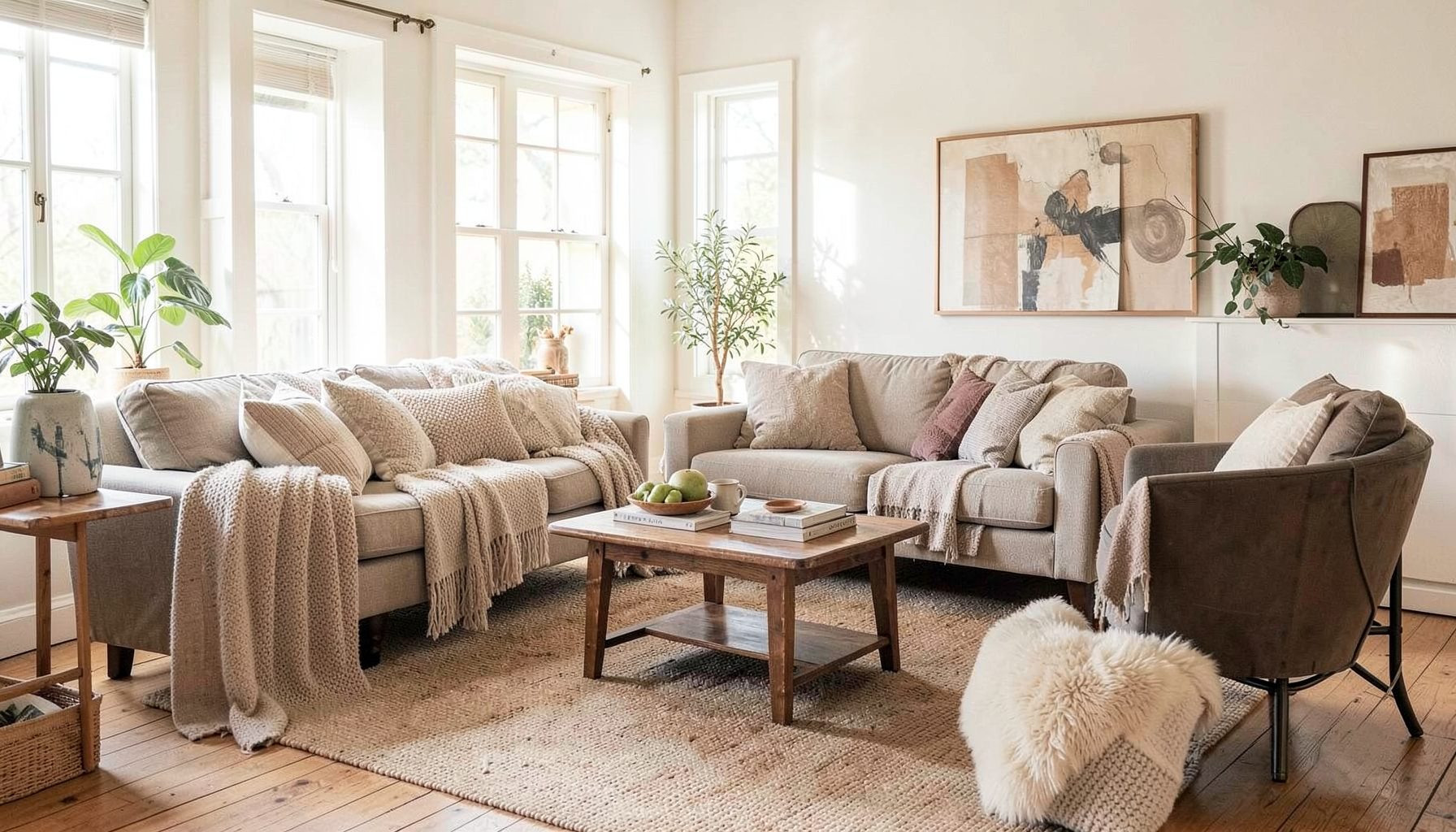
Full-service decorating that blends high and low, vintage finds with modern pieces for spaces that feel personal and collected.
Learn More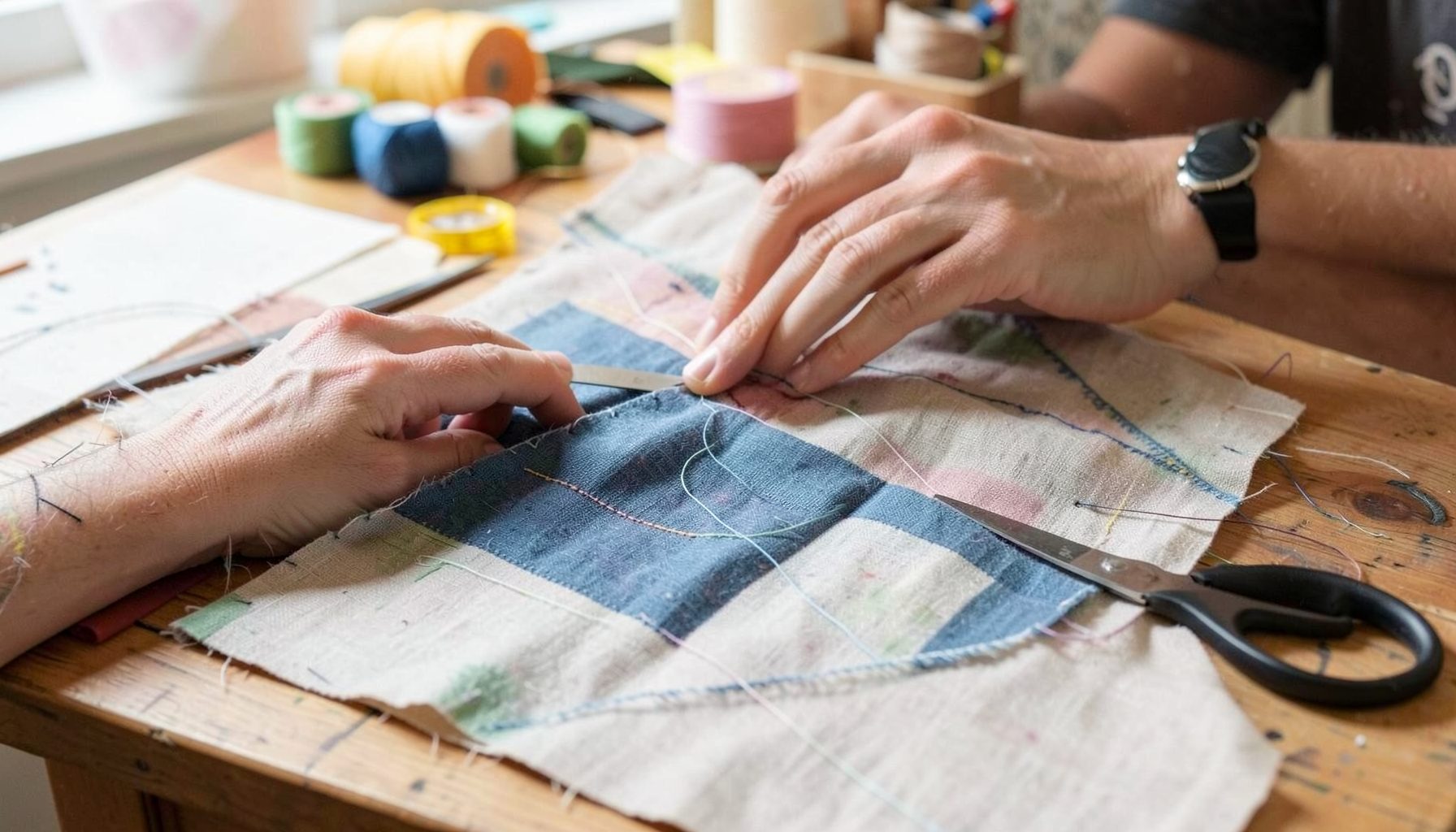
DIY Projects
Step-by-step tutorials for refinishing furniture, sewing pillows, styling bookshelves, and transforming rooms on a budget.
Learn More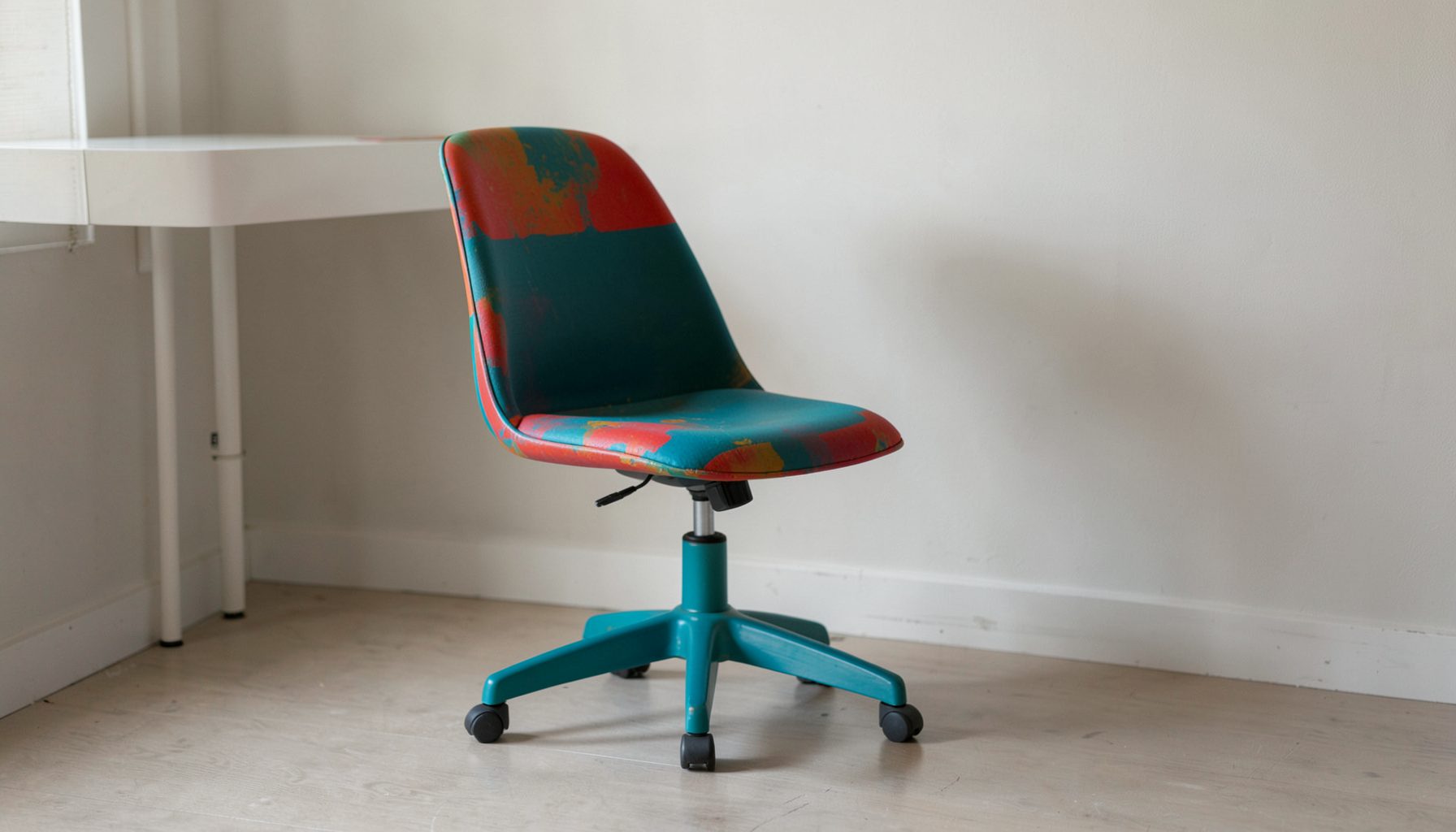
E-Decorating
Personalized design guidance delivered online — perfect for clients anywhere in the world who want a professional eye.
Learn More
Portfolio
Browse completed room makeovers, before-and-after transformations, and styling projects from Bay Area homes.
Learn More
Blog
Interior design inspiration, fashion finds, entertaining ideas, and peeks into real home renovations and styling projects.
Learn More
Downloads
Free curated resources for home decorating and design — guides, checklists, and inspiration to help you get started.
Learn MoreCreating a functional and pretty mudroom bench with hooks and bins
A well-designed entryway can absorb the daily clutter that gathers near the front door without making the home feel like a storage room. A built-in or freestanding mudroom bench gives everyone a place to sit, remove shoes and gather essentials, while wall hooks and labelled bins keep bags, hats and sporting gear within easy reach. The result is a hardworking drop zone that still feels considered and welcoming.
Australian homes often need this kind of flexible storage. A family in Melbourne may be dealing with wet winter coats, while a household in Brisbane or Perth may need a place for sandy shoes, sun hats and reusable shopping bags. In Sydney apartments, a compact entry bench can make better use of a narrow hallway than a bulky cupboard. With the right proportions, finishes and storage choices, even a small entrance can become both practical and attractive.
Start with the habits of the household
The best mudroom furniture responds to what actually happens at the door. Notice where shoes are left, how many school or work bags arrive each day, and whether sports equipment tends to spread into the hallway. A bench that looks beautiful but cannot hold the household’s everyday belongings will quickly become another surface for piles.
Allow one seating position for each regular user where possible. A seat about 450 millimetres high is comfortable for most adults, though a lower section may suit young children. A depth of around 400 to 500 millimetres provides enough room for sitting without making a passageway feel cramped. In a tight apartment entry, a shallower bench with baskets beneath may be more useful than a deep cabinet.
Think about the objects that need to be stored at arm’s reach. School bags need generous hooks or open cubbies, while dog leads, umbrellas and keys benefit from small trays or individual pegs. If the entrance opens directly into a living area, closed storage can hide visual clutter. If the mudroom is tucked beside a laundry, open shelves may offer faster access and better ventilation for damp items.
Choose a bench shape that suits the space
A straight bench is the easiest design to build and works well beneath a row of hooks. It can be made from a timber seat fixed over base cabinets, a painted joinery unit or a simple freestanding console adapted with storage baskets. In a wide hallway, a longer bench can create separate zones for children, adults and visitors without requiring a large built-in installation.
Corner benches make use of awkward areas near a garage entry or side door. An L-shaped arrangement can include a taller cabinet at one end for coats and cleaning supplies, but the corners should not obstruct door swings. Keep a clear path through the entrance and check that open cabinet doors will not collide with nearby furniture.
The base can be raised on legs for a lighter look, or built down to the floor for maximum capacity. Legs make cleaning easier and give a traditional or coastal room a more furniture-like character. Full-height cabinetry feels streamlined and can conceal a surprising amount, especially when the seat lifts to reveal a storage compartment. For a collected interior, combine a painted base with a reclaimed timber top or vintage baskets rather than matching every element perfectly.
A comfortable cushion can soften a hard seat, but it should be made from a durable, washable fabric. Performance linen, treated cotton, outdoor fabric and removable covers are sensible choices for homes where muddy shoes, wet jackets and sandy feet are part of normal life.
Make hooks and bins easy to use
Hooks work best when their height reflects the people using them. A lower row around 900 to 1100 millimetres from the floor can help children hang their own jackets and bags. Adult coats generally need hooks around 1500 to 1700 millimetres high, depending on ceiling height and household preferences. Leave enough space between hooks so bulky school bags do not overlap.
Use different hook styles to create visual rhythm. A row of simple timber pegs suits a relaxed coastal or Scandinavian scheme, while antique brass, aged iron or ceramic hooks can add character to a traditional home. A narrow shelf above the hooks provides space for framed art, a small lamp or a bowl for keys, but do not make it so deep that it catches passing shoulders.
Bins should be sized for the things they hold rather than chosen only for their appearance. Deep baskets suit shoes, sports gear and folded shopping totes. Smaller labelled bins are useful for sunscreen, gloves, dog accessories and bicycle lights. Wire baskets offer ventilation, while woven seagrass, rattan or water hyacinth bring texture to a plain white or timber mudroom.
For a family, assign one basket or cubby to each person. Labels can be discreet: leather tags, painted initials or small brass plaques keep the system clear without making the room feel overly utilitarian. If children are expected to put items away independently, the most frequently used storage should be open, visible and reachable.
Select materials for Australian conditions
Entryway surfaces need to handle dust, grit, moisture and frequent cleaning. A sealed hardwood or quality timber-look laminate can make a durable seat, while painted moisture-resistant MDF is practical for cabinetry when its exposed edges are properly sealed. Plywood with a clear finish is another attractive option, particularly in contemporary interiors where its layered edge becomes part of the design.
Avoid untreated cane or delicate upholstery in a location that receives wet shoes and dripping umbrellas. Natural fibres can still work, but they should be used in removable baskets or cushions that can dry thoroughly. A washable runner with a low pile helps collect grit without becoming a trip hazard, and a sturdy coir mat outside the entry can reduce the amount of sand and soil brought indoors.
The local market offers plenty of adaptable options. Flat-pack cabinetry from retailers such as IKEA can form the basis of a built-in look, while Australian hardware stores provide timber panels, shelf brackets, hooks and storage tubs for a custom DIY version. Pairing a budget cabinet with better-quality handles, a timber seat and attractive baskets creates a more individual result than buying a complete matching set.
Colour can help connect the mudroom with the rest of the home. Soft green, warm white, clay, navy and muted eucalyptus tones suit many Australian settings and hide everyday marks better than brilliant white. A dark bench can ground a pale hallway, while patterned tiles or a painted wall behind the hooks can turn a functional zone into a decorative focal point.
Add personality through layered styling
A mudroom does not need to look like a utility corridor. Artwork, a mirror and a small collection of useful objects can give the space the same warmth as a living room. A mirror is particularly valuable near the front door because it reflects light and provides a last check before leaving. Choose a slim frame if the passage is narrow, and secure it properly rather than leaning it on the bench.
Use the wall above the bench to create a composition instead of filling every centimetre with storage. One large artwork may feel calmer than several small pieces, while a collection of botanical prints, family photographs or vintage signs can suit a more relaxed interior. The styling principle is similar to arranging a mantel: vary height, texture and shape, and leave enough empty space for the display to breathe. These mantel styling ideas can be adapted to a mudroom shelf without making the entry feel formal.
Include practical decoration whenever possible. A ceramic bowl can hold keys, a leather tray can collect sunglasses, and a lidded basket can conceal pet supplies. A small wall light or rechargeable lamp makes the space easier to use in the evening, especially in older homes where the entry may have limited natural light. If new wiring is required, use a licensed electrician and ensure the work complies with Australian electrical requirements, including AS/NZS 3000.
Vintage pieces can add the collected quality that makes a room feel personal. An old school locker, cane hamper or timber stool may work beautifully beside modern joinery. Balance character with function: check that vintage finishes are stable, that hooks are firmly attached and that baskets do not have sharp or splintered edges.
Build in safety and long-term flexibility
Any tall cabinet, shelf or hook rail should be firmly secured to wall framing or suitable masonry. Freestanding furniture can tip when children climb, pull on bags or use the bench edge for support. Australian product safety guidance places strong emphasis on anchoring toppling furniture, and a custom mudroom should be treated with the same care even when it is assembled at home.
Pay attention to the floor as well as the storage. Select a surface with suitable slip resistance for the location, particularly if the mudroom connects to an exterior door where rainwater may be tracked inside. Keep mats flat, avoid loose cords and leave enough clearance around the bench for safe movement. Any hooks with sharp points or protruding corners should be positioned away from head height and busy walkways.
Renters and apartment owners should check the relevant approval requirements before fixing cabinetry or hooks into walls. In Australia, tenancy rules differ between states and territories, and permanent fixtures may require written landlord consent. Strata buildings can also have rules about changes to common walls, entry doors and flooring. A freestanding bench, tension-mounted rail or removable adhesive hook may be a better temporary solution, though heavy bags should never be hung from a product that is not rated for that load.
Plan for changing needs. Children grow, work arrangements shift and sporting equipment changes with the seasons. Adjustable shelves, replaceable baskets and a few spare hooks make the storage easier to adapt. A dedicated open space for a vacuum, pram or bicycle helmet may be more valuable than filling every section with fixed drawers.
A successful mudroom bench earns its place by making daily routines smoother while contributing to the character of the home. Begin with the available wall length and walking clearance, then measure the bags, shoes and outerwear that need a home. Choose a comfortable seat, install hooks at usable heights, give each category a suitable bin and finish the arrangement with durable materials and a few personal details. The practical takeaway is simple: design the storage around real habits first, then make every useful element beautiful enough to belong in the room.

Recent Projects