Interior Design
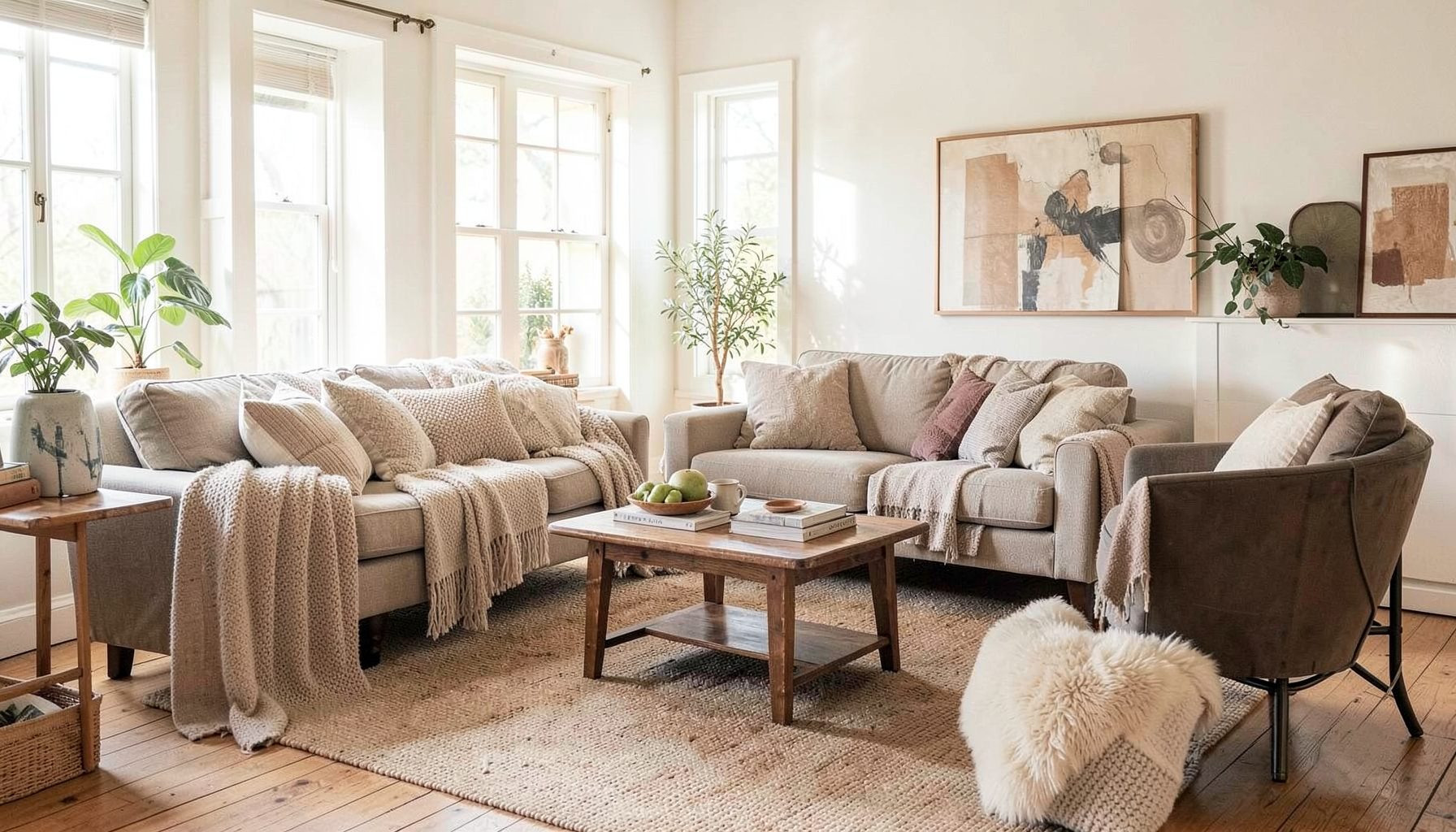
Full-service decorating that blends high and low, vintage finds with modern pieces for spaces that feel personal and collected.
Learn More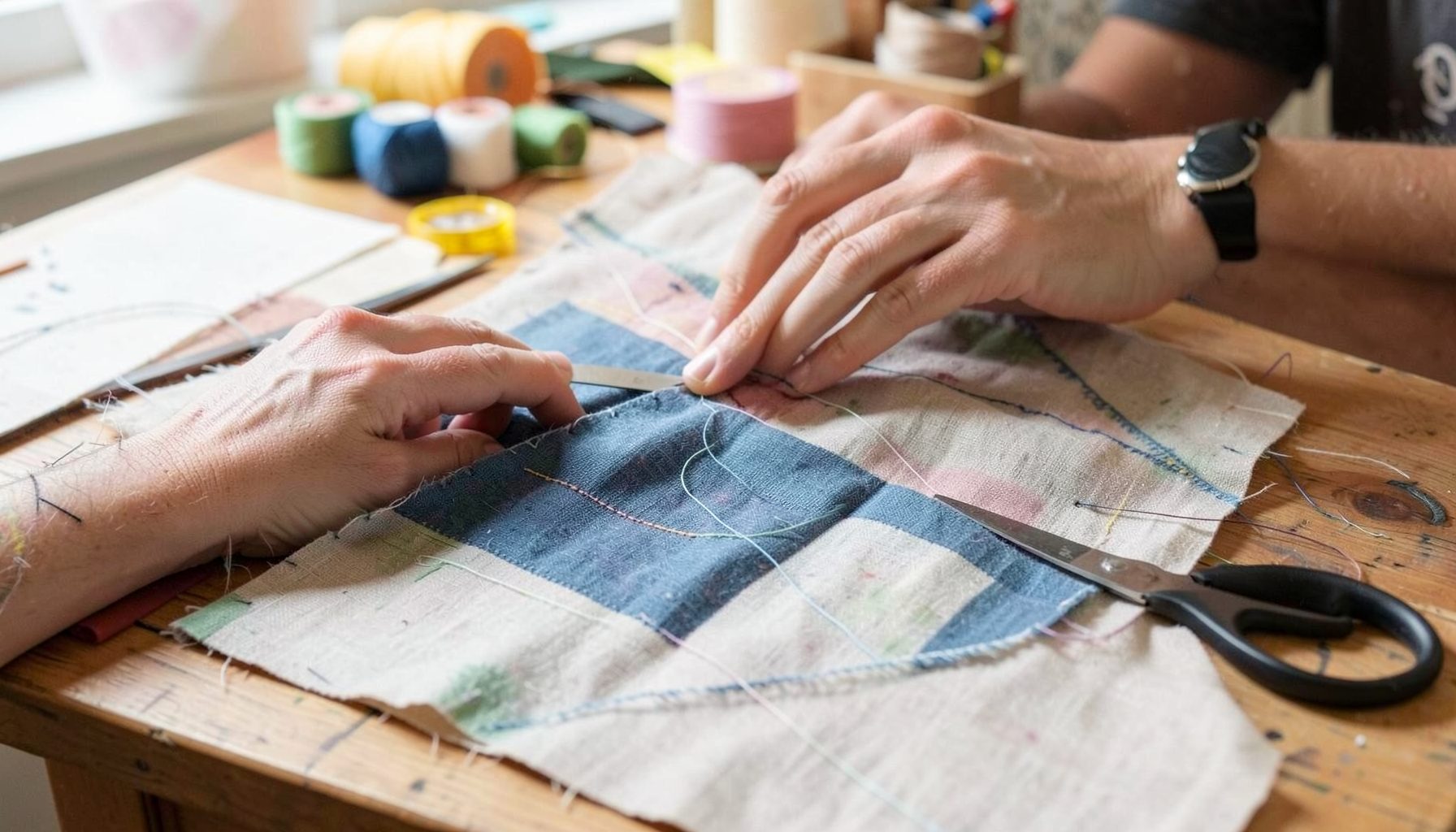
DIY Projects
Step-by-step tutorials for refinishing furniture, sewing pillows, styling bookshelves, and transforming rooms on a budget.
Learn More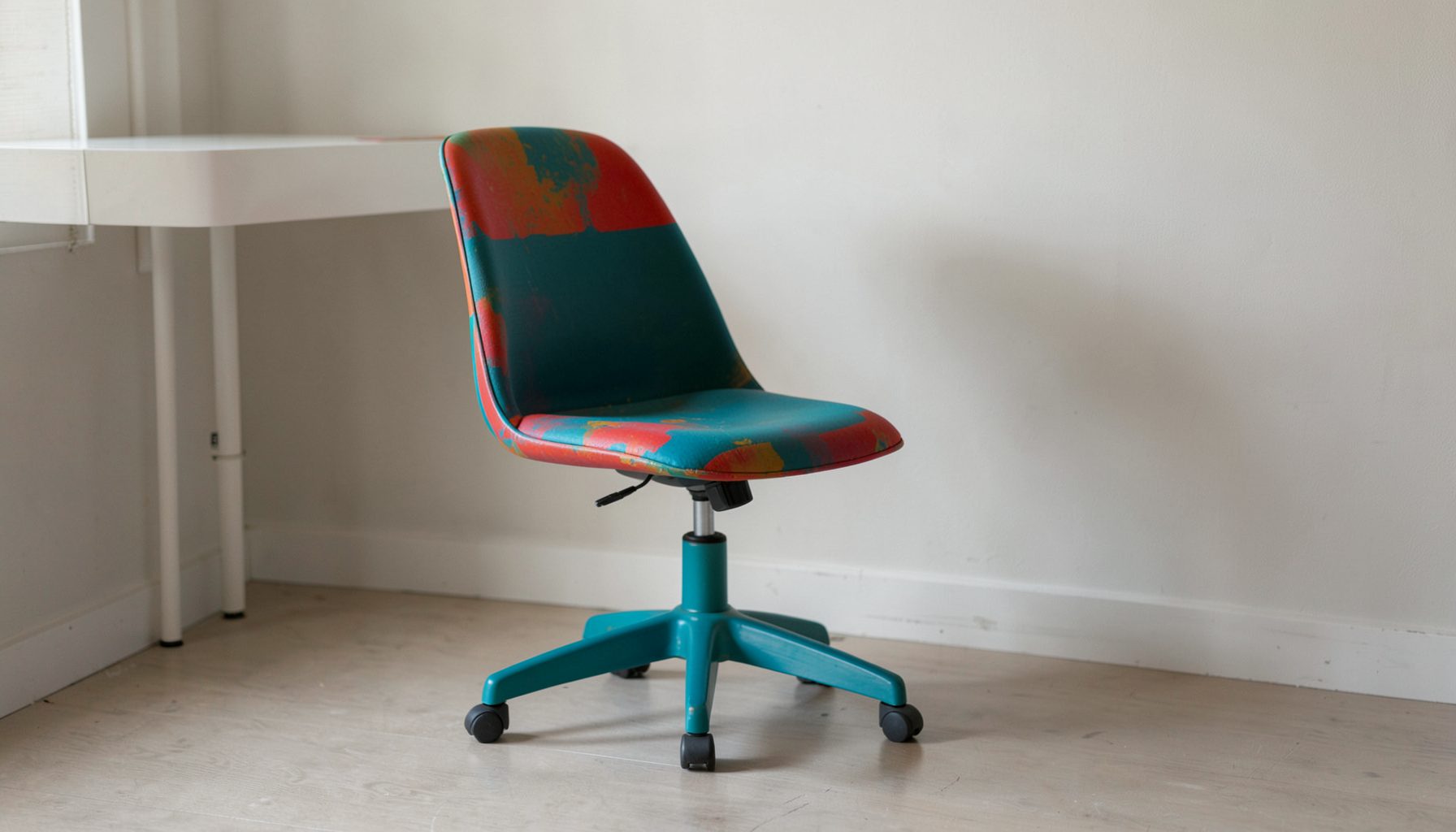
E-Decorating
Personalized design guidance delivered online — perfect for clients anywhere in the world who want a professional eye.
Learn More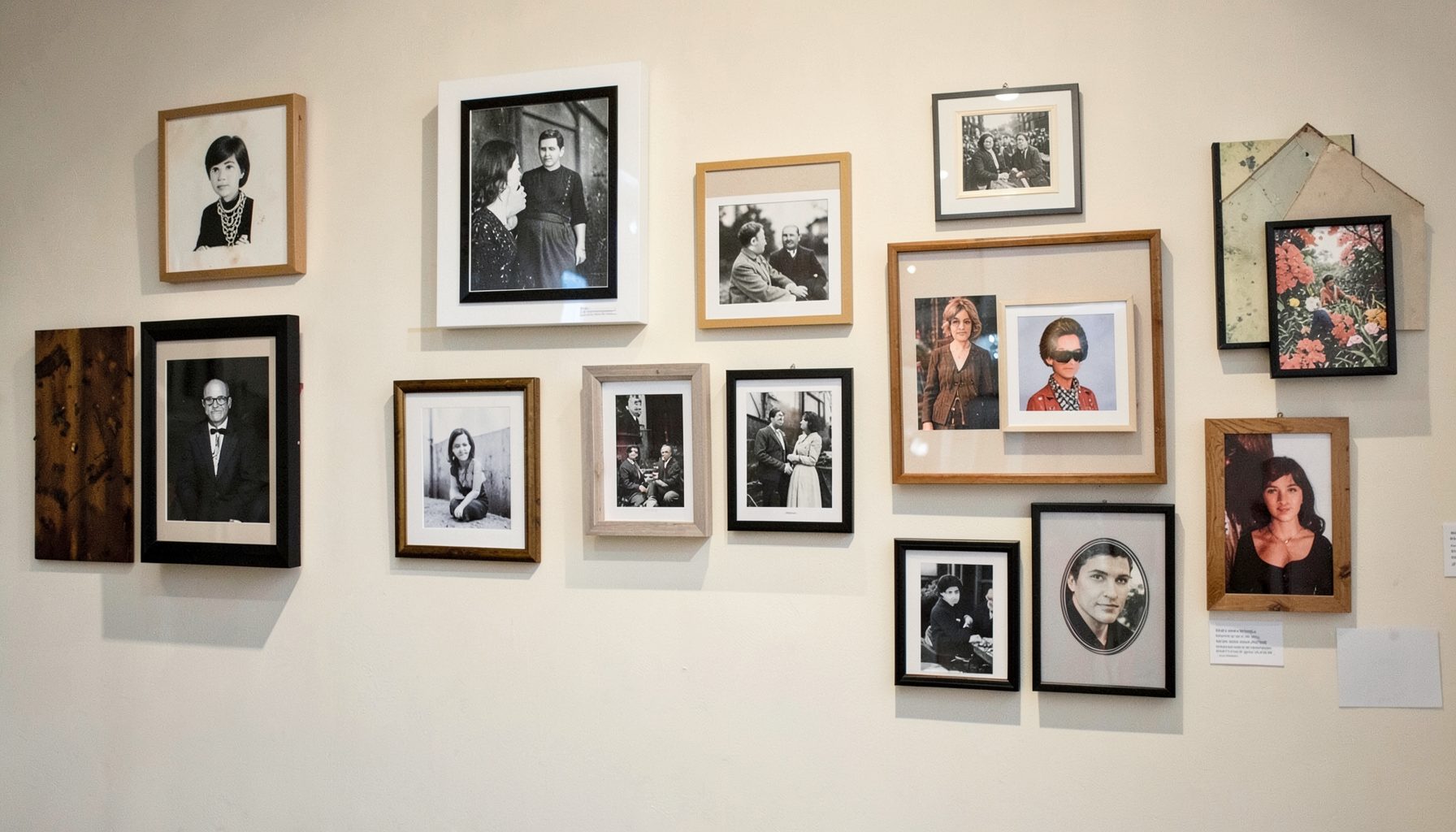
Portfolio
Browse completed room makeovers, before-and-after transformations, and styling projects from Bay Area homes.
Learn More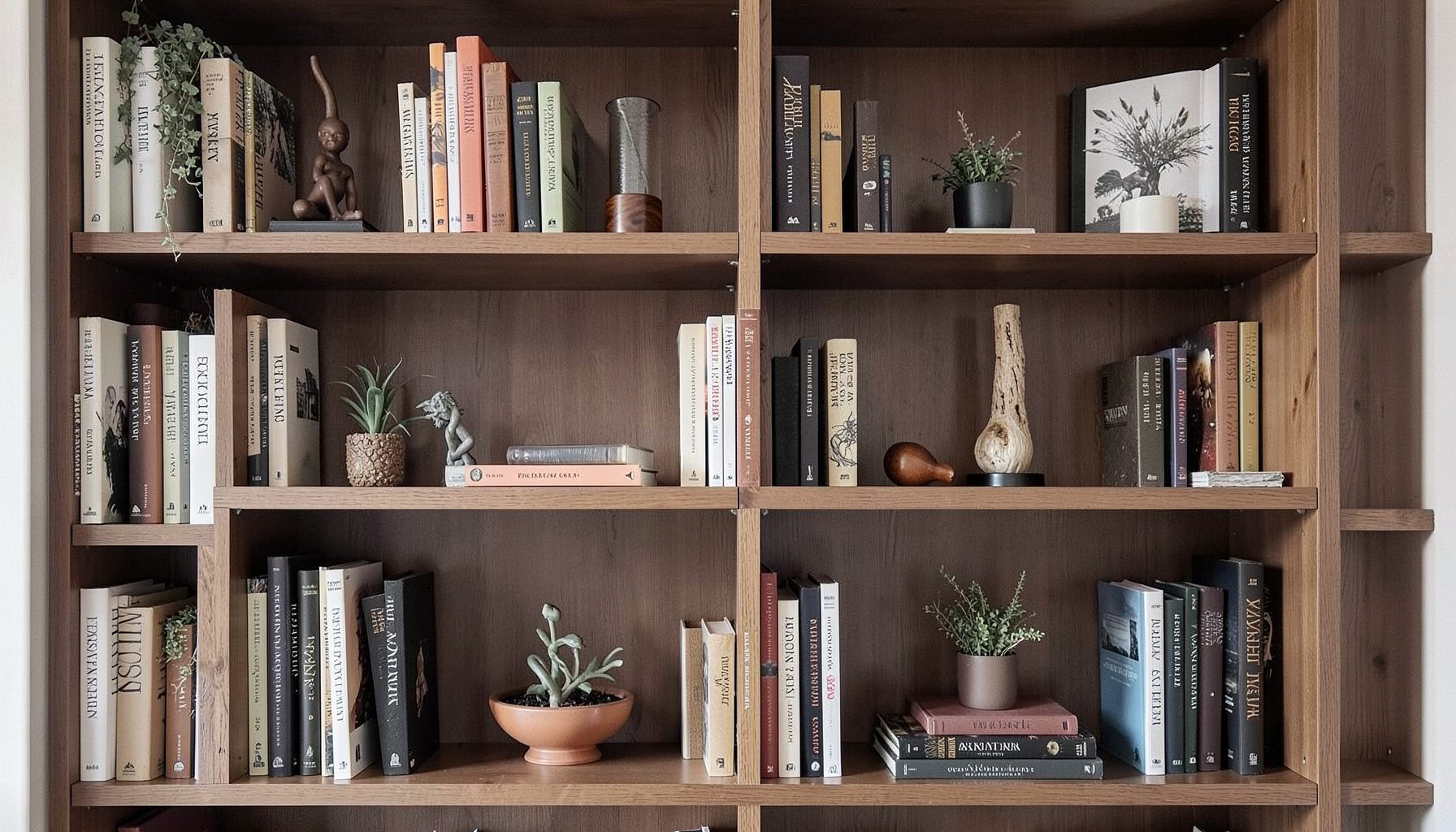
Blog
Interior design inspiration, fashion finds, entertaining ideas, and peeks into real home renovations and styling projects.
Learn More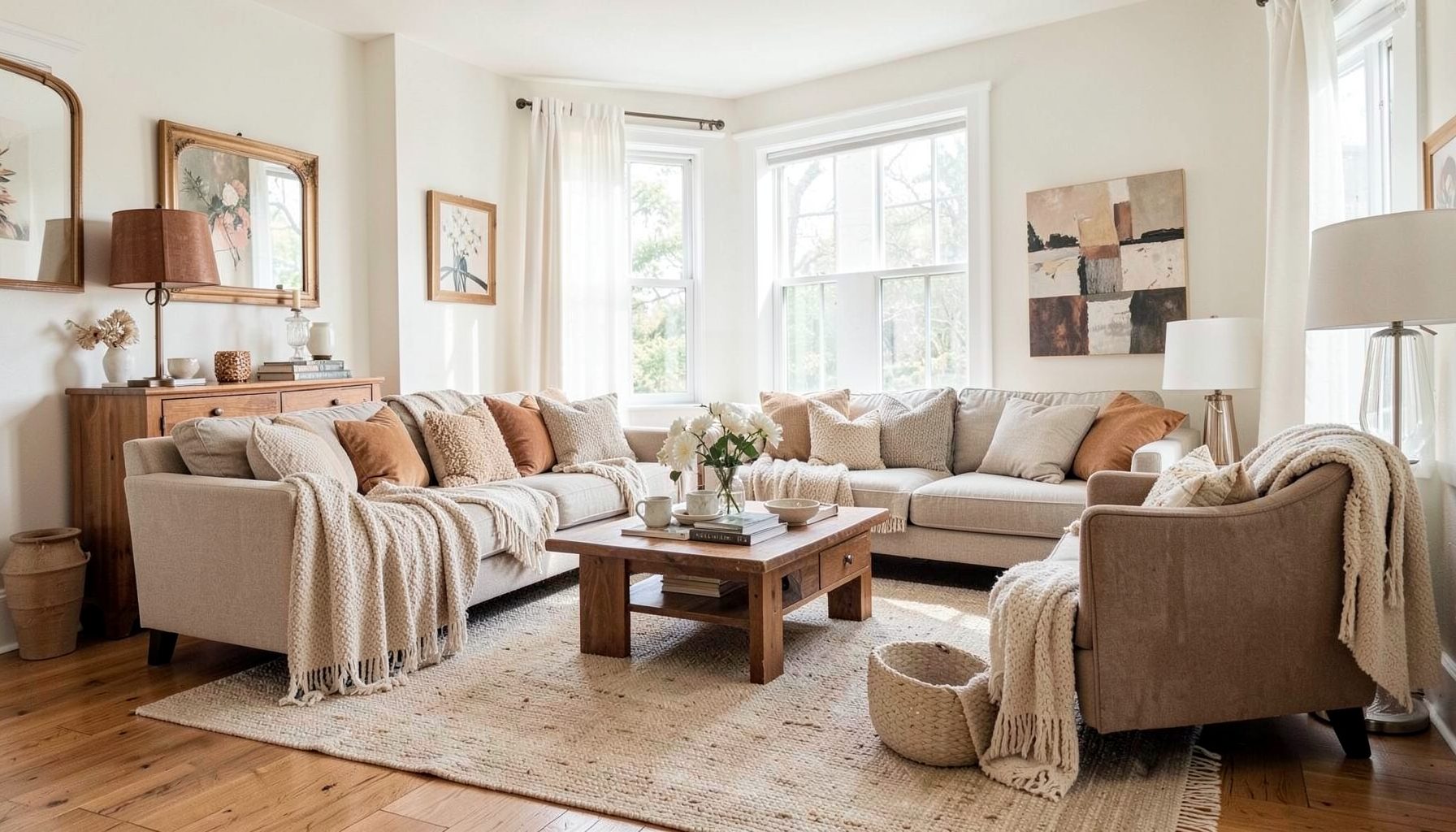
Downloads
Free curated resources for home decorating and design — guides, checklists, and inspiration to help you get started.
Learn MoreStyling A Modern Fireplace Mantel With Antique Accessories
A modern fireplace gives a room a strong architectural anchor: clean lines, simple materials, and a sense of visual calm. Antique accessories bring a different kind of energy. Their patina, irregular shapes, and traces of craftsmanship soften contemporary surfaces and make the room feel collected rather than overly polished.
The most successful mantel arrangements rely on contrast with intention. A sleek plaster surround can support a carved wood mirror. A streamlined stone ledge can hold a timeworn vessel, a small oil painting, or a pair of aged candlesticks. The goal is to create a relationship between old and new, allowing each element to make the other feel more distinctive.
Whether the fireplace is in a San Francisco flat, a San Jose family room, or a newer Bay Area home, the same principles apply. Scale, balance, texture, and editing matter more than the price or provenance of any individual object.
Begin With The Fireplace Architecture
Before choosing antique décor, study the fireplace itself. The surround, mantel depth, wall height, and nearby built-ins determine how much visual weight the arrangement can hold. A narrow floating shelf needs a lighter composition than a deep traditional mantel, while a tall chimney breast may call for one substantial vertical piece rather than a crowded collection.
The fireplace finish should also guide the accessory palette. Cool gray stone can benefit from warm wood, brass, ochre, or sepia tones. White plaster creates a quiet backdrop for dark ceramics and aged frames. A richly veined marble surround may already provide enough movement, so simpler accessories will keep the wall from feeling busy.
Consider the room’s viewing distance, too. Accessories that look detailed up close may disappear across a large living room. Conversely, oversized objects can overwhelm a compact fireplace. Take a photograph of the wall and sketch the intended arrangement over it, or use painter’s tape to mark the approximate width and height of each piece before drilling or lifting anything into place.
Establish A Strong Focal Point
A single anchor gives an antique mantel display direction. In many rooms, the best choice is a vintage mirror, an old landscape painting, or a sculptural object with enough height to connect the mantel to the wall above it. The anchor does not have to be centered perfectly, but it should feel related to the fireplace’s proportions.
A mirror is especially effective in a modern interior because it reflects light and expands the sense of space. Look for beveled edges, foxing, carved wood, or a softly aged surface rather than a flawless showroom finish. If the fireplace is already ornate, choose a restrained frame. If the surround is minimalist, a more decorative antique frame can provide the needed character.
Artwork creates a mood that a mirror cannot. A still life, botanical study, or architectural drawing can introduce color and narrative without making the space feel formal. Leaning art against the wall often looks relaxed and protects the modern character of the room. Add a small pad beneath the frame if the mantel surface is slippery, and secure large pieces discreetly when children or pets use the room.
Layer Vintage Pieces With Modern Restraint
An antique accessory feels most current when it is given breathing room. Instead of filling the mantel with small collectibles, combine a few pieces that vary in height, material, and silhouette. A low brass bowl, a medium ceramic vessel, and a tall framed work can create a rhythm that feels deliberate without appearing staged.
Use the rule of three as a flexible starting point, not a rigid formula. Odd-numbered groupings often feel natural because they prevent the arrangement from becoming too symmetrical. A cluster can include one dominant object, one supporting object, and one quiet detail. Leave a visible portion of the mantel surface between groupings so the eye has somewhere to rest.
Modern pieces can help antique objects feel fresh. Pair a carved wood box with a streamlined candleholder, or place a sculptural contemporary vase beside a faded portrait. The contrast should be evident, but the pieces need a shared quality such as warm color, rounded form, or a repeated material. This connection is what makes a mixed-era vignette feel curated rather than random.
| Antique Accessory | Modern Counterpart | Visual Effect |
|---|---|---|
| Carved wood mirror | Minimal plaster or stone surround | Adds warmth and depth |
| Aged brass candlesticks | Linear contemporary candleholders | Creates rhythm through contrast |
| Vintage landscape painting | Slim black or natural wood frame | Introduces softness and history |
| Iron urn or pottery vessel | Streamlined ceramic vase | Balances roughness with simplicity |
| Decorative box or small sculpture | Open, uncluttered mantel surface | Adds detail without visual overload |
Use Scale, Height, And Negative Space
A balanced mantel usually includes a clear height variation. If every object sits at the same level, the display can look flat. If every piece is tall, the arrangement may feel top-heavy. Try combining a vertical anchor with medium-height accessories and one or two low forms that spread along the shelf.
The highest point should generally relate to the fireplace and the room’s ceiling. In a room with low ceilings, a wide mirror or horizontal artwork may be more flattering than a narrow, towering object. In a tall room, a vertical antique painting can bridge the gap between mantel and ceiling while preserving a sense of proportion.
Negative space is part of the design. A clean section of wall around the focal point helps an old object read as special. Avoid pushing accessories to the very edges of a short mantel unless you are intentionally creating a wide, symmetrical arrangement. A little openness around each object will make the entire vignette feel more considered.
If you prefer an asymmetrical arrangement, balance visual weight rather than matching shapes. A tall dark vase on one side may be offset by two smaller, lighter objects on the other. Step back frequently while styling; mantel displays are experienced from across the room, where overall silhouette matters more than tiny details.
Add Texture Through Patina And Materials
Antique accessories bring texture even when their colors are quiet. Tarnished brass, crazed pottery glaze, worn leather, rough wood, and softly oxidized iron create surfaces that invite closer attention. These materials are especially useful in modern rooms, where smooth cabinetry, polished stone, and crisp upholstery can otherwise feel too uniform.
Choose patina that supports the room’s existing palette. Warm brown wood and aged brass suit interiors with cream, camel, terracotta, or olive tones. Pewter, silver, and weathered gray work beautifully with charcoal, blue, white, and cool green. The finish does not need to match the hardware throughout the room; repetition is helpful, while perfect coordination can look artificial.
Natural elements can complete the composition. A branch in an old vessel, dried grasses, or a modest arrangement of seasonal greenery adds height and movement. Keep the foliage simple so it does not compete with a painting or mirror. In a frequently used living space, preserved stems or high-quality faux branches can offer a tidy alternative to arrangements that shed or require constant watering.
Candles are another easy way to introduce atmosphere, but use them thoughtfully. Vintage candlesticks can flank an artwork, sit within a larger grouping, or create a low glow at the edge of the mantel. Choose unscented candles near a fireplace and keep every flame, match, and flammable object at a safe distance from heat.
Make The Arrangement Feel Personal
The difference between a decorative mantel and a meaningful one often comes from personal history. Display a small framed family photograph, a piece collected during travel, or a ceramic object inherited from a relative. These items do not need to be valuable. Their role is to give the room a point of view that cannot be duplicated by a catalog display.
A collected interior has room for evolution. Rotate smaller accessories seasonally, move a painting to another room, or replace a bowl with a stack of old books. This keeps the mantel responsive to the rest of the home and prevents it from becoming a static arrangement that no longer reflects how the room is used.
If you are uncertain about combining heirlooms with newer purchases, begin with one meaningful antique and build around it. A design professional can help determine whether the piece needs more contrast, more space, or a different location. For personalized guidance on a room refresh or a larger decorating project, schedule a design conversation with a studio familiar with layered, lived-in interiors.
Keep The Display Safe And Easy To Live With
Fireplace styling needs practical attention as well as visual judgment. Check the manufacturer’s guidelines for clearances, especially if the fireplace is wood-burning or produces substantial heat. Some decorative materials, including certain finishes, textiles, dried botanicals, and old papers, should be placed well away from the firebox and heat vents.
Secure heavy mirrors, frames, and sculptures with appropriate hardware or museum putty where suitable. A leaning piece may look casual, but it should not be able to slide forward when the mantel is bumped. Use discreet felt pads beneath fragile ceramics and avoid placing valuable objects directly above a heat source if temperature changes could damage them.
Dusting is easier when the arrangement is edited. Leave enough room to lift and clean each object without dismantling the entire display. Antique wood can be protected with gentle care, while porous pottery and aged metal may require different cleaning methods. Avoid aggressive polishing that removes the finish that gives a piece its character.
A Simple Styling Sequence
- Clear the mantel completely and photograph the empty fireplace from several viewpoints.
- Place the largest mirror, artwork, or architectural object first.
- Add one tall accessory, one medium piece, and one low object to establish varied heights.
- Repeat one or two colors or materials from the surrounding room.
- Step back, remove anything that feels crowded, and secure the pieces once the arrangement feels balanced.
A modern fireplace mantel does not need a large collection of antiques to feel distinctive. One beautifully weathered frame, a handmade vessel, or a pair of aged candlesticks may be enough when the surrounding space is allowed to remain calm. Thoughtful editing gives every object room to contribute.
The best arrangement will feel connected to the home rather than imposed on it. Let the architecture provide structure, let antique accessories add warmth and history, and use contemporary restraint to keep the composition fresh. When those elements meet with balance, the fireplace becomes a welcoming focal point that feels personal, layered, and ready for everyday life.

Recent Projects