Interior Design
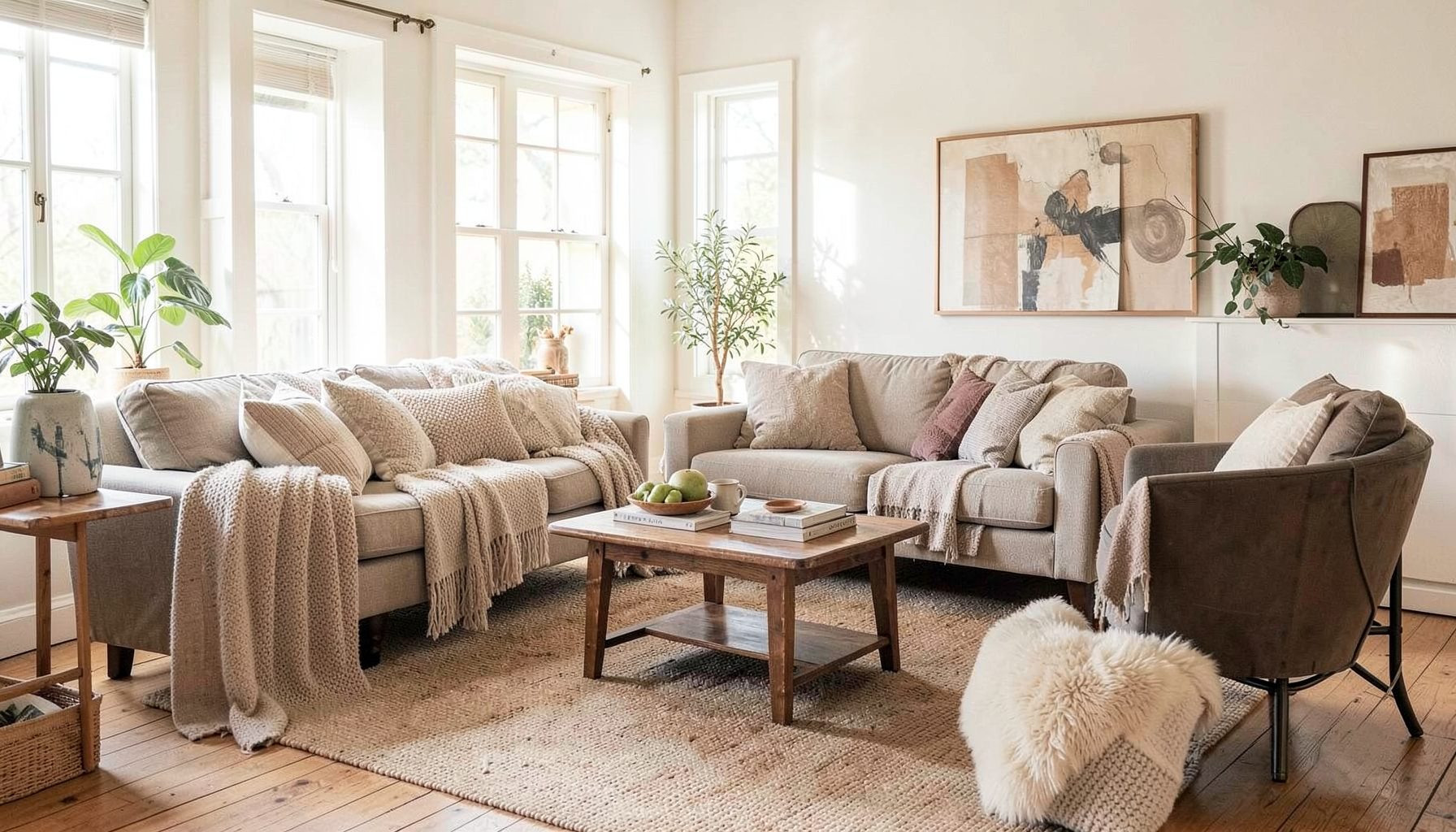
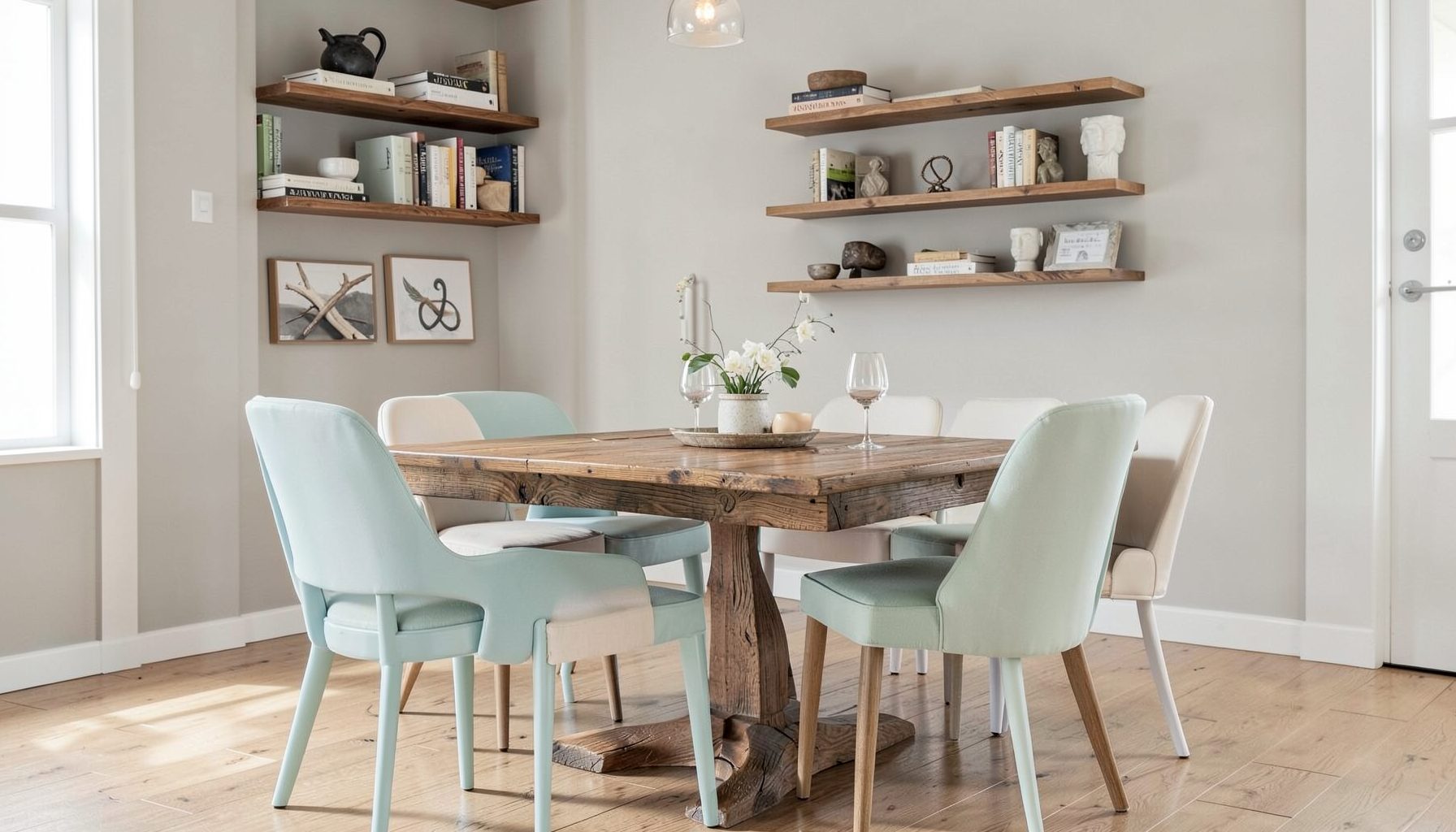
Full-service decorating that blends high and low, vintage finds with modern pieces for spaces that feel personal and collected.
Learn More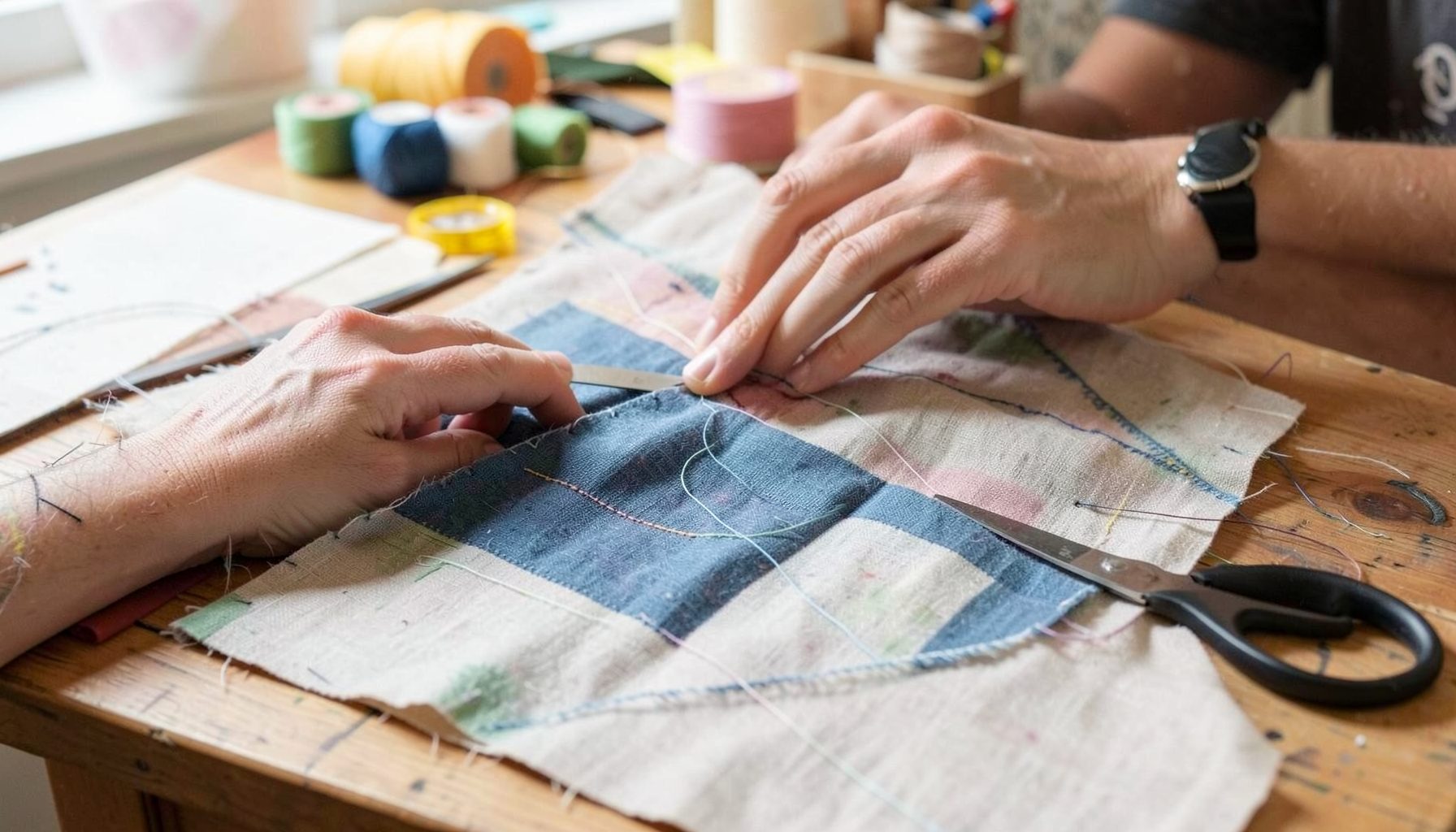
DIY Projects
Step-by-step tutorials for refinishing furniture, sewing pillows, styling bookshelves, and transforming rooms on a budget.
Learn More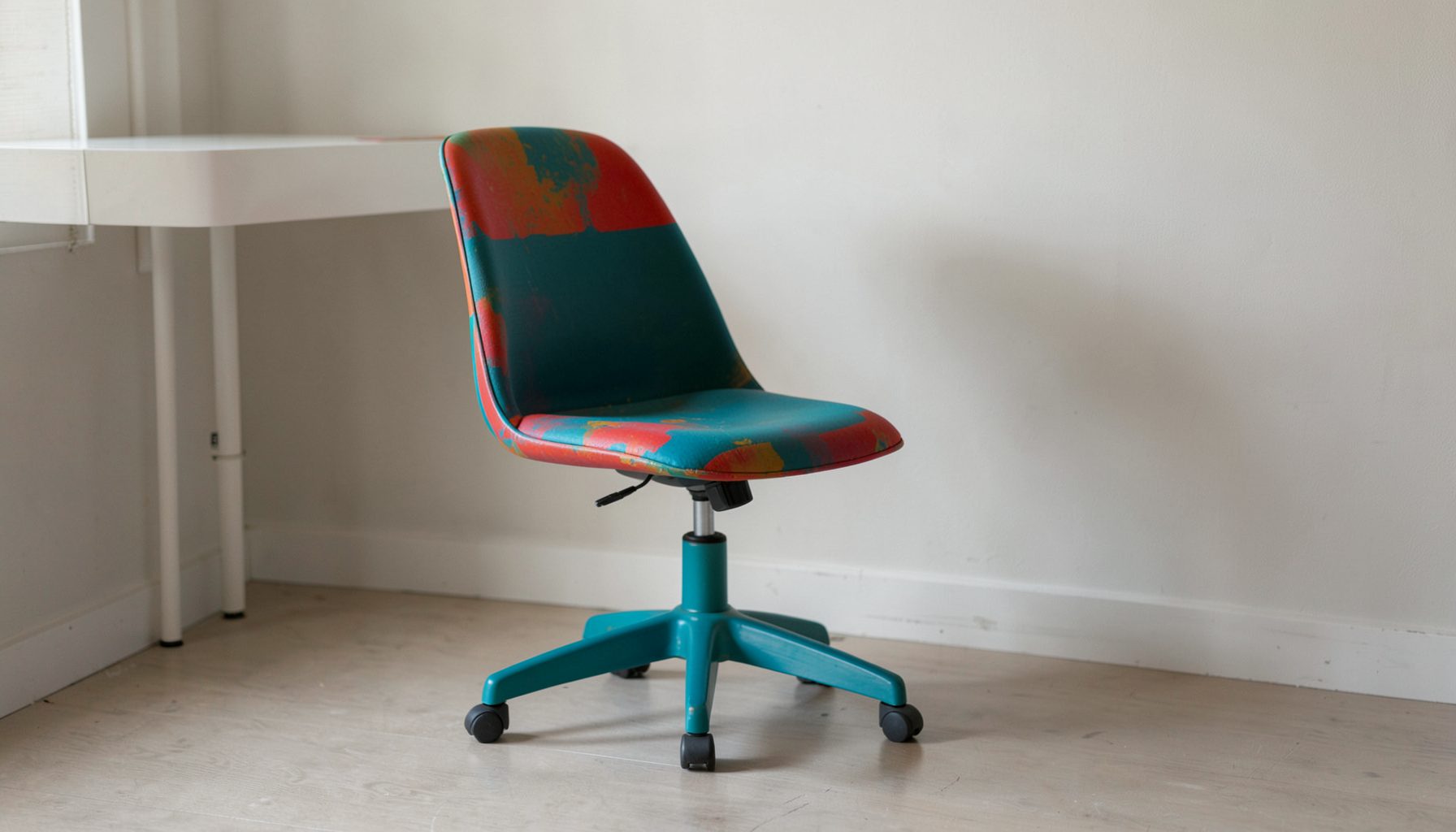
E-Decorating
Personalized design guidance delivered online — perfect for clients anywhere in the world who want a professional eye.
Learn More
Portfolio
Browse completed room makeovers, before-and-after transformations, and styling projects from Bay Area homes.
Learn More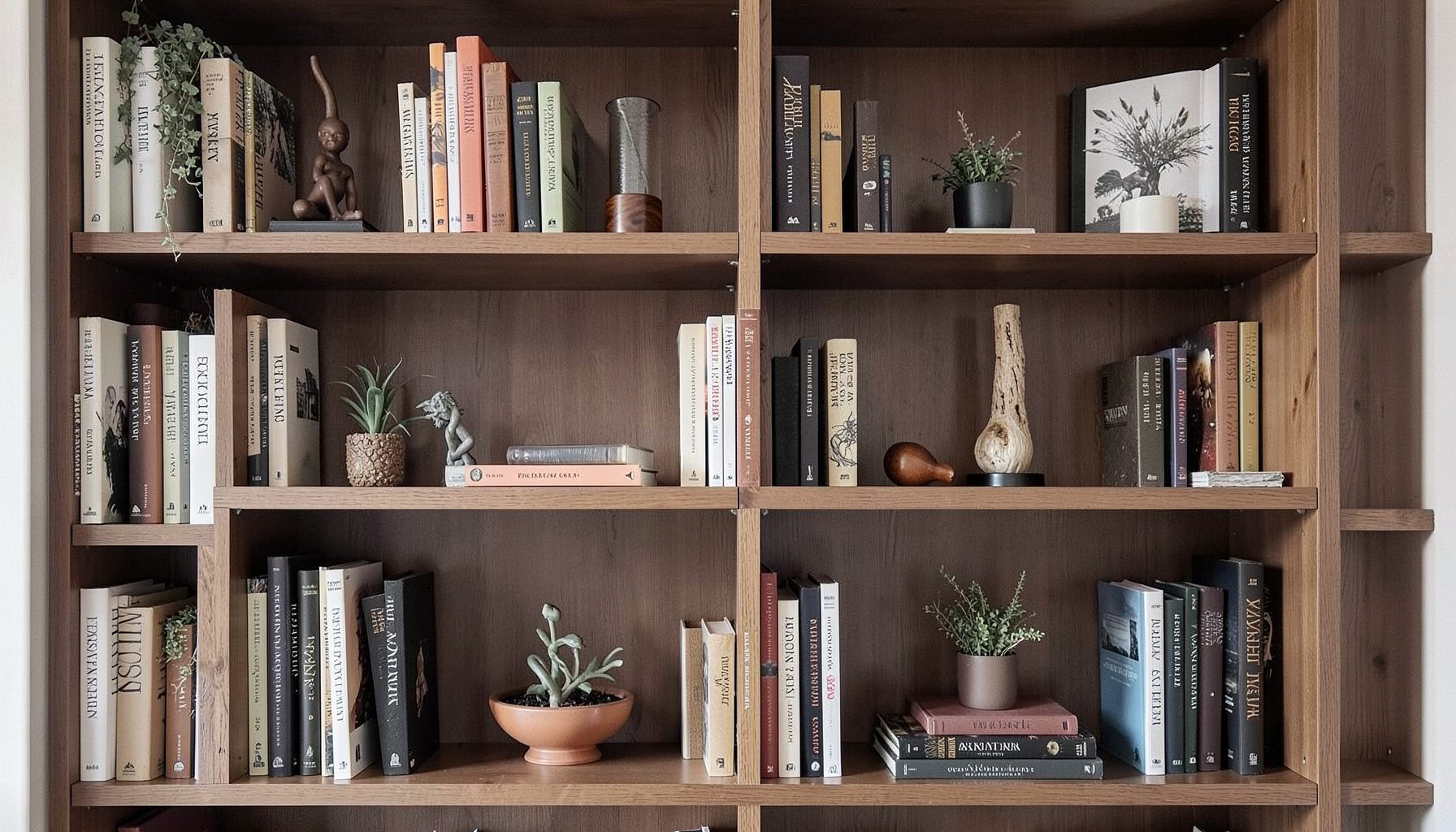
Blog
Interior design inspiration, fashion finds, entertaining ideas, and peeks into real home renovations and styling projects.
Learn More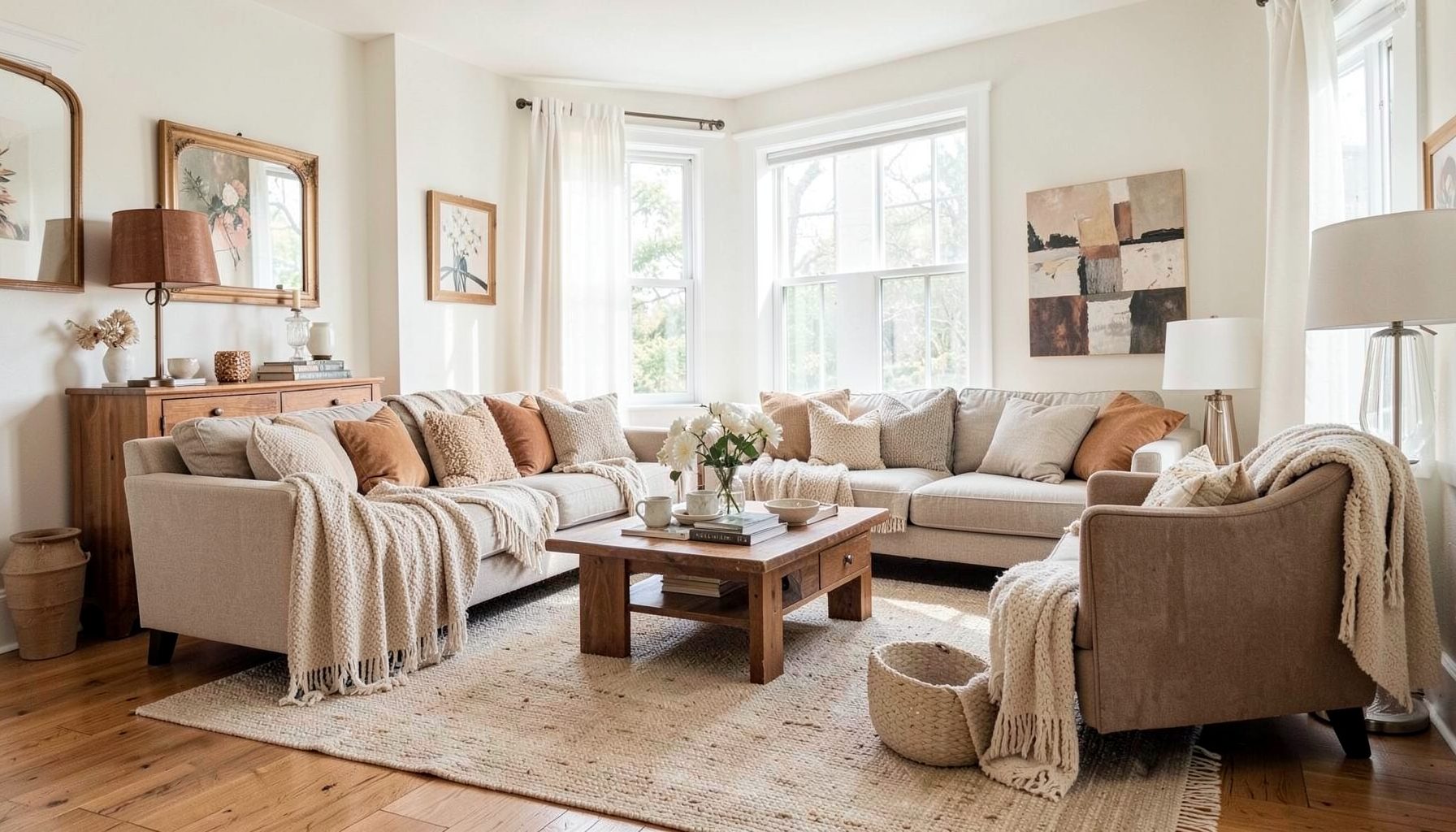
Downloads
Free curated resources for home decorating and design — guides, checklists, and inspiration to help you get started.
Learn MoreVintage Market Shopping For A Collected, Livable Home
Vintage markets can transform a room with one memorable find. A weathered cabinet, hand-thrown vase, or brass lamp often brings more personality than a matching set purchased all at once. These pieces carry texture, history, and small irregularities that make a space feel layered rather than overly designed.
The best market shopping is less about finding the oldest object and more about recognizing what will work in your home. Scale, construction, function, condition, and proportion matter just as much as visual appeal. A beautiful piece that is too large, impossible to repair, or difficult to live with may become expensive clutter.
A thoughtful approach also leaves room for contrast. Pair a vintage wood table with a streamlined sofa, mix an antique mirror with contemporary lighting, or place a flea-market textile beneath modern artwork. This balance creates the collected look associated with relaxed Bay Area interiors while keeping the room practical and personal.
Start With A Clear Design Direction
Before visiting an antique mall, flea market, or estate sale, identify the rooms and categories that genuinely need attention. A short list might include a bedside table, dining chairs, artwork, storage, or decorative objects. Without a plan, the abundance of merchandise can make every unusual piece feel essential.
Take photographs of the room, record approximate measurements, and note the colors already in use. A quick phone album showing your flooring, upholstery, wall paint, and existing furniture can prevent purchases that clash with the larger scheme. Measurements are especially important for case goods, rugs, mirrors, and seating.
It helps to define a flexible style vocabulary rather than a strict theme. Words such as warm, collected, tailored, rustic, sculptural, or eclectic can guide decisions without making the space feel staged. Look for items that support that vocabulary, even when their original style belongs to another period.
Inspect Construction Before Appearance
A compelling patina should never distract from poor construction. Examine the underside, back, joints, drawers, hinges, and legs of furniture. Solid wood, dovetail joints, stable frames, and cleanly repaired surfaces generally signal a piece with useful life ahead. Veneer can also be perfectly worthwhile when it is intact and well applied.
Open every drawer and cabinet door. Check whether they glide evenly, whether the hardware is secure, and whether the piece rocks on a flat surface. For upholstered furniture, sit down and press along the cushions and arms. Listen for creaking, inspect seams, and look underneath for sagging supports or signs of pests.
Odor deserves careful attention. Persistent smoke, mildew, pet, or chemical smells can remain after cleaning and may be difficult to remove from porous materials. Look for water rings, swollen wood, active rust, insect damage, and deep stains. Minor wear can add character; structural instability and contamination are reasons to walk away.
With lighting, inspect cords, plugs, sockets, and switches. Vintage fixtures may need rewiring before they are safe to use. Ask whether the seller knows the piece’s history, but evaluate the object itself rather than relying on an appealing story. Provenance is interesting, while sound construction determines whether the purchase makes sense.
Judge Scale, Proportion, And Versatility
Market aisles can distort your sense of size. A chest that appears modest beside large vendor displays may overwhelm a small bedroom, while a mirror that looks dramatic in a booth may disappear on a wide wall. Use your measurements and visualize the item in relation to nearby furniture, doorways, windows, and walking paths.
Consider how a piece can serve your home over time. A narrow console might work in an entry, behind a sofa, or beneath a television. A small stool can become a plant stand, bedside table, or extra seat. Versatility is valuable, especially when buying decorative furniture for an apartment or a home that may evolve.
The most successful vintage finds usually have a clear role and enough presence to support it. A single sculptural chair, large landscape painting, or substantial wooden bowl can anchor a room. Several small items may need to be grouped deliberately to avoid looking scattered.
Use caution with pieces that require a highly specific setting. An ornate cabinet may be lovely but difficult to combine with existing furnishings. A fragile textile may not suit a busy family room. A decorative object that cannot be placed safely, cleaned easily, or used comfortably should earn its place through exceptional beauty.
Decide What Deserves The Investment
Price is only one part of the cost. Include transportation, professional cleaning, refinishing, reupholstery, rewiring, replacement hardware, and possible storage. A low-priced chair can become a major project once the frame needs repair and the fabric must be replaced. Ask for an estimate before committing to restoration-heavy purchases.
Condition and rarity should be considered together. A common mass-produced item in poor shape may not justify repair, while a well-made vintage piece with honest wear may be an excellent investment. Look for quality materials, useful proportions, and details that are difficult to replicate in contemporary furniture.
The comparison below can help separate promising wear from costly problems:
| What You Notice | Usually Worth Considering | Proceed Carefully | Usually Best To Skip |
|---|---|---|---|
| Surface wear | Light scratches, faded finish, small dents | Peeling veneer or large water marks | Active mold or severe swelling |
| Furniture joints | Tight joints and stable legs | Minor looseness that a repair shop can address | Cracked frames or missing structural parts |
| Upholstery | Clean fabric with intact seams | Staining when the frame is excellent | Strong odor, pests, or collapsed support |
| Metal finish | Natural tarnish and gentle patina | Surface rust that can be treated | Deep corrosion affecting stability |
| Hardware | Original pulls and hinges in working order | Missing pieces that are easy to source | Broken mechanisms or unsafe attachments |
| Decorative objects | Handmade variation and age marks | Small chips that do not affect use | Cracks, instability, or hazardous materials |
A seller’s willingness to answer questions can also reveal how carefully an item has been handled. You do not need a certificate for every market purchase, but you should know what you are buying, what it needs, and why its price is appropriate. For high-value antiques, consult a specialist before making a rushed decision.
Know Which Materials Need Extra Care
Vintage textiles deserve a slower inspection than hard goods. Hold rugs, quilts, and woven pieces up to the light when possible. Look for thinning, brittle fibers, moth damage, repairs, stains, and uneven fading. A textile can be beautiful as wall art even when it is no longer strong enough for a high-traffic floor.
Wood furniture should be checked for finish compatibility before cleaning or refinishing. Avoid using harsh products on an old surface until you know whether it has wax, shellac, lacquer, or paint. A gentle dusting may be all that is needed. Over-restoring a worn piece can remove the very character that made it appealing.
Be cautious with children’s items, painted furniture, and objects intended for food use. Older paint may contain lead, and vintage finishes should not automatically be treated as food-safe. Decorative bowls, cutting boards, toys, and cribs require more scrutiny than an object used purely for display.
Natural materials can be especially rewarding because they add warmth and tactile variation. Cane, rattan, linen, wool, marble, terracotta, and aged wood blend easily with modern furnishings. Their condition still matters, but small inconsistencies often make them more attractive than flawless reproductions.
Shop With A Layered Room In Mind
A vintage purchase should connect to at least one existing element in the room. Repeat a wood tone, echo a metal finish, pick up a color from a rug, or reinforce the shape of nearby furniture. The connection does not need to be exact; related materials and tones are enough to create cohesion.
Avoid filling a room with pieces from the same decade or design movement. A home can start to feel like a set when every item has matching age, finish, and silhouette. Try combining eras instead: a mid-century sideboard with a traditional lamp, an antique frame around contemporary art, or a rustic bench beneath a clean-lined console.
The same principle applies to a home office. A vintage desk may offer character, but it must support comfortable work, cable management, storage, and appropriate lighting. If you are planning a functional workspace, this home office guide can help connect decorating decisions with everyday use.
Scale variety makes a collected room feel intentional. Balance a tall cabinet with lower seating, mix rounded and angular forms, and leave enough negative space for the eye to rest. Vintage accessories work best when grouped by a visual relationship such as color, material, or subject rather than spread evenly across every surface.
Build A Smarter Market Shopping Habit
The most reliable shoppers know when to pause. Walk through the entire market before buying, photograph possible pieces, and compare similar items from different vendors. This short delay helps distinguish a genuine fit from the excitement of discovering something unusual.
Bring practical tools: a tape measure, phone charger, fabric swatches, a small flashlight, and a way to transport purchases safely. For fragile objects, keep blankets or towels in the car. If a piece is too heavy or large to move securely, delivery may be worthwhile; damaged transport can erase the savings of a good deal.
Use these habits to keep each purchase intentional:
- Set a room, size, and spending limit before browsing.
- Check construction, smell, stability, and hidden damage before admiring the finish.
- Estimate repair, cleaning, delivery, and installation costs in advance.
- Choose pieces that have a clear function or a strong visual role.
- Leave an item behind when you love the story more than the object itself.
Do not feel pressured by claims that an item is one of a kind or will disappear immediately. There will always be another market, estate sale, or design resource. The exception is a truly rare piece that meets your measurements, budget, and condition standards; even then, make the decision based on the object’s role in your home.
Create A Home That Feels Collected
Vintage market shopping works best when it supports the way you live. The goal is not to fill every corner with old things or recreate a particular historical period. It is to select pieces with texture, craftsmanship, and character, then give them enough space to be appreciated.
Some of the strongest rooms combine inherited objects, contemporary basics, handmade accessories, and budget-friendly finds. A worn frame can make new artwork feel established. An antique table can soften a sleek dining area. A thrifted ceramic collection can bring color to a quiet shelf without requiring a large investment.
When a purchase passes the practical tests and still feels meaningful, it has the potential to become a lasting part of the room. Maggie Rose Interiors can help turn those discoveries into a cohesive layered space through personalized decorating guidance, room makeovers, styling, and full-service design. Bring your favorite finds, measurements, and ideas to the studio, and begin shaping a home that feels distinctly yours.

Recent Projects