Interior Design
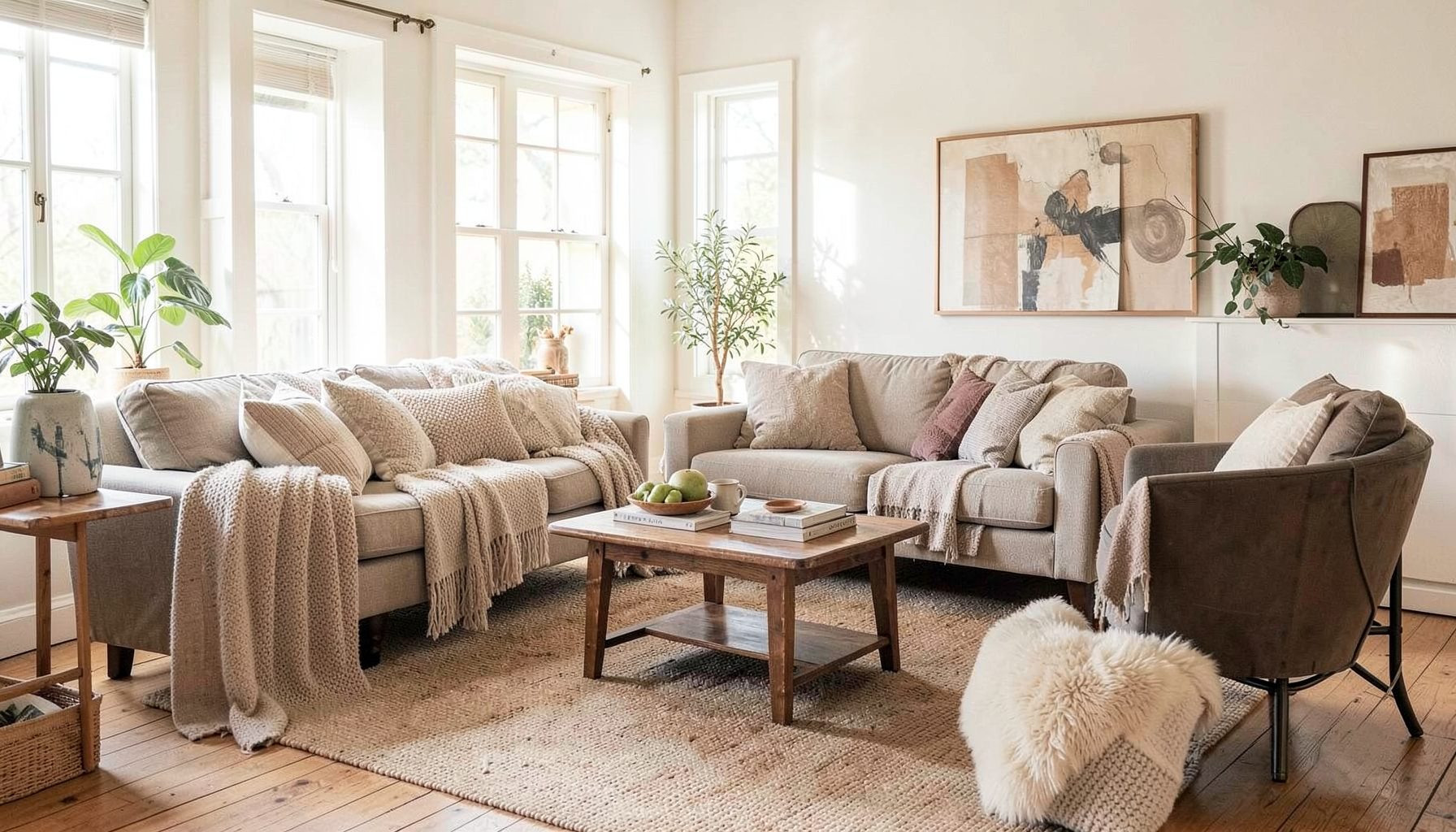
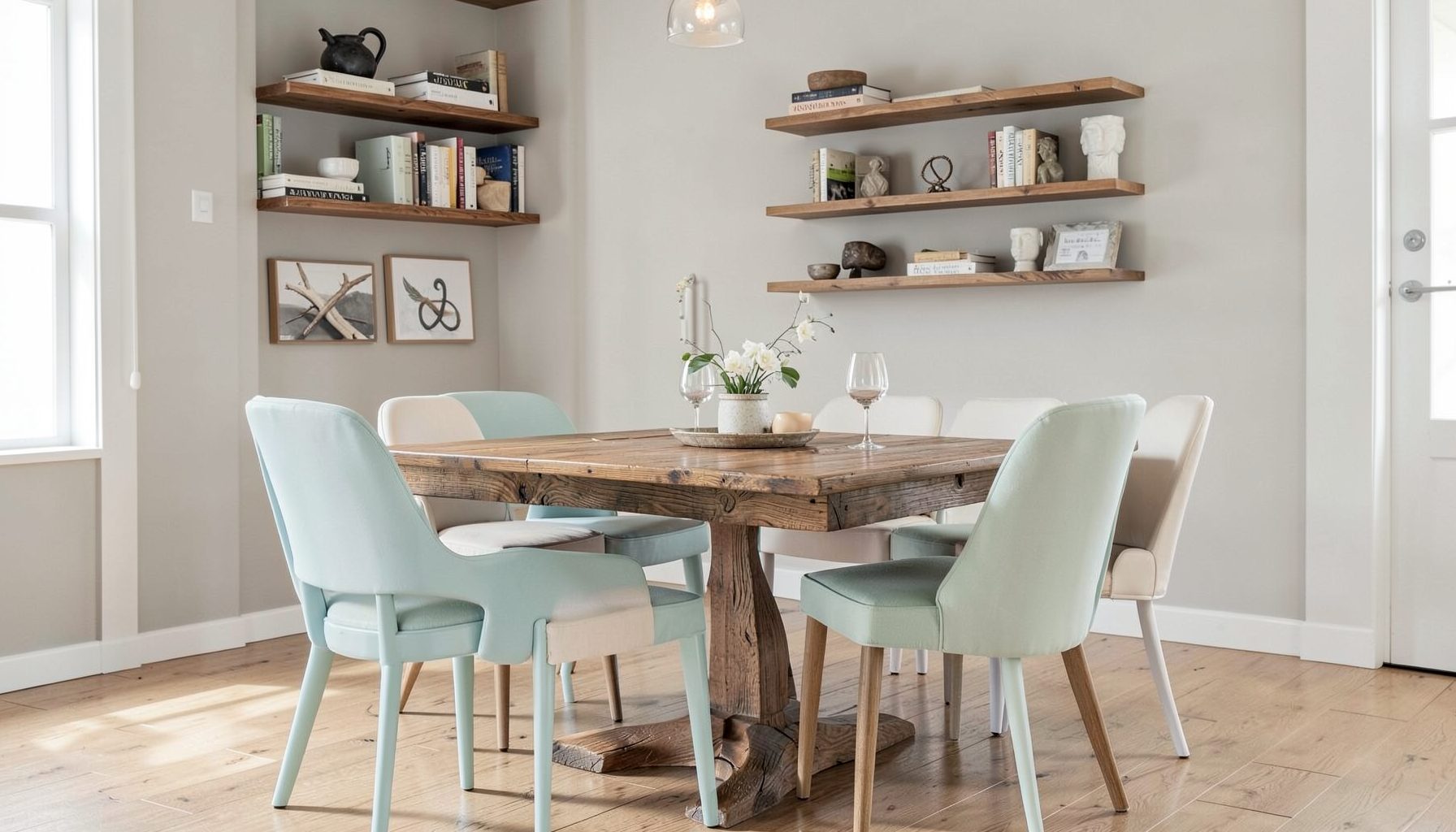
Full-service decorating that blends high and low, vintage finds with modern pieces for spaces that feel personal and collected.
Learn More
DIY Projects
Step-by-step tutorials for refinishing furniture, sewing pillows, styling bookshelves, and transforming rooms on a budget.
Learn More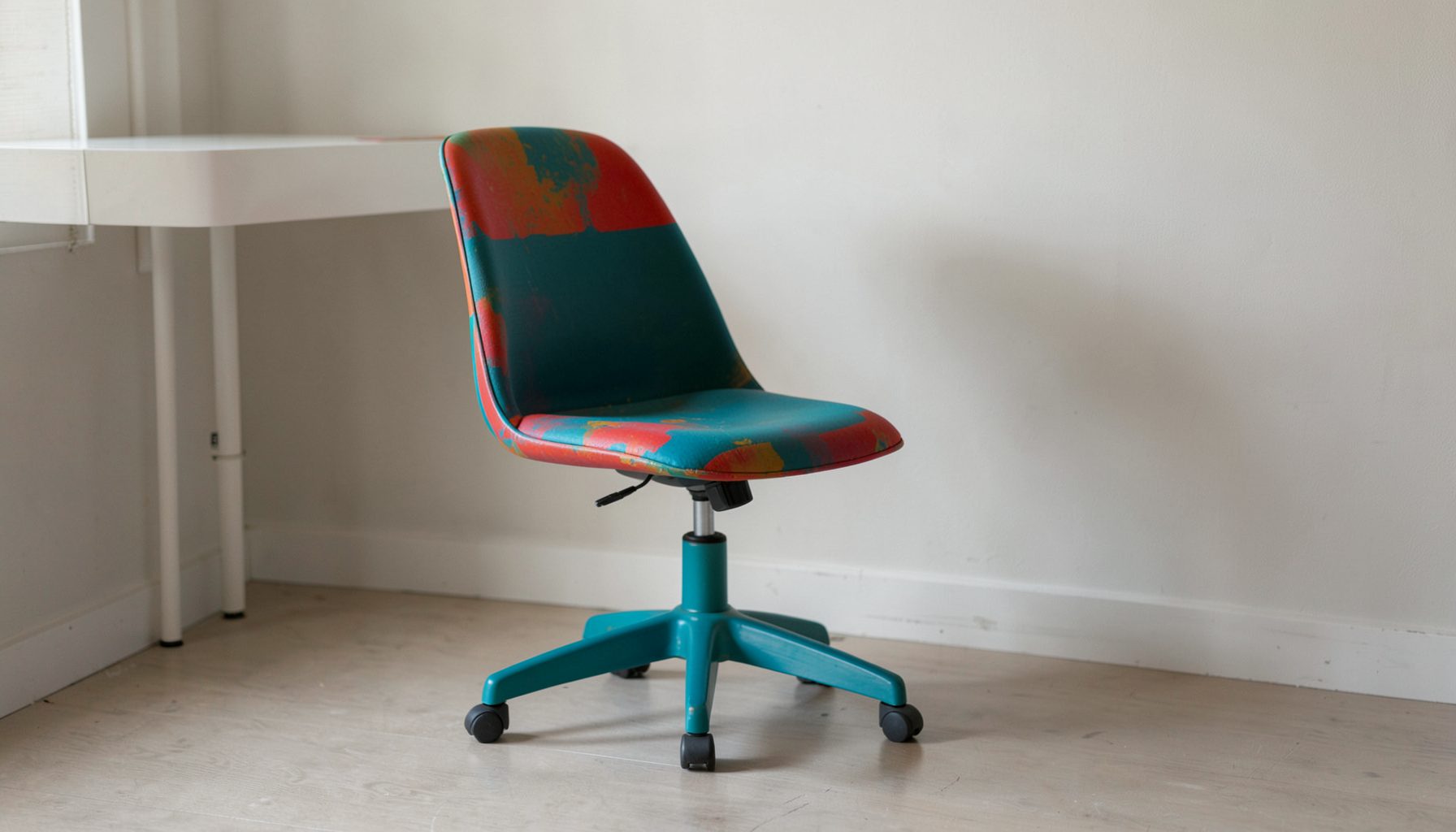
E-Decorating
Personalized design guidance delivered online — perfect for clients anywhere in the world who want a professional eye.
Learn More
Portfolio
Browse completed room makeovers, before-and-after transformations, and styling projects from Bay Area homes.
Learn More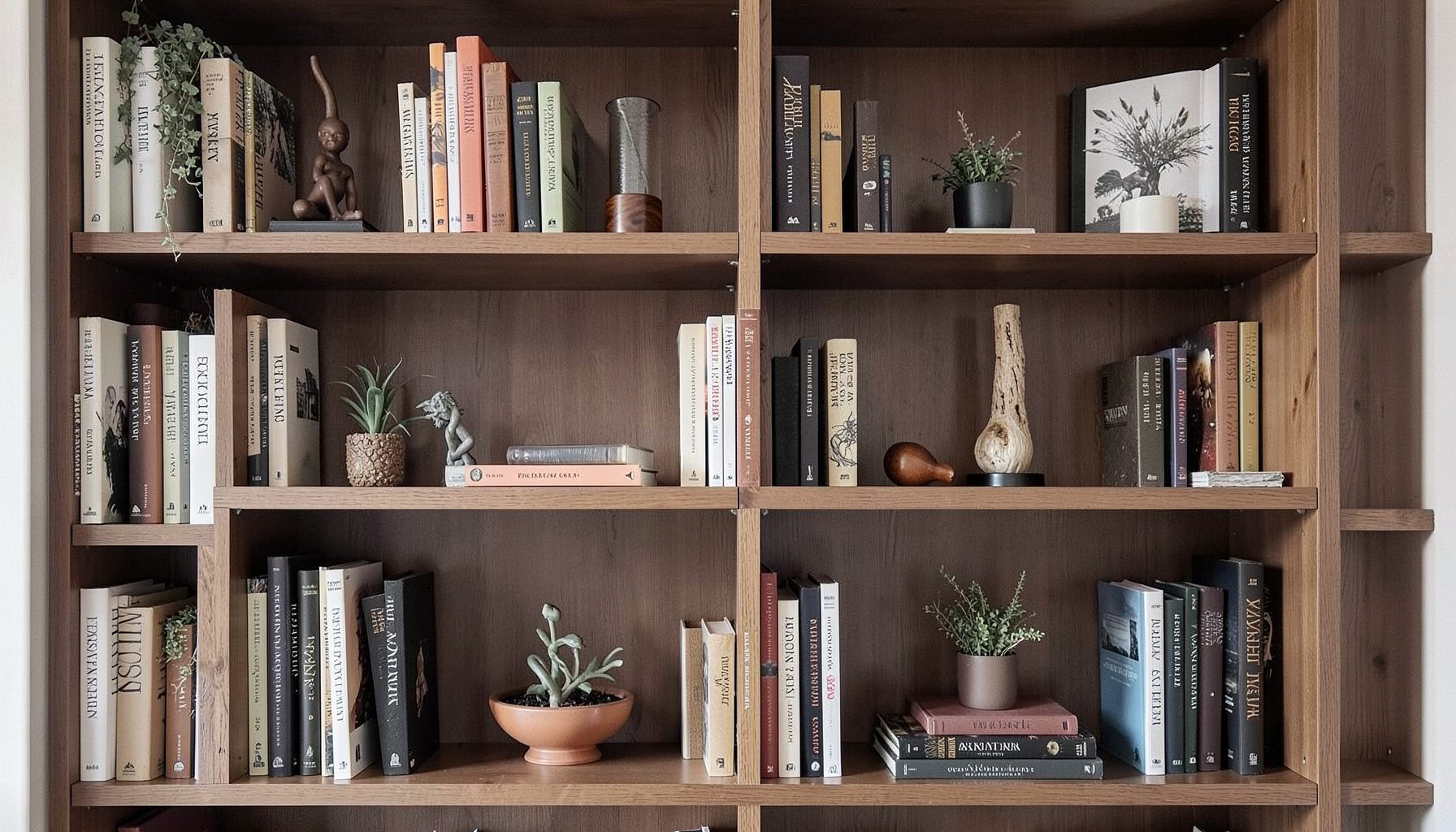
Blog
Interior design inspiration, fashion finds, entertaining ideas, and peeks into real home renovations and styling projects.
Learn More
Downloads
Free curated resources for home decorating and design — guides, checklists, and inspiration to help you get started.
Learn MoreA considered update for a builder-grade bathroom
Updating a builder-grade bathroom with a new vanity mirror and sconces can change the entire feel of the room without replacing every tile, tap and cabinet. The right combination adds proportion, warmth and personality, turning a predictable bathroom into one that feels deliberately designed.
This is especially useful in Australian homes, where many bathrooms have the same white wall tiles, glossy laminate vanity and broad, frameless mirror. Whether the property is a compact Melbourne terrace, a Brisbane family home or a newer apartment in Sydney, a focused lighting and mirror update can deliver a noticeable result within a controlled renovation budget.
The most successful approach is to treat the vanity wall as a composition. The mirror, sconces, basin, tapware, wall colour and accessories should relate to one another, while still leaving room for the collected, personal details that keep the space from looking like a display suite.
Start with the existing bathroom
Before shopping, measure the vanity, wall height, basin position and distance between nearby walls. Record the location of power points, plumbing connections and any shaving cabinet. A mirror that looks generous online may feel oversized once it sits above a deep basin, while a narrow design can make a standard vanity appear even more basic.
Look closely at the elements worth keeping. If the cabinet doors are sound, new handles and a fresh coat of suitable enamel may be enough. Existing tiles can often stay in place when the mirror frame, lighting and accessories introduce a stronger visual direction. Replacing everything at once is rarely necessary for a simple bathroom makeover.
Australian housing brings a few practical details into this assessment. Older homes may have uneven walls, tight ceiling heights or vanity plumbing that does not align with current flat-pack sizes. In apartments and strata properties, changes to wiring, waterproofing or shared walls may require approval before a tradie begins work. Check these constraints early rather than choosing fittings first.
Choose a mirror with the right proportions
A rectangular mirror with a slim metal frame is a reliable choice for a standard vanity. It gives a bathroom a tailored edge without competing with the tile grid. A soft arch, pill shape or rounded rectangle can make a hard-edged builder-grade scheme feel more inviting, particularly when the vanity has square doors and a boxy benchtop.
As a general guide, the mirror should be slightly narrower than the vanity or close to its width, allowing the wall lights to sit comfortably on either side. If sconces are going above the mirror, the mirror can extend closer to the vanity edges. Centre it to the basin rather than automatically centring it to the wall, especially where a toilet, shower screen or doorway creates an asymmetrical layout.
Frameless mirrors are still useful when the room is small or already visually busy, but they need another detail to provide character. A brass, aged bronze, black or timber frame can act as the bridge between the vanity and the rest of the home. For a relaxed Australian coastal or contemporary look, a lightly curved frame often feels less severe than polished chrome.
The mirror also needs to suit daily use. A mirrored shaving cabinet offers valuable storage in a compact ensuite, while a decorative mirror works better when the vanity already has drawers and the household does not need every centimetre of concealed space. Consider demisting technology if the bathroom is poorly ventilated, and confirm that the product is designed for a humid wet-area environment.
Place sconces for useful, flattering light
A ceiling downlight alone tends to cast shadows beneath the eyes and chin, making morning routines less pleasant. Wall-mounted sconces beside the mirror provide a more balanced layer of illumination and make the vanity wall feel finished. Opal glass shades, linen-look diffusers and ribbed glass are particularly effective because they soften the light rather than creating glare.
For many bathrooms, placing the centre of each fitting around eye level works well, but the correct position depends on the people using the space and the height of the mirror. The light should illuminate the face from both sides without sitting so close to the glass that it creates hot spots. If the wall is narrow, a vertical sconce can be more practical than a wide fitting with an exposed globe.
A qualified electrician should confirm the required clearances and the appropriate IP rating for each fitting. In Australia, wet-area electrical work must follow local regulations, and a licensed professional is the right person to assess the bathroom zones, switch placement and existing circuit. An electrician can also check whether the wall structure will support the fitting and whether an old power point needs relocating.
Colour temperature matters as much as style. A warm-neutral LED around 2700K to 3000K is generally comfortable and flattering, while very cool white light can make white tiles look blue and clinical. A dimmer may be worthwhile if the same bathroom needs bright task lighting in the morning and softer illumination during a late-night visit.
Coordinate finishes without making them match
A bathroom does not need every metal finish to be identical. Mixing two finishes can make a new vanity mirror and sconces feel more considered, provided each finish has a clear role. For example, aged brass sconces can relate to brass cabinet pulls, while a chrome tap remains because it is in good condition. Black framing may connect the mirror to a shower screen or window frame.
Aim for repetition rather than perfect matching. If a bronze mirror frame appears once, repeat a similar depth of tone in the light fittings, tapware or a small accessory. Too many unrelated finishes create visual noise, especially in a compact room with extensive wall tiling. Samples viewed together in the actual bathroom are more reliable than judging colours under a showroom’s bright lighting.
This is where a layered decorating approach adds value. A plain white vanity can look elegant with a patterned Roman blind outside the splash zone, a timber stool, a ceramic vessel and artwork suited to humidity. Browse design inspiration for ways to combine vintage character with current pieces, then adapt those ideas to the scale and practical demands of an Australian bathroom.
Keep high-maintenance materials away from constant splash. Unsealed timber, porous stone and ordinary framed artwork may deteriorate near a basin or shower. Look for sealed finishes, moisture-resistant prints and washable textiles, and remember that a beautiful object is only successful when it can cope with the way the room is actually used.
Prepare for installation and Australian conditions
A good order of work prevents unnecessary damage. Confirm the mirror and sconces’ final dimensions before patching walls or drilling tiles. If the existing mirror is glued to the wall, removal can damage plasterboard or tiles, so allow for repairs and use appropriate safety equipment. A glazier may be needed for a large or bonded mirror, particularly when access is difficult.
Australian standards and product instructions deserve attention here. Bathroom mirrors should be suitable for the environment, and safety glass may be required depending on size, position and proximity to doors or circulation areas. Ask the supplier for installation guidance rather than assuming an ordinary household mirror is appropriate above the vanity.
Ventilation is another practical consideration. A new mirror will not solve condensation caused by a weak exhaust fan, and persistent steam can damage cabinet edges, paint and light fittings over time. In humid parts of Queensland or northern New South Wales, good extraction and a clear gap beneath the bathroom door are especially important. Even in a dry climate, run the fan during showers and for a period afterwards.
If the property is a rental or an apartment, keep records of approvals, invoices and electrical certificates. In a renovation-heavy market, qualified trades can be booked well ahead, particularly around the Christmas and New Year period. Ordering the mirror and lights before the electrician arrives reduces the risk of installing wiring at the wrong height or discovering that a preferred fitting is on backorder.
Add the details that make it feel finished
Once the practical work is complete, resist filling every surface. A bathroom feels more polished when a few useful objects are given room to breathe. A small tray can hold hand wash and moisturiser, while a lidded container keeps spare cotton products or hair ties out of sight. Choose forms that echo the mirror shape, such as a rounded ceramic dish beneath a pill-shaped mirror.
Textiles can bring softness to a room dominated by tile and glass. A washable bath mat in a subtle stripe, a hand towel in rust, olive or warm sand, and a simple shower curtain can make a neutral bathroom feel less generic. In a family home, select durable fabrics and colours that can handle regular washing rather than treating the room like a rarely used guest ensuite.
Plants need a little care in bathrooms. A cast-iron plant, bird’s-nest fern or trailing pothos may suit a bright, humid space, while a low-light room may be better served by a quality faux stem. Keep greenery away from direct water and make sure pots have a waterproof saucer. This small touch can soften a hard renovation without adding another permanent finish.
Finally, view the vanity wall from the doorway, the shower and the basin. The mirror should feel centred, the sconces should provide even light and the accessories should support the room rather than obstruct it. A simple builder-grade bathroom can look custom when its proportions are right and its details reflect the people who live there.
Begin by measuring the vanity wall, photographing the existing fittings and marking the basin centreline, then place those measurements beside three shortlisted mirrors and sconces before buying anything.

Recent Projects