Interior Design
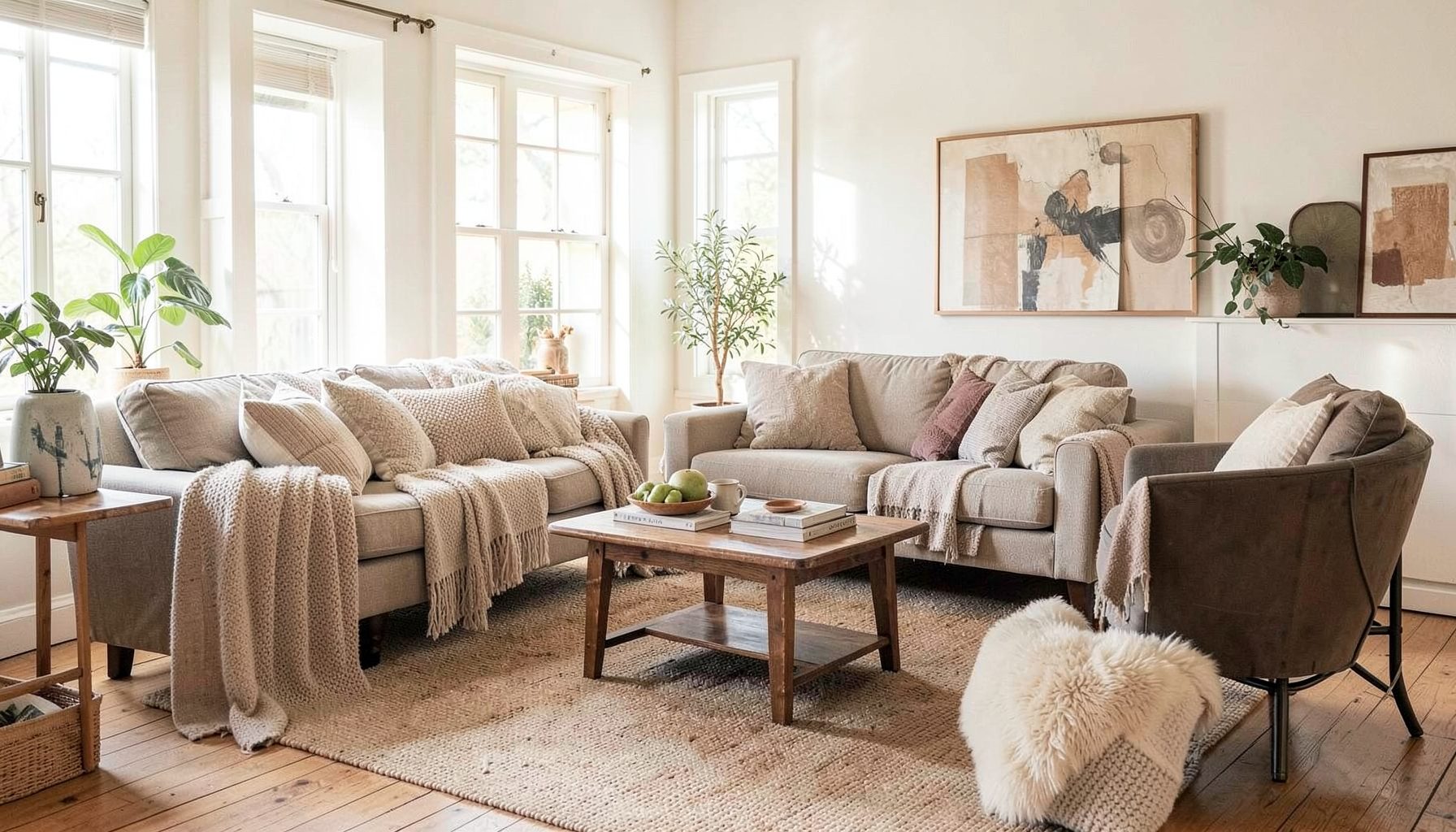
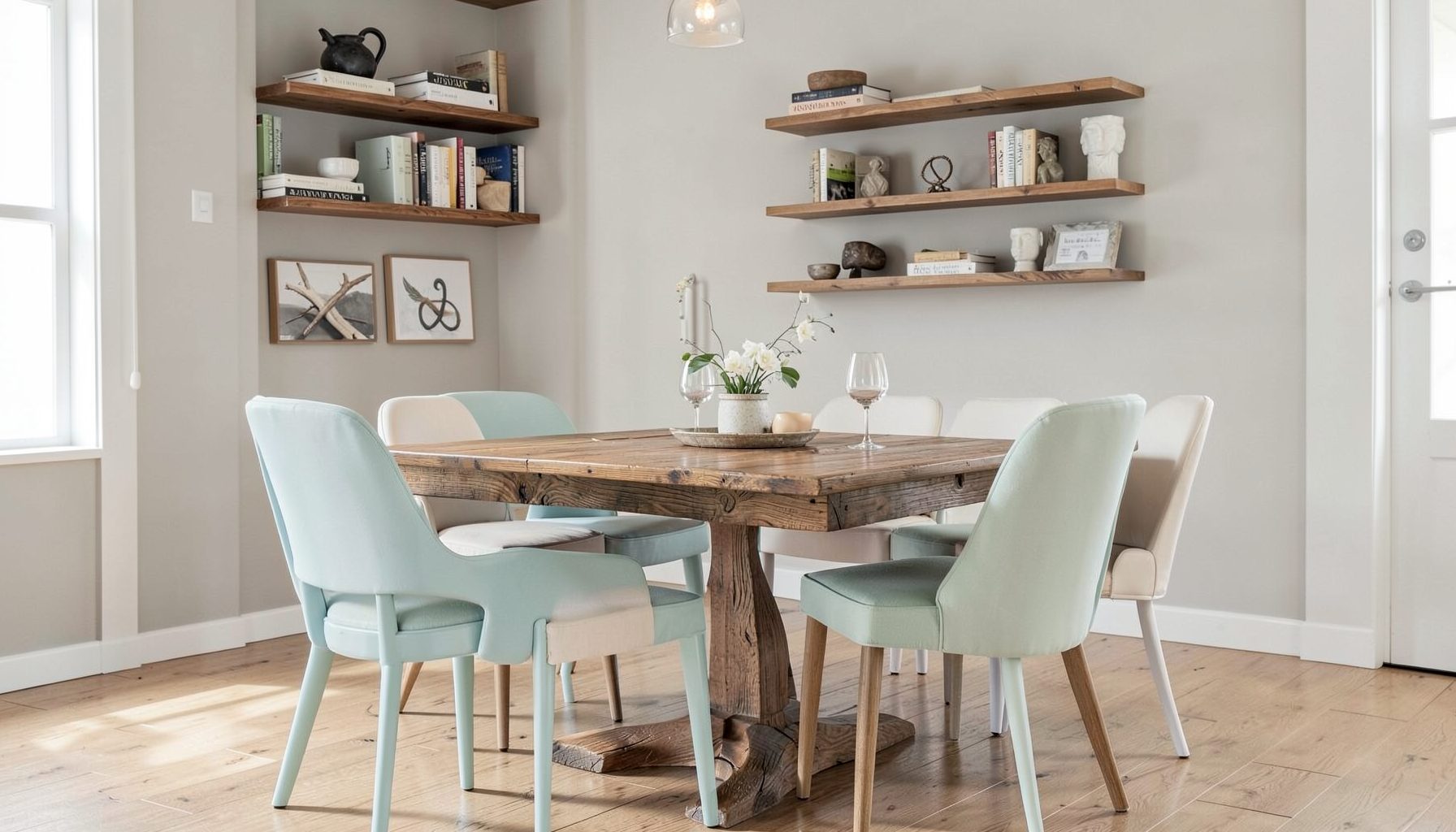
Full-service decorating that blends high and low, vintage finds with modern pieces for spaces that feel personal and collected.
Learn More
DIY Projects
Step-by-step tutorials for refinishing furniture, sewing pillows, styling bookshelves, and transforming rooms on a budget.
Learn More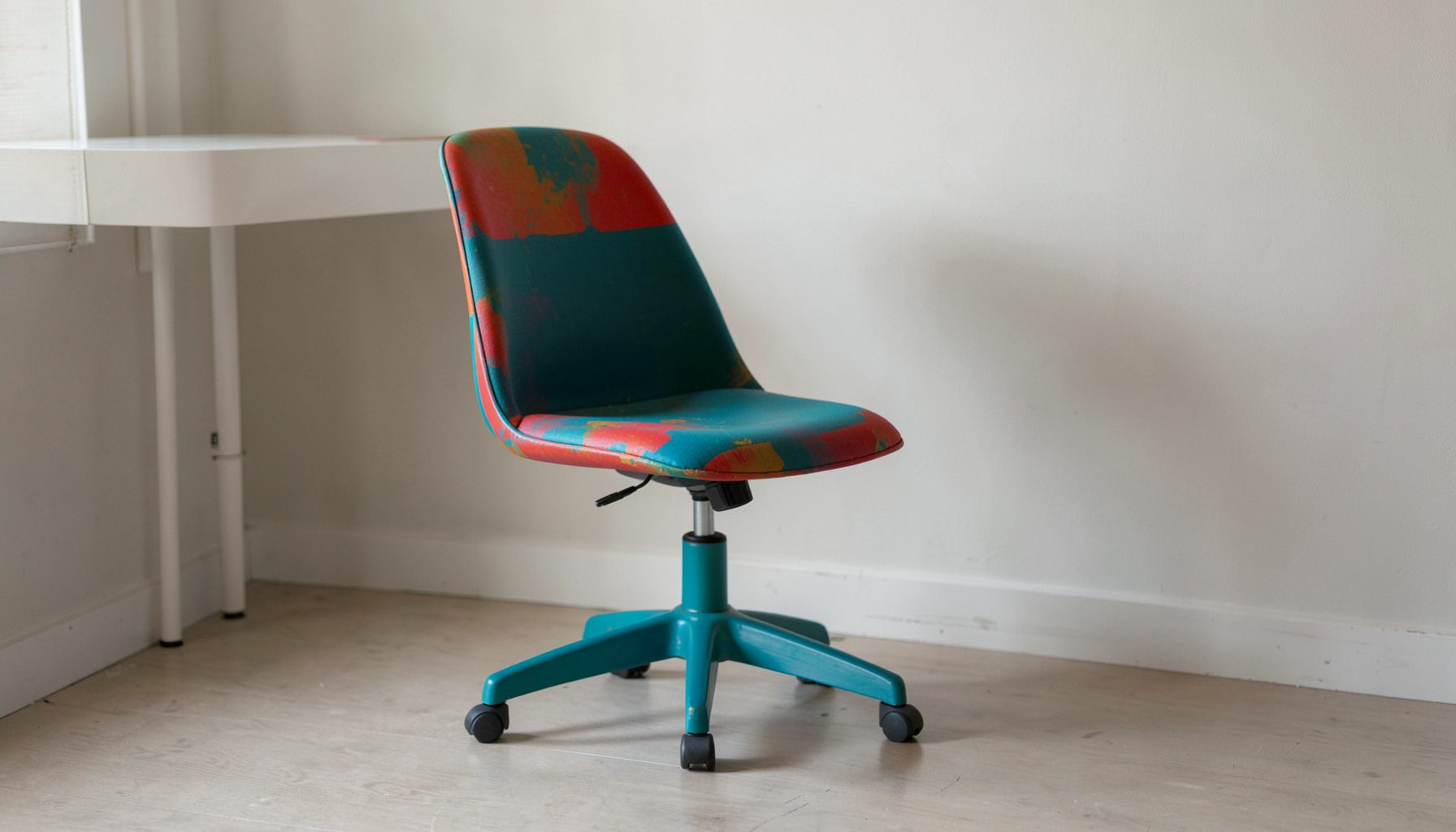
E-Decorating
Personalized design guidance delivered online — perfect for clients anywhere in the world who want a professional eye.
Learn More
Portfolio
Browse completed room makeovers, before-and-after transformations, and styling projects from Bay Area homes.
Learn More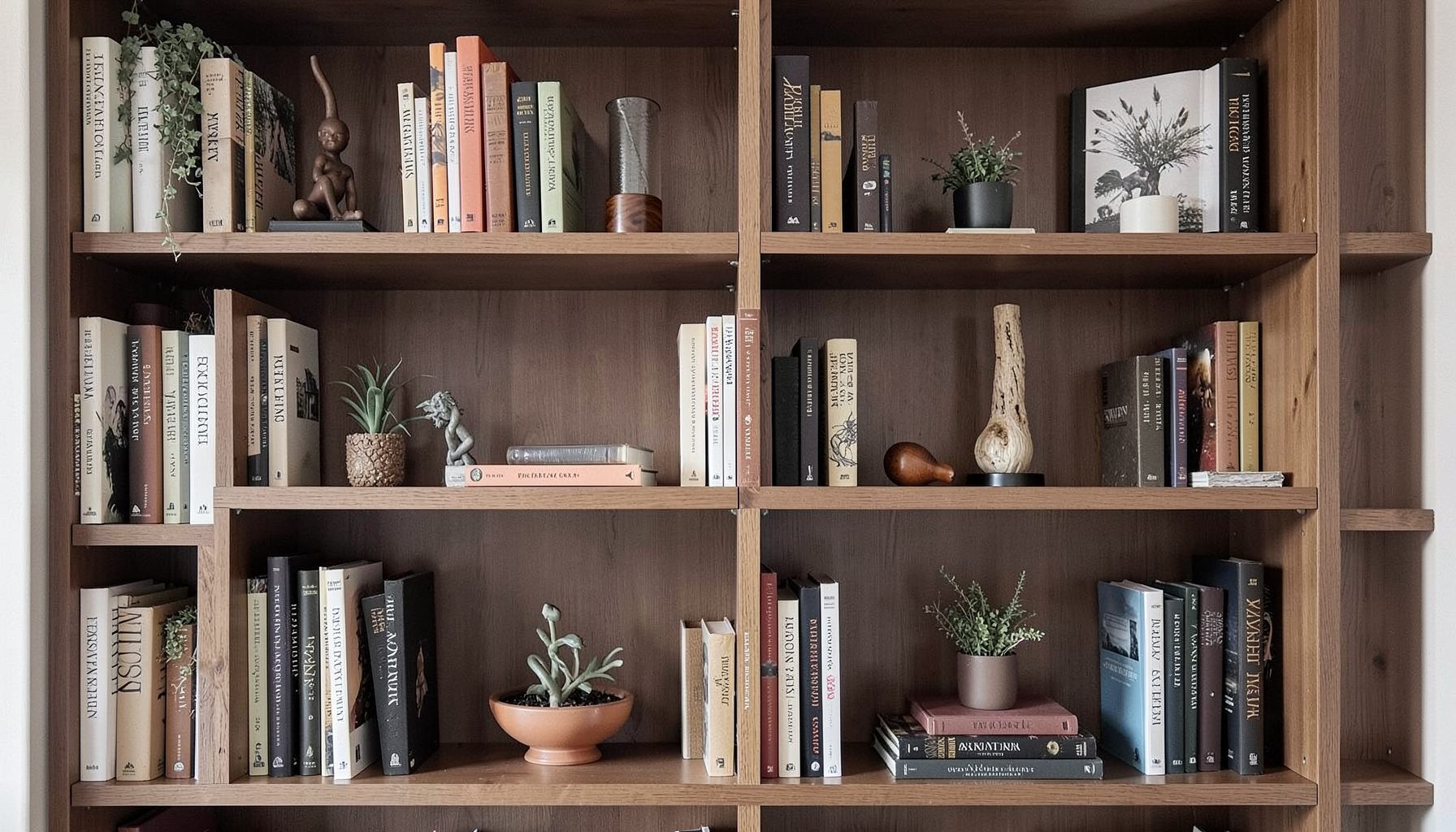
Blog
Interior design inspiration, fashion finds, entertaining ideas, and peeks into real home renovations and styling projects.
Learn More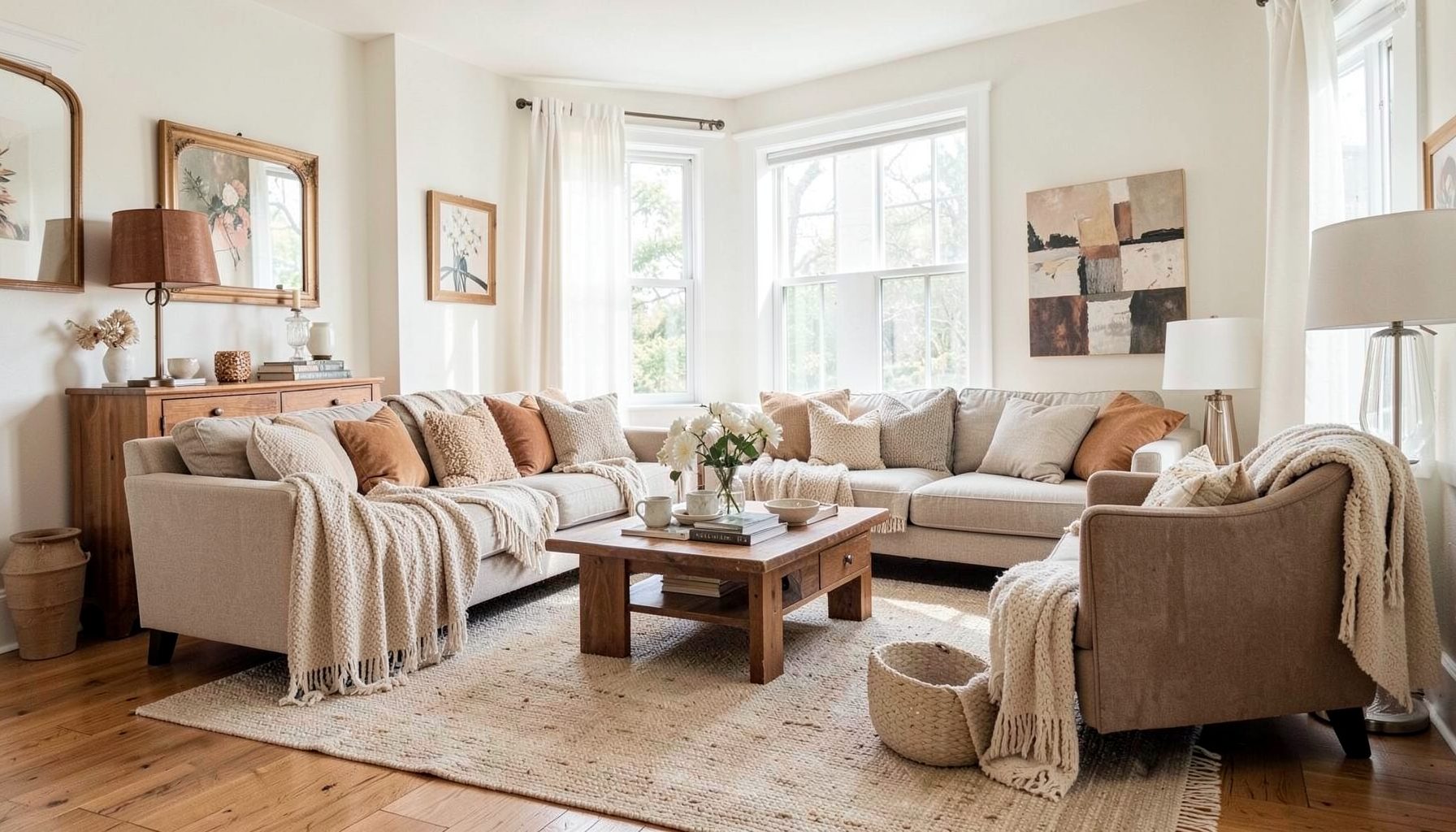
Downloads
Free curated resources for home decorating and design — guides, checklists, and inspiration to help you get started.
Learn MoreTransforming a plain door with paint and a statement doorknob
An uninspired front door can make even a carefully planned home feel unfinished. A fresh coat creates a clean surface, while a sculptural doorknob adds texture, scale and a focal point without replacing the whole entry. The best result feels collected rather than staged: colour, craft and practical details that reflect the people living behind it.
A successful door makeover works like a miniature room refresh. Paint shifts the mood, and hardware acts as jewellery for the entrance. Maggie Rose Interiors approaches both choices as opportunities for layered personal style. This approach suits Australian homes, where the front door often opens directly into a hall, living area or screened porch.
Read the room before choosing a colour
Begin with the architecture rather than the colour chart. Notice where the door faces the street, how much daylight reaches it and which furnishings remain visible from the entrance. A dark front door can look rich beside pale walls but almost black in a dim hallway, while a light shade may disappear against cream joinery.
Australian daylight rewards careful testing. Sydney and Brisbane can cast strong sun and sharp shadows across an entry, Melbourne often has cooler, softer light, and Adelaide’s dry brightness can reveal paint texture. Carry each large sample to the door at different times of day, then check it under the hallway’s artificial lighting as well.
Test the colour on the door itself whenever possible. A sample pot shows the finish and opacity that a paper or fabric chip cannot. Watch the door through its full movement, because raking light can reveal uneven brushwork, missed edges and differences between the face and edge of the door.
Build a palette from the whole entry
Build the palette around fixed elements such as flooring, skirting, wall colour and any visible stone or timber. Repeat one of those colours in the paint to make the entrance feel connected, then introduce the doorknob as its contrasting detail. Navy with aged brass feels classic, soft sage with matte black feels current, and warm white with brushed nickel suits a restrained interior.
Let the hardware influence the paint choice. A warm metallic finish can make grey look richer, while black hardware sharpens a muted wall colour. You do not need matching pieces everywhere. The Maggie Rose Interiors philosophy works well here: combine vintage and modern elements, luxury details with affordable finds, and let each piece have a clear role.
The Australian decorating market makes this mix practical. Dulux, Taubmans and Porter’s offer broad ranges of durable coatings, while Bunnings and local hardware stores stock lever handles, locks and accessories in common Australian sizes. Architectural salvage shops, antique fairs and online marketplaces can provide older brass or bronze pieces, but check their dimensions before committing to a coordinated scheme.
Choose paint that suits the door and its use
Choose the paint system for the location, not simply for the colour. A water-based acrylic interior paint is easy to clean and generally has less odour, while exterior-grade acrylic needs added resistance to UV exposure, weather and movement. If the door separates a porch from a conditioned interior, use the finish specified for the exposed side and allow for different drying conditions on each face.
Coastal locations add another consideration. Humid weather in parts of Queensland and New South Wales can encourage rust around poorly protected fixings, while salt-laden air may pit cheaper metal hardware. Exterior metal components and screw heads should be sealed, and a durable hardware finish will preserve the appearance for longer.
Sheen affects how the colour performs. Satin or semi-gloss is forgiving on an active entrance because it resists marks and reflects light; a deep matte finish looks sophisticated but can emphasise fingerprints and uneven preparation. Always follow the primer, topcoat and overcoating instructions printed on the Australian product label.
Find a doorknob with presence and purpose
A statement doorknob should be visible from several metres away without overpowering the door. Sculptural brass, fluted metal, darkened bronze and geometric glass can provide that presence. Look for quality in the movement and finish rather than size alone, since a small, well-made knob often has more impact than oversized hardware with a thin mechanism.
Measure before ordering. Record the distance from the door edge to the spindle, the diameter of the existing rose, the door thickness and the length of the spindle required. Imported statement hardware may use a different backset from Australian locks, so compatibility matters. A clear photograph and a simple measurement diagram can prevent an attractive knob from becoming an unusable ornament.
Consider grip and daily movement as well. A round globe knob looks elegant but can be harder to operate with wet hands, shopping bags or mobility limitations. A lever handle may be more comfortable, while a knurled or shaped knob offers texture without sacrificing visual impact. Check the closing action and make sure the hardware suits the door’s handing.
Coordinate the hardware beyond the knob
The knob should belong to a complete hardware family. Match its finish with the lock cylinder, deadbolt, strike plate, hinges and any visible multipoint locking components. A decorative knob cannot compensate for a mismatched escutcheon or old, tarnished hardware, and changing the visible front piece without aligning the internal mechanism can leave the door feeling visually unfinished.
Australian front doors commonly work alongside security screens, and the two need enough clearance. A projecting knob can catch a screen or stop the door from opening fully, while a replacement spindle can conflict with multipoint locking. Test the combination before final installation, especially if the entry receives frequent deliveries, visitors or children coming home from school.
Carry the colour into nearby styling so the doorway remains part of the home. A small artwork, vintage mirror, narrow console or textured runner can frame the new hardware without turning the entrance into a display. If the door opens beside a compact powder room, the principle in style a powder room is to let one repeated colour link the spaces while each room keeps its own character.
Prepare, paint and install without drama
Protect the surrounding floor and move nearby furniture before starting. Remove the hardware, photograph its position and mark the inside and outside faces of the door. Clean the surface with a suitable degreaser, fill old holes and damaged areas, sand any raised edges and brush away the dust with a tack cloth.
Mask the edges and any glass or mail slot, then apply the primer recommended by the paint manufacturer. Bare timber, patched areas and previously painted surfaces may need different preparation. Inspect the door from both sides for runs or missed sections before moving on to the topcoat, allowing each layer to dry according to the label.
Brush or roll the finish in even sections, working from the top down and keeping a wet edge where possible. Keep brush marks consistent, but remember that the aim is a smooth surface rather than perfect visual uniformity. Paint the edges separately and use a small brush for the detailed corners around panels or mouldings.
Reinstall the hardware with the correct fixings, following the manufacturer’s template and the orientation shown in your photograph. Check the latch, lock, key and spring action several times before hanging the door. High humidity can lengthen drying times, so allow the full recommended curing period before treating the finish as ready for normal use.
Make the change work for daily life
Check permissions before making permanent alterations. In New South Wales and Victoria, tenancy rules generally require a landlord’s written consent for changes to fixtures, although the lease may impose additional conditions. A strata property may also need owners corporation approval, especially where appearance or common property is affected. Repainting is normally cosmetic, but the National Construction Code and any certified fire-door assembly become important if the doorway forms part of a rated safety system. Local heritage rules can also affect exterior paint colours.
Once the work is approved, judge the result as part of a layered interior rather than an isolated project. The door can introduce a stronger colour, a collected object or a touch of luxury while the rest of the home remains comfortably lived in. Maggie Rose Interiors offers full-service decorating, online e-decorating, room makeovers and personalised guidance for clients who want support with the wider entrance.
Your next step is to place three sample pots beside the closed door, hold the shortlisted doorknob against each option, and check the pairing in morning and evening light before purchasing either item.

Recent Projects