Interior Design
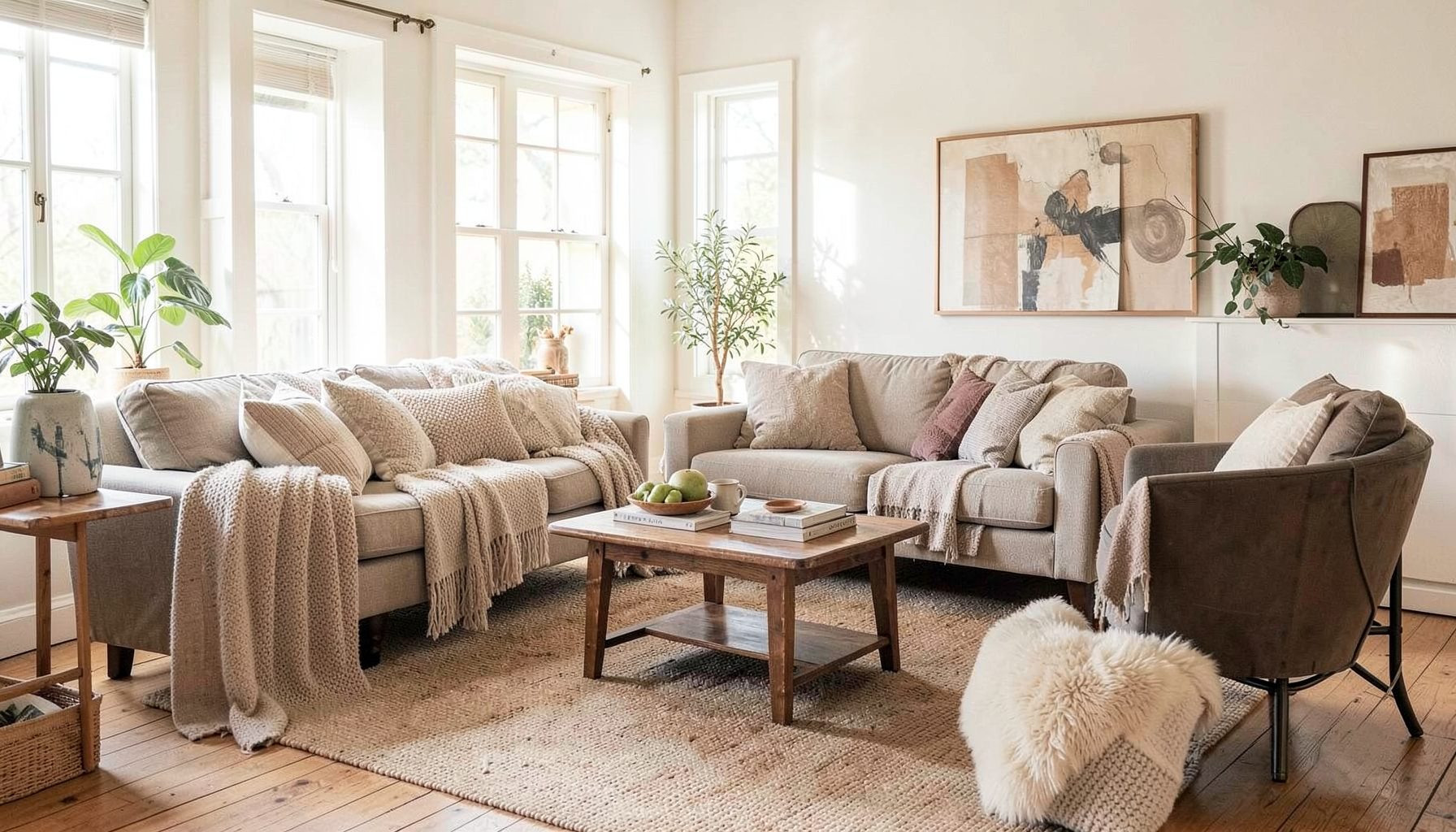
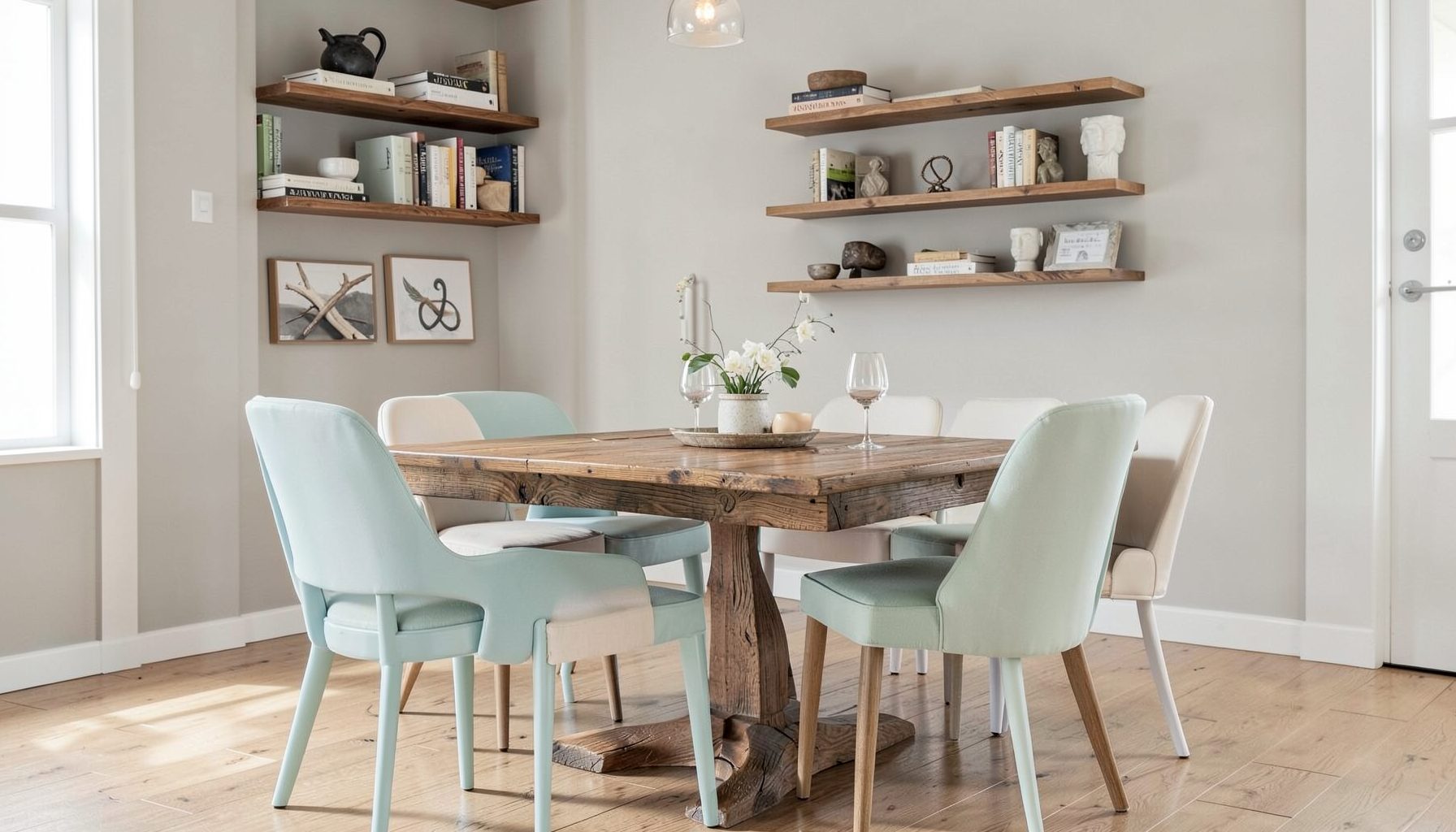
Full-service decorating that blends high and low, vintage finds with modern pieces for spaces that feel personal and collected.
Learn More
DIY Projects
Step-by-step tutorials for refinishing furniture, sewing pillows, styling bookshelves, and transforming rooms on a budget.
Learn More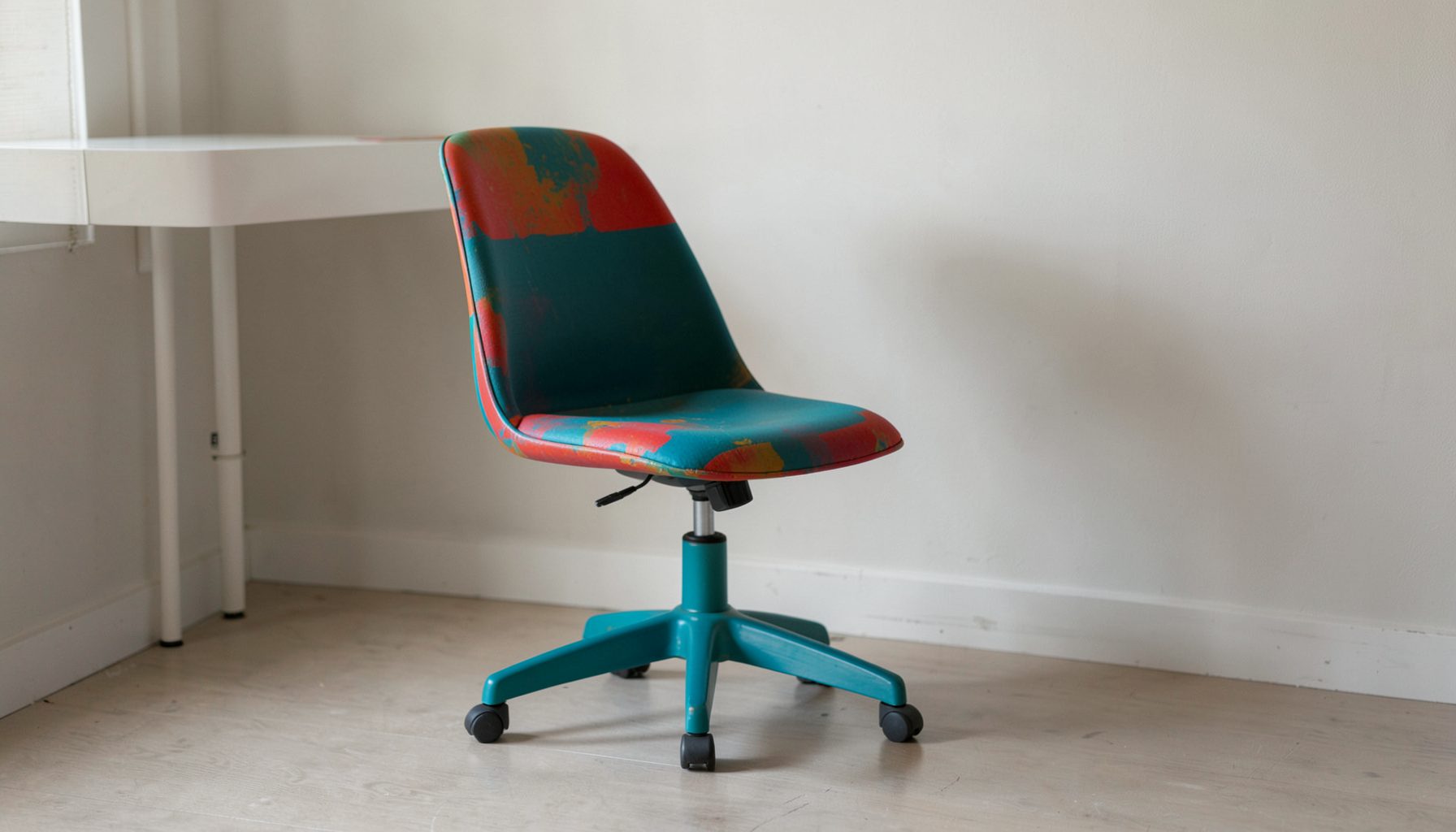
E-Decorating
Personalized design guidance delivered online — perfect for clients anywhere in the world who want a professional eye.
Learn More
Portfolio
Browse completed room makeovers, before-and-after transformations, and styling projects from Bay Area homes.
Learn More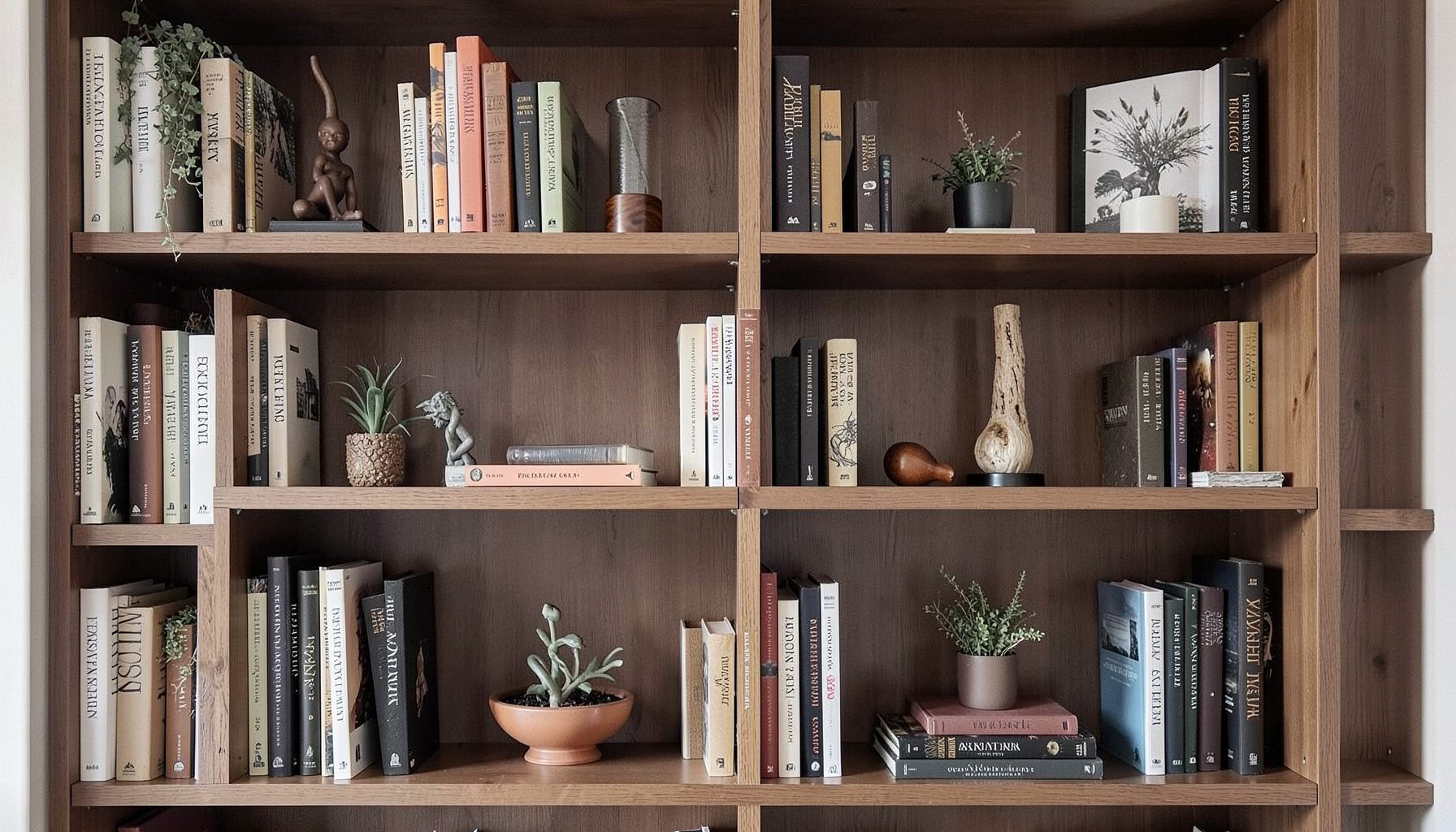
Blog
Interior design inspiration, fashion finds, entertaining ideas, and peeks into real home renovations and styling projects.
Learn More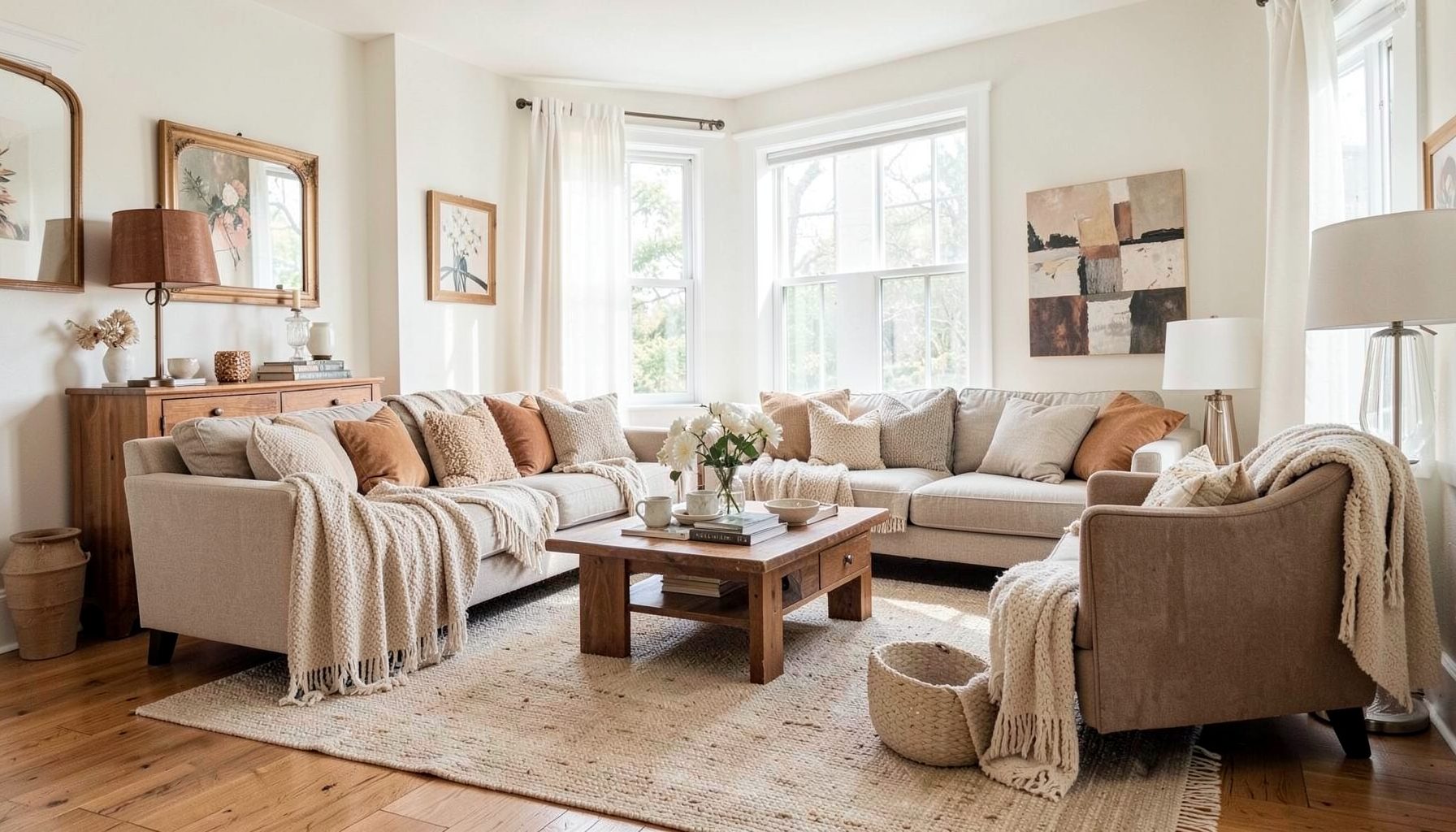
Downloads
Free curated resources for home decorating and design — guides, checklists, and inspiration to help you get started.
Learn MoreTransforming a Dated Fireplace with Limewash and a New Mantel
A tired fireplace can make an entire living room feel stuck in another decade. Yellowed brick, glossy tiles, dark timber and an oversized surround often dominate the space, even when the rest of the room has been thoughtfully furnished. Limewash offers a softer way to refresh the fire surround, while a carefully chosen mantel introduces proportion, character and a place to display meaningful objects.
This approach suits the layered look favoured by Maggie Rose Interiors: a room can combine old and new, refined and relaxed, without appearing overly matched. For Australian homes, the project also needs to account for climate, local building requirements, the condition of older properties and the practical role a fireplace plays during a Melbourne winter or a cool evening in the Blue Mountains.
Start With The Fireplace And The Room
Before choosing a colour or ordering a mantel, assess the fireplace as part of the whole room. Look at the flooring, ceiling height, window trim, built-in cabinetry and major furniture pieces. A whitewashed fireplace may feel fresh in a light-filled Sydney terrace, while a warm mushroom, putty or muted clay tone can sit more comfortably in a darker Victorian home in Melbourne.
The existing surround also needs a close inspection. Brick may have crumbling mortar, soot deposits or layers of paint. Tile can be cracked, loose or difficult to coat without extensive preparation. A timber mantel may be structurally sound but visually heavy. Photograph the fireplace in daylight and at night, then notice which elements feel dated: the colour, the shape, the scale or the surrounding styling.
The firebox itself should be treated separately from the decorative surround. Limewash belongs on porous masonry and should not be applied inside an active firebox, over metal components or across areas exposed to direct flame. If the fireplace is gas, wood-burning or fitted with an electric insert, confirm the manufacturer’s clearance requirements before changing the surround or adding combustible materials.
Prepare The Surface For A Natural Finish
Limewash is made from slaked lime and creates a breathable, softly mottled finish. It differs from ordinary wall paint because it soaks into suitable masonry rather than forming a thick film on top. The variation is part of its appeal: brush marks, tonal movement and small changes in opacity give a fireplace the impression of age without making it look artificially distressed.
Preparation determines whether that finish looks intentional. Remove dust, soot and grease with a suitable cleaner, then allow the surface to dry fully. Flaking paint needs to be scraped back, and loose mortar should be repaired before coating. Glossy painted brick may require additional preparation or a compatible mineral primer, depending on the limewash product. Always follow the manufacturer’s instructions, as premixed products vary considerably from traditional lime slurry.
Older Australian houses deserve extra care at this stage. If the fireplace, hearth or surrounding wall contains old sheet material, textured coating or suspect insulation, stop before sanding or scraping. Asbestos was used widely in Australian homes built or renovated before its phase-out, and only a licensed professional should inspect or remove suspected asbestos. A surface test and a small sample patch are also sensible when the existing coating is unknown.
Protect the floor, skirting boards and nearby furniture, and work with windows open. Lime-based products can irritate skin and eyes, so gloves, eye protection and suitable clothing are essential. Apply thin coats with a masonry brush rather than trying to create one solid, opaque layer. Several translucent coats usually produce a richer result than one heavy application.
Choose A Limewash Colour With Depth
The most successful fireplace colours are often close to the tones already present in the room. Soft chalk white can brighten a compact sitting room, but a stark white may emphasise a dated profile or make warm timber appear orange. Consider broken white, pale limestone, smoky beige, olive grey or a gentle taupe. These shades reflect light without creating the sharp contrast associated with standard renovation paint.
Test the colour on several areas of the surround and observe it through the day. Australian sunlight can be intense, especially in north-facing rooms, and a colour that seems subtle in the morning may look much brighter in afternoon sun. In a shaded Brisbane living room, a warm mineral tone can prevent the fireplace from feeling cold. In a coastal home, a diluted blue-grey may echo the landscape without turning the space into a themed interior.
Limewash becomes more nuanced as it dries, and the final appearance depends on the underlying brick or plaster. A dark substrate may require extra coats, while pale masonry can take colour quickly. Instead of trying to erase every variation, allow some of the original texture to remain visible. The goal is a calm, chalky surface that supports the room rather than competing with it.
A restrained fireplace can also provide a foundation for one unexpected detail. A saturated vase, painted object or vivid artwork may be enough to energise a neutral scheme; these bright accent ideas can help balance the quiet texture of the limewashed surround without introducing visual clutter.
Select A Mantel That Restores Proportion
A new mantel can change the character of the fireplace more dramatically than colour alone. The right design should relate to the architecture of the home and the dimensions of the room. A simple timber shelf works well in a relaxed cottage or contemporary renovation, while a stone, rendered or painted mantelpiece may suit a period terrace. A chunky reclaimed beam can add warmth, but its depth and weight need to be balanced against the fire opening.
Scale is the central consideration. A shelf that is too narrow can look accidental, while one that projects too far may overwhelm the room. The mantel should feel substantial enough to frame the fireplace, yet leave breathing room around the firebox and any adjacent doors or windows. Use painter’s tape to mark the proposed width and height on the wall before committing to a custom piece.
Australian suppliers offer a useful mix of options, from recycled hardwood and locally made timber shelves to engineered stone, natural limestone and prefabricated surrounds. Reclaimed timber can carry dents, nail holes and uneven colour, which often suits a collected interior, but it should be checked for pests, moisture damage and old finishes. A new shelf can be stained, limewashed, painted or left raw depending on the relationship between the mantel, floor and furniture.
Installation must be secure. A heavy timber or stone mantel needs suitable fixings into the wall structure, not just plasterboard. If the wall is masonry, the installer will need the correct anchors; if it is framed, the fixing points should align with studs or a properly installed support. Fire clearances vary by appliance and state requirements, so a licensed builder or qualified fireplace professional should verify the final arrangement.
Layer The Surround With Collected Details
Once the limewash has cured and the mantel is safely installed, styling should begin with restraint. A large artwork, mirror or architectural fragment can anchor the display, while smaller objects create a sense of history. Try a stack of art books, a ceramic vessel, a small framed photograph or a sculptural candleholder. Vary the heights and shapes, but repeat one or two materials elsewhere in the room so the mantel does not appear isolated.
The Australian habit of keeping living rooms adaptable is worth considering here. Many homes need to serve as a place for evening television, weekend entertaining and quiet reading, so the mantel should remain attractive without requiring constant rearrangement. Leave enough clear space for everyday use and avoid fragile objects directly above an active fire. Heat, soot and sudden temperature changes can damage artwork, timber and ceramics.
A mirror can reflect daylight in a narrow terrace, while a landscape painting may bring depth to a compact apartment in inner-city Adelaide. In a coastal home, woven baskets and pale ceramics can soften the masonry; in a Federation or Victorian property, darker timber and antique brass may reinforce the original architecture. The most convincing styling usually includes something personal rather than relying entirely on showroom accessories.
Think beyond the shelf as well. A low basket beside the hearth, a textured rug, a pair of simple fireside chairs or a tall plant can give the fireplace a finished relationship with the rest of the room. Keep combustible items away from heat sources and maintain the clearances specified for the appliance. A beautiful arrangement is still a poor result if it makes the fireplace difficult or unsafe to use.
Plan The Work Around Australian Homes
A limewashed fireplace is a manageable decorative project, but the surrounding work may involve trades and approvals. In Australia, building rules and permit requirements differ between states and councils. Altering a structural chimney, changing a combustion appliance, modifying ventilation or installing a new gas unit can trigger requirements that do not apply to a purely cosmetic surface treatment. Check with the relevant local authority and use licensed trades where the work falls within regulated areas.
Chimneys in older houses should be checked for cracks, damp, blocked flues and poor ventilation before they return to service. A non-working fireplace may still have a flue or chimney that affects moisture movement through the wall. In colder regions such as Canberra, Ballarat and the Dandenong Ranges, homeowners may be tempted to reactivate an old wood fire, but the appliance, flue and emissions requirements need professional assessment first.
The local housing market also makes flexibility valuable. In Sydney and Melbourne, period details can influence buyer appeal, yet an overly theatrical renovation may not suit a compact contemporary home. A reversible limewash finish, a freestanding mantel shelf and carefully stored original components can preserve options for future owners. In a rental, removable styling and a professional consultation may be more appropriate than permanent changes.
Allow time for drying, curing and adjustments. Humid coastal weather can slow the process, while hot, dry conditions may cause limewash to dry too quickly and become uneven. Avoid rushing the second coat or replacing furniture before the surface has hardened. Begin by booking a fireplace inspection and testing a small limewash sample on the least visible section of the surround.

Recent Projects