Interior Design
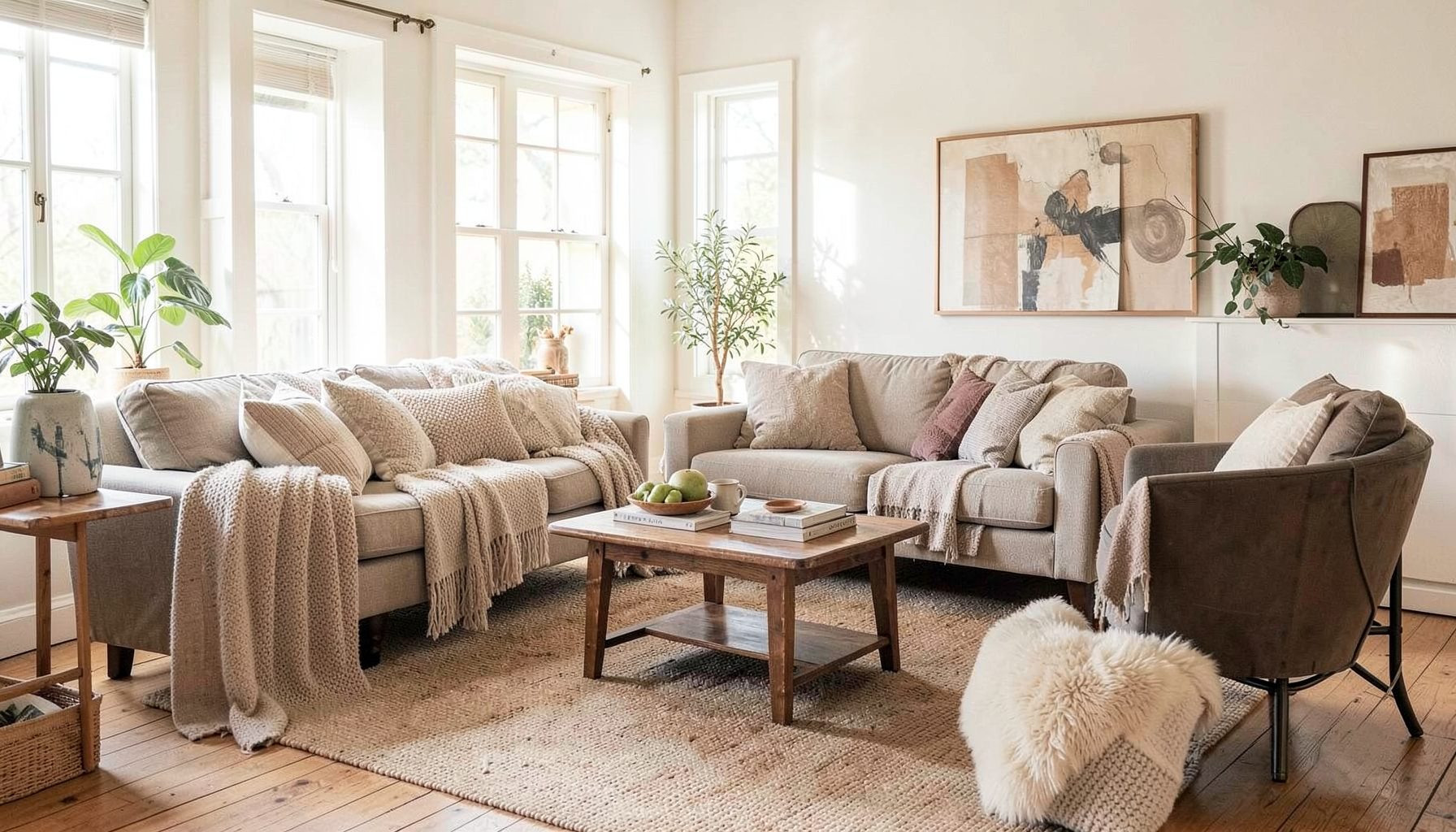
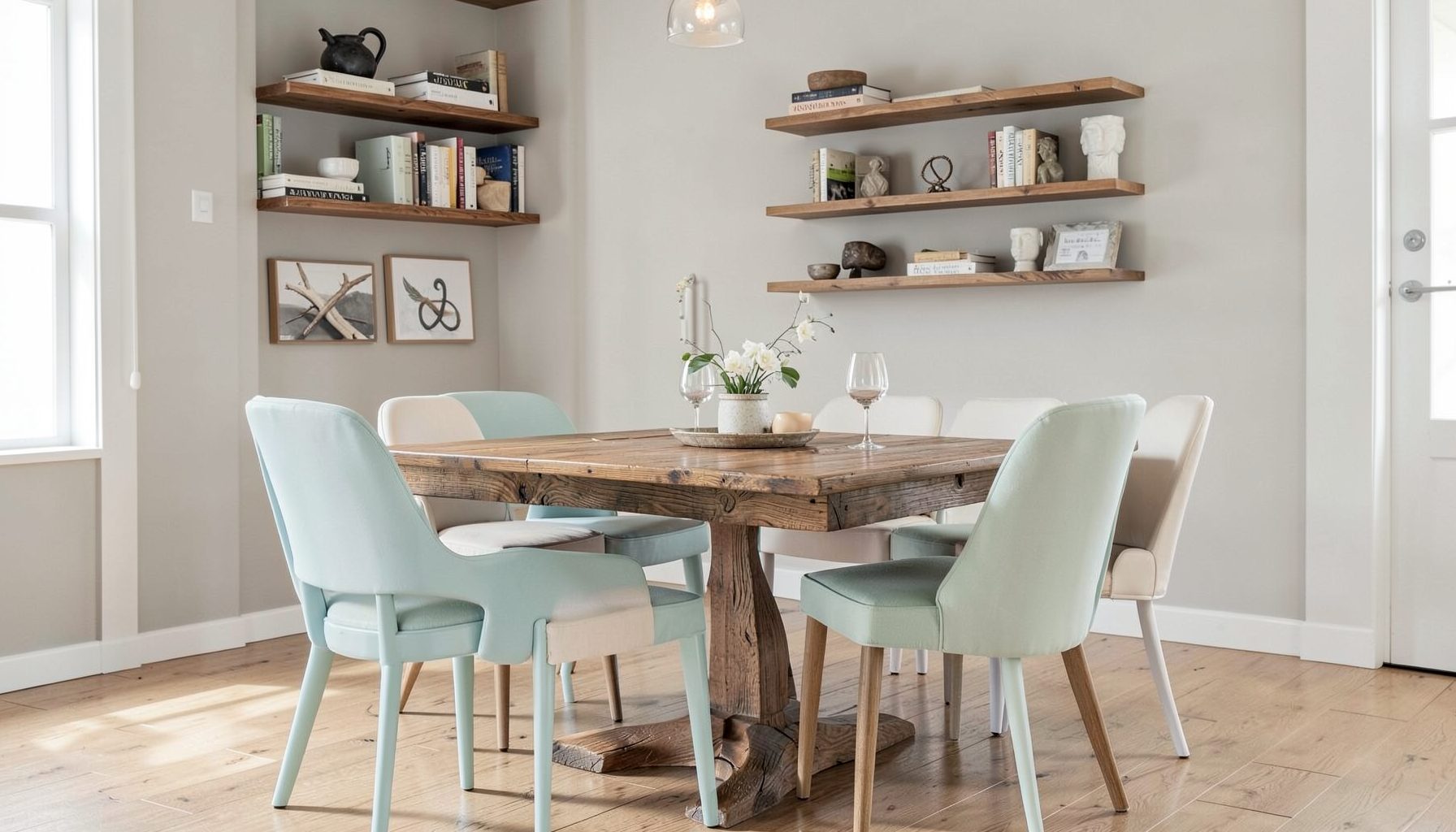
Full-service decorating that blends high and low, vintage finds with modern pieces for spaces that feel personal and collected.
Learn More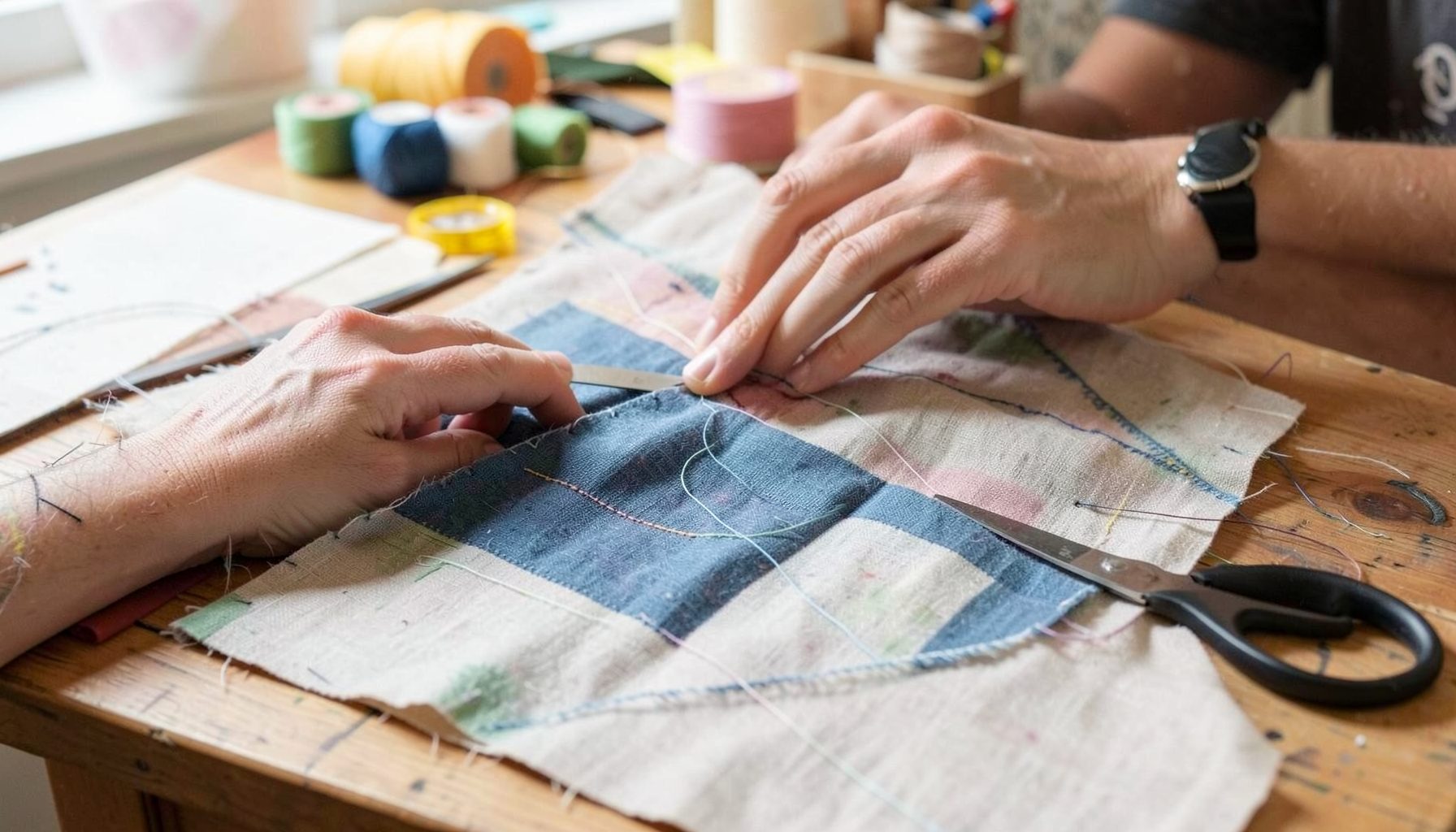
DIY Projects
Step-by-step tutorials for refinishing furniture, sewing pillows, styling bookshelves, and transforming rooms on a budget.
Learn More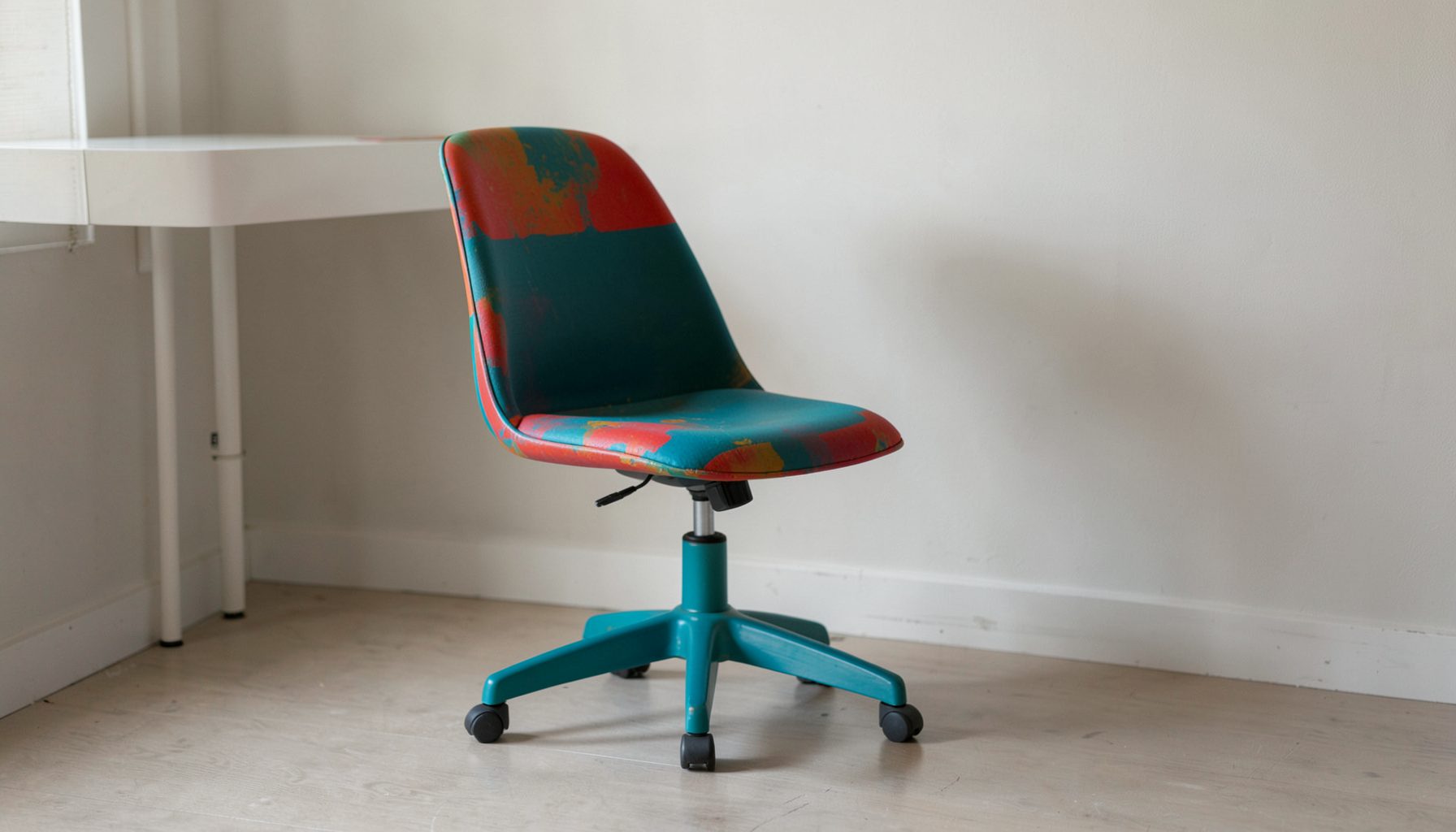
E-Decorating
Personalized design guidance delivered online — perfect for clients anywhere in the world who want a professional eye.
Learn More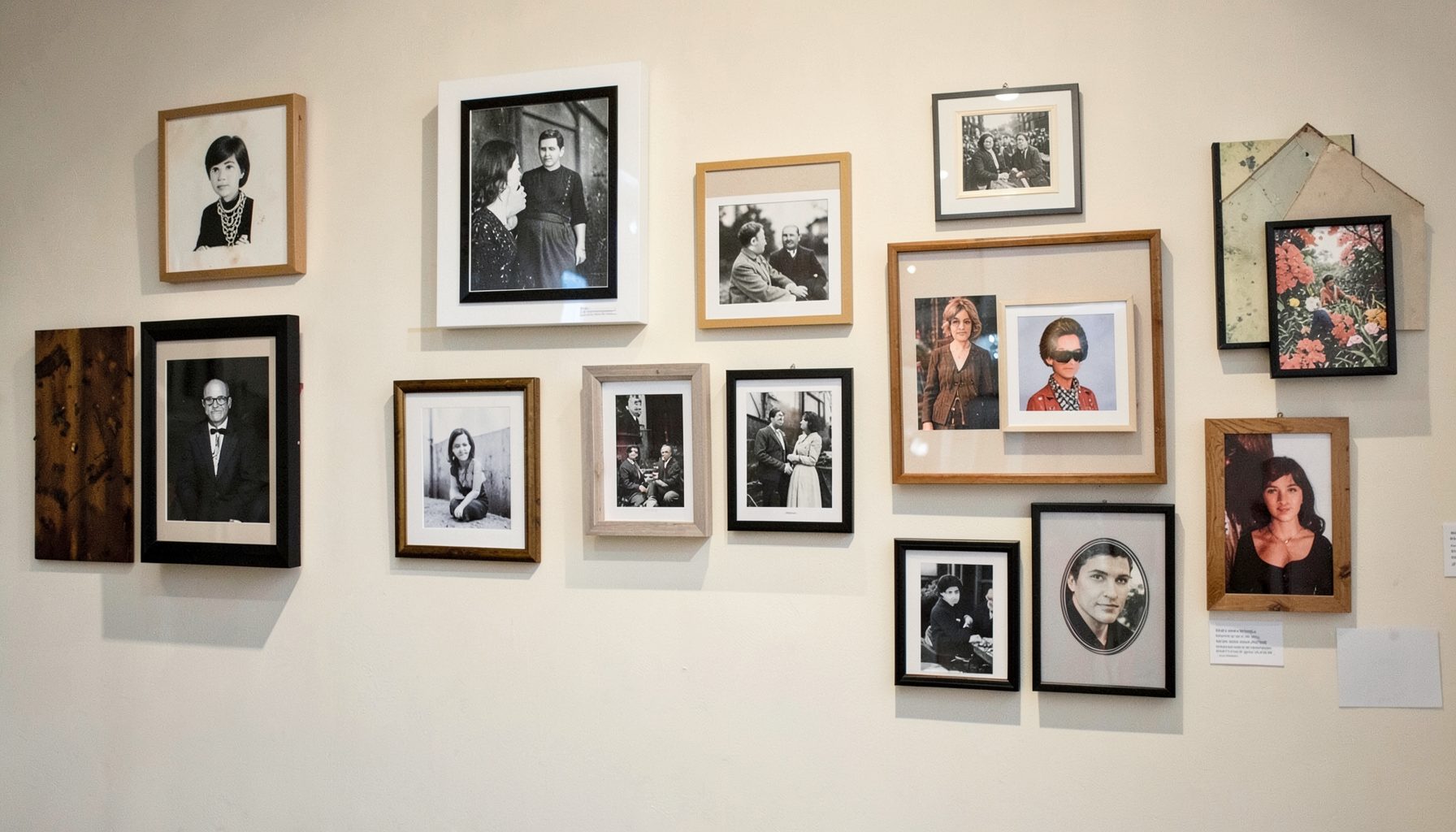
Portfolio
Browse completed room makeovers, before-and-after transformations, and styling projects from Bay Area homes.
Learn More
Blog
Interior design inspiration, fashion finds, entertaining ideas, and peeks into real home renovations and styling projects.
Learn More
Downloads
Free curated resources for home decorating and design — guides, checklists, and inspiration to help you get started.
Learn MoreTransforming a boring hallway into a gallery with LED picture lights
Most Australian homes have hallways that function as little more than thoroughfares. Whether you're navigating a narrow corridor in a Sydney terrace, a long passage in a Brisbane Queenslander, or the entry stretch of a Melbourne apartment, these zones tend to be overlooked. Yet hallways are the first thing guests see and the last thing you pass before bed. With a few well-chosen LED picture lights, that forgotten stretch of wall can pull double duty as a personal gallery, setting a sophisticated tone the moment someone steps inside.
Picture lighting has shed its stuffy museum reputation thanks to slim, energy-efficient LED designs. They run cool, which matters in a country where summer arvos can push the mercury past forty degrees and you don't want halogen fittings heating up a narrow corridor. LEDs also last for years, sip minimal power, and come in finishes that suit everything from a heritage federation home to a contemporary coastal build. The result is a hallway that feels curated, layered, and entirely yours.
Planning the gallery layout
Before you order a single light, grab a tape measure and spend a quiet Sunday mapping the wall. Hallways in Australian homes often run narrow and long, which suits a linear gallery arrangement: a single row of frames running down the centre at eye level, roughly 145 to 155 centimetres from the floor. If the corridor is wider, consider a symmetrical grid or a relaxed salon hang where frames cluster organically.
Think about sight lines from the lounge, kitchen, and front door. The hallway reads as a sequence of views, so the artwork at one end should invite you toward the next. In a Queenslander with soaring ceilings, you can play with vertical arrangements, mixing tall botanical prints with smaller black-and-white photography. In a Victorian terrace in Melbourne, lean into the heritage bones with vintage botanical studies or antique maps framed in aged timber.
Choosing LED picture lights that earn their place
Not all picture lights are created equal, and Australian conditions demand a bit of thought. Look for a colour temperature around 2700K to 3000K for a warm, inviting glow that flatters artwork and skin tones alike. A high CRI, or Colour Rendering Index, of 90 plus ensures the reds, ochres, and blues in an Aboriginal dot painting or a vibrant coastal photograph render true rather than washed out.
Sizing matters more than most people realise. The light should be roughly half to two-thirds the width of the frame it's illuminating. A tiny light on a large canvas looks apologetic, while an oversized bar floods the wall unevenly. Battery-operated LED picture lights are brilliant for renters in places like Sydney or Brisbane where drilling into brick is often off the table. Hardwired versions look cleaner but usually require a licensed sparky to meet Australian wiring standards.
Selecting art and frames with Australian character
The soul of a gallery wall lives in the mix. Pair contemporary Indigenous art with mid-century European prints, or balance bold abstracts with quiet pencil sketches. Australians are lucky enough to live among talented artists, and a weekend at a local market in Adelaide, Fremantle, or Byron Bay can yield original works at surprisingly fair prices.
When it comes to frames, resist the urge to match everything. Vary the widths, finishes, and profiles for a collected feel. Thin matte black frames sit beautifully next to chunky raw timber, while ornate gilt-edged vintage frames add warmth to a modern hallway. If you're painting the surrounding walls, the right tone makes the art sing. This guide on how to choose between painting approaches the wall colour as the backdrop rather than the star, letting your frames and lights take centre stage.
Installation without the headaches
Most LED picture lights arrive with a simple mounting bracket and a few screws. For plasterboard walls in newer apartments, a stud finder and a couple of wall anchors will hold the weight securely. In older brick homes common across Sydney's inner west or Adelaide's heritage suburbs, you'll need masonry plugs and a hammer drill. Bunnings stocks everything required for either scenario, and the staff can talk you through the gear if you're unsure.
Plug-in lights are the easiest option for anyone renting or hesitant to commit to wiring. Run the cord along the top of the picture rail or behind the frame for a tidy finish. If you're going hardwired, plan the switch placement carefully. A double-gang switch near the hallway entrance lets you control the picture lights separately from the main ceiling fitting, which is handy for late-night trips to the loo when you want a soft glow without the full blast.
Layering light for atmosphere
Picture lights work best as part of a layered lighting scheme. Pair them with a low-level downlight or a small wall sconce to wash the surrounding wall, then add a dimmer to the main ceiling light so you can adjust the mood from bright and functional to soft and ambient. Australians love indoor-outdoor living, and a dimmable hallway lets you transition gently from a bright arvo to a cosy evening without harsh contrasts.
Consider the time of day and how natural light shifts through the corridor. North-facing hallways in the southern states catch lovely warm light in winter but glare in summer. South-facing passages can feel cool and flat, which is where a 2700K picture light earns its keep, adding golden warmth that compensates for the lack of direct sun. If you've got solar panels on the roof, the negligible draw of LEDs means your gallery runs essentially for free.
Styling the console or bench beneath
A hallway gallery pairs beautifully with a slim console table, a narrow bench, or even a pair of floating shelves. Use the surface to echo the art above. A vintage ceramic vase, a stack of well-thumbed design books, or a small trailing plant in a brass pot ties the vignette together. Native plants like devil's ivy or a ZZ plant tolerate the lower light levels common in Australian hallways, and they soften the hard edges of frames and timber.
A runner rug grounds the whole composition and dampens footstep noise, which matters in open-plan homes where hallway acoustics can feel hollow. Choose a natural fibre rug like jute or sisal for a relaxed coastal feel, or layer a vintage Persian runner for something more collected. The rug, the art, and the lighting should feel like they belong to the same story rather than three separate ideas competing for attention.
Mistakes worth sidestepping
The most common error is hanging art too high. In a hallway, aim for the centre of the frame to sit around 150 centimetres from the floor, adjusting slightly for the average height of the household. Another trap is spacing frames too far apart, which fragments the wall and kills the gallery effect. Keep the gap between frames consistent, roughly five to eight centimetres, so the eye reads the wall as one composition.
Colour temperature is another easy mistake. Cool white LEDs above artwork make the piece feel clinical and detached, almost like a hospital corridor. Stick with warm white or a specific art-rendering LED designed for galleries. Finally, don't underestimate the power of a dimmer. Picture lights look their best at about sixty to seventy percent brightness, where the glow feels intentional rather than surgical.
Start with a single artwork and one quality LED picture light on the darkest stretch of your hallway. Live with it for a week, adjust the angle so the light grazes the canvas without spilling onto the ceiling, and notice how it changes the way the space feels after dark. Once you see how one piece can anchor an entire corridor, building out the rest of the gallery becomes an enjoyable weekend project rather than a daunting design overhaul. Pick up a tape measure, a pencil, and a sausage roll from the servo, and you'll have a hallway worth slowing down for.

Recent Projects