Interior Design
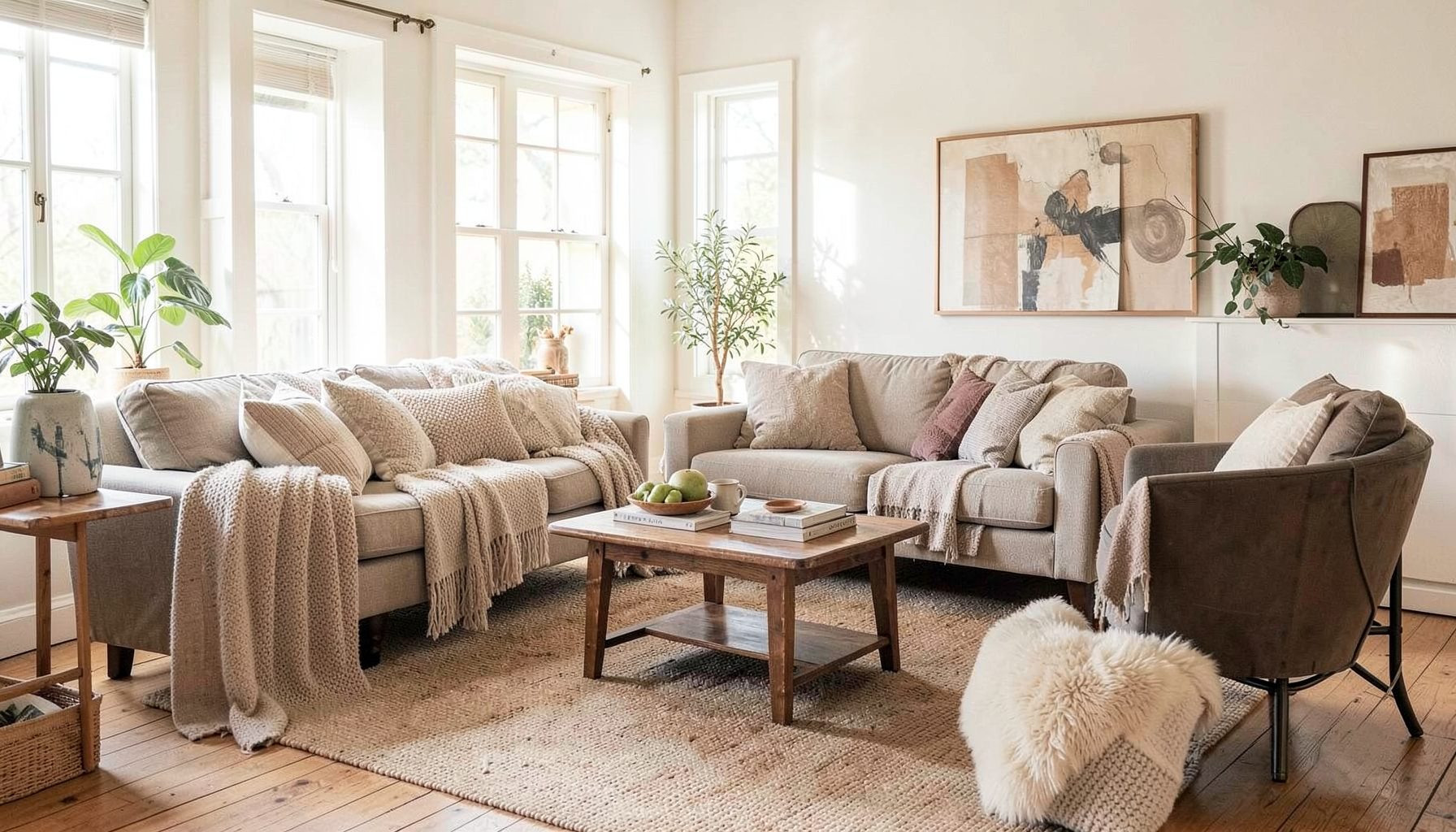
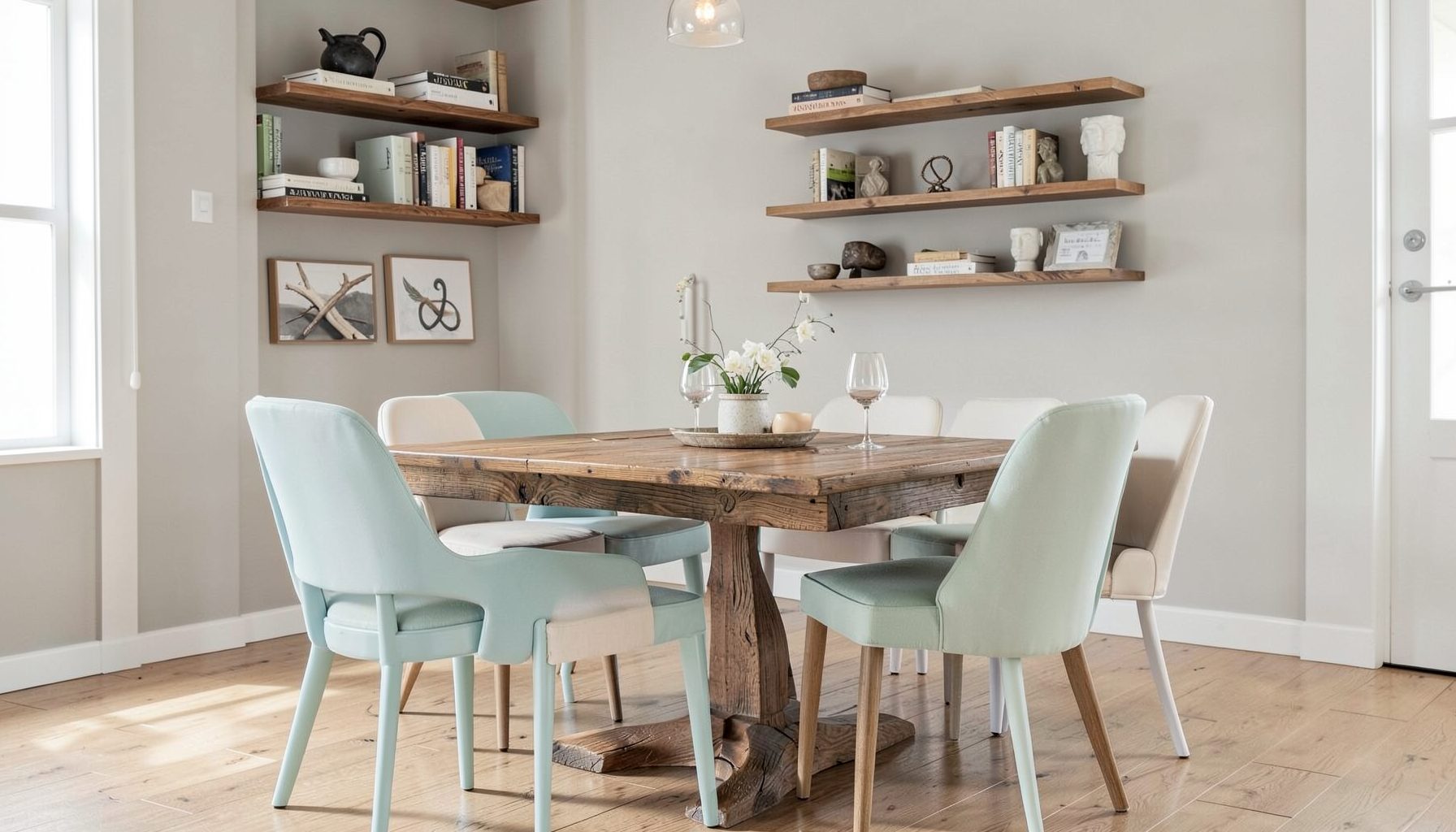
Full-service decorating that blends high and low, vintage finds with modern pieces for spaces that feel personal and collected.
Learn More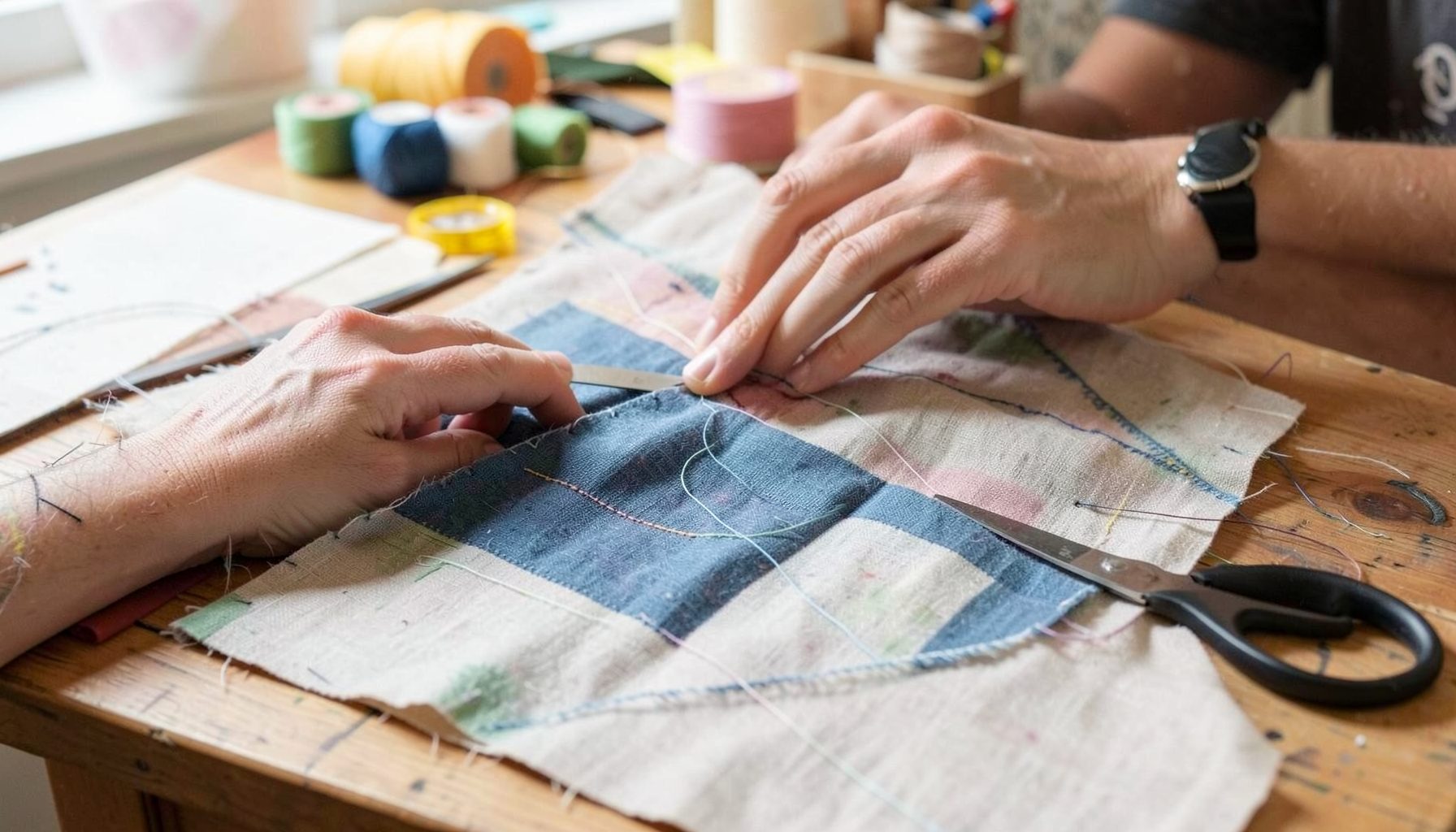
DIY Projects
Step-by-step tutorials for refinishing furniture, sewing pillows, styling bookshelves, and transforming rooms on a budget.
Learn More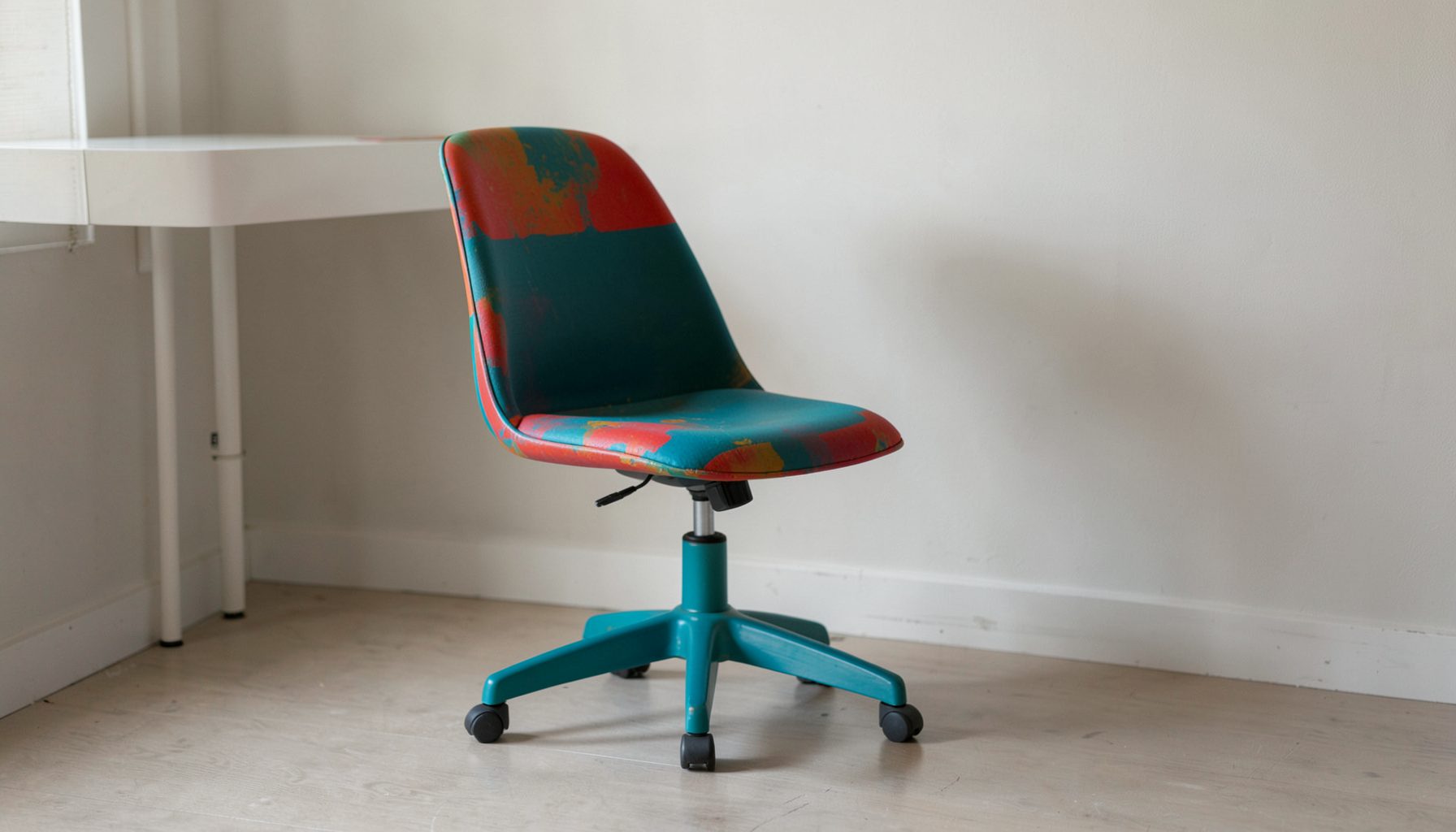
E-Decorating
Personalized design guidance delivered online — perfect for clients anywhere in the world who want a professional eye.
Learn More
Portfolio
Browse completed room makeovers, before-and-after transformations, and styling projects from Bay Area homes.
Learn More
Blog
Interior design inspiration, fashion finds, entertaining ideas, and peeks into real home renovations and styling projects.
Learn More
Downloads
Free curated resources for home decorating and design — guides, checklists, and inspiration to help you get started.
Learn MoreBay Area Thrift Stores Worth Exploring for Home Decor
The best thrift stores in the Bay Area for home decor offer far more than bargain furniture. Across San Francisco, Oakland, Berkeley, San Jose, and the surrounding communities, secondhand shops are filled with carved wood pieces, vintage artwork, brass accents, woven baskets, colorful ceramics, and lighting with the kind of character that is difficult to find in a conventional showroom.
Shopping secondhand also creates a more personal home. A room assembled from a single catalog can feel predictable, while a vintage side table beside a modern sofa or an old landscape painting above a clean-lined console brings contrast and history. The key is to shop with a point of view rather than trying to furnish an entire room in one afternoon.
Inventory changes constantly, and many independent shops adjust their hours, donation policies, or locations. Check current details before setting out, especially when planning a full day of Bay Area thrifting. With a flexible route and a little patience, you can uncover useful pieces at nearly every price point.
Begin With San Francisco’s Neighborhood Treasures
Community Thrift in the Mission is a strong starting point for shoppers who enjoy digging. Its ever-changing selection can include small furniture, mirrors, frames, dishes, textiles, and decorative objects. The store supports local nonprofit organizations, which gives a practical purpose to every purchase. Look beyond the front racks and inspect the shelves carefully; small accessories are often where the most adaptable finds are hiding.
Out of the Closet is another useful stop for affordable home accents. While clothing is a major part of its inventory, the housewares section can yield glassware, lamps, artwork, storage pieces, and occasional furniture. These stores are especially helpful when you need inexpensive layers for a rental, guest room, office, or temporary home rather than a major investment piece.
Goodwill locations throughout San Francisco can vary widely. Some are better for compact decorative items, while others receive larger donations and offer shelving, dining chairs, occasional tables, or framed art. Visit with measurements in hand and examine every item for stability, odors, chipped finishes, and missing hardware before bringing it home.
Explore East Bay Reuse And Vintage Markets
Berkeley’s Urban Ore is a destination for people who like architectural salvage and unusual materials. Its inventory may include reclaimed doors, old signs, hardware, furniture parts, garden objects, lighting, and building elements that can be repurposed creatively. It is an excellent place to find a focal point for a room, particularly when a standard retail accessory feels too polished or generic.
For more traditional secondhand shopping, Goodwill and Salvation Army stores in Oakland, Berkeley, and nearby cities are worth visiting as part of a larger route. East Bay locations often produce practical dining chairs, bookcases, baskets, framed prints, and side tables. One store may be quiet while another has a fresh donation floor, so visiting several locations is usually more productive than relying on one favorite shop.
The Alameda Point Antiques Faire is not a conventional thrift store, but it belongs on any serious vintage decor itinerary. Held monthly, the market brings together dealers offering furniture, art, textiles, lighting, collectibles, and garden pieces. Prices range from accessible to investment-level, and negotiation is more common than it is in nonprofit resale shops. Arrive early for the broadest selection, bring cash or a payment method, and measure your vehicle before purchasing a large find.
Match The Destination To The Piece
Different resale destinations excel in different categories. A charitable thrift shop may be ideal for low-cost baskets and frames, while a salvage warehouse is better for architectural details or a one-of-a-kind console. Flea markets typically provide more curated merchandise but can require a larger budget. Knowing what you are hunting for helps prevent an unfocused buying spree.
| Destination | Best For | Typical Price Range | Shopping Approach |
|---|---|---|---|
| Community Thrift, San Francisco | Small decor, art, dishes, textiles | $–$$ | Visit often and inspect shelves |
| Out of the Closet | Affordable housewares and accents | $–$$ | Look beyond clothing sections |
| Goodwill and Salvation Army | Practical furniture and everyday decor | $–$$ | Compare several neighborhood locations |
| Urban Ore, Berkeley | Salvage, architectural pieces, unusual objects | $$–$$$ | Bring measurements and a vehicle plan |
| Alameda Point Antiques Faire | Vintage furniture, lighting, art, collectibles | $$–$$$$ | Arrive early and ask about pricing |
| Habitat ReStore locations | Renovation materials, hardware, furniture | $–$$$ | Check condition, dimensions, and pickup options |
| South Bay charity shops | Lamps, frames, occasional furniture, accessories | $–$$ | Build a route around donation days |
Find Furniture And Housewares In The South Bay
San Jose and the wider South Bay have a wide mix of Goodwill, Salvation Army, and independent charity shops. These locations can be particularly useful for practical furnishings such as dining chairs, desks, bookshelves, nightstands, and storage cabinets. Because the stores tend to serve a broad range of households, the selection changes quickly and may include contemporary pieces alongside older wood furniture.
Habitat for Humanity ReStore locations are worth checking when your project involves more than decoration. Depending on current donations, you may find sinks, lighting, doors, hardware, flooring remnants, shelving, cabinets, and furniture. ReStore shopping requires a slightly different mindset: a scratched cabinet may become a painted vanity, and mismatched hardware may be exactly what gives a renovation personality.
For smaller decorative purchases, look at charity resale shops in Los Gatos, Santa Clara, Campbell, and nearby communities. These can be good sources for framed art, crystal, lamps, vintage accessories, and decorative boxes. Affluent neighborhoods sometimes produce higher-quality furnishings, although prices may also be higher. Compare construction and condition rather than assuming that an expensive tag means better value.
Shop With A Layered Interior In Mind
Before leaving home, identify the spaces that need attention and write down approximate dimensions. Measure the wall for artwork, the clearance around a coffee table, and the height required for a lamp or console. A beautiful piece becomes a frustrating purchase when it blocks a doorway or overwhelms the room.
Consider materials as carefully as color. A room filled with pale wood may benefit from a dark walnut stool, aged brass, or a woven fiber accent. Smooth contemporary furnishings gain warmth from pottery, linen, cane, or a timeworn painted surface. These contrasts create the collected feeling associated with thoughtful interior decorating without requiring every object to match.
When searching for a large anchor piece, use resale shops to find character and invest selectively in comfort or function. A vintage coffee table can work beautifully with a new sofa, while a secondhand dining chair should be checked for wobbling joints and a comfortable seat. For help judging how a floor covering can unify different eras and finishes, this statement rug guide offers useful direction.
Evaluate Every Find Before Buying
Inspect wood furniture from top to bottom. Look for veneer lifting, water rings, warped doors, loose joints, active insect damage, and a strong smoke or mildew odor. Some cosmetic wear is easy to repair, but structural problems can turn a bargain into an expensive restoration. Sit in chairs, open drawers, and test cabinet doors whenever the store permits it.
Lighting deserves extra caution. Check whether the cord is frayed, the plug is intact, and the fixture has a compatible socket and shade. Vintage electrical pieces may need rewiring by a qualified professional before use. For mirrors and glass, examine edges for chips and silvering damage. A small flaw can be charming; a sharp or unstable one is a safety concern.
Upholstered pieces require the most discretion. Look for stains, sagging, odors, pet hair, and signs of pests. A solid frame may justify professional reupholstery, but a low-cost sofa with extensive damage rarely represents a true saving. Removable, washable covers and hard surfaces are generally easier purchases for first-time secondhand shoppers.
Build A Focused Thrifting Route
A successful shopping day balances spontaneity with a practical plan. Group destinations by neighborhood, allow time for parking and loading, and keep a measuring tape, reusable bags, phone flashlight, and furniture blankets in the car. If you are buying a large item, confirm return policies and arrange transportation before paying.
Use this simple checklist when you want to shop with intention:
- Choose one priority category, such as lighting, artwork, or occasional tables.
- Bring room measurements, doorway widths, and photographs of the spaces you are furnishing.
- Set a total budget that includes repairs, cleaning, delivery, and replacement hardware.
- Select one distinctive piece first, then use simpler finds to support its color and scale.
- Leave room in the budget for quality staples from new or trade sources when comfort and safety matter.
The best discoveries are often modest: a pair of brass candlesticks, a framed botanical print, a small stool, or a ceramic vessel that adds the final layer to a shelf. You do not need to fill every corner on the first trip. A slower process makes it easier to recognize pieces that genuinely suit your home rather than items that are merely inexpensive.
Take your finds home, clean them thoughtfully, and let them settle within the room before deciding whether they need paint, new hardware, or a different placement. When vintage character, modern function, and personal memories are allowed to share the same space, secondhand shopping becomes part of a larger design story. Begin with one neighborhood route or one room, and let the next meaningful discovery shape the layers that follow.

Recent Projects