Interior Design
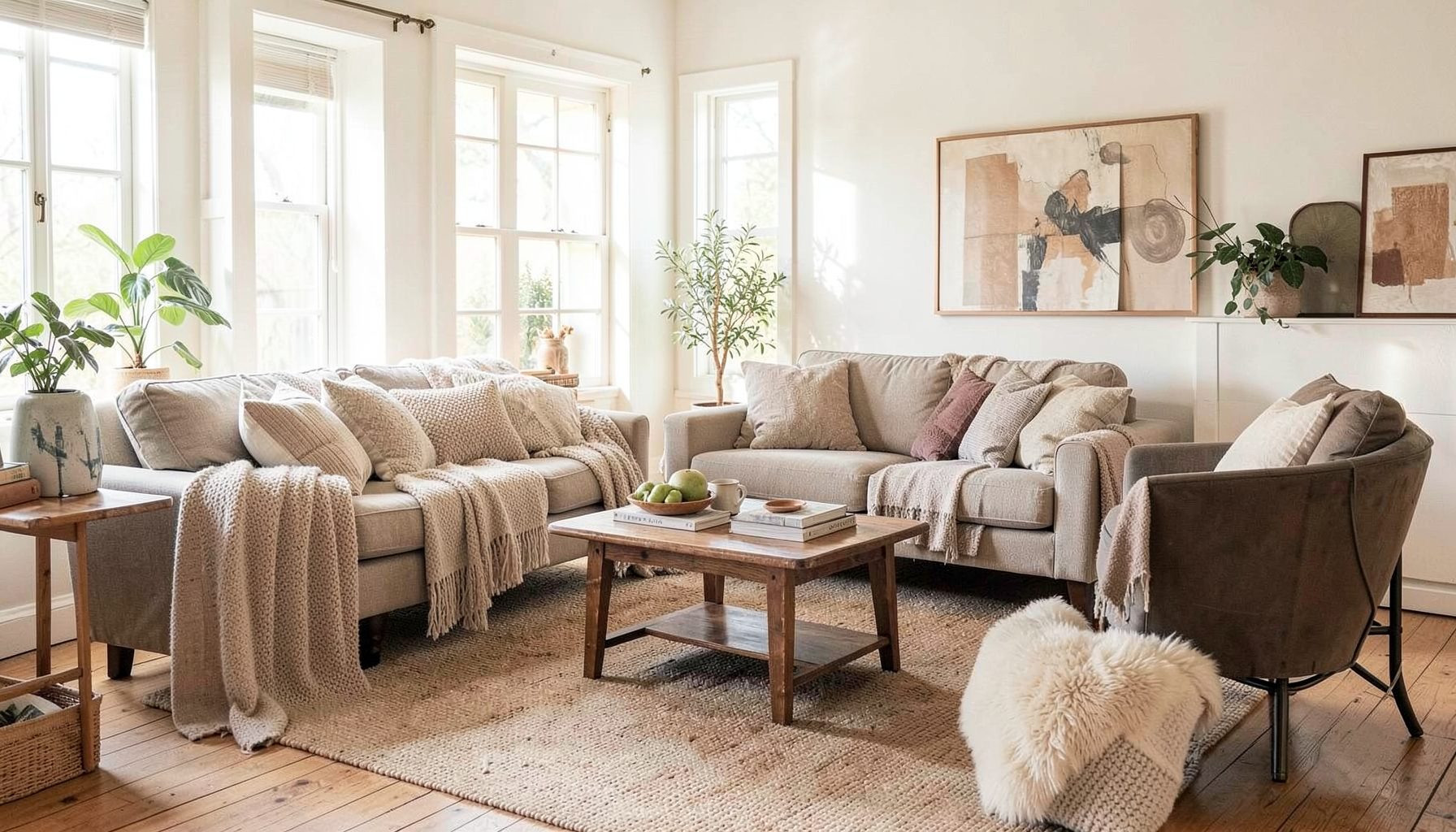
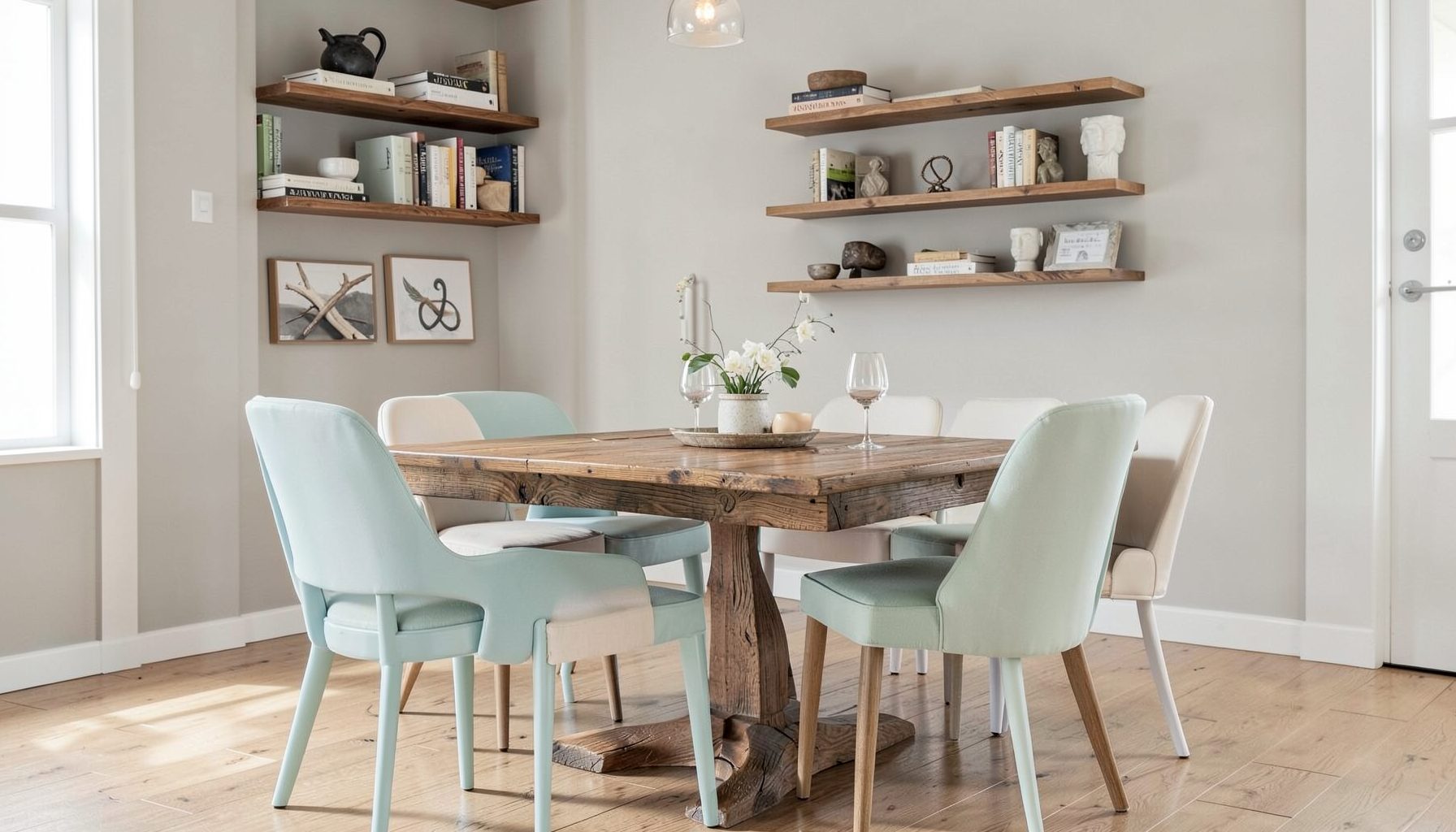
Full-service decorating that blends high and low, vintage finds with modern pieces for spaces that feel personal and collected.
Learn More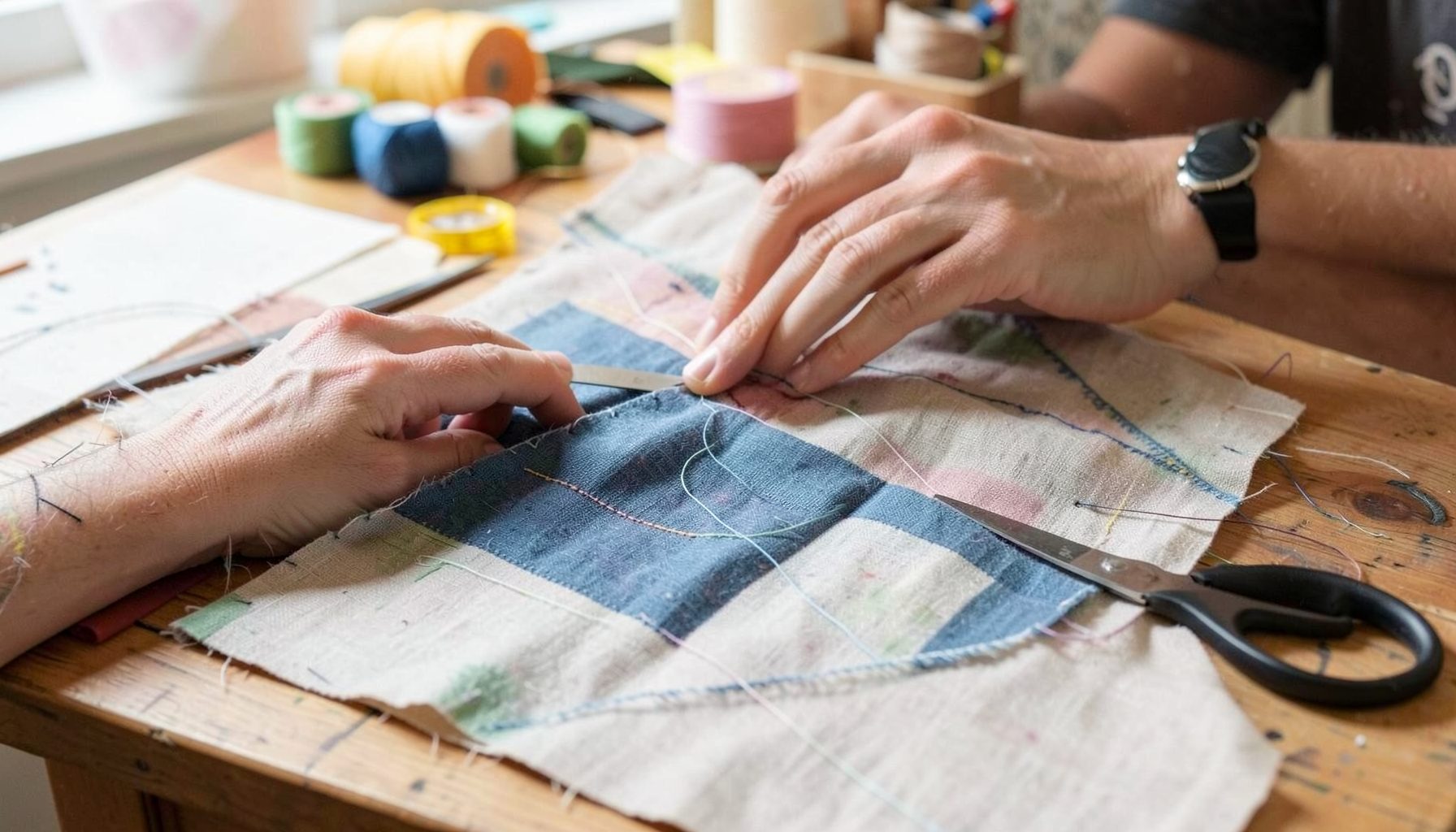
DIY Projects
Step-by-step tutorials for refinishing furniture, sewing pillows, styling bookshelves, and transforming rooms on a budget.
Learn More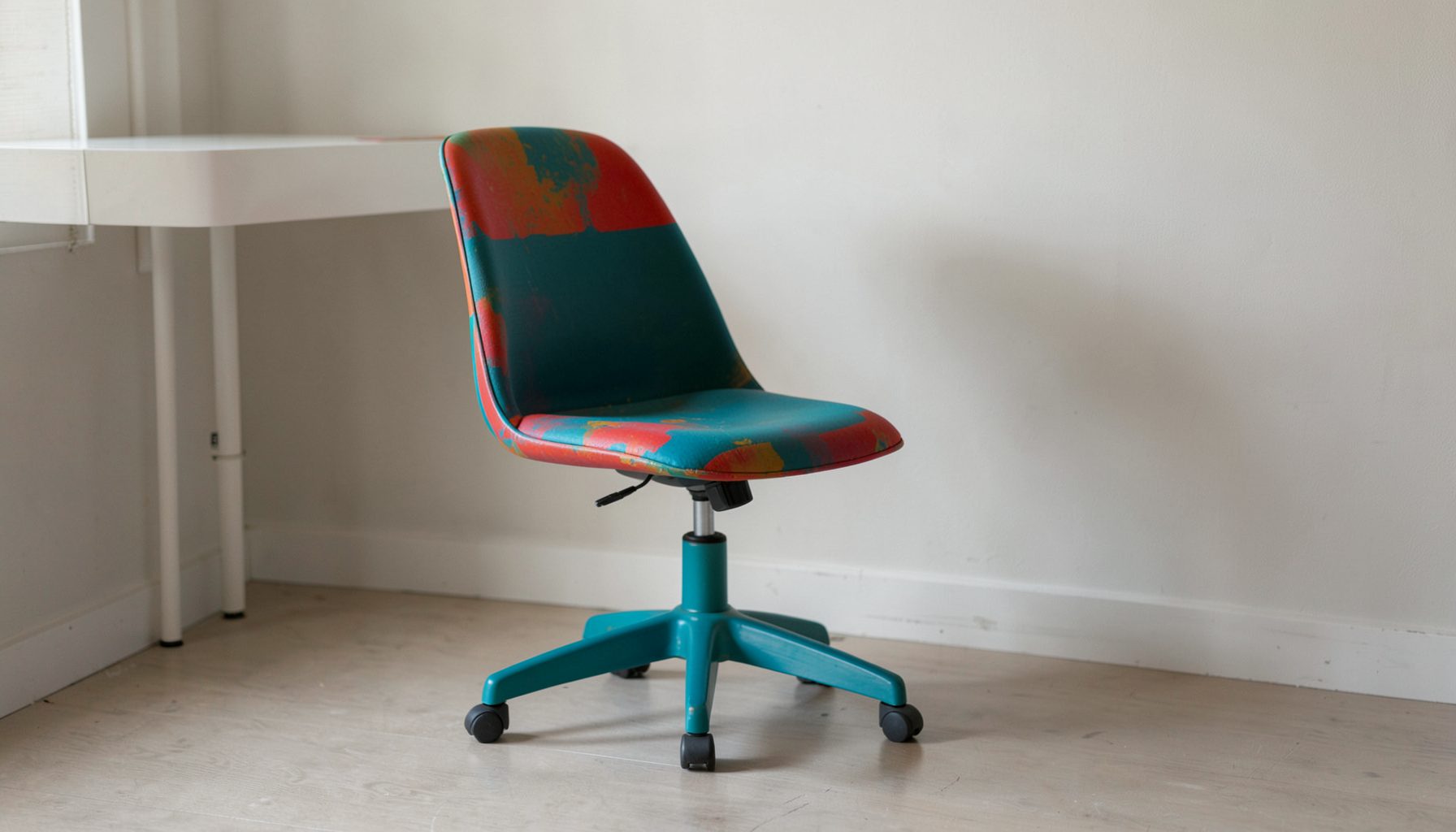
E-Decorating
Personalized design guidance delivered online — perfect for clients anywhere in the world who want a professional eye.
Learn More
Portfolio
Browse completed room makeovers, before-and-after transformations, and styling projects from Bay Area homes.
Learn More
Blog
Interior design inspiration, fashion finds, entertaining ideas, and peeks into real home renovations and styling projects.
Learn More
Downloads
Free curated resources for home decorating and design — guides, checklists, and inspiration to help you get started.
Learn MoreStyling An Open Kitchen Shelf With Ceramics And Cookbooks
An open kitchen shelf can do more than hold everyday dishes. It can bring warmth, colour, and personality to a room that is often dominated by hard surfaces, appliances, and cabinetry. A few well-chosen ceramics and cookbooks turn a practical storage zone into a small display of how you live and cook.
The most appealing shelves tend to look collected rather than carefully matched. A handmade mug may sit beside a glossy platter, while a faded cookbook balances a modern vase. This mix of old and new, affordable and special, creates the layered feeling that gives a kitchen character without making it look over-styled.
In Australian homes, shelving also needs to respond to real conditions: bright sunlight, coastal moisture, busy family routines, compact apartment kitchens, and the occasional rental restriction. The best arrangement is attractive enough to enjoy every day, yet practical enough to clean, reach, and rearrange without fuss.
Start With The Shelf And Its Surroundings
Before choosing individual objects, look at the shelf as part of the entire kitchen. Note the colour of the splashback, benchtop, cabinet fronts, tapware, flooring, and nearby dining area. The display should relate to these elements without copying them exactly. If the kitchen already has strong veining or patterned tiles, quieter ceramics may create a better visual balance.
The shelf’s depth and height will determine what can comfortably live there. A shallow ledge may suit small bowls, espresso cups, and slim books, while a deeper timber shelf can accommodate serving platters and generous stacks of cookbooks. Leave enough clearance above the bench for food preparation and below upper cabinetry for comfortable movement.
Natural light is worth considering in cities such as Sydney and Melbourne, where north-facing windows can bring strong sun across a kitchen for much of the day. Direct light may fade book spines and affect certain glazes over time. Position treasured pieces away from the brightest patch, or rotate the display seasonally so that no single object receives constant exposure.
Build A Useful Ceramic Collection
Choose ceramics according to how you use the kitchen, rather than buying decorative pieces with no practical role. Bowls, mugs, jugs, platters, ramekins, and serving dishes can all contribute to the arrangement while remaining available for breakfast, entertaining, or weekend baking. Items that earn their place through regular use are easier to keep dust-free and less likely to make the shelf feel like a showroom.
A simple colour story helps unrelated pieces sit comfortably together. You might work with chalky white, warm sand, and olive green, or combine pale blue with terracotta and timber. Repeating one colour two or three times is usually enough to create rhythm. Different shapes and finishes then add interest without making the shelf look mismatched.
Handmade Australian pottery can provide a distinctive local note. Pieces from a studio in Victoria, New South Wales, or South Australia often bring subtle variations in form and glaze, which make a display feel personal. You can also find characterful ceramics at weekend makers’ markets, independent homewares shops, and op shops, where a single vintage bowl may become the anchor for the whole shelf.
Use Cookbooks As Colour And Structure
Cookbooks are valuable styling tools because they add height, texture, and an immediate sense of life. Look for covers that relate to the room’s palette, but do not feel obliged to display every spine facing outward. A small horizontal stack can support a bowl or candle-safe decorative object, while a few upright books create vertical lines beside lower ceramics.
Avoid arranging all the books in one rigid row. Group two or three together, leave a little breathing space, and vary the orientation. A large book lying flat can ground a tall jug, while a narrow volume can fill a small gap between a stack and a wall. Keep heavy books on a strong shelf and check that the brackets are properly fixed before adding a substantial collection.
The most convincing cookbooks are often those you genuinely use. A well-thumbed baking book or a volume of family recipes tells a richer story than books chosen purely for their covers. Australian titles featuring seasonal produce, native ingredients, or regional cooking can also connect the shelf to local habits, from summer stone fruit to winter slow cooking.
Create Layers Without Losing Breathing Room
A shelf needs a mixture of full and empty areas. If every centimetre is occupied, ceramics and books lose their individual presence and cleaning becomes irritating. Begin with the largest pieces, such as a serving platter, a tall jug, or a stack of cookbooks. Then add medium-sized bowls and smaller cups around them, leaving visible gaps between groups.
Vary the height across the shelf rather than placing all tall objects in one cluster. A low pile of books can sit beside a medium bowl, followed by a taller vessel at the other end. This gentle rise and fall gives the eye somewhere to travel. Odd-numbered groupings can work well, though the more important principle is to combine different proportions.
Depth matters as much as height. Place some pieces near the front and others slightly behind, provided the shelf remains easy to use. A plate resting vertically at the back can act as a backdrop for a small bowl. A mug turned slightly sideways reveals its shape and handle, while a row of identical vessels may look too formal unless softened by a contrasting handmade piece.
Balance Beauty With Everyday Access
Open shelving works best when frequently used items occupy the easiest positions. Keep daily mugs, breakfast bowls, or small plates within comfortable reach, and reserve higher or less accessible areas for servingware and decorative objects. This arrangement reduces the temptation to leave clean dishes on the bench because putting them away feels inconvenient.
Think about grease and dust, particularly on shelves close to a cooktop. Porous, textured ceramics can collect residue more readily than smooth glazed pieces. Leave a sensible distance from cooking zones, use a washable shelf finish, and wipe objects before returning them to display. In Brisbane and other humid areas, good ventilation is especially useful for preventing a stale, damp feeling around stored textiles or paper.
A practical shelf should also support safe movement through the kitchen. Avoid placing protruding plates or unstable stacks where shoulders, bags, or children’s hands may catch them. If the shelf is above a worktop, make sure its fixings suit the wall construction and the intended load. A beautiful arrangement is never worth a cracked tile or a falling platter.
Adapt The Look To Australian Homes
Many Australian kitchens combine open-plan living with compact storage, particularly in apartments in Melbourne, Sydney, and inner-city Brisbane. In a smaller room, a restrained display can make the kitchen feel more spacious. Limit the palette, use pale ceramics to reflect light, and allow the wall behind the shelf to remain visible. A few generous objects often look calmer than a large collection of small ornaments.
For a coastal home, consider finishes that echo the landscape without becoming themed. Soft blue, weathered white, sandy neutrals, and timber work naturally with relaxed interiors. In a darker or older terrace, richer glaze colours and vintage cookbooks can add warmth. The aim is to respond to the home’s architecture and light rather than follow a single national style.
Renters need to think carefully before installing a new shelf or changing existing brackets. Rules differ between Australian states and territories, but structural alterations commonly require the landlord’s written permission, and apartments may also be subject to strata or body corporate requirements. A removable ledge, freestanding plate rack, or existing shelf may provide the same decorative effect without creating a dispute at the end of the tenancy.
Edit And Refresh The Arrangement
Once the shelf is styled, live with it for several days. Notice which objects are awkward to reach, which colours disappear against the wall, and whether the arrangement feels visually heavy from the dining table. Small changes often make the greatest difference: turning a book cover forward, moving a tall jug away from a corner, or removing one crowded group.
Refresh the display with the seasons and your routines. In summer, bring forward salad bowls, jugs, and lighter-toned ceramics. During cooler months, display baking books, heavier stoneware, and warm earthy colours. An Australian kitchen may also shift around Christmas entertaining, school holidays, or a period of preserving and cooking with abundant garden produce.
Keep a small reserve of pieces elsewhere rather than forcing everything onto the shelf. Rotating ceramics protects delicate items from constant use and gives the room a renewed feeling without new purchases. Before adding anything, check whether a piece fills a genuine gap in colour, scale, or function. This habit supports a more sustainable home and makes local finds from markets or op shops feel considered rather than impulsive.
The most successful open shelf reflects a real household: books that are opened, mugs that are reached for, and ceramics that carry traces of a thoughtful collection. Start with the pieces you use most, add variation in height and texture, and keep enough empty space for the display to breathe. A shelf that is beautiful, accessible, and easy to maintain will remain useful long after the first styling session.

Recent Projects