Interior Design
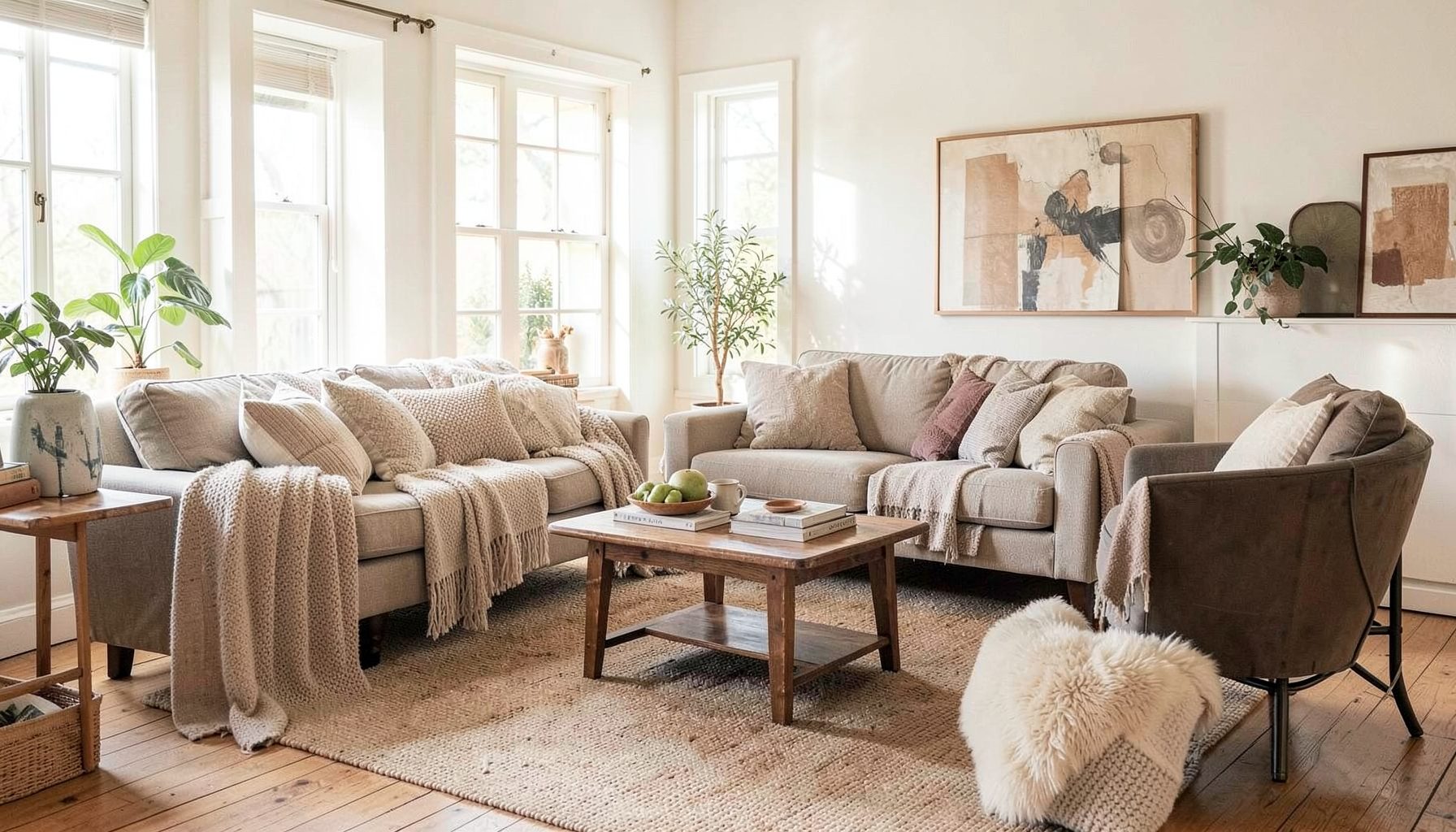
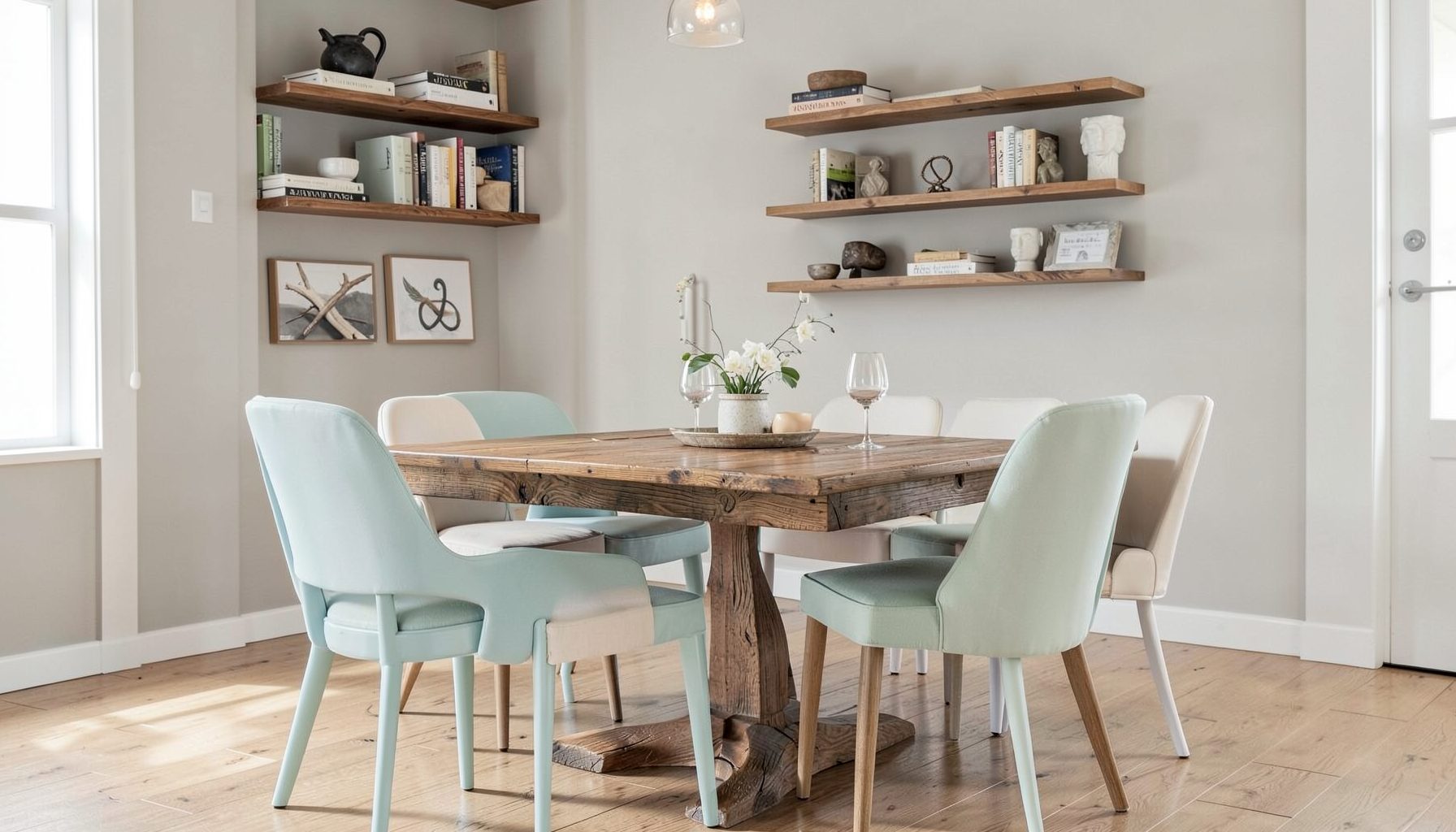
Full-service decorating that blends high and low, vintage finds with modern pieces for spaces that feel personal and collected.
Learn More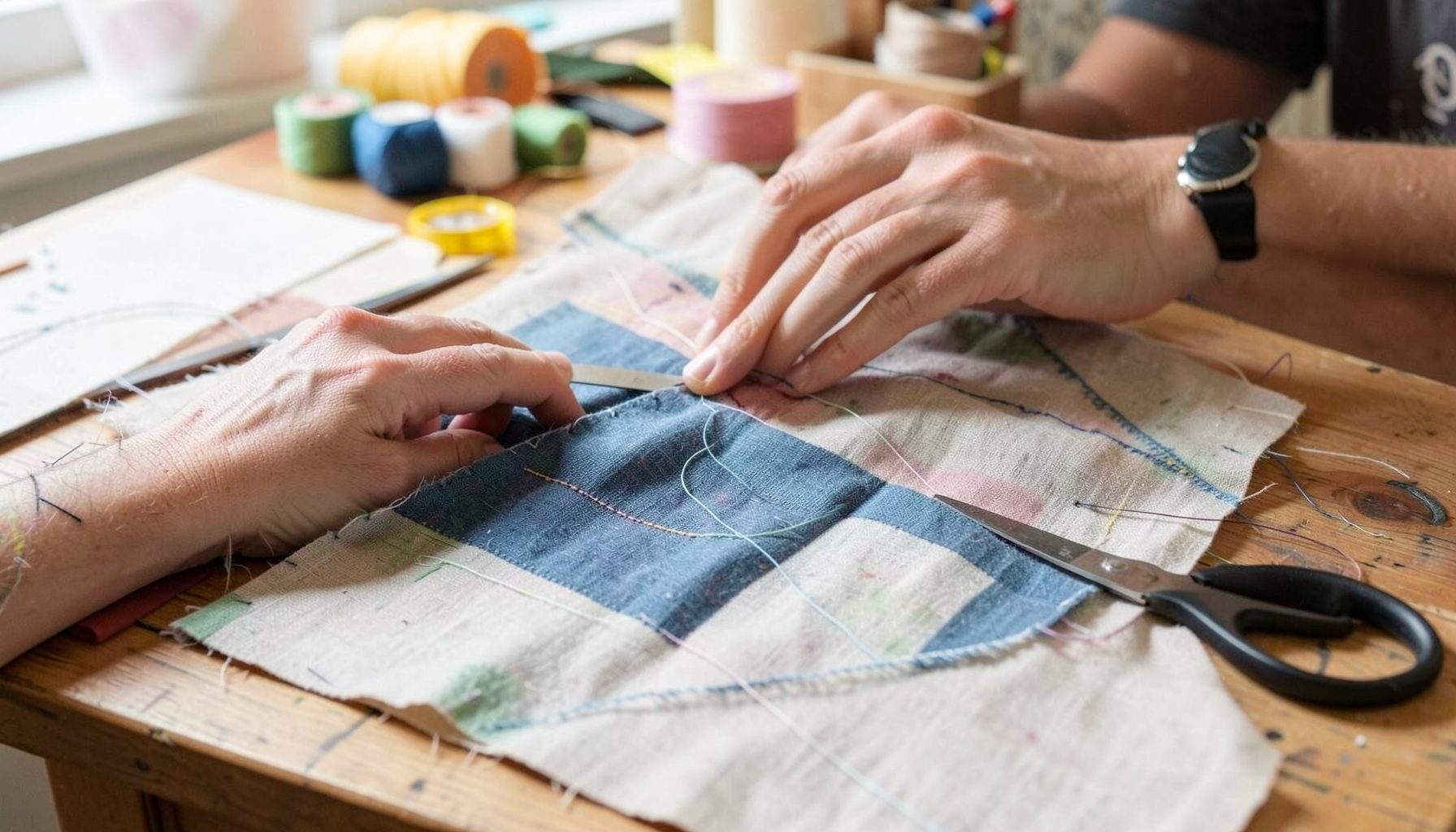
DIY Projects
Step-by-step tutorials for refinishing furniture, sewing pillows, styling bookshelves, and transforming rooms on a budget.
Learn More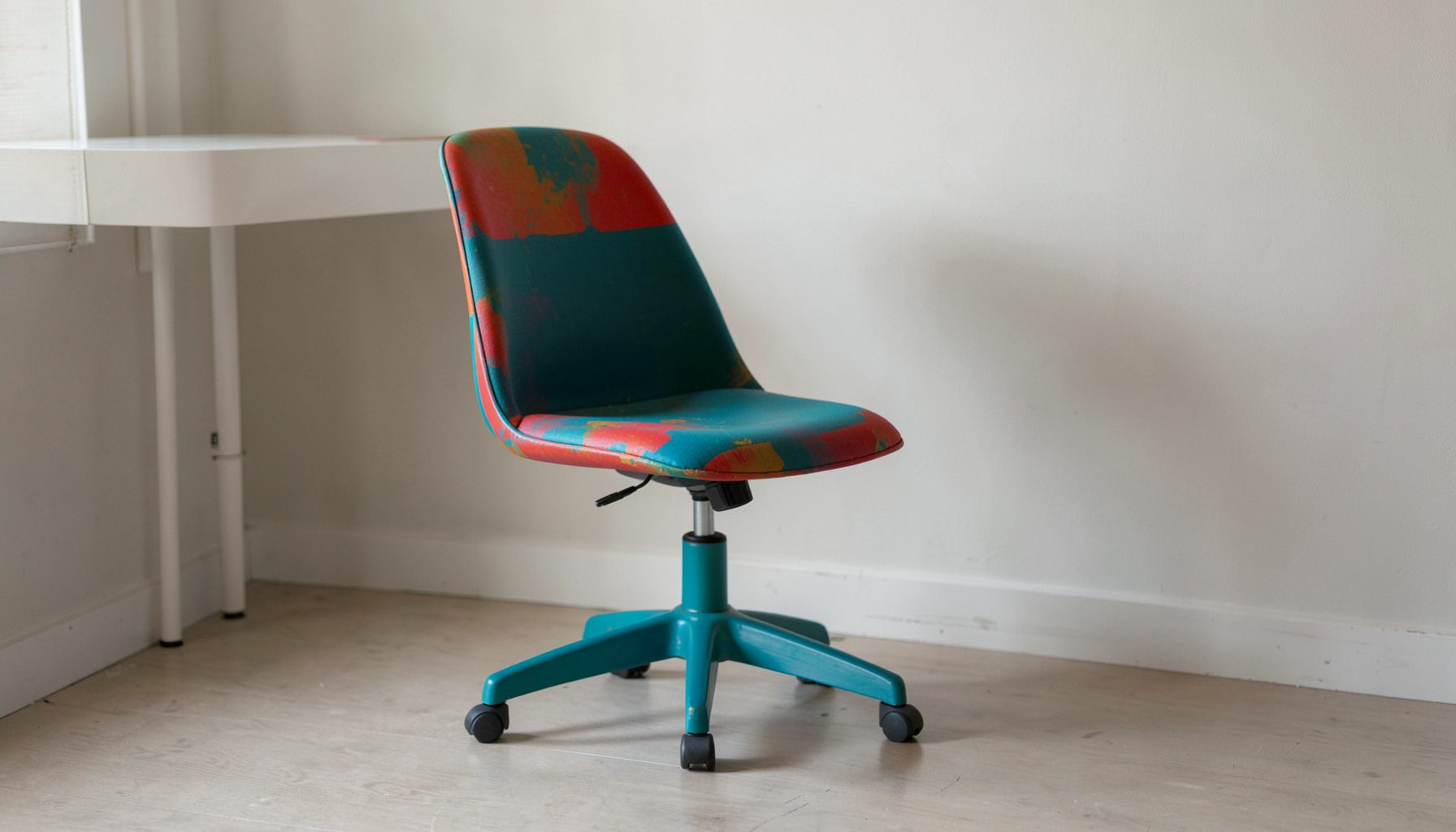
E-Decorating
Personalized design guidance delivered online — perfect for clients anywhere in the world who want a professional eye.
Learn More
Portfolio
Browse completed room makeovers, before-and-after transformations, and styling projects from Bay Area homes.
Learn More
Blog
Interior design inspiration, fashion finds, entertaining ideas, and peeks into real home renovations and styling projects.
Learn More
Downloads
Free curated resources for home decorating and design — guides, checklists, and inspiration to help you get started.
Learn MoreStyling a window seat with throw pillows and a small side table
A window seat has the potential to become a favourite place for reading, morning tea or an afternoon cuppa, but it needs more than a cushion placed at one end. The most inviting arrangements feel layered and collected, combining useful furniture with soft textiles that reflect the people who live there. A small side table adds function, while throw pillows bring colour, texture and comfort to the nook.
At Maggie Rose Interiors, we believe the best window-seat styling considers how the space will actually be used. Is it wide enough for two people? Will it hold a book, a drink and a pair of glasses? Does the table obstruct the walkway? These practical questions create a foundation for a design that looks relaxed rather than arranged solely for a photograph.
The result should feel personal, even when it draws on vintage pieces, affordable finds and newer furnishings. That balance is especially useful in Australian homes, where compact spaces, strong sunlight and changing weather can make a once-overlooked corner work harder. Thoughtful scale, washable textiles and adaptable lighting help the styling remain practical through every season.
Plan the window-seat layout
Begin with the seat itself, whether it is a timber bench, a deep bay-window ledge or a storage unit topped with a cushion. Check the usable depth before ordering anything. A built-in seat around 400–450 millimetres deep offers enough room to sit comfortably, but a deeper ledge can support a single lounging cushion and several smaller pillows without making the bench feel crowded. Leave the edges visible so the original material or joinery still contributes to the design.
Next, consider the surrounding room. A window seat beside a frequently used door needs a clear route and a table that can be reached without pulling the cushions aside. In a narrow living room, place the table at the end of the bench rather than directly in front of it. For a wider bay, position a slim pedestal table beside the most-used section and keep the remaining surface open for books or a tray. This creates a usable zone without turning the seat into a miniature lounge.
Scale the accessories to the space as carefully as the furniture. A petite table in a broad bay can look undersized, while a large timber table may overpower a narrow recess. Measure both the seat and the available floor area, then sketch the arrangement from above. The goal is a composition with breathing room, clear circulation and one obvious function for the table.
Build a cushion composition
Throw pillows, often called accent cushions in Australia, should look comfortable and loosely placed. Their covers can reference the room without requiring an exact match. Begin with a limited palette of two or three colours, then vary size, pattern and material. A striped linen, a floral cotton and a textured wool can create visual interest while sharing a common colour, making the combination feel coordinated.
An odd number of cushions usually creates a relaxed rhythm. Three works well on a compact seat: one generous square, one smaller square and one rectangular lumbar cushion. A larger bench can support five, but it is better to repeat a simple pairing than to introduce too many competing patterns. Keep the largest cushions towards the back for support and use smaller pieces at the corners, angled slightly rather than positioned in a rigid row.
Choose inserts that suit the cover rather than filling every cushion until it becomes stiff. A soft feather insert gives a relaxed silhouette, while foam provides firmer support for a bench used every day. Check that decorative covers include an insert or clarify their dimensions before purchase. Australian retailers commonly offer square cushions around 45 by 45 centimetres and 50 by 50 centimetres, with rectangular options for lumbar support.
Find the right small side table
The table should complement the seat while remaining easy to reach. Aim for a height close to the seat, generally around 430–480 millimetres, so a drink or book can be transferred without stretching. A round tabletop between 400 and 450 millimetres in diameter works well in many window alcoves because it softens corners and can be positioned at a slight angle. Narrow timber or metal tables also suit tight rooms, provided the base remains stable.
Shape is partly a matter of proportion. Round tables balance a square bay and contrast nicely with rectangular cushions. Small rectangular tables echo built-in benches and suit elongated spaces. Pedestal bases create visual lightness, while three or four slim legs make a table easier to tuck beside the seat. Avoid designs with sharp corners in busy family spaces, particularly when the table sits near a main passage.
Australian furniture retailers and online marketplaces such as Temple & Webster offer many compact options, while op shops and vintage dealers can provide character at a lower cost. When buying secondhand, check for wobbly joints, water marks and weakened fixings. Refinish a scratched timber top, or use the piece as it is and lean into an informal collected-home style. A vintage table paired with new cushions can feel more interesting than a perfectly matched new set.
Add light, texture, and useful objects
A small table needs enough light for evening use without making the nook feel crowded. A slim table lamp with a simple shade is usually more suitable than a large floor lamp in a compact area. Position the lamp towards the back corner and choose a warm LED globe to create a gentle reading pool of light. If a nearby wall can accommodate a swing-arm fitting, it may free the tabletop, though hard-wiring should be handled by a qualified electrician.
Window treatments affect the entire composition. Lined curtains can soften a formal sash window, while blinds keep the profile clean. For a window exposed to strong afternoon sun, choosing Roman shades can help control brightness without hiding the window’s shape. Hang them within the recess where possible, and allow the fabric to stack neatly when raised.
Keep the tabletop useful rather than overfilled. A small tray can hold a cup, reading glasses and a tube of hand cream while protecting the surface. Stack two or three books beside it, placing the most attractive cover upward. Add one tactile object, such as a ceramic dish or a bud vase, rather than several small decorations. The table should still have enough clear space for a laptop or a plate of morning toast.
Keep the style practical for Australian homes
Local conditions deserve consideration from the beginning. In Sydney apartments, where window seats often occupy a compact living area, pale or reflective surfaces can help borrowed daylight travel through the room. Melbourne terraces frequently combine narrow rooms with changeable weather, so removable layers and a mix of cotton, linen and wool make sense. Antique sash windows also benefit from simple treatments that preserve their proportions.
Brisbane’s humid, subtropical climate calls for washable cushion covers and fabrics that resist dampness. Avoid placing the side table directly against an exterior wall, where condensation can encourage mould around the base. In Perth, intense western light can fade colour quickly, so seat the nook away from direct afternoon sun where possible and rotate removable cushions periodically. UV-filtered shades, stable dyes and a small vase of greenery all help manage a bright exposure.
Many Australian rooms combine new purchases with inherited pieces and op-shop discoveries. That mix suits this type of nook because the table can carry traditional details while the cushions introduce a fresh palette. The familiar ritual of making a cuppa also adds a practical reason to style the surface with a tray. If the nook is being prepared as a housewarming gift, a candle, quality tea or a small plant offers a personal contribution without taking up valuable space.
Bring the whole vignette together
Once the furniture is positioned, stand back and check the view from the doorway. The cushions should create a clear focal point, the table should look purposeful, and the window treatment should frame rather than compete with the arrangement. Adjust the pillows by hand, letting one lean into another and a corner of the seat cushion fall naturally. A little irregularity makes the setting look welcoming.
Repeat one or two colours elsewhere in the room to connect the nook with the wider scheme. A striped cushion might echo a curtain lining, while the table colour can appear in a picture frame, a ceramic vessel or a rug. These small visual repetitions create cohesion without making the window seat feel like a separate display area. If the space looks too coordinated, introduce an unexpected texture such as boucle, corduroy or woven raffia.
Finally, test the seat as someone would use it. Sit with a book, set down a drink and check that the side table holds everything without forcing an awkward reach. Add only what supports that routine, then leave a little space unclaimed. What should remain is the impression of a collected, comfortable place: balanced cushions, a useful table and thoughtful layering that feels personal rather than prescribed.

Recent Projects