Interior Design
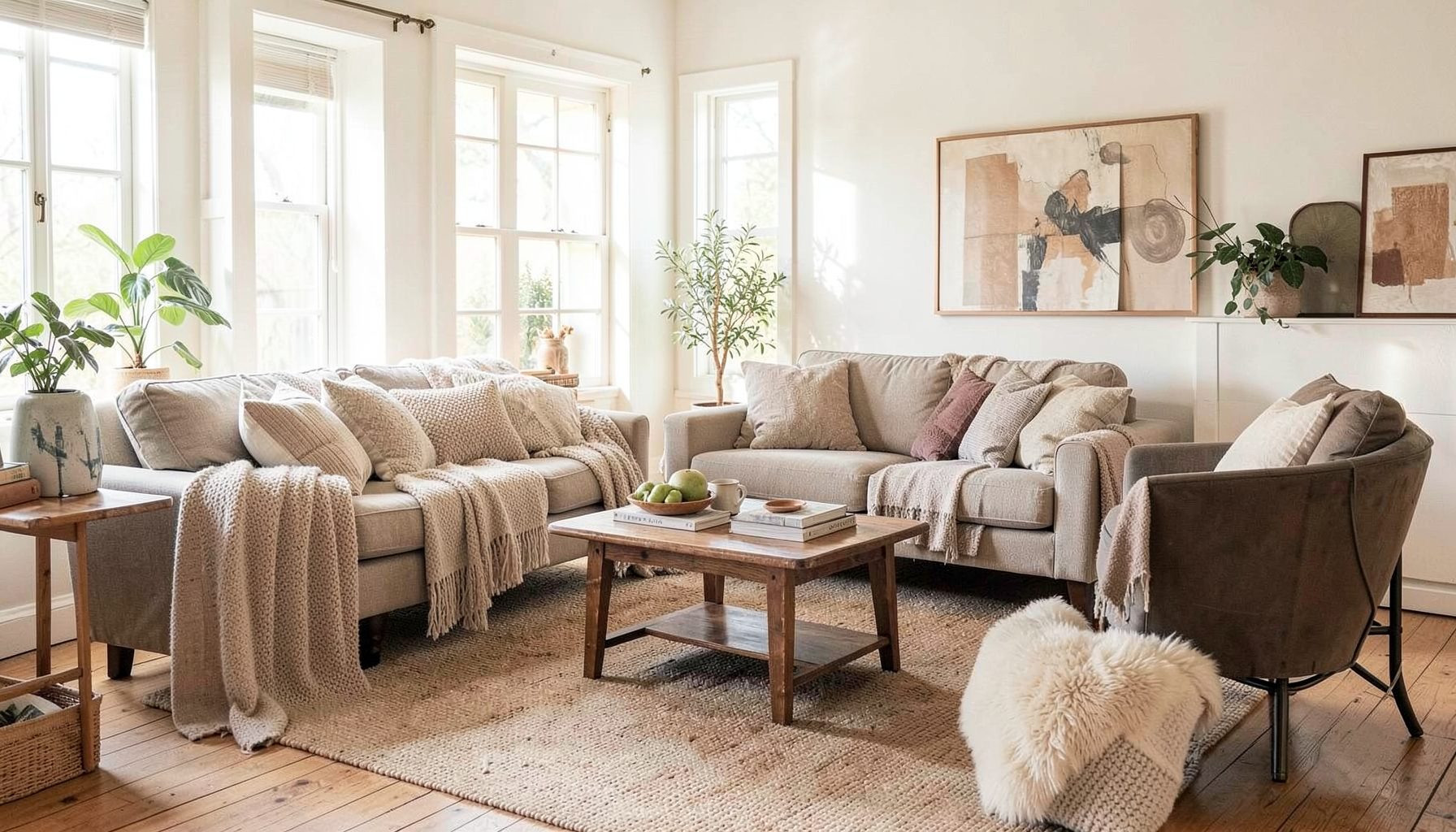
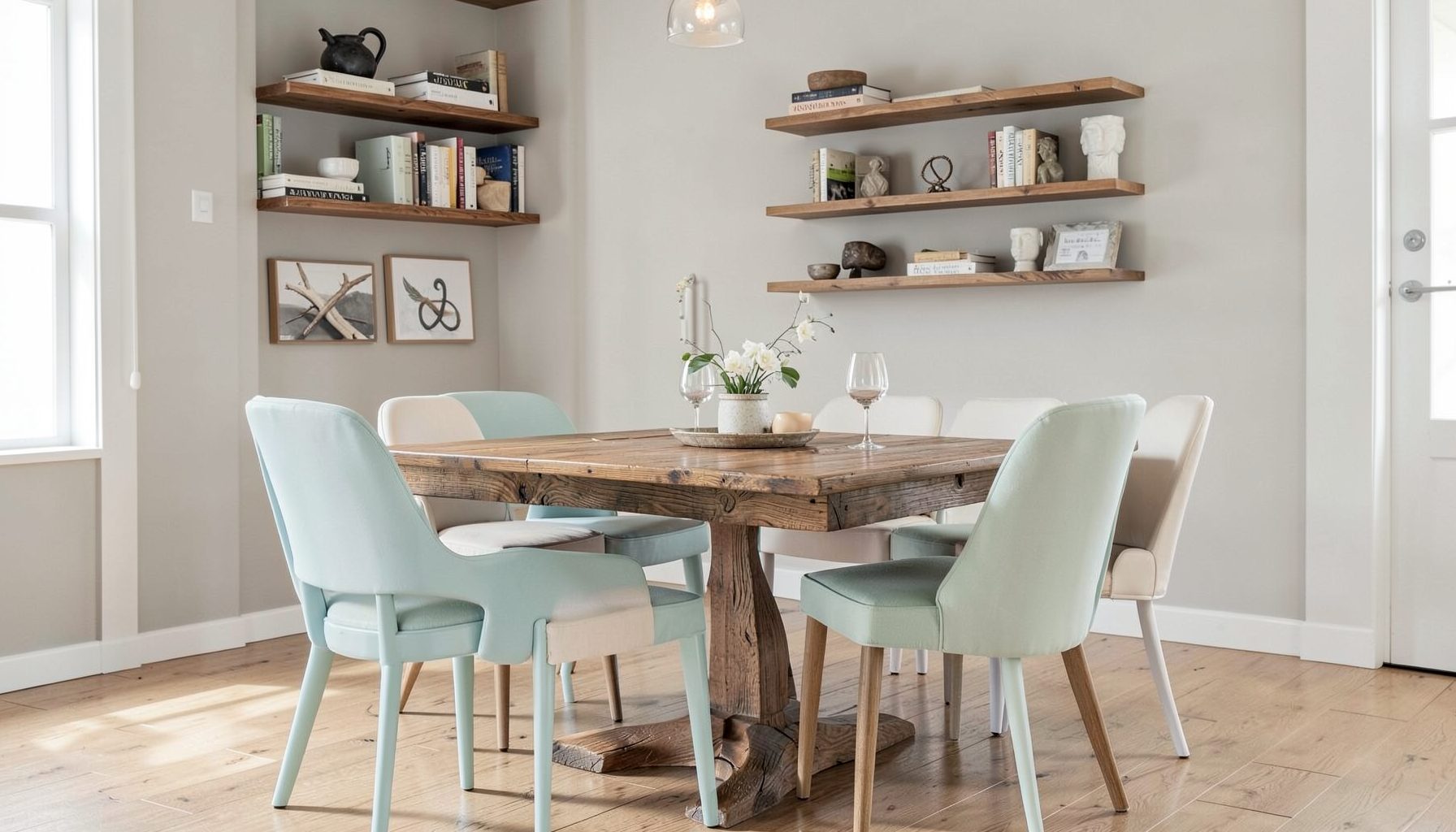
Full-service decorating that blends high and low, vintage finds with modern pieces for spaces that feel personal and collected.
Learn More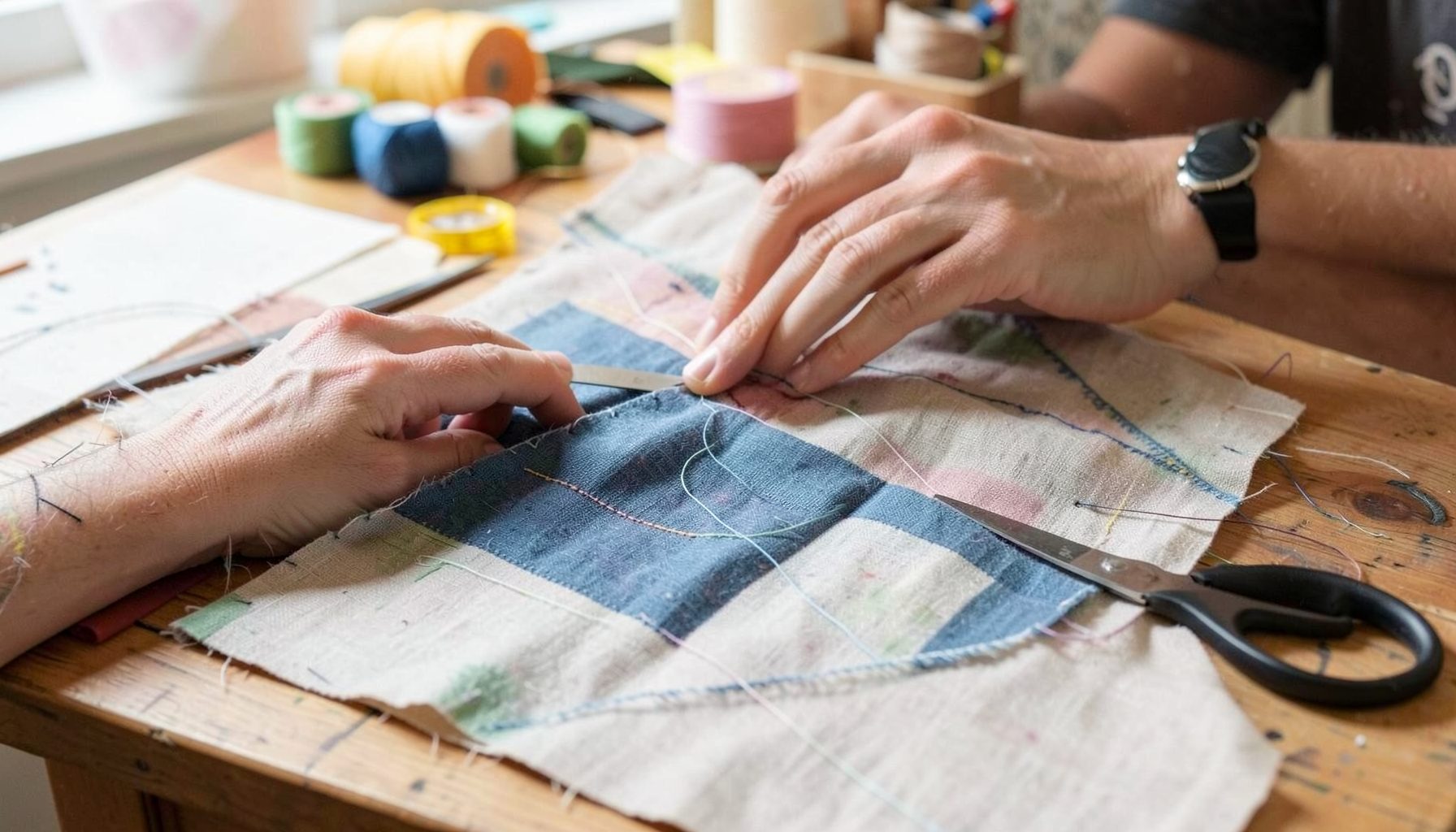
DIY Projects
Step-by-step tutorials for refinishing furniture, sewing pillows, styling bookshelves, and transforming rooms on a budget.
Learn More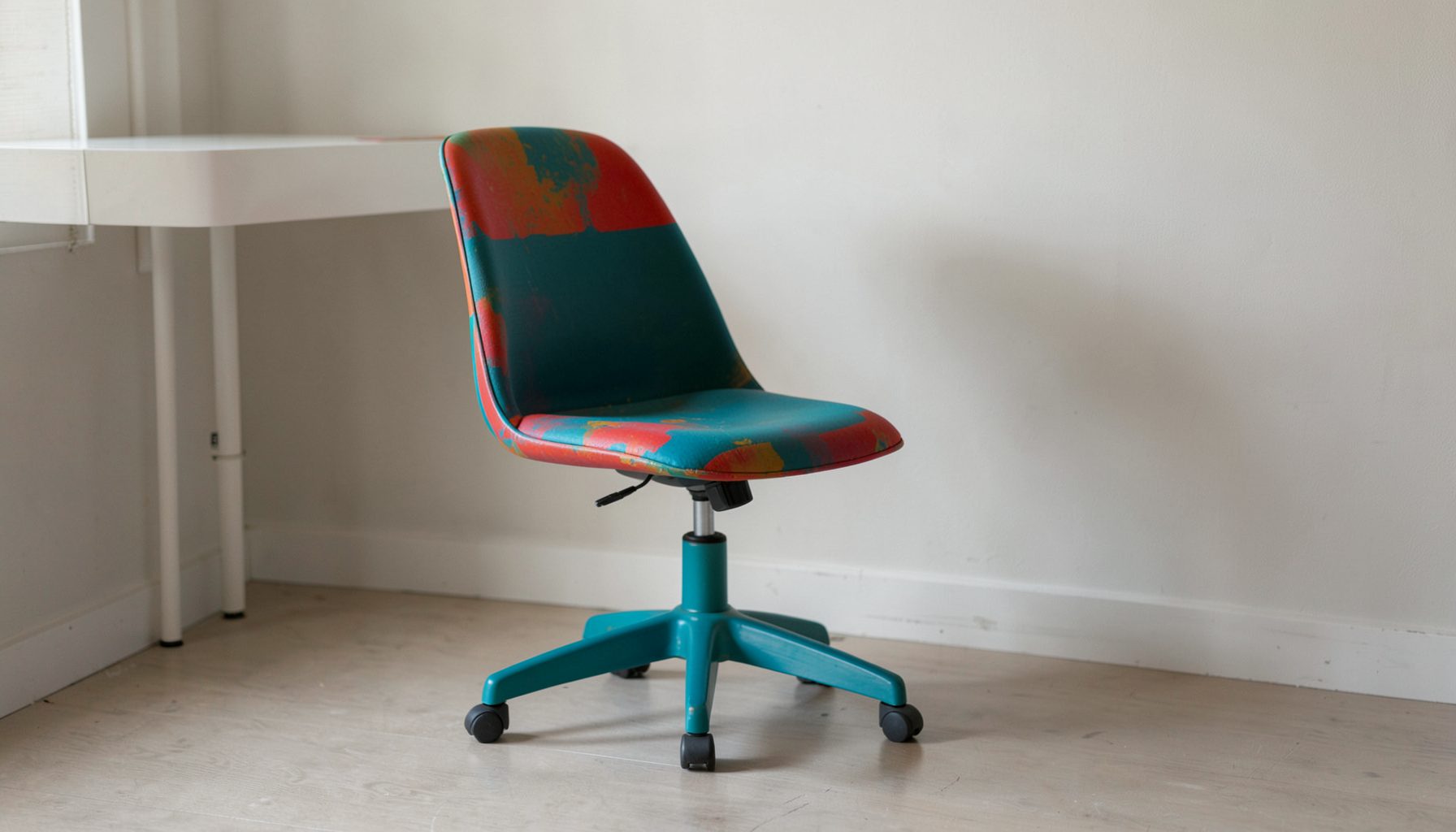
E-Decorating
Personalized design guidance delivered online — perfect for clients anywhere in the world who want a professional eye.
Learn More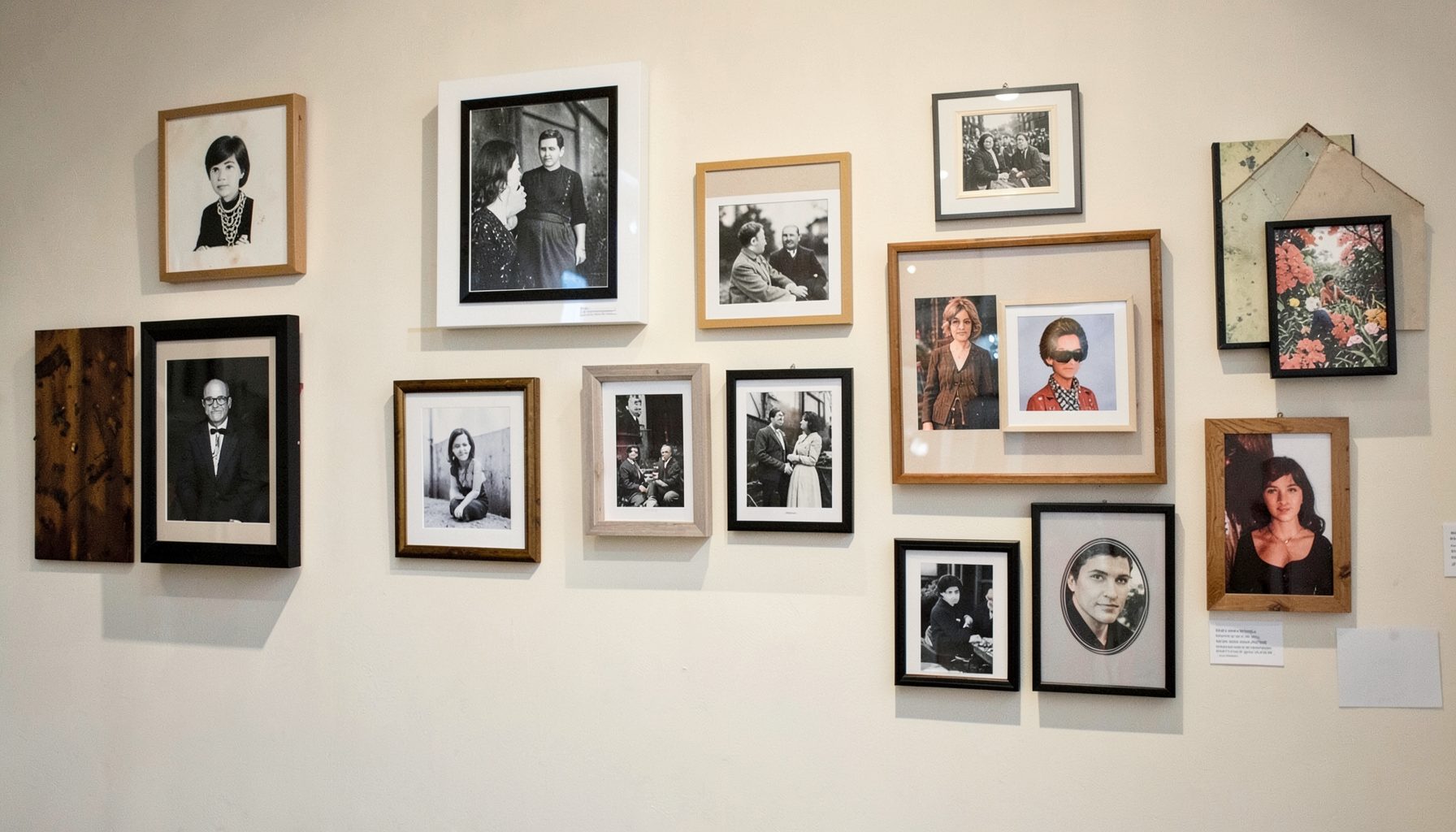
Portfolio
Browse completed room makeovers, before-and-after transformations, and styling projects from Bay Area homes.
Learn More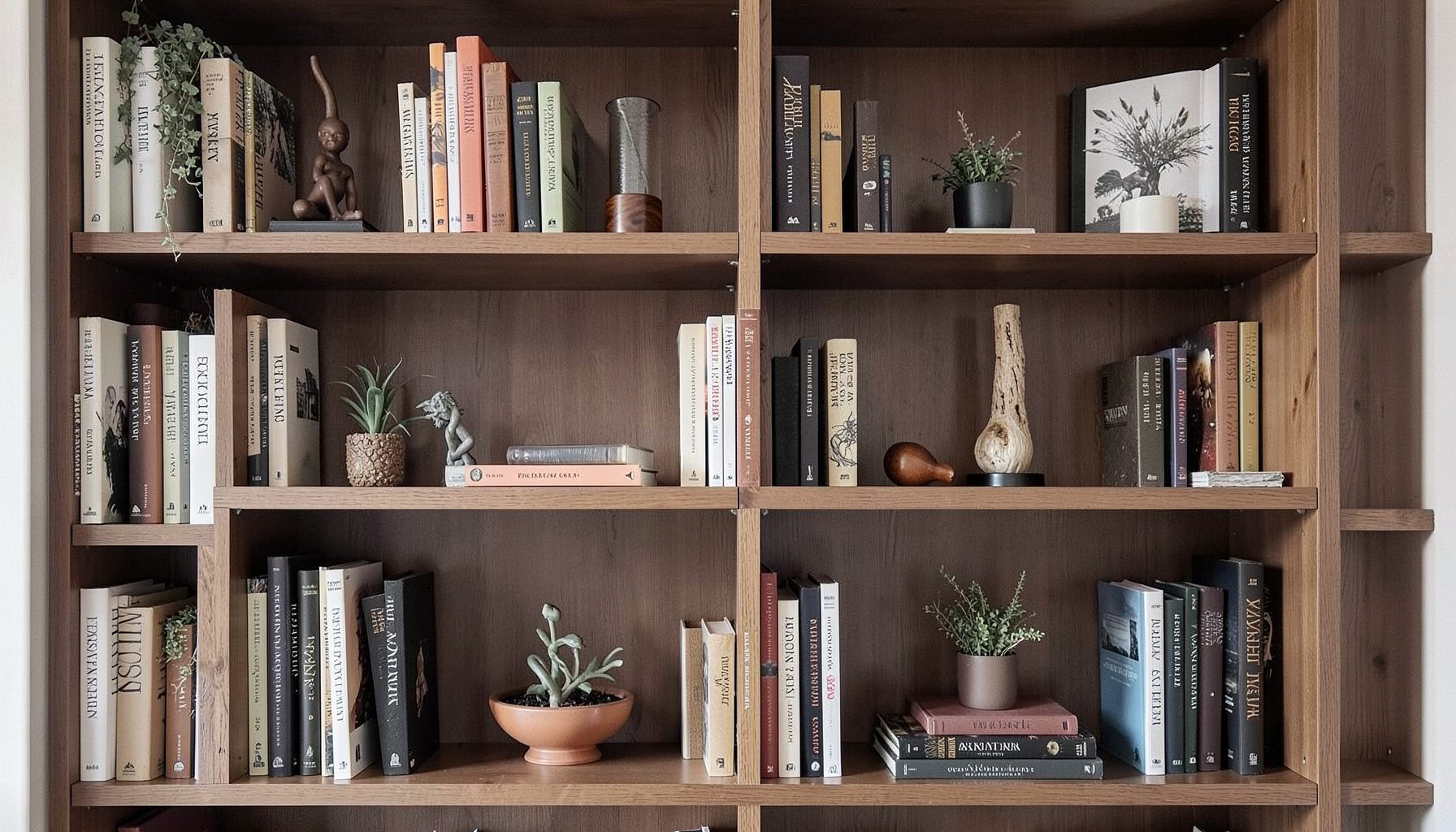
Blog
Interior design inspiration, fashion finds, entertaining ideas, and peeks into real home renovations and styling projects.
Learn More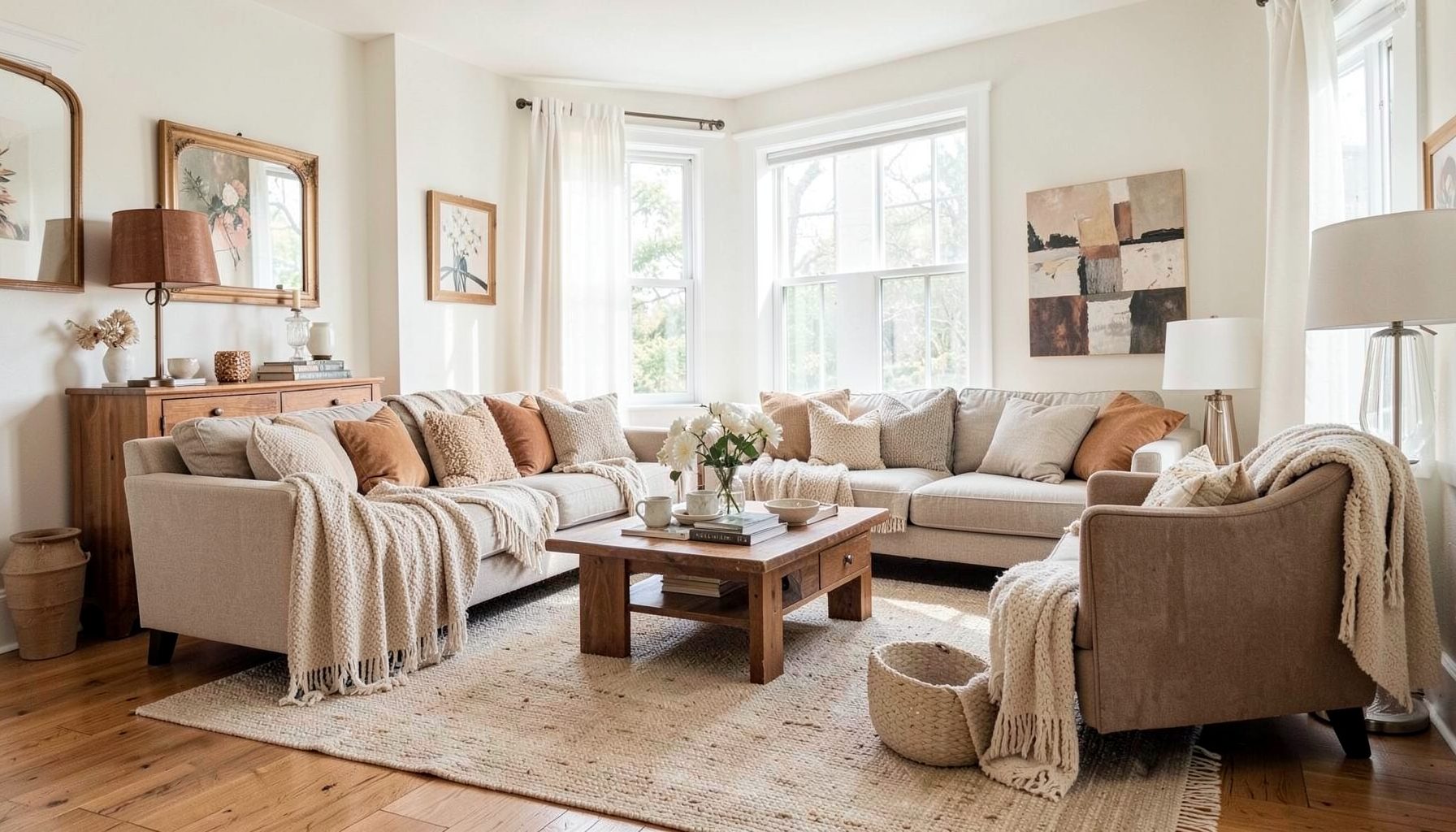
Downloads
Free curated resources for home decorating and design — guides, checklists, and inspiration to help you get started.
Learn MoreA Thoughtful Nightstand with a Lamp, Book, and Personal Object
A nightstand can be one of the smallest surfaces in a bedroom, yet it has a surprisingly strong effect on how the room feels. When it holds the right combination of light, reading material and something meaningful, it becomes both useful and personal. The arrangement should support the quiet rituals of bedtime without looking overworked or becoming a landing place for chargers, receipts and half-finished cups of tea.
The most successful bedside styling feels collected rather than manufactured. A vintage lamp can sit comfortably beside a contemporary book, while a small ceramic, framed photograph or travel keepsake adds a layer of personality. This balance suits the relaxed, mixed-era approach associated with Maggie Rose Interiors: combining practical pieces, considered decoration, budget-friendly finds and objects that tell a client’s story.
Begin with the nightstand and the space around it
Before choosing decorative details, assess the proportions of the bedside table. Its height should relate reasonably to the mattress, allowing the lamp switch and book to be reached without stretching. A table that sits close to mattress height usually feels comfortable, while a very low or oversized piece can make the entire bed wall look unbalanced. In a compact Melbourne apartment or a narrow terrace in Sydney, a small drawer unit or wall-mounted shelf may work better than a broad bedside cabinet.
Consider what the table needs to accommodate every evening. If it must hold glasses, medication, a phone, a water carafe and a reading lamp, decoration should remain restrained. A drawer is useful for concealing cables and personal items, leaving the upper surface calm. In homes where bedside power points are positioned low on the wall, cable length also matters. Measure before buying a lamp so the lead can reach the outlet without crossing the walking path or creating a visible tangle.
The material and colour of the nightstand establish the foundation for the arrangement. Timber brings warmth to a white or neutral bedroom, while painted furniture can introduce a gentle contrast. A dark timber table may suit a layered, heritage-inspired room; pale oak or cane can feel lighter in a sunny Brisbane or Perth bedroom. If the bedside furniture is already visually strong, select a quieter lamp and personal object. When the table is plain, the accessories can provide more character.
Choose a lamp for comfort and proportion
The lamp is usually the largest item on a nightstand, so it should anchor the composition without dominating it. A useful starting point is to keep the lampshade within the visual width of the table. On a small round table, a compact ceramic or glass base with a tapered shade will feel more stable than a tall, narrow lamp. On a generous timber cabinet, a sculptural base or pleated shade can create an attractive focal point.
Think about the quality of light rather than appearance alone. A warm globe creates a softer atmosphere for winding down, while a bright, cool globe can make the bedroom feel closer to a workspace. In Australia, where summer evenings can stay light well into the evening in cities such as Adelaide and Melbourne, a lamp with a dimmer is especially useful once the room finally darkens. An adjustable or directional reading light may be preferable for couples with different bedtime schedules.
Lamp safety deserves attention in the Australian market. Look for products that meet local electrical requirements and carry appropriate certification, particularly when buying online or importing a vintage-style fitting. Retailers such as Beacon Lighting, IKEA Australia and independent lighting showrooms offer options in many styles, while a qualified electrician can advise on hardwired wall lights or a new power point. Keep fabric, books and trailing cords away from hot globes, and position the lamp where it will not be knocked when reaching for the alarm.
Layer the book without making a stack
A book gives the nightstand a sense of life and use. It signals that the bedroom is a place for rest, reading and slower routines rather than a display area alone. Choose a book that suits the mood of the room: a beautifully photographed design volume, a novel with a handsome cover, poetry, travel writing or a current read with a meaningful connection to the owner. The cover can contribute colour, but the content should matter just as much as the styling.
One book is often enough for a small bedside surface. If you use two or three, vary the size and place the largest volume at the bottom, with the current read on top. A low stack can help balance a tall lamp, while a single horizontal book gives a compact arrangement a grounded appearance. Avoid creating a precarious tower that must be moved every night. The best styling leaves a clear patch of surface for placing glasses or switching off the lamp.
Books sourced from an op shop, a local bookseller or a second-hand market can bring more warmth than a newly purchased decorative volume. In Australia, browsing weekend markets in Brisbane, Melbourne or Sydney can uncover older hardbacks with muted covers and interesting textures. A book from a favourite holiday, a family collection or a local author can make the arrangement feel distinctly personal. Remove dust jackets when the clothbound cover underneath works better with the bedroom palette.
Add one personal object with meaning
The personal object is what prevents the nightstand from looking like a staged display. It may be a small framed photograph, a shell collected from the Mornington Peninsula, a hand-thrown cup, a carved box, a piece of coral-coloured stone or a miniature artwork. The object does not need to be valuable. Its purpose is to create a point of emotional recognition each time the room is entered.
Scale is important. A personal object should be visible beside the lamp and book without becoming a cluttered collection of small ornaments. One substantial object usually has more impact than five tiny pieces. A low bowl can hold jewellery, a small sculpture can add height, and a leaning photograph can soften a straight-lined arrangement. In a rental in Hobart or a coastal home on the Gold Coast, a removable object offers personality without requiring permanent changes to walls or joinery.
Use contrast to make the object noticeable. A pale ceramic piece can stand out against a dark timber table, while a brass or timber object may bring warmth to a white painted surface. Texture is equally useful: combine a smooth lamp base with a woven box, a glossy book cover with a matte stone, or crisp linen bedding with aged timber. These small differences create the layered quality that makes a bedroom feel collected over time.
Compose the arrangement for everyday living
Start by placing the lamp slightly towards the back or outer corner of the nightstand, depending on where the bed is positioned. Place the book near the front or on the side that is easiest to reach. The personal object should occupy the remaining space, often opposite the lamp to create visual balance. This simple triangle keeps the eye moving and prevents every item from lining up in a rigid row.
Vary the height of the three elements. The lamp provides the tallest point, the book establishes a low horizontal layer, and the personal object fills the middle. If the lamp and object are both tall, the arrangement may appear crowded. If everything is low, the table can look flat. A small tray can group loose items, though it should be large enough to be useful without swallowing the whole surface.
A nightstand should look good from the doorway as well as from the pillow. Step back and view it from different angles, checking that the lamp does not obscure the object and that the book remains accessible. Leave breathing room around the arrangement. Negative space is part of the design, particularly in smaller Australian bedrooms where furniture may sit close to built-in wardrobes or the edge of a window.
Practical habits should guide the final edit. A water glass needs a stable landing place, and a phone charger should be easy to reach without becoming the main feature. If the bedside table is used for hand cream, reading glasses or a sleep mask, provide a drawer or small lidded box. In humid climates such as Darwin or Far North Queensland, avoid leaving delicate paper, untreated metal or moisture-sensitive timber directly beside an open water glass.
Make the styling work with the whole bedroom
The nightstand arrangement should echo, rather than copy, the wider room. Repeat one colour from the bedding, curtains or artwork in the book cover or personal object. If the bedroom includes vintage furniture, a modern lamp can keep the scheme from feeling overly themed. If the bed has a contemporary upholstered headboard, an aged ceramic lamp or antique book can add depth and prevent the room from appearing too uniform.
Pay attention to the bedside wall and headboard. A tall upholstered headboard may call for a simpler lamp, while a plain wall can accommodate a more distinctive shade. Wall sconces free up valuable surface area and suit narrow rooms, though a table lamp remains easier to change when the bedroom style evolves. In a Queenslander or Federation home, respecting existing architectural details such as timber trim, ceiling height and sash windows can make the styling feel naturally connected to the building.
The Australian market offers plenty of ways to create this look at different budgets. A lamp from a local lighting retailer can be paired with a second-hand bedside table, a book from a neighbourhood bookshop and a small object found at a weekend market. Stores such as Country Road Home, Jardan, Freedom and Temple & Webster provide different interpretations of contemporary Australian style, while op shops and vintage dealers are often better sources for pieces with age and character.
Seasonal changes can be subtle. Swap a heavy design book for a lighter novel in summer, or replace a bright ceramic with a richer timber object in winter. In homes affected by strong western sun, fading-sensitive books and photographs may need to be kept away from a sunny window. A linen shade, natural texture or muted colour palette can help the bedside area feel calm without making it bland.
The finished arrangement should support the room’s real routines. Keep the lamp easy to operate, the book within reach and the personal object stable enough to remain in place. Edit anything that collects dust, blocks a drawer or forces everyday belongings onto the floor. A well-styled nightstand is successful when it feels inviting at bedtime and remains practical the next morning.
The simplest formula is a lamp for warm, reliable light, a book chosen for genuine use and one object that carries meaning. Set them at different heights, leave room for essentials and check that the electrical setup is safe for Australian conditions. That small, considered combination can turn an ordinary bedside table into a calm and personal part of the bedroom.

Recent Projects