Interior Design
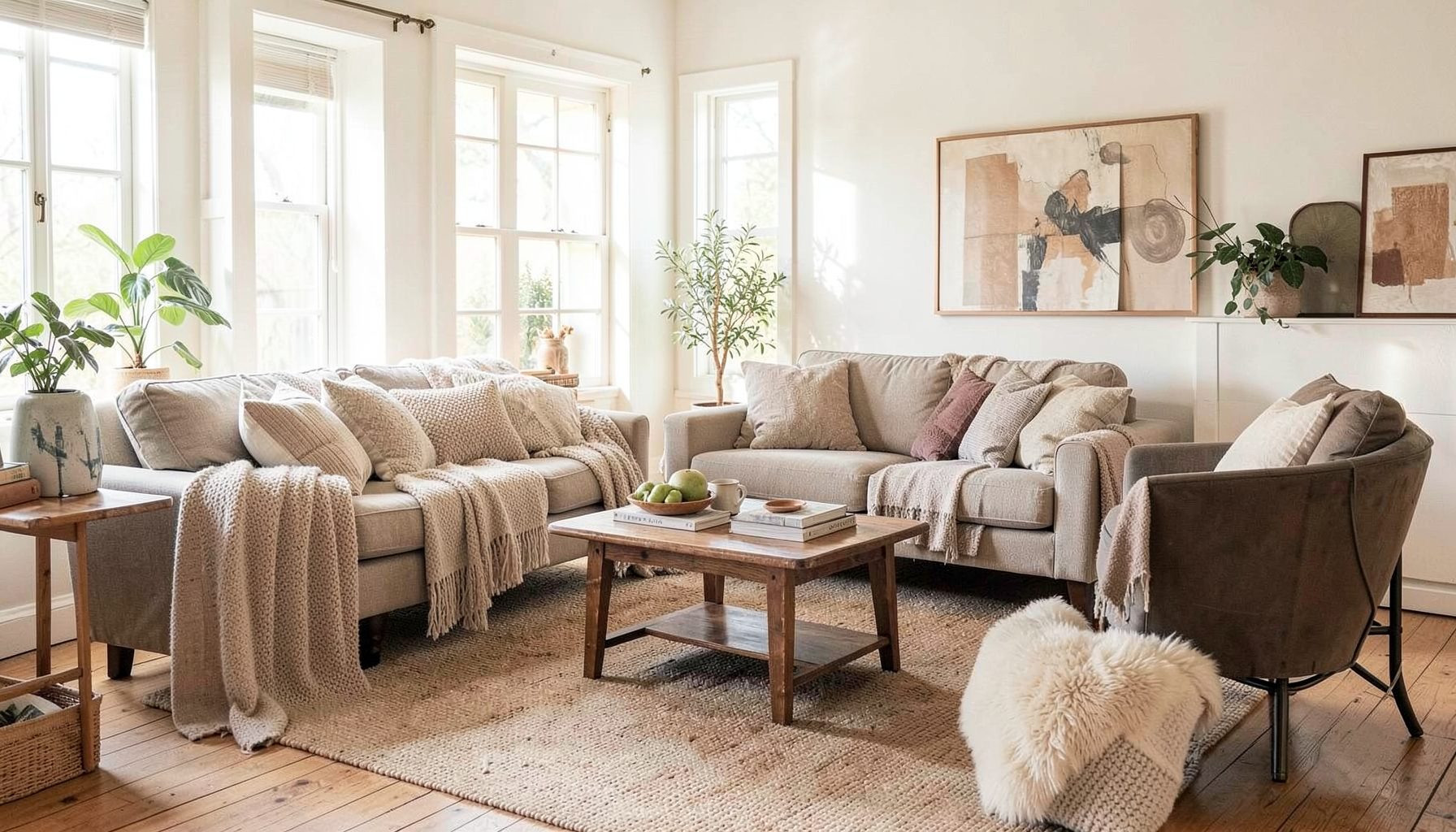
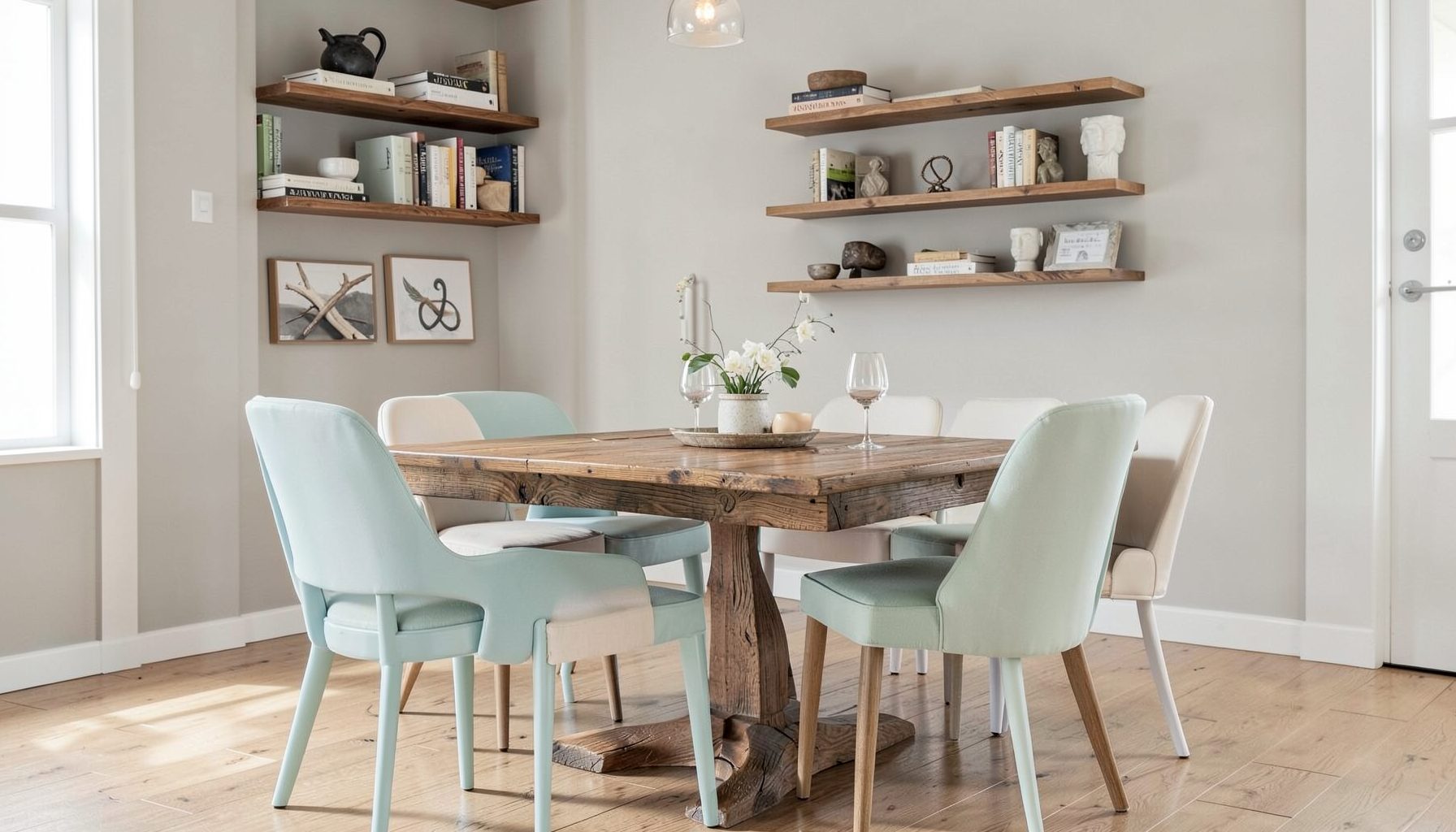
Full-service decorating that blends high and low, vintage finds with modern pieces for spaces that feel personal and collected.
Learn More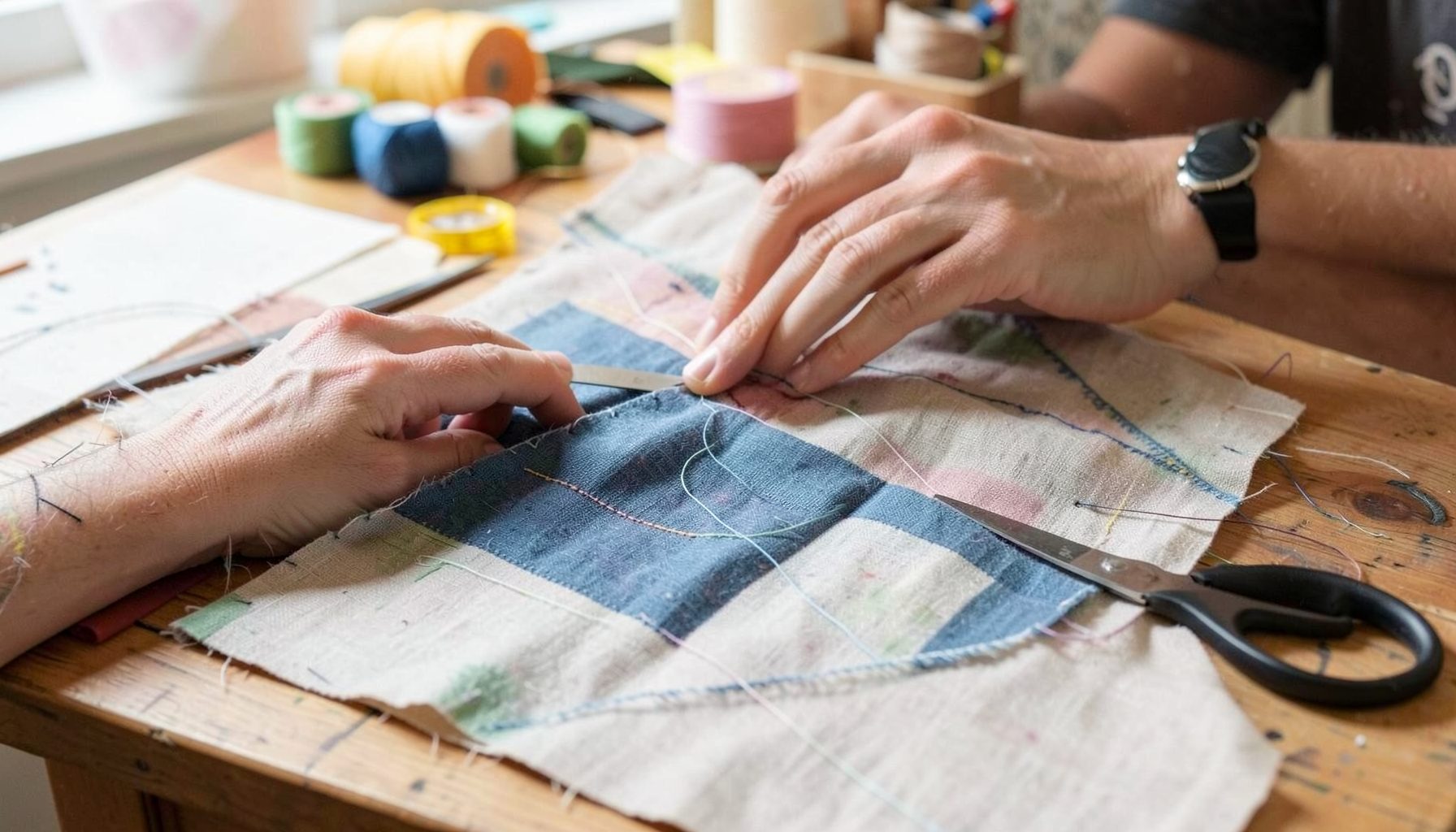
DIY Projects
Step-by-step tutorials for refinishing furniture, sewing pillows, styling bookshelves, and transforming rooms on a budget.
Learn More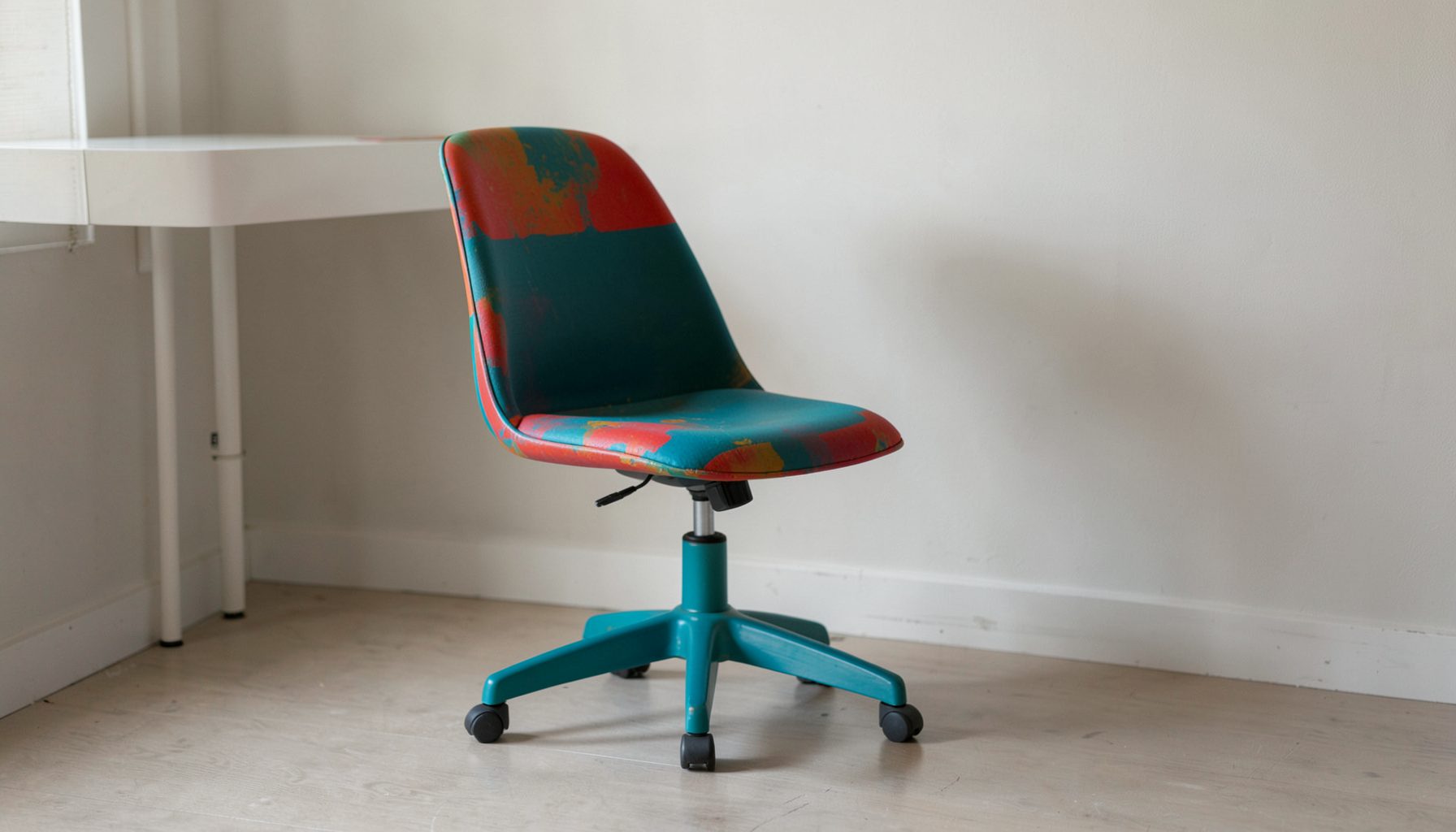
E-Decorating
Personalized design guidance delivered online — perfect for clients anywhere in the world who want a professional eye.
Learn More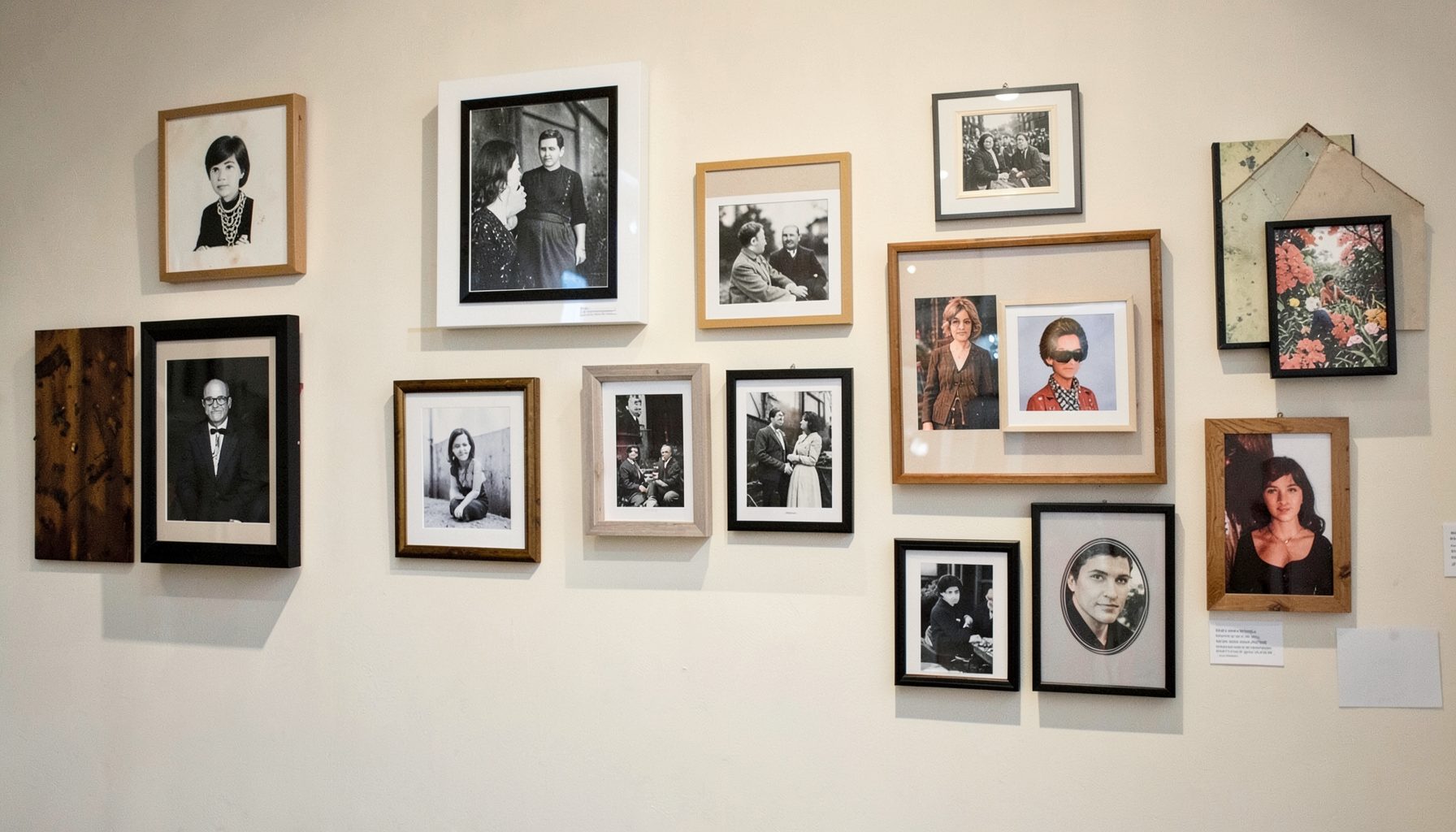
Portfolio
Browse completed room makeovers, before-and-after transformations, and styling projects from Bay Area homes.
Learn More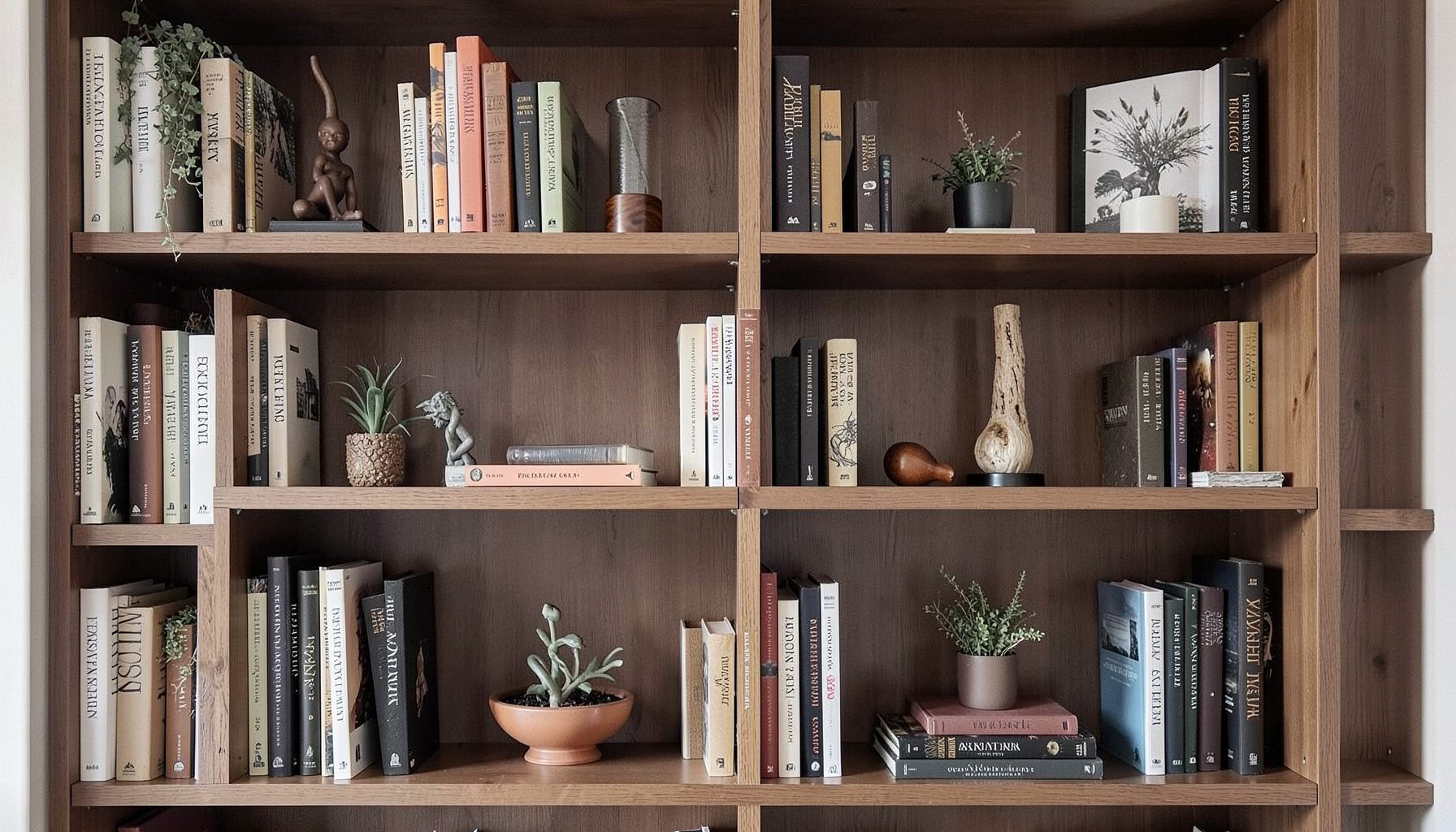
Blog
Interior design inspiration, fashion finds, entertaining ideas, and peeks into real home renovations and styling projects.
Learn More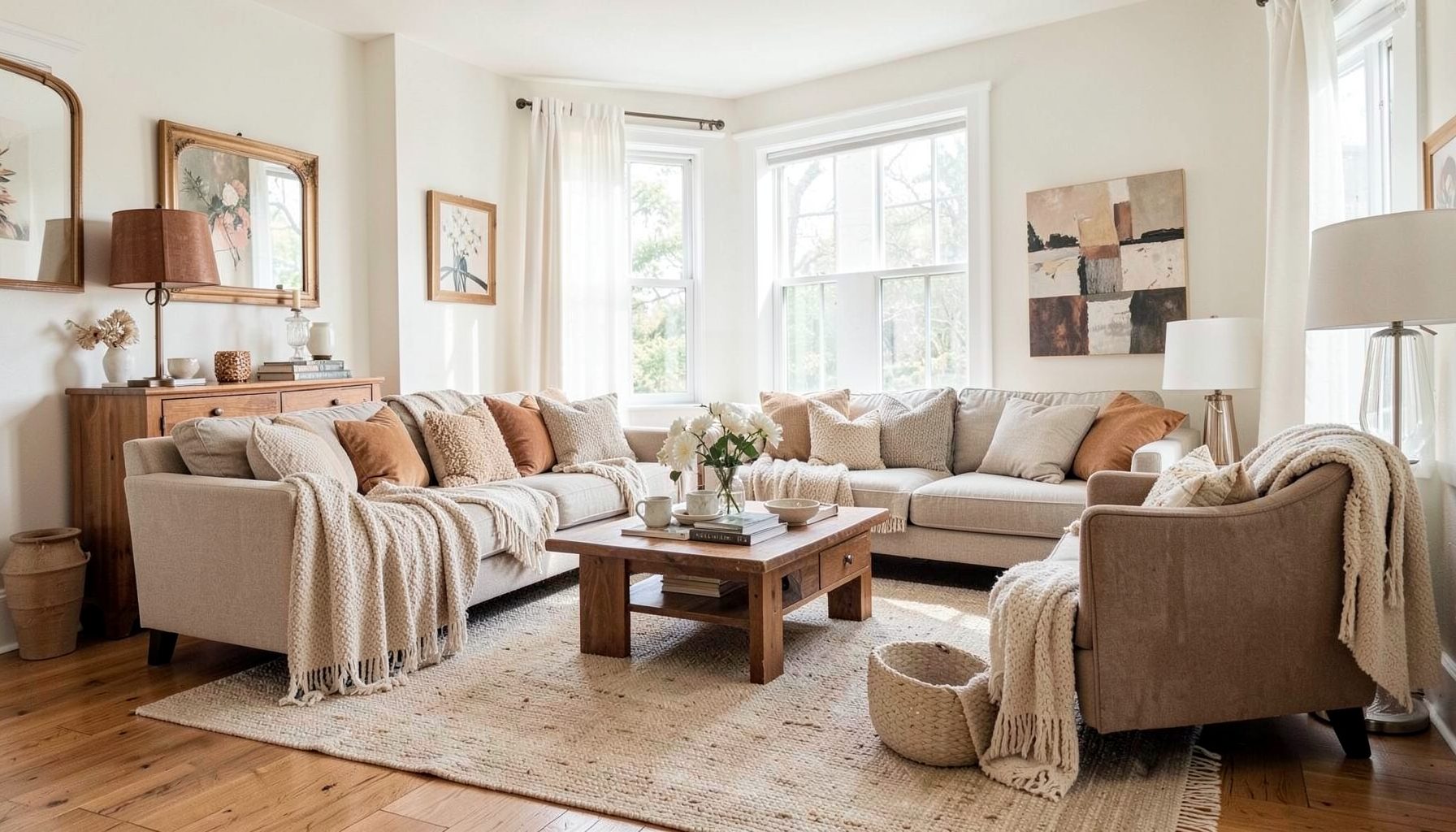
Downloads
Free curated resources for home decorating and design — guides, checklists, and inspiration to help you get started.
Learn MoreStyling a Mantel with Symmetrical Objects and a Large Art Piece
A mantel can give a room an instant focal point, yet it is easy for the arrangement above it to feel either too bare or overly decorated. The most reliable starting point is a strong visual relationship: one generously sized artwork, supported by a pair of balanced objects. This combination creates order while leaving enough room for texture, personality and a sense of discovery.
At Maggie Rose Interiors, the aim is rarely a showroom-perfect display. Layered interiors feel more inviting when vintage finds sit beside contemporary pieces, polished finishes meet humble materials, and the styling reflects the people who live there. A mantel is a small area, but it can express that same collected approach with careful scale, repetition and restraint.
Start With The Right Scale
The art should usually be the largest visual element on the mantel wall. A piece that is too small can make the fireplace feel disconnected from the room, while an oversized work may overwhelm a narrow chimney breast. As a useful guide, choose art that spans roughly two-thirds to three-quarters of the mantel’s width, allowing a little breathing space at either side.
Measure the mantel shelf, the available wall area and the distance from the shelf to the ceiling before shopping. These dimensions matter in Australian homes, where fireplace proportions vary widely between Victorian terraces in Melbourne, sandstone houses in Sydney and newer open-plan builds in Brisbane or Perth. A tall, vertical work may suit a narrow wall, whereas a wide landscape format can visually settle a broad contemporary fireplace.
The frame deserves as much attention as the artwork itself. A timber frame introduces warmth and works beautifully with linen, rattan or antique brass. Black or dark-stained timber can sharpen a soft neutral room. If the room already contains strong architectural details, such as ornate cornices or a patterned tiled hearth, choose art with a simpler frame so the composition does not become visually crowded.
Create Symmetry With Variation
Symmetry gives a mantel a sense of calm. Place a similar object on each side of the artwork, keeping the approximate height and visual weight balanced. Matching ceramic vessels, candlesticks, lamps, urns or framed photographs can establish this rhythm without requiring every detail to be identical.
Exact pairs can sometimes feel formal, especially in a relaxed Australian loungeroom. A more collected effect comes from using related objects rather than perfect duplicates. Two cream vessels with different shapes, a pair of aged brass candleholders, or matching timber pedestals topped with different pieces can provide balance while preserving character.
Think in terms of visual weight rather than height alone. A dark, solid vase may carry as much presence as a taller pale sculpture. If one side contains a dense object, offset it with two or three lighter pieces on the other side. Stand back from the room rather than judging the mantel from close up; the arrangement should read as balanced from the sofa, doorway and main circulation path.
Symmetry can also extend beyond the mantel. If the fireplace sits between built-in shelves or beneath a television, consider how the whole wall reads. A symmetrical object arrangement may need to compensate for an off-centre window, a nearby doorway or a television placed slightly to one side. The goal is visual steadiness, not mathematical perfection.
Hang Or Lean The Artwork
A large art piece can be hung above the mantel for a crisp, architectural finish, or leaned against the wall for a softer, more casual look. Leaning is especially effective when the frame is substantial and the shelf is deep enough to support it safely. It allows the artwork to become part of the vignette rather than appearing as a separate wall decoration.
When hanging artwork, keep it visually connected to the mantel. Placing it too high creates an awkward gap and makes the fireplace feel short. A modest amount of space between the shelf and frame often feels most cohesive, though the precise distance depends on the frame size, ceiling height and surrounding architecture. A leaning piece can sit lower, with its base resting directly on the shelf and its upper edge anchoring the wall.
Layering a smaller item in front of a large artwork adds depth, but keep the foreground piece low enough that it does not obscure the main image. A shallow bowl, a small sculptural object or a low arrangement of branches can work well. Avoid placing a tall vase directly in front of the artwork’s centre, as it competes with the focal point and breaks the clarity of the composition.
Safety comes before styling. Secure a heavy frame if it is in a busy passage, and use suitable anti-slip protection beneath leaning pieces. For working fireplaces, gas units and electric heaters, follow the manufacturer’s clearance requirements and choose heat-resistant accessories where appropriate. Many Australian houses use decorative or electric fireplaces rather than traditional wood-burning ones, so the mantel may be more decorative than functional, but it still needs to be treated as a practical household surface.
Layer Texture And Colour
The most successful mantel displays include a mix of materials. Pair a smooth glazed vessel with rough pottery, a glossy frame with aged timber, or cool stone with warm woven fibres. These small contrasts stop a symmetrical arrangement from appearing flat or overly matched.
Begin with the colours already present in the room. Pull one quiet tone from the rug, upholstery or curtains and repeat it in a small mantel object. Then add a contrasting accent sparingly. A rust-coloured vessel can echo warm timber floors, while deep olive or blue can bring definition to a palette of whites, oat tones and sandy neutrals.
Australian light is an important part of the equation. Strong northern light can make pale surfaces appear brighter and expose glare on glass-fronted artwork. In coastal areas, such as Sydney’s eastern suburbs or the Gold Coast, bleached timber, chalky ceramics and soft blue-green accents can complement the surrounding atmosphere. In darker rooms, a reflective brass object or lightly glazed pot can introduce a useful lift without requiring a complete change of colour scheme.
Natural elements add movement to a structured arrangement. A few sculptural branches, dried banksia, gum foliage or seasonal flowers can soften hard lines, provided they do not block the artwork. Fresh greenery needs regular watering and may be unsuitable directly above heat, while dried stems should be kept well away from flames and hot surfaces.
Work With Australian Room Conditions
Australian homes have very different fireplace traditions. A restored terrace may have a narrow marble mantel, an Edwardian bungalow may feature timber detailing, and a modern apartment may use a slim electric insert with a shallow ledge. The styling needs to respect the architecture rather than forcing every home into the same formula.
In a rental or apartment, removable picture-hanging systems and lightweight art can create a polished result without major wall alterations. A large canvas, framed textile or paper artwork may be easier to handle than heavy glass and timber. For a shallow shelf, choose low-profile objects and rely on the artwork for height, rather than trying to stack several pieces that could easily be knocked.
Humidity, dust and intense sun also affect materials. Coastal homes may benefit from sealed timber, glazed ceramics and finishes that can be wiped clean. Artwork should be protected from prolonged direct sun, especially works on paper, delicate textiles and vintage pieces. In bushfire-prone regions, avoid dry foliage near any heat source and keep valuable objects away from areas exposed to smoke or soot.
Shopping locally can make the arrangement more personal and practical. Australian makers, antique centres, weekend markets and design stores often offer ceramics, timber objects and artwork with a sense of place. Pieces sourced in Melbourne, Sydney, Adelaide or regional markets can sit comfortably beside imported furnishings while giving the room a less catalogue-like quality. Australian retailers also work with local room dimensions and delivery conditions, which can make sourcing a large framed piece simpler than ordering an oversized item from overseas.
Edit The Display With Intention
Once the basic arrangement is in place, remove one item and assess the result. Mantel styling often improves when there is a little negative space around the artwork and between the paired objects. The shelf should feel considered rather than filled simply because space is available.
Use the rule of three selectively. A pair of matching objects can be joined by a low central accent, such as a small bowl, a stack of two art books or a discreet candle. If the artwork already has a complex subject or bold colour, two objects may be enough. The composition should support the art, not compete with it.
Vary height in small increments. If both side objects are exactly the same height, add a low element to one side or place one vessel on a slim book or timber plinth. Keep the tallest items toward the outer edges only when the artwork remains clearly dominant. A simple arrangement with one high object on each side usually feels more elegant than a collection of peaks and dips.
Consider how the mantel will look at different times of day. Candlelight, lamps and evening shadows can change the appearance of glossy ceramics and metallic finishes. A warm lamp elsewhere in the room may be enough; additional candles are optional and should be placed with care. For households with children or pets, secure fragile objects and keep small pieces away from the front edge.
Refresh the display seasonally without starting over. Replace dried stems with fresh branches, exchange a small vessel or rotate the artwork when the room needs a change. Keep the large art piece and core symmetrical objects as the foundation, then alter one or two supporting details. This preserves the calm structure while allowing the mantel to evolve.
A well-styled mantel brings architecture, artwork and everyday objects into the same conversation. Begin with scale, establish balance through paired pieces, then add texture and personal history in measured layers. The arrangement should feel connected to the room, comfortable in Australian light and practical for the way the home is used. What the reader should remember is simple: let the large artwork lead, use symmetry as a framework, and leave enough space for the objects to breathe.

Recent Projects