Interior Design
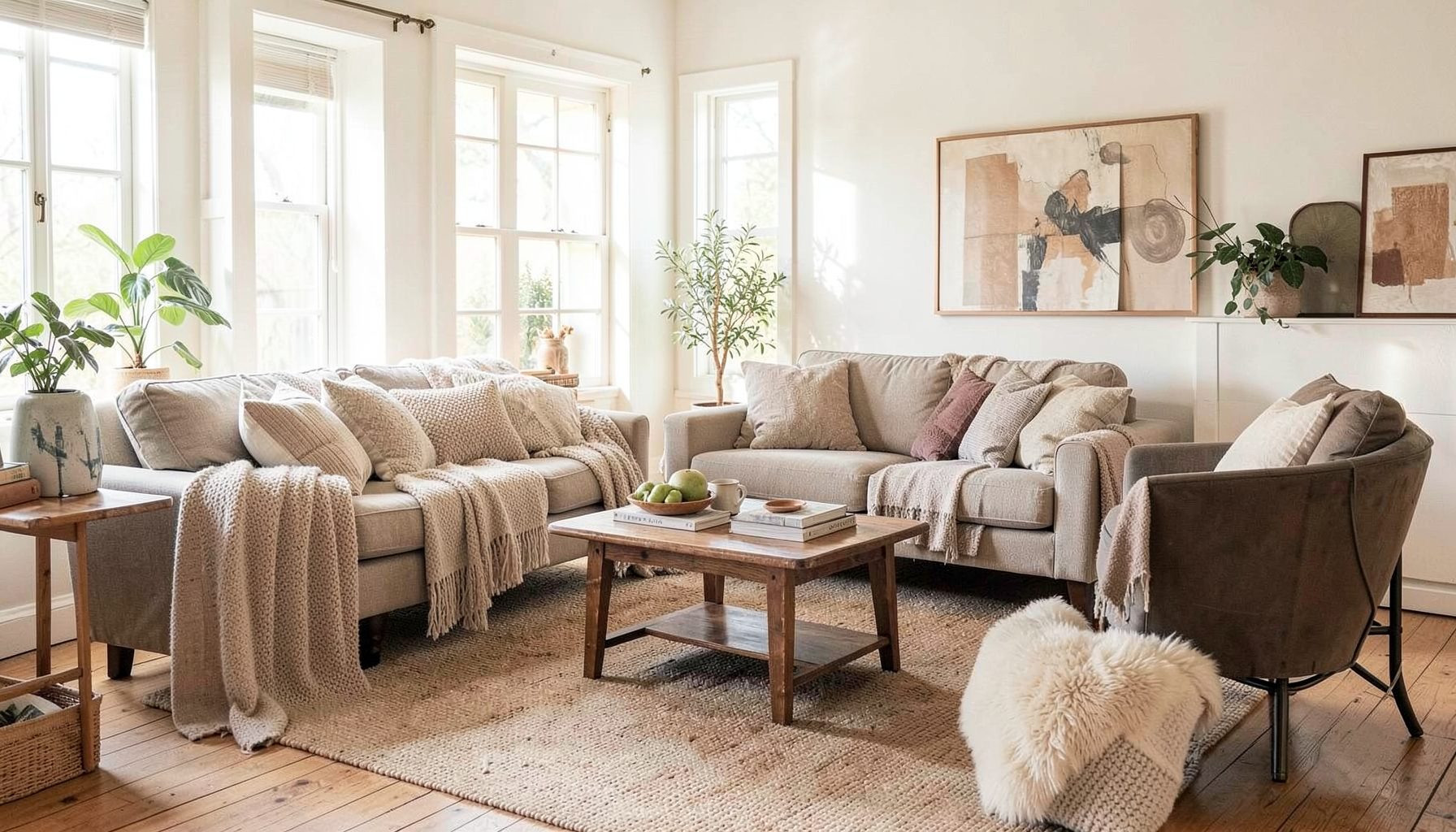
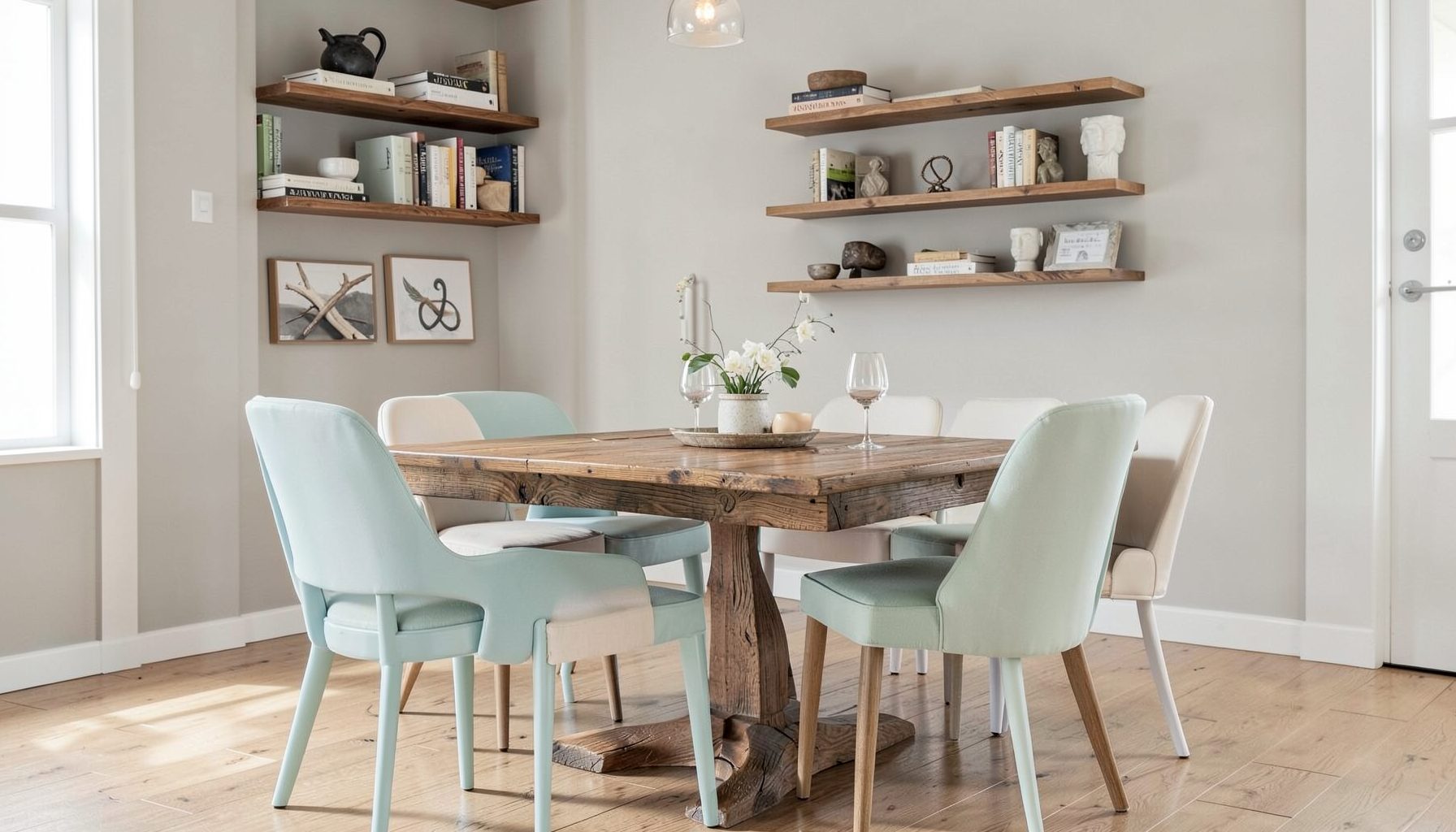
Full-service decorating that blends high and low, vintage finds with modern pieces for spaces that feel personal and collected.
Learn More
DIY Projects
Step-by-step tutorials for refinishing furniture, sewing pillows, styling bookshelves, and transforming rooms on a budget.
Learn More
E-Decorating
Personalized design guidance delivered online — perfect for clients anywhere in the world who want a professional eye.
Learn More
Portfolio
Browse completed room makeovers, before-and-after transformations, and styling projects from Bay Area homes.
Learn More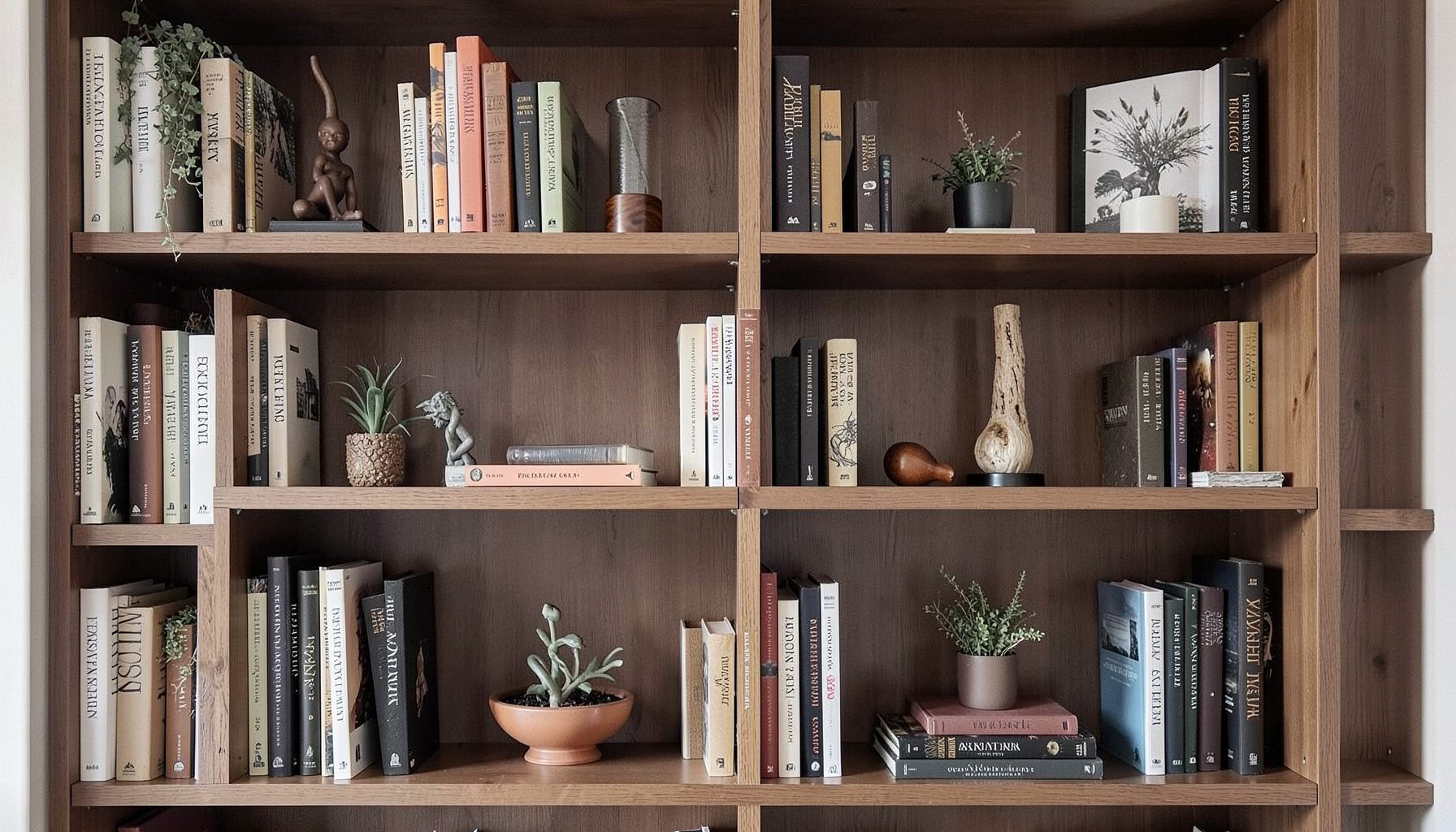
Blog
Interior design inspiration, fashion finds, entertaining ideas, and peeks into real home renovations and styling projects.
Learn More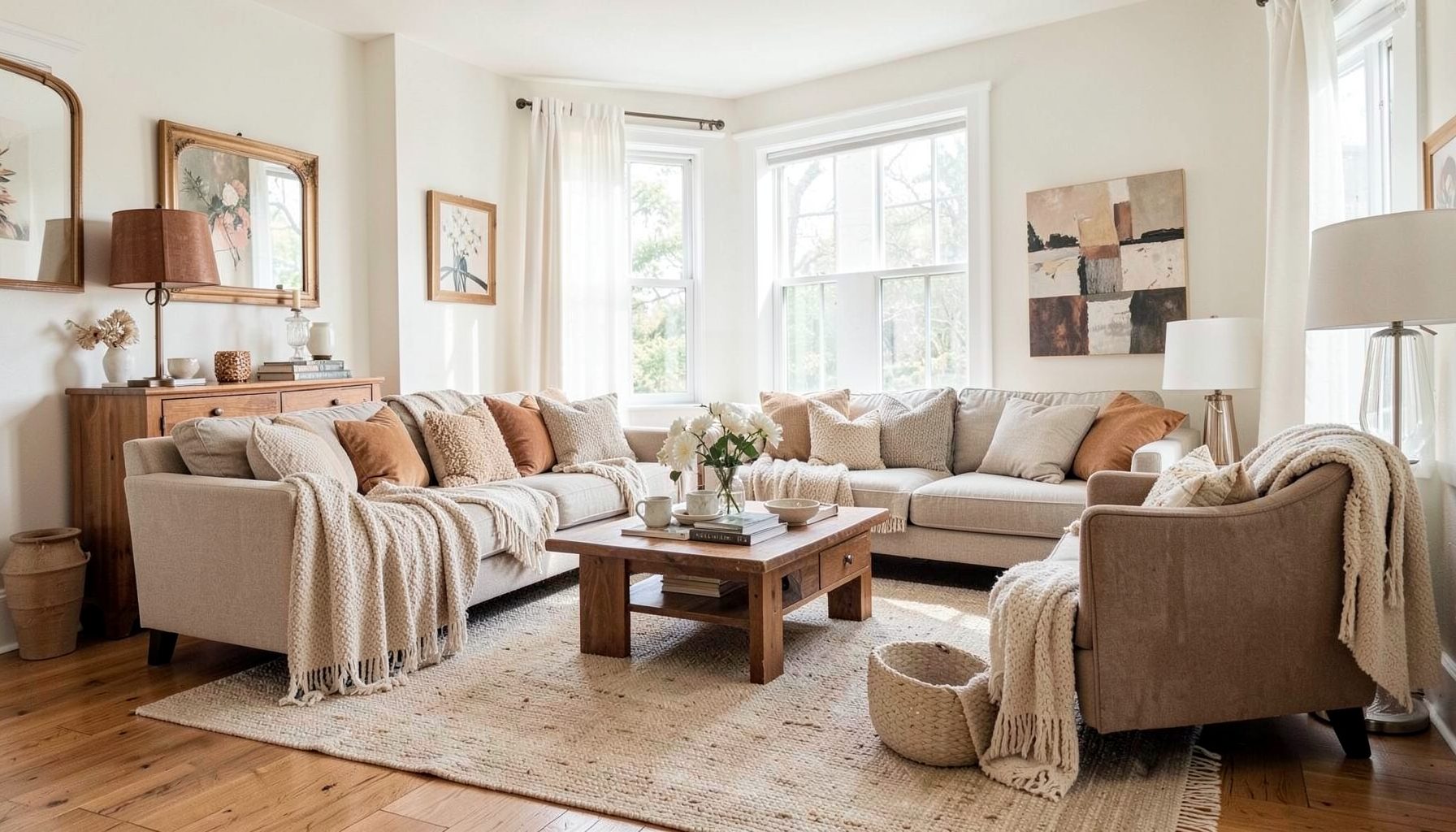
Downloads
Free curated resources for home decorating and design — guides, checklists, and inspiration to help you get started.
Learn MoreStyling a Hallway Console with a Lamp, Mirror, and Catchall Tray
A hallway console is one of the smallest but most-used surfaces in the home, and styling it well sets the tone the moment you walk through the door. Many people underestimate how much a simple entryway vignette can lift a narrow corridor or a blank stretch of wall, treating the console as an afterthought rather than a design moment. With the right lamp, mirror, and catchall tray working together, the space becomes both beautiful and practical, holding the things you actually need on your way in and out.
The trick is treating the console as a layered composition rather than a flat lineup of objects. Each piece should earn its place through proportion, function, or texture. In Australian homes, where hallways often connect open-plan living zones and face the harsh light of east-facing entries, the styling needs to feel collected, calm, and resilient to daily use.
Choosing the right console for your space
Before you worry about the styling, the console itself has to suit the architecture behind it. In a Federation-style terrace in Sydney or a Queenslander in Brisbane, slim legs and lighter timbers tend to feel right, sitting comfortably against skirting boards and dado rails. A heavier, planked timber console might suit a newer build in the suburbs of Melbourne, where clean lines and warmer woods dominate the current interior mood.
Measure the wall first and remember that the console should be roughly two-thirds the width of the mirror that will hang above it. A common mistake is buying a console that is almost as wide as the wall, which leaves no breathing space and makes the styling feel cramped. Allow at least fifteen centimetres of clear wall on either side so the vignette can breathe.
Height matters too. Most entryway tables sit between seventy-five and eighty-five centimetres high, which is comfortable for setting down a bag, throwing keys into a tray, or leaning down to tie a shoe. If your console is taller, choose a slightly taller lamp base to keep the composition visually balanced.
Picking a lamp that earns its place
A lamp on a console is not just there for soft glow in the evening, although that is a lovely bonus in long winter arvos when the sun drops early. It is also the easiest way to introduce vertical height into the vignette, drawing the eye up to where the mirror will hang. Without a lamp, most console tables look flat and unfinished.
In Australian homes where hallways often face west and catch strong afternoon sun, a lamp with a fabric shade in linen or natural cotton softens glare and adds warmth without competing with daylight. Ceramic bases in earthy or coastal tones work well with both Hamptons-inspired interiors and the more relaxed contemporary look popular in new builds around the coast.
Scale is everything. A petite lamp base on a long console disappears, while an oversized lamp on a narrow table overwhelms the wall. Aim for the lamp to be roughly one-third the height of the mirror above, or about forty to fifty-five centimetres tall overall, including the shade. A round shade softens a rectangular mirror, while a drum shade complements cleaner, more architectural frames.
Mirrors that anchor the whole wall
The mirror above a console does the heavy lifting. It bounces light deeper into the hallway, makes the corridor feel wider, and gives you a last glance before heading out the door. In compact apartments along the harbour in Sydney or in inner-city Melbourne conversions, a well-placed mirror can transform a dead-end hallway into a feeling of openness.
Shape choice changes the mood. A round or arched mirror softens the rigid geometry of long hallways and works beautifully with coastal and contemporary palettes. A rectangular mirror feels more formal and grounded, suiting classic Australian homes with high ceilings and traditional cornices. For a hallway that doubles as a transition between heritage features and modern furnishings, an oval mirror bridges the two styles comfortably.
Frame colour should echo either the lamp base or another metal finish in the room. Brushed brass remains popular across most Australian capitals, particularly in renovated Victorian terraces where the warmth of the metal pairs well with original hardwood floors. Black frames suit contemporary apartments, while natural timber or rattan frames echo relaxed coastal homes from Byron down to the Mornington Peninsula.
The catchall tray as the practical centrepiece
The catchall tray is the unsung hero of console styling. It is where the morning scramble actually lives: keys, sunglasses, a lip balm, the post that arrived yesterday and still needs opening. A beautiful tray makes that everyday mess feel intentional instead of chaotic, which is exactly what a layered, collected look aims for.
Material matters when choosing a tray for an Australian entryway. Timber trays in oak or blackwood feel grounded, while marble or stone trays bring a touch of luxury without shouting. Rattan and woven trays suit relaxed coastal homes and age gracefully with the dust and sun that any entry table eventually collects. A tray with raised edges keeps items corralled, while a flat tray lets you layer a small dish, a candle, or a sprig of greenery on top.
The size of the tray should leave breathing room around the edges of the console. A tray that fills the entire surface looks heavy and stops you from styling anything around it. A smaller tray, placed slightly off-centre, allows space for a stack of books, a small vase, or a candle to sit alongside without crowding.
Layering accessories for a collected look
This is where the vignette becomes a story rather than a still life. Start with the tray as the anchor, then build outwards in odd-numbered groupings. Two is too symmetrical, three begins to feel balanced, and five allows for real layering. Books stacked horizontally, a small bud vase with eucalyptus or a sprig of native wattle, a sculptural object, and a candle all earn their place when they vary in height, texture, and finish.
In Australian homes, seasonal touches feel especially welcome. A small bowl of shells in summer, a few pods or a branch of banksia in autumn, or a stack of well-thumbed books on local architecture keeps the styling feeling current rather than catalogue-perfect. The point is to mix luxury with budget-friendly pieces, vintage with modern, so the console reflects you rather than a showroom.
Height variation across the vignette keeps the eye moving. The lamp is the tallest element, the mirror frames the back, the tray anchors the front, and the accessories fill the in-between. Negative space is essential. A console crowded with objects loses the calm that makes the entryway feel welcoming after a long day.
Sourcing and styling in the Australian market
Sourcing the right pieces often comes down to knowing where to look locally. Temple & Webster, Freedom, and Domayne offer accessible console tables, lamps, and trays that ship reasonably across the country, while Provincial Home Living suits those chasing a more European feel. For vintage and one-off finds, weekend drives through suburbs like Fitzroy in Melbourne, Newtown in Sydney, or Paddington in Brisbane often uncover mirrors or trays with real character.
Australian shoppers should also factor in shipping realities. Many US-based decor suppliers charge heavily for international delivery and quotes often exclude duties, which can push a lamp well beyond the listed price. Local retailers, even when slightly more expensive at the checkout, sometimes end up cheaper once shipping, GST, and waiting time are considered. Reading testimonials from other clients before committing to a long-lead-time piece can save both money and disappointment.
Consider how the console will cope with Australian conditions too. East-facing hallways cop the morning sun, which can fade timber trays and dry out woven baskets over time. West-facing entries get the harsh afternoon glare that fades fabric lampshades. Choosing materials that age gracefully, and rotating accessories with the seasons, keeps the vignette feeling fresh without constant replacement.
The hallway console is one of the few places in the home where function and decoration genuinely meet. With the right lamp casting a soft glow, the right mirror opening up the corridor, and the right catchall tray catching the essentials of daily life, the space becomes the small daily ritual it was always meant to be. Styling it well is less about perfection and more about choosing pieces that hold their own, work together, and quietly welcome you home every single day.

Recent Projects