Interior Design
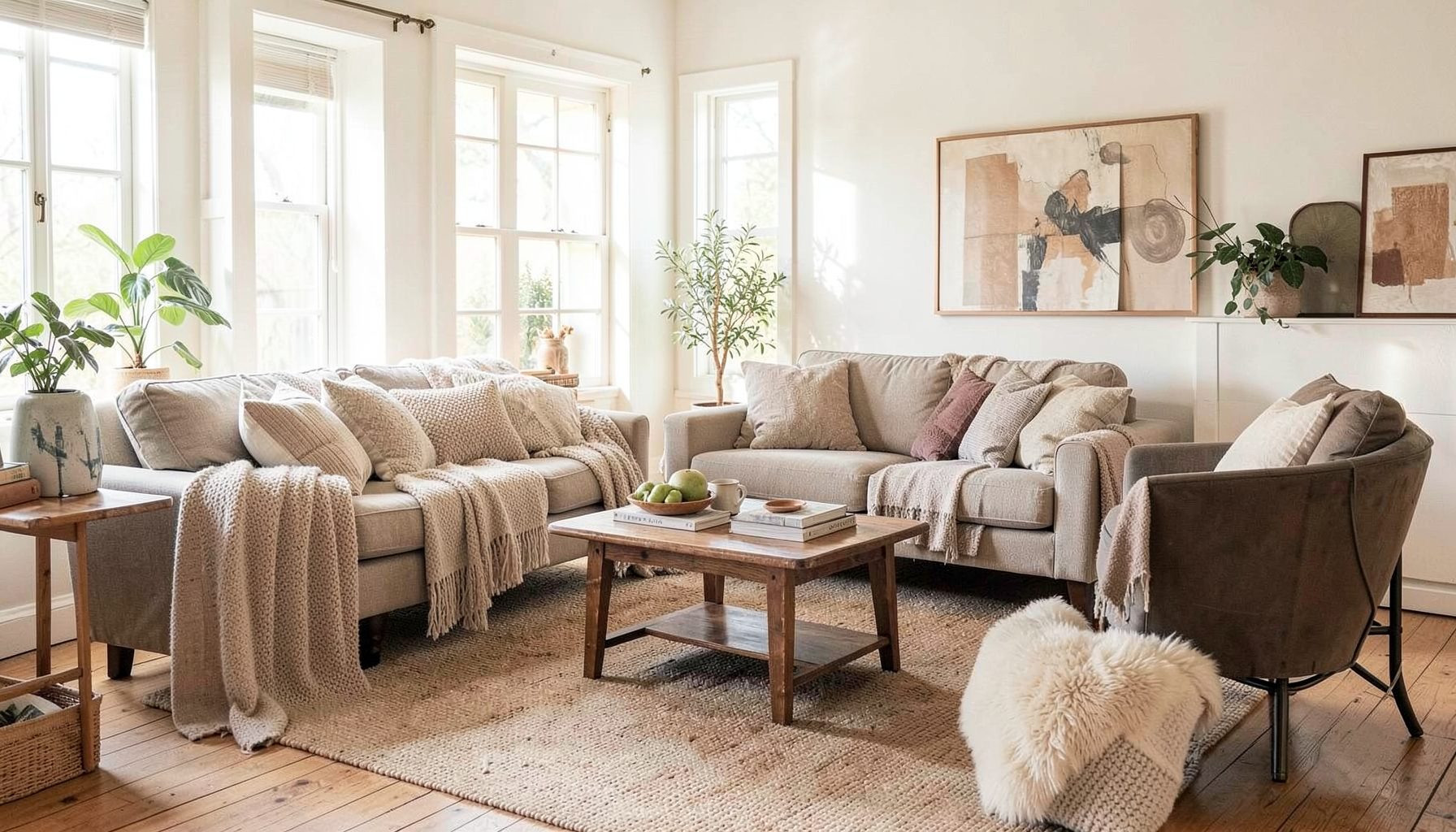
Full-service decorating that blends high and low, vintage finds with modern pieces for spaces that feel personal and collected.
Learn More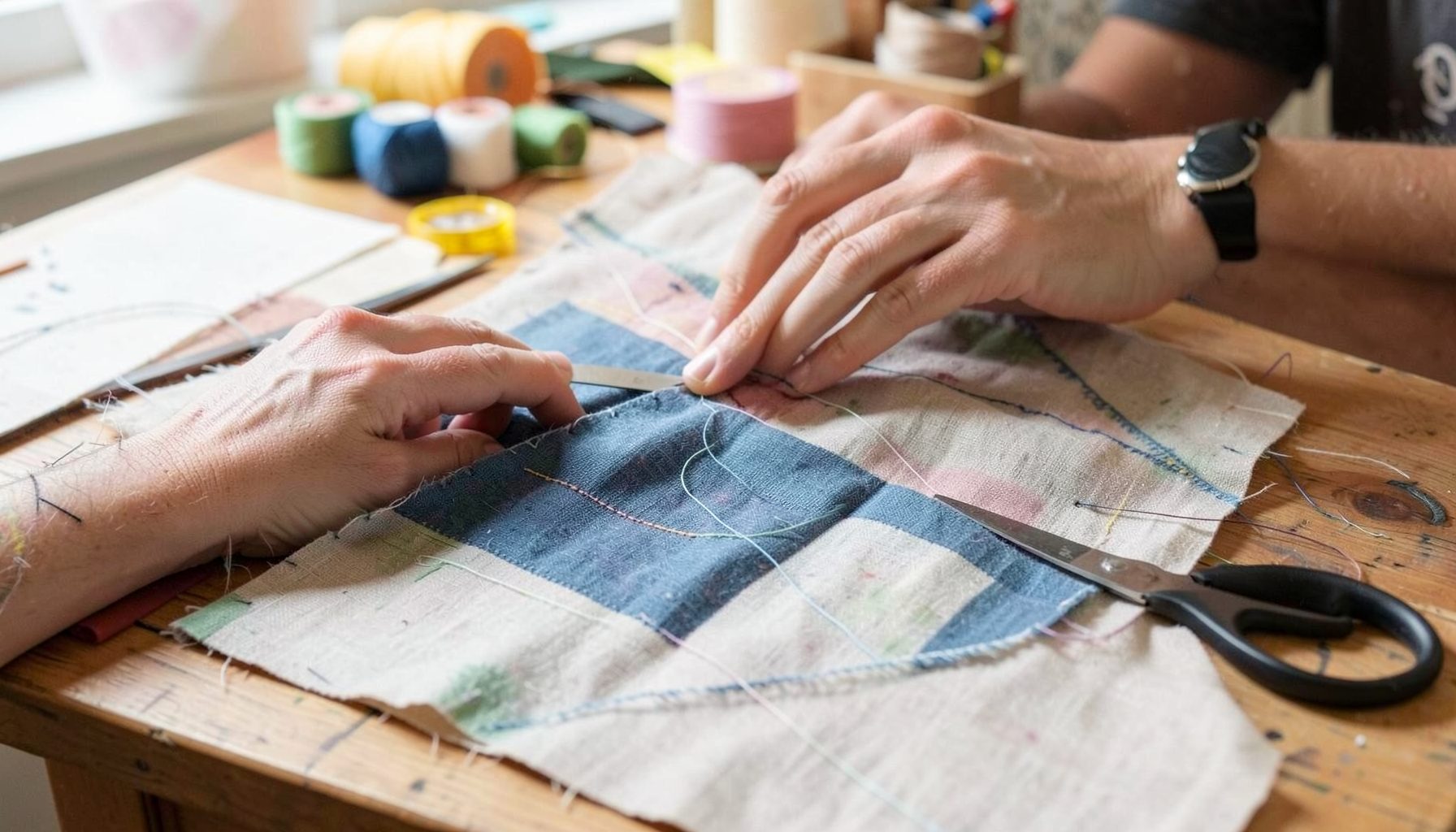
DIY Projects
Step-by-step tutorials for refinishing furniture, sewing pillows, styling bookshelves, and transforming rooms on a budget.
Learn More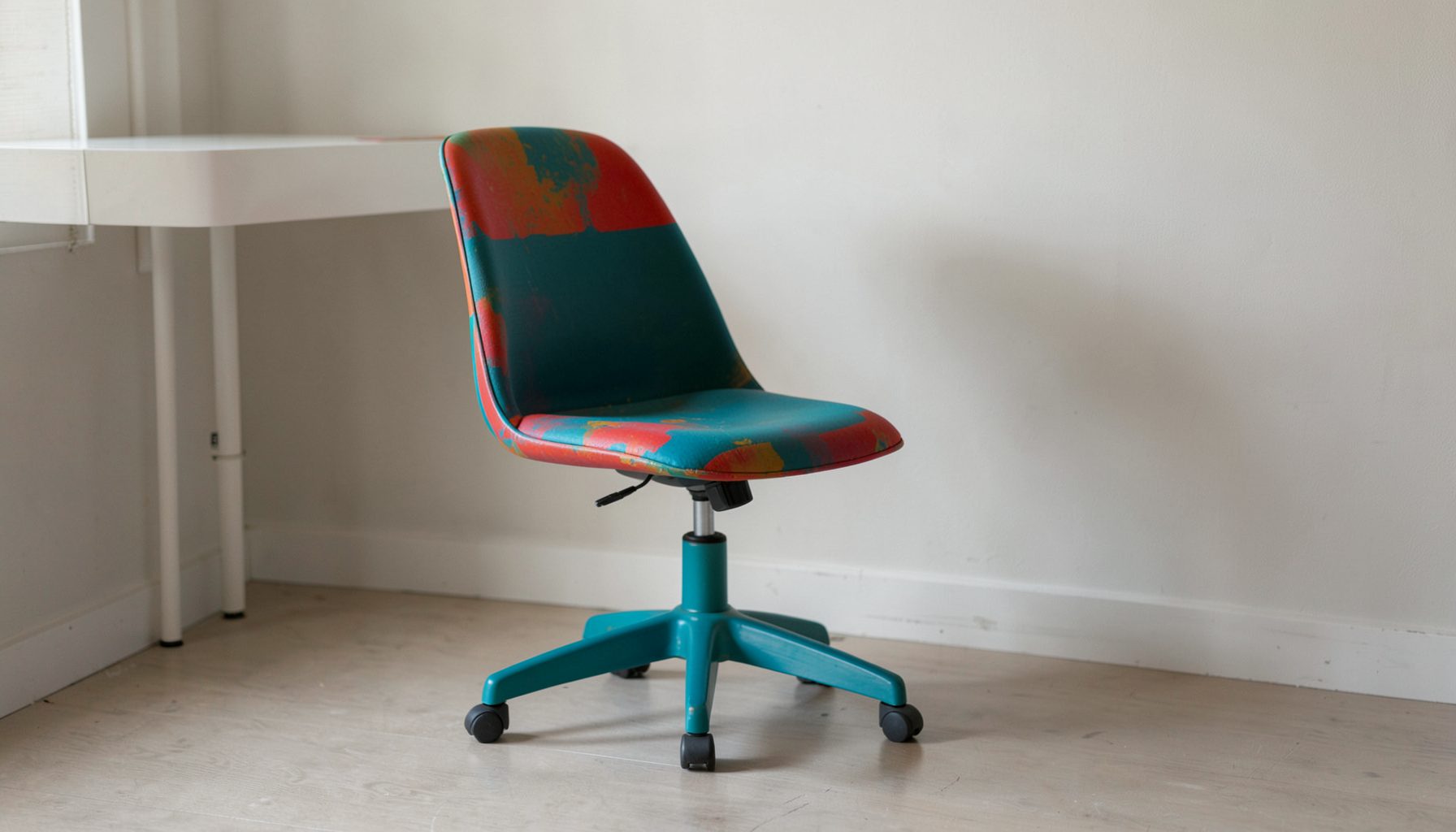
E-Decorating
Personalized design guidance delivered online — perfect for clients anywhere in the world who want a professional eye.
Learn More
Portfolio
Browse completed room makeovers, before-and-after transformations, and styling projects from Bay Area homes.
Learn More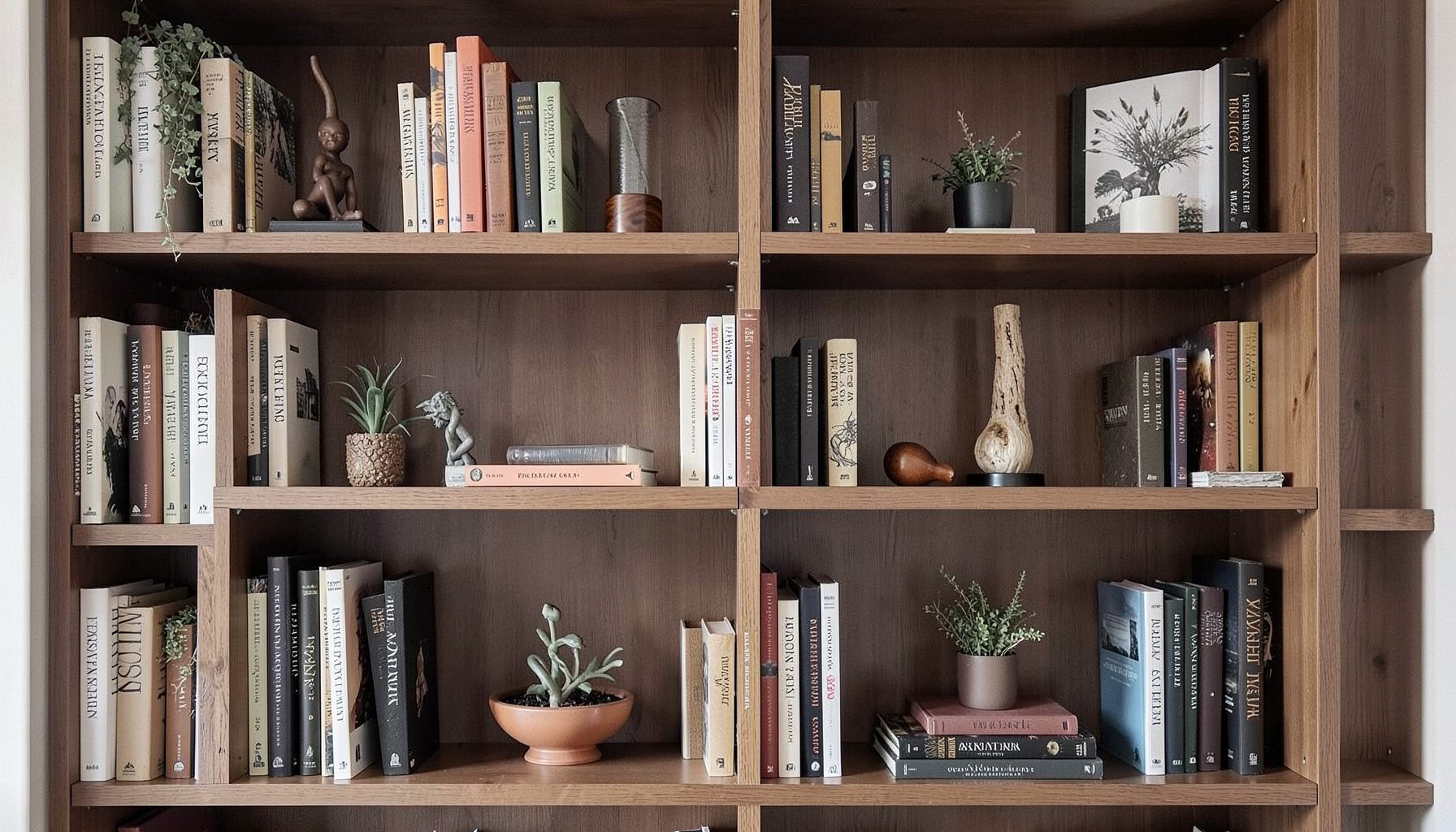
Blog
Interior design inspiration, fashion finds, entertaining ideas, and peeks into real home renovations and styling projects.
Learn More
Downloads
Free curated resources for home decorating and design — guides, checklists, and inspiration to help you get started.
Learn MoreFloating Shelf Above the Toilet: Smart Storage for Compact Bathrooms
Most Australian bathrooms have at least one piece of dead space that homeowners ignore. The wall above the toilet is often the most obvious culprit: usually around forty to sixty centimetres of unused vertical room sitting between the cistern and the ceiling, frequently in a room that is already the smallest in the house. A floating shelf can transform that gap into genuinely useful storage, without the bulk of a freestanding unit or the cost of a built-in cabinet.
This is especially relevant in the older housing stock that still dominates suburbs from Paddington to Northcote, Glenelg to Fremantle. Queenslanders, Victorian terraces and mid-century brick homes often feature a separate water closet tucked under the stairs or behind a hallway door. These cubbyhole toilets are notoriously tight, and the wall above the cistern tends to attract nothing more than a framed picture of dubious quality. Swapping that artwork for a properly mounted shelf is one of the simplest storage upgrades a homeowner can make.
The trick is choosing a shelf that handles steam, splash and summer humidity without sagging, warping or going mouldy. Below is everything worth knowing before drilling into the wall above your loo.
Why That Stretch of Wall Works So Well
The wall above the toilet is almost always within arm's reach of the seat, which makes it ideal for items you actually use mid-routine. Extra toilet paper, a fresh hand towel, a box of tissues and the small jar of hand cream can all live there, freeing up the vanity and the shower ledge for daily essentials.
It also gives you a vertical surface that does not compete with the floor footprint of the toilet itself. In a typical Australian apartment bathroom of about four square metres, every horizontal surface counts. Where a basket on the floor would interrupt cleaning and gather dust behind the pan, a wall-mounted shelf lifts everything off the ground and lets you sweep straight through.
There is a design benefit too. The eye is naturally drawn to the centre of a wall, so an empty expanse between cistern and ceiling pulls the room down and makes the ceiling feel lower. A shelf, styled with a few considered objects, lifts the gaze upward again and adds a layer of visual interest to a wall that is otherwise blank.
Picking a Shelf That Survives a Steamy Room
Bathrooms are hostile environments for furniture. Splashes, condensation, temperature swings and, in coastal suburbs like Coogee or Brighton, salty air all work against timber and metal. Solid timber shelves look beautiful in a magazine but will cup and swell within months unless the bathroom has excellent ventilation and the timber is sealed on every face, including the cut edges.
Marine-grade plywood with a moisture-resistant finish, powder-coated aluminium, stainless steel and tempered glass are the most forgiving options for Australian conditions. Bamboo is another contender; it handles humidity better than most hardwoods and sits comfortably in a coastal or Hamptons-style scheme. Avoid MDF entirely, even if it has a melamine coating, as it swells quickly once the waterproof skin is breached by a drill bit or a chip.
Thickness matters aesthetically as well as structurally. A shelf thinner than twenty-five millimetres looks timid above a toilet and disappears against a tiled wall. Forty millimetres reads as deliberate, while anything above fifty starts to feel chunky and suits only very modern spaces. The depth is usually limited by the cistern clearance: most toilets need at least twelve centimetres of space in front of the tank for servicing, so a shelf no deeper than fifteen centimetres rarely works in practice.
Mounting on the Walls Australians Actually Have
Fixing a shelf above a toilet is rarely as simple as locating a stud, because the wall is often tiled. Three wall types dominate Australian bathrooms, and each requires a slightly different approach.
In a brick veneer home, which accounts for a huge slice of suburban housing built between the seventies and the nineties, the internal walls are typically timber stud frame with plasterboard sheeting. A stud finder will locate the vertical timber, usually spaced at 450 or 600 millimetres, and the shelf can be screwed directly into it for the strongest hold. Where no stud lines up with your planned shelf position, plasterboard anchors rated for the intended load will hold anything from five to twenty kilograms depending on the brand.
Full brick walls, found in many inner-Sydney terraces and Adelaide bungalows, accept masonry anchors easily. Pre-drill with a hammer drill and a masonry bit, then fit a plastic plug or a chemical anchor for heavier loads. Hebel and other aerated concrete blocks are common in newer developments on the urban fringe and require special anchors designed for the material; standard wall plugs will pull out under load.
Tiled walls complicate things further. Drilling through ceramic or porcelain tile will crack it if done carelessly. Start by marking the hole with masking tape to stop the bit wandering, use a diamond-tipped or carbide-tile bit at low speed, and never use the hammer-drill setting until you are through the glaze and into the substrate. Keep a spray bottle of water handy to cool the bit and reduce dust.
What Actually Belongs on a Bathroom Shelf
The point of a shelf above the toilet is to add usable storage, not just decoration. Treat the lower zone, the part you can reach while seated, as the working shelf. Reserve the upper third, if you have stacked two shelves, for items used less often.
Rolls of toilet paper are the obvious anchor. Stack two or three spare rolls in a small basket or a ceramic crock, which keeps the shelf tidy and lets you swap rolls without juggling loose ones. A pump bottle of hand soap can live here if your toilet has no basin, which is the case in many separate water closets under the stairs. Tissues, a small first-aid kit, spare toothbrushes in a covered jar, and a folded hand towel complete the practical tier.
Above that, shift into decorative territory. A trailing plant such as a devil's ivy or a string of pearls thrives in the humidity and softens the hard edges of tiles. A small framed print, a piece of coral, a candle in a glass vessel and a few hardcover books stacked horizontally add the layered, collected feel that makes a room feel finished rather than sparse.
Editing Your Display So It Does Not Look Cluttered
The most common mistake is treating the shelf as a catch-all for every bathroom product in the house. Once the basket of spare toiletries joins the hairdryer and the half-used shampoo bottles, the shelf turns into a visual jumble that makes the room feel even smaller.
Edit ruthlessly. Choose one tall object, one medium object and one low object per zone, and leave negative space around each. The rule of three works in compact rooms because it gives the eye a starting point and an endpoint without overwhelming it. Vary the materials: pair something reflective, such as a glass jar or a brass candlestick, with something matte, like a stone vase or a linen-wrapped box.
Colour matters more than people expect in a small bathroom. A shelf styled entirely in white vanishes into the tiles, while a shelf filled with bright packaging looks chaotic. Pull two or three accent colours from the rest of the room, the towels, the vanity splashback, the floor grout, and repeat them on the shelf. In a typical Australian home with a neutral palette of soft greys, warm whites and natural timber, this usually means adding one piece of green, one piece of brass and one piece of stone.
Electrical Safety and Australian Standards
Anything electrical in a bathroom must comply with AS/NZS 3000, the Australian and New Zealand wiring rules. The room is divided into zones based on how close a fitting is to a water source, and each zone carries restrictions on the IP rating of any electrical equipment.
A shelf above a toilet is generally outside the highest-risk zones, but if you plan to install a light fitting above or beside it, or to plug in an appliance such as an electric toothbrush or shaver on the shelf itself, the power point must be at least 600 millimetres from the edge of any basin or bath. In a separate water closet with no basin, the requirements are less stringent, but a residual current device on the circuit is still mandatory in any room containing a shower or bath elsewhere in the dwelling.
For the shelf itself, keep electrical cords away from the cistern and any splash zones. Cordless devices, a charging dock mounted to the underside of the shelf rather than on top, and battery-operated candles are the safest ways to include modern conveniences without running cables where they can soak.
Where to Shop and What to Budget
Australian retailers make it easy to find a suitable shelf without ordering from overseas. Temple & Webster stocks a wide range of floating shelves in oak, black walnut and powder-coated metal, with prices starting around $45 for a basic model and climbing to $250 for solid timber or designer pieces. Freedom carries a curated selection, and Mocka offers flat-pack options in lighter timbers that suit a Scandinavian or coastal look.
For a tighter budget, Bunnings sells raw pine and Tasmanian oak floating shelf kits from about $25, which can be sealed and finished to match a custom scheme. IKEA Richmond, Marsden Park and the smaller format stores in Adelaide and Perth also stock a handful of options in the $30 to $80 range. If you are renting, look for adhesive or tension-mounted shelves rather than drilling into tiles, and check your lease before making any holes in plasterboard.
A practical project budget for a single shelf, including brackets, fixings, a coat of marine-grade polyurethane and styling props, lands somewhere between $120 and $300 for most homeowners. The result is one of the most cost-effective storage wins in any bathroom renovation, and it pays back in daily convenience from the moment the last towel is folded into place.

Recent Projects