Interior Design
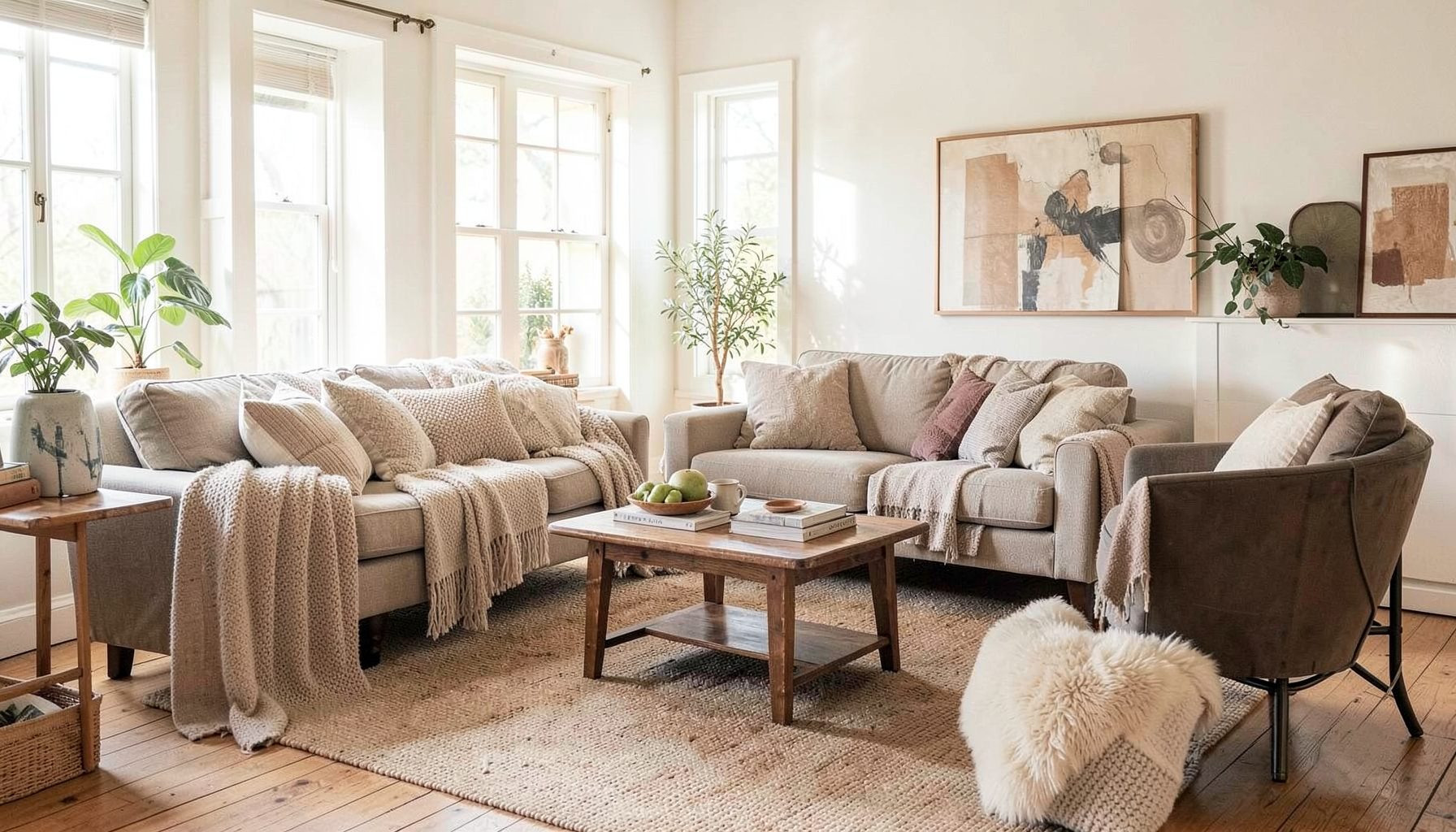
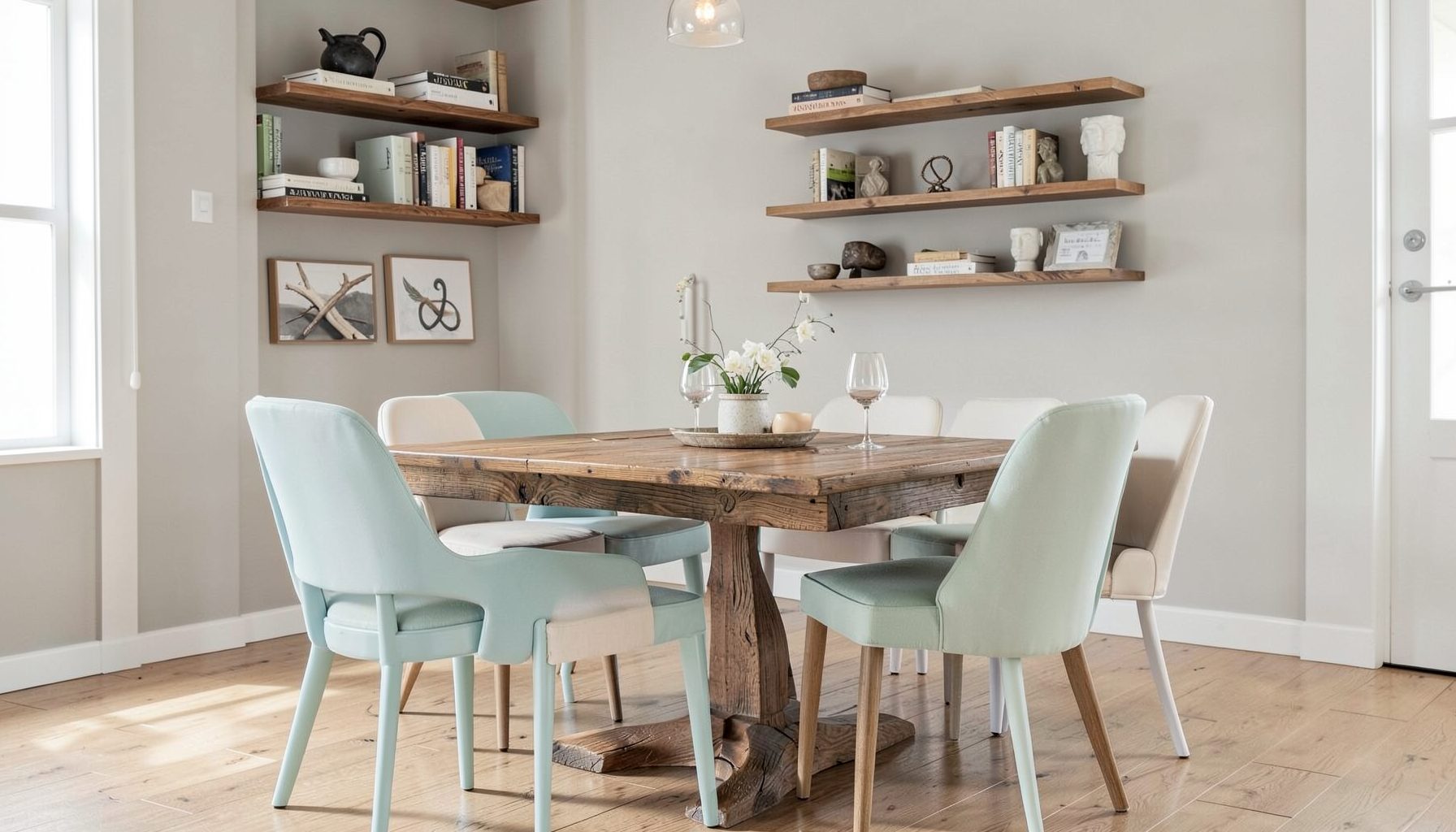
Full-service decorating that blends high and low, vintage finds with modern pieces for spaces that feel personal and collected.
Learn More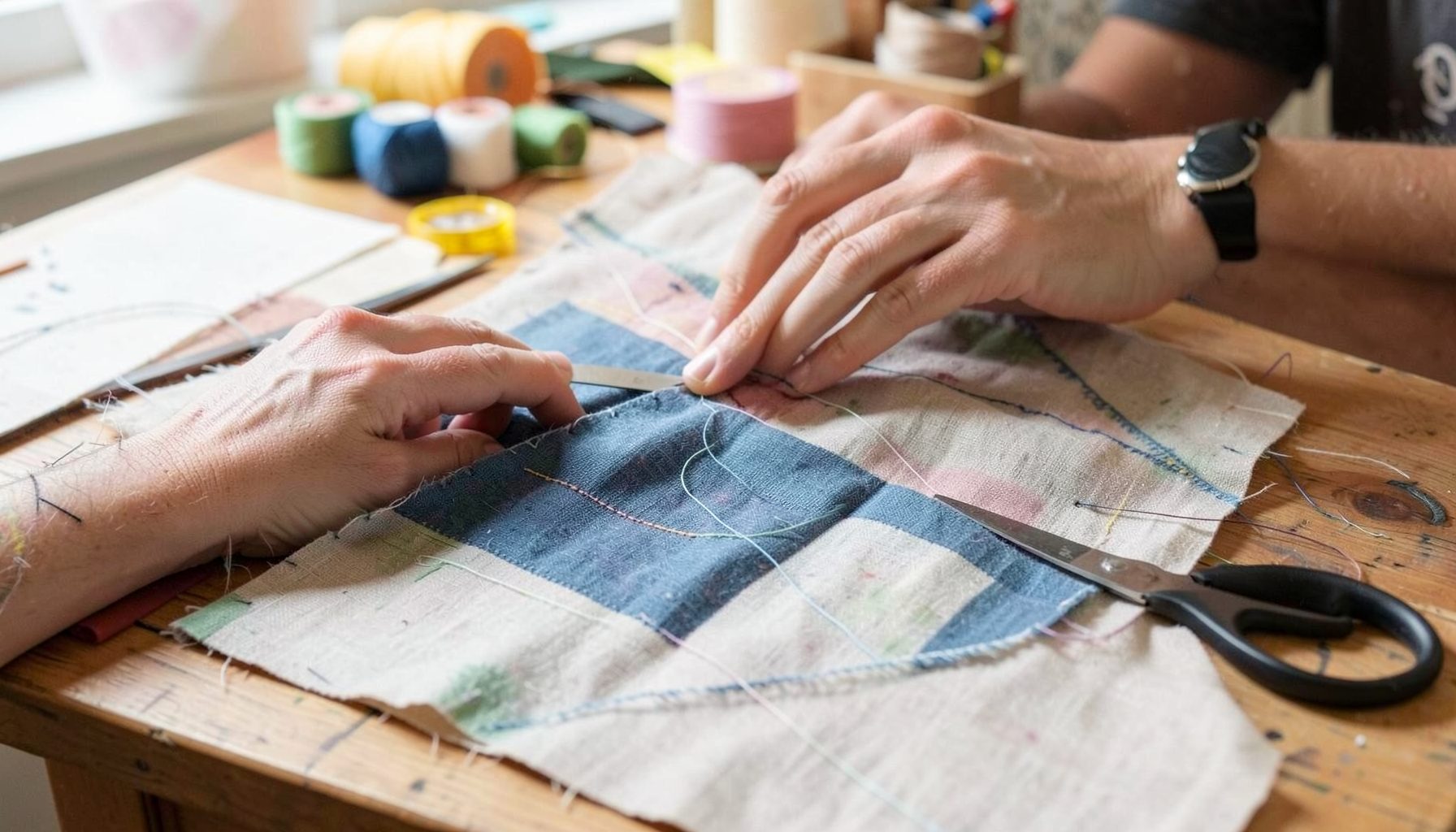
DIY Projects
Step-by-step tutorials for refinishing furniture, sewing pillows, styling bookshelves, and transforming rooms on a budget.
Learn More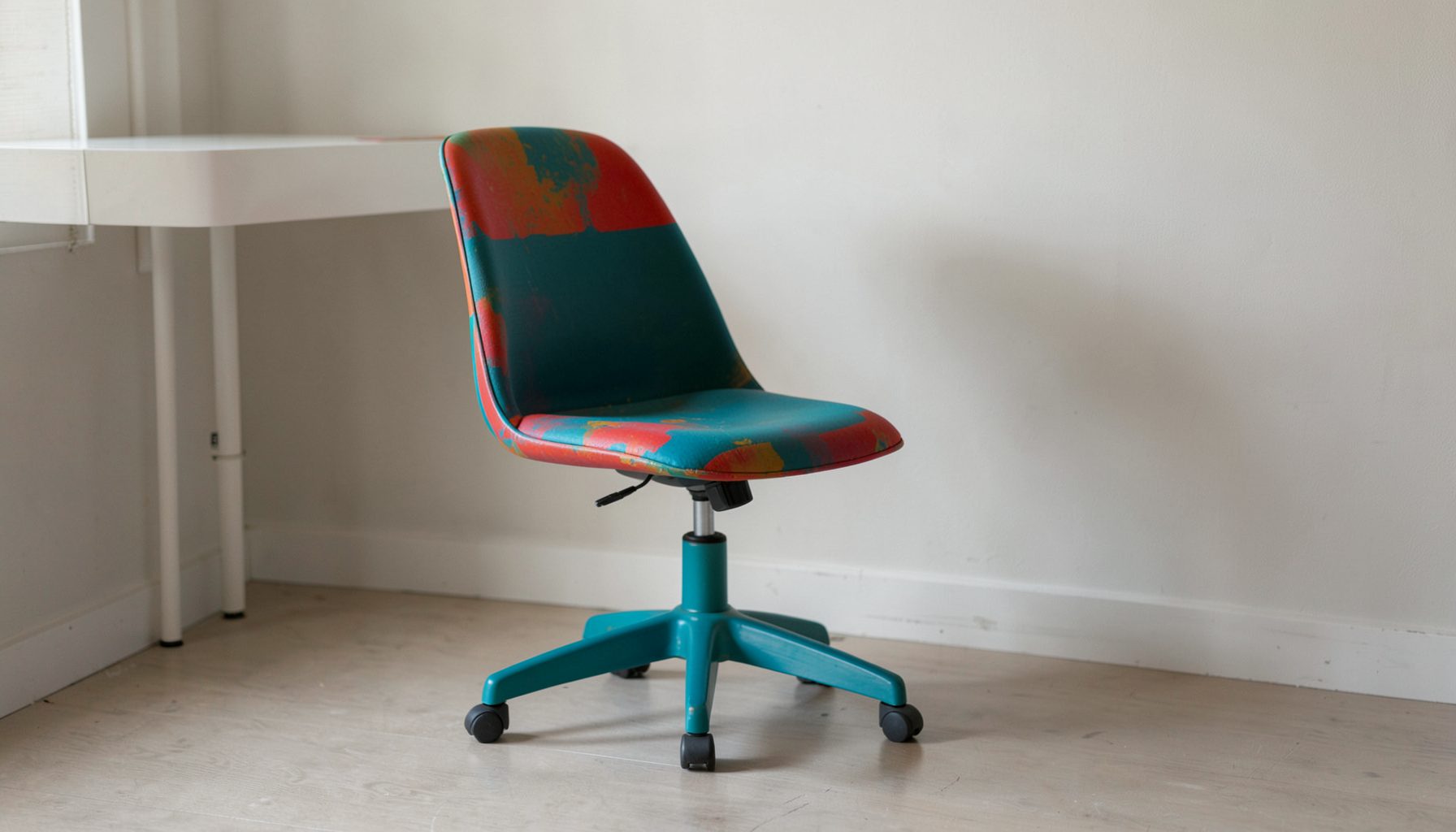
E-Decorating
Personalized design guidance delivered online — perfect for clients anywhere in the world who want a professional eye.
Learn More
Portfolio
Browse completed room makeovers, before-and-after transformations, and styling projects from Bay Area homes.
Learn More
Blog
Interior design inspiration, fashion finds, entertaining ideas, and peeks into real home renovations and styling projects.
Learn More
Downloads
Free curated resources for home decorating and design — guides, checklists, and inspiration to help you get started.
Learn MoreSymmetrical Console Styling with a Mirror That Anchors the Room
A console table often lives in the hardest-working space of an Australian home. It greets visitors at the front door of a weatherboard cottage in Brisbane, anchors a long hallway in a Victorian terrace in Melbourne, or sits beneath a window in the open-plan living area of a new build in Perth. Because the console has a slim footprint, the styling on top has to do a lot of work: reflect light, hide clutter, and give a passing glance something beautiful to land on. A mirror above the table, paired with symmetrical accents on the surface, is one of the most reliable ways to make the vignette feel finished rather than accidental.
The approach used by Maggie Rose Interiors treats a console like a small still life. Rather than loading it with one large object, the studio layers a mirror, a pair of matching elements, and a softer gathering of books, ceramics, or greenery that brings the client's personal style into the arrangement. The result reads as collected rather than catalogue-staged, which is exactly what makes a symmetrical console feel relaxed enough for everyday living in Australian homes.
Choosing the right mirror for scale and light
The mirror is the anchor of the whole composition, so it deserves careful thought before anything is placed on the table itself. In a hallway with low ceilings, a vertically oriented mirror draws the eye upward and adds the illusion of height, which is useful in older single-fronted homes in Sydney's inner west or in a brick cottage in Adelaide where proportions can feel tight. A horizontal mirror, by contrast, suits a long console beneath a wide window and helps bounce daylight deeper into the room.
Frame choice changes the mood completely. A thin black or brass frame reads modern and pairs well with the clean lines of a contemporary build in a Melbourne suburb like Brighton or a Brisbane new-build in a master-planned estate. An arched mirror softens a square entryway and adds an architectural detail that older federation-style homes already have in abundance. A simple unfinished timber frame leans coastal and suits a weatherboard home near Cottesloe or a fibro weekender on the coast.
Height matters just as much as width. The mirror's centre should sit roughly at eye level for the people who use the space most often, which in Australian households often means between 150 and 160 centimetres from the floor. Hanging it a few centimetres above the console, rather than flush against it, lets the wall breathe and stops the arrangement from looking like one heavy block. Local stores such as Freedom, Temple & Webster, and the in-store styling tables at Adairs carry a useful range of options at price points that fit most renovation budgets, while second-hand mirrors often turn up at Paddy's Markets in Sydney or at weekend garage sales across the suburbs.
Building a symmetrical foundation with matching elements
Once the mirror is in place, the symmetry begins on the surface itself. The most reliable starting point is a pair of matching objects at the outer edges. Table lamps are the classic choice, and they pull double duty by adding soft task lighting to a hallway that may not have overhead wiring. Ceramic table lamps in a warm neutral, a pair of stoneware vessels, or matching ginger jars all work depending on the style of the home. In a coastal-leaning house near Noosa or on the Mornington Peninsula, a pair of pale stoneware lamps keeps the palette light. In a darker federation interior in Melbourne's Fitzroy, a pair of amber glass lamps adds warmth without overwhelming the wall colour.
The two outer objects should match in height and visual weight, even if they are not identical to every other piece. A pair of lamps at 45 centimetres tall will frame a 90 centimetre tall vase between them without one side feeling heavier than the other. If lamps are not practical, a pair of candlesticks, a pair of stacked books topped with the same object, or two matching sculptures can take their place. The repetition is what creates the calm, balanced feeling that symmetrical styling is known for.
The centre of the console, between the two outer pieces, is where personality enters. A low arrangement of fresh eucalyptus gathered from a local florist, a tall vase with a single branch, or a stack of three or four hardcover books topped with a small ceramic object all work. The centre piece should sit lower than the outer pair, so the eye travels from the mirror down to the matching lamps and back up again without competing for attention. Australian florists in markets from Brisbane's Jan Powers Farmers Markets to Adelaide's Central Market often sell loose eucalyptus or olive branches by the bunch, which makes refreshing the centrepiece inexpensive and seasonal.
Layering art, books, and objects on the surface
After the bones are in place, layering turns the arrangement from neat to lived-in. This is where the collected feeling of a Maggie Rose interior comes through, and where the symmetry softens enough to feel personal rather than stiff. Books are the easiest layering tool, and they can be stacked both vertically and horizontally to break up the geometry. A horizontal stack of two or three books on one side of the console can balance a small framed photograph on the other, and the asymmetry of the layer is what stops the whole vignette from feeling like a hotel lobby.
Art and photographs lean against the wall on the console itself rather than being hung above the mirror. A small framed print, a vintage postcard, or a child's drawing in a simple frame tucks neatly between a lamp and the wall, adding a hint of personality without breaking the symmetry of the outer pair. In homes with young children, swapping in a fresh piece of artwork each season is an easy way to keep the vignette current without buying new objects.
Small objects do the final work. A tray on the console holds keys, a small dish catches loose change, and a decorative bowl might hold matches or a remote for the living area beyond. These functional pieces are part of the styling and should be chosen with the same care as the decorative ones, because a plastic fruit bowl sitting on a beautifully styled console pulls the whole arrangement out of balance. Materials matter: timber, stone, ceramic, and brass all sit comfortably together, while a high-gloss acrylic piece tends to fight with the warmer, layered look that suits most Australian interiors.
Grounding the console with baskets, stools, or a runner
What sits beneath the console is just as important as what sits on top. A bare floor under a styled console reads unfinished, and it leaves the eye without a soft landing. The easiest grounding element is a runner rug, which should sit roughly ten to fifteen centimetres shorter than the console at each end. In a long hallway in a Queenslander in Brisbane, a narrow runner in a natural fibre like jute or sisal handles the foot traffic and adds texture. In a formal entryway in a Sydney sandstone home, a low-pile wool runner in a heritage pattern echoes the period of the architecture.
Underneath the console itself, baskets add storage and visual weight. A pair of matching baskets, tucked halfway under the table, holds shoes, scarves, or dog leads and keeps the entryway functional. Australian homes with active families often need this hidden storage, and baskets from Bunnings, IKEA's Australian range, or local makers on platforms like The Build or Hardly Normal are easy to source. Pairing the baskets keeps the symmetry going beneath the table, and the woven texture softens the harder lines of the console and mirror above.
A small stool or a pair of stacked vintage suitcases can also ground the console when rugs are not practical. A timber stool tucked to one side gives a place to sit while putting on shoes, which suits the Australian custom of leaving shoes at the door. A pair of leather ottomans tucked under the console works in a more formal living area and adds a place for guests to perch when the room is full.
Styling for an Australian home: light, climate, and local finds
Australian light is brighter and more direct than light in many parts of the world, and the console arrangement has to work with it rather than against it. A mirror placed opposite or perpendicular to a window will bounce significant light into a darker hallway, which is a genuine advantage during the short winter days in Hobart or Melbourne. In a north-facing entryway in Perth, where the sun sits low in winter and high in summer, a mirror can also help distribute light, though care should be taken not to place it where it will reflect harsh afternoon sun directly onto timber flooring.
Climate affects material choices as well. Coastal homes from Sydney's northern beaches to Margaret River need surfaces that can handle salt air and humidity. Avoid raw steel objects that can rust, and favour sealed brass, ceramic, glass, and treated timber. In the dry inland, where dust is part of daily life, a console with closed storage underneath or with baskets becomes more practical, since open shelves collect dust quickly. Queensland homes with cross-ventilation benefit from lightweight decorative objects rather than heavy ceramics, which can be knocked over by a strong gust through an open door.
Sourcing locally keeps the styling grounded. Vintage pieces turn up regularly on Facebook Marketplace, Gumtree, and at weekend estate clearances in suburbs from Newtown to Northcote. Australian-made ceramics from studios in the Adelaide Hills or the pottery communities around the Southern Highlands add a regional accent that overseas imports cannot replicate. Even simple things, like a bunch of eucalyptus from a Sunday market, tie the arrangement to the place and season in a way that a faux branch never quite manages.
The console table is one of the easiest places in a home to practise the layered, collected look, and a mirror with symmetrical accents is the most forgiving starting point. Choose a mirror that suits the proportions of the wall, anchor the surface with a matching pair of lamps or vessels, layer books and small objects between them, ground the whole arrangement with a rug or baskets, and source what you can from local makers and markets. With a few careful choices, the console becomes the most quietly considered corner of the room rather than a forgotten surface for keys and post.

Recent Projects