Interior Design
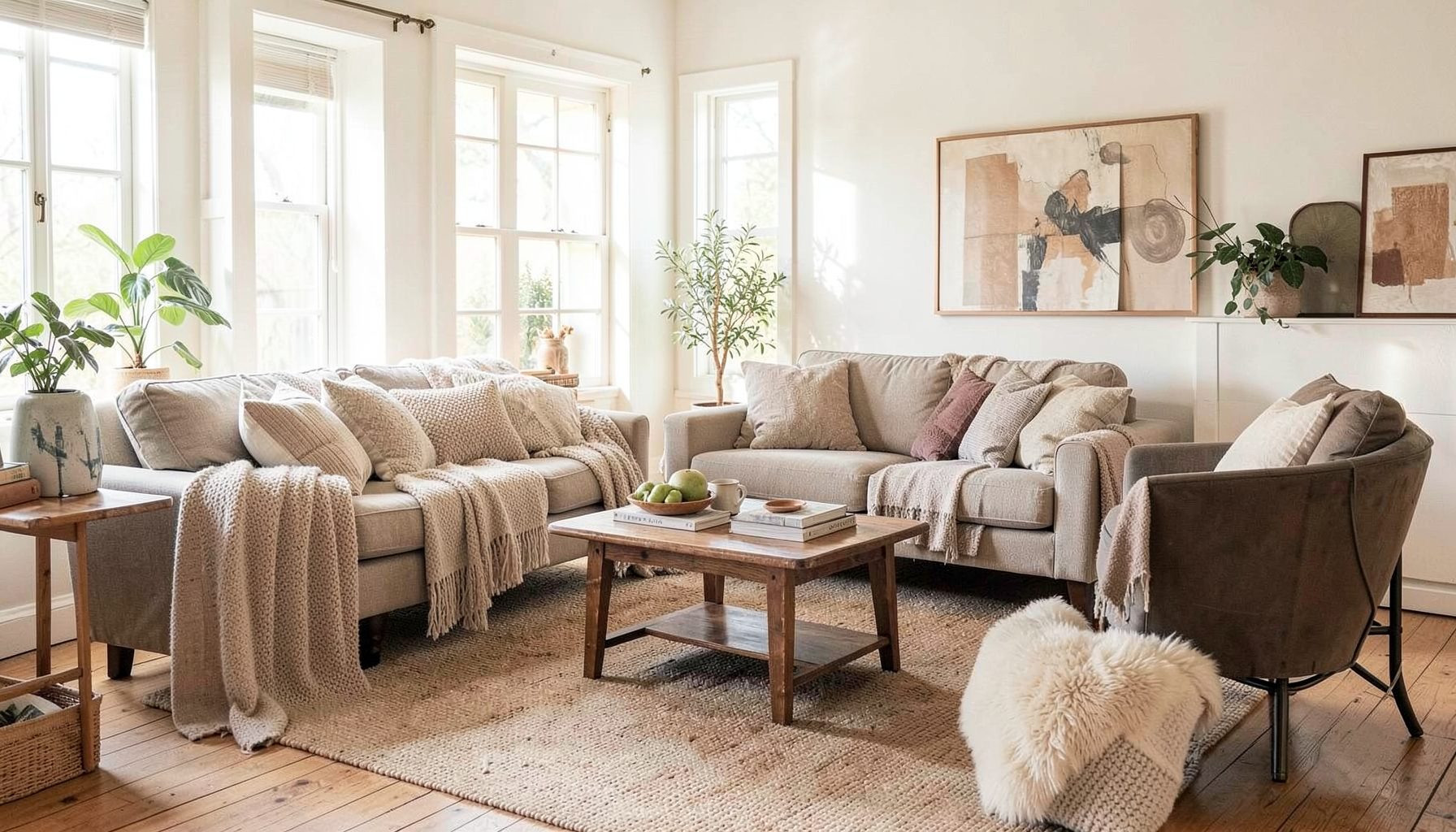
Full-service decorating that blends high and low, vintage finds with modern pieces for spaces that feel personal and collected.
Learn More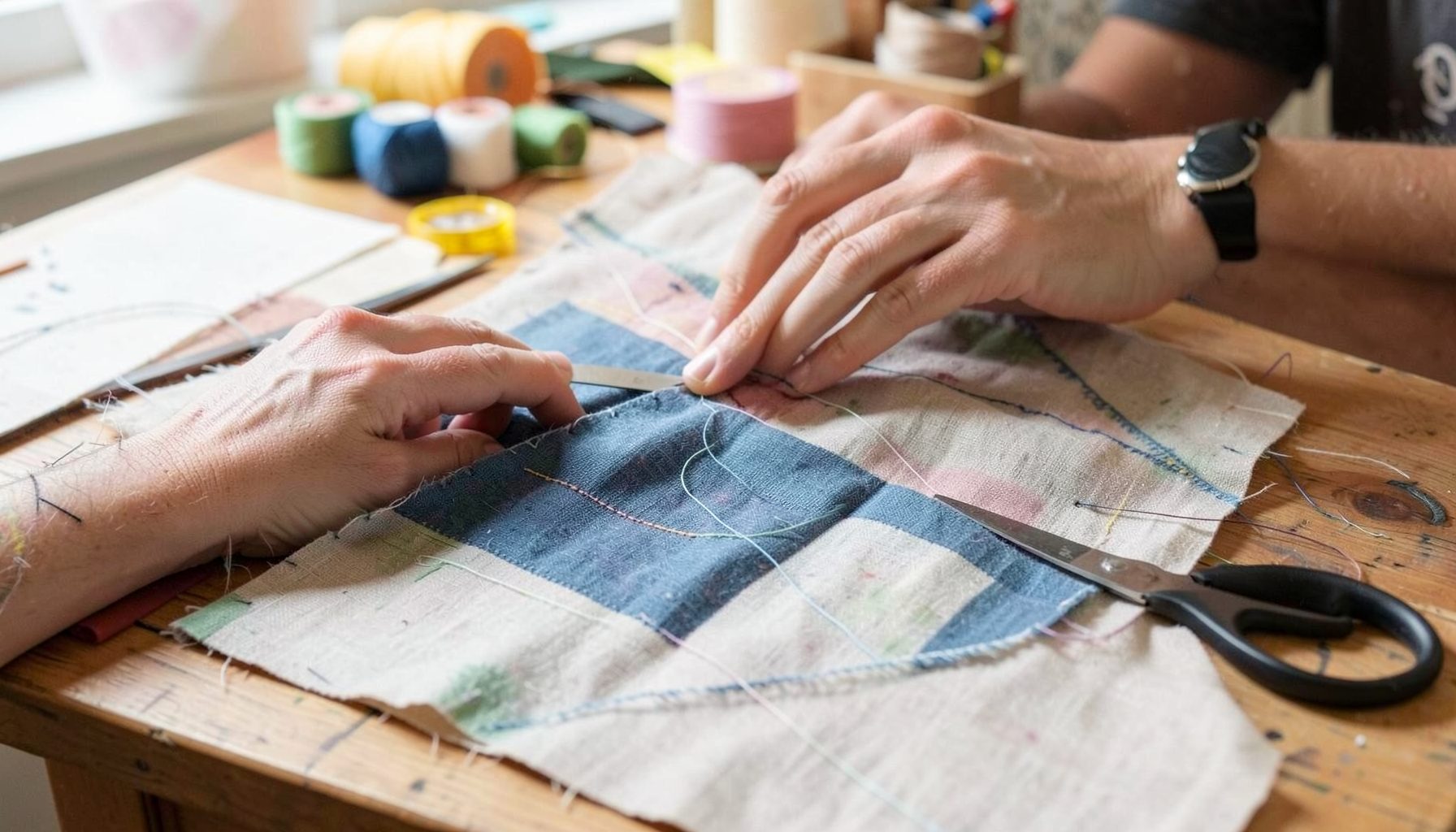
DIY Projects
Step-by-step tutorials for refinishing furniture, sewing pillows, styling bookshelves, and transforming rooms on a budget.
Learn More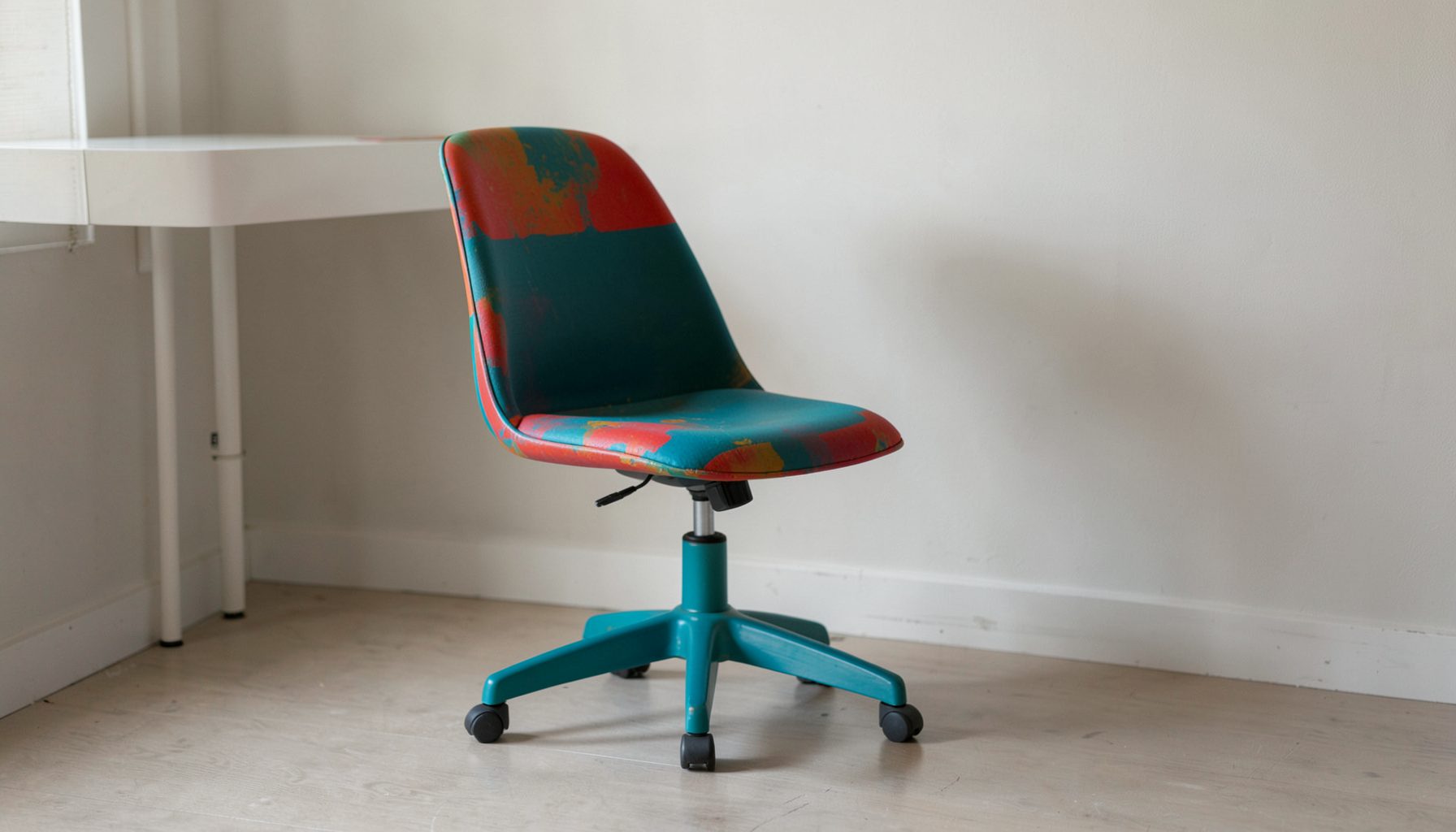
E-Decorating
Personalized design guidance delivered online — perfect for clients anywhere in the world who want a professional eye.
Learn More
Portfolio
Browse completed room makeovers, before-and-after transformations, and styling projects from Bay Area homes.
Learn More
Blog
Interior design inspiration, fashion finds, entertaining ideas, and peeks into real home renovations and styling projects.
Learn More
Downloads
Free curated resources for home decorating and design — guides, checklists, and inspiration to help you get started.
Learn MoreA Beautifully Balanced Coffee Table Tray
A coffee table tray can turn a loose collection of everyday objects into a deliberate focal point. It gives candles, books, greenery, and small decorative pieces a visual boundary, making the whole arrangement feel considered without becoming overly formal. The best displays still leave enough room for a mug, a remote, or a stack of mail to be moved aside easily.
The appeal lies in contrast. A timber tray can soften a glass coffee table, while a stone or ceramic tray adds weight to a pale oak surface. Books bring height and personality, candles introduce warmth, and a small plant keeps the composition feeling fresh. Together, these elements create a layered vignette that suits both relaxed family rooms and polished entertaining spaces.
Australian homes often need styling that works hard in a compact footprint. A Melbourne terrace, a Sydney apartment, and a Brisbane living room may have very different architecture, yet all benefit from décor that is attractive, practical, and easy to shift. With a few carefully selected pieces, a coffee table can look collected rather than crowded.
Choose A Tray That Suits The Room
Begin with the tray itself, as it establishes the scale and mood of the arrangement. Measure the coffee table before shopping, leaving a generous border around the tray so the tabletop remains visible. A tray that occupies roughly half to two-thirds of the table can anchor the display while preserving space for daily use. On a small apartment table, a compact rectangular or round tray is usually more successful than an oversized statement piece.
Consider the finish in relation to the surrounding furniture. Reclaimed timber works beautifully with linen upholstery, rattan, and relaxed coastal interiors. A black metal tray can sharpen a room filled with pale neutrals, while travertine, marble, or ceramic creates a more refined look. For Australian interiors influenced by natural materials, timber, woven cane, and earthy stone tones offer an easy connection to the landscape without making the room feel themed.
The tray does not have to match the coffee table exactly. In fact, a little contrast often gives the composition more depth. A dark tray on honey-toned timber creates definition, while a warm timber tray on a white or concrete surface makes the room feel softer. Look for a piece with a manageable lip, especially if the tray will be lifted regularly for cleaning or entertaining.
Build Height With Books And Boxes
Books are useful because they add colour, texture, and height while revealing something about the people who live in the home. Choose two or three hardback books with attractive covers, restrained typography, or subjects that genuinely interest you. Interior design, art, gardening, architecture, travel, and cooking books can all contribute to the story of a room, but the selection should feel personal rather than staged.
Place the largest book at the bottom and turn the next one slightly, rather than lining every edge up perfectly. A small rotation creates movement and prevents the arrangement from looking like a shop display. If the books have highly varied colours, use a neutral tray or a simpler candle vessel to keep the overall palette calm. If the room needs more energy, a richly coloured cover can act as an accent.
A lidded box or shallow decorative bowl can sit beside the books and hide small necessities such as matches, a lighter, or television controls. This is particularly useful in Australian family homes where the coffee table may need to accommodate a morning coffee, afternoon tea, and evening entertaining in the same day. Concealing practical objects keeps the surface visually quiet without pretending that the room is never used.
Avoid building a tower so tall that it blocks sightlines across the room. The arrangement should feel balanced from a seated position, with the tallest object usually placed towards the centre or back of the tray. A low display is especially helpful in open-plan apartments, where the coffee table may be visible from the kitchen, dining area, and entry.
Add Candles For Warmth And Scent
Candles bring a soft point of light to a tray, especially in the evening when overhead lighting can feel too harsh. A pair of candles in different heights creates a pleasing rhythm, while one substantial candle can look more contemporary and uncluttered. Ceramic, glass, brass, and matte stone vessels each create a different effect, so choose a finish that repeats a material already present in the room.
Scent deserves careful consideration. Fresh, woody, herbal, or lightly citrus fragrances tend to work well in shared living spaces. Strong fragrance can become overwhelming in a smaller apartment or an open-plan home, particularly when combined with cooking aromas. Unscented tapers or a subtle soy candle may be a better choice for homes with pets, young children, or people sensitive to perfume.
Safety needs to be part of the styling decision. Keep a lit candle well away from books, plant leaves, curtains, paper, and other combustible materials, and never leave it burning unattended. A stable vessel on a heat-resistant base is preferable, and candles should be extinguished before the household turns in for the night. Australian Consumer Law places obligations on suppliers to provide safe consumer goods, but careful placement and responsible use remain essential at home.
Check the rules that apply to the property as well. Smoke alarm requirements vary between Australian states and territories, and apartment or strata buildings may have additional building policies. A candle arrangement should never obstruct access to safety equipment or be placed beneath a low shelf where heat and flame could cause damage. Battery-operated LED candles provide a useful alternative when open flame is unsuitable.
Bring In A Small Plant
A small plant introduces an organic shape that offsets the straight lines of books and the firm edges of a tray. Choose a variety with a scale suited to the table, such as a small peperomia, pilea, maidenhair fern, succulent, or trailing plant. The right option depends on the room’s light and ventilation; a plant that looks beautiful in a bright Sydney living room may struggle in a darker Melbourne apartment.
Use a pot that contributes to the colour story rather than competing with it. A terracotta pot adds warmth and an informal feel, while a glazed ceramic planter can look more polished. A woven cover suits relaxed coastal or bohemian decorating, and a charcoal pot gives a leafy plant a stronger outline. Place a saucer beneath the pot to protect the tray from moisture, mineral marks, and accidental spills.
Real greenery is rewarding, but it should be practical. Plants on a coffee table can be knocked by pets, children, books, or a passing hand, so choose a sturdy container and avoid delicate stems near the edge. In warm Queensland or Western Australian conditions, check the plant regularly for dryness, while cooler southern homes may need less frequent watering during winter. A small preserved stem or high-quality faux plant can provide the same visual softness with less maintenance.
Keep the plant proportionate to the rest of the vignette. If the leaves are broad and sculptural, use fewer decorative accessories. If the plant is fine and delicate, a taller candle or a textured object can give the display more presence. The goal is to create variation in shape and height without making every item compete for attention.
Edit The Composition For Everyday Life
Once the main pieces are in place, step back and assess the arrangement from every angle. A coffee table is viewed while sitting on the sofa, walking through the room, and entering from nearby spaces, so the display should look appealing from more than one direction. Move the tray a little off-centre if a perfectly central position feels stiff, or align it with the sofa and rug if the room needs stronger structure.
Use the design principle of three visual levels: low, medium, and high. Books create a low foundation, a candle or bowl adds medium height, and a small plant can provide the uppermost shape. The heights should vary without forming a rigid staircase. Repetition also helps; repeat a colour from the cushions, artwork, rug, or nearby joinery so the tray feels connected to the wider room.
Texture is just as important as colour. Pair the smooth surface of a candle vessel with rough timber, woven fibres, folded linen, or the edge of a paper book. A single metallic detail can catch the light, but too many shiny surfaces may make the arrangement feel busy. In homes influenced by Australian coastal, contemporary, or earthy interiors, restrained natural textures often create the most enduring result.
Leave some negative space. A tray filled to every edge can look cluttered and becomes inconvenient when the table is used. Remove anything that does not serve a clear visual or practical purpose. The display should be easy to lift, dust, and rearrange when guests arrive, particularly in smaller homes where furniture often needs to perform several roles.
A considered tray arrangement is less about following a fixed formula than about creating balance between beauty and use. Start with a tray that relates to the room, layer books for personality, add candlelight with appropriate care, and finish with a plant that suits the available conditions. The most successful styling feels as though it has developed naturally over time, combining useful objects with pieces that reflect the home’s character.
In a San Francisco-inspired apartment, a Sydney unit, or a relaxed family house in Adelaide, the same principle applies: keep the scale comfortable, the palette connected, and the surface functional. A coffee table tray should support everyday living rather than get in its way. What the reader should remember is that a small collection of well-proportioned, textured pieces can make the entire living room feel more welcoming.

Recent Projects