Interior Design
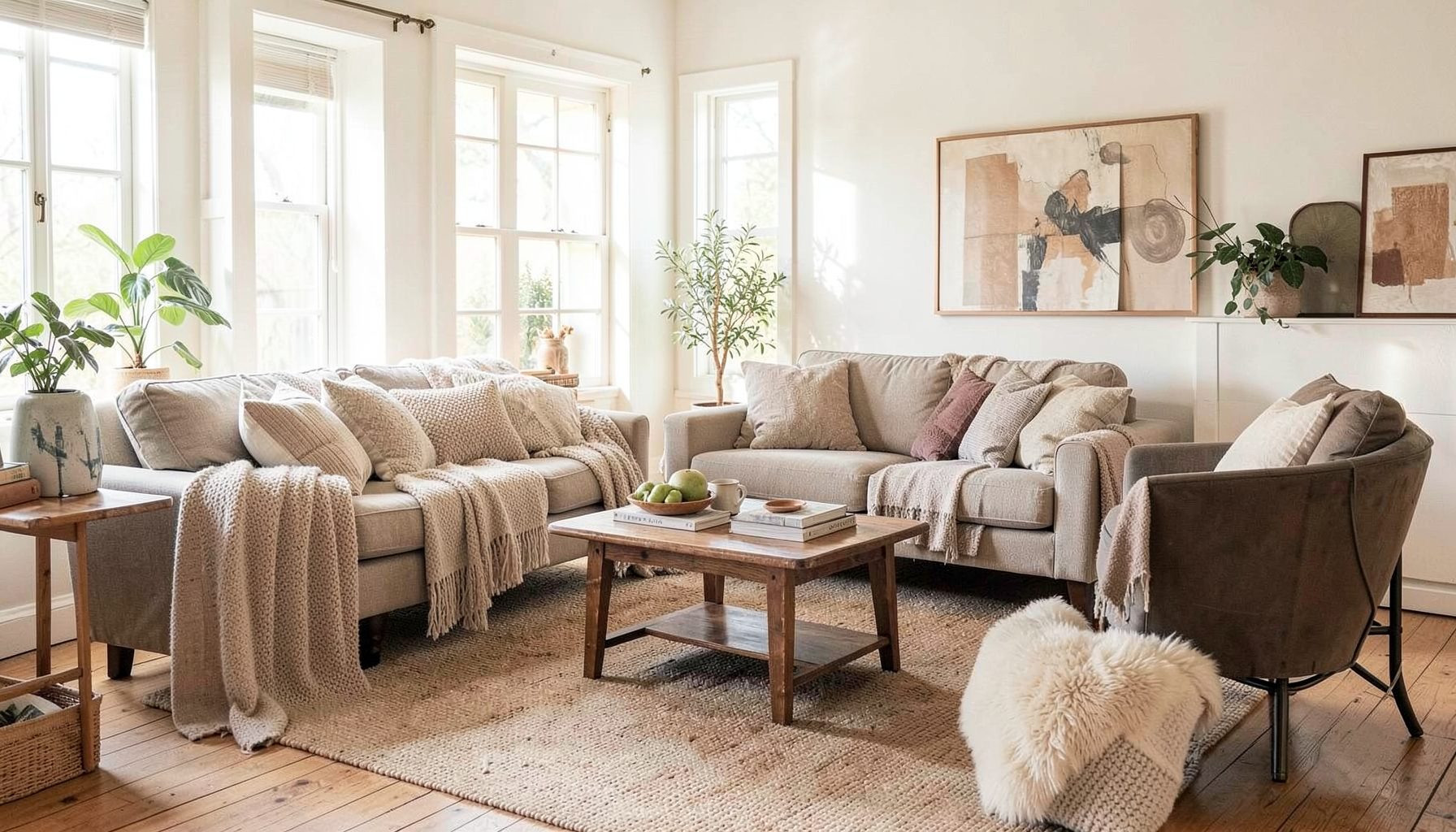
Full-service decorating that blends high and low, vintage finds with modern pieces for spaces that feel personal and collected.
Learn More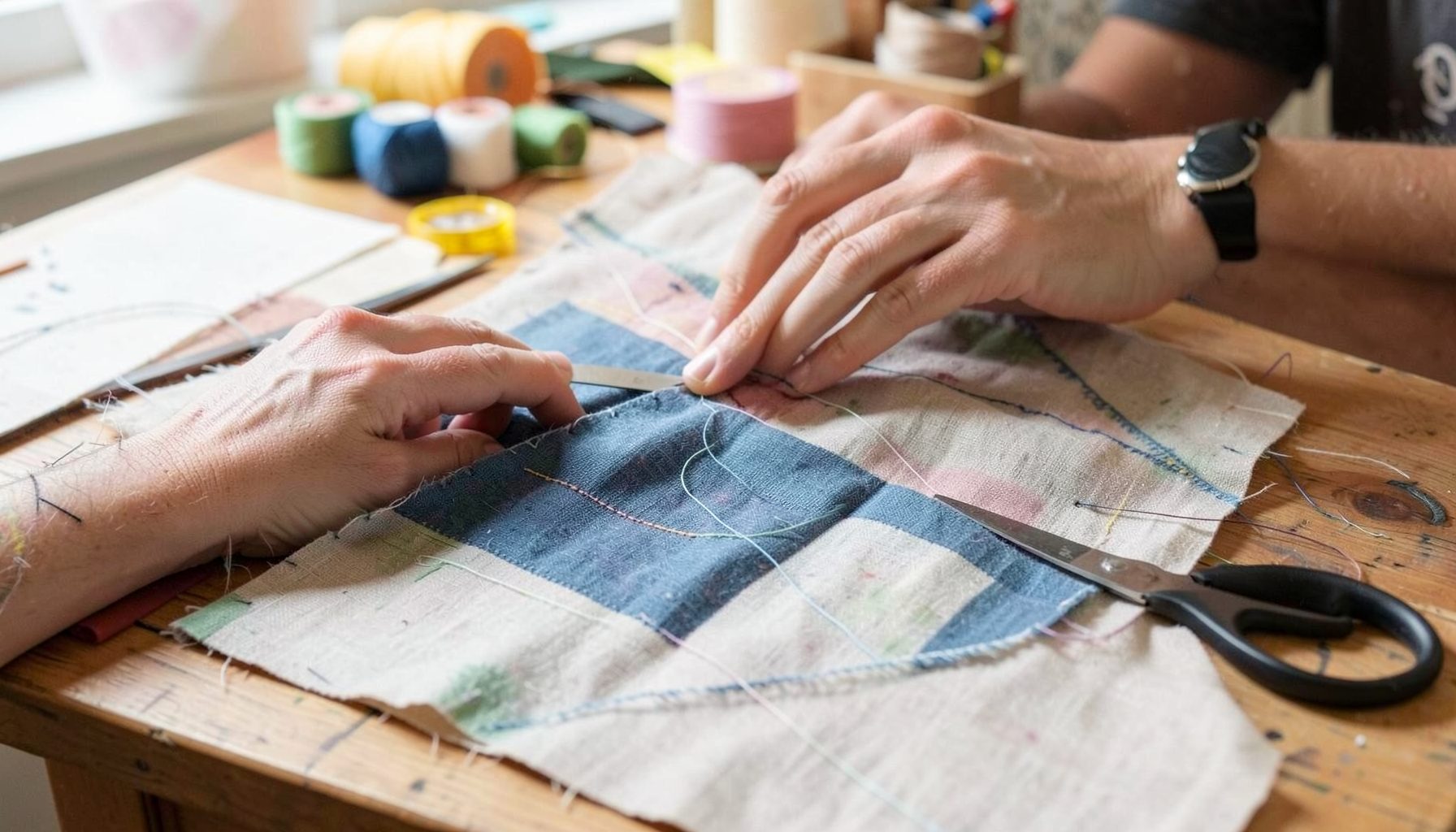
DIY Projects
Step-by-step tutorials for refinishing furniture, sewing pillows, styling bookshelves, and transforming rooms on a budget.
Learn More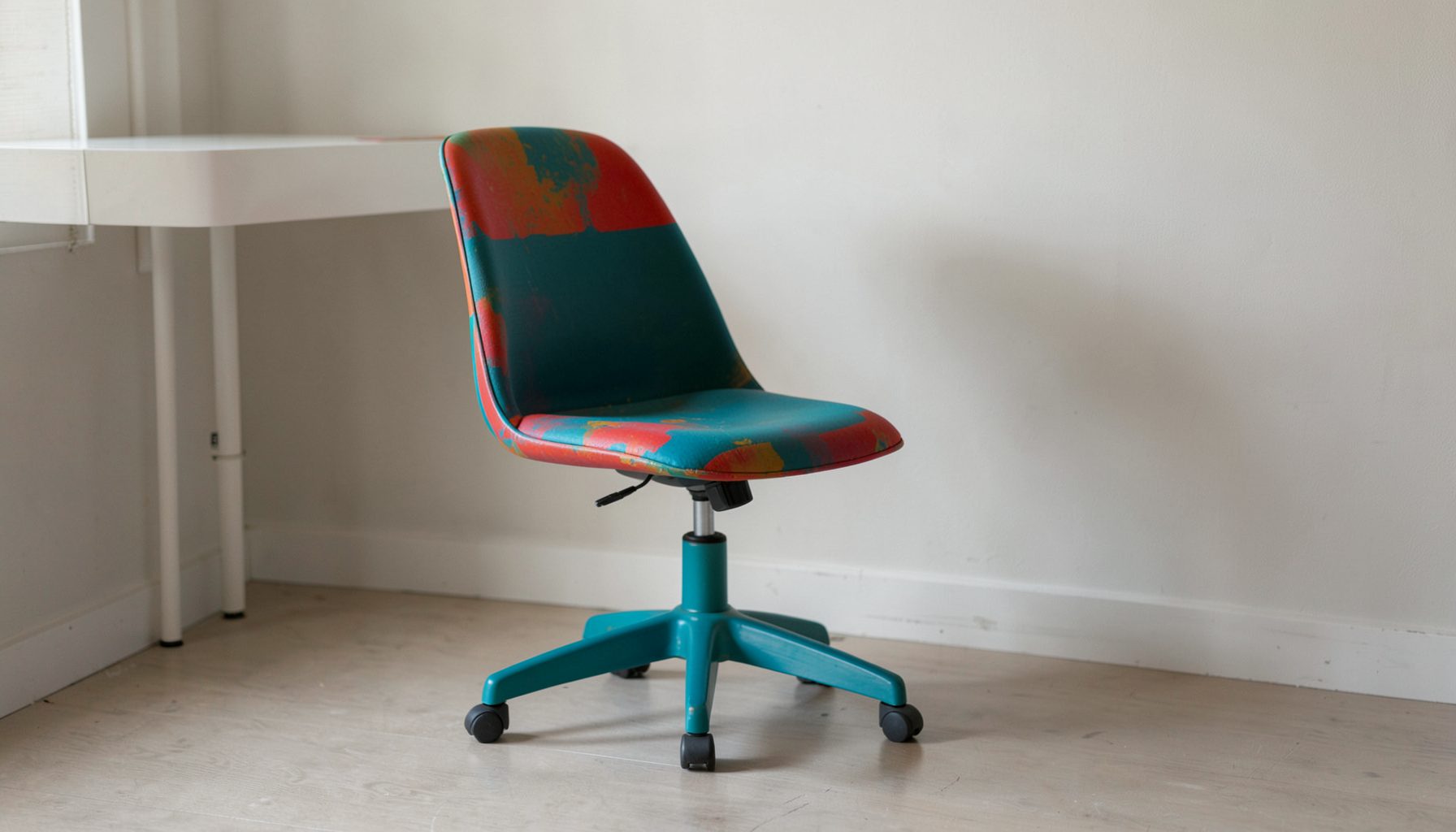
E-Decorating
Personalized design guidance delivered online — perfect for clients anywhere in the world who want a professional eye.
Learn More
Portfolio
Browse completed room makeovers, before-and-after transformations, and styling projects from Bay Area homes.
Learn More
Blog
Interior design inspiration, fashion finds, entertaining ideas, and peeks into real home renovations and styling projects.
Learn More
Downloads
Free curated resources for home decorating and design — guides, checklists, and inspiration to help you get started.
Learn MoreStylling a breakfast nook with a round table and pendant light
The humble breakfast nook has earned its place in Australian homes as the most-loved spot for a flat white and the morning paper. In apartments from Surry Hills to freestanding weatherboards in Brisbane's inner west, a small dining zone tucked against a kitchen window has become a quiet luxury. Round tables soften the geometry of open-plan layouts, and a considered pendant overhead turns everyday meals into something that feels intentional. The trick is treating the nook as a complete room-in-miniature rather than an afterthought squeezed between the fridge and the back door.
Australians have a particular affection for casual dining corners that blur indoor and outdoor living. French doors open onto a deck, the kettle whistles, and someone shouts that brekky is ready. A round table makes that ritual easier because it seats more people without sharp corners bumping into a highchair or a dog. It also invites conversation, which fits the relaxed way locals entertain at home rather than relying on a formal dining room that only sees use twice a year.
The pendant light is the anchor. It draws the eye down to the table, defines the zone within a larger room, and gives you permission to be playful with shape and finish. In a country where ceiling heights vary from soaring federation ceilings in Melbourne terraces to lower Queenslander proportions, the right fitting can flatter the architecture rather than fight it.
Maggie Rose Interiors leans into collected, layered rooms where vintage finds sit beside modern pieces. That philosophy translates beautifully to a breakfast corner, where a vintage table base can be paired with contemporary chairs, or a glossy new pendant can hang above a timber table that has been in the family for decades. The result feels personal rather than catalogue-perfect, and that is exactly the mood worth chasing.
Choosing the right round table for your space
A round table for a nook needs to earn its footprint. Measure the zone carefully and leave at least 90 centimetres between the table edge and any wall or bench, so chairs can be pulled out without scraping. In a typical Aussie kitchen with an island bench, a 90 to 110 centimetre diameter table comfortably seats four, while a 120 centimetre round will host a larger family or a Sunday brunch crowd.
Materials matter more than trend. A timber top in oak, blackwood, or reclaimed pine warms the space and ages gracefully, which suits homes where the nook doubles as a homework spot or a work-from-home perch for a quick laptop session. Marble or stone-look tops read more formal and need wiping after every cuppa. Glass round tables suit small spaces because they visually disappear, though they show fingerprints and can feel cold without a soft runner or placemats.
Heights vary too. Standard dining height sits around 75 centimetres, but counter-height tables at 90 centimetres work brilliantly in kitchens with raised benches, and they pair with stools that tuck neatly underneath. Think about who uses the nook most: little kids need a standard height with chairs they can climb into, while adults lingering over a flat white might enjoy the casual stance of stools.
Local retailers stock an excellent range for Australian buyers. Freedom Furniture, Temple & Webster, and Domayne all carry round dining tables in sizes suited to compact nooks, and second-hand marketplaces like Facebook Marketplace are full of vintage timber rounds from the 1970s that just need a light sand and a wax. Investing in a quality base means you can change the top later, which is the kind of slow decorating locals tend to favour over flat-pack replacements.
Selecting a pendant light that anchors the room
The pendant over a breakfast table should hang at roughly 70 to 80 centimetres above the tabletop for standard 75 centimetre tables, which is low enough to create intimacy without blocking sightlines across the room. Higher ceilings can drop the fitting lower, while lower Queenslander ceilings of 2.4 metres need a flatter profile or a semi-flush mount to avoid head bumps.
Shape sets the mood. A drum shade reads tailored and architectural, a globe pendant feels contemporary and crisp, and a rattan or woven shade leans coastal and relaxed, which suits homes near the beaches of the Mornington Peninsula or the Northern Beaches. Metal shades in brass or matte black bring a more urban, Melbourne-edge feel that contrasts beautifully with timber floors and linen cushions.
Scale is everything. The pendant should be roughly one-third the width of the table, so a 90 centimetre table suits a 30 centimetre pendant and a 110 centimetre table takes a 40 centimetre fitting. A pendant that is too small looks lost and gives no presence, while one that is too large dwarfs the table and steals attention from everything else you have styled.
Electrical considerations in older Australian homes often mean ceiling roses are not centred where you want them. A licensed sparkie can move the point or add a cord with an exposed bulb to create the same effect without rewiring. Many homeowners also hardwire a dimmer at the same time, which gives you softer light on warm arvos and brighter illumination for homework.
Seating choices that invite lingering
Chairs around a round table should echo each other without matching exactly. A pair of upholstered carvers at the ends with two side chairs in between breaks the formality and adds personality. Slipcovered chairs in washable linen work well for families, since brekky inevitably ends with Weet-Bix dust and vegemite smears. Leather or velvet reads more grown-up and suits a nook used mainly for evening wines.
Benches are a clever alternative in narrow spaces. A built-in banquette along the wall pushes the table closer to the window and tucks chairs underneath on the other side. Cushions in a performance fabric handle daily use, and the seat can double as storage with lift-up lids, which is invaluable in older homes without a walk-in pantry. Australian joiners often build these to fit an exact corner, including those awkward spots under a window in a 1920s bungalow.
Mixing materials keeps the eye moving. Timber chairs with a woven seat, metal bistro chairs painted in a soft sage, or vintage bentwood chairs sourced from a local op shop all add character. Keep the seat height consistent so the table looks balanced, and use the same fabric or a complementary tone on cushions to tie the mix together.
If space is tight, consider stools that fully tuck under the table when not in use. Backless stools keep the silhouette clean, but a low-back version adds comfort for longer sits. In studio apartments in Sydney and Melbourne, where the nook might also be the only dining zone, this flexibility matters more than any single design choice.
Colour palette and material story
Colour sets the emotional temperature of the nook. Soft whites, warm putty, and sage greens feel calm and work beautifully in homes flooded with natural light from eastern or northern windows. Deeper tones like ink, terracotta, or forest green make a small nook feel cocooning, especially in older homes with thick walls and small panes of glass.
Materials should layer the way a collected room does. Timber, linen, ceramic, brass, and rattan each bring their own texture, and combining three or four keeps the space from feeling one-note. A marble or stone tabletop can be warmed with a timber charger and linen napkins, while a timber table might need a stone or ceramic pendant to add weight above.
Australian-made ceramics and textiles add authenticity. Small-batch potters in places like Fremantle, the Byron hinterland, or the Adelaide Hills produce tableware that becomes part of the styling rather than something that gets hidden in a cupboard. A simple vase or bowl in a handmade glaze gives the table presence even when there is nothing on it.
Consider how the nook reads from the rest of the room. If the kitchen is white and bright, the nook can be a moment of contrast in deeper tones. If the living zone is already moody and layered, keep the nook lighter to give the eye somewhere to rest. The breakfast corner is part of a larger composition, and it should sing in harmony with its neighbours.
Styling touches and centrepiece ideas
The centrepiece should be low enough to see over, generally under 25 centimetres, so conversations across the table stay easy. A wide bowl of seasonal fruit, a stack of design books with a small bud vase, or a tray with salt, pepper, and a candle all work. Rotate the styling with the seasons: stone fruit and soft apricots in summer, persimmons and walnuts in autumn, citrus in winter.
Tableware is part of the decor. A set of stoneware plates in a tonal stack, linen napkins in a soft print, and matching glasses lined up on a shelf nearby give the nook a curated feel even when the table is cleared for school lunches. Open shelving behind the nook is a common feature in Australian renovations, and it doubles as styling real estate for everyday objects.
Wall art above a banquette should be hung at seated eye level, which sits lower than standard gallery height. A horizontal triptych, a vintage landscape, or a single oversized piece in a relaxed frame all work. Mirrors can bounce light back into darker corners, though they show smudges quickly and need regular cleaning.
When the nook sits near a television in the open-plan layout, the styling logic from other zones applies. A guide like how to style a television offers practical ideas for integrating screens into a layered room without letting them dominate the conversation. The same principle of balance and breathing room applies to the breakfast nook, where every object needs its own moment to be noticed.
Lighting layers and final ambience
A single pendant is rarely enough. Layer the lighting so the nook works from dawn to evening without harsh glare. Picture lights or a small wall sconce on the wall behind a banquette add warmth, while a floor lamp in the corner gives a soft glow for late-night cups of tea. In open-plan spaces, a separate circuit for the nook pendant keeps it independent from the kitchen downlights, which is useful when only one zone is in use.
Dimmers are worth the install cost. Bright morning light helps everyone wake up and tackle the day, while a soft evening glow encourages slower meals and longer chats. Smart bulbs allow you to change colour temperature through the day, which suits the way Australians move from harsh midday sun to gentle dusk.
Candles finish the room. A pair of tapers in brass holders, a cluster of tealights on a tray, or a single beeswax pillar on the table all add flicker that no electric light can replicate. Always place candles away from linen napkins and never leave them unattended, but do trust them to do what they do best.
The final test is simple: pull up a chair, pour a coffee, and stay for an hour. If the nook invites you to linger, read a few pages, or text a friend to come over, the styling has done its job. If it feels like a pass-through on the way to the sink, return to the pendant height, the seating comfort, and the colour story until the corner earns its place. Begin with the pendant: a single fitting swap can transform a forgotten corner into the most-used spot in the house.

Recent Projects