Interior Design
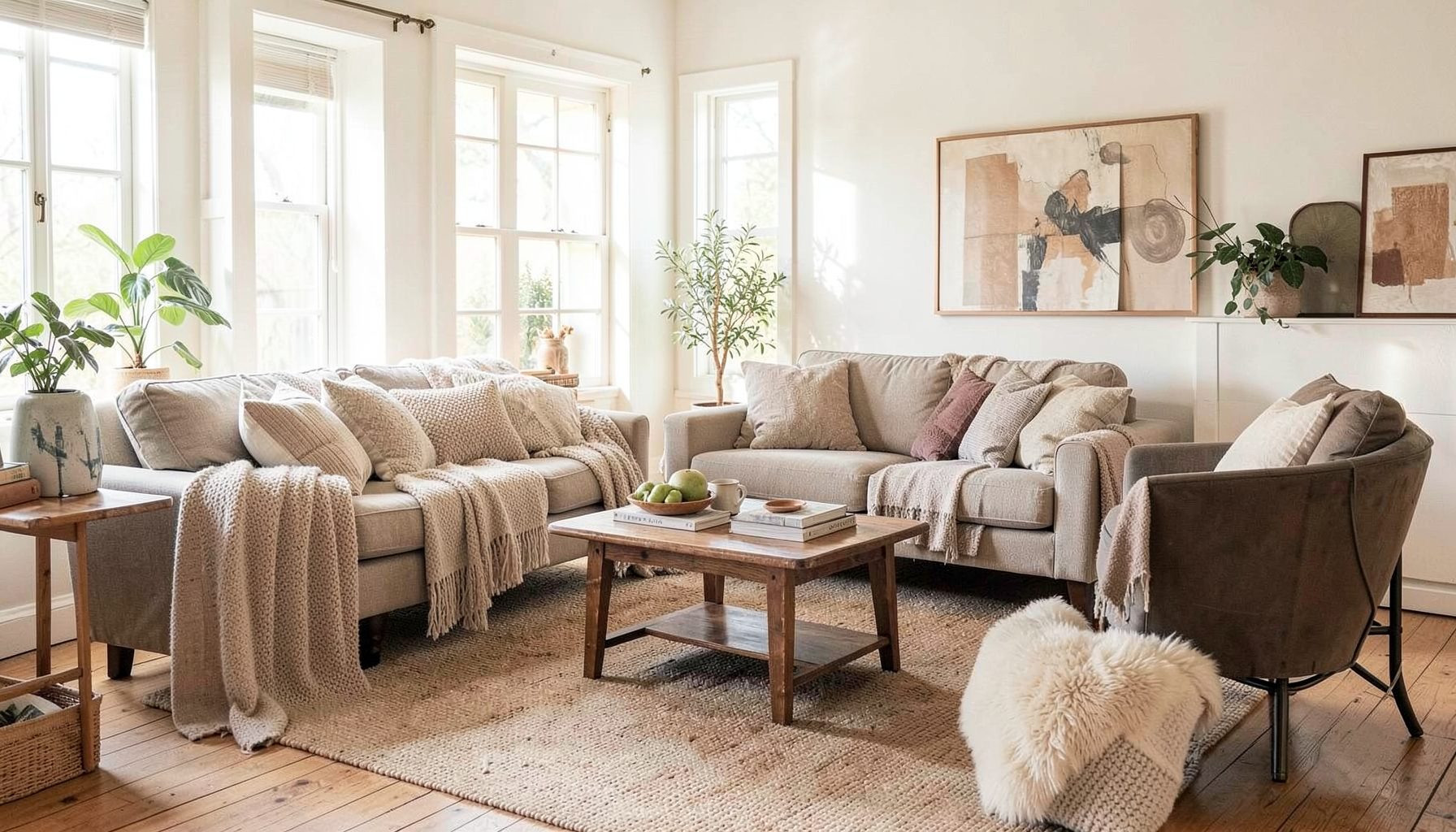
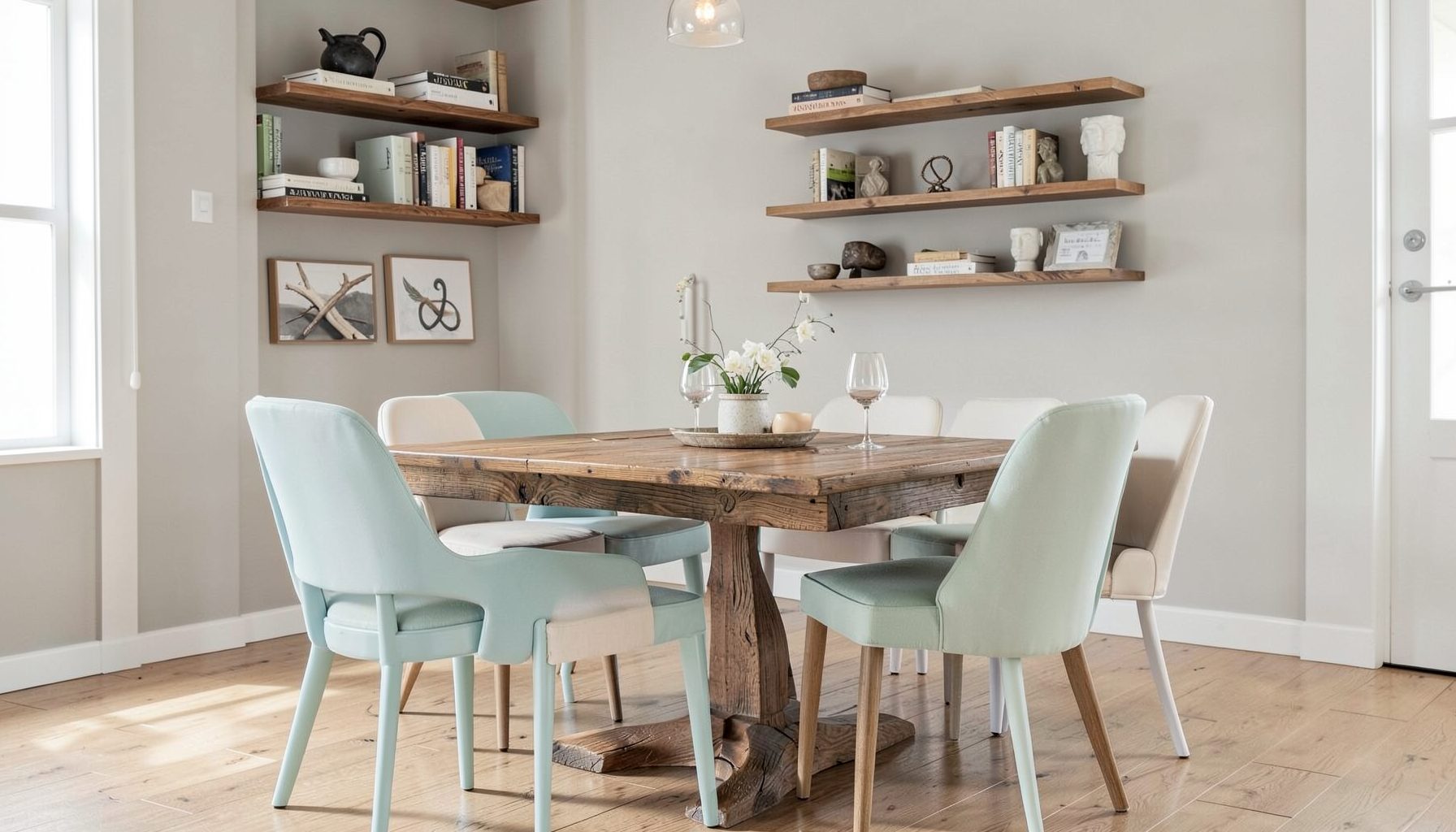
Full-service decorating that blends high and low, vintage finds with modern pieces for spaces that feel personal and collected.
Learn More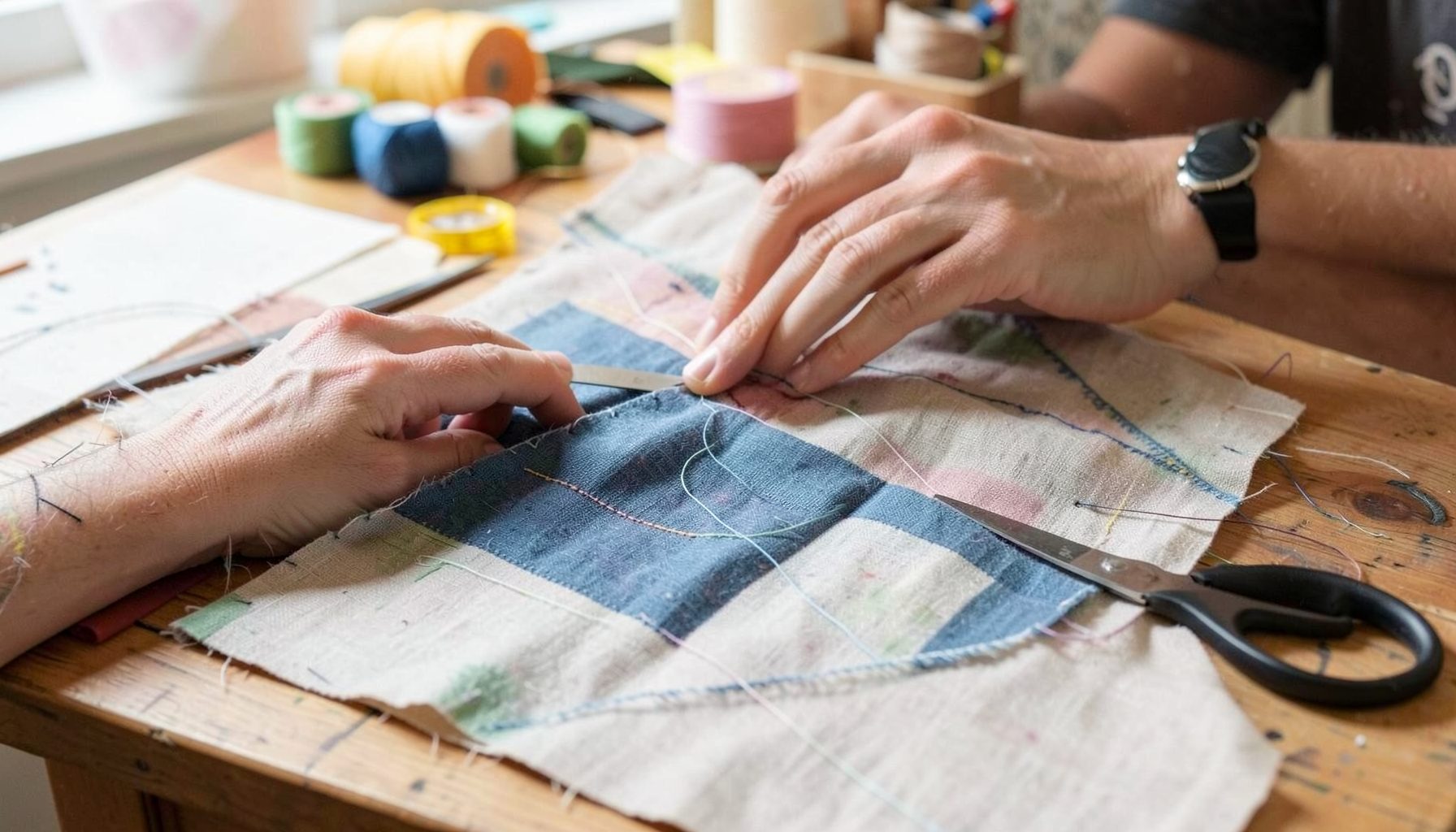
DIY Projects
Step-by-step tutorials for refinishing furniture, sewing pillows, styling bookshelves, and transforming rooms on a budget.
Learn More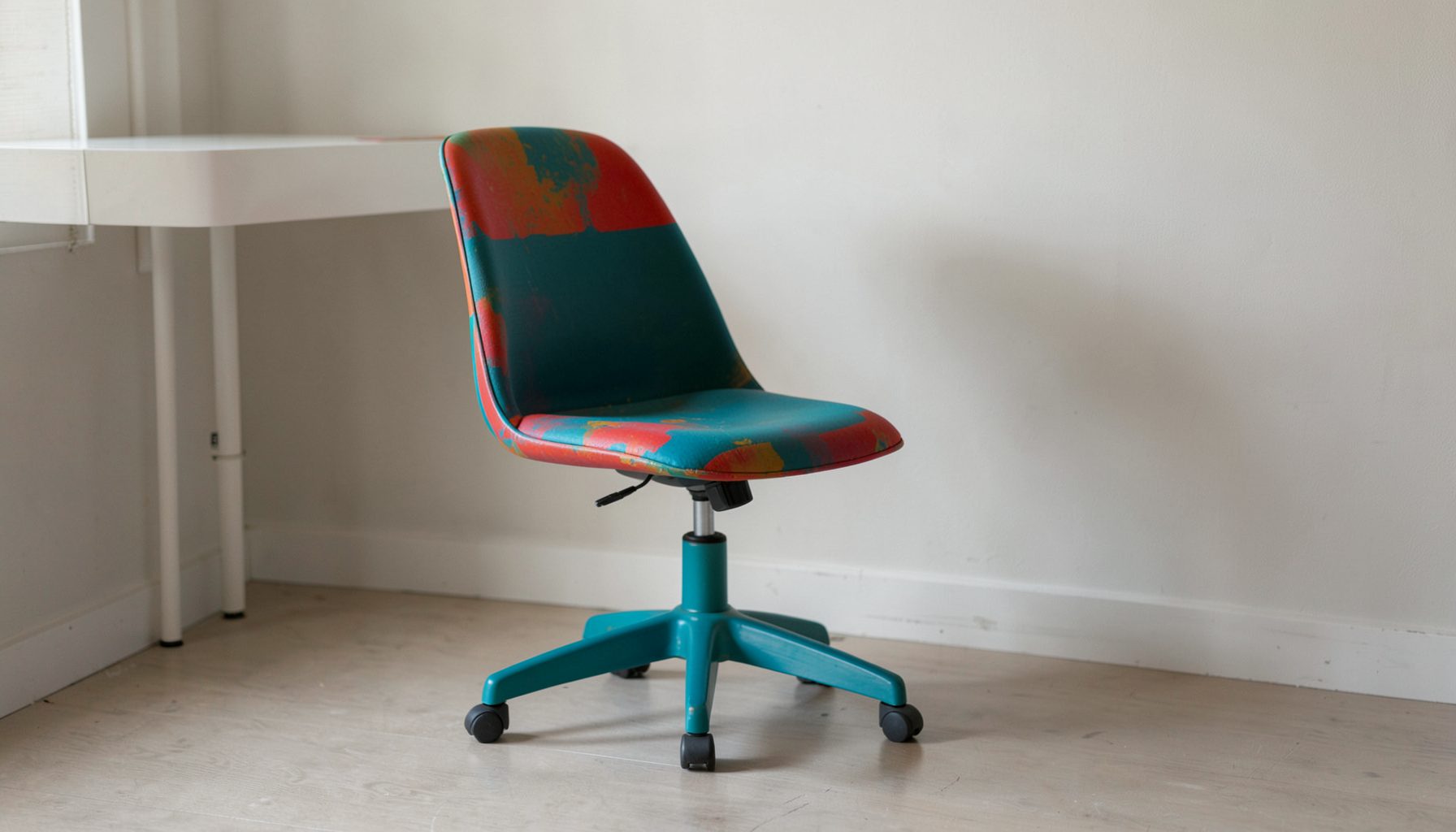
E-Decorating
Personalized design guidance delivered online — perfect for clients anywhere in the world who want a professional eye.
Learn More
Portfolio
Browse completed room makeovers, before-and-after transformations, and styling projects from Bay Area homes.
Learn More
Blog
Interior design inspiration, fashion finds, entertaining ideas, and peeks into real home renovations and styling projects.
Learn More
Downloads
Free curated resources for home decorating and design — guides, checklists, and inspiration to help you get started.
Learn MoreStyling a Bathroom Countertop with Apothecary Jars and Organisers
A bathroom counter often becomes the most-used surface in a home, yet it tends to receive the least styling consideration. Bottles of lotion, toothbrush holders, and stray hair ties collect in a way that slowly drains the calm out of an otherwise designed space. The fix is rarely a bigger renovation. More often, it is a thoughtful collection of apothecary jars, small trays, and a few considered organisers that pulls everything into a single, calm vignette.
Apothecary jars have a way of turning the everyday into something worth looking at. Cotton balls, bath salts, makeup brushes, hair pins, even those tiny pharmacy items that usually hide in a drawer all become part of the styling when they sit behind glass. The trick is to treat the bathroom counter like a styled shelf, the same way you would style a coffee table or a console in the living room.
For Australian homes, where the bathroom often doubles as a powder room for guests or sits off a federation-era hallway, the styling choices need to handle a bit more than pure aesthetics. Humidity, hard water marks, and bright afternoon light through a west-facing window all play a part in how the finished countertop will hold up. The good news is that with a few local material choices and a clear composition plan, the look can be both practical and quietly beautiful.
This guide walks through the process the way a stylist would approach it on site: choosing jars that suit the space, sourcing pieces without overspending, mapping out a layered layout, and finishing with the smaller organisers that pull the whole arrangement together.
Choosing Jars That Work in a Real Australian Bathroom
Apothecary jars are not all created equal, and the difference matters more in a bathroom than in any other room. The Australian climate swings between dry inland summers and sticky coastal humidity, particularly in places like Brisbane, Sydney, and the Gold Coast. A jar that fogs, sweats, or corrodes within a season will undo the look very quickly.
Glass is usually the safest bet, but thickness and clarity vary widely. Heavy pressed glass holds up well against mineral deposits from hard water, which is common in much of South Australia and parts of Western Australia. Thinner glass feels cheap, shows fingerprints easily, and tends to chip around the lid. Look for jars with rolled or sealed edges rather than sharp cut rims.
Lid choice changes the entire mood of the arrangement. Brushed brass and matte black lids tend to read as warm and modern, while polished chrome pairs well with coastal or Hamptons-style bathrooms that are popular in renovated Queenslander and Victorian terraces. Glass lids keep things light and minimalist, which suits smaller ensuites where the counter is already competing for space with a basin, tapware, and soap dispenser.
Size matters more than most people expect. A set of three jars of varying heights always looks more intentional than a matching set of identical ones. Tall jars work well for bath salts, cotton buds, and wooden bath accessories. Shorter, wider jars suit cotton rounds, makeup sponges, and small soaps. Keeping the tallest jar no higher than the tallest tapware nearby keeps the silhouette tidy and balanced.
Sourcing Jars and Trays Without Overspending
A common mistake is buying everything in one trip to a single homewares store. The layered, collected look that defines the Maggie Rose Interiors approach actually works better when pieces come from a mix of sources, including a few that surprise the eye.
Bunnings Warehouse has quietly become one of the best spots in Australia for plain glass jars in bulk. The catering and storage sections often carry tall glass canisters with simple lids that look far more expensive than their price tag suggests. Kmart Australia is another reliable source for budget trays, ribbed glass tumblers, and small ceramic dishes that can be repurposed as bathroom organisers. For something a little more elevated, Adairs, Freedom, and H&M Home stock brass-trimmed jars and marble trays that punch above their weight in styling impact.
Thrift shops and op shops are worth a Saturday morning browse, especially in areas like Fitzroy, Newtown, Surry Hills, and Fremantle, where vintage homewares shops tend to cluster. Old chemistry beakers, French apothecary bottles, and milk glass containers from the 1960s bring a patina that new pieces cannot replicate. Even one vintage piece in an otherwise new arrangement makes the whole counter feel collected rather than bought.
When working with a tighter budget, choose one hero piece, such as a single large glass jar with a beautiful lid, and pair it with simpler secondary pieces. The eye will lock onto the hero piece and read the rest of the arrangement as supporting it, which gives the impression of a much higher overall spend.
Composing the Countertop Like a Stylist
Styling a bathroom counter is really a small exercise in interior composition. The principles are the same as styling a bookshelf, a console table, or a mantel, just compressed into a smaller footprint and viewed from above as well as from eye level.
Start by clearing everything off the counter and giving the surface a proper clean. This sounds obvious, but a streaky or chalky surface ruins the look of even the most beautiful jars. In hard water areas, a quick wipe with a microfibre cloth and a little white vinegar removes the buildup that dulls the glass.
Place the tallest jar off-centre, usually slightly closer to the wall or the back corner of the counter rather than dead centre. Anchor it with a small tray beneath, which contains the visual footprint and protects the stone or timber surface from water rings. The tray becomes the foundation of the vignette, so its material matters. Timber trays warm up a cool bathroom, marble trays add weight, and rattan or cane trays lean into the coastal Australian look that suits so many homes from Byron Bay to Mornington Peninsula.
Group smaller jars and organisers in odd numbers. Three small dishes on a tray will always feel more intentional than four. Vary the height of what sits on the tray, but keep the silhouette low enough that it does not block the mirror or fight the tapware. Stepping pieces slightly toward the front of the counter draws the eye in, while a single taller piece at the back adds the vertical lift the arrangement needs.
Negative space is part of the styling. Resist the urge to fill every gap. A small cluster of beautifully chosen pieces, with breathing room around it, will always look more polished than a crowded surface. Leave at least a third of the counter empty so the basin and tapware remain the focal point of the room.
Organisers That Pull the Whole Look Together
Apothecary jars are the headline, but the supporting cast of organisers is what makes the arrangement feel like it belongs in a real bathroom rather than a styled photoshoot. The supporting pieces need to be functional first and decorative second, because a bathroom counter has to work hard every day.
A small ceramic or stoneware soap dish is often the missing piece. It keeps a bar of hand soap dry, contains the splash, and echoes the tray beneath the jars, which helps the eye read everything as one composition. Choose a dish with a slight raised ridge so the soap drains rather than sitting in a puddle.
For skincare and daily-use items, a small rotating turntable or lazy Susan tucked into a corner of the counter keeps serums and creams accessible without cluttering the main styled area. Clear acrylic versions disappear visually, while ceramic versions double as decor. Brushes, combs, and tubes of product that need to be out in the open can sit inside a single ceramic vessel, similar in tone to the soap dish, to keep them contained. The trick is to hide the labels, either by decanting products into matching pump bottles or by storing the labelled items inside a cabinet and keeping only the decanted versions on display.
Drawer organisers and small woven baskets are useful for the items that cannot be displayed. Hair ties, dental floss, and travel-sized items can live inside a drawer or vanity basket, leaving the counter free for the pieces that earn their place visually. In a busy family bathroom, a slim basket on the floor beside the vanity can hold rolled towels and refill bottles, taking further pressure off the countertop.
Finishing Touches for Light, Humidity, and Longevity
The final layer of styling is what protects the look over time. Australian bathrooms cop a lot of environmental stress, and a styled counter that looks perfect on day one will quickly lose its charm if the basics are not addressed.
Humidity is the biggest enemy of a curated counter. Glass jars with sealed lids protect cotton products and bath salts from clumping in the steam that builds up after a hot shower. For open vessels, keep them away from direct splash zones and away from the immediate vicinity of the shower screen. A small gap of ten to fifteen centimetres between the shower and the jars makes a real difference.
Natural light is one of the great joys of an Australian home, but harsh afternoon sun bleaches fabrics and warms up oils stored in clear jars. Position the more sensitive items, such as essential oils and certain skincare actives, away from direct sun. Mirrors placed opposite a window will amplify the light and can actually work in the styling's favour by bouncing brightness across the glass.
Hard water marks are the final detail to manage. A small spray bottle of mild bathroom cleaner and a microfibre cloth kept nearby means a quick daily wipe takes seconds and keeps the glass sparkling. For pieces with brass or matte black fittings, a dry cloth after each shower prevents the tarnish that comes from constant moisture exposure.
A bathroom counter styled with apothecary jars and a few considered organisers becomes one of the most quietly satisfying corners of a home. It sets the tone for the day during morning routines and offers a small visual reward each evening. The arrangement should feel personal, layered, and a little bit collected rather than overly designed. When the everyday items you reach for sit in pieces that you genuinely enjoy looking at, the bathroom stops being a purely functional space and becomes a small, finished room in its own right, shaped to the climate you live in and the way you actually live each day.
Recent Projects