
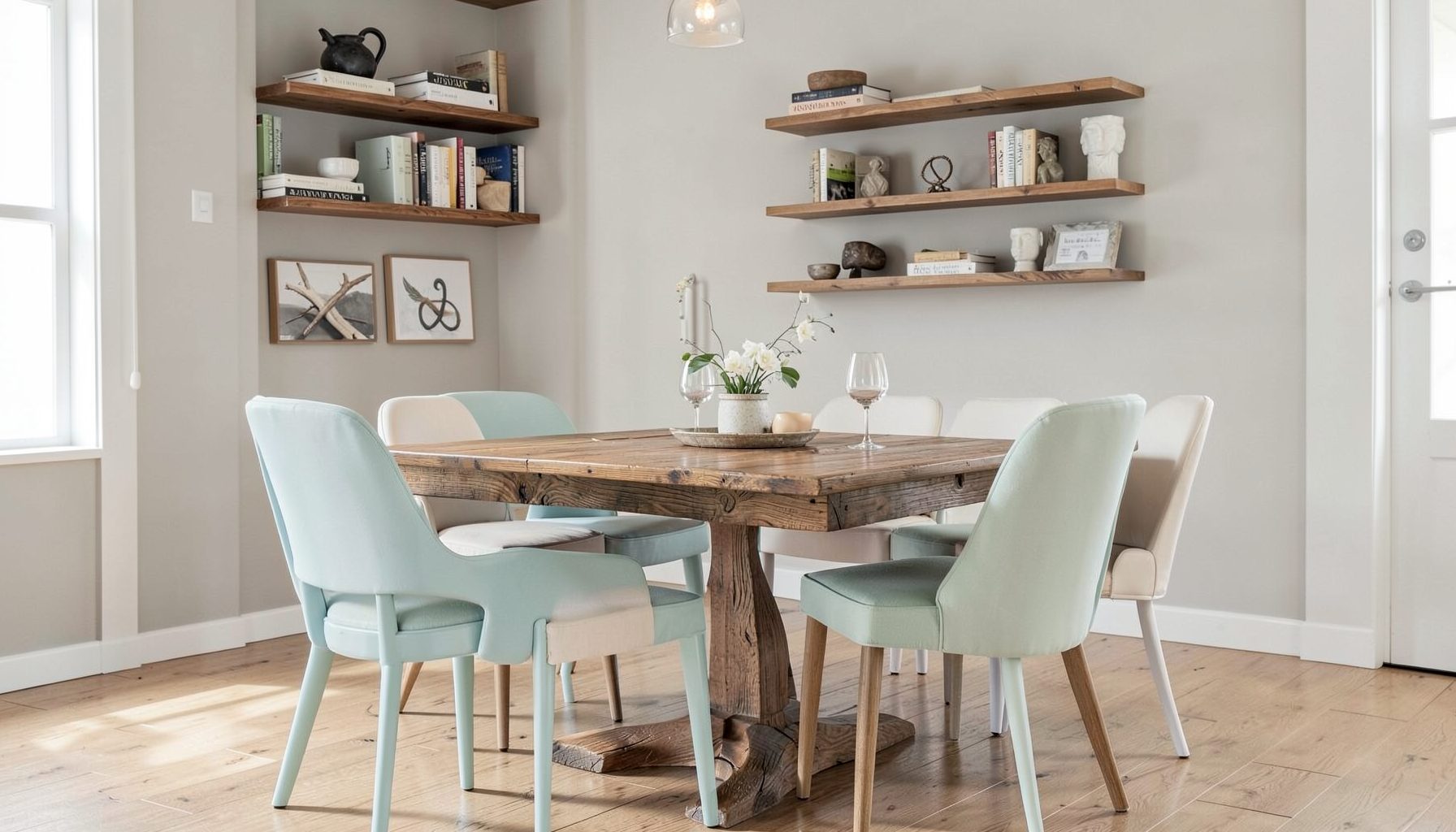
Interior Design
Full-service decorating that blends high and low, vintage finds with modern pieces for spaces that feel personal and collected.
Learn More
DIY Projects
Step-by-step tutorials for refinishing furniture, sewing pillows, styling bookshelves, and transforming rooms on a budget.
Learn More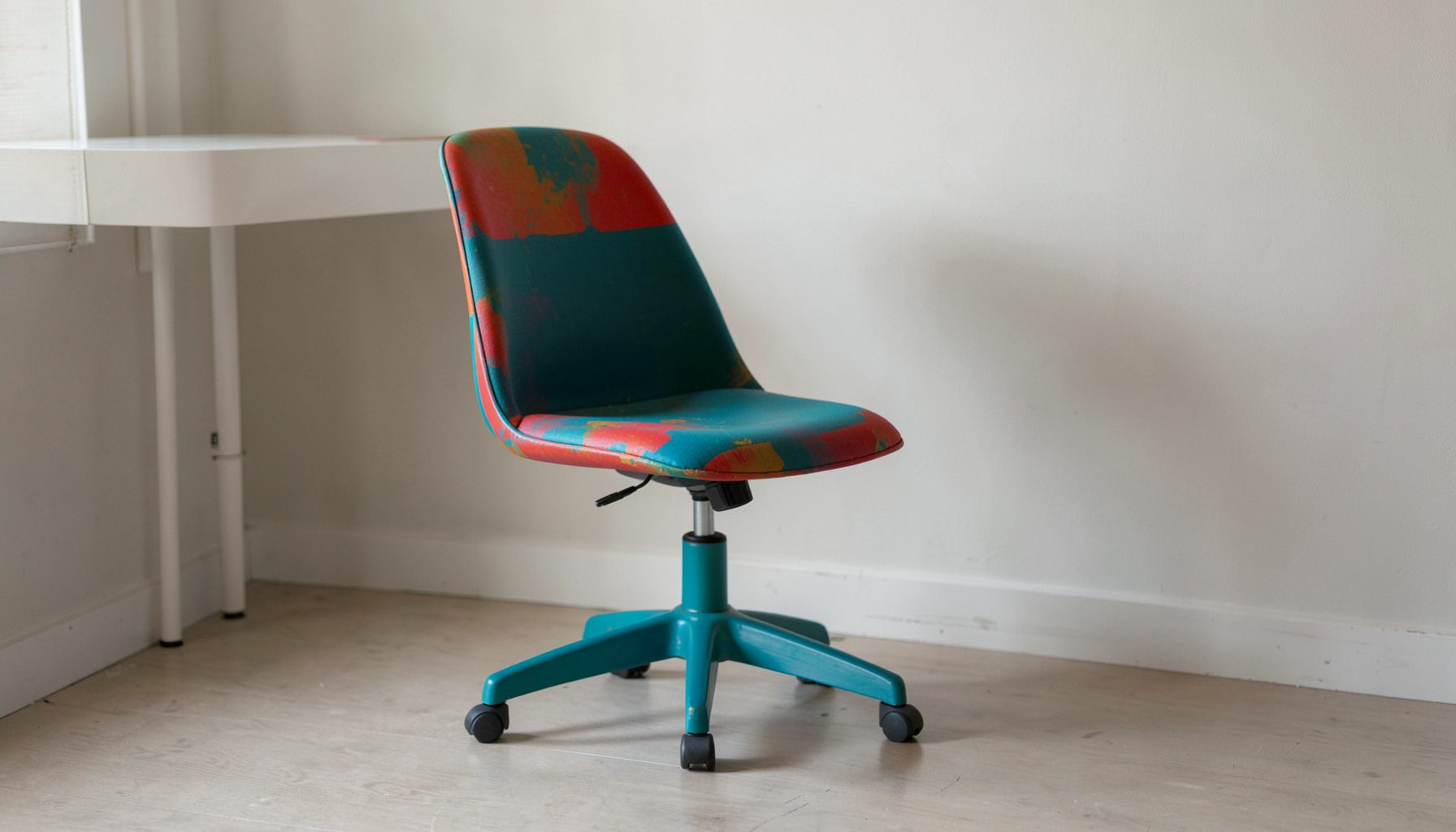
E-Decorating
Personalized design guidance delivered online — perfect for clients anywhere in the world who want a professional eye.
Learn More
Portfolio
Browse completed room makeovers, before-and-after transformations, and styling projects from Bay Area homes.
Learn More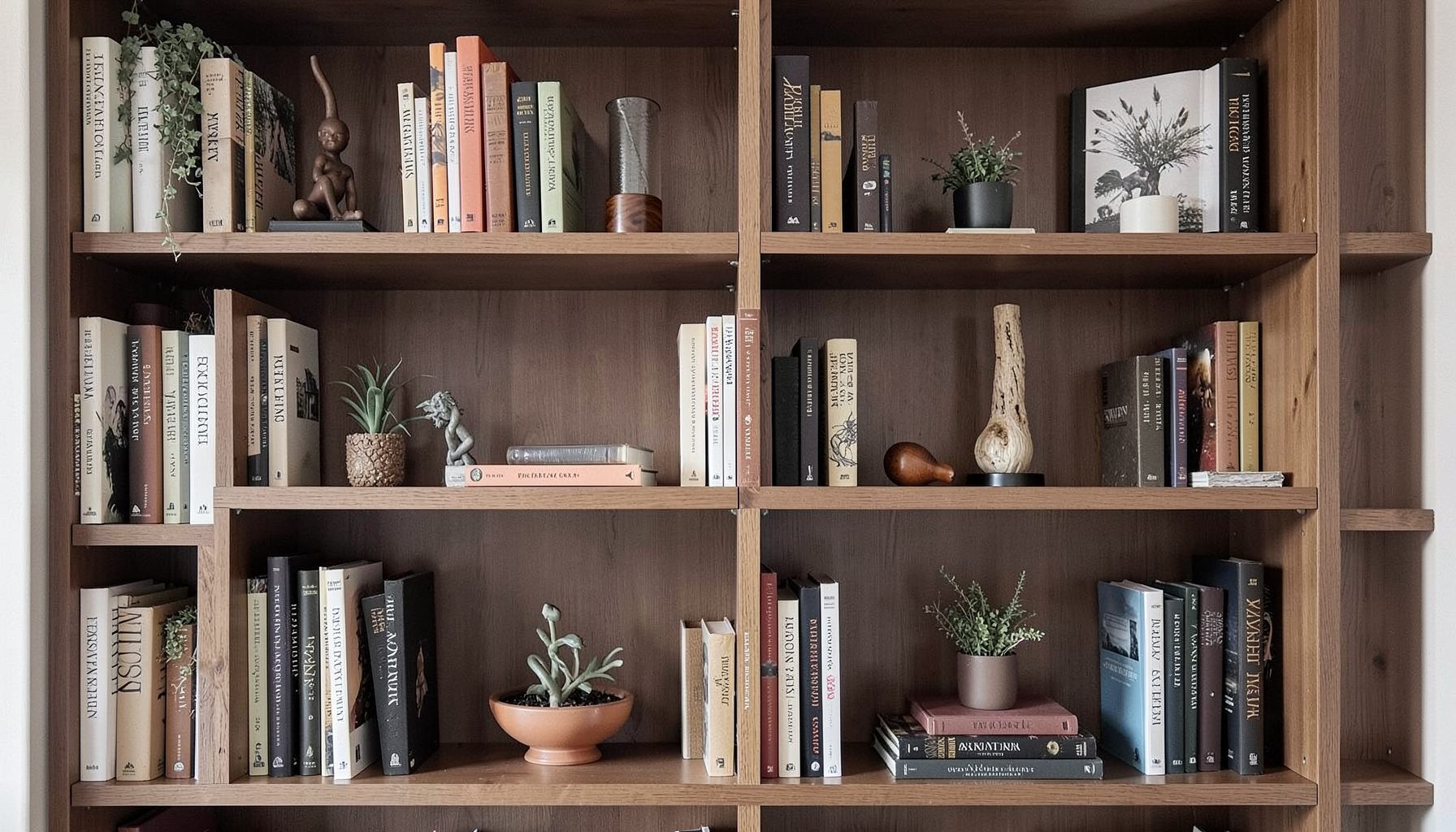
Blog
Interior design inspiration, fashion finds, entertaining ideas, and peeks into real home renovations and styling projects.
Learn More
Downloads
Free curated resources for home decorating and design — guides, checklists, and inspiration to help you get started.
Learn MoreStyling a bathroom counter for everyday calm
A bathroom counter is one of the first places we see each morning, so its arrangement can influence how a room feels for the rest of the day. Styling a bathroom counter with a soap dispenser, toothbrush holder, and tray is easiest when each object has a job and the group has a clear visual order. The aim is a polished surface that remains practical from the first hand wash to the last evening routine.
A tray helps contain the small objects that otherwise gather beside a basin, while the soap dispenser provides height and the toothbrush holder adds useful storage. These familiar pieces can create a layered look when their materials, colours and shapes relate to one another. Their placement matters as much as their appearance, particularly where cabinetry, splashbacks and limited storage narrow the available space.
A considered counter does not need to look crowded. In many Australian homes, bathroom cabinets are modest, and powder rooms are compact rather than expansive. In a coastal Sydney bathroom or a warm Brisbane apartment, humidity can also affect how accessories look and perform. Good styling therefore balances visual appeal with easy cleaning, splash resistance and enough clear space for daily use.
The most successful scheme often mixes inexpensive finds with a few distinctive pieces. A ceramic vessel, vintage-inspired accessory or textured towel can sit comfortably beside a simple modern holder. This collected approach feels personal, works within a realistic budget and allows the counter to evolve as habits and tastes change.
Plan around the way the room works
Begin with the counter’s practical limits rather than the accessories. Check the usable area beside the basin, the position of any electrical outlets and the amount of room needed to operate a soap pump. Leave a clear zone for a hand towel, a toothbrush charger and items used while washing. In a small bathroom, even a few centimetres can determine whether the arrangement feels generous.
Proportion is equally important. A tray that nearly fills the counter can make everything else feel secondary, while an undersized tray may disappear beneath the soap dispenser. Look for a group where the tallest item sits towards the back, the toothbrush holder remains easy to reach and the tray visually anchors the arrangement. The result should still allow the counter to be wiped clean in one quick sweep.
Choose a simple visual direction before shopping. Warm timber and ivory ceramics create a relaxed look, while deep green glass or matte black fittings add stronger contrast. Keep the surrounding palette in mind, including the splashback, mirror frame and cabinet fronts. A restrained colour scheme makes daily objects look intentional and reduces the chance of clutter.
Choose a soap dispenser with purpose
The soap dispenser is usually the centrepiece because it combines movement, height and a reflective or tactile finish. Check that the pump suits the shape of the refill bottle, and allow enough space above it to press down comfortably. A slim dispenser works well on a narrow ledge, while a broad ceramic bottle can suit a generous vanity with a simple tap.
Finish is a useful way to connect the dispenser to the room. Brushed nickel complements stainless steel tapware, polished chrome works with crisp chrome fittings and warm brass brings a softer note to a white or timber bathroom. If the tap is already visually detailed, choose a quieter dispenser so the counter does not become a collection of competing metal finishes.
Scale the vessel to the counter and the bottle of soap inside it. An oversized dispenser may look substantial at first but become awkward beside a small basin. Look for stable feet, a smooth pump and a refill opening that can be cleaned easily. Decorative labels can be fun, though a hand-lettered bottle may show water marks quickly in a busy family bathroom.
Give the toothbrush holder a clear role
Toothbrush holders range from simple tumblers to divided cups, wall-mounted containers and small standing compartments. Choose the format that reflects how many people use the space. A single tumbler suits a guest powder room, while separate compartments help keep family toothbrushes organised and make their different colours easy to identify.
Keep hygiene in mind as well as appearance. Toothbrush heads need room to dry and should not touch one another if the holder allows it. A ventilated design is preferable in humid conditions, and the holder should be easy to lift so the base can be cleaned. Avoid placing it directly beside an open soap dish, where splashes and residue can accumulate.
The holder should also work with the surrounding storage. If charging equipment is kept on the counter, provide a defined area for it and route the cable away from the basin. Australian electrical outlets are commonly positioned near vanities, so check the distance from water and keep connections dry. A tray or separate ledge can separate charging cables from the handwashing zone without adding visual clutter.
Make the tray the visual anchor
The tray ties the arrangement together by giving the soap dispenser, toothbrush holder and small accessories a shared base. Rectangular trays suit straight vanities, while rounded or oval versions soften a square basin. Glass and metal create a crisp finish; timber adds warmth; ceramic makes the grouping feel substantial. Choose a washable surface or use a removable liner if damp towels will sit on it.
Size the tray to the available counter rather than to the largest accessory. It should leave breathing room around the group and allow the soap bottle to stand without pressing against the mirror or splashback. Low rims create a neat outline, while a deeper tray can contain drips and small grooming items. Rounded edges are often more forgiving in a compact powder room.
Keep only objects that contribute to the scheme or function on the tray. A small ring holder, a bar of handmade soap or a neatly folded cloth can provide texture without creating a crowded arrangement. Leave frequently used items within easy reach and move backups into the cabinet. The tray should organise the visible essentials, not become a display area for everything too small to store elsewhere.
Layer texture, colour and personal details
Layering works best when one element in the group provides softness. A folded linen towel, a ribbed glass cup or a small plant can contrast with a smooth ceramic dispenser. Natural textures prevent a simple arrangement from feeling overly polished, while a clean silhouette keeps the result calm. This is similar to the personalised, collected approach described by Maggie Rose Interiors, where individual pieces contribute to the character of the whole room.
Mix periods and price points without making the counter feel accidental. A vintage soap bottle can stand beside a modern toothbrush holder if their colours connect through brass, green or warm white. A practical purchase from an Australian homewares store can be softened with an old mirror or heirloom tray. The relationship between the objects creates cohesion, not a requirement for matching everything.
Personal details should be useful enough to survive daily handling. A small vase might hold a single eucalyptus sprig in a compact bathroom, but an open vessel near the basin can collect water. Consider the client’s habits, the room’s light and how often the counter will be cleaned. Personalisation works best when it also respects the practical demands of the space.
Adapt the look for Australian homes
Local conditions should shape the materials. Humid summers in Brisbane and Queensland call for washable ceramics, glass and moisture-resistant finishes. Coastal homes in Sydney may need more frequent cleaning because salt and fine airborne grit settle on surfaces. In Melbourne apartments, where bathrooms are often compact and storage is limited, a shallow tray and vertically proportioned holder can make better use of a small counter.
The Australian market offers many suitable starting points. Bunnings carries practical storage and bathroom accessories, while IKEA Australia provides compact fittings and modular organisers. Target and Kmart are useful for affordable towels, containers and decorative pieces, with prices commonly shown in Australian dollars. Choosing a neutral base from these stores makes it easier to add one distinctive item later.
Older terraces and rental properties across Australia require a little care before permanent changes are made. Ask a landlord before drilling, and consider removable hooks, tension-mounted holders or adhesive products rated for the surface. Local markets can also be rewarding sources of character: Rose Street Market in Melbourne and Paddington Markets in Brisbane offer accessories that are harder to find in standard retail ranges. For distinctive shapes and finishes, browsing vintage design finds can provide inspiration for one standout piece.
Keep only what feels right
Review the finished counter from the doorway rather than only from close up. The group should look balanced, with the tallest object providing a focal point and the tray gathering the smaller pieces beneath it. Remove anything that exists simply because the surface was available. If the arrangement still feels busy after one item has gone, another may not be earning its place.
Then use the counter normally for several days. Check that the soap pump is easy to operate, the toothbrush holder stays dry and the tray contains drips rather than trapping them. Move an object if it is repeatedly knocked or reached for awkwardly. This practical test often improves the styling more than another decorative accessory.
Remember that the best bathroom counter feels composed while remaining ready for everyday use. A coordinated dispenser, toothbrush holder and tray can bring order, texture and personality to a small space without sacrificing the simple routines that make the room comfortable.

Recent Projects