Interior Design
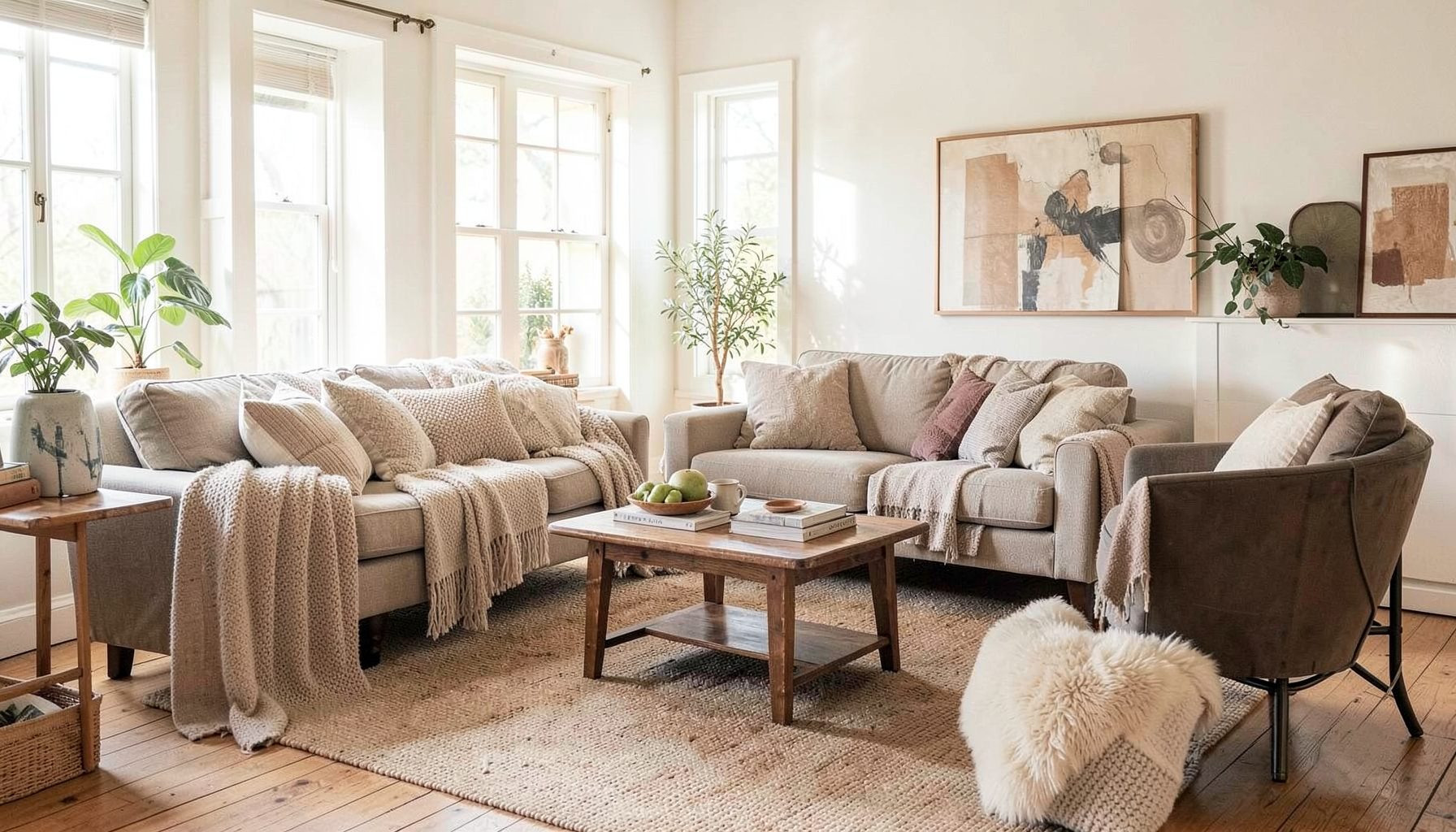
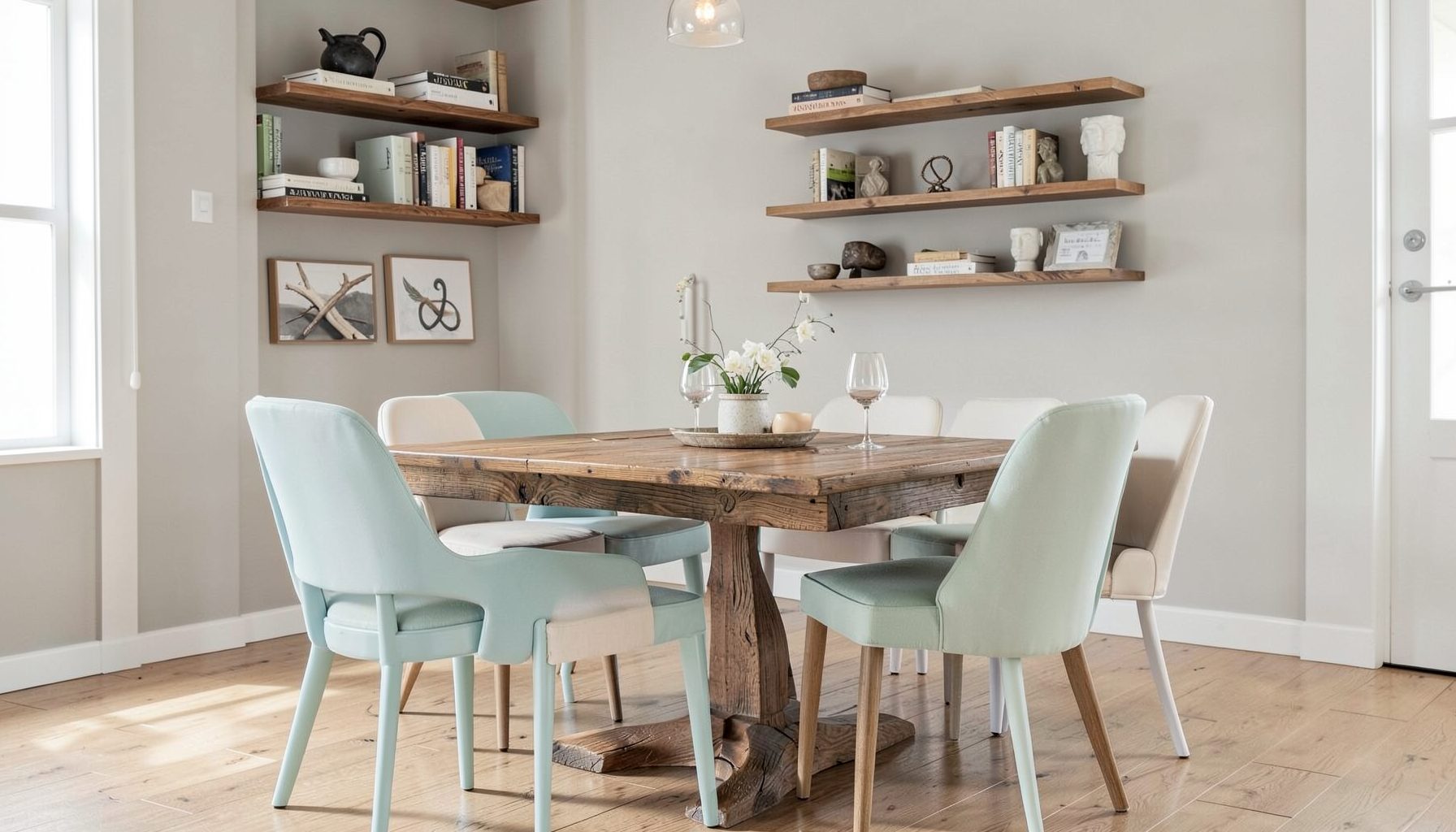
Full-service decorating that blends high and low, vintage finds with modern pieces for spaces that feel personal and collected.
Learn More
DIY Projects
Step-by-step tutorials for refinishing furniture, sewing pillows, styling bookshelves, and transforming rooms on a budget.
Learn More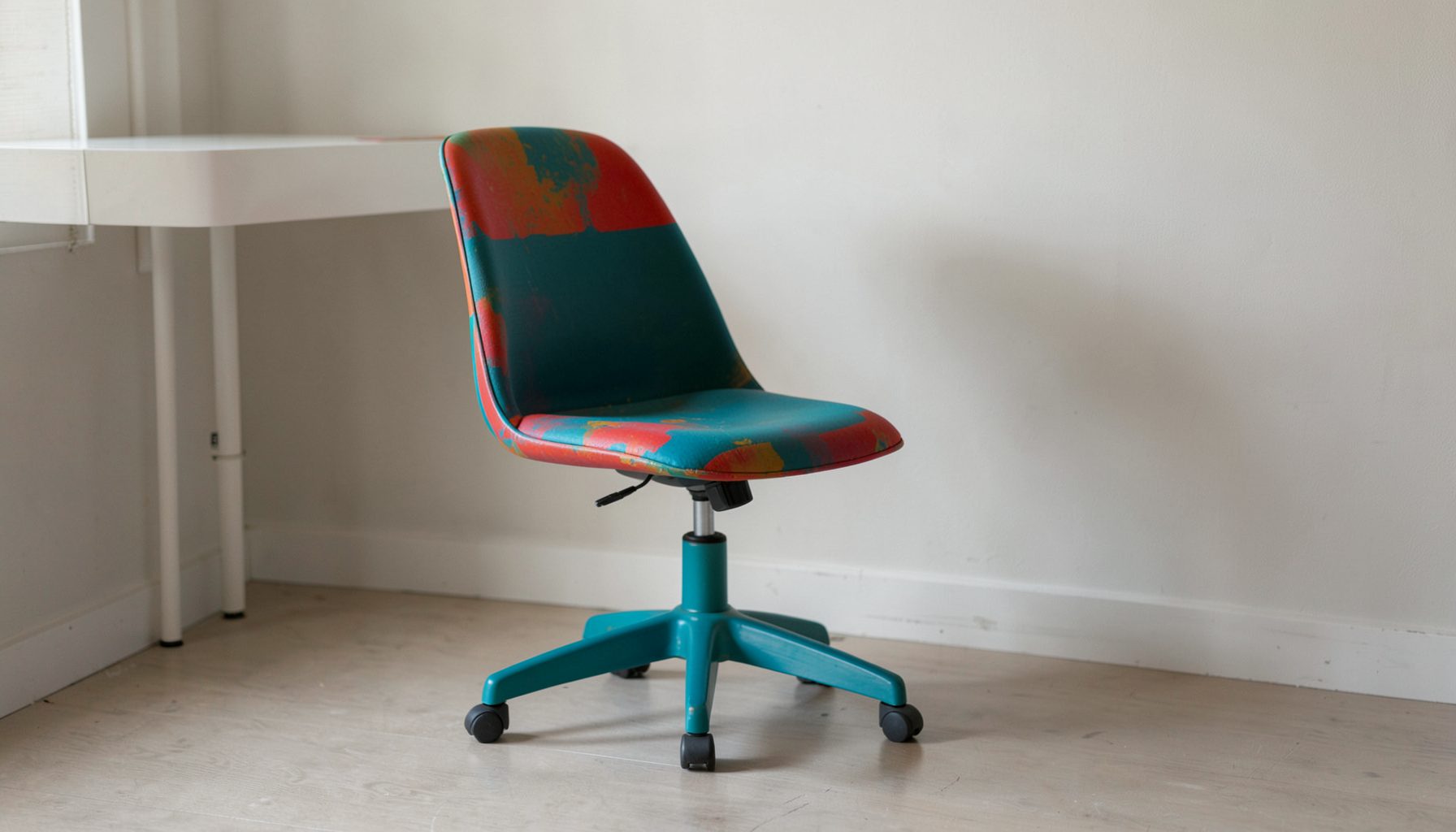
E-Decorating
Personalized design guidance delivered online — perfect for clients anywhere in the world who want a professional eye.
Learn More
Portfolio
Browse completed room makeovers, before-and-after transformations, and styling projects from Bay Area homes.
Learn More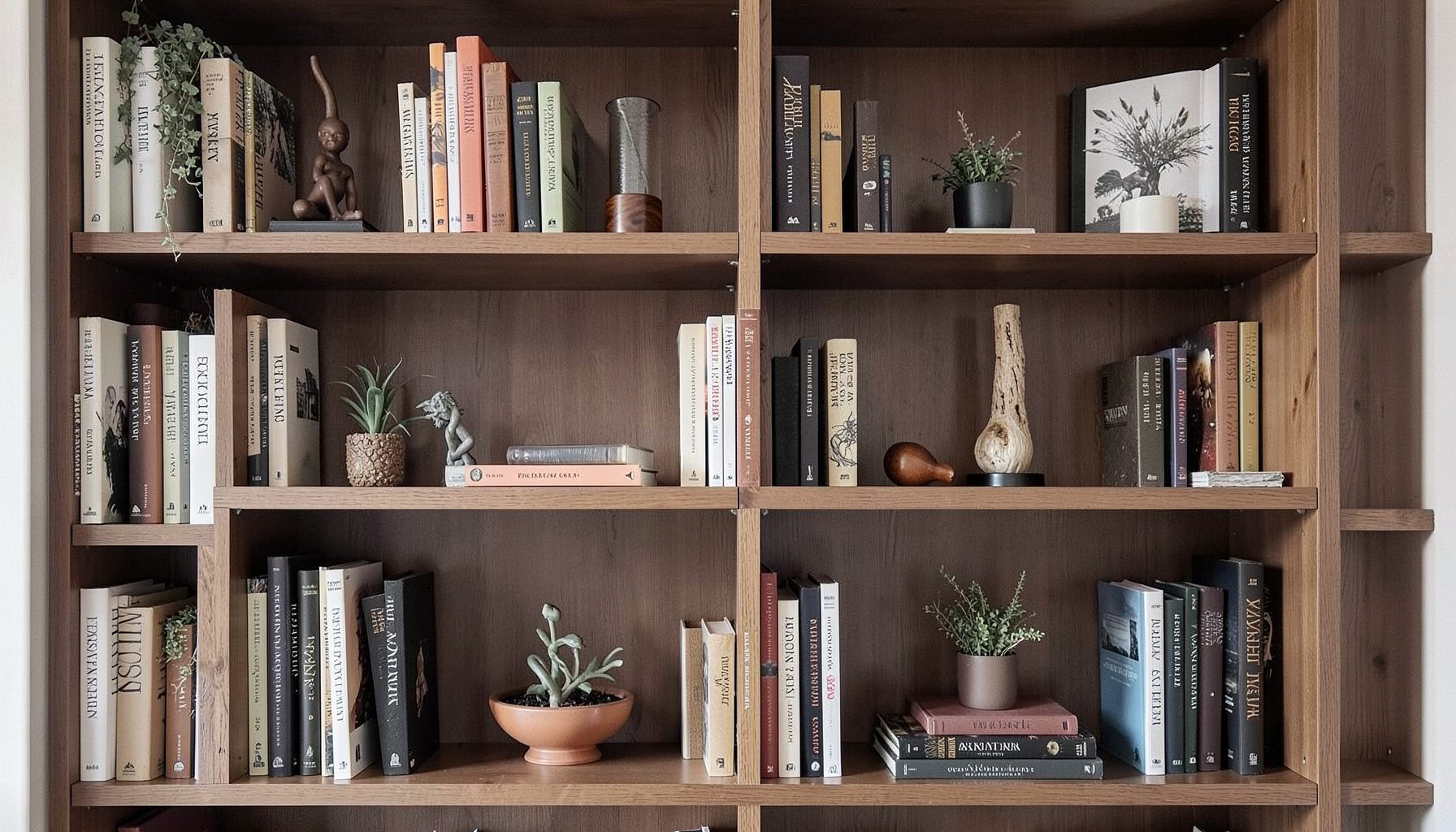
Blog
Interior design inspiration, fashion finds, entertaining ideas, and peeks into real home renovations and styling projects.
Learn More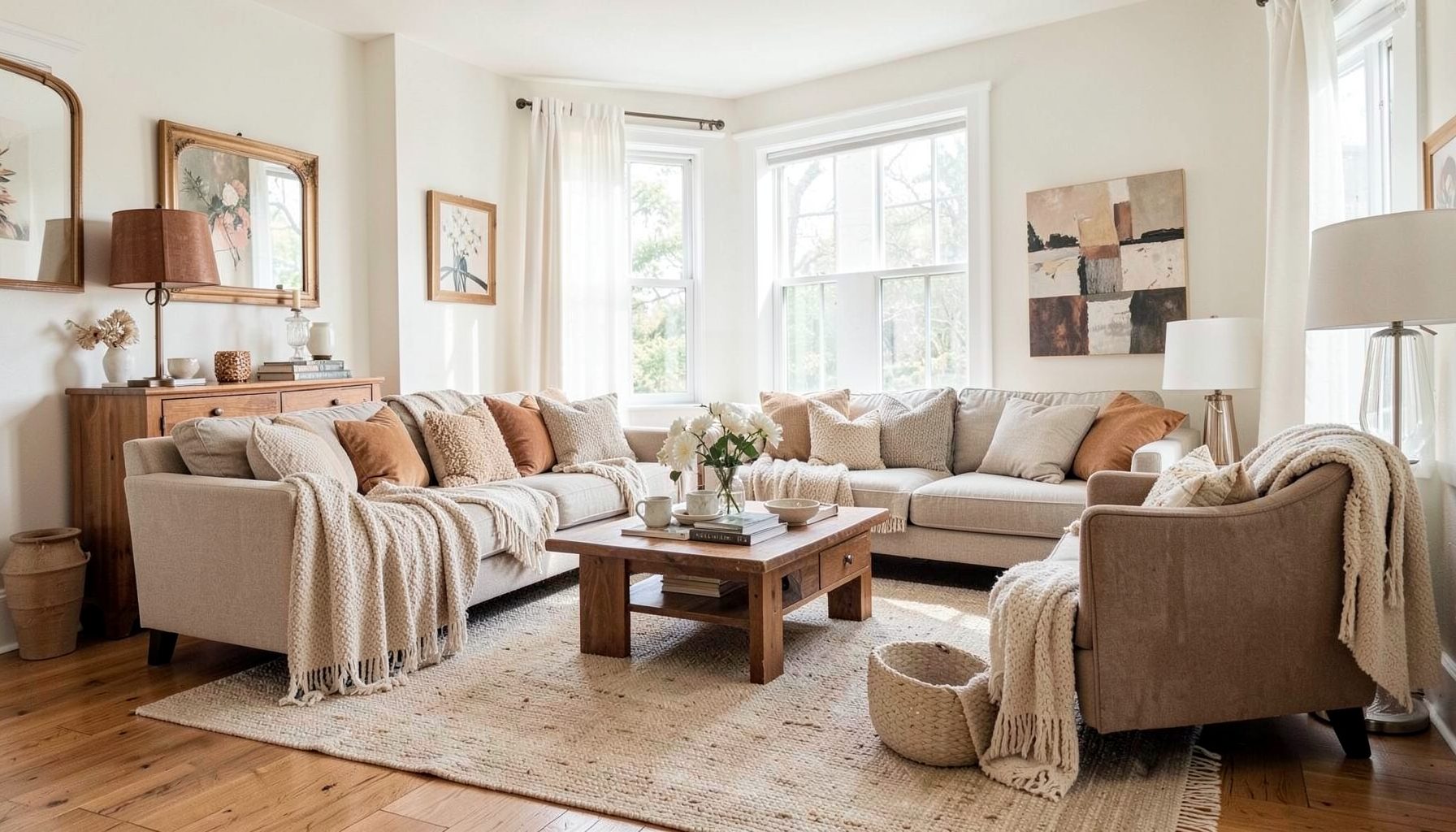
Downloads
Free curated resources for home decorating and design — guides, checklists, and inspiration to help you get started.
Learn MoreStaging a Room for Sale With an Interior Decorator’s Eye
Selling a home requires more than making a room look attractive. The space needs to feel spacious, cared for, functional, and easy to imagine living in. Effective home staging guides a buyer’s attention toward the room’s best features while quietly reducing the visual distractions that can make a property feel smaller or less maintained.
A successful staging plan does not require replacing every furnishing or creating a showroom with no personality. The strongest rooms often combine edited decor, practical furniture placement, thoughtful lighting, and a few memorable details. The goal is a polished setting that feels inviting without appearing overly designed.
An interior decorator approaches the process by balancing emotional appeal with practical presentation. In Bay Area homes, where square footage, natural light, and architectural character can vary dramatically from one property to another, that balance is especially important. The right styling choices can help a compact San Francisco apartment feel generous or allow a traditional San Jose room to show its full potential.
Start With Buyer-Friendly Editing
Before adding anything, remove what does not support the room’s purpose. Staging begins with editing: clearing crowded surfaces, reducing excess furniture, packing away personal collections, and putting everyday clutter out of sight. Buyers should notice the room’s proportions, windows, floors, and architectural details before they notice the objects inside it.
Keep enough furnishings to communicate how the space works. An empty room can feel confusing or smaller than it really is, while an overfilled room makes it difficult to walk through and imagine new arrangements. In a living room, a sofa, one or two occasional chairs, a coffee table, and a restrained selection of accessories are often sufficient.
Personal items deserve special attention. Family photographs, highly specific artwork, political materials, and collections can distract from the home itself. This does not mean the room must become bland. Replace personal statements with art, textiles, and objects that provide warmth while remaining broadly appealing.
Storage areas should receive the same treatment as visible rooms. A buyer may open closets, cabinets, and drawers, so compressed clothing, overflowing shelves, and crowded utility spaces can undermine an otherwise attractive presentation. Pack seasonal items early and leave enough breathing room to suggest useful storage capacity.
Create A Clear Visual Flow
Furniture placement should make movement through the room feel natural. Begin by identifying the primary path from the entrance to the most important feature, such as a fireplace, a large window, or an adjoining outdoor area. Keep that route open and avoid placing pieces where they interrupt circulation.
Pulling furniture slightly away from walls can make a room feel more intentional and dimensional. In a large space, a sofa floating on a rug may create a comfortable conversation area. In a small room, a slimmer sofa, compact accent chair, or narrow console can preserve valuable floor space without leaving the room visually empty.
Scale matters as much as quantity. A large sectional may dominate a modest living room, while tiny pieces can make a spacious room feel unfinished. Select furniture that leaves visible floor around the major pieces and allows doors, windows, and built-in features to remain accessible.
For compact properties, use a restrained layout rather than trying to fit every possible function into one room. A small apartment can still feel stylish when each piece works hard and the palette remains cohesive. These small-space decorating ideas offer useful direction for maximizing function without sacrificing character.
Use Furniture To Define Purpose
Buyers respond to rooms that communicate their intended use immediately. A dining area should look ready for meals, a bedroom should feel restful, and an awkward alcove should have a clear role. Even a modest arrangement can establish purpose when the furniture, lighting, and accessories support one another.
In a living room, orient seating toward a natural focal point rather than automatically facing the television. If the home has a fireplace or attractive view, make it part of the composition. If the architecture lacks a strong feature, create one with a large artwork, a mirror, or a carefully styled console.
Bedrooms benefit from symmetry and calm. Center the bed when possible, use appropriately sized nightstands, and layer bedding in a limited range of colors. A bench at the foot of the bed can suggest comfort, but it should not block circulation or make the room feel crowded.
Home offices and flexible rooms require careful judgment. A desk, task chair, lamp, and a few organized accessories can show buyers how an extra room might function. Avoid filling every corner with office equipment, workout gear, or storage bins. A flexible room should retain enough openness for buyers to envision their own needs.
Layer Light, Color, And Texture
Lighting has a strong influence on how a staged room appears in photographs and during showings. Open blinds and curtains to make the most of daylight, clean the glass, and replace dim or mismatched bulbs. Aim for a warm, consistent color temperature so the room feels comfortable rather than stark.
Use several light sources whenever possible. A ceiling fixture may provide general illumination, while table lamps, floor lamps, and sconces create softer layers at eye level. Turn on every appropriate light before a showing, especially in hallways, corners, and rooms with limited natural light.
Color should connect the home without making every room identical. Soft neutrals are useful because they reflect light and accommodate many furniture styles, but a completely beige palette can appear flat. Add restrained contrast through charcoal, olive, navy, muted terracotta, or natural wood.
Texture supplies the visual warmth that color alone cannot provide. Combine linen, wool, cotton, rattan, ceramic, metal, and aged wood in measured doses. A folded throw, a textured rug, or a simple arrangement of branches can make a room feel finished while keeping the overall look approachable.
Finish With Details That Photograph Well
Listing photography often forms a buyer’s first impression, so staging decisions should be evaluated through a camera as well as in person. Walk through the room from the doorway and look for distracting cords, crooked art, empty corners, reflective glare, and objects that appear too small or too busy.
Art should generally be hung at a comfortable viewing height and sized in proportion to the wall. One substantial piece often has greater impact than several undersized frames scattered across a large surface. Mirrors can increase the sense of light and depth, but position them to reflect an attractive view rather than clutter or a blank wall.
Decorative objects should be grouped with intention. Vary height and shape, leave some negative space, and avoid arranging every item in a straight line. Books, bowls, vessels, greenery, and collected objects can create personality when they appear curated rather than randomly distributed.
| Room | Helpful Staging Moves | Common Mistake |
|---|---|---|
| Living room | Define conversation areas, use a proportional rug, clear pathways | Pushing every piece against the walls |
| Bedroom | Make the bed the focal point, layer neutral bedding, simplify nightstands | Using too many pillows or bulky furniture |
| Dining room | Set a restrained table, center the light fixture visually, clear chair access | Crowding the table with elaborate place settings |
| Entryway | Add a small landing surface, mirror, and welcoming light | Filling a narrow passage with oversized decor |
| Home office | Show a clear work zone with organized accessories | Turning the room into dense storage |
Window treatments deserve a close look before listing photos are taken. Open curtains fully during the day when privacy allows, and make sure rods extend far enough to expose the window frame. If treatments are dated, damaged, or visually heavy, removing or simplifying them may make the room feel brighter and taller.
Choose Accessories With Restraint
Accessories should reinforce the story of the room rather than compete with it. A styled coffee table might include a tray, a few books, and one organic element. A kitchen counter may need only a cutting board, a bowl of produce, or a small plant. The more valuable the surface area, the more carefully it should be edited.
Fresh greenery can soften hard lines and make a home feel cared for. Use healthy plants in attractive containers, and select scale-appropriate arrangements. Oversized plants can help fill a vacant corner, while small stems may be enough for a bathroom or bedside table.
Textiles are an efficient way to refresh a room without a major investment. Replace worn pillows, faded bath towels, and tired bedding. Choose a coordinated group rather than matching every item exactly. A few variations in pattern and texture can make neutral rooms feel layered and livable.
Scent and condition also contribute to the experience. Avoid strong fragrances that may signal an attempt to conceal odors. Instead, prioritize ventilation, clean upholstery, polished surfaces, fresh linens, and a spotless kitchen and bath. Styling cannot compensate for maintenance issues that buyers immediately notice.
Make Practical Decisions Before The Showing
A staging budget should focus on changes with the greatest visual effect. Before purchasing new decor, use what is already available, borrow selectively, or move pieces between rooms. Often, a better layout, cleaner surfaces, and improved lighting create more value than a large shopping list.
When new pieces are needed, prioritize items that solve a specific presentation problem. A properly sized rug can anchor an entire seating area. A pair of lamps can correct a dark room. Fresh neutral bedding can transform a bedroom. Choose versatile furnishings that will photograph well and remain useful after the sale.
- Remove furniture that restricts walking paths or hides architectural features.
- Replace damaged, faded, or visibly dated soft goods before adding decorative accents.
- Use warm, consistent lighting and turn on lamps for photographs and showings.
- Style each room around one clear purpose rather than several competing functions.
- Review every space from the doorway and through the camera lens before listing.
Give yourself enough time to make adjustments after the first styling pass. Rooms often look different once photographed, particularly when rugs, artwork, and accessories are too small for their surroundings. A few measured changes can improve balance without requiring a complete redesign.
Present A Home Buyers Can Envision
The best sale-ready rooms feel considered but not staged to the point of discomfort. They show buyers how the home might support daily life while leaving room for imagination. Layered materials, edited collections, and a mix of vintage and modern pieces can create that sense of warmth without making the property feel overly precious.
A professional interior decorator can help identify which furnishings should stay, which should be stored, and which additions will strengthen the home’s visual narrative. With a clear plan, styling becomes a focused investment in presentation rather than a last-minute attempt to disguise problems.
Prepare the space with intention, then let its strongest features lead. Thoughtful room staging can make photographs more compelling, showings more comfortable, and the entire property easier to remember. For personalized guidance on preparing a home in the Bay Area, connect with Maggie Rose Interiors to create a polished, welcoming presentation tailored to the property and its next chapter.

Recent Projects