Interior Design
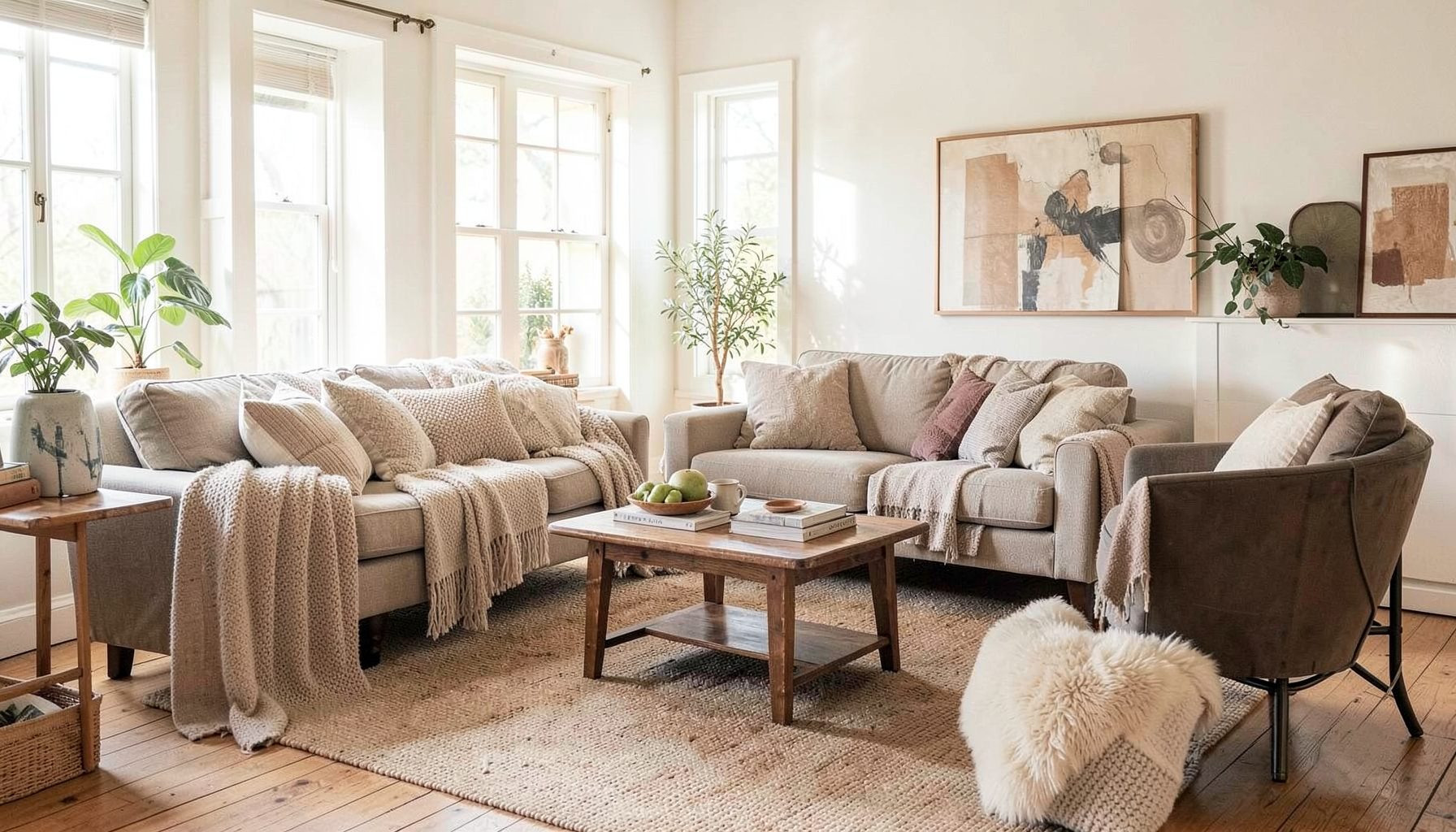
Full-service decorating that blends high and low, vintage finds with modern pieces for spaces that feel personal and collected.
Learn More
DIY Projects
Step-by-step tutorials for refinishing furniture, sewing pillows, styling bookshelves, and transforming rooms on a budget.
Learn More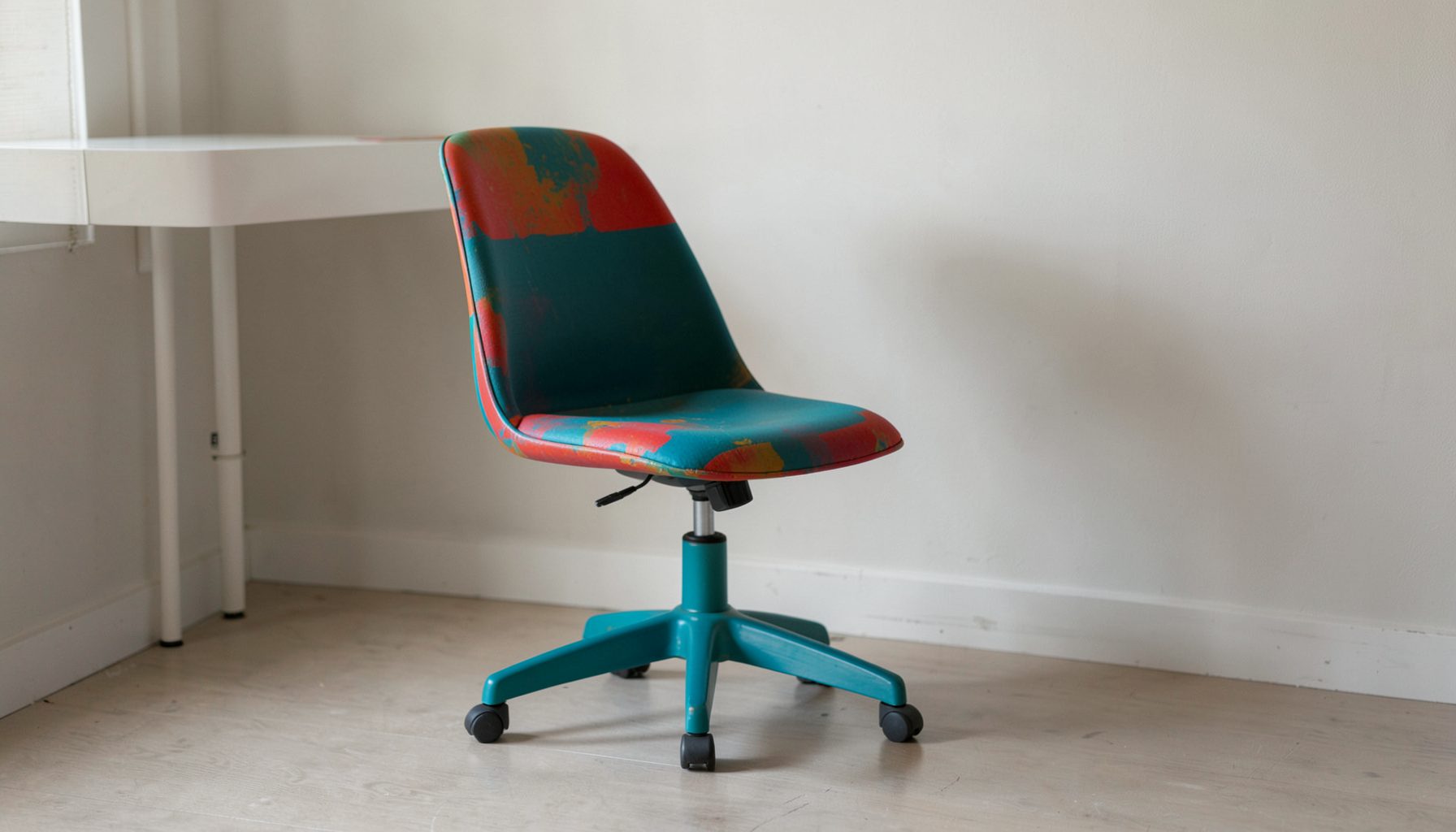
E-Decorating
Personalized design guidance delivered online — perfect for clients anywhere in the world who want a professional eye.
Learn More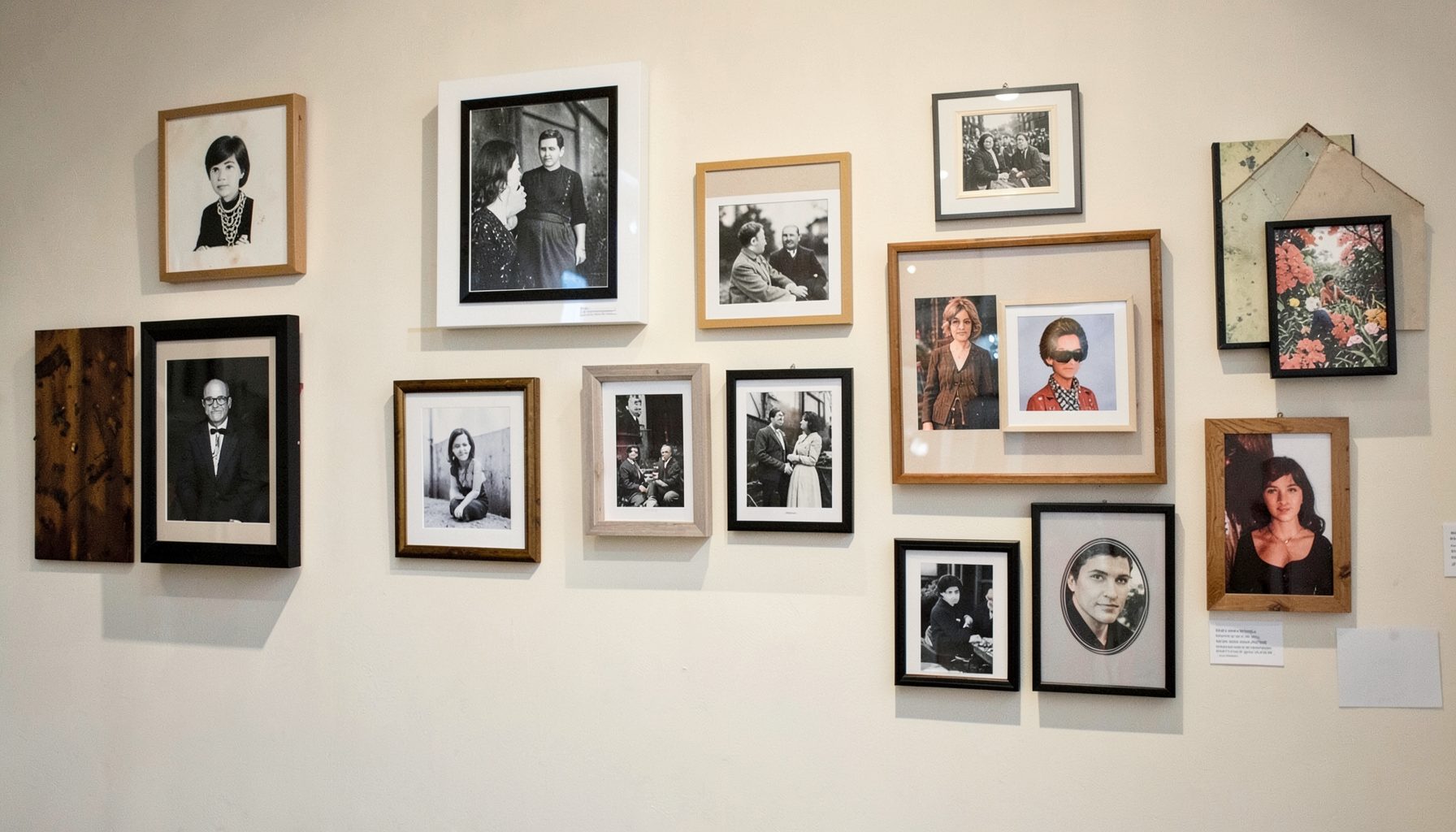
Portfolio
Browse completed room makeovers, before-and-after transformations, and styling projects from Bay Area homes.
Learn More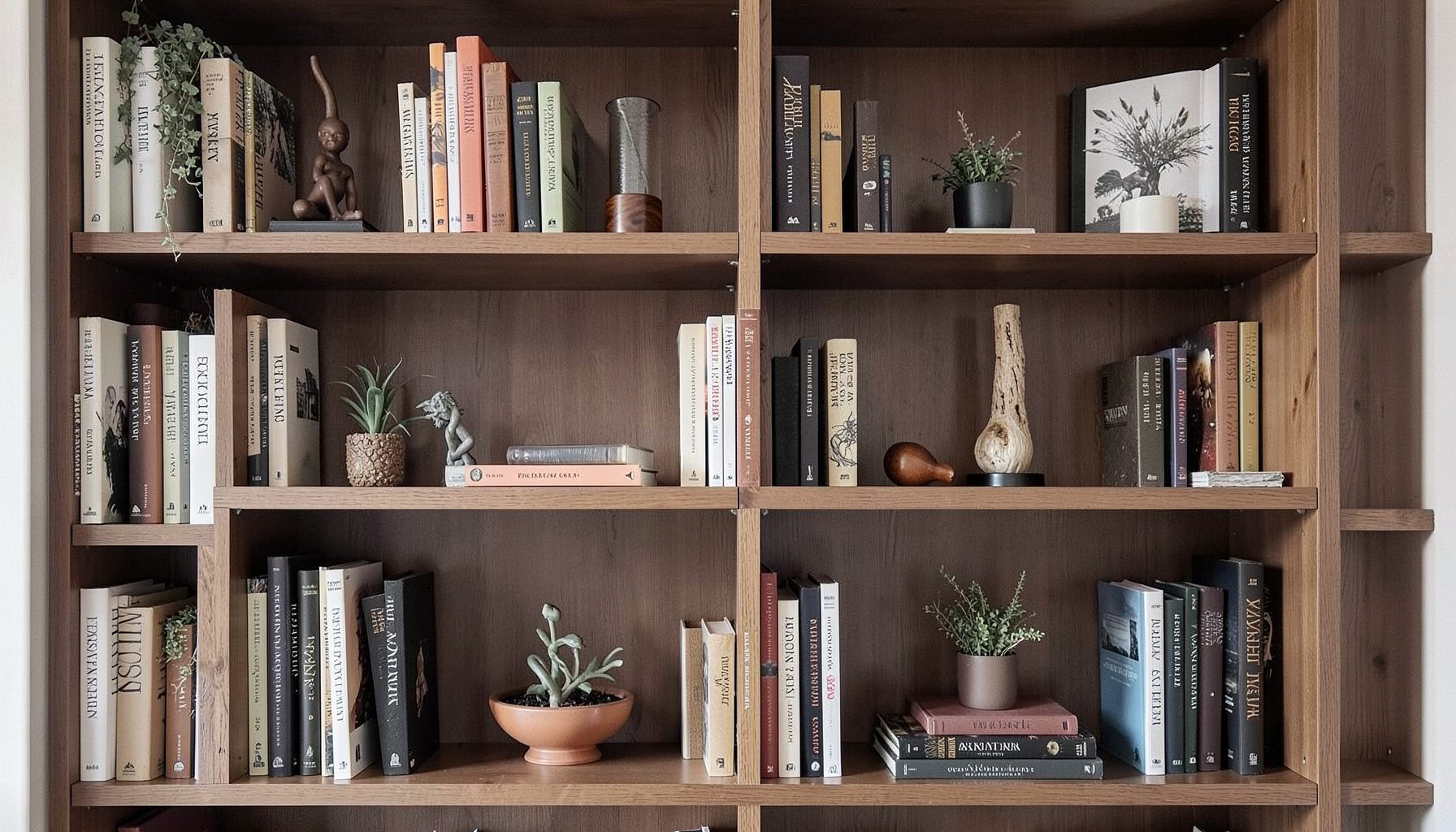
Blog
Interior design inspiration, fashion finds, entertaining ideas, and peeks into real home renovations and styling projects.
Learn More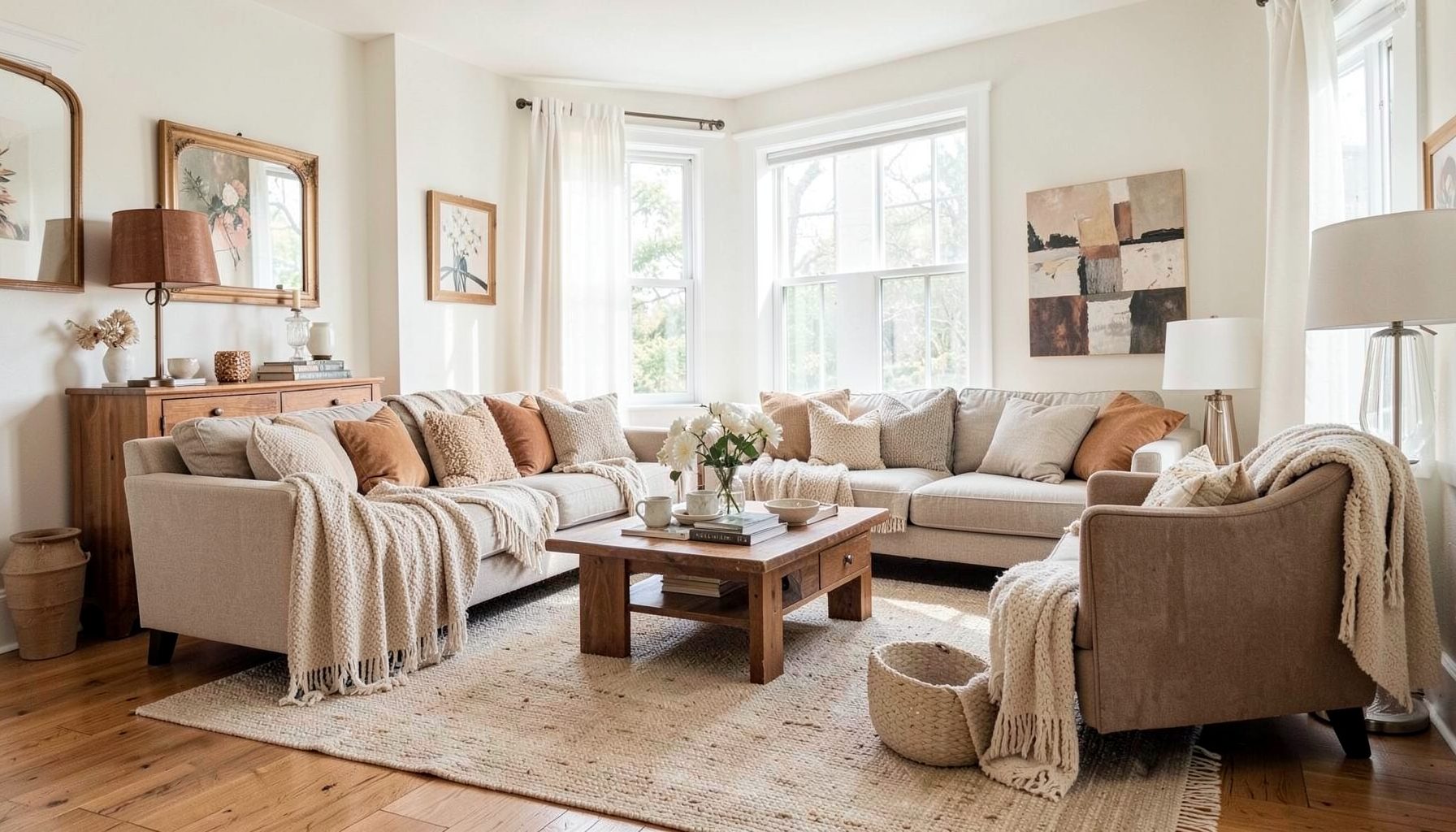
Downloads
Free curated resources for home decorating and design — guides, checklists, and inspiration to help you get started.
Learn MoreSmall Space Decorating: Maximizing Style In A San Francisco Apartment
San Francisco apartments often come with memorable architectural details and practical limitations. A compact Victorian flat may have tall windows, original trim, and elegant proportions, while a newer apartment might offer clean lines, abundant light, and very little storage. In both settings, thoughtful decorating can make every square foot feel intentional.
The goal is not to fill a small home with more furniture. It is to create visual rhythm, useful storage, comfortable circulation, and enough personality to make the apartment feel collected rather than crowded. Layered textiles, vintage accents, flexible furnishings, and a clear color story can transform a limited footprint without making it feel precious or overdesigned.
A successful San Francisco apartment makeover begins with the way you live. The best layout supports morning routines, work-from-home needs, dinner with friends, and quiet evenings while still reflecting the character of the person who lives there. With careful editing and a few strategic design decisions, a compact room can feel generous, polished, and deeply personal.
Start With The Architecture
San Francisco homes often provide built-in character, so let the apartment establish the direction for the design. Original hardwood floors, picture rails, bay windows, ornate moldings, exposed brick, and decorative fireplaces can serve as natural focal points. Arrange furniture to support these features instead of competing with them.
A bay window may become a reading nook, a breakfast spot, or a place for a slim writing desk. A fireplace can anchor the living room with a compact sofa, a pair of narrow side tables, and artwork arranged above the mantel. When the room’s strongest architectural element receives visual priority, fewer decorative objects are needed to make the space feel finished.
Pay attention to scale as well as style. Tall ceilings can handle vertical artwork, floor-to-ceiling curtains, and slender bookcases that draw the eye upward. In a room with low ceilings, use lower furniture, restrained patterns, and open-based pieces to preserve a sense of airiness. The architecture should guide the decorating plan rather than become an obstacle to work around.
Build A Flexible Furniture Layout
In a small apartment, every piece should earn its footprint. Begin by measuring the room, door swings, windows, radiators, and walking paths. A beautiful sofa that blocks a doorway or overwhelms the main circulation route will make the entire space feel smaller, regardless of its appearance.
Choose furniture with adaptable proportions. A compact apartment sofa, apartment-size dining table, nesting coffee tables, or an ottoman with hidden storage can support several activities without crowding the room. A console may function as an entry table, a bar, or a narrow desk. Occasional chairs can provide extra seating for guests and move easily between the living room and bedroom.
Avoid pushing every piece against the wall automatically. A sofa positioned slightly away from the wall can create a defined seating zone, while a slim bookcase behind it adds storage and architectural interest. In an open-plan apartment, rugs, lighting, and furniture orientation can distinguish the living, dining, and work areas without adding partitions.
Use Color And Light To Expand The Room
Light is one of the most valuable decorating assets in a San Francisco apartment. Keep windows as open as possible by choosing streamlined window treatments that stack neatly to the side. Linen or cotton curtains mounted close to the ceiling can make windows appear taller while softening the room with subtle texture.
A small room does not have to be entirely white. Warm ivory, pale clay, soft sage, muted blue, and gentle taupe can create depth without visual heaviness. Use a related palette across adjoining spaces so the eye moves smoothly from one area to the next. Repeating one color in a pillow, artwork, lamp, or vintage accessory creates cohesion without making the design feel matched.
Reflective surfaces can help distribute natural and artificial light. A framed mirror opposite a window, a glass-topped side table, polished metal hardware, or a glossy ceramic lamp can add brightness. Use these elements selectively; too many reflective finishes may make a home feel stark instead of welcoming.
Layer lighting at several heights. Combine ceiling fixtures with sconces, table lamps, picture lights, or plug-in wall lamps. Warm bulbs create a relaxed evening atmosphere, while directional lighting makes reading, cooking, and working more comfortable. A carefully lit small apartment often feels larger because its corners remain useful and visually connected after dark.
Select Pieces With More Than One Function
Multi-purpose furniture is especially valuable when a home must accommodate both daily life and occasional entertaining. The right pieces can change function without announcing that they are doing so. A storage ottoman may hold blankets, provide a footrest, and serve as extra seating. A drop-leaf table can work as a desk during the day and a dining table at night.
| Space | High-Value Piece | Practical Benefit | Styling Direction |
|---|---|---|---|
| Living room | Storage ottoman | Seating, footrest, and concealed storage | Upholster it in a textured neutral or small-scale pattern |
| Entryway | Narrow console with drawers | Drop zone for keys, mail, and accessories | Add a mirror, lamp, and one sculptural object |
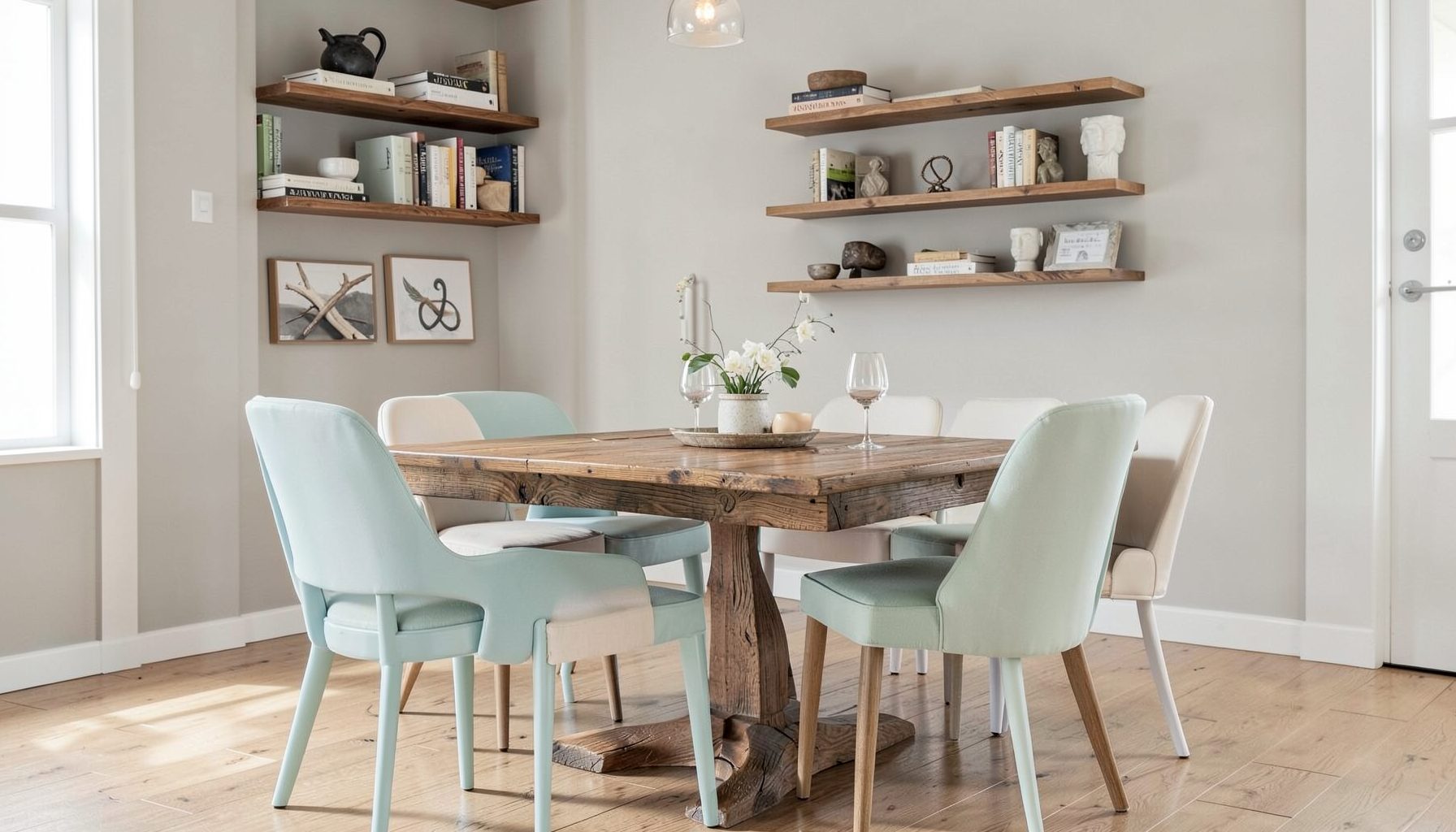
| Dining area | Drop-leaf or round table | Flexible dining and work surface | Pair with mixed vintage and modern chairs |
| Bedroom | Bed with drawers or lift-up base | Stores linens and seasonal clothing | Keep bedding layered but visually calm |
| Kitchen | Rolling cart | Extra prep space and portable storage | Display attractive cookware or a small herb garden |
| Work area | Wall-mounted desk | Creates an office without taking floor space | Finish with art and a task lamp to make it feel intentional |
Vertical storage is another way to gain capacity without sacrificing floor area. Narrow shelving can hold books, baskets, and artwork, while wall-mounted cabinets keep everyday items organized. In a rental, removable hooks, leaning shelves, and freestanding storage can provide similar benefits without permanent construction.
Look for opportunities in overlooked areas. The space above a toilet, the back of a door, the side of a cabinet, or the wall beside a refrigerator may accommodate useful storage. In the bedroom, under-bed boxes and tall wardrobes can reduce clutter elsewhere. When storage is planned from the beginning, decorative surfaces remain clearer and the overall room feels calmer.
Layer Vintage And Modern Details
A compact apartment gains character when furnishings come from different eras. Vintage pieces bring patina, individuality, and a sense of history, while modern items can provide cleaner lines and practical comfort. The balance prevents the room from feeling like a showroom or a period reproduction.
Try pairing a contemporary sofa with a worn wood coffee table, an antique mirror with a simple console, or a modern dining light with inherited chairs. A single unusual piece can act as a visual anchor. It might be a sculptural lamp, a painted cabinet, a patterned rug, or a collection of framed art arranged in a compact gallery wall.
Scale matters when combining styles. Several small decorative objects can create more visual noise than one larger statement piece. Use a few substantial elements, then leave breathing room around them. A large piece of art may make a stronger impression than a crowded arrangement of tiny frames, particularly in a narrow hallway or compact living room.
Textiles help soften the mix. Layer a flat-weave rug over a natural fiber foundation, add a patterned lumbar pillow to a solid sofa, or place a quilt at the foot of the bed. Repetition of texture creates richness even when the color palette remains restrained. These small-space styling techniques make the home feel collected over time rather than decorated all at once.
Define Zones Without Closing Them Off
Open layouts require visual organization. Instead of adding bulky dividers, use rugs, lighting, and furniture placement to establish separate areas. A rug beneath the sofa and coffee table can define the living room, while a pendant above the dining table signals a distinct dining zone.
A narrow bookcase can divide a sleeping area from a living space while allowing light to pass through. A folding screen offers flexibility in a studio apartment and can be moved when the layout needs to change. Curtains can provide privacy around a bed or workspace, especially when installed on a ceiling-mounted track.
Color can also provide subtle zoning. A deeper wall color behind a desk creates a focused work area, while a lighter tone around the living room keeps the main space open. Use transitions thoughtfully so each zone feels related rather than disconnected. Repeating materials, such as wood, brass, or woven fibers, helps unify the apartment.
For work-from-home areas, prioritize visual calm and ergonomics. A small desk should have enough depth for a laptop and lighting, while a supportive chair can be pulled into another room when guests arrive. Conceal cords with cable management, baskets, or a painted cord cover. A polished workspace contributes to the design instead of looking like temporary equipment.
Make The Entry And Small Corners Count
The entry is a valuable opportunity to establish the mood of the apartment. Even a narrow landing can accommodate a slim shelf, wall hooks, a small mirror, and a durable runner. A tray keeps keys and sunglasses contained, while a basket provides a home for shoes, scarves, or reusable shopping bags.
Odd corners can become functional features with the right proportions. A shallow niche may hold a built-in or freestanding bar cabinet. The area beneath a staircase can become a compact office or library. A wide hallway can support picture lights and framed artwork, turning passage space into a gallery rather than leaving it forgotten.
Decorate small surfaces with restraint. Grouping objects by height creates a stronger composition than scattering accessories throughout the apartment. A lamp, a stack of books, and one natural element such as a branch or small plant can be enough for a console. Leave some surfaces empty so the room retains a sense of ease.
Plants bring life and softness to compact interiors, especially when placed near windows or on tall stands. Select varieties suited to the available light and choose containers that complement the room’s palette. One substantial plant can have more impact than several tiny pots competing for attention.
Practical Choices For A More Personal Home
A refined small apartment depends on editing as much as acquiring. Before bringing in a new item, consider whether it solves a real need, adds a meaningful layer, or improves the way the room functions. Pieces with a story, a useful purpose, or strong visual appeal deserve priority.
- Measure furniture before purchasing, including its depth, height, and delivery path.
- Keep a consistent base palette, then introduce personality through art, textiles, and accessories.
- Choose closed storage for visual clutter and open shelving for objects worth displaying.
- Use rugs and lighting to define zones instead of relying on bulky room dividers.
- Mix investment pieces with vintage finds and budget-friendly accents for a collected look.
A personalized design plan can be especially helpful when several rooms must work together. Full-service interior decorating may address layout, furnishings, finishes, lighting, and styling as one coordinated project. For a single room or a focused refresh, online e-decorating and room makeover guidance can provide a clear direction while leaving installation and sourcing in the client’s hands.
The strongest interiors reflect the people who live in them. Favorite books, travel finds, inherited furniture, original artwork, and everyday rituals should have a place in the design. San Francisco apartment decorating becomes memorable when it responds to the home’s architecture while expressing the client’s individual style.
Maggie Rose Interiors creates layered, collected spaces for clients in San Jose, San Francisco, and beyond, combining vintage and modern furnishings with practical solutions for real life. Whether your apartment needs a complete furnishing plan, a focused room makeover, or personalized decorating guidance, explore the portfolio and design services to begin shaping a home that feels spacious, stylish, and distinctly yours.

Recent Projects