Interior Design
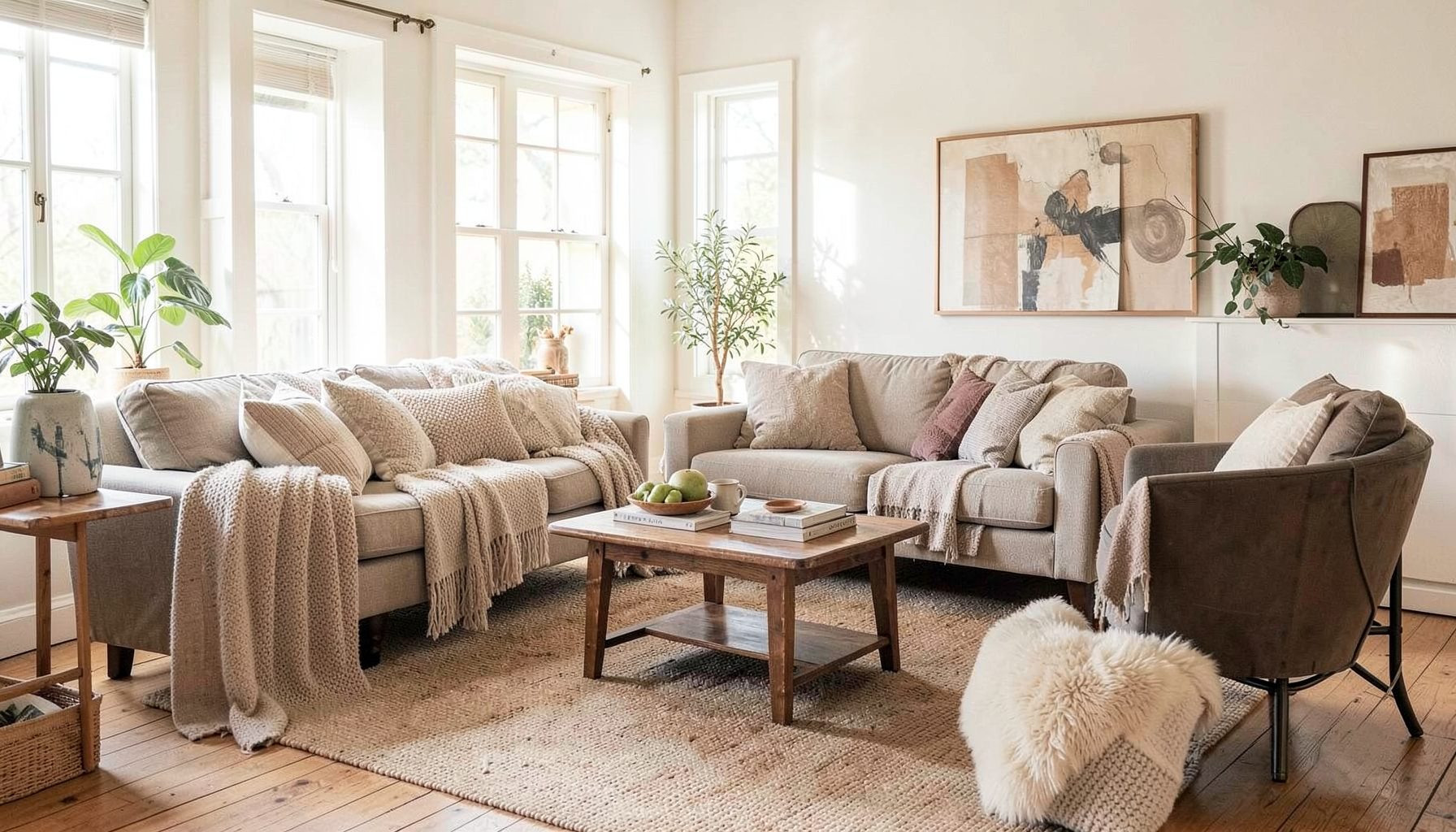
Full-service decorating that blends high and low, vintage finds with modern pieces for spaces that feel personal and collected.
Learn More
DIY Projects
Step-by-step tutorials for refinishing furniture, sewing pillows, styling bookshelves, and transforming rooms on a budget.
Learn More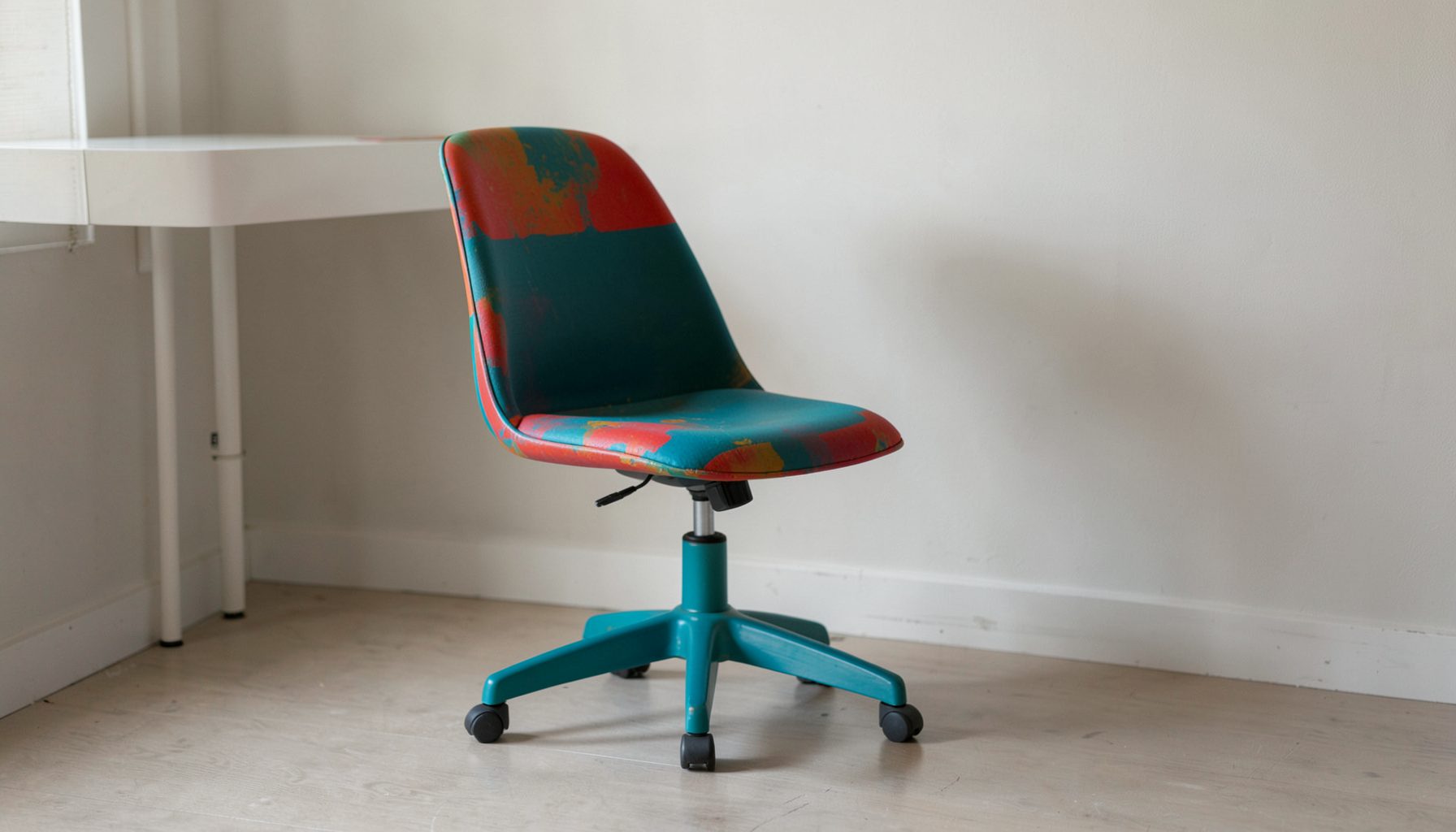
E-Decorating
Personalized design guidance delivered online — perfect for clients anywhere in the world who want a professional eye.
Learn More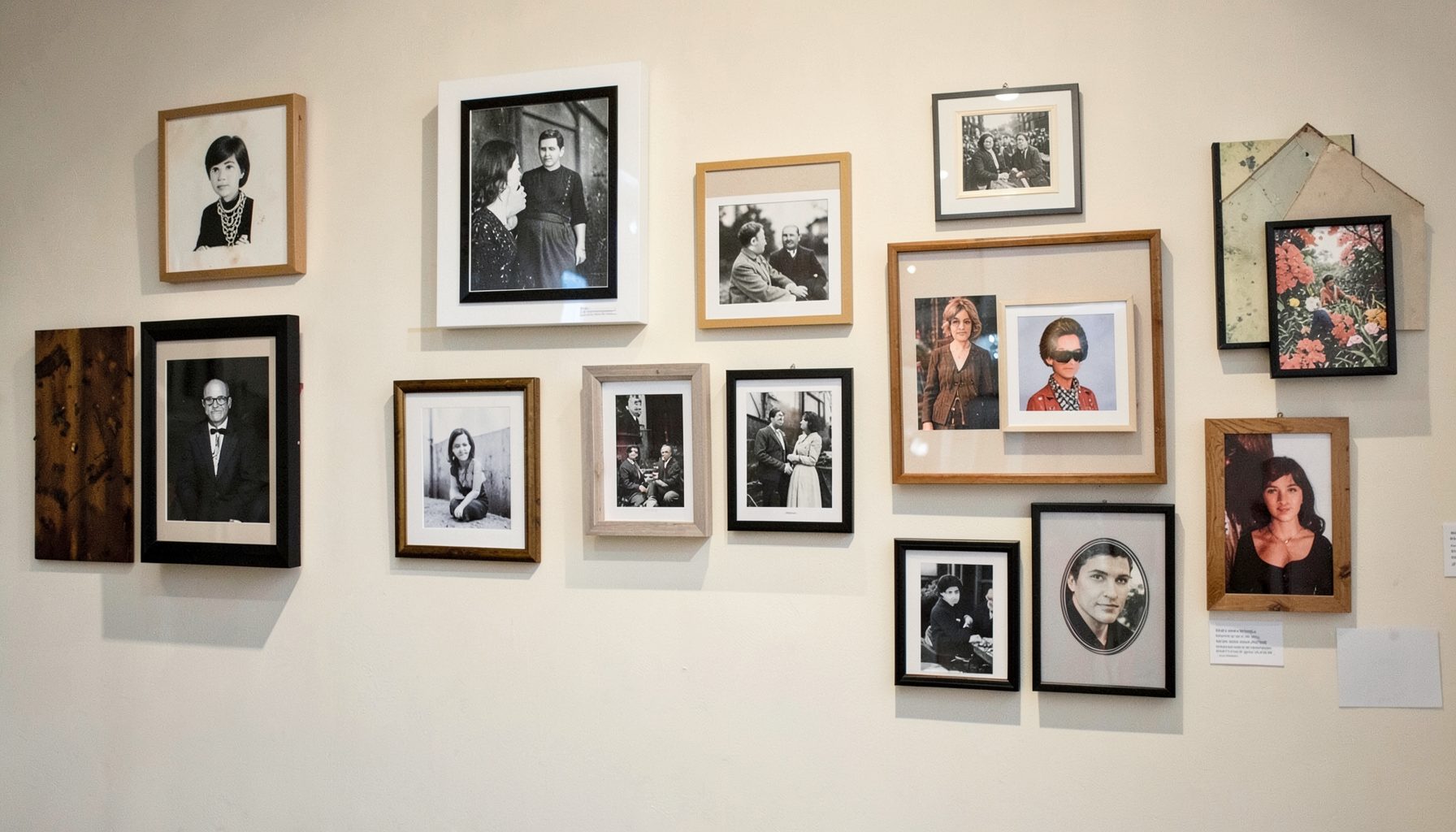
Portfolio
Browse completed room makeovers, before-and-after transformations, and styling projects from Bay Area homes.
Learn More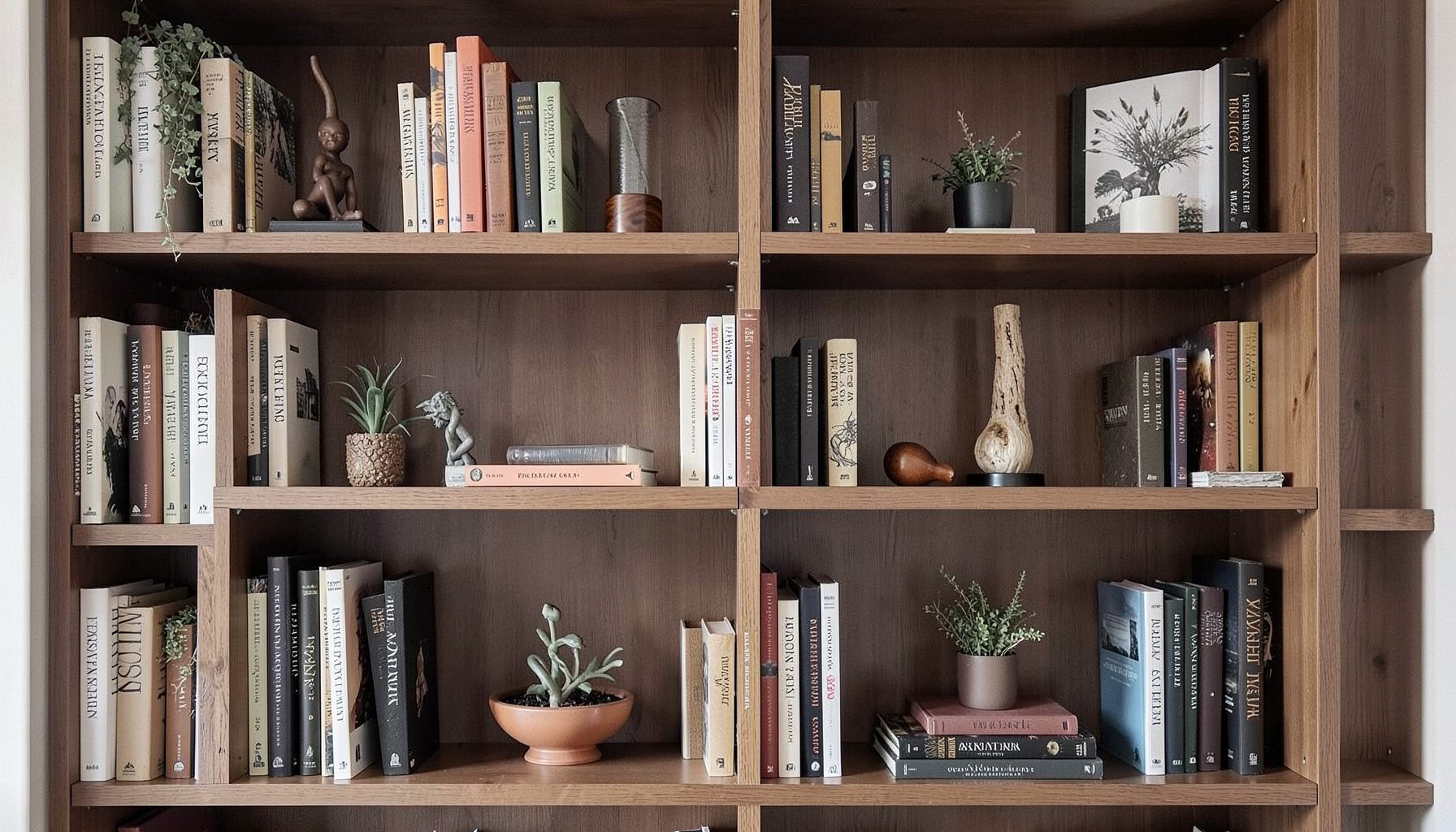
Blog
Interior design inspiration, fashion finds, entertaining ideas, and peeks into real home renovations and styling projects.
Learn More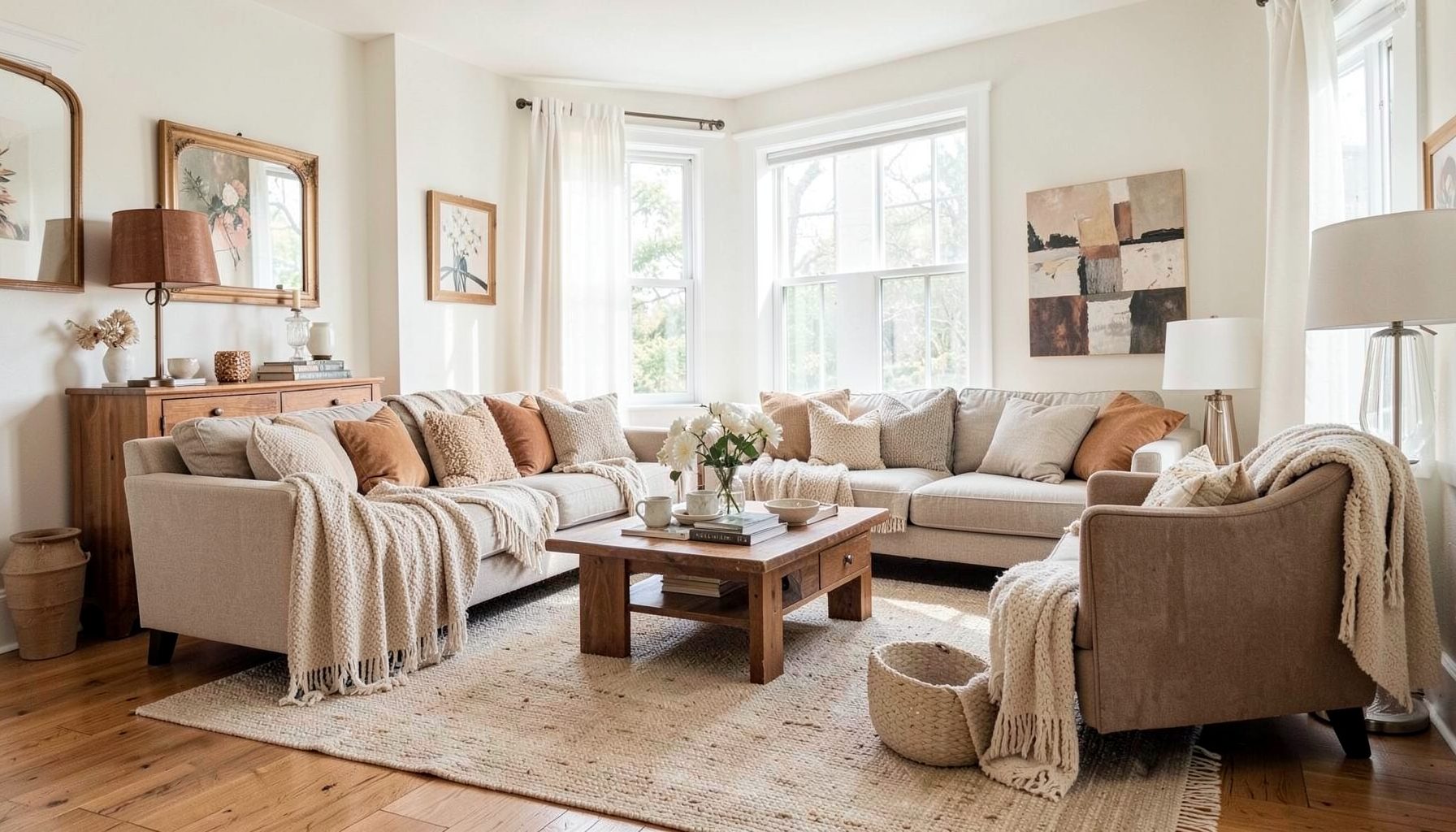
Downloads
Free curated resources for home decorating and design — guides, checklists, and inspiration to help you get started.
Learn MoreRoom Makeover: Turn a Dull Dining Room Into a Showstopper
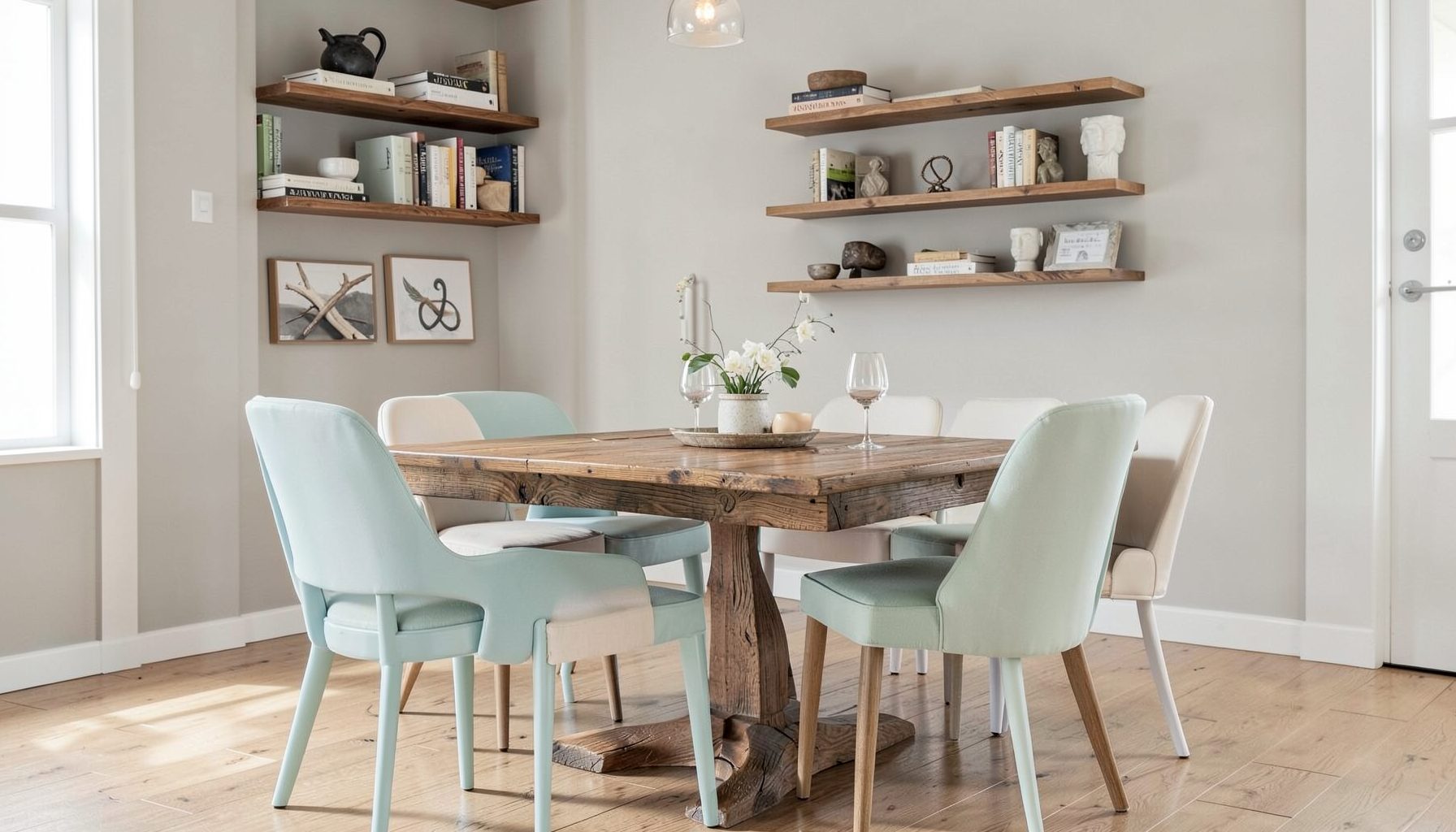
A dining room does not need dramatic architecture, expensive antiques, or a large footprint to make an impression. With the right proportions, lighting, color, and styling, even a forgotten eating area can become the visual heart of the home. The goal is to create a room that feels inviting for everyday meals while looking polished enough for celebrations.
A successful dining room makeover begins with the room’s existing character. Wood floors, vintage trim, an unusual window, or an inherited table can provide the foundation for a layered design. Instead of replacing everything, combine old and new pieces, refined finishes and relaxed textures, and personal objects that make the space feel collected over time.
For Bay Area homes, this approach works especially well. A San Francisco dining room may need to balance historic details and compact proportions, while a San Jose home might benefit from a stronger connection between the dining area and an open-plan kitchen. In either setting, thoughtful interior decorating can turn an overlooked room into a memorable destination.
Start With The Room’s Potential
Before choosing paint or shopping for dining chairs, study the room as it exists. Notice where natural light enters, how people move between the dining area and adjacent rooms, and whether the current furniture leaves enough space to pull out a chair comfortably. Measure the table, rug, chandelier, sideboard, and walkways so the finished space feels generous rather than crowded.
A dining room should support several kinds of living. It may host a quick weekday breakfast, remote work, homework, holiday meals, and long conversations with friends. That means the design needs visual impact and daily practicality. Durable upholstery, easy-to-clean surfaces, and flexible lighting are just as important as beautiful accessories.
Look for one feature worth emphasizing. It could be a bay window, a fireplace, a dramatic ceiling, an original built-in, or simply the view into the garden. If the room lacks architectural drama, create a focal point with wallpaper, a large piece of art, a painted ceiling, or a sculptural light fixture. A showstopping dining room usually has one clear moment that anchors everything around it.
Build A Distinctive Design Direction
A dull room often suffers from a lack of contrast. Matching furniture sets, pale walls, flat lighting, and small decorative objects can make the space feel unfinished. A stronger direction might pair a traditional table with contemporary chairs, a streamlined sideboard with an antique mirror, or relaxed linen with polished metal accents.
Start with a short list of words that describe the mood you want. “Warm, collected, and tailored” will lead to different choices than “colorful, relaxed, and eclectic.” These words act as a filter when evaluating furniture, paint swatches, textiles, and accessories. They also keep the room cohesive when different styles are layered together.
Color does not need to be loud to be memorable. A deep olive, tobacco brown, inky blue, or warm plaster tone can give a dining room atmosphere and depth. If you prefer a neutral palette, vary the finishes instead: matte walls, nubby upholstery, aged wood, glossy ceramics, and a reflective mirror will create dimension without relying on strong color.
Choose Pieces That Balance Beauty And Function
The dining table is usually the largest item in the room, so its scale sets the tone. A substantial wood table can make a space feel grounded and welcoming, while a round pedestal table improves circulation in a smaller room. An oval shape offers the softness of a round table with more seating capacity. Glass or stone can work beautifully, though each material brings different maintenance needs.
Dining chairs should be comfortable enough for guests to linger. Upholstered seats add softness and can introduce pattern, while wood or woven chairs create a lighter visual profile. Mixing chair styles can make the room feel more personal, especially when the shapes share a common color, material, or line. Armchairs at the ends of a rectangular table add presence and define the seating arrangement.
Use the following guide to compare common dining furniture strategies before making a purchase:
| Design Choice | Best For | Visual Effect | Practical Consideration |
|---|---|---|---|
| Rectangular wood table | Larger rooms and frequent entertaining | Grounded, classic, substantial | Requires generous clearance around all sides |
| Round pedestal table | Small or square dining rooms | Sociable, fluid, space-conscious | Central pedestal improves legroom |
| Upholstered dining chairs | Long dinners and formal gatherings | Soft, layered, polished | Choose performance fabric for easier care |
| Mixed dining chairs | Collected or eclectic interiors | Personal, relaxed, distinctive | Repeat one element to maintain cohesion |
| Banquette seating | Nooks and open-plan spaces | Tailored, architectural, efficient | Needs careful planning for access and cleaning |
| Glass or stone table | Contemporary or light-filled rooms | Airy, refined, sculptural | May show fingerprints, marks, or scratches |
A rug can unify the furniture and make the dining area feel intentional, especially in an open-concept home. It should extend beyond the table far enough that chairs remain on the rug when pulled back. Flatweave wool, low-pile performance textiles, and indoor-outdoor rugs are useful choices for homes where spills and frequent use are part of everyday life.
Make Lighting The Room’s Main Event
Lighting can change a dining room more dramatically than almost any other update. A central pendant, chandelier, or cluster of pendants establishes the room’s personality and creates a natural gathering point above the table. Choose a fixture that is substantial enough to be noticed without overwhelming the tabletop or obstructing sightlines.
As a general starting point, the fixture should be centered over the table and hung at a height that allows conversation across the room. The exact placement depends on ceiling height, fixture scale, and the visual weight of the design. A dimmer switch is essential because a bright setting may suit homework or cleaning, while a softer glow creates a more intimate dinner atmosphere.
Layer the overhead fixture with additional sources. A pair of sconces can frame art or a mirror, a picture light can highlight a collection, and a nearby floor lamp can warm an open-plan dining area. Candlelight and low decorative lamps bring another level of atmosphere. Warm bulbs usually complement wood, brass, natural fibers, and richer wall colors better than cool white light.
If the existing electrical location is inconvenient, there are still attractive options. A plug-in pendant, rechargeable table lamp, or sculptural portable light can provide flexibility without major construction. This is especially useful in rental homes, historic properties, or dining rooms undergoing a gradual makeover.
Add Pattern, Texture, And Personal History
A memorable dining room rarely comes from a single shopping trip. Its character develops through a combination of textures and objects with different visual histories. A vintage cabinet beside a modern table, hand-thrown ceramics on open shelving, or framed travel photography above a sideboard can make the room feel connected to the people who use it.
Window treatments are an effective way to add softness and height. Full-length curtains can make windows appear larger, while woven shades bring natural texture and filter strong sunlight. For a more tailored look, use a subtle stripe, small-scale botanical, or quiet geometric pattern. The fabric should relate to the rest of the room without matching every other textile.
Wall treatments can provide the drama a plain dining room is missing. Wallpaper, limewash, decorative molding, or a contrasting paint color can define the space and make it feel finished. In an open floor plan, a distinct wall treatment helps visually separate the dining zone without building a wall.
Art should be selected for emotional and visual impact rather than simply filling empty space. A large abstract canvas, vintage landscape, textile piece, or collection of smaller frames can work above a sideboard or on the main wall. Leave enough breathing room around artwork so it reads as a deliberate composition instead of a crowded display.
Style The Table And Surrounding Zones
Tabletop styling should feel ready for real life, not like a permanent showroom arrangement. Begin with a simple centerpiece that leaves sightlines open. A low bowl of seasonal fruit, a ceramic vessel with branches, or a pair of candlesticks can provide structure without preventing conversation. Vary the height and shape of objects while keeping the arrangement connected to the room’s palette.
A sideboard or console adds both storage and visual balance. Use it to hold serving pieces, linens, glassware, or entertaining supplies, then style the top with a mirror, artwork, lamp, and a few meaningful objects. Closed storage keeps the room calm, while one or two open areas can display favorite ceramics or books.
The area beyond the table deserves attention too. A nearby bar cart, built-in cabinet, bench, or plant can connect the dining room to adjacent spaces. In an open-plan home, repeat a material or color from the living room or kitchen to create continuity. Repetition makes a layered interior feel intentional rather than visually disconnected.
Prioritize Finishing Details That Elevate The Space
The difference between a pleasant dining room and a polished one often comes down to small decisions. Replace a basic ceiling fixture, update dated hardware, add substantial curtain rods, or frame a large mirror with an interesting finish. These changes can have a greater impact than filling the room with additional furniture.
Pay attention to the view from nearby rooms. Since dining spaces are often visible from the entry, living room, or kitchen, their strongest feature should be easy to see. A beautiful light fixture, bold wall, oversized art piece, or carefully styled cabinet can create a visual destination from several angles.
When selecting finishes, mix warm and cool elements with restraint. A wood table and brass lighting may benefit from stone, painted furniture, or dark metal elsewhere in the room. Combining finishes gives the design a collected quality, while repeating one or two materials prevents it from becoming chaotic.
For a cohesive room makeover, focus on these practical priorities:
- Select a table that leaves comfortable clearance for chairs and circulation.
- Use a large enough rug to keep dining chairs supported when they move.
- Install lighting on a dimmer and choose warm, flattering bulbs.
- Mix vintage, modern, and budget-friendly pieces around a consistent color palette.
- Add one memorable focal point, such as wallpaper, art, a mirror, or a sculptural fixture.
A polished dining room should still feel approachable. Leave space for everyday objects, choose finishes that can age gracefully, and allow a few imperfections to remain visible. The most inviting interiors are rarely pristine in every detail; they feel considered, comfortable, and personal.
Whether the project involves a single room refresh or a broader home update, Maggie Rose Interiors can help shape the design direction, source the right pieces, and layer the final details. Explore full-service interior decorating, online e-decorating, room makeovers, and personalized design guidance to transform your dining room into a space that makes every meal feel more special.

Recent Projects