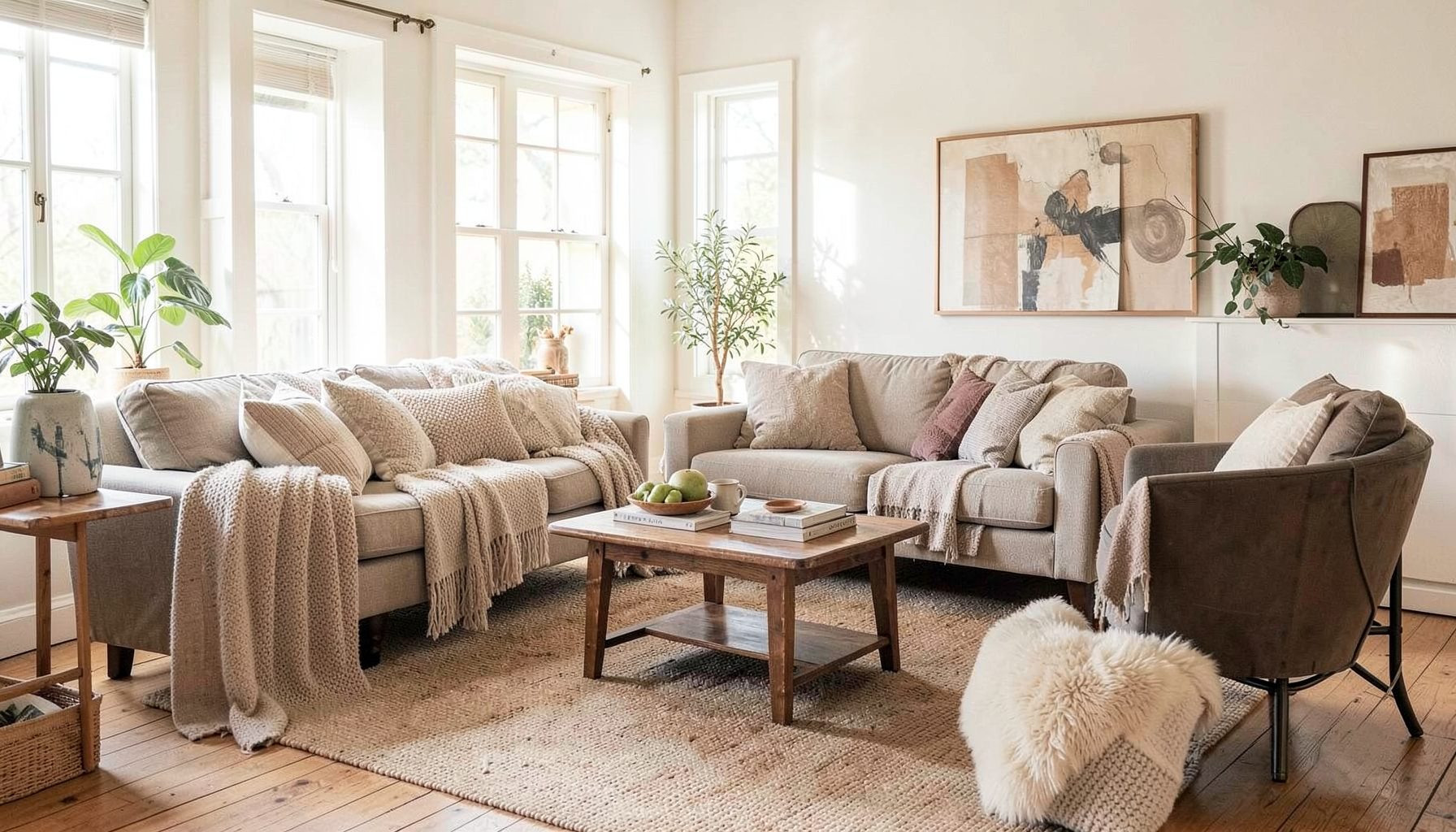
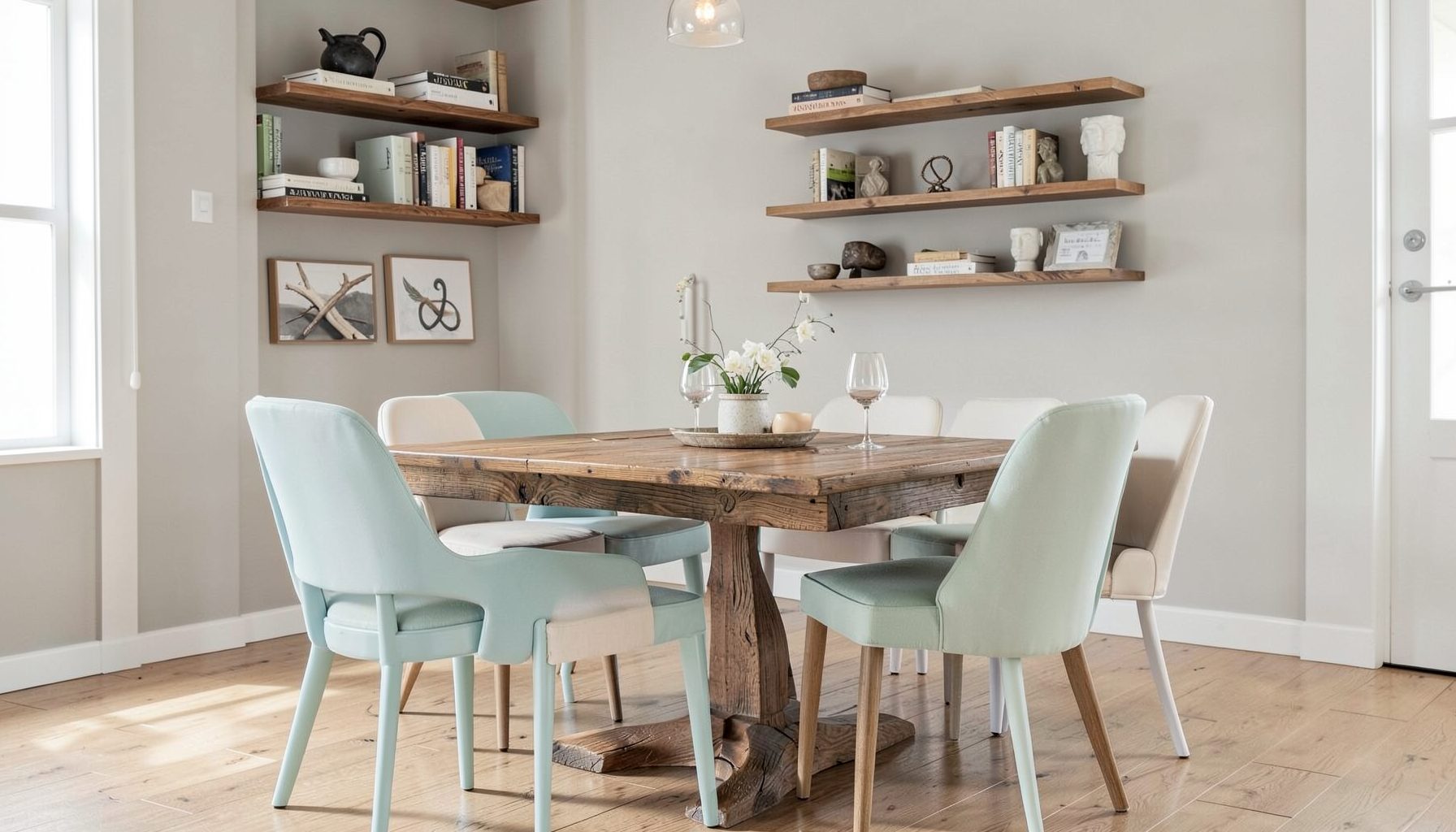
Interior Design
Full-service decorating that blends high and low, vintage finds with modern pieces for spaces that feel personal and collected.
Learn More
DIY Projects
Step-by-step tutorials for refinishing furniture, sewing pillows, styling bookshelves, and transforming rooms on a budget.
Learn More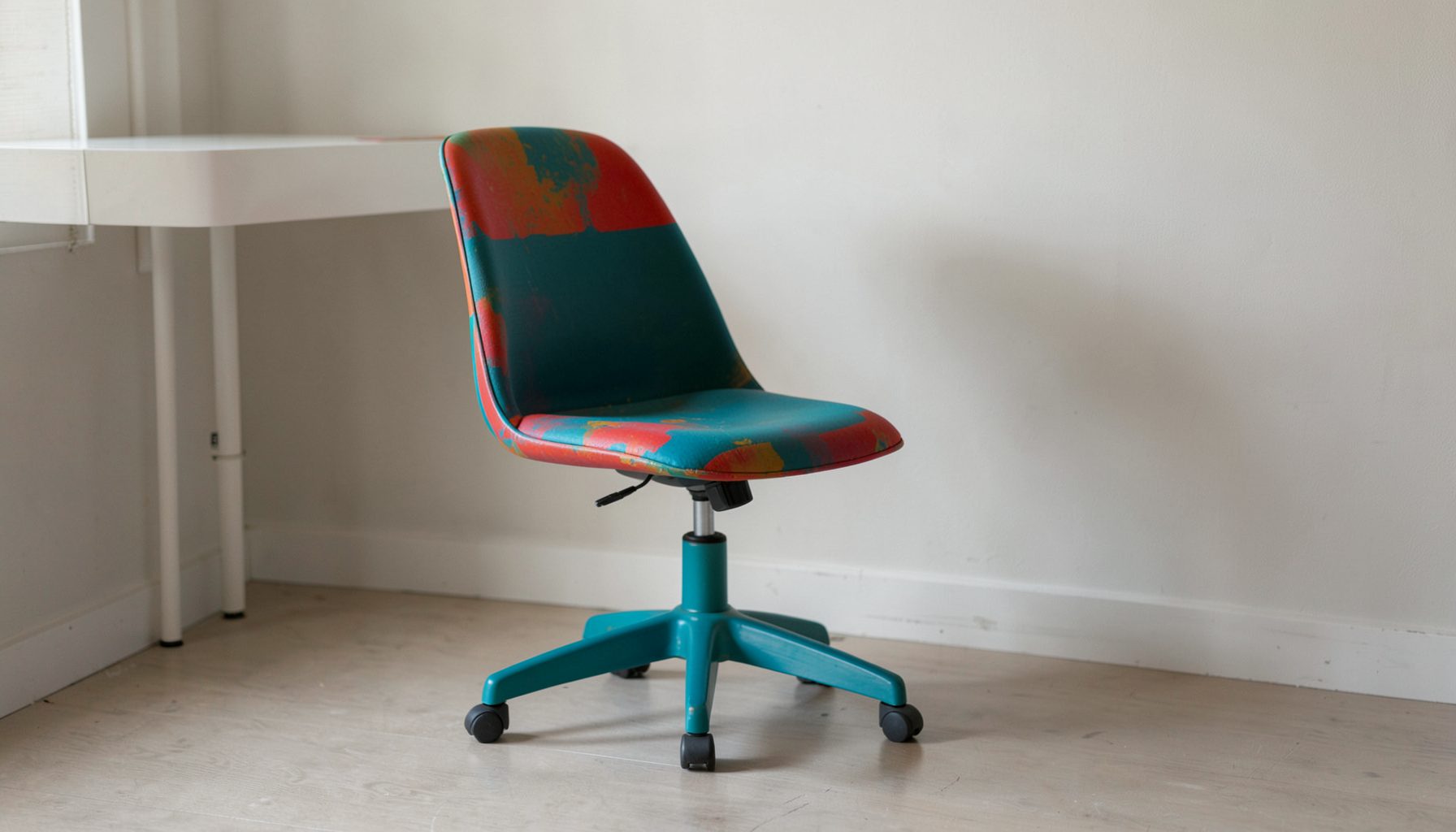
E-Decorating
Personalized design guidance delivered online — perfect for clients anywhere in the world who want a professional eye.
Learn More
Portfolio
Browse completed room makeovers, before-and-after transformations, and styling projects from Bay Area homes.
Learn More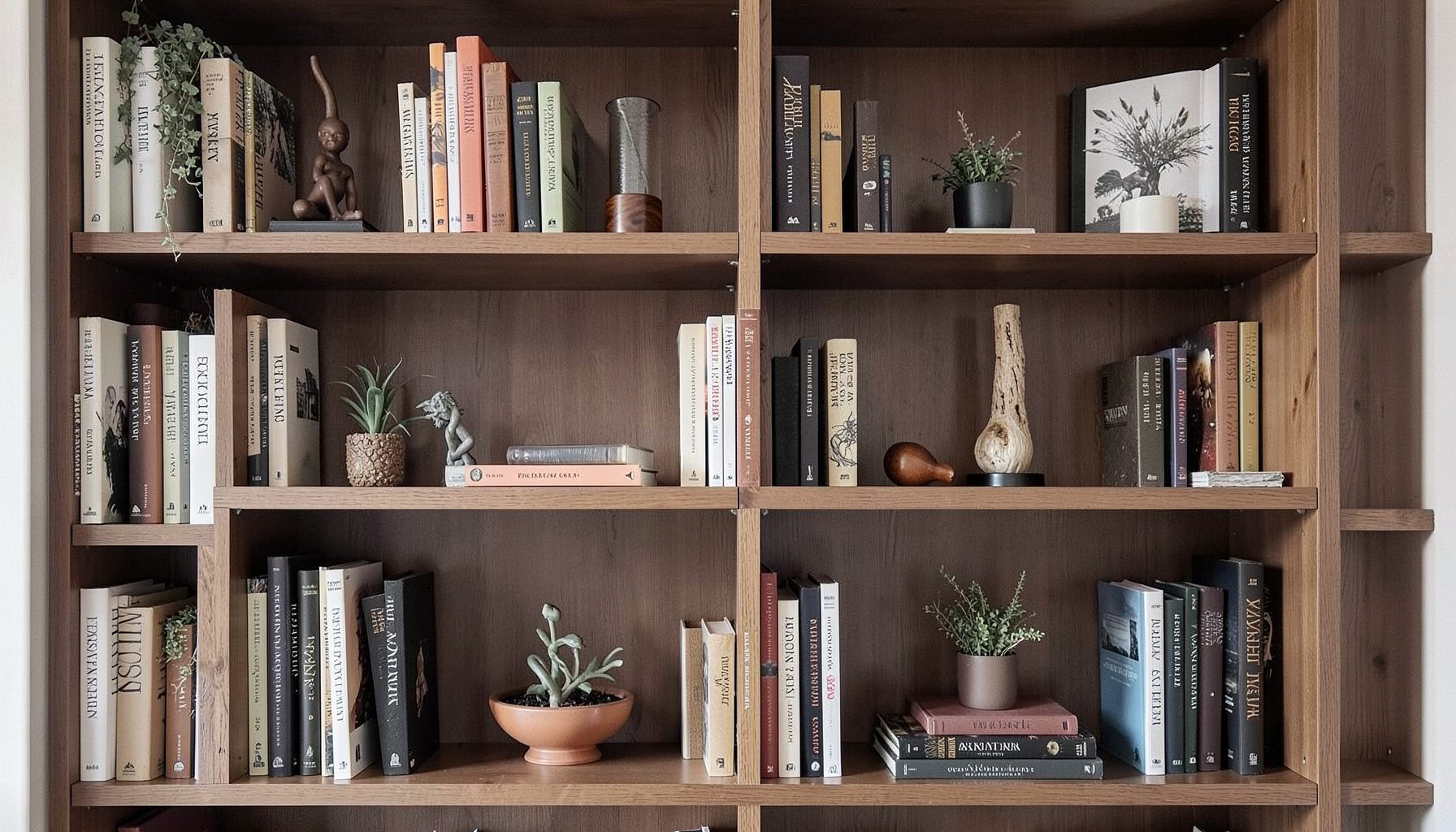
Blog
Interior design inspiration, fashion finds, entertaining ideas, and peeks into real home renovations and styling projects.
Learn More
Downloads
Free curated resources for home decorating and design — guides, checklists, and inspiration to help you get started.
Learn MoreRoom makeover on a dime: transform your bedroom this weekend
A bedroom makeover does not require a contractor, a designer-sized budget, or a completely new furniture set. With a clear plan, a little editing, and a few thoughtful updates, you can turn a tired sleeping space into a room that feels calm, personal, and finished by Sunday evening.
The most successful budget-friendly bedrooms usually combine what is already there with a handful of strategic changes. A vintage mirror can sit beside a modern lamp, inexpensive bedding can look elevated with layered textiles, and a simple rearrangement can improve the entire flow of the room.
This weekend project is about creating visual impact where it matters most: the bed, the lighting, the walls, and the surfaces you see every day. The goal is a collected bedroom that reflects your taste rather than a space filled with rushed purchases.
Start with a clear reset
Before buying anything, remove every item that does not belong in the bedroom. Take out laundry, empty packaging, unused exercise equipment, stray dishes, and anything that has quietly become part of the room’s background. A clean starting point makes it easier to see what needs attention.
Work in three groups: keep, relocate, and donate. Keep the pieces that support rest or add genuine character. Relocate items that belong elsewhere in the home, and donate anything you no longer use or enjoy. If you are unsure about an object, place it in a temporary box and set it aside for a month rather than allowing indecision to clutter the room.
Once the room is edited, move the larger furniture if the layout feels cramped or awkward. Center the bed on the most comfortable wall when possible, preserve a clear walking path, and avoid blocking windows or heating vents. Even a few inches of extra breathing room can make a small bedroom feel more generous.
Take a quick inventory before shopping. Note the bed size, wall dimensions, lamp height, available storage, and the colors already present in the room. This prevents duplicate purchases and gives you a practical guide for choosing affordable additions.
Choose a restful color direction
A simple color palette creates cohesion faster than a collection of expensive decor. Start with one grounding color, such as warm white, clay, olive, muted blue, charcoal, or sandy beige. Add one supporting neutral and one or two accent shades through bedding, artwork, curtains, or small accessories.
You do not have to repaint every wall to create a fresh atmosphere. If the existing paint is in good condition, consider painting only the wall behind the bed. A soft, low-contrast shade can define the sleeping area, while a deeper tone can make the bed feel intentional and anchored. Samples are worth the small expense because color changes dramatically under morning, afternoon, and lamplight.
For a rental-friendly update, use removable wallpaper on a narrow accent wall, hang a large textile behind the bed, or create a temporary gallery arrangement. A set of inexpensive prints will feel more custom when the frames share a finish or the artwork follows a consistent palette.
Pattern works best when its scale varies. Pair a small print on a lumbar pillow with a larger, quieter motif on a duvet or throw. If the bedding has strong pattern, keep the curtains and wall decor simpler. If the room is mostly solid colors, a striped blanket or vintage-inspired pillow can provide the needed character.
Shop your home before shopping online
A room makeover on a dime often begins in other rooms. Look for a side table that could become a nightstand, a dining chair that could hold clothing, a ceramic vase that could sit on a dresser, or a framed piece of art that has been overlooked in a hallway. Moving familiar items into a new setting can make them feel fresh.
Try using pairs without insisting on perfect symmetry. Matching nightstands and lamps create a polished look, but mismatched pieces can feel more relaxed and collected when they share a similar height or color. A stack of books, a small tray, or a folded textile can visually connect different surfaces.
When you do need to buy something, prioritize pieces with a strong effect on the whole room. Bedding, lighting, curtains, and a rug tend to influence the atmosphere more than small decorative objects. Search thrift stores, vintage markets, local resale listings, and clearance sections before paying full price.
Use the following guide to decide where a limited budget will do the most work:
| Update | Budget approach | Visual effect | Weekend effort |
|---|---|---|---|
| Bedding refresh | Buy a duvet cover, quilt, or accent pillows instead of a full set | Makes the bed feel fresh and layered | Low |
| Lighting change | Replace one lamp or add a warm-toned bulb | Creates a softer evening mood | Low |
| Wall update | Paint one wall, frame prints, or hang a textile | Adds color and a focal point | Medium |
| Window treatment | Raise curtain rods and use simple full-length panels | Makes the room feel taller and finished | Medium |
| Rug placement | Choose a smaller rug to place under the lower two-thirds of the bed | Adds comfort, pattern, and definition | Medium |
| Storage edit | Add baskets, hooks, or a tray for daily essentials | Reduces visual clutter | Low |
Make the bed the focal point
The bed usually occupies the largest visual area in the bedroom, so it deserves the most attention. Start by using a fitted sheet that stays smooth, then add a duvet, quilt, or coverlet with a relaxed fold at the foot. Layering gives inexpensive bedding a more considered appearance.
Use two or three pillow shapes rather than filling the bed with identical pillows. Standard sleeping pillows can sit behind one or two decorative shams, followed by a smaller lumbar pillow. Choose fabrics with contrast—cotton against linen, velvet against woven texture, or a nubby throw against crisp sheets.
If the bed lacks a headboard, create one without buying a large piece. Hang a curtain panel, quilt, or oversized piece of fabric behind it. You can also mount a slim shelf above the bed and style it with framed art, a small plant, or a few books, provided everything is securely installed and does not create a safety concern.
A headboard alternative should reinforce the room’s mood. Natural fabric makes the space feel relaxed, a painted arch adds a playful architectural detail, and a large vintage frame can create an elegant focal point. Keep the scale generous enough to relate to the bed rather than scattering several undersized objects across the wall.
Add high-impact details by Sunday
Lighting is one of the quickest ways to change a bedroom. Replace cool white bulbs with warm bulbs in the range of approximately 2700K, then use more than one source of light. Bedside lamps, a floor lamp, string lights, or a small plug-in sconce can create layers that a single overhead fixture cannot provide.
Curtains can also transform proportions. Hang the rod several inches above the window frame and extend it beyond the sides so the panels frame the glass without covering much daylight. Full-length fabric gives the room softness and makes the ceiling appear higher. If new curtains are outside the budget, wash, steam, or rehang existing panels for a cleaner look.
Give the walls a personal point of view. A bedroom feels more finished when the artwork connects to the people who use it: travel photographs, inherited pieces, sketches, botanical prints, or a simple collection of found objects. Use painter’s tape to map a gallery wall before making holes, and keep spacing consistent even when the frames differ.
Small DIY updates can fill the gaps between major changes. Refinish a wooden stool, swap hardware on a dresser, cover a plain lampshade with fabric trim, or create a textile wall hanging. For approachable weekend projects and decorating ideas that can be adapted to your room, explore these DIY projects before committing to a costly purchase.
Style surfaces without adding clutter
A bedroom should support rest, which means styling needs restraint. Choose one focal surface, such as the dresser or nightstand, and edit everything else. A small arrangement of a lamp, a tray, a book, and one natural element can feel complete without becoming another collection of objects to dust.
Use height variation to make a vignette interesting. Place a lamp or tall vase at the back, a framed piece or leaning mirror behind the arrangement, and smaller items toward the front. A tray gathers everyday objects while making them look deliberate. Keep at least part of the surface open so the room retains visual calm.
Bring in natural texture through woven baskets, wood, rattan, wool, cotton, or linen. These materials add warmth even when the color palette is neutral. A houseplant can bring life to a corner, but choose a variety suited to the room’s light and your ability to maintain it.
Storage should be attractive enough to remain visible. Place a basket near the bed for extra blankets, add hooks behind the door for robes, or use shallow boxes inside a dresser. When every frequently used item has a home, the makeover lasts longer than the weekend.
Spend first where it changes the room
- Put the largest share of the budget toward bedding, since it occupies the room’s central visual area.
- Upgrade the lighting before buying small accessories; warm, layered illumination changes the mood immediately.
- Choose one substantial wall or window treatment instead of several inexpensive decorations.
- Shop secondhand for mirrors, nightstands, artwork, and baskets with useful shape and character.
- Keep a small reserve for practical finishing touches such as picture hooks, curtain rings, paint supplies, or new bulbs.
Finish with a calm evening edit
Set aside time on Sunday to view the room at night, when you will actually use it. Turn off the overhead light and test the bedside lamps, floor lamp, and any accent lighting. Remove anything that casts harsh glare or makes reading uncomfortable. A bedroom makeover is successful when it feels good in real life, not only in daylight photographs.
Walk through the room as if you are arriving home after a long day. Is there a clear place to put your phone, book, glasses, and clothing? Does the bed invite you to rest? Can you open drawers and move around easily? These practical details matter as much as color and decor.
Leave a little space for the room to evolve. A layered bedroom should feel assembled over time, with meaningful objects and useful pieces rather than a perfectly matched set. Revisit the arrangement after a week and make small adjustments to height, spacing, and function.
Start with the reset, choose one compelling focal point, and make each purchase earn its place. With a few hours of editing, styling, and hands-on work, your bedroom can feel warmer, more intentional, and distinctly yours before the weekend is over.

Recent Projects