Interior Design
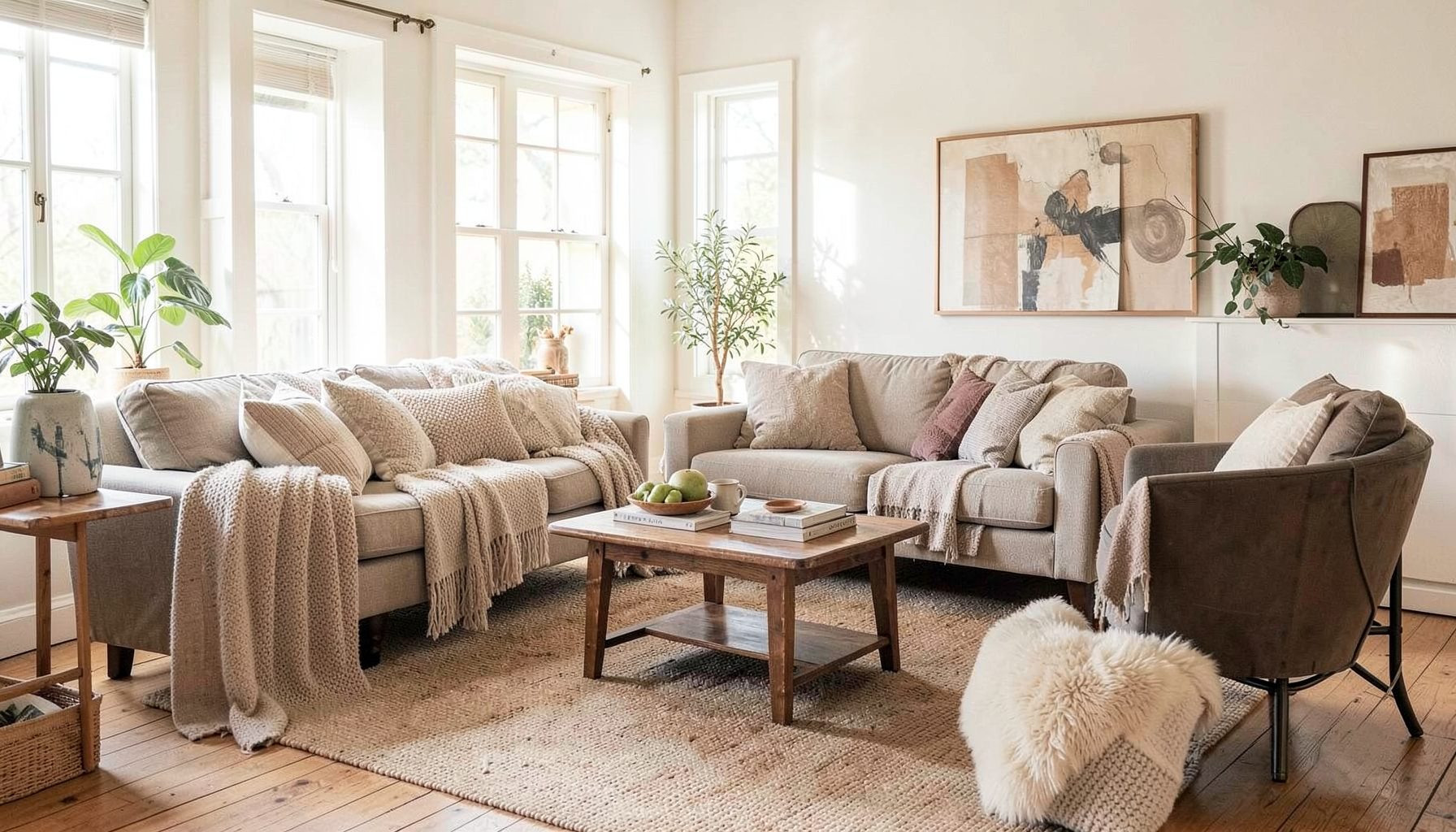
Full-service decorating that blends high and low, vintage finds with modern pieces for spaces that feel personal and collected.
Learn More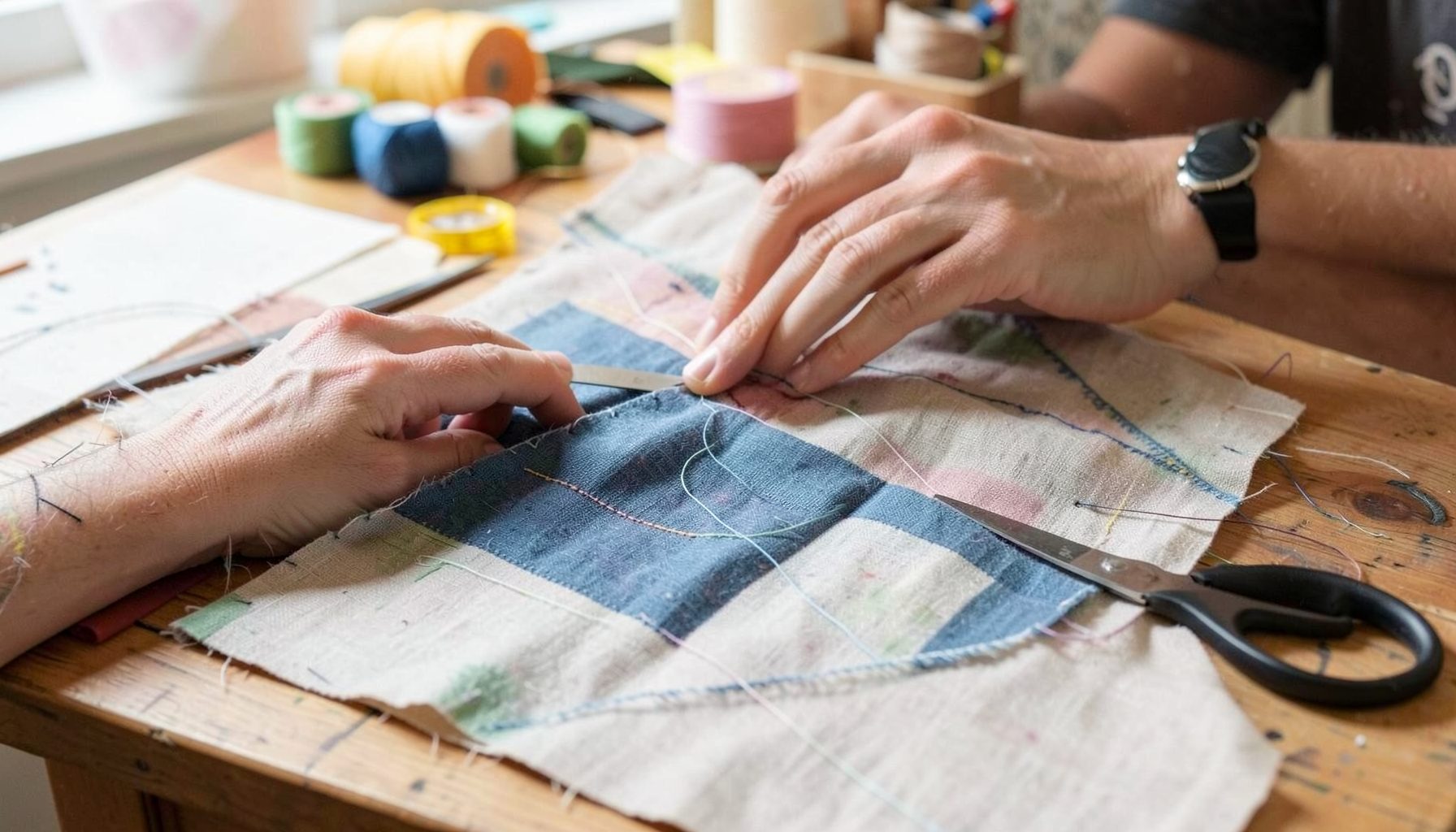
DIY Projects
Step-by-step tutorials for refinishing furniture, sewing pillows, styling bookshelves, and transforming rooms on a budget.
Learn More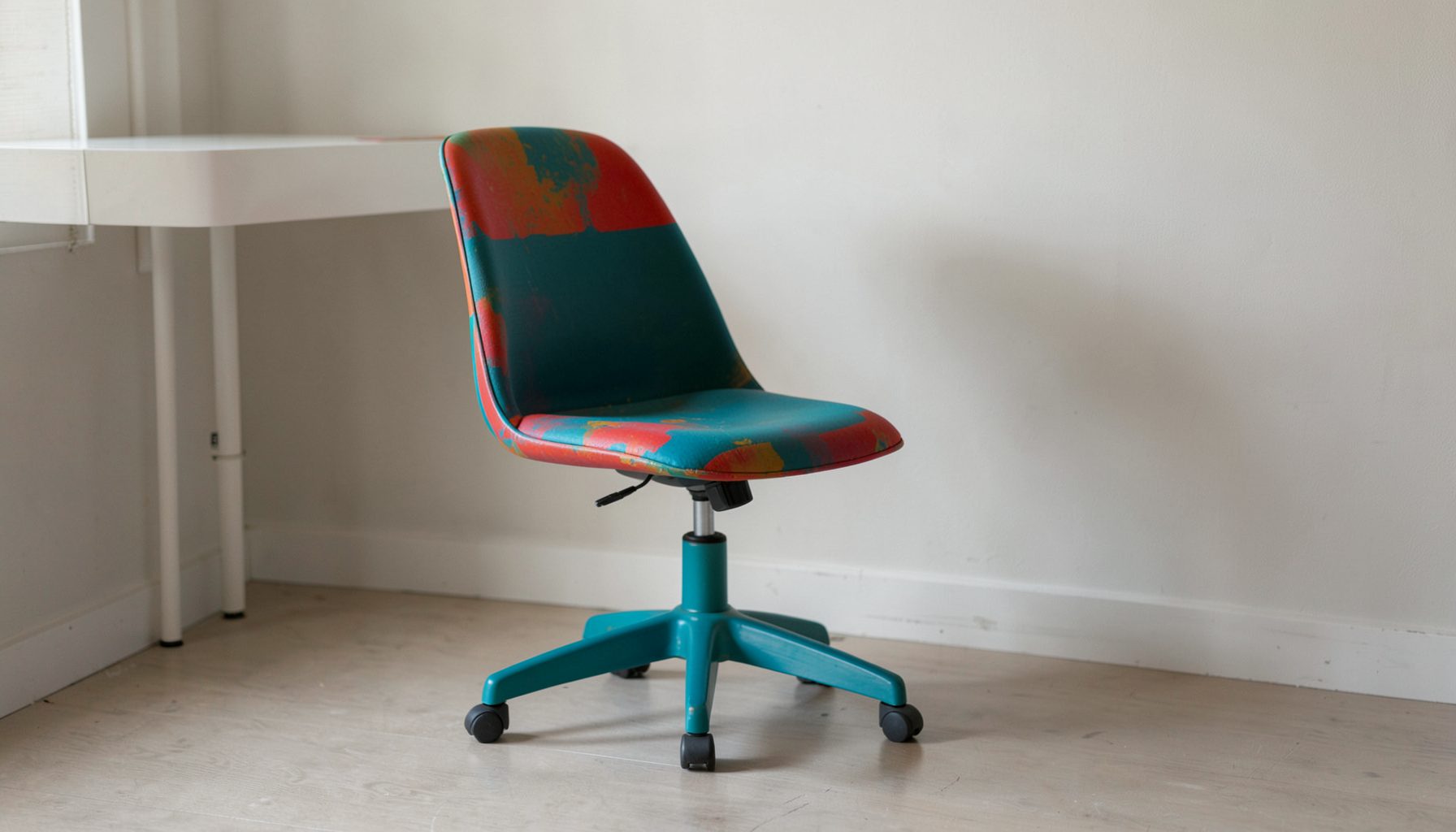
E-Decorating
Personalized design guidance delivered online — perfect for clients anywhere in the world who want a professional eye.
Learn More
Portfolio
Browse completed room makeovers, before-and-after transformations, and styling projects from Bay Area homes.
Learn More
Blog
Interior design inspiration, fashion finds, entertaining ideas, and peeks into real home renovations and styling projects.
Learn More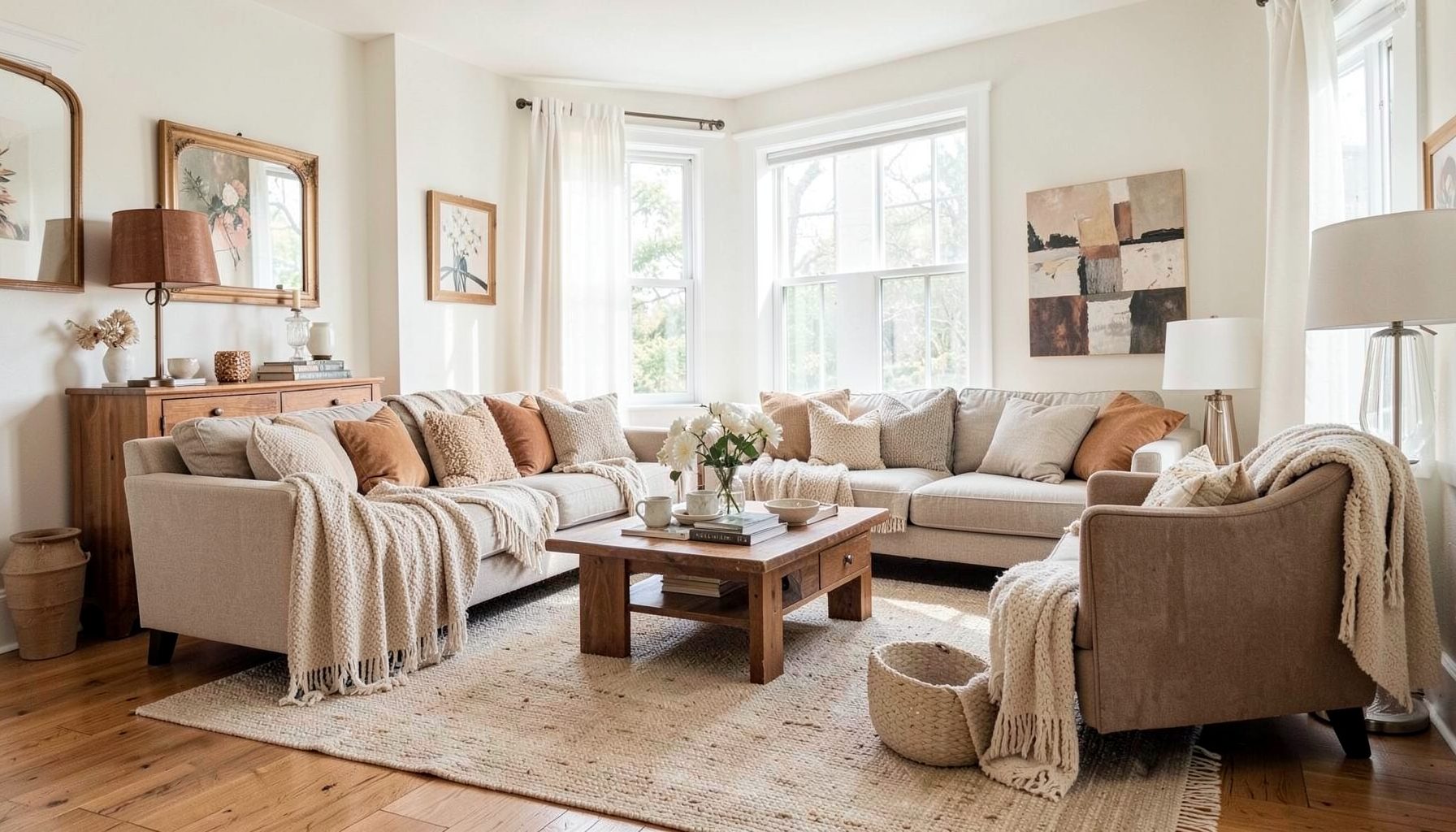
Downloads
Free curated resources for home decorating and design — guides, checklists, and inspiration to help you get started.
Learn MoreQuick Room Makeover With Throw Pillows And Blankets
A room can feel entirely different after a small textile refresh. Replacing a few throw pillows and adding a thoughtfully chosen blanket changes color, texture, comfort, and visual balance without requiring new furniture or a major renovation. It is one of the simplest ways to give a living room, bedroom, reading nook, or guest space a more finished appearance.
This kind of decorating update works especially well in layered interiors, where vintage finds, modern pieces, practical furnishings, and personal objects share the same space. Pillows and blankets can connect those elements while introducing a seasonal accent or correcting a room that feels flat, overly matched, or unfinished.
The key is to approach the makeover as a composition rather than a shopping trip. Start by studying what the room already has, identify the mood you want to create, and then choose soft furnishings that bring the entire space into conversation.
Start With The Room You Have
Before buying anything, look at the colors and materials already present. Notice the sofa upholstery, rug, curtains, artwork, wood tones, metal finishes, and nearby accessories. These details provide a palette for your textile refresh. A pillow does not need to match the sofa exactly; it should relate to at least one other feature in the room.
Take photographs from several angles and view them in natural light. Images often reveal that a seating area is dominated by one large color or that every surface has the same texture. A neutral sofa may need pattern and contrast, while a colorful room may benefit from quiet pillows in linen, wool, cotton, or velvet.
Also consider how the space is used. A family room needs durable, washable fabrics and flexible cushions, while a formal sitting room can accommodate more delicate materials. In a bedroom, the goal may be softness and calm rather than dramatic contrast. The best quick makeover supports everyday life instead of creating extra maintenance.
Choose A Focused Color Story
A successful pillow arrangement usually contains a main color, a supporting shade, and a small accent. The main color can echo an existing rug or upholstered chair. The supporting shade may be a lighter or darker variation, and the accent can add a subtle spark through rust, ochre, olive, indigo, blush, or another carefully selected tone.
For a restrained look, begin with two or three colors that share a similar undertone. Warm whites, camel, terracotta, and olive create a relaxed earthy palette. Navy, soft gray, cream, and muted green feel classic and collected. If the room already includes strong artwork or a patterned rug, pull one quieter color from that piece rather than introducing a completely new hue.
Pattern scale matters as much as color. Combine a larger motif with a smaller print and a solid fabric so the arrangement feels layered instead of chaotic. A floral, stripe, block print, geometric design, or abstract pattern can serve as the starting point. Repeat one color at least twice to make the scheme look intentional.
Mix Shapes, Textures, And Sizes
Texture gives a neutral room dimension. Linen brings a relaxed, slightly irregular surface; velvet adds depth and subtle sheen; boucle feels soft and tactile; woven cotton and wool contribute a casual, handcrafted quality. Combining these materials makes the arrangement interesting even when the colors remain quiet.
Use different pillow sizes to create a natural progression. Large square cushions can support smaller squares or lumbar pillows, while a round cushion can serve as a playful accent in a reading corner. On a standard sofa, two larger pillows at the ends, two medium cushions inside them, and one smaller lumbar pillow often creates enough fullness without making the seat difficult to use.
A blanket should add another layer rather than simply repeat the pillow fabric. A chunky knit throw can soften tailored upholstery, while a lightweight cotton coverlet can bring ease to a deep, traditional sofa. Fold it loosely over an arm, drape it across one corner, or place it in a basket beside the seating area. The placement should look inviting, not overly arranged.
| Room Element | Best Textile Role | Useful Materials | Styling Direction |
|---|---|---|---|
| Neutral sofa | Introduce color and pattern | Linen, velvet, woven cotton | Pair a printed pillow with solids |
| Patterned sofa | Provide visual rest | Boucle, wool, washed cotton | Use simple shapes and related neutrals |
| Leather seating | Add softness and warmth | Chunky knit, kilim, brushed cotton | Choose tactile fabrics with relaxed drape |
| Upholstered bed | Create a layered backdrop | Velvet, linen, quilted cotton | Combine Euro shams, accent pillows, and a throw |
| Reading chair | Add comfort and personality | Wool, boucle, embroidered fabric | Use one lumbar pillow and a compact blanket |
| Sectional sofa | Balance a large footprint | Durable performance fabrics | Repeat colors across several cushion groupings |
Use Scale To Shape The Space
Textiles can correct the proportions of a room. A narrow sofa may look more substantial with generous cushions, while oversized pillows can overwhelm a compact loveseat. In a large open-plan space, repeating a pillow color on a nearby chair helps connect separate seating zones.
If a room feels visually heavy at the bottom, choose lighter fabrics or brighter pillows to draw the eye upward. If the walls and furniture feel bare, a richly textured blanket can introduce warmth without adding another piece of furniture. A long lumbar pillow can emphasize the width of a bed or sofa, while vertical patterns can subtly heighten a low-backed chair.
Keep negative space in mind. Every cushion does not need to be filled with accessories. Leaving part of a seat visible makes the room feel usable and prevents the arrangement from appearing like a showroom display. A simple composition often has more impact than an overflowing one.
Style For Season And Daily Life
Changing soft furnishings is an easy way to acknowledge the season without redesigning the entire room. In spring and summer, consider washed linen, cotton canvas, pale stripes, soft botanicals, and breathable woven textures. For fall and winter, look to wool, velvet, cable knits, faux shearling, deeper colors, and patterns with a little more visual weight.
Seasonal decorating does not require storing every item and starting over. Keep a stable foundation of versatile pillows in cream, taupe, charcoal, or denim, then rotate two or three accent covers. Pillow covers are particularly practical because they take up less storage space and can be cleaned or replaced more easily than filled inserts.
Daily use should guide every choice. Down and feather inserts offer a relaxed, luxurious look but require regular fluffing. Polyester or down-alternative inserts hold their shape and can be better for households with allergies. Performance fabrics provide stain resistance and durability, while removable covers make routine care simpler. A beautiful textile that cannot handle the way a room is used will quickly become frustrating.
Make The Refresh Feel Personal
The most memorable rooms are rarely assembled from a single collection. Blend a contemporary stripe with a vintage textile, pair a budget-friendly cotton pillow with a more luxurious velvet, or place a handmade-looking blanket near a streamlined sofa. These contrasts create the collected quality that makes a room feel connected to its occupants.
Look for meaningful color cues in your existing belongings. A pillow can repeat the blue in a favorite painting, the clay tone of a ceramic vase, or the warm brown of an antique side table. This approach creates cohesion without making every item look coordinated. It also keeps the makeover tied to your personal story.
Before finalizing the arrangement, remove everything from the seating area and add pieces back one at a time. Begin with the largest pillows, then introduce pattern, texture, and the blanket. Step back often and view the room from the doorway. A textile refresh should improve the room from multiple viewpoints, not just from the sofa.
A Simple Styling Checklist
Use these practical guidelines when planning a fast, polished update:
- Choose a color palette connected to the room’s existing rug, art, upholstery, or accessories.
- Combine at least two or three textures so the arrangement feels dimensional.
- Vary pillow size and shape, but keep the total number comfortable for everyday seating.
- Add one blanket that contrasts with the main upholstery in weight, texture, or color.
- Select washable or durable fabrics when children, pets, or frequent entertaining are part of daily life.
A useful rule is to edit rather than automatically add. If the sofa currently has six mismatched pillows, replacing four may create a stronger result than adding four more. Remove anything faded, uncomfortable, or unrelated to the room’s direction. The makeover should make the space feel clearer as well as more inviting.
For a more personalized direction, schedule a design consultation to explore a layered textile palette that suits your home, lifestyle, and existing furnishings. Professional guidance can be especially helpful when you want to mix patterns, work with unusual furniture proportions, or create continuity across several rooms.
Refresh The Whole Room With Small Details
Once the pillows and blanket are in place, make a few supporting adjustments. Move a lamp, stack a pair of books, reposition a plant, or bring a small tray onto the coffee table. These changes help the new textiles feel integrated rather than dropped into the room as isolated accents.
Pay attention to sightlines and repetition. If a pillow introduces terracotta, echo that shade in a nearby vase or artwork. If the blanket has a nubby weave, balance it with a basket, ceramic piece, or natural wood accessory. Repeating a detail two or three times is usually enough to establish rhythm.
Finally, give the arrangement a short trial period. Sit on the sofa, use the blanket, and notice whether the pillows stay in place. A room makeover succeeds when it looks appealing and works naturally. Make small edits after living with it for a few days, then keep the pieces that make the space feel more comfortable, expressive, and complete.
A thoughtful change of throw pillows and blankets can shift the character of a room in an afternoon. Begin with what you own, add texture with purpose, and choose accents that reflect the way you want the space to feel. When every layer has a role, a modest textile update can bring warmth, polish, and personality to the entire home.

Recent Projects