Interior Design
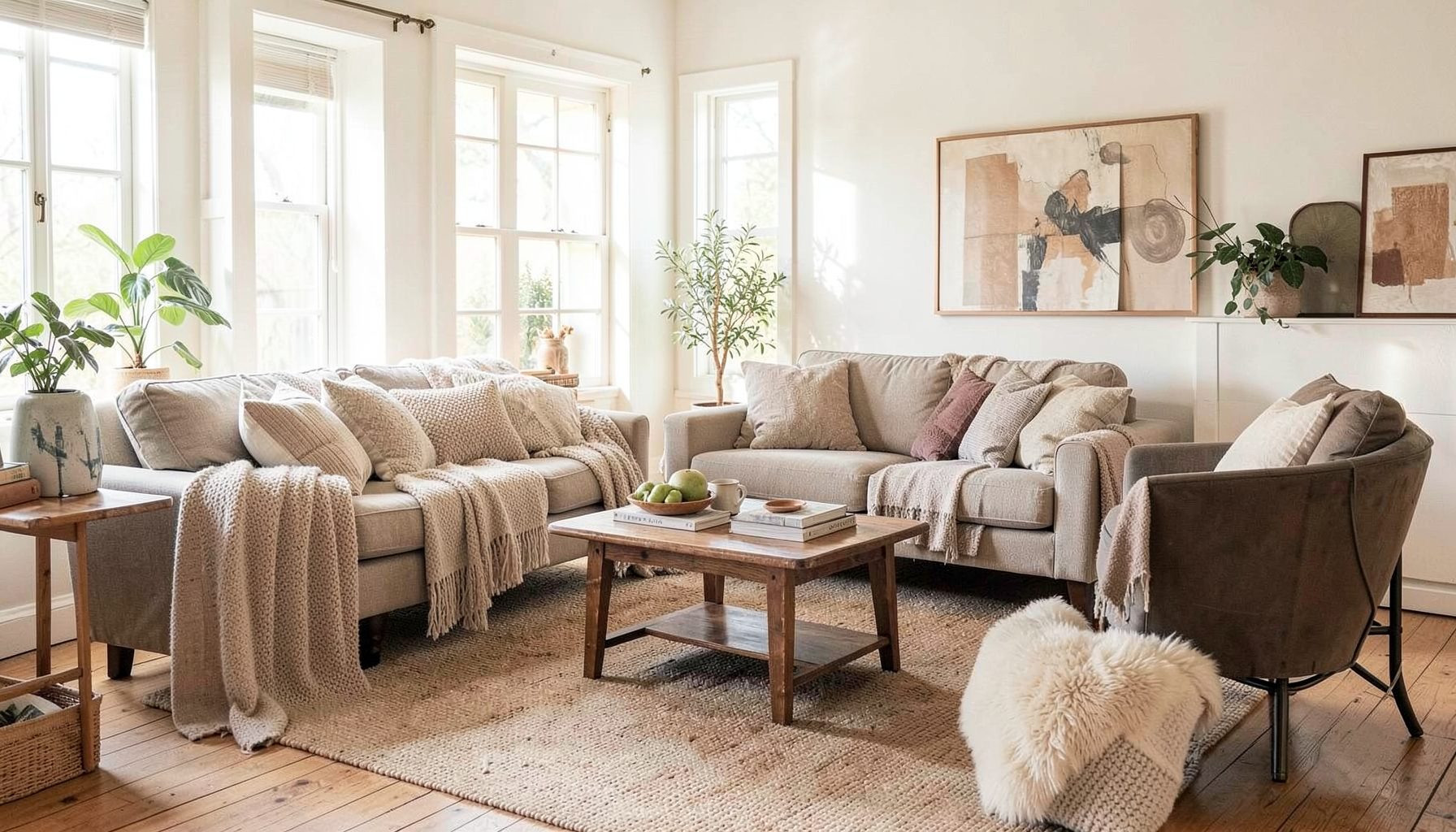
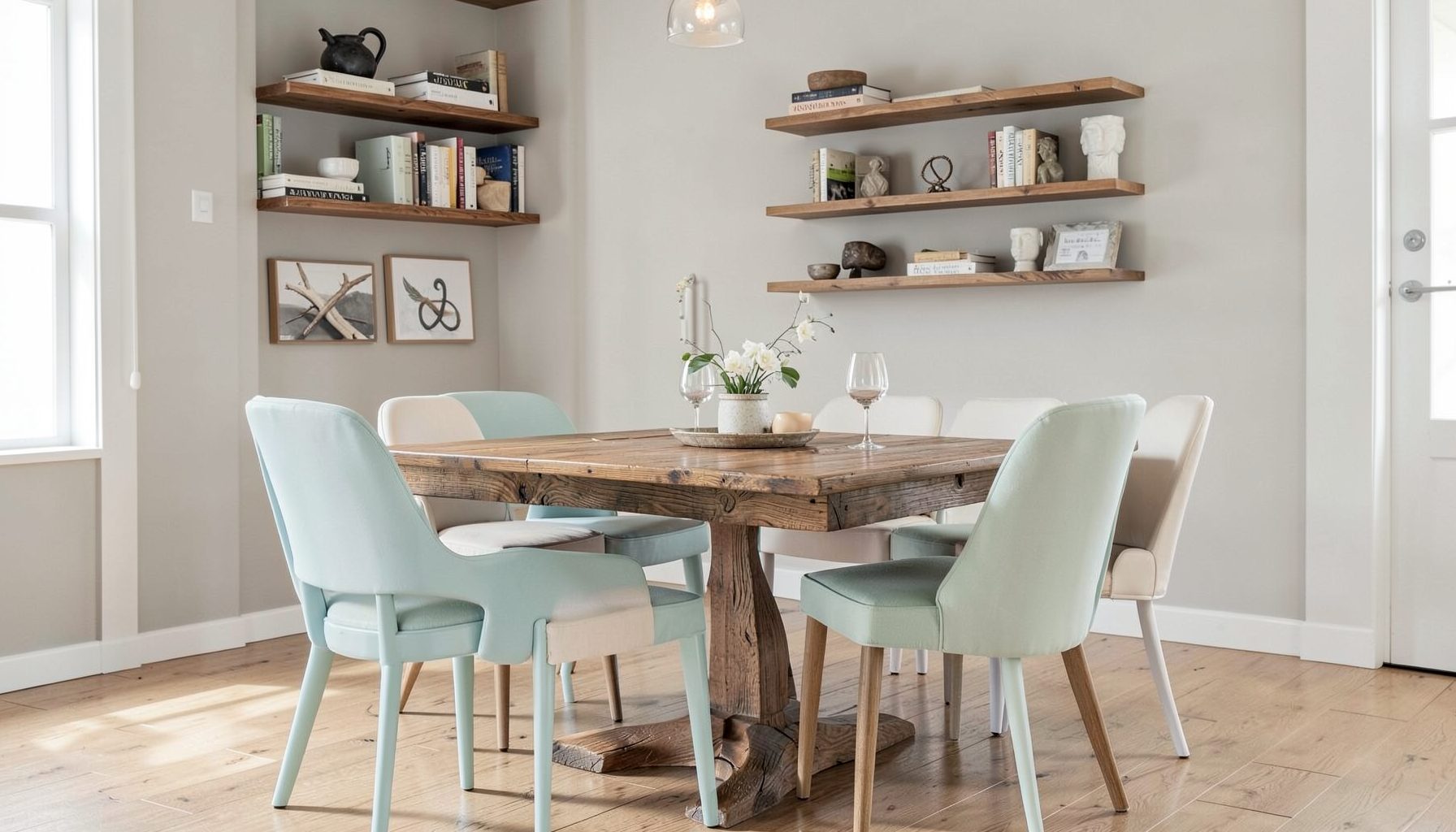
Full-service decorating that blends high and low, vintage finds with modern pieces for spaces that feel personal and collected.
Learn More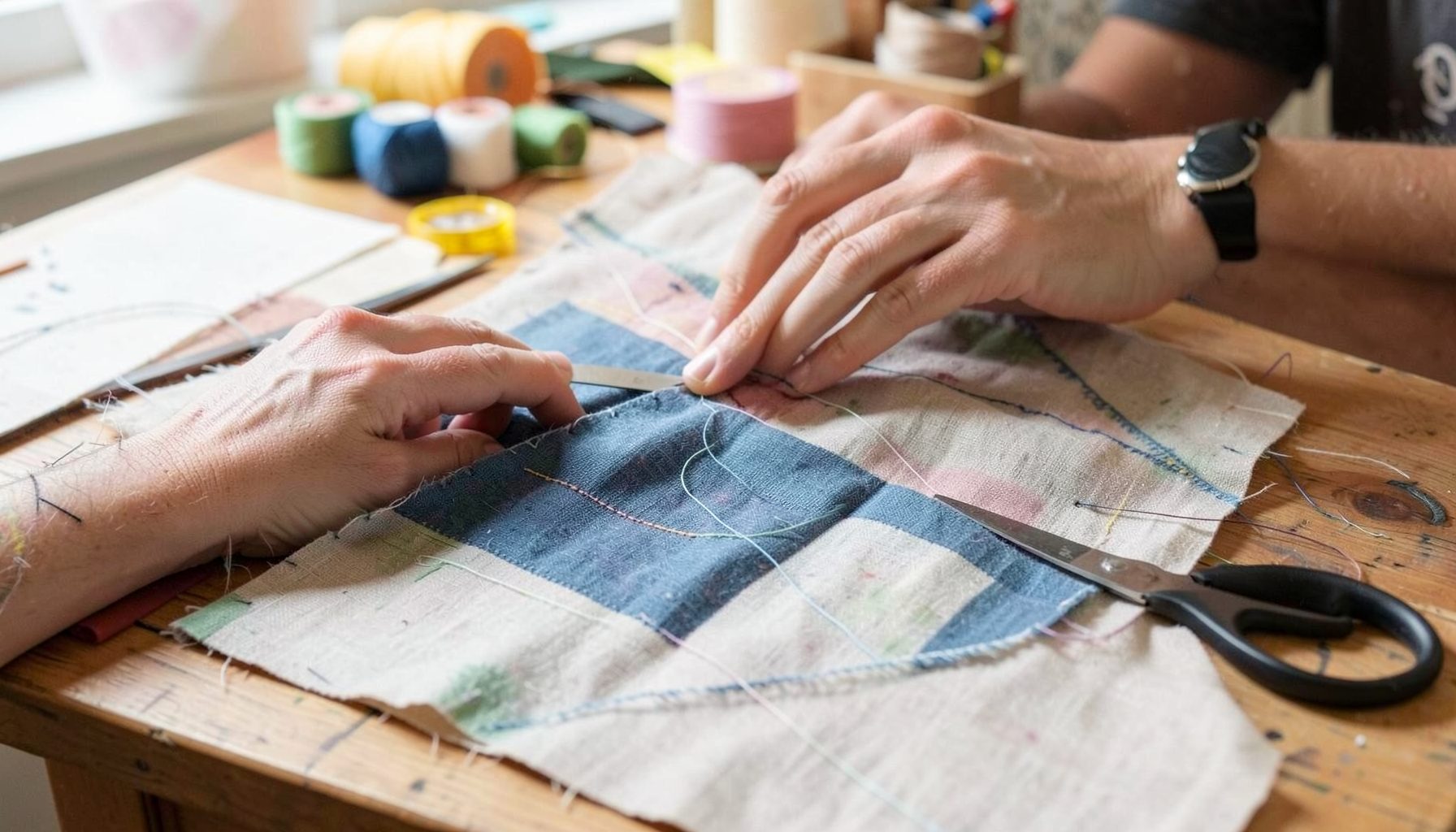
DIY Projects
Step-by-step tutorials for refinishing furniture, sewing pillows, styling bookshelves, and transforming rooms on a budget.
Learn More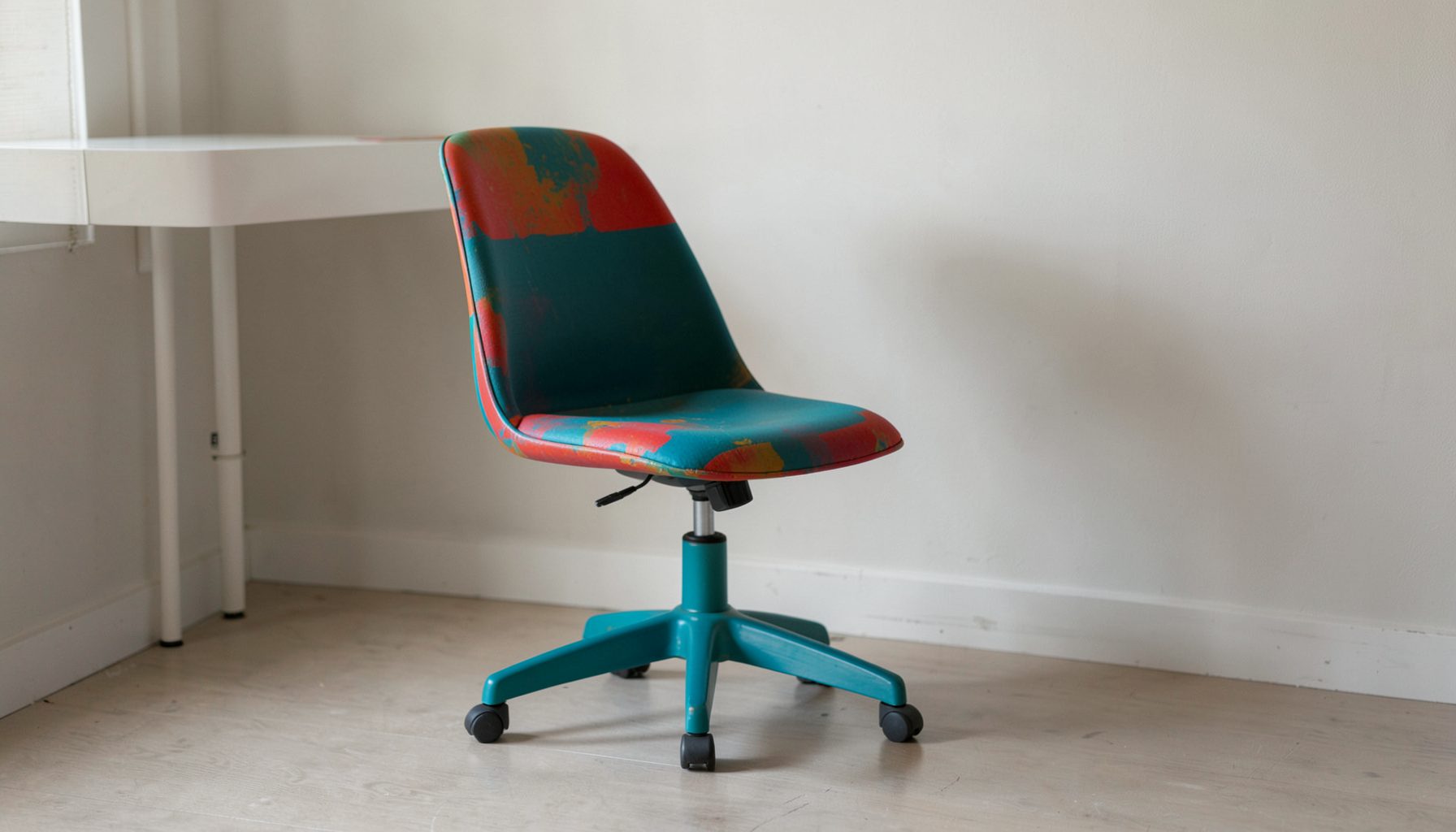
E-Decorating
Personalized design guidance delivered online — perfect for clients anywhere in the world who want a professional eye.
Learn More
Portfolio
Browse completed room makeovers, before-and-after transformations, and styling projects from Bay Area homes.
Learn More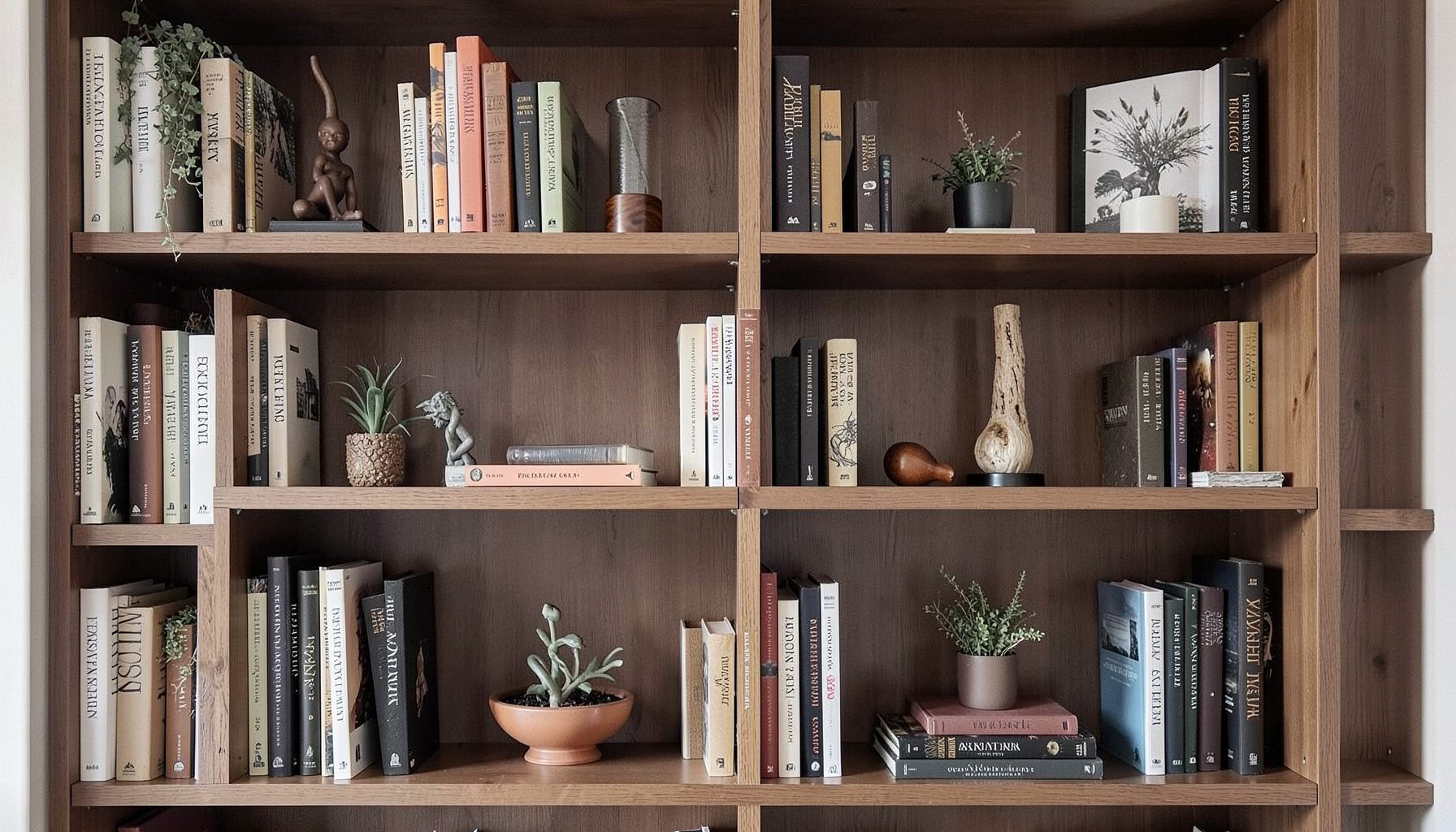
Blog
Interior design inspiration, fashion finds, entertaining ideas, and peeks into real home renovations and styling projects.
Learn More
Downloads
Free curated resources for home decorating and design — guides, checklists, and inspiration to help you get started.
Learn MoreCreating a Warm, Collected Loft With Vintage and Industrial Style
A loft has an architectural character that few other homes can reproduce. Exposed brick, steel-framed windows, concrete floors, open ceilings, and visible ductwork create a strong foundation before furniture enters the room. The challenge is making those rugged elements feel inviting rather than stark.
The most successful spaces pair industrial structure with pieces that show age, craftsmanship, and personality. A distressed leather chair can soften a black metal coffee table, while an antique cabinet can bring warmth to a wall of concrete. The result feels collected over time instead of purchased as a matching set.
This approach suits the layered design philosophy of Maggie Rose Interiors, where vintage finds, contemporary furnishings, accessible pieces, and personal details work together. Whether you are furnishing a full city loft or adapting the look for an open-plan apartment, the right balance allows every era and material to feel intentional.
Find Balance Between Raw And Refined
Industrial architecture often supplies plenty of visual weight. Dark window frames, exposed pipes, metal stairs, and masonry can make a room feel dramatic, but repeating those hard surfaces throughout the furnishings may create a cold atmosphere. Begin by identifying which elements already provide an industrial statement, then allow the rest of the room to introduce contrast.
A vintage rug is one of the easiest ways to soften a loft. Look for faded Persian patterns, worn flatweaves, or muted geometric designs in rust, tobacco, indigo, olive, and cream. The irregular color and visible patina keep the floor from feeling overly polished while adding comfort beneath a dining table or seating group.
Upholstery also plays an important role. Linen, cotton, boucle, velvet, and worn leather bring tactile variation against concrete and steel. A linen sofa with relaxed cushions may be more effective than another sharp-edged leather piece, especially when the room already includes several dark architectural details.
Establish A Cohesive Material Palette
Mixing periods becomes easier when the materials share a visual relationship. A palette of aged wood, blackened metal, natural stone, and warm textiles can connect an antique dresser with a modern steel console. The pieces do not need to match; they need a few repeated qualities that help the eye move around the room.
Choose two or three grounding materials and repeat them in different forms. For example, reclaimed oak might appear in a dining table, a picture frame, and a small stool. Aged brass can connect cabinet hardware, a floor lamp, and a decorative tray. Repetition creates rhythm without making the space feel coordinated in a showroom-like way.
Color should support that material story. Warm neutrals such as mushroom, oatmeal, camel, clay, and charcoal create a flexible backdrop for vintage accents. If the loft needs more energy, add one richer color through art, a velvet cushion, or a painted cabinet. Deep green, rust, navy, and oxblood tend to work well with industrial finishes.
Select Furniture With Contrasting Profiles
Furniture scale matters in a loft because generous ceiling height and open floor plans can make small pieces appear disconnected. Start with a substantial anchor, such as a deep sofa, a long dining table, or a large vintage cabinet. Then add lighter pieces around it so the room retains breathing space.
Contrast can come from silhouette as well as material. Place a streamlined contemporary sofa beside a carved wood side table, or pair a tubular steel chair with a rounded antique table. Straight architectural lines feel more approachable when balanced by curved backs, turned legs, arched mirrors, or softly shaped upholstery.
Vintage furniture should have room to be appreciated. Rather than filling every corner, use one distinctive piece as a focal point. A mid-century credenza, industrial drafting stool, old campaign chest, or farmhouse worktable can carry more personality than a collection of small accessories. Keep surrounding pieces relatively quiet so the eye can recognize its character.
| Loft Element | Vintage Counterpart | Industrial Companion | Design Effect |
|---|---|---|---|
| Concrete floor | Faded patterned rug | Steel coffee table | Adds softness and visual definition |
| Exposed brick wall | Framed oil painting | Black picture ledges | Balances age with structure |
| Large factory windows | Linen drapery | Metal curtain hardware | Filters light without hiding architecture |
| Leather sofa | Antique wood side table | Sculptural floor lamp | Combines comfort with utility |
| Open kitchen | Vintage stools | Concrete or stainless island | Connects the cooking area to the loft style |
| High ceiling | Oversized textile or artwork | Pendant cluster | Gives vertical space a human scale |
Use Lighting To Add Warmth And Scale
Lighting can determine whether an industrial loft feels welcoming after sunset. Relying on a single overhead fixture often leaves the room flat and emphasizes the hardest surfaces. Instead, build several layers at different heights: ceiling lighting for general illumination, floor and table lamps for comfort, and accent lighting for art or architectural features.
Aged brass, bronze, ceramic, parchment, and fabric shades help counterbalance black metal. Consider a vintage-inspired pendant above the dining table, a sculptural floor lamp beside the sofa, and a small library lamp on a cabinet. The fixtures can come from different eras as long as their finishes or shapes relate in some way.
The scale of lighting should respond to the loft’s height. A small pendant can disappear beneath a tall ceiling, while a large linear fixture can anchor an open dining area. In rooms with very high ceilings, a cluster of pendants at varied heights creates intimacy without blocking the architectural volume.
Warm bulbs are usually more flattering than cool white light in a room with brick, leather, and wood. Use dimmers whenever possible so the same space can shift from bright daytime activity to a relaxed evening setting. Light directed toward a brick wall or textured artwork can make those features feel richer and more dimensional.
Define Zones In An Open Floor Plan
A loft may have few interior walls, but each area still needs a clear purpose. Rugs, furniture orientation, lighting, and ceiling treatments can define zones without interrupting the open character. The goal is to create visual rooms while preserving long sightlines.
Position a large rug beneath the front legs of the sofa and chairs to establish a living area. In a dining zone, let the table and pendant define the center, then use a vintage cabinet or open shelving to provide storage along the edge. A console behind the sofa can separate seating from a walkway while offering a place for lamps and collected objects.
Avoid pushing every piece against the perimeter. Floating furniture often makes a loft feel more considered and functional. Leave comfortable circulation paths between zones, especially around kitchen islands, entry doors, and stairways. Open space is part of the design, so furniture should frame it rather than fill it.
Architectural features can become natural dividers. A column may mark the transition between living and dining areas, while a brick wall can provide a backdrop for a reading chair. If the loft lacks those details, use a tall bookcase, a folding screen, or a large textile to create a subtle boundary.
Layer Art, Textiles, And Collected Objects
Accessories give a vintage-industrial room its emotional identity. Art does not have to follow a single style. Pair a contemporary abstract canvas with a traditional landscape, a technical drawing, or a found poster. The connection may come from color, scale, or framing rather than subject matter.
Gallery walls work particularly well against brick and plaster, but leave enough negative space to keep the arrangement from becoming visually noisy. Mix thin black frames with worn wood, brass, or painted frames. A large mirror can reflect daylight and expand the room, especially when placed opposite a window or near a darker wall.
Textiles should be layered in a relaxed way. Combine a patterned rug with solid linen curtains, nubby cushions, and a wool throw. A kilim pillow can sit beside a contemporary geometric cushion if both share a color. Small variations in pattern and texture make the room feel lived-in without requiring a large collection of decorative objects.
Choose accessories that suggest use or history. Ceramic vessels, old books, woven baskets, stoneware, wooden bowls, framed maps, and small sculptures can fill a shelf with character. Group objects in varied heights and leave some open space between them. A few meaningful pieces will always feel more sophisticated than clutter chosen only to fill a surface.
Recommendations For A More Intentional Mix
- Begin with the loft’s strongest architectural feature and choose furnishings that soften or frame it rather than compete with it.
- Limit the dominant metal finishes to two related tones, such as black and aged brass or steel and bronze.
- Include at least one large vintage piece with visible patina, then balance it with contemporary upholstery or streamlined storage.
- Repeat key colors in three or more places so artwork, textiles, and furniture feel connected across the open floor plan.
- Use warm layered lighting and dimmers to make industrial materials feel comfortable in the evening.
A room with many eras and finishes needs editing. After arranging the main furniture, remove a few accessories and observe how the space feels. If every surface has a display, the important pieces lose their impact. If the room feels too bare, add texture before adding more objects: a rug, a throw, curtains, or a woven basket may solve the problem more effectively.
Make The Loft Feel Personal
The strongest vintage and industrial interiors are shaped by the people who live in them. A salvaged worktable may recall a favorite market, while a modern chair may support the way the household actually reads, works, or entertains. Personal history makes the mix feel authentic and prevents the room from becoming a style exercise.
Before buying, consider what the space needs in practical terms. Open shelving may look appealing but require regular editing. A low vintage cabinet may hide media equipment while adding warmth. Performance fabric can make a pale sofa more realistic for everyday life, and a properly sized rug can make a larger difference than another decorative accent.
A loft can combine polished and worn, refined and rough, old and new without losing its identity. Start with the architecture, build a warm material palette, introduce contrast through furniture, and finish with objects that have meaning. For a tailored room makeover, styling session, or broader decorating guidance, explore the studio’s design services and bring a more layered vision to life.

Recent Projects