Interior Design
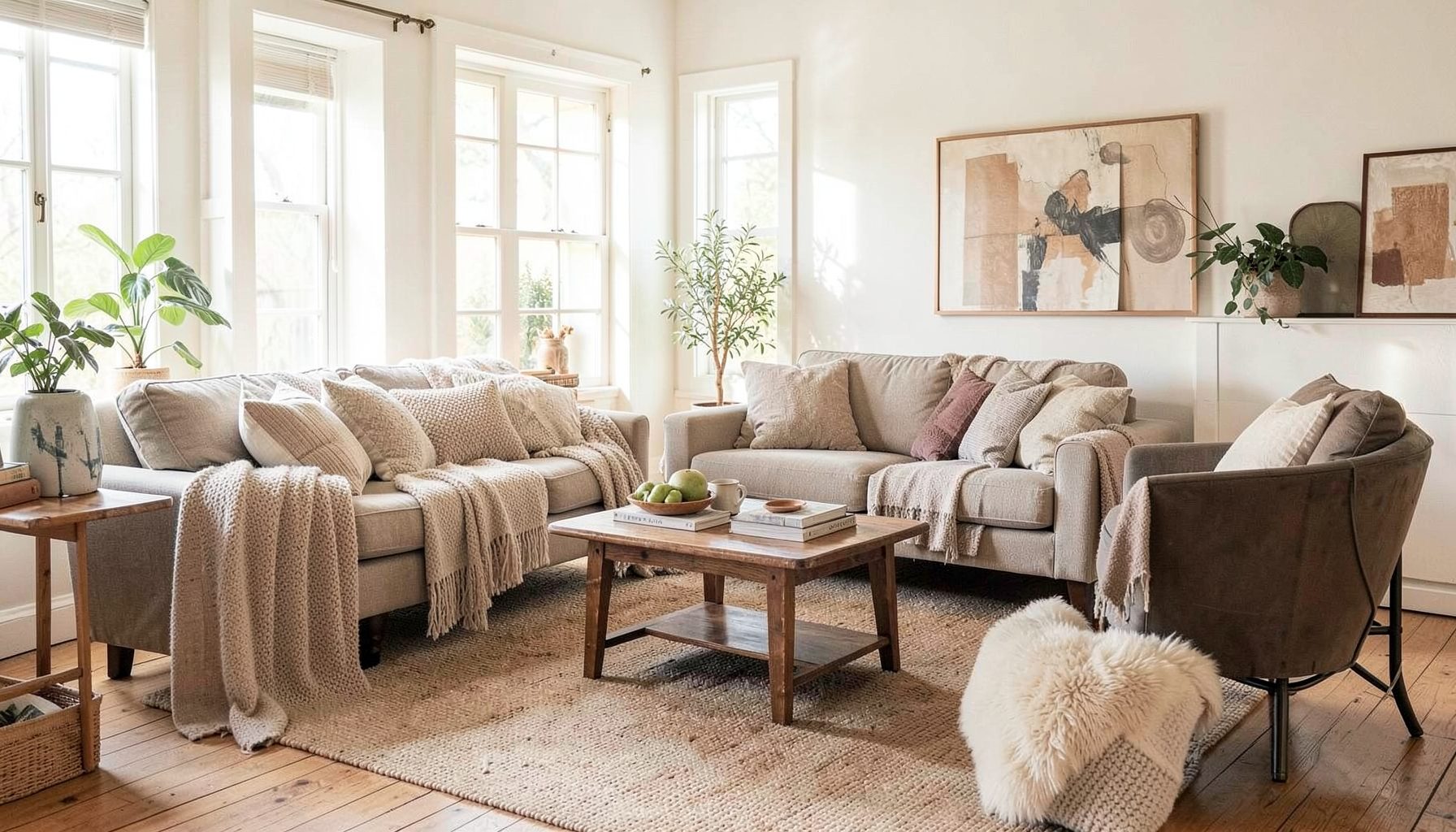
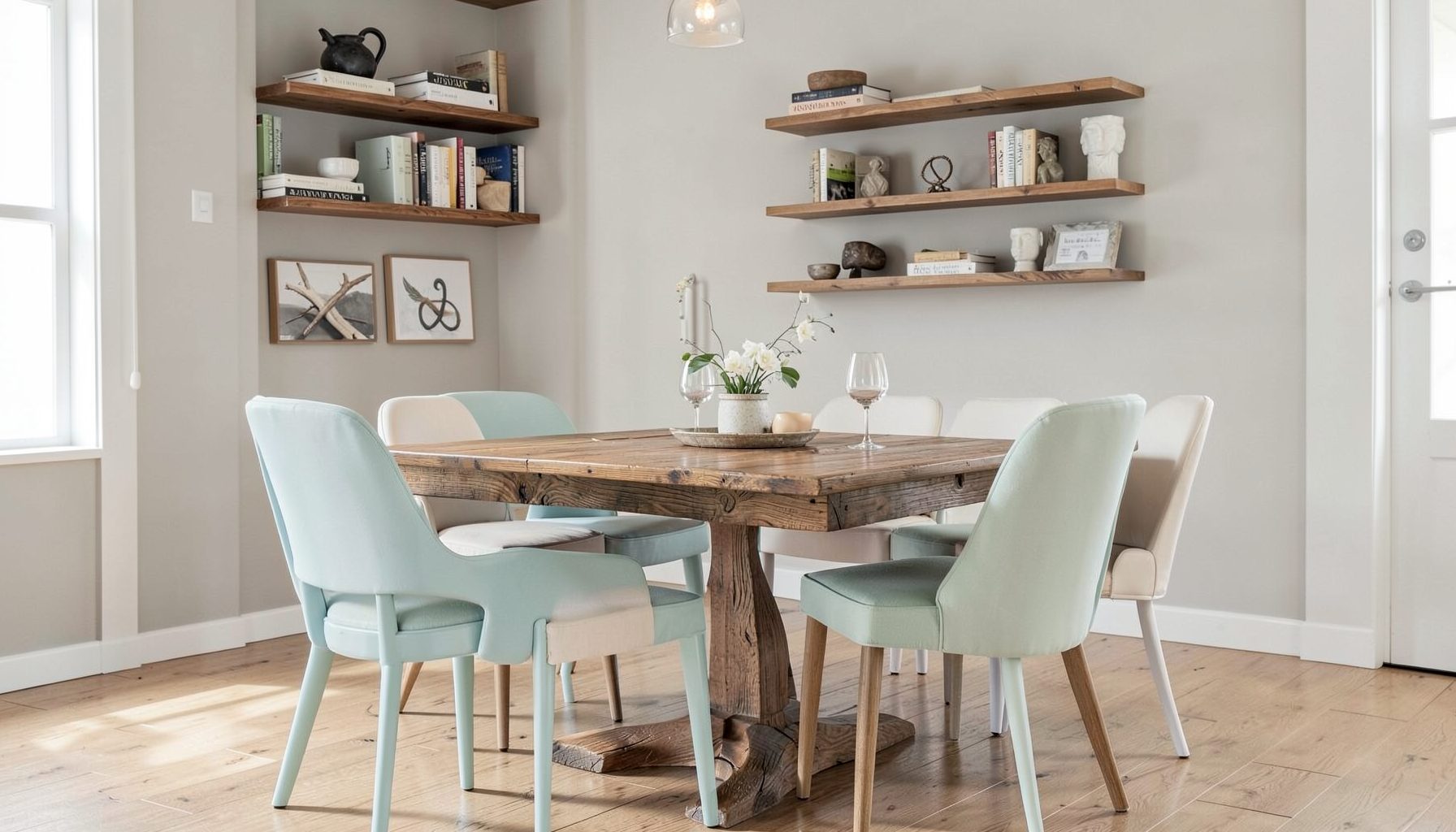
Full-service decorating that blends high and low, vintage finds with modern pieces for spaces that feel personal and collected.
Learn More
DIY Projects
Step-by-step tutorials for refinishing furniture, sewing pillows, styling bookshelves, and transforming rooms on a budget.
Learn More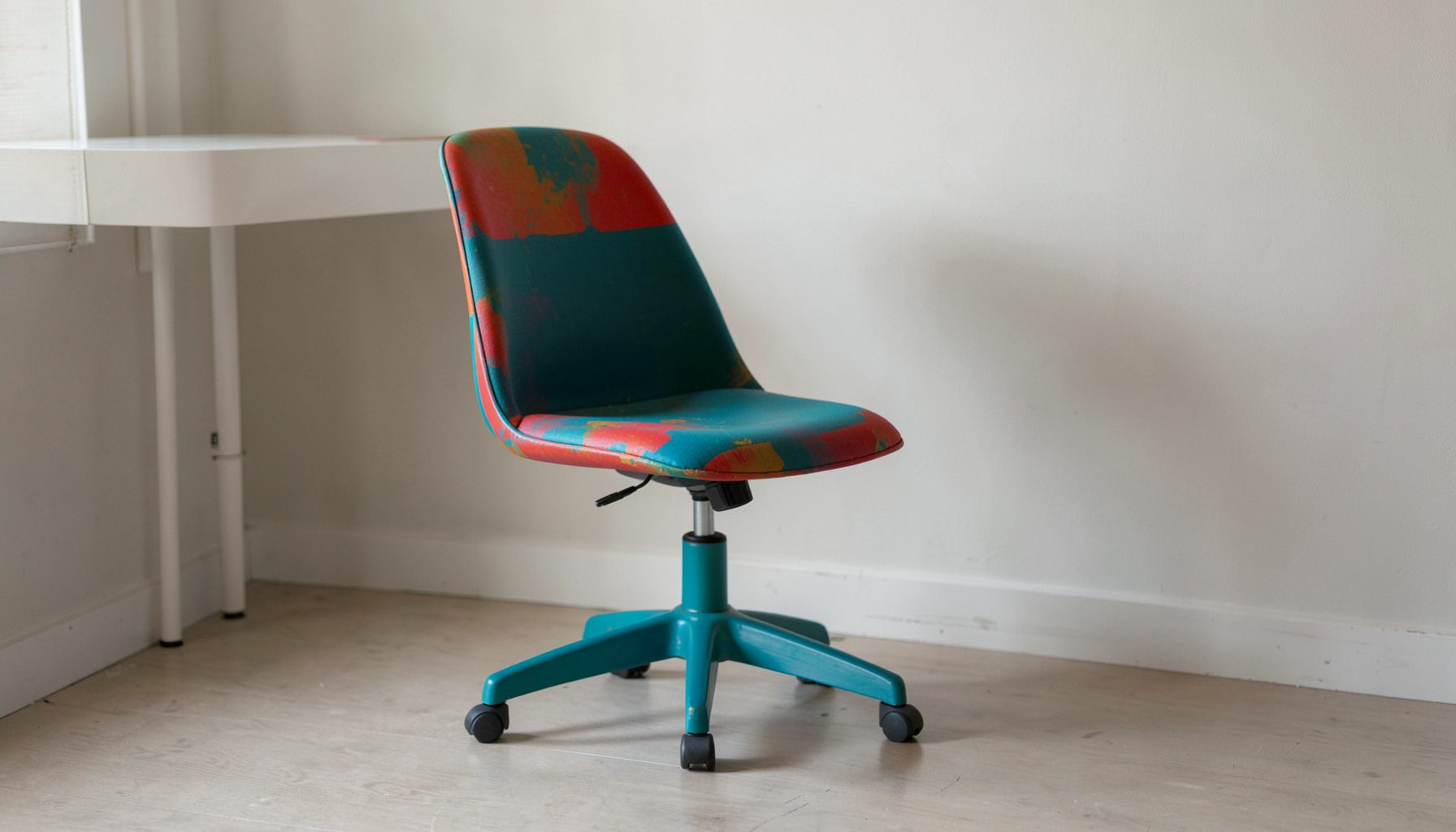
E-Decorating
Personalized design guidance delivered online — perfect for clients anywhere in the world who want a professional eye.
Learn More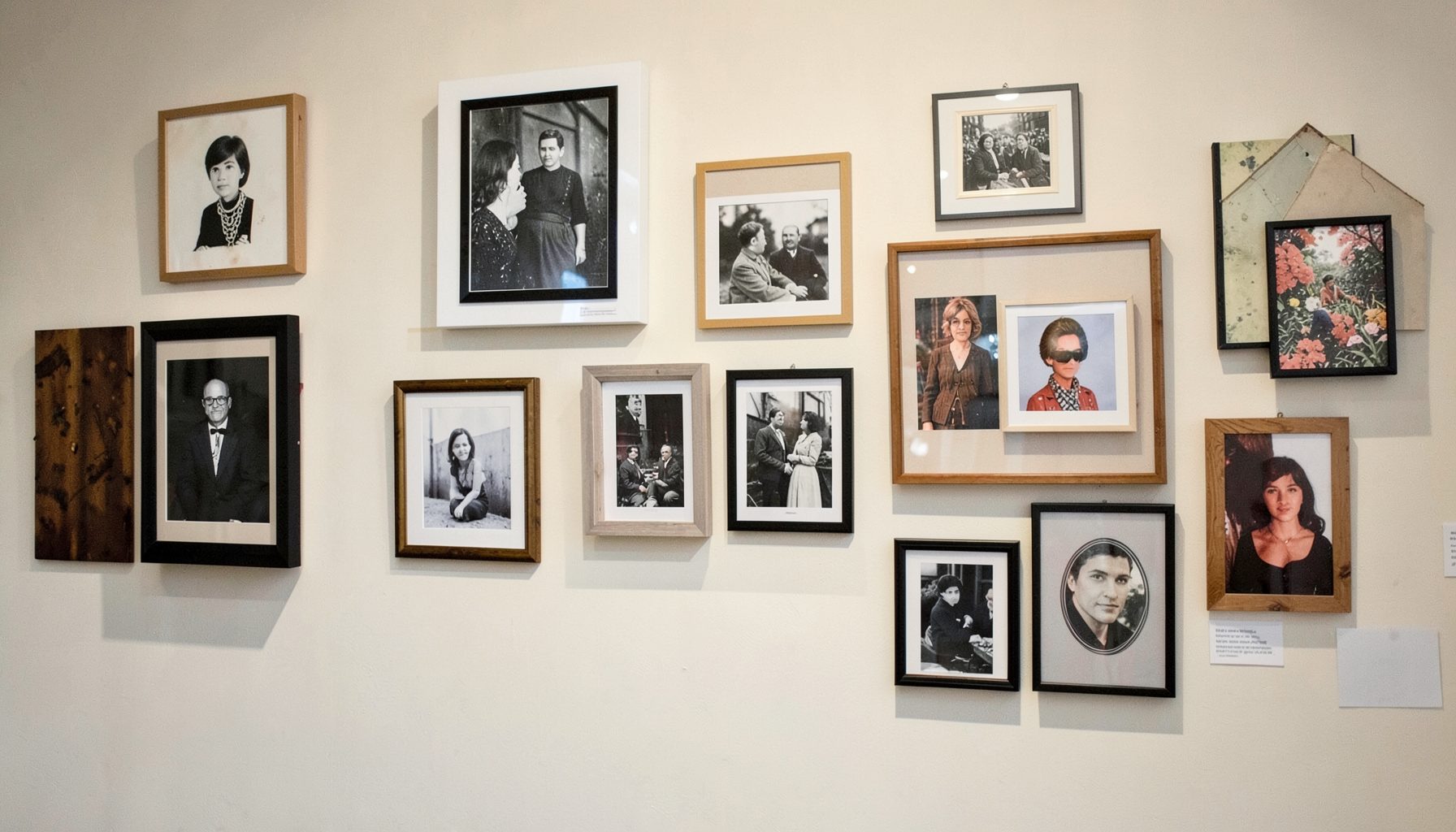
Portfolio
Browse completed room makeovers, before-and-after transformations, and styling projects from Bay Area homes.
Learn More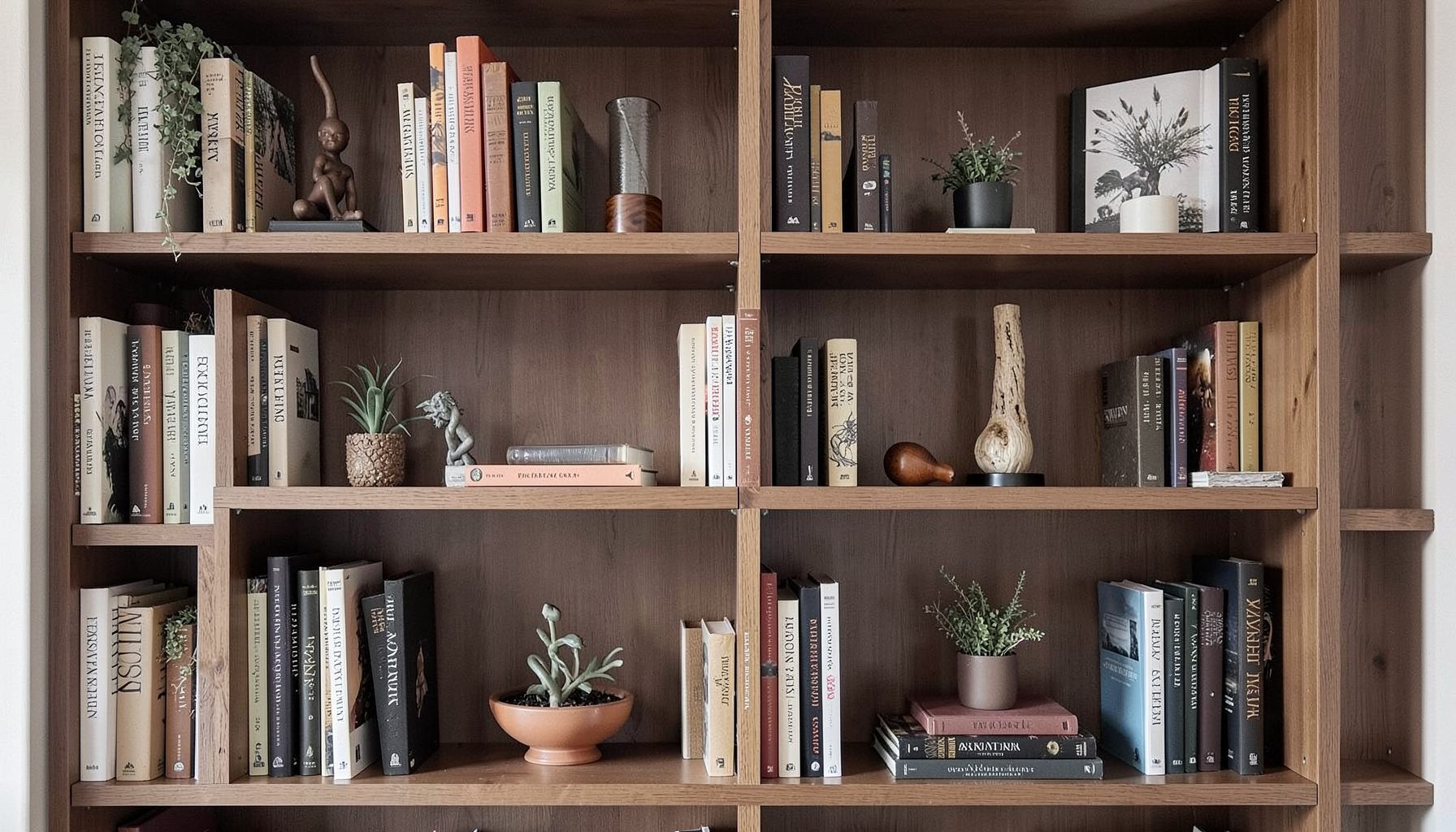
Blog
Interior design inspiration, fashion finds, entertaining ideas, and peeks into real home renovations and styling projects.
Learn More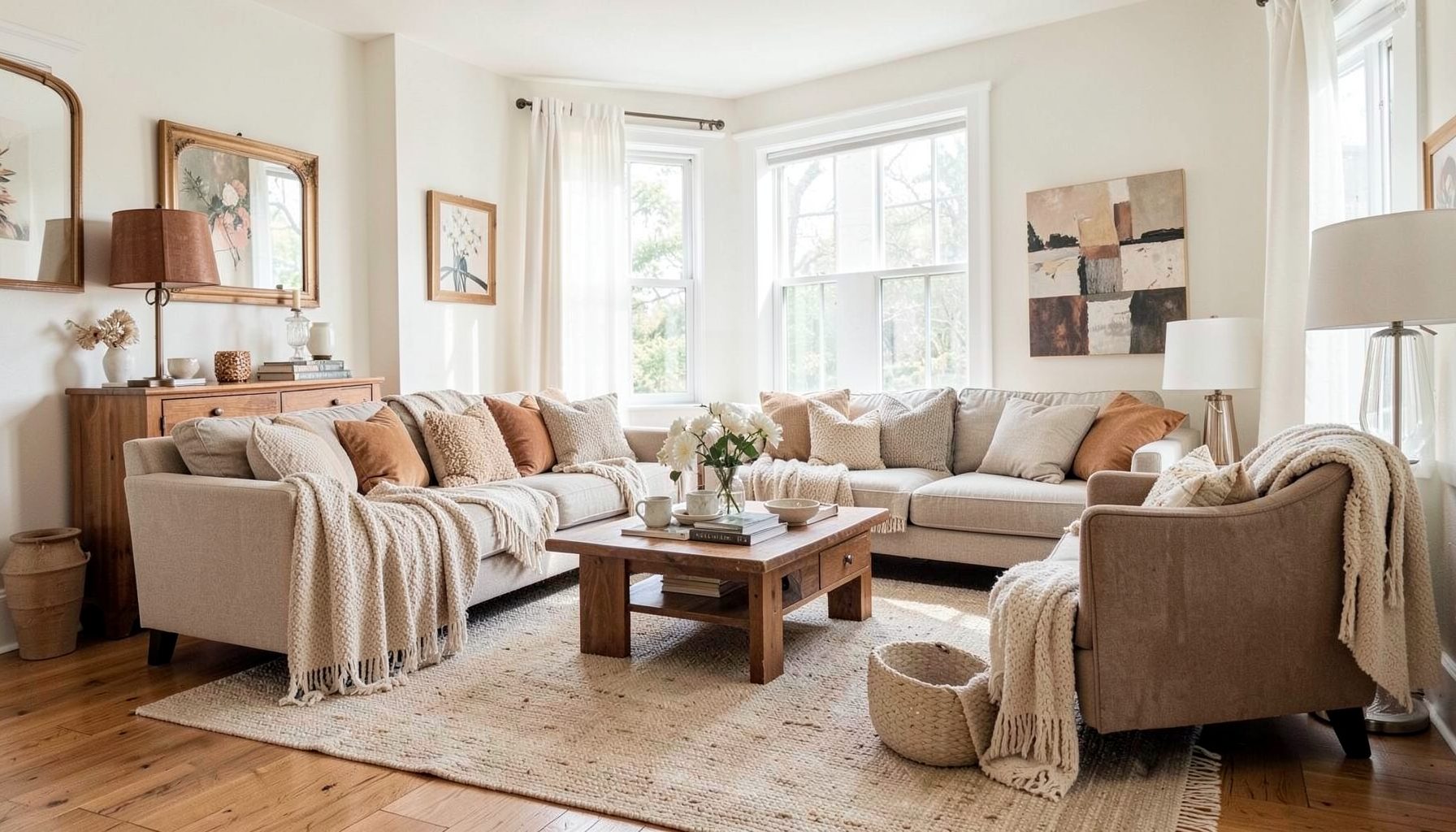
Downloads
Free curated resources for home decorating and design — guides, checklists, and inspiration to help you get started.
Learn MoreMaking a wall of windows feel cohesive with top-down bottom-up shades
A wall of windows can make a room feel bright, but it can also divide the eye into separate panes. Top-down bottom-up shades help solve this problem by combining the neat appearance of a conventional blind with adjustable coverage from above or below. Used consistently, they soften difficult architecture without flattening the home’s character.
Unlike a single roller shade, a dual-control blind can lower from the head while another layer rises from the sill, leaving the middle clear. That flexibility is valuable in Australian homes, where the sun’s path changes throughout the day and street privacy may matter more to a bedroom than to a garden-facing living area. The windows can appear coordinated while remaining useful.
This balance fits the layered, collected spaces created by Maggie Rose Interiors. Vintage pieces, modern furnishings and personal objects can still take centre stage. The shade becomes part of that wider composition, providing calm and structure rather than acting like a separate renovation imposed on the room.
Read the architecture before choosing the blind
Begin with an elevation of the window wall and note the ceiling height, mouldings, mullions, sill depth and surrounding wall colour. These features determine whether the blind should sit inside the reveal, outside it or close to the face of the trim. A treatment that ignores these details can make carefully proportioned architecture feel cramped.
Think about what the windows are meant to do. In a double-fronted home, they may provide cross-ventilation and a formal outlook from the living room. In a renovated terrace, they might connect the kitchen to a courtyard. In a suburban family home, they could overlook a pool, play area or neighbouring fence. Each situation calls for a different balance of light, privacy and uninterrupted view.
Build one visual language across the openings
Consistency does not require every window to be identical. Using the same fabric family, colour and hardware creates a clear visual rhythm even when the openings differ in width or height. Warm white, oatmeal, pale stone and soft grey work well with many Australian interiors, while deeper tones can give a room with bold timber or dark-painted joinery more definition.
The best shade is the one that supports the room’s existing layers. Pair plain fabric with patterned cushions, textured throws and collected ceramics, or keep the blind quiet beside a stronger rug and artwork. Luxurious woven textiles can work beside affordable pieces because their scale, texture and placement carry more weight than their price.
Control light and privacy by room
A split-stack system offers several useful positions. Lowering the upper section gives privacy at street level while preserving daylight from below. Raising that section and lowering the bottom layer softens glare near a seating area or protects a television from reflection. Meeting the two layers in the centre provides fuller coverage when needed.
Bedrooms usually benefit from strong evening privacy, especially where a window faces a footpath or nearby homes. Living areas often need more control over harsh afternoon glare, while kitchens may benefit from a lower screen that hides worktops without making the room feel enclosed. Consider the view at seated eye level as well as the window from outside.
For open-plan spaces, shades can define zones without adding walls. A kitchen blind can lower while the family-room blind remains raised, creating different levels of intimacy and daylight. The result feels purposeful because each section responds to the room’s use rather than following one rule across the entire house.
Get the proportions and hardware right
Take finished measurements rather than relying on building plans. Record the width, the overall drop and the distance from the mounting surface to the sill. Also check the space needed for the fabric to stack neatly when raised. Custom sizing may cost more, but it can prevent gaps, uneven reveals and blinds that project awkwardly into the room.
Hardware should be nearly invisible wherever possible. Match the rails, end caps and control mechanisms across all openings, and position controls where they can be reached without stretching across furniture. Cordless or locking systems are practical in homes with young children. Ceiling-mounted fittings generally create the cleanest appearance, while tension systems can suit rental properties where permanent drilling is undesirable.
Layer the treatment into the room
After the blinds are in place, connect them to the furniture layout. Keep large pieces low where a significant view is worth preserving, or use them to anchor a window that would otherwise feel empty. Artwork hung between narrow openings can strengthen the rhythm, while a long console or sideboard beneath the wall can tie the windows into one horizontal composition.
If the windows face an entertaining zone, give that view a purpose with a simple outdoor focal point; this DIY fire pit project shows how one centred feature can make a compact patio feel intentional. Carrying a colour or material from the blinds into the outdoor cushions helps the interior and exterior feel connected rather than separate.
Account for Australian conditions and homes
Strong sunlight calls for careful fabric selection. In Brisbane and Sydney, particularly for north- and west-facing windows, ask suppliers for UV-stable materials and check whether the chosen shade filters heat as well as light. A sheer-looking fabric can create a pleasant glow, but it should still meet the room’s glare and privacy requirements.
Coastal locations bring another set of practical concerns. Salt-laden air around Perth, Sydney’s beaches and the Gold Coast can corrode inferior metal components, while humid conditions may encourage dust and mould on fabric. Corrosion-resistant hardware, washable materials and regular cleaning provide a more durable result than choosing solely on appearance.
Local housing styles also influence the design. Melbourne terraces often have tall sash windows and narrow façades, while Brisbane Queenslanders can feature deep verandahs and elevated windows. The Australian market offers ready-made sizes as well as custom roller systems, generally priced in Australian dollars, but confirm whether measurements include the mounting brackets. Comparing physical samples under changing daylight is more reliable than judging a small swatch or relying on a screen image.
Fit, test and maintain the system
Before ordering, compare several fabric options at different times of day. Hold each sample against the trim and view it from the main approach to the room. Pale shades can pick up warm reflections from timber floors, while darker fabric may absorb heat near a western window. Allow the colours to be seen beside the existing furnishings.
Professional installation is worthwhile when windows are uneven, unusually deep or reached only by a ladder. Ask for the installer to demonstrate both directions of movement and check that the layers align when partially open. Keep the measurements and fabric details after installation so a later room makeover can reproduce the same window treatment in another part of the home.
Care requirements vary by textile, but gentle vacuuming and prompt removal of dust generally preserve colour and weave. Follow the supplier’s cleaning instructions rather than applying water or detergent directly. Salt residue should be addressed early, and mechanical parts should be checked periodically as part of routine home maintenance.
The practical takeaway is to choose one shade family, measure every finished opening and test the fabric in its real position before ordering. That sequence gives a wall of windows the clearest, most durable and most cohesive result.

Recent Projects