Interior Design
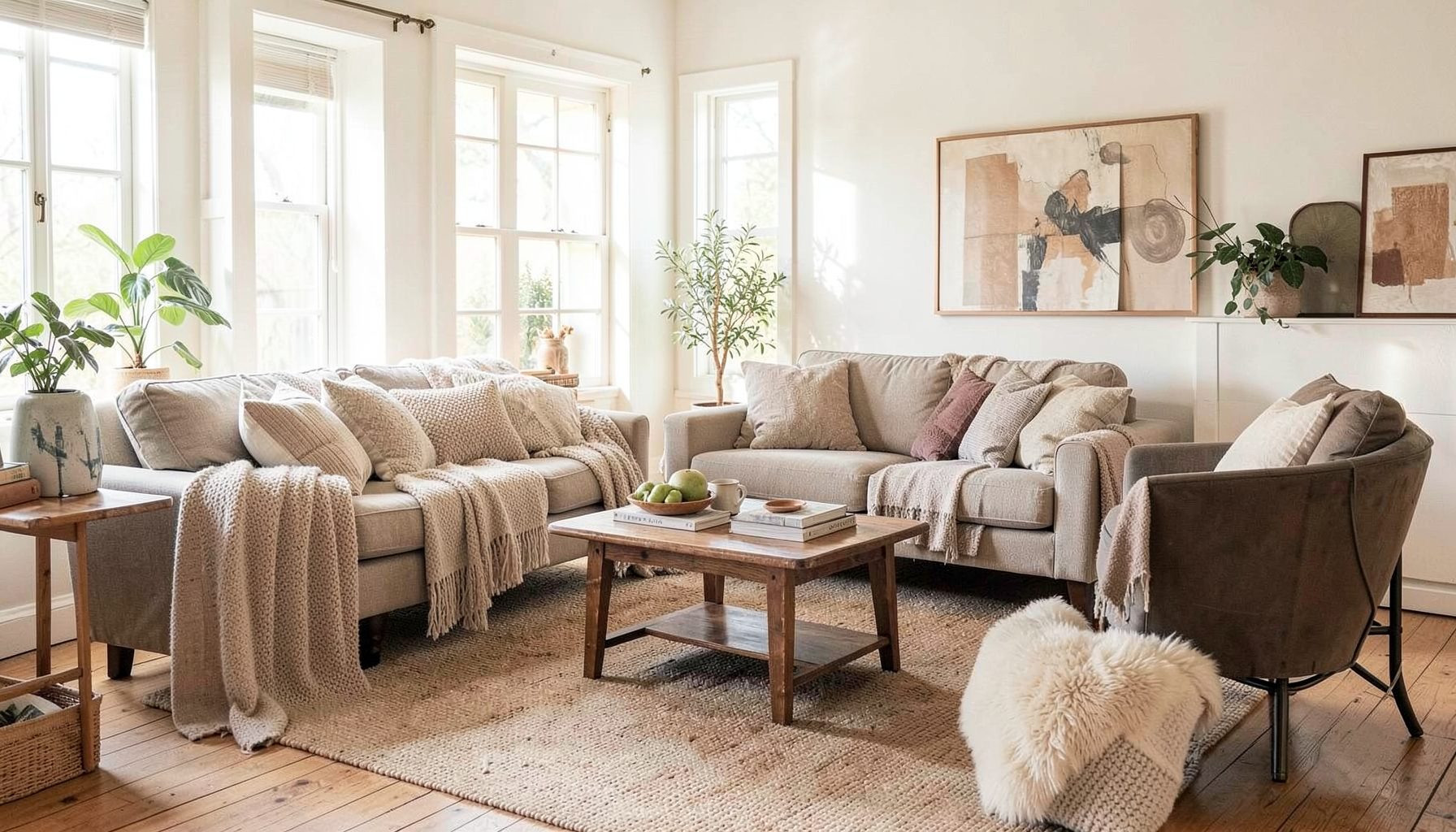
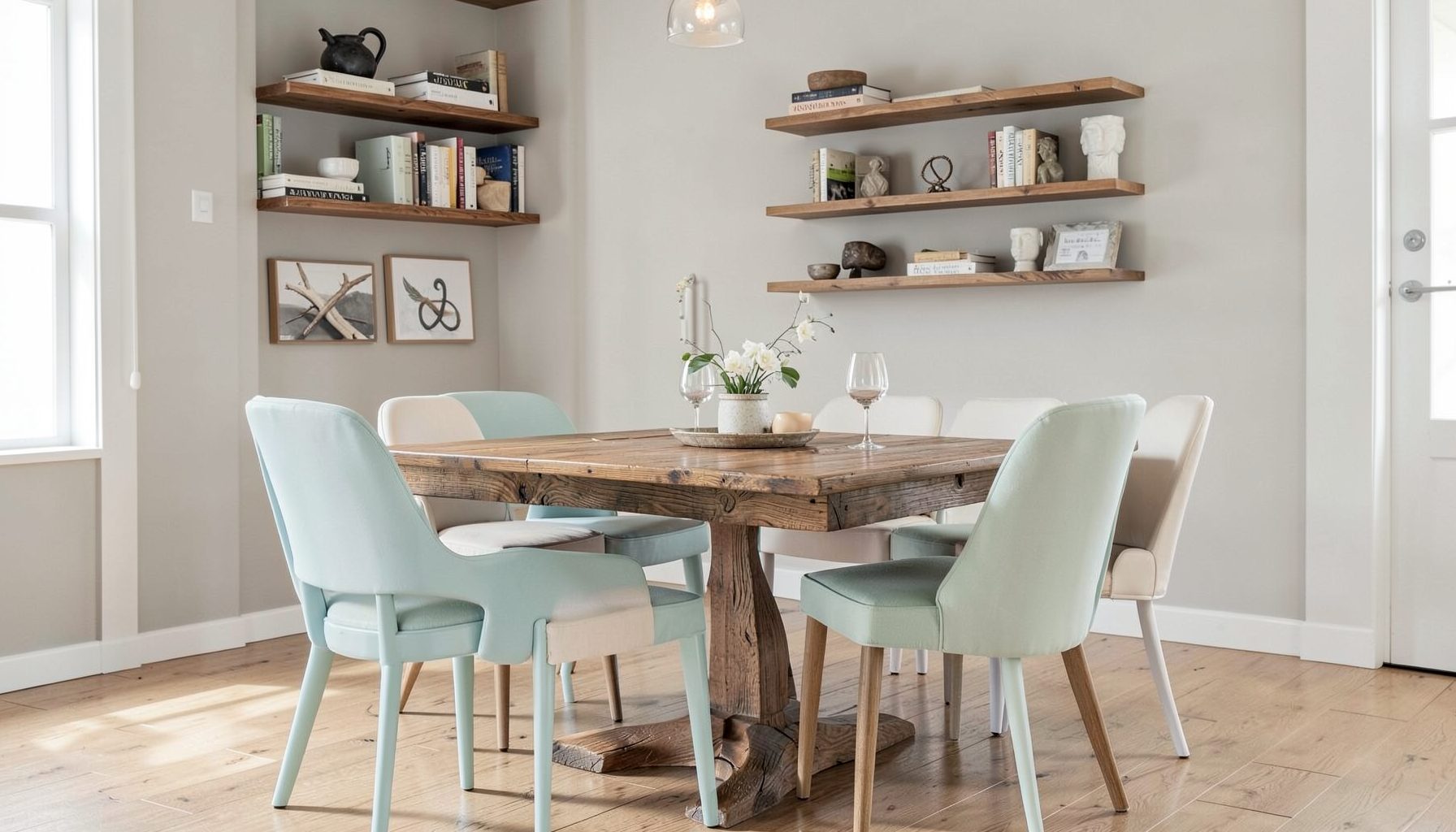
Full-service decorating that blends high and low, vintage finds with modern pieces for spaces that feel personal and collected.
Learn More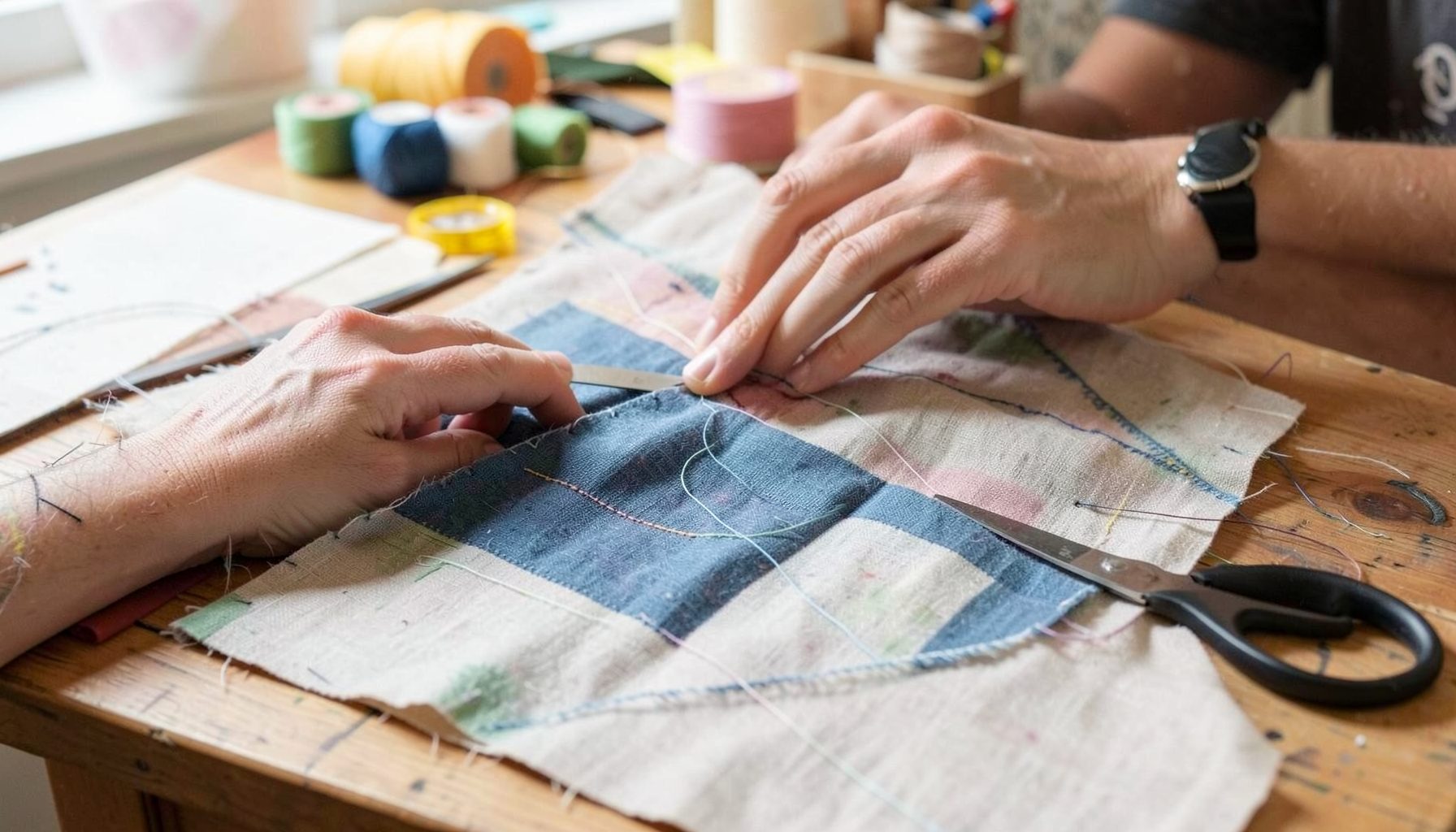
DIY Projects
Step-by-step tutorials for refinishing furniture, sewing pillows, styling bookshelves, and transforming rooms on a budget.
Learn More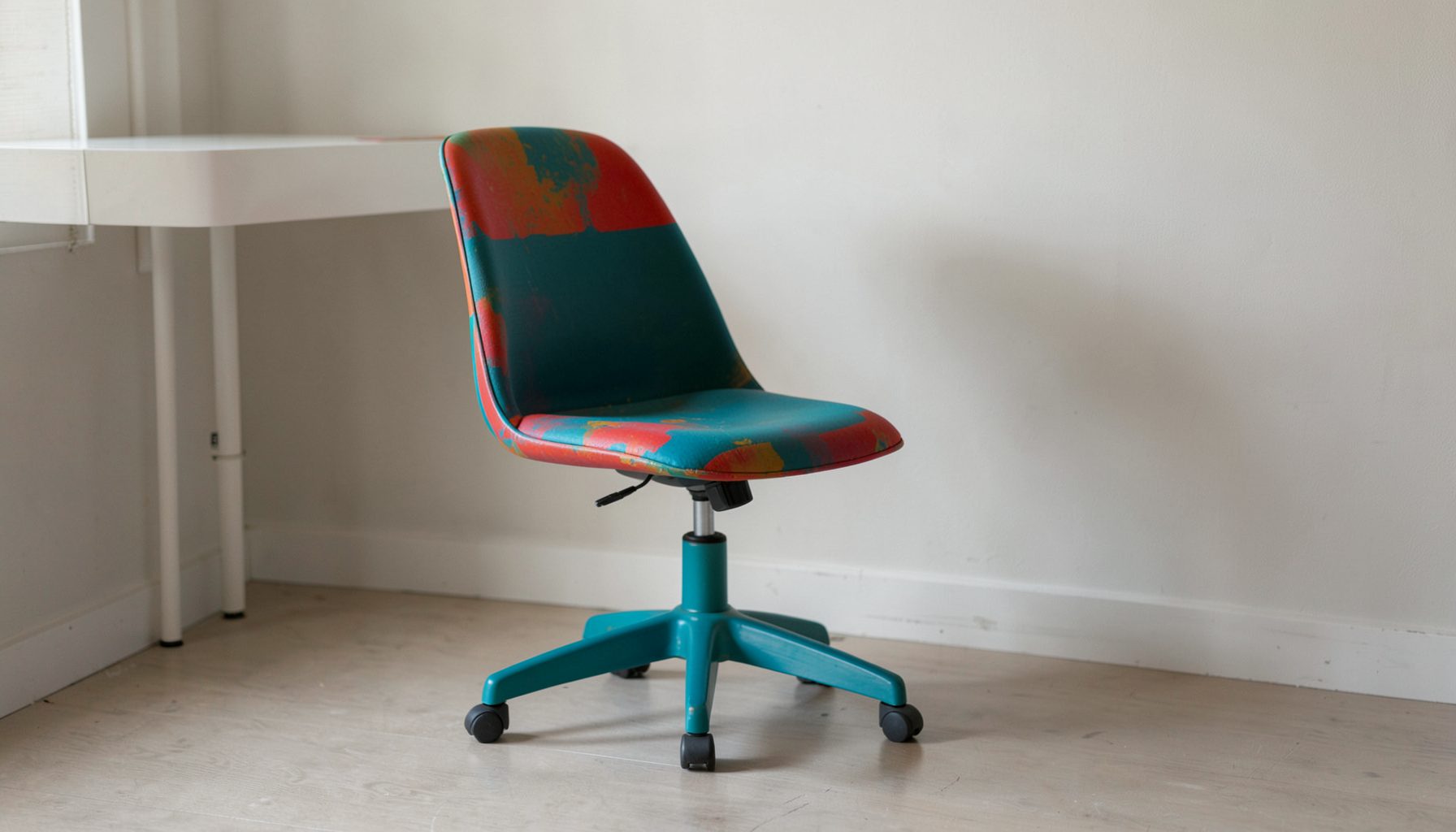
E-Decorating
Personalized design guidance delivered online — perfect for clients anywhere in the world who want a professional eye.
Learn More
Portfolio
Browse completed room makeovers, before-and-after transformations, and styling projects from Bay Area homes.
Learn More
Blog
Interior design inspiration, fashion finds, entertaining ideas, and peeks into real home renovations and styling projects.
Learn More
Downloads
Free curated resources for home decorating and design — guides, checklists, and inspiration to help you get started.
Learn MoreMaking a Traditional Home Feel More Modern with Updated Door Hardware
Traditional homes have a sense of permanence that newer houses often work hard to imitate. Timber architraves, panelled doors, high ceilings and established proportions create an elegant backdrop, yet the wrong door hardware can make those details feel dated rather than considered. Replacing tired knobs, mismatched levers or overly ornate plates is a relatively simple way to refresh the character of a home without stripping away what makes it special.
Updated door hardware can sharpen the look of a hallway, give a period kitchen a cleaner edge and help older joinery sit comfortably beside contemporary furniture. The most successful approach is rarely about choosing the trendiest finish for every door. It is about finding a thoughtful relationship between the home’s architectural details, the way each room is used and the finishes already present throughout the interior.
Start With The Home’s Existing Character
Before selecting a handle, look closely at the features that should remain part of the visual story. A Victorian terrace in Melbourne may have four-panel doors, pressed metal ceilings and dark timber floors, while a Federation house in Sydney might include leadlight glass, decorative fretwork and warm stained wood. A Queenslander often has lighter, breezier proportions, with louvres, wide verandahs and timber details that call for a less formal treatment.
The goal is to create contrast without creating conflict. Streamlined lever handles can make traditional doors feel current, but a very stark square design may look disconnected from a curved architrave or an ornate lockset. Softly shaped levers, simple round knobs and understated backplates often bridge the gap between old and new. They preserve a sense of craftsmanship while removing visual fuss.
Consider the existing metalwork as well. Hinges, cabinet pulls, tapware, curtain rods, lighting and even picture hooks contribute to the room’s overall finish palette. These elements do not have to match perfectly, but they should feel as though they belong in the same conversation. Aged brass door furniture can sit beautifully with unlacquered brass tapware, while satin nickel may be a better partner for cool stone, chrome lighting or pale grey paint.
Choose A Finish That Ages Well
Finish has a strong influence on whether a traditional interior feels refreshed or excessively styled. Polished chrome can look crisp and architectural, although it may feel too bright in a home filled with aged timber and warm fabrics. Satin chrome and brushed nickel offer a quieter appearance, making them useful in bathrooms, laundries and busy family areas where fingerprints and water marks are a concern.
Brass is especially effective when modernising a period home. Brushed brass gives a clean, contemporary impression, whereas aged or antique brass introduces depth and a more collected quality. In a heritage cottage, a living finish that gradually develops patina can feel authentic. In a coastal home near Sydney’s Northern Beaches or along the Mornington Peninsula, a muted brass or soft bronze can add warmth without making the rooms feel formal.
Matte black remains popular because it provides definition against white doors and pale walls. It works particularly well in a modern country scheme or a home with black steel windows, but using it on every door can make the interior feel repetitive. A good alternative is to use black selectively on statement areas, such as a study, powder room or pantry, while choosing aged brass or brushed nickel for the rest of the house.
Hardware samples are worth viewing in the actual rooms. Australian light changes considerably from a shaded southern-facing hallway to a bright north-facing living room, and an online image cannot show how a finish responds to both. Place samples beside the skirting boards, flooring and door paint at different times of day before committing to a whole-house order.
Match The Shape To The Door
The profile of the hardware matters as much as its colour. A traditional six-panel door can take a neat round knob, a slim lever or a more substantial backplate, depending on the mood you want to create. A simple lever with a gently curved end tends to feel more relaxed and livable than a sharply geometric style, while a small round knob can retain a distinctly heritage quality.
For doors with narrow stiles, check the dimensions carefully. Oversized backplates may crowd the timber, obscure moulding or sit too close to the edge of the door. This is particularly important in older Australian homes, where door sizes and joinery details may not follow contemporary standard measurements. Taking the existing handle off and measuring the bore hole, spindle position and backset can prevent an expensive mismatch.
Function should guide the choice as much as appearance. Levers are generally easier to operate than knobs for children, older residents and anyone carrying laundry or groceries. Privacy sets suit bedrooms and bathrooms, while passage sets are appropriate for rooms that do not need to lock. A dummy handle may be required for wardrobes, linen cupboards or pairs of doors where only one leaf is active.
Sliding doors and bi-folds need their own treatment. Recessed pulls can keep a narrow hallway clear, and flush hardware is useful where doors open close to furniture. For a pantry or utility room, a small latch can add personality, but it should still be comfortable to use and robust enough for daily traffic. Good design makes the hardware feel natural in the hand, not simply attractive in a photograph.
Create A Consistent Hardware Scheme
A modernised traditional home does not need identical hardware on every opening, although it benefits from a clear rhythm. One finish can run through the main internal doors, with a related variation in a bathroom or utility space. For example, aged brass throughout the living areas might be paired with brushed brass or antique bronze in wet areas, provided the difference looks intentional rather than accidental.
Door hardware can also help organise an open-plan home. A dark bronze lever may define a study or media room, while warm brass handles can connect the kitchen, dining area and formal rooms. This approach is especially useful when a renovation combines original rooms with a newer extension. Consistent metal details can make those different architectural eras feel connected.
Take the whole sightline into account. When several doors are visible from a hallway, the handles form a repeating pattern. Matching height, shape and finish will make the corridor feel calmer. If every door has a different knob, plate and metal tone, even beautiful pieces can produce visual noise. In a compact terrace or apartment, this restraint can make the floor plan feel more spacious.
Australian homes often need practical consideration for screens, security doors and external access points as well. A stylish internal scheme should not be undermined by a bright, unrelated security door handle at the entry. Look for coordinated options that suit the front door, and check local strata rules before changing hardware in an apartment building. In some complexes, the external face of a door must meet a prescribed appearance or fire-safety requirement.
Plan The Installation And Finishing Details
Changing door handles is often described as a quick weekend update, but older doors can require more care. Previous hardware may have left larger holes, compression marks or areas of faded paint. A new narrow backplate may expose those imperfections, while a different spindle position can reveal unfinished timber. Keep the old hardware until the new pieces have been tested on every relevant door.
A qualified locksmith or experienced carpenter can assess doors that stick, sag or fail to latch properly. Hardware will not solve a door that is out of square, and forcing a lever against a misaligned strike plate can shorten its life. In Australia, a local locksmith or carpenter can also advise on compliant locks, fire doors and entrance security, particularly in homes with recent renovations or mixed-use spaces.
When budgeting, include more than the price of the handles. You may need new latch cases, strike plates, privacy turns, hinges, screws and touch-up materials. Hardware from specialist Australian suppliers can offer better replacement parts and finish consistency, while large hardware chains such as Bunnings can be convenient for standard internal sets and basic tools. It is sensible to compare the total installed cost rather than choosing solely by the price printed on the box.
Use the opportunity to repair and repaint the doors if needed. A fresh coat of warm white, pale putty or a deeper olive, blue or charcoal can make new hardware look far more deliberate. Gloss levels matter too: a low-sheen finish generally feels more contemporary than a high-gloss surface, while a satin enamel can withstand the wear of a busy family home. The final result should look as though the hardware belongs to the house, rather than having been attached as an afterthought.
A traditional home can feel current through small, carefully judged changes. New door hardware is powerful because it is repeated throughout the interior, handled every day and visible from almost every room. Choose shapes that respect the original joinery, finishes that work with the Australian light and a level of consistency that leaves room for personality. The detail to remember is simple: modern style comes from the relationship between the new hardware and the character already built into the home.

Recent Projects