Interior Design
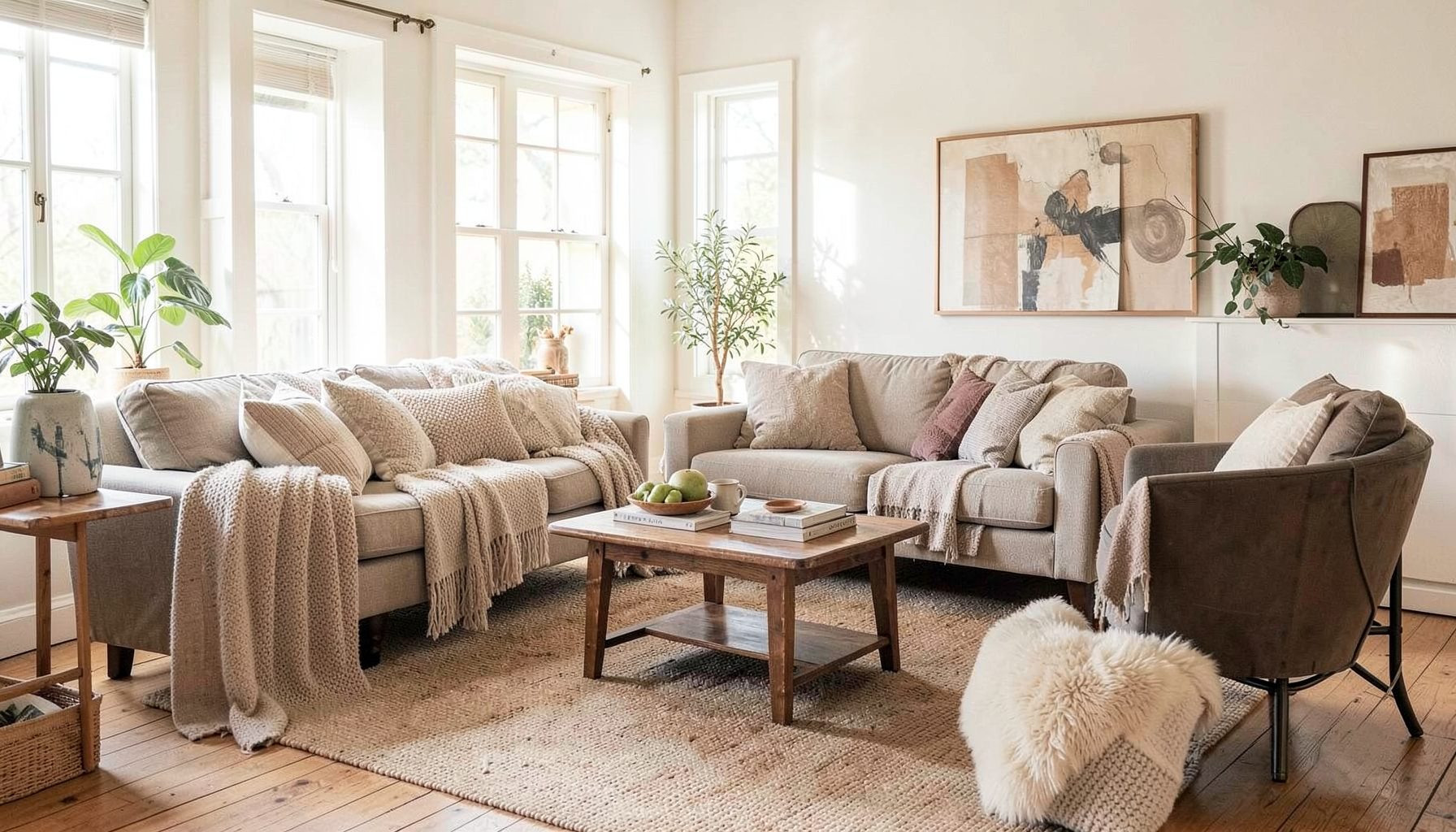
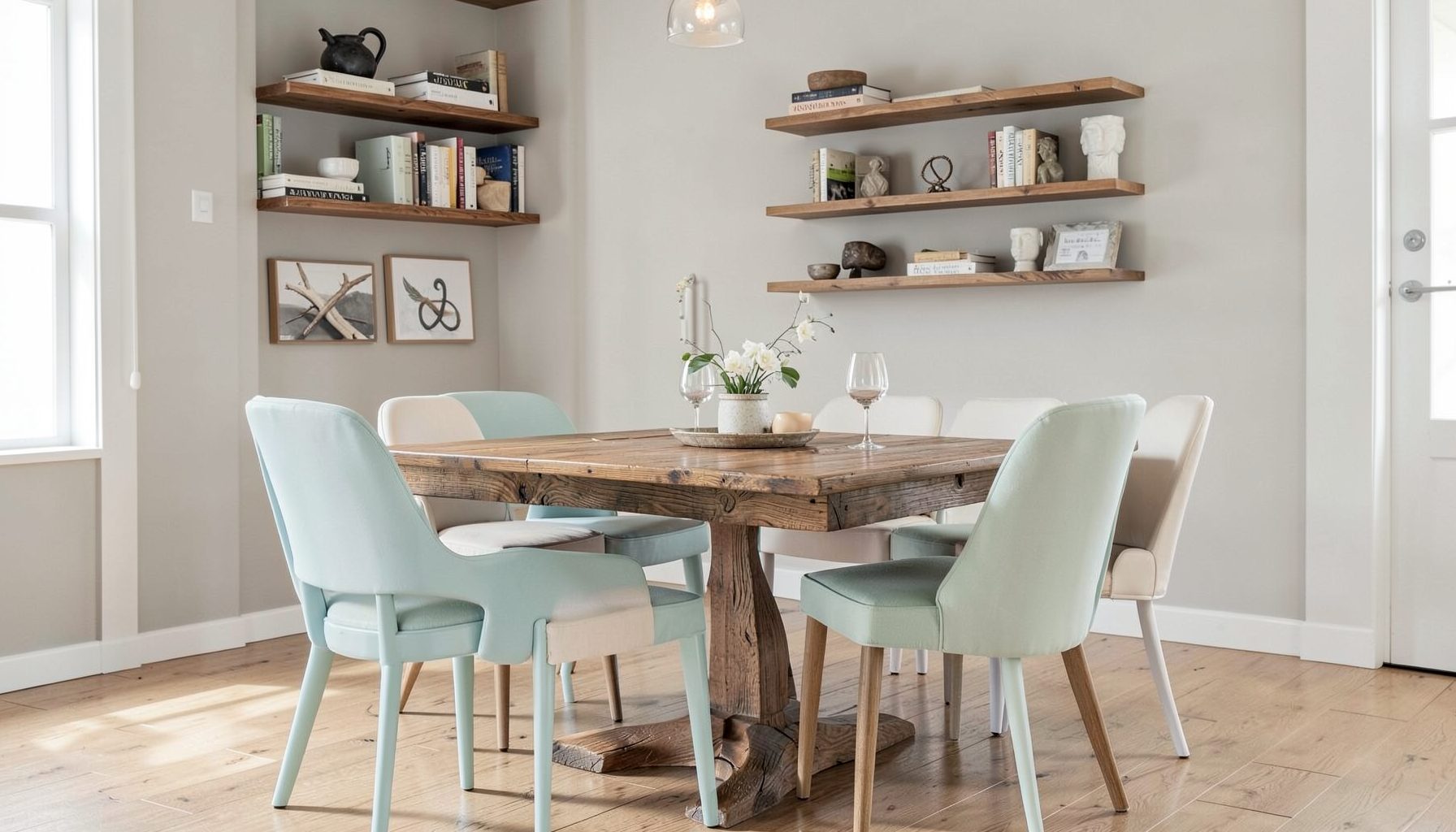
Full-service decorating that blends high and low, vintage finds with modern pieces for spaces that feel personal and collected.
Learn More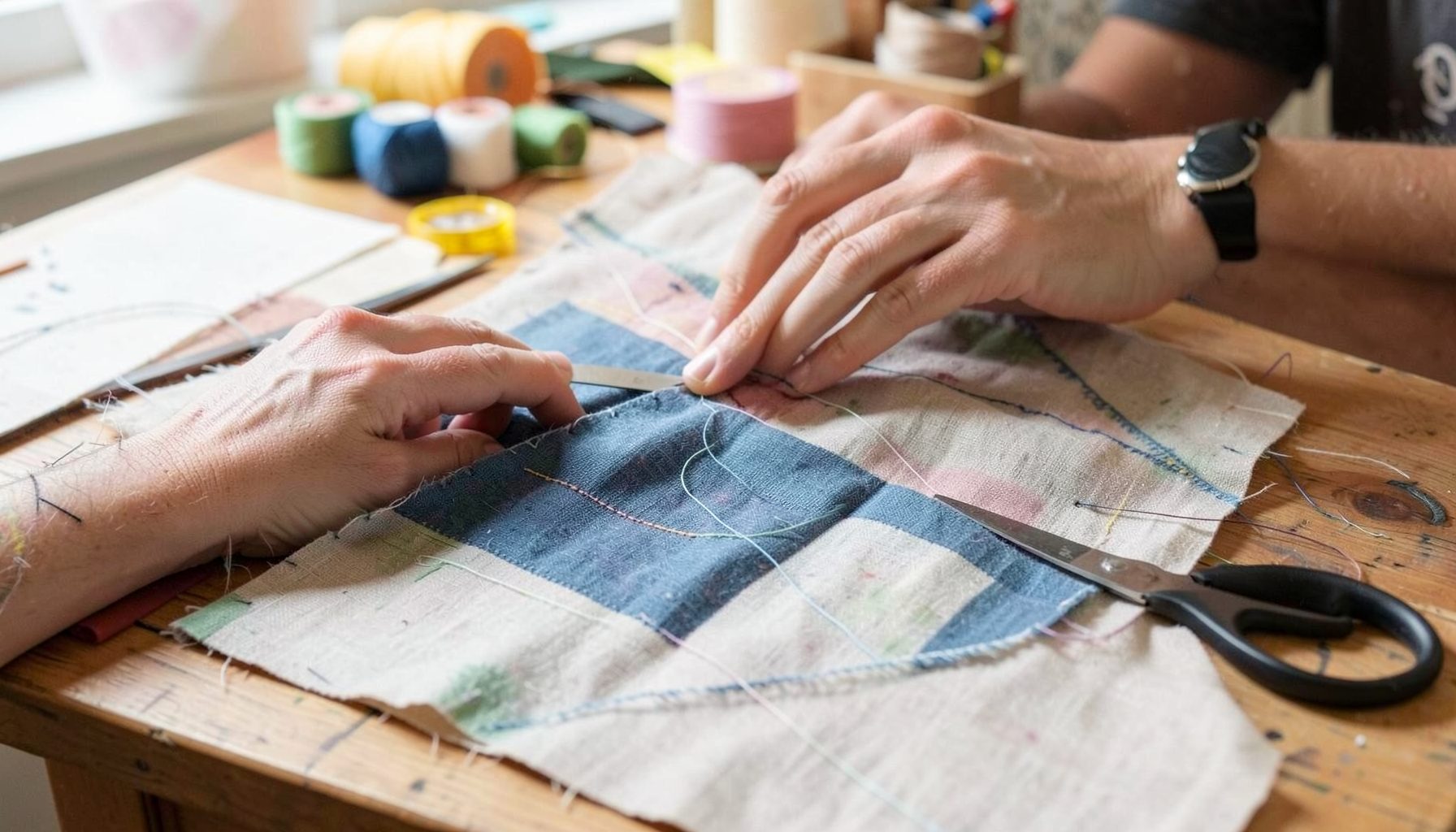
DIY Projects
Step-by-step tutorials for refinishing furniture, sewing pillows, styling bookshelves, and transforming rooms on a budget.
Learn More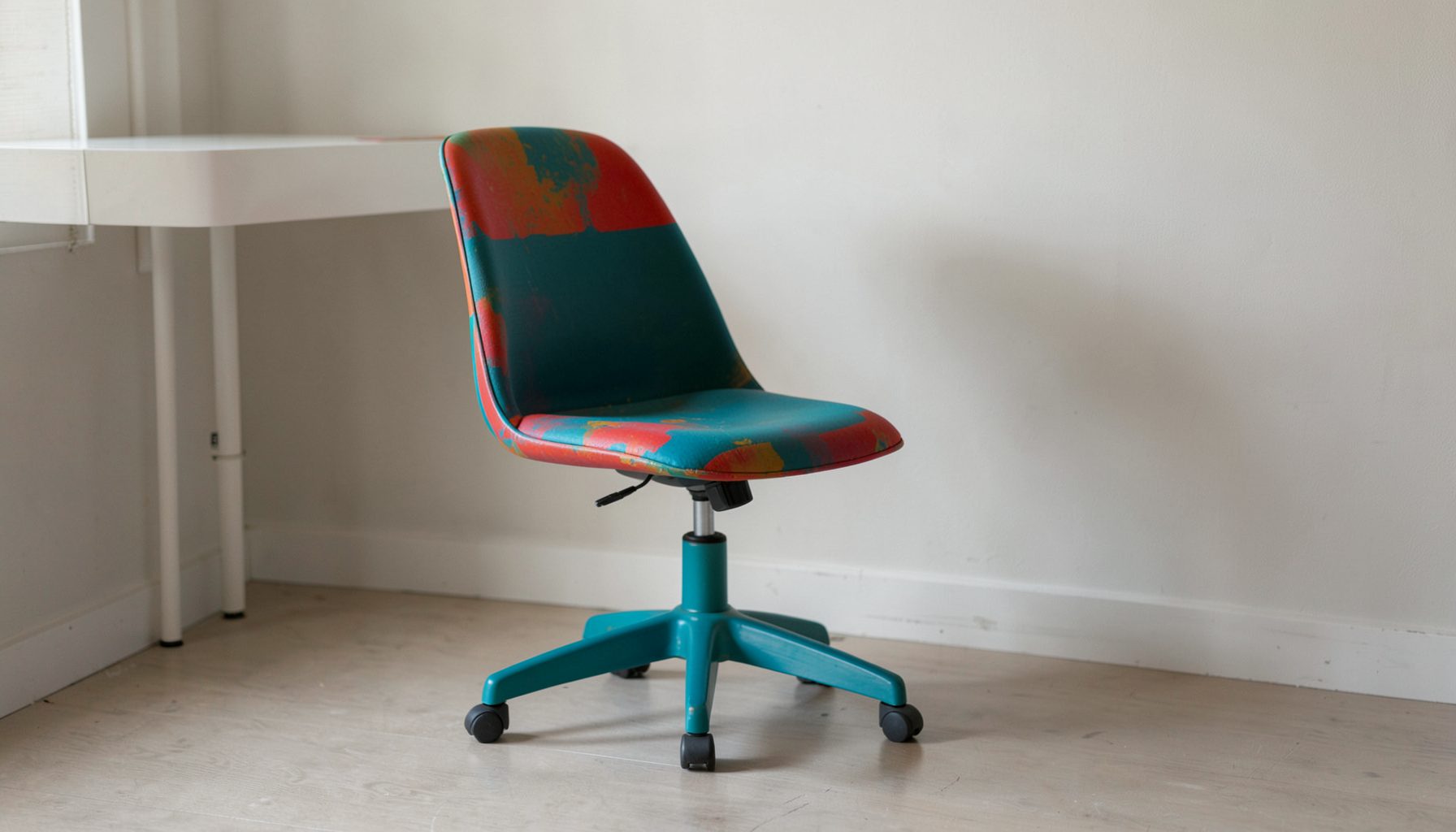
E-Decorating
Personalized design guidance delivered online — perfect for clients anywhere in the world who want a professional eye.
Learn More
Portfolio
Browse completed room makeovers, before-and-after transformations, and styling projects from Bay Area homes.
Learn More
Blog
Interior design inspiration, fashion finds, entertaining ideas, and peeks into real home renovations and styling projects.
Learn More
Downloads
Free curated resources for home decorating and design — guides, checklists, and inspiration to help you get started.
Learn MoreMake a Small Powder Room Feel Grand with Bold Wallpaper
A small powder room has less floor area than a bathroom, yet it often carries a surprising amount of design responsibility. Guests may use it during dinner, a renovation can expose every awkward proportion, and a few carefully chosen finishes can make the room feel far more memorable than its size suggests. Bold wallpaper and a graceful pedestal sink are especially effective because they bring pattern, shape and personality into a compact footprint.
For Australian homes, this combination suits everything from a narrow terrace bathroom in Sydney to a Federation cottage in Melbourne or a contemporary apartment in Brisbane. The design can feel polished without becoming precious, and it leaves room for the layered, collected character that makes an interior feel personal. With sound preparation, thoughtful lighting and the right scale, even a tiny WC can read as a jewel box rather than an afterthought.
Start With The Room’s Proportions
Before choosing wallpaper, study the powder room as it exists. Measure the wall height, the distance between the door and basin, the position of the toilet, and the clearance needed for drawers, towel rails and skirting boards. A pedestal sink can make the room feel open because it occupies less visual and physical mass than a vanity, but its basin still needs enough depth for comfortable handwashing.
In a compact room, the door swing can determine whether the layout feels relaxed or cramped. A cavity slider may be worth considering during a larger reno, while an existing hinged door might work better if it opens outwards. The toilet should not feel squeezed beside the basin, and guests should have somewhere convenient to reach a hand towel without brushing against the wall.
Australian housing offers plenty of small-room scenarios. Victorian and Federation homes in inner Melbourne often have narrow additions with unusual corners, while older Sydney terraces may have powder rooms tucked beneath stairs or into converted laundries. These spaces reward precision. A scaled floor plan, even a simple one drawn on graph paper, can prevent an expensive mistake before the tiler or plumber arrives.
The visual proportions matter as much as the measurements. If the ceiling is low, a vertical wallpaper pattern can draw the eye upwards. If the room is long and narrow, a larger repeat across the end wall can make it feel more balanced. The aim is not to disguise every limitation, but to give the room a deliberate sense of scale.
Choose Wallpaper With Confidence
A powder room is one of the safest places to use an expressive wallpaper. Since the space is small and separate from the main living areas, you can choose a rich botanical, oversized stripe, painterly mural or geometric print without asking it to coordinate with every room in the house. The pattern becomes the main decorative moment, while the basin, mirror and tapware provide supporting details.
Large-scale designs can work beautifully in a small room because they create an immersive effect. A tiny repeat may feel fussy when placed across all four walls, particularly if the room already contains grout lines, plumbing fixtures and a busy floor. A dramatic motif with generous negative space often looks more sophisticated. For a quieter scheme, consider a moody olive, clay, ink blue or warm charcoal rather than defaulting to plain white.
Wallpaper selection needs a practical check in Australia’s varied climate. A well-ventilated powder room is usually less demanding than a full bathroom, but steam, splashes and condensation still occur. Look for a quality coated or vinyl wallcovering suitable for the room’s conditions, and confirm the manufacturer’s cleaning and installation requirements. In humid areas such as coastal Queensland or Darwin, effective exhaust ventilation matters as much as the paper itself.
Avoid placing wallpaper where the basin is likely to be splashed repeatedly unless the product and adhesive are appropriate. A tiled or painted splashback behind the pedestal sink can provide protection and introduce another layer of texture. Even a narrow band of stone, ceramic tile or beadboard can make the transition feel intentional rather than purely functional.
Let The Pedestal Sink Shape The Scheme
A pedestal sink contributes an elegant, furniture-like silhouette without the visual heaviness of a boxed vanity. Its column draws the eye vertically, and the open space beneath it helps a tight powder room breathe. This is particularly useful when the room has a beautiful floor, detailed skirting or wallpaper that deserves to remain visible.
The basin should relate to the wallpaper’s character. A traditional vitreous china pedestal can complement a floral print, aged brass tapware and a vintage mirror, creating a collected look suited to a Queenslander or heritage cottage. A streamlined white basin with a fine ceramic edge may be better with graphic wallpaper and modern fittings. The strongest combinations balance old and new rather than matching every piece to the same era.
Storage requires a little planning because the pedestal has none. A recessed mirrored cabinet can hold spare soap and small toiletries without protruding into the room. A slim wall-mounted shelf, a small antique cabinet outside the powder room, or a basket in an adjacent hallway may provide enough capacity. Powder rooms rarely need the storage volume of a family bathroom, so there is no reason to sacrifice the room’s sense of openness for a large vanity.
Plumbing details deserve attention during installation. Exposed bottle traps and supply lines can look stylish when selected deliberately, especially in chrome, brushed brass or matte black. Standard Australian fittings and local water regulations should guide the specification, and an experienced plumber can check whether the existing waste position suits the new basin. This is an area where a qualified tradie saves time, particularly in older houses with uneven floors or modified pipework.
Build A Layered Lighting And Colour Plan
Wallpaper changes dramatically under different light sources. A green pattern may appear fresh in daylight and almost black beneath a cool white globe. Warm, dimmable lighting usually gives a powder room greater depth, particularly when paired with timber, brass, terracotta or cream tones. A wall light on either side of the mirror is generally more flattering than a single fitting directly above it, which can cast unhelpful shadows across the face.
Where space allows, decorative sconces can become part of the room’s jewellery. Opal glass shades soften a strong wallpaper, while pleated fabric or aged metal fittings reinforce a more traditional scheme. In a contemporary apartment, a compact globe light or sculptural wall fitting can provide contrast. Always check the required electrical rating and placement rules for a room containing plumbing fixtures.
The mirror is an opportunity to introduce a second shape. A round mirror can soften angular wallpaper and a rectangular pedestal basin, while an arched mirror adds architectural interest in a room with plain walls. A vintage mirror with a slightly imperfect frame can prevent a new renovation from feeling overly showroom-like. In an Australian home, it is common to mix high-street pieces with restored finds, and a powder room is an ideal place to make that combination visible.
Colour does not have to be repeated exactly. Pull a dusty rose from the wallpaper into the hand towel, echo a deep blue in the artwork or pick up a warm cream in the basin and ceiling paint. The ceiling can be painted in a related tone for a cocooning effect, though a crisp ceiling remains useful when the pattern is especially strong. Sample boards viewed in morning, afternoon and evening light will reveal far more than a tiny screen image.
Add Finishing Details That Feel Collected
A grand impression comes from the relationship between small details rather than from expensive materials alone. Select a tap with a pleasing profile, a mirror with enough presence, and a towel rail that feels considered. Even the flush plate, door hardware and toilet roll holder should belong to the same visual conversation. They do not need to be identical, but their finishes should feel deliberate.
Artwork can work in a powder room if it is protected from direct splashes and excessive moisture. A small framed print, botanical study or abstract piece may create a pause between the wallpaper and basin. For a more relaxed look, lean a petite artwork on a shelf rather than hanging everything symmetrically. A vase with clipped greenery, a sculptural soap dispenser and a beautifully folded hand towel add warmth without clutter.
Flooring has an important grounding role. Patterned encaustic-look tiles can energise a plain wallpaper, while limestone tones, timber-look porcelain or simple checkerboard tiles can calm a dramatic wallcovering. If the wallpaper already carries several colours, a quiet floor usually gives the eye somewhere to rest. In wet areas, choose a surface with suitable slip resistance and cleanability rather than selecting purely by appearance.
A powder room should also withstand real life. In Melbourne’s cooler months, condensation can linger in poorly ventilated rooms; in Brisbane and other humid regions, mould prevention deserves particular care. Use a reliable exhaust fan, seal vulnerable edges, and follow the wallpaper manufacturer’s instructions. In a rental or budget-conscious renovation, removable wallpaper may seem appealing, but a durable professionally installed product is often the better long-term choice for a frequently used space.
The best result feels individual rather than staged. A San Francisco-based design sensibility might pair a vintage piece with a modern basin, yet the same principle translates beautifully to Australian interiors: combine a rescued mirror from a local architectural salvage yard with a new Australian-made tap, or pair a budget-friendly basin from a mainstream supplier with a more distinctive wallpaper. This balance keeps the room stylish without making every element feel precious.
When the design is complete, stand at the doorway and consider the first impression. The wallpaper should establish the mood, the pedestal sink should preserve visual breathing room, and the mirror and lighting should make the room comfortable to use. Every finish does not need to compete for attention. Let one or two elements lead, then allow the rest to support them quietly.
For a practical starting point, measure the room, mark the basin and door clearances, and create a small sample board with the wallpaper, basin finish, tapware, mirror frame, flooring and light source. Review it in the actual space before ordering materials. That simple step will help ensure the bold pattern and pedestal sink work together as a polished, durable design rather than a collection of attractive parts.

Recent Projects