Interior Design
Full-service decorating that blends high and low, vintage finds with modern pieces for spaces that feel personal and collected.
Learn More
DIY Projects
Step-by-step tutorials for refinishing furniture, sewing pillows, styling bookshelves, and transforming rooms on a budget.
Learn More
E-Decorating
Personalized design guidance delivered online — perfect for clients anywhere in the world who want a professional eye.
Learn More
Portfolio
Browse completed room makeovers, before-and-after transformations, and styling projects from Bay Area homes.
Learn More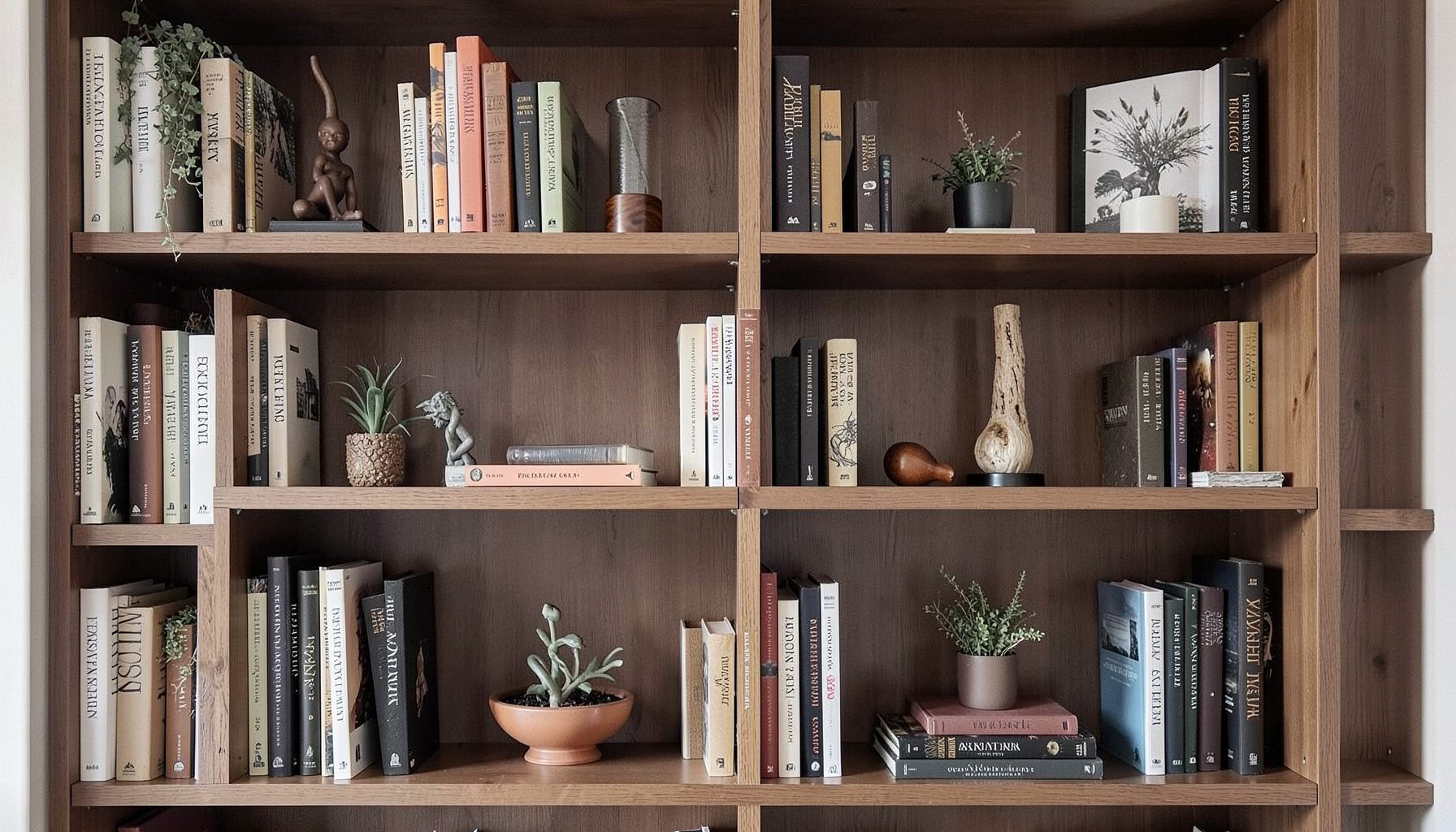
Blog
Interior design inspiration, fashion finds, entertaining ideas, and peeks into real home renovations and styling projects.
Learn More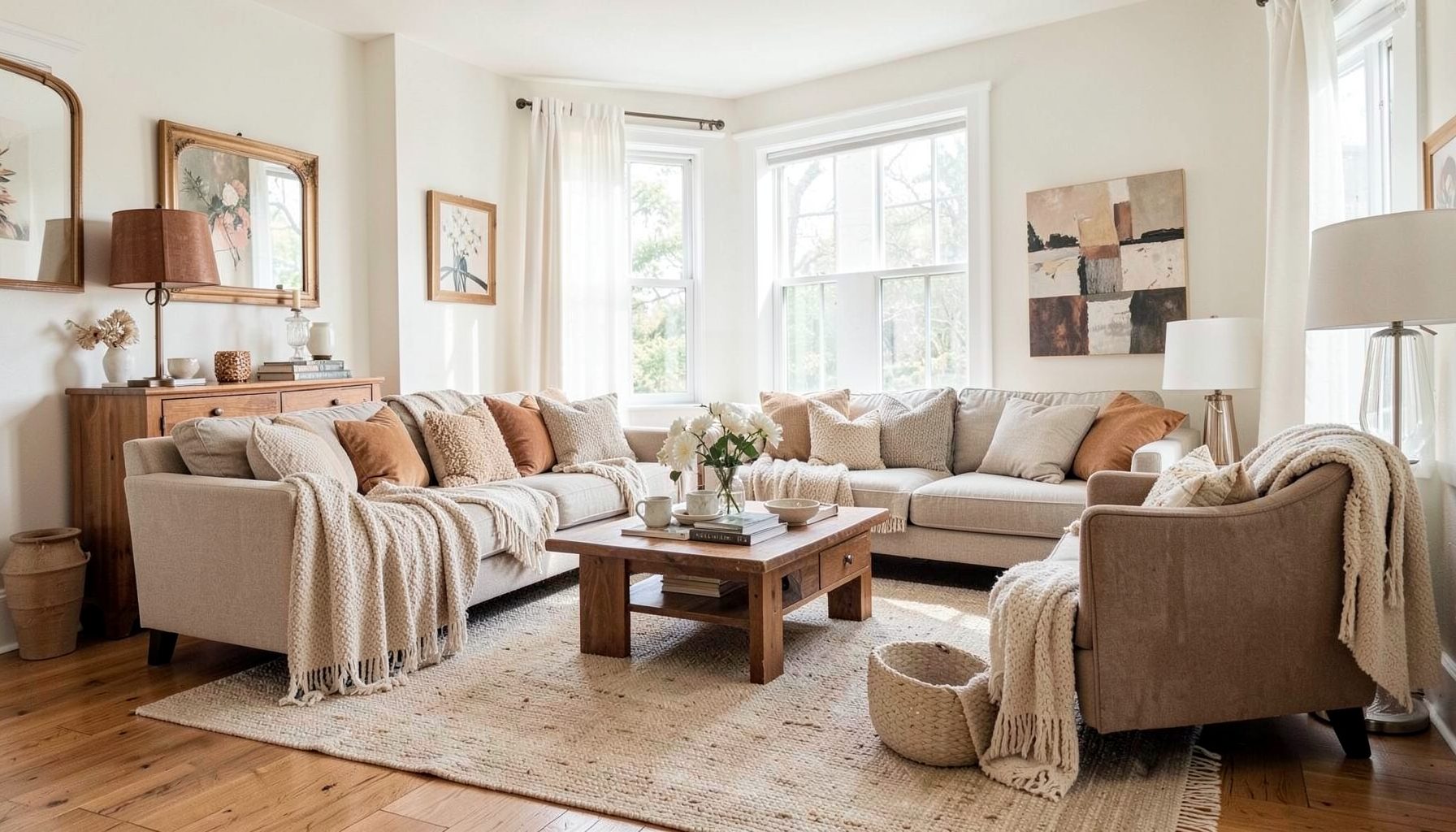
Downloads
Free curated resources for home decorating and design — guides, checklists, and inspiration to help you get started.
Learn MoreMaking a Small Laundry Room Work Harder
A small laundry room has to manage several jobs at once: washing, drying, sorting, folding, storing cleaning supplies and sometimes even housing a hot-water system. In Australian homes, this hardworking zone is often tucked beneath stairs, beside the kitchen or along a narrow hallway, so every centimetre needs to earn its place.
The most successful laundries feel calm because their storage is deliberate. Open shelving keeps everyday items within reach, closed cupboards conceal visual clutter, and a compact folding station creates a proper surface for sorting clothes. With the right combination, even a modest room can feel considered rather than purely utilitarian.
Good design does not require a complete renovation. A layered approach using cabinetry, baskets, timber, vintage-inspired details and practical hardware can give the room personality while improving its function. The aim is a laundry that supports everyday habits, suits the proportions of the home and still feels connected to the rest of the interiors.
Start With The Room’s Working Pattern
Before buying shelves or a benchtop, observe how the laundry is actually used. Note where clothes enter the room, where dirty washing collects, how a full basket moves towards the machine and where clean garments go afterwards. This simple sequence will reveal whether the room needs better sorting, a folding surface, hanging space or easier access to supplies.
In many Australian homes, the laundry is designed around a front-loader because it can sit beneath a continuous benchtop. If you have a top-loader, allow enough clearance for the lid and avoid installing permanent shelving directly above it unless the dimensions have been carefully checked. Measure the appliance doors, hoses, taps, skirting boards and power points, then record the narrowest usable width rather than relying on the room’s overall measurement.
Leave breathing space around appliances and keep the path clear when doors and drawers are open. A folding station is useful only if there is enough room to stand comfortably in front of it. In a very narrow laundry, a shallow counter or a hinged wall-mounted surface may perform better than a deep fixed bench.
Plan Shelving Around Daily Reach
Shelving should reflect how often an item is used. Laundry powder, stain remover, pegs and lint rollers belong within easy reach, while spare towels, bulk toilet paper or seasonal cleaning products can occupy higher shelves. Keeping frequent-use items between shoulder and hip height reduces awkward bending and makes the room faster to use.
Open shelves are especially effective in small laundries because they preserve a sense of visual space. Two or three substantial shelves can hold neatly folded towels, woven baskets and attractive containers without making the room feel boxed in. A slim shelf above the folding station can also provide a home for a small artwork, a trailing plant or a bowl for loose change.
The shelves should be deep enough for their purpose, but not so deep that items disappear at the back. Around 250 to 300 millimetres is often suitable for detergents, baskets and folded linens, while narrower ledges work well for bottles or decorative objects. If the room is humid, choose sealed timber, moisture-resistant board or powder-coated metal, and avoid finishes that will swell or stain easily.
Create A Compact Folding Station
A folding station gives clean laundry a destination before it is carried throughout the house. The most seamless option is a benchtop spanning the front-loader and dryer, provided the appliances are level and the manufacturer’s installation requirements allow it. Laminate, engineered stone, compact laminate and sealed timber can all work, depending on the budget and the desired look.
The counter should have enough depth to fold a towel or stack clothing without everything sliding towards the wall. Rounded or softened edges are worthwhile in a tight passage, particularly when the laundry is used by children. A pale benchtop can brighten a dark room, while a warm timber surface brings texture to white cabinetry and stainless-steel appliances.
When a fixed counter is not practical, consider a pull-out board, a drop-leaf panel or a sturdy shelf mounted on heavy-duty brackets. These solutions keep the central walkway open when the room is busy. A folding station can also double as a spot for sorting baskets, wrapping small gifts or arranging household items, giving the laundry more value than a single-purpose bench.
Use Vertical Storage Without Making Clutter
The wall above the machines is usually the most valuable unused surface in a compact laundry. Full-height cabinetry can store a remarkable amount, particularly when shelves are adjusted to suit bottles, baskets and folded linens. A tall cupboard beside the appliances can hide a mop, ironing board, vacuum attachments and a step stool.
If full cabinetry feels too heavy, combine open and closed storage. A pair of wall cupboards can conceal irregular supplies, while open timber shelves keep everyday items visible. This balance creates the collected, layered quality found in relaxed Bay Area interiors: useful objects remain accessible, while the less attractive necessities have a quiet place to disappear.
Use consistent containers where possible. Decanting powder or pegs into labelled jars is attractive, but keep original packaging and safety information for products that require it. Baskets with handles are particularly practical for carrying supplies between the laundry and other rooms. In a Sydney or Brisbane home where humidity can be noticeable, allow airflow around textiles and avoid packing damp cloths into enclosed baskets.
Make Sorting And Drying Easier
A functional laundry needs a sorting system before the wash begins. Two or three removable hampers can separate lights, darks and delicate items, although a single divided hamper may suit a narrower room. Slide-out baskets beneath the counter keep the floor clear and allow laundry to be moved without lifting heavy loads.
Drying needs careful thought in Australian homes. Line drying remains a familiar everyday habit, whether clothes are hung on an outdoor Hills Hoist, a balcony rack or a retractable line in a small courtyard. A ceiling-mounted airer, wall rail or fold-down rack inside the laundry is useful when rain arrives or apartment living limits outdoor space.
A short hanging rail beneath a shelf provides a place for shirts to drip-dry or for garments to be removed from the dryer before creasing. Position it where wet clothing will not obstruct the washer and ensure the wall fixing can carry the weight. Good ventilation matters here: use an operable window or an appropriately installed exhaust fan, especially in enclosed laundries where moisture can linger.
Choose Finishes For Australian Conditions
Laundry materials need to withstand water, heat, detergent residue and regular cleaning. Porcelain or ceramic tiles remain dependable for floors and splashbacks, while sheet vinyl and quality laminate offer practical alternatives. Choose slip-resistant flooring, particularly if the room is near an external door or likely to receive wet clothes and shoes.
Australian light can be strong and varied, from bright coastal conditions in Melbourne and Adelaide to warmer, more humid environments in Brisbane. Soft whites, chalky neutrals and muted greens can make a compact laundry feel open without producing a stark, clinical effect. A patterned splashback or a small-scale tile can add character, but keep the strongest pattern away from crowded storage walls.
Ventilation and water protection should be treated as design essentials, not afterthoughts. Check that plumbing connections are accessible, keep electrical fittings away from splash zones and use qualified trades for work that affects water or power. Electrical installations in Australia must comply with applicable standards, including AS/NZS 3000, and electrical work generally needs to be completed by a licensed electrician. This is particularly important when relocating appliances or adding lighting above a bench.
Add Personality Through Practical Details
A laundry can be hardworking without looking purely functional. Select handles that relate to the kitchen or bathroom, introduce a timber stool or frame a small print, and use a woven basket to soften hard cabinetry. A Roman blind, washable runner or painted door can bring the room into the wider decorating scheme.
Vintage and modern pieces can sit comfortably together. An antique-style peg rail might hang above contemporary cabinetry, while a simple ceramic vessel can hold brushes beside a streamlined tap. The important detail is restraint: decorative items should not reduce the surface available for folding or make cleaning awkward.
Consider how products look when they are left out. Attractive refill bottles, a lidded bin and a dedicated tray for stain treatments can make the counter feel intentional. Keep hazardous chemicals high and secure, away from children and pets, and follow label directions for storage. In a rental or strata apartment, removable hooks, freestanding shelving and a countertop folding board may provide a practical update without altering walls or cabinetry.
A small laundry becomes far easier to live with when its layout follows the rhythm of real household tasks. Shelves place essentials where hands naturally reach, baskets control sorting, and a dedicated folding surface prevents clean clothes from accumulating on the nearest chair or bed. Vertical storage makes use of otherwise wasted walls while preserving valuable floor area.
The room can still carry warmth and individuality through sealed timber, woven textures, considered lighting and a few well-chosen objects. Whether the home is a terrace in Sydney, an apartment in Melbourne or a compact house in Perth, the same principle applies: design around movement, moisture and everyday habits. The detail to remember is simple—make every shelf, surface and storage container support the way laundry actually moves through your home.

Recent Projects