Interior Design
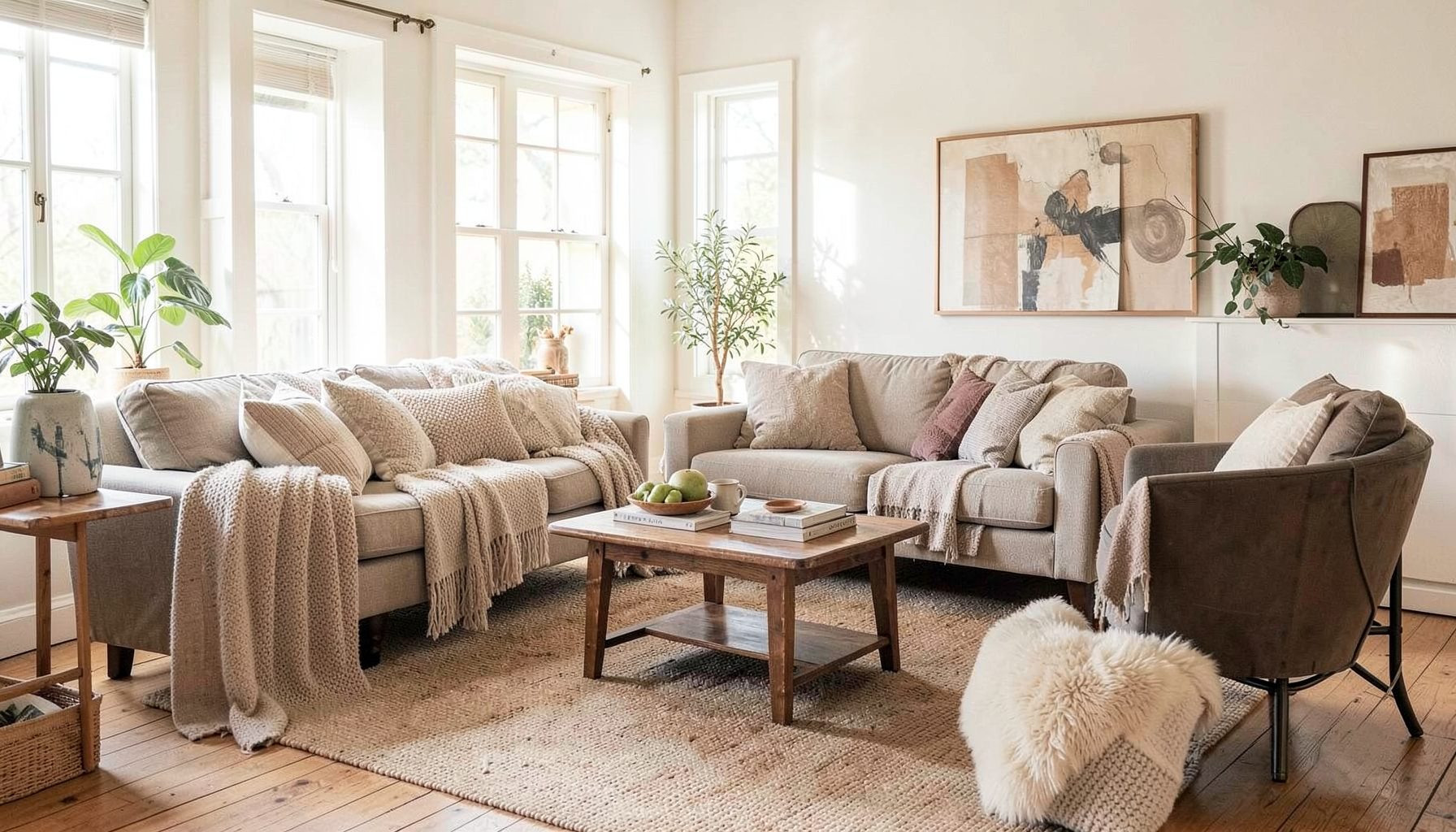
Full-service decorating that blends high and low, vintage finds with modern pieces for spaces that feel personal and collected.
Learn More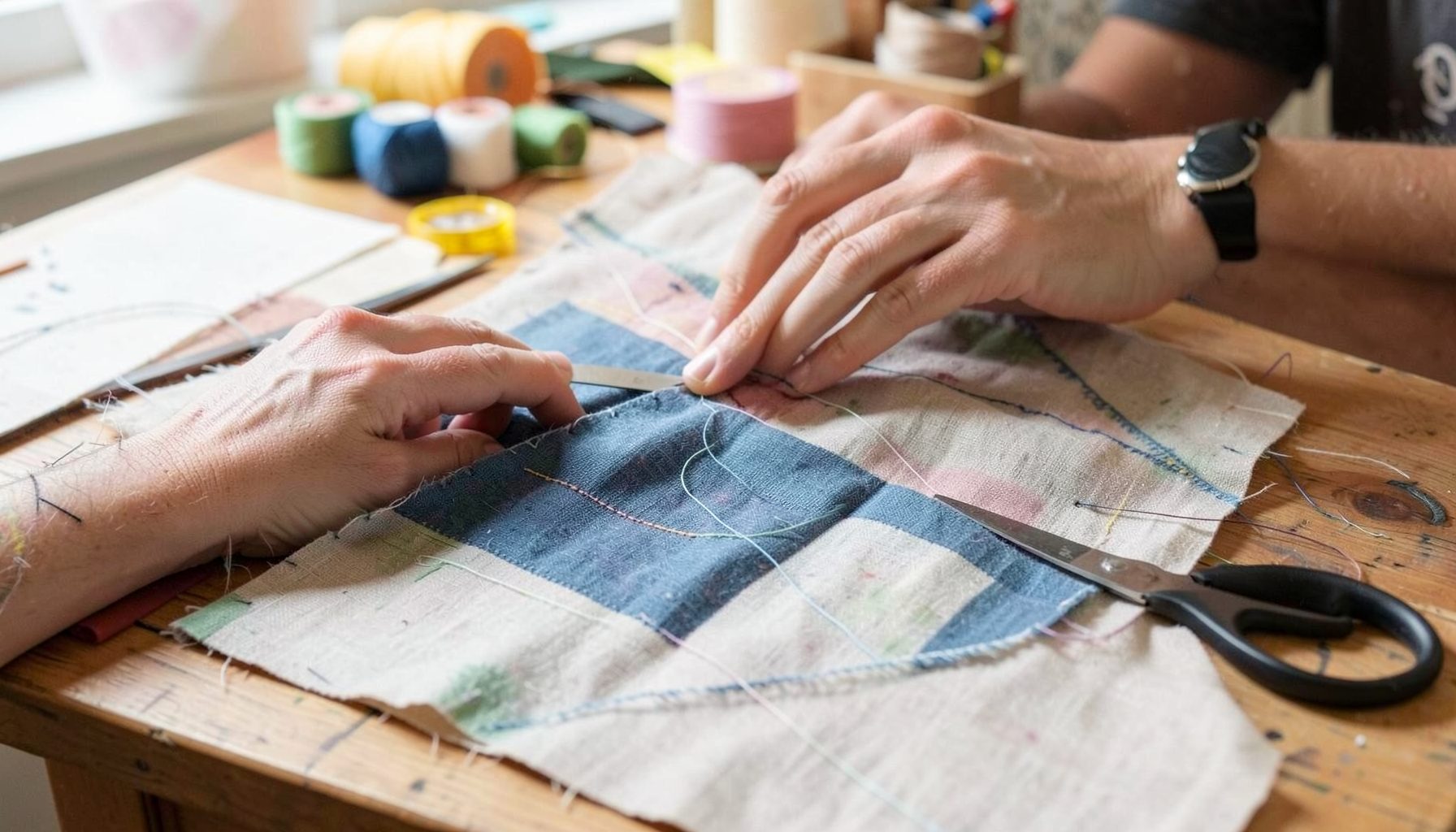
DIY Projects
Step-by-step tutorials for refinishing furniture, sewing pillows, styling bookshelves, and transforming rooms on a budget.
Learn More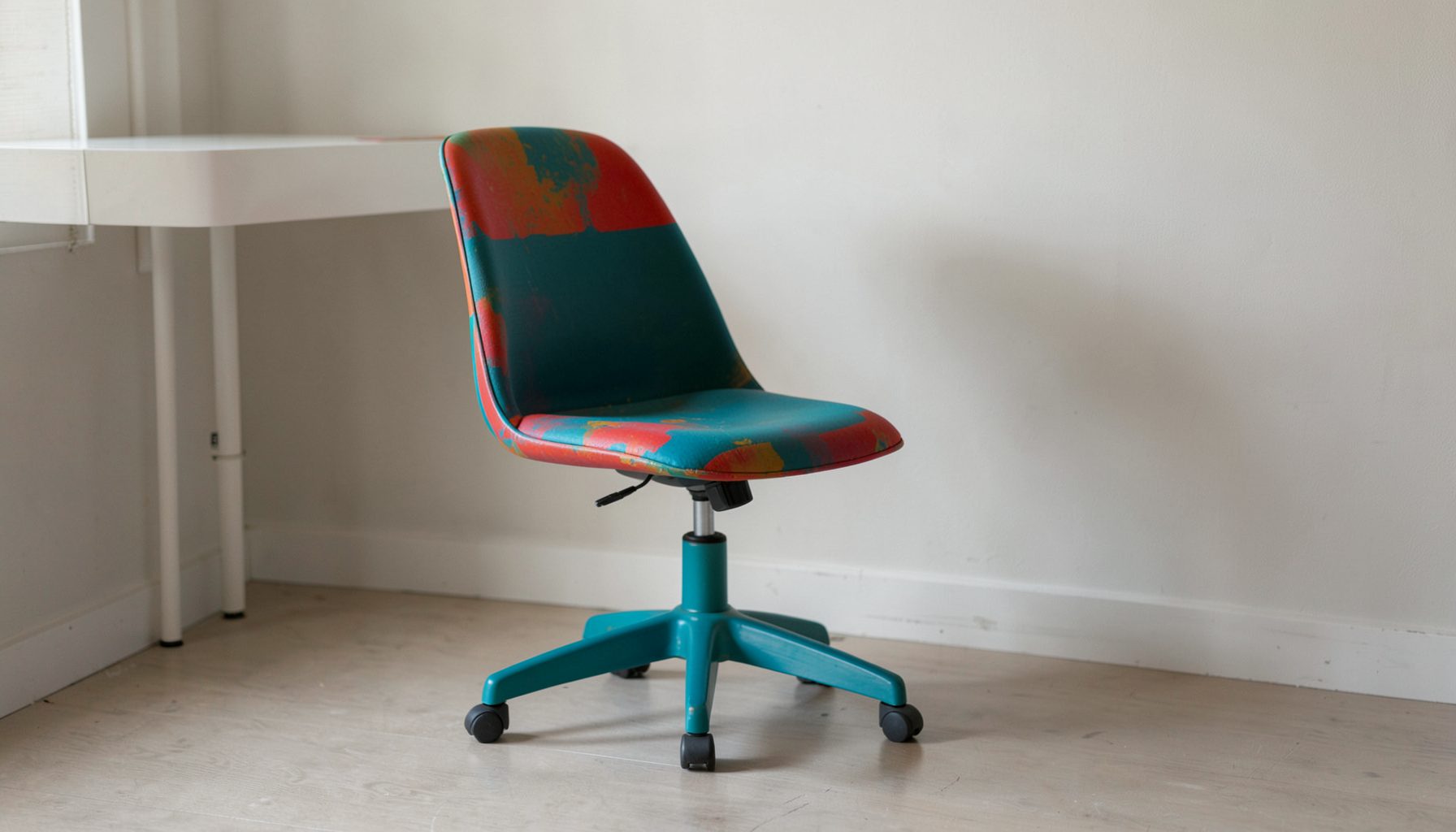
E-Decorating
Personalized design guidance delivered online — perfect for clients anywhere in the world who want a professional eye.
Learn More
Portfolio
Browse completed room makeovers, before-and-after transformations, and styling projects from Bay Area homes.
Learn More
Blog
Interior design inspiration, fashion finds, entertaining ideas, and peeks into real home renovations and styling projects.
Learn More
Downloads
Free curated resources for home decorating and design — guides, checklists, and inspiration to help you get started.
Learn MoreMaking a Large Wall Feel Intimate with Oversized Art and Ambient Lighting
A large blank wall can make a room feel unfinished, even when the furniture, flooring and finishes are carefully considered. The scale creates visual distance: seating appears scattered, artwork feels undersized and the room loses the sense of enclosure that makes a home comfortable. The answer is rarely to fill every centimetre. A more effective approach combines one confident piece of oversized art with warm, layered lighting and a few supporting textures.
This method works particularly well in Australian homes, where open-plan living areas, tall ceilings and generous windows are common. A Sydney apartment may have a long living-room wall opposite a compact kitchen, while a Melbourne terrace can have a narrow room with a surprisingly high ceiling. In both settings, the right composition can draw the wall closer without making the space feel crowded.
An intimate room should feel collected rather than matched. Vintage timber, contemporary upholstery, framed textiles and a sculptural lamp can sit comfortably together when their proportions and tones relate. The aim is to create a visual destination that feels personal, softly illuminated and connected to the way the room is used.
Start With The Wall’s Actual Scale
Before choosing art, assess the wall in relation to the furniture below it. A large work should usually occupy around two-thirds to three-quarters of the width of a sofa, sideboard or console. If the artwork is too narrow, the wall remains visually dominant. If it is too wide, the furniture can look compressed beneath it.
Measure the usable area rather than the full wall. Include windows, door openings, air-conditioning units, power points and any architectural details that interrupt the composition. In an open-plan Australian living area, a wall may also need to work from several viewpoints: the sofa, dining table and kitchen island. Stand in each position and consider whether the artwork will still anchor the room from across the space.
Height matters just as much as width. The centre of a large painting can sit close to eye level when viewed from the main seating position, but the lower edge should also relate to the furniture. A common starting point is 150 to 200 millimetres above a sofa, adjusted for the frame, ceiling height and the artwork’s visual weight. A lower placement can make a lofty room feel calmer and more intimate.
Do not assume the largest available canvas is the best choice. A tall vertical piece can emphasise the height of a narrow wall, while a broad horizontal work can settle a long room. For an unusual wall, consider two large panels, a diptych or a linen textile stretched over a frame. These options bring scale without the formality of a traditional gallery arrangement.
Choose Art With Emotional Weight
Oversized art should bring atmosphere, not simply occupy space. Look for pieces with a restrained palette, visible texture or a subject that rewards repeated viewing. Abstract painting, moody landscapes, tonal photography and large-scale botanical studies can all create a more enveloping mood than a collection of small decorative prints.
Colour should connect with the room without copying it exactly. If the upholstery is oatmeal, introduce related tones through chalky beige, tobacco, faded olive or warm grey. In a coastal Queensland home, a muted blue-green artwork may echo the landscape without turning the room into a themed interior. In a darker Melbourne room, rust, plum and ochre can add warmth against cream walls and timber flooring.
The frame is part of the composition. A slim black frame gives definition and suits contemporary interiors, while aged timber brings softness and a collected quality. A canvas with a painted edge can feel relaxed, though it may need a substantial depth to hold its presence on a very large wall. For a more layered effect, lean a framed piece on a deep sideboard rather than hanging it, then add a lamp and a small object in front.
Australian interiors often benefit from work that reflects local light and landscape without becoming predictable. A print from a regional artist, a textile from a local maker or a photograph of a familiar coastline can give the wall a sense of place. In a home that includes vintage furniture and contemporary pieces, this personal connection helps the room feel designed for its occupants rather than assembled from a single showroom.
Build A Warm Lighting Composition
A large artwork needs illumination, but bright overhead light can flatten its texture and make the room feel exposed. Ambient lighting does the opposite: it creates pools of warmth around the art, furniture and architectural edges. Begin with the room’s existing light sources, then add layers rather than relying on one central fitting.
Wall washers, picture lights and adjustable track heads can provide focused illumination. A picture light mounted above the frame gives a classic, gallery-like effect, while a ceiling-mounted adjustable spotlight can be less visually prominent. Aim the beam so it grazes the artwork evenly. Test the position at night, because glare on glass or a dark patch near the bottom edge can be difficult to notice during daylight.
Add a low light source nearby to connect the wall with the seating area. A ceramic table lamp on a console, a floor lamp beside an armchair or a pair of small lamps on a sideboard can make the artwork feel part of the room rather than a separate display. Choose lampshades that diffuse light instead of exposing a harsh bulb. Warm-white LEDs around 2700K to 3000K usually create a comfortable residential atmosphere.
Dimmers are essential. Australian homes can shift quickly from bright daytime entertaining to a quieter evening setting, and the lighting should support both. Use separate controls for overhead, artwork and decorative lamps where possible. If you are adding hardwired fittings, engage a licensed electrician and check the relevant state requirements. A concealed cable may produce a cleaner result, but an attractive fabric flex can also become part of the design when used deliberately.
Energy use is another practical consideration. LEDs reduce power consumption and produce less heat around art, which is useful in warmer parts of Australia such as Brisbane and Perth. Choose a high colour-rendering lamp so the artwork’s subtle tones remain accurate. A bulb that makes everything look blue or yellow can undermine an otherwise carefully balanced room.
Use Supporting Pieces To Draw The Wall In
Art and lighting establish the focal point, but supporting pieces make the composition feel inhabited. A low console, slim credenza or substantial bench can give the wall a visual base. Keep the surface edited: one lamp, a stack of books, a bowl, a vase or a small sculpture is usually enough. The goal is to reinforce the artwork’s scale without competing with it.
Plants can soften the edges of a large composition, particularly when the wall feels architectural or stark. A tall tree placed slightly to one side creates an asymmetrical frame, while a trailing plant on a console adds movement. Select varieties suited to the actual light and climate. A fiddle-leaf fig may struggle in a dim Melbourne hallway, while a hardy cast-iron plant or kentia palm can be more forgiving indoors.
Texture is equally useful. A wool rug, boucle chair, linen curtains or leather ottoman can absorb some of the room’s visual hardness. Large walls often reflect sound, so these materials also improve acoustics. This matters in open-plan homes where a television, kitchen appliances and conversation can make an expansive room feel noisy rather than relaxing.
Keep the arrangement slightly irregular. A lamp aligned perfectly with the centre of the art can look staged, while a vase or plant placed off-centre gives the eye a more natural path. This collected approach is especially effective when combining Australian-made objects with vintage finds and accessible pieces from the mainstream market. The result feels considered without becoming precious.
For more ideas on combining colour, scale and layered accessories, explore these decorating resources, which include practical inspiration for rooms that need warmth and personality.
Adapt The Idea To Australian Homes
The same wall treatment will look different in a Sydney high-rise, a Canberra family home or a restored Adelaide bungalow. Consider the direction of the windows first. Strong western sun can fade artwork and make evening glare uncomfortable, so use UV-protective glazing, blinds or curtains where necessary. Works on paper and textiles need particular care, especially in rooms exposed to direct afternoon light.
Humidity and ventilation also influence the choice of materials. In Brisbane and other subtropical areas, allow airflow around framed work and avoid placing valuable pieces directly against damp external walls. In coastal homes, metal hardware should be appropriate for the environment, while natural timber may need regular care. These details are quiet but important when a decorative scheme is expected to last.
Renters should plan the installation around local tenancy rules. Requirements differ between states and territories, and a major wall-mounted fitting may require written permission from the owner or property manager. In Victoria, some minor modifications are permitted under residential tenancy rules, but substantial changes and certain fixtures still need approval. Use removable solutions only when the artwork is light enough for the fixing system, and never rely on adhesive strips for a valuable oversized piece.
The Australian market offers plenty of practical choices at different price points. A custom frame from a local framer can be worth the investment when the art is unusually large, but a ready-made frame, stretched canvas or carefully selected vintage piece may achieve the same visual impact for less. Bunnings and independent hardware shops can supply cable management, anchors and dimmer components, while local lighting studios and antique markets add character that mass-produced accessories often lack.
A large wall becomes intimate when its scale is acknowledged rather than hidden. Choose art with enough presence to hold the room, use warm light to bring it forward after dark and place tactile, personal objects around it. Begin by measuring the wall and the furniture beneath it, then test the proposed artwork and lighting positions before making the final installation.

Recent Projects