Interior Design
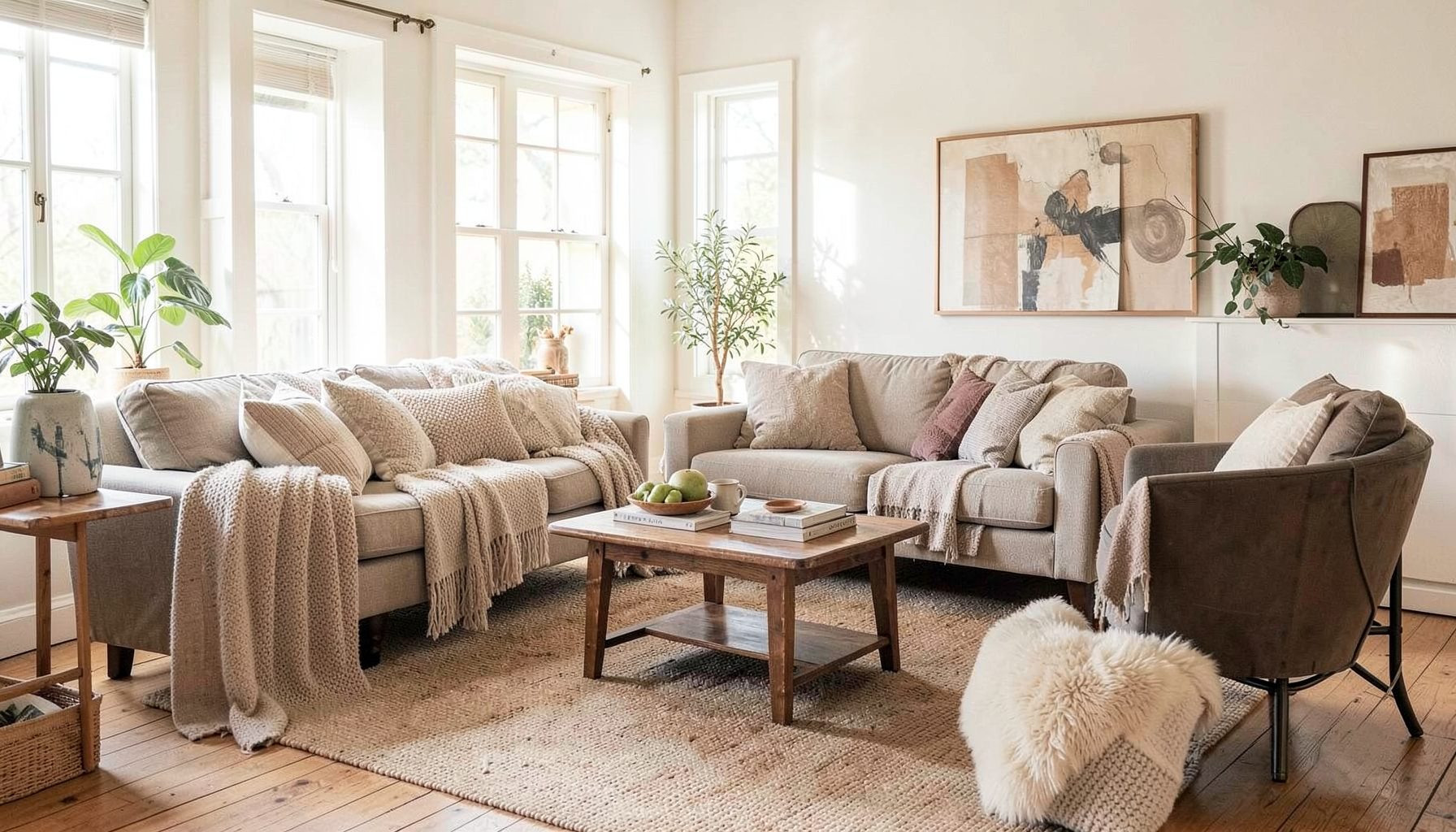
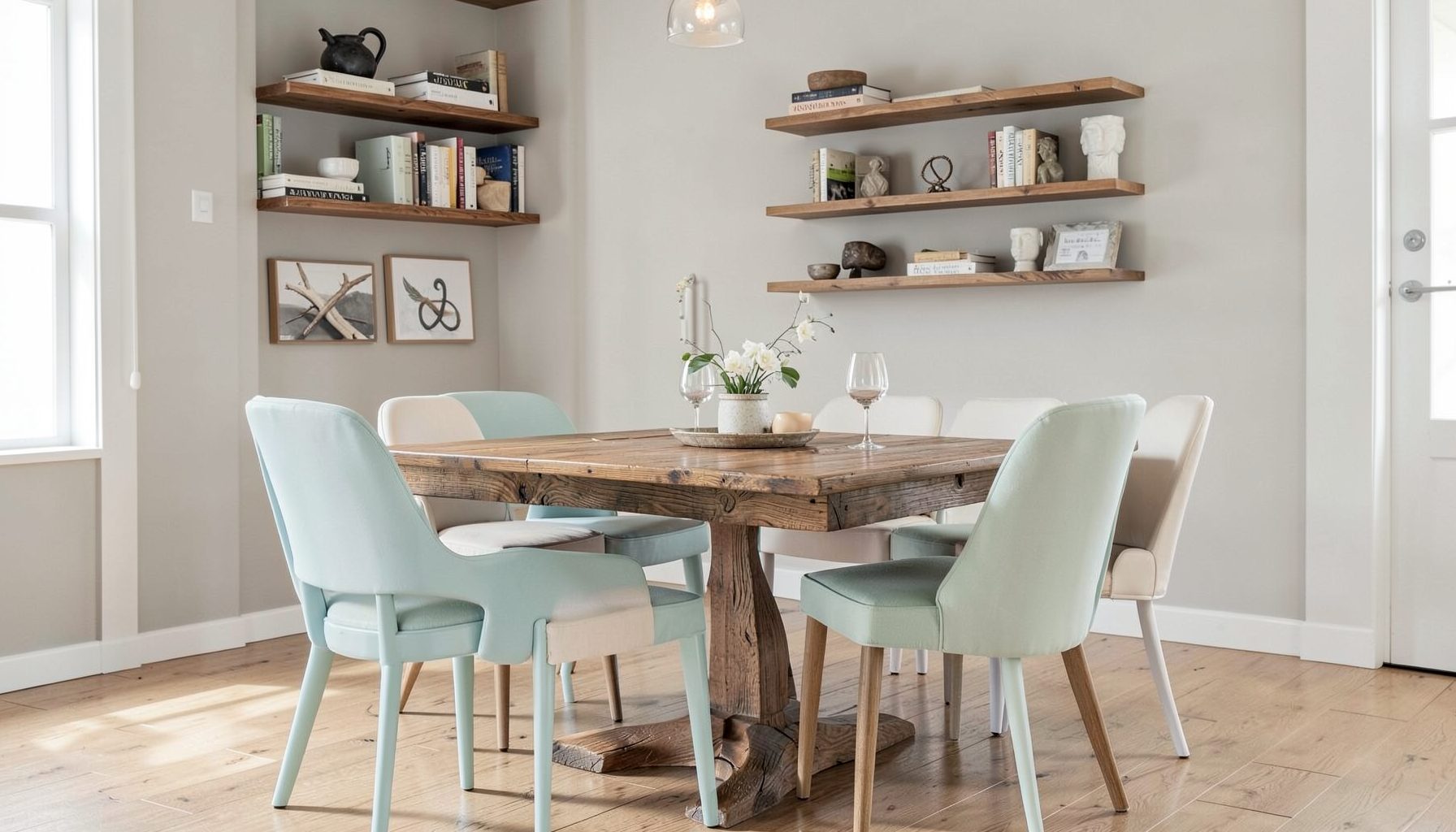
Full-service decorating that blends high and low, vintage finds with modern pieces for spaces that feel personal and collected.
Learn More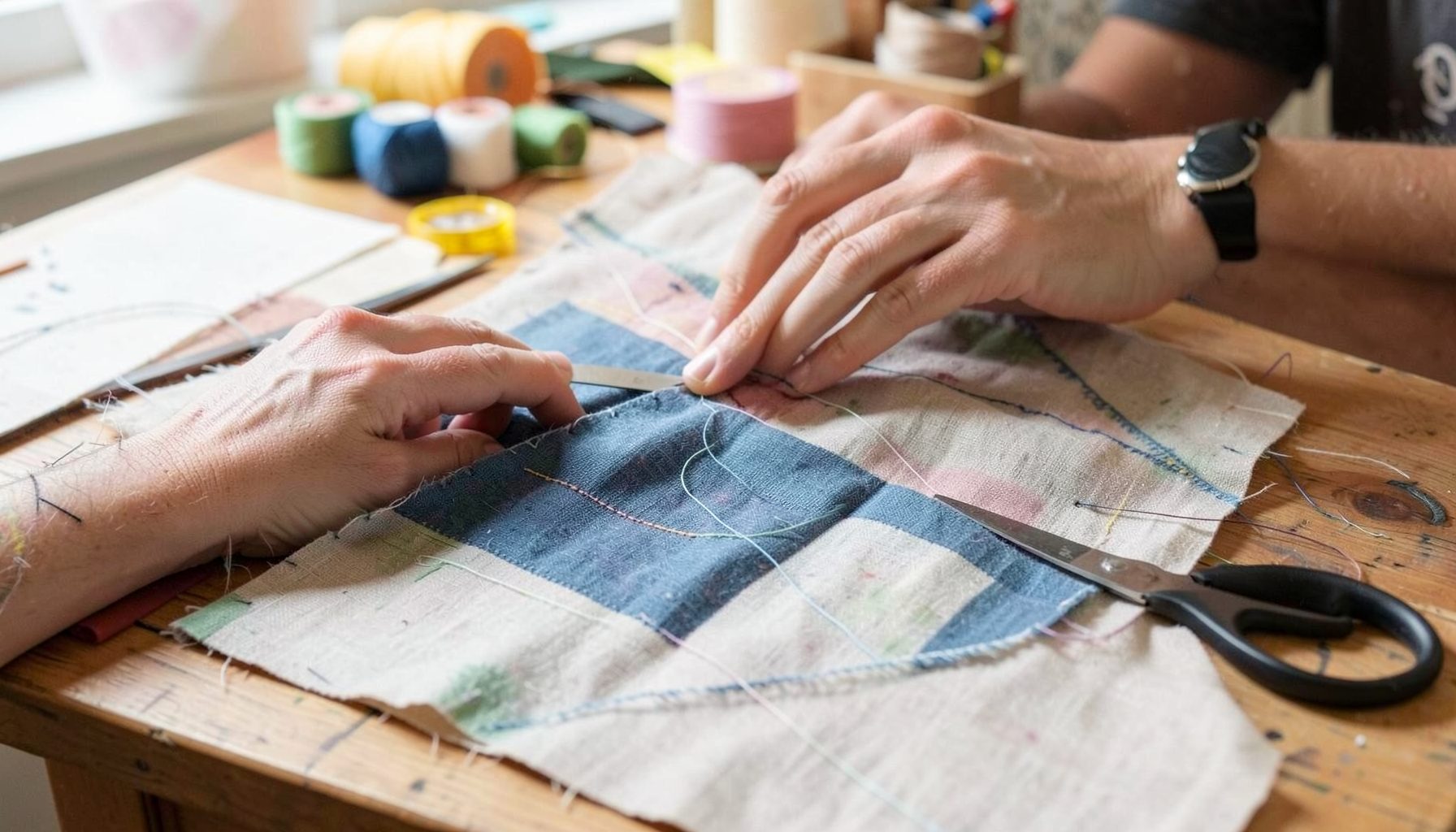
DIY Projects
Step-by-step tutorials for refinishing furniture, sewing pillows, styling bookshelves, and transforming rooms on a budget.
Learn More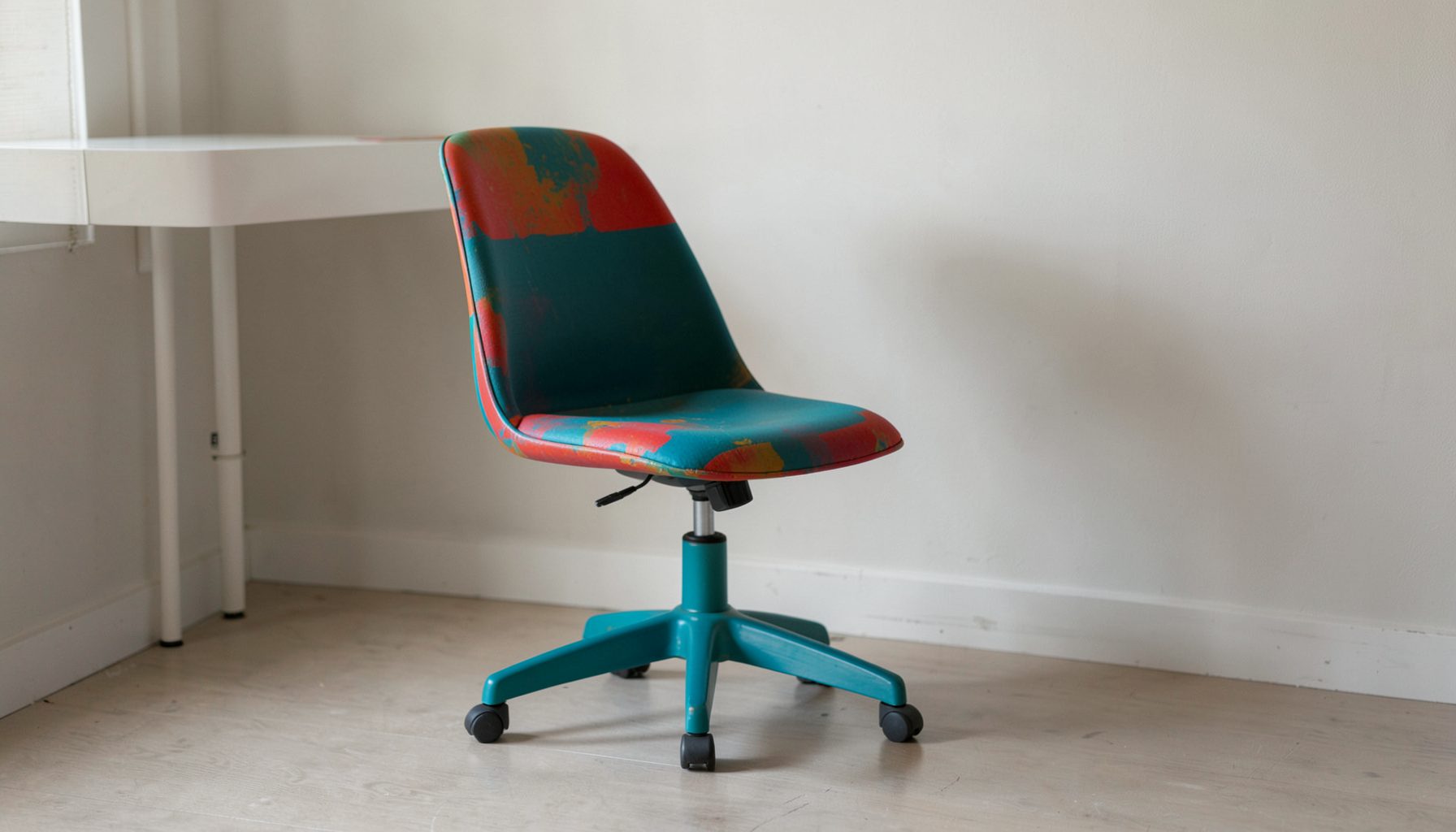
E-Decorating
Personalized design guidance delivered online — perfect for clients anywhere in the world who want a professional eye.
Learn More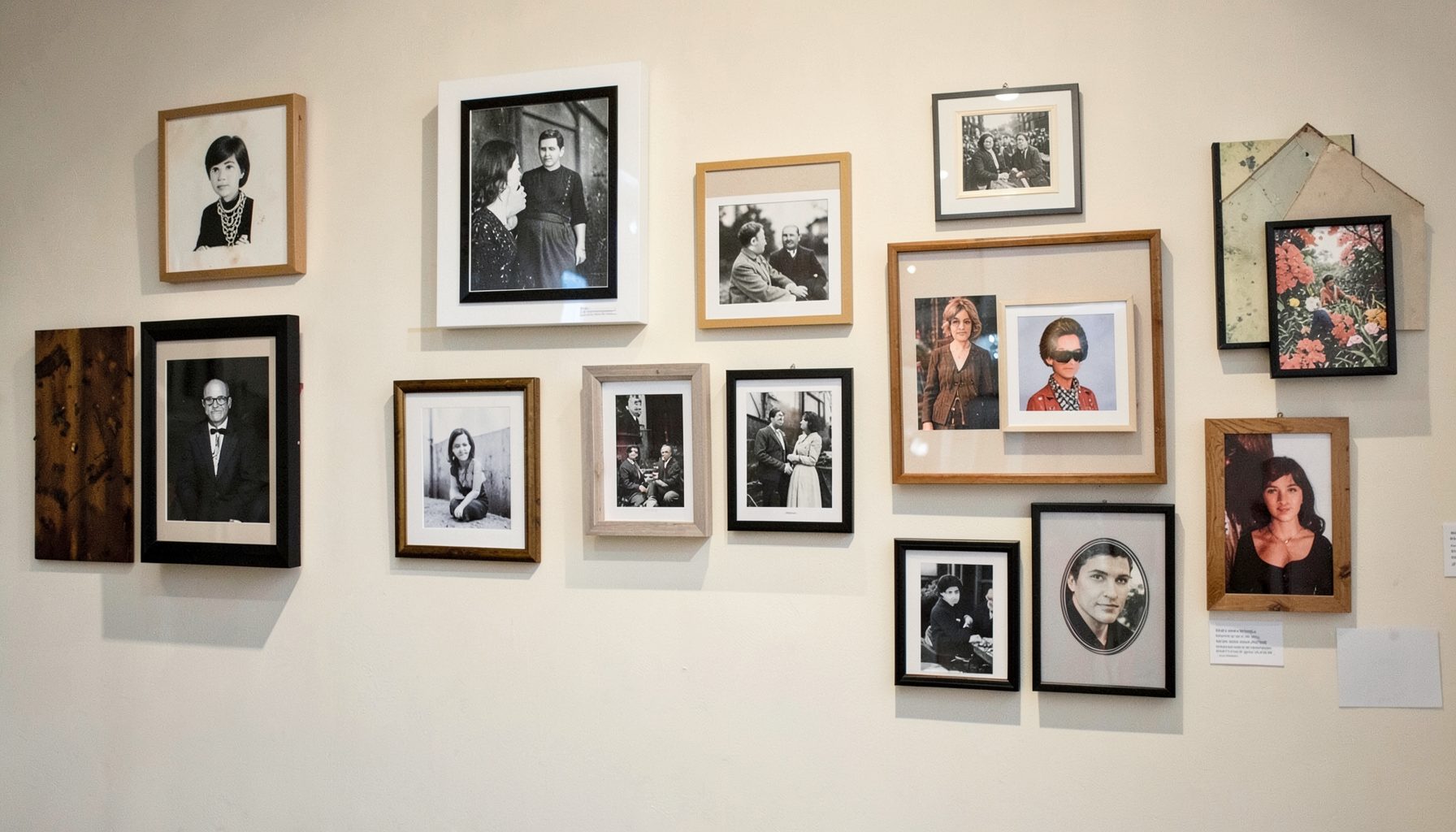
Portfolio
Browse completed room makeovers, before-and-after transformations, and styling projects from Bay Area homes.
Learn More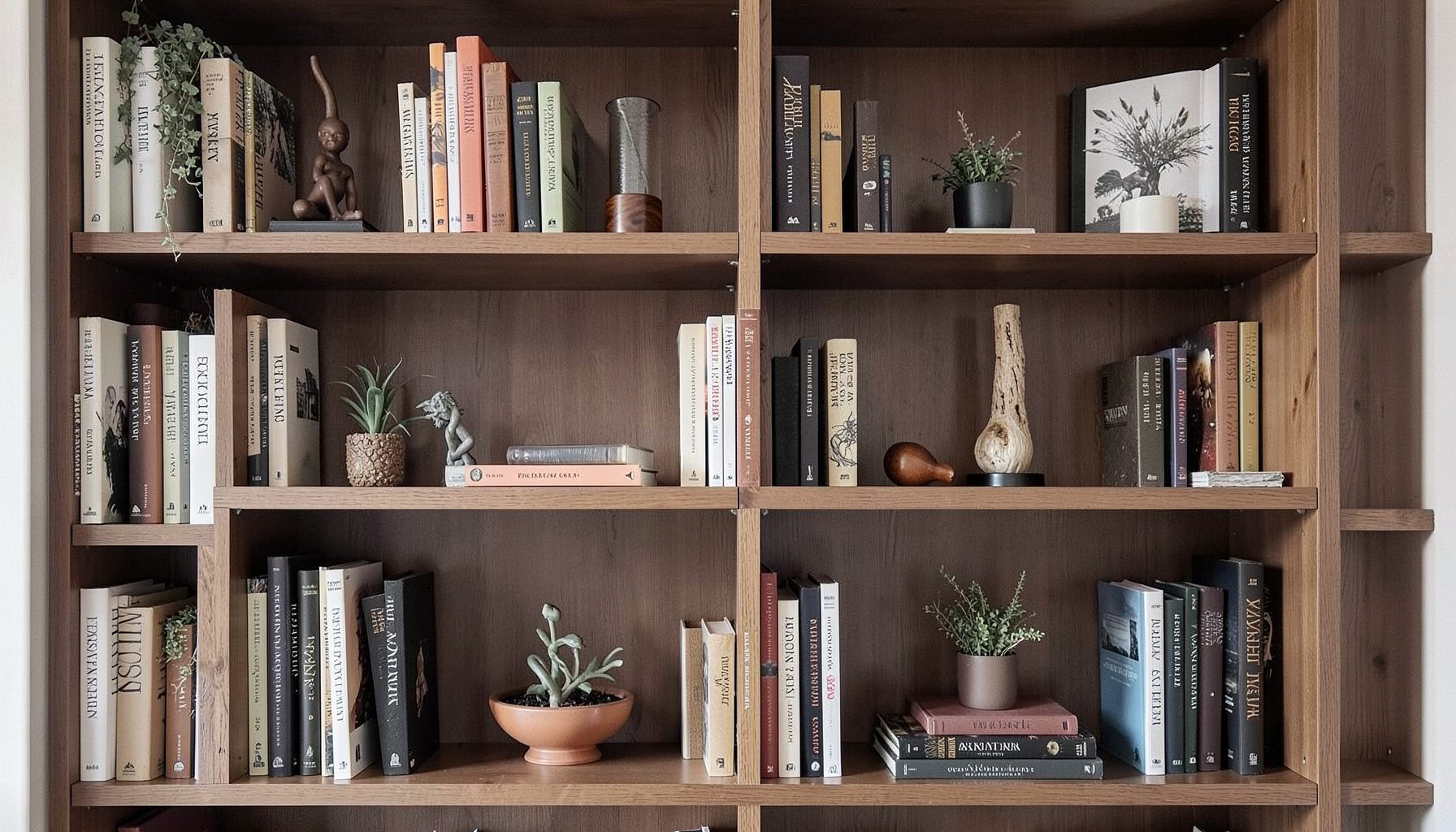
Blog
Interior design inspiration, fashion finds, entertaining ideas, and peeks into real home renovations and styling projects.
Learn More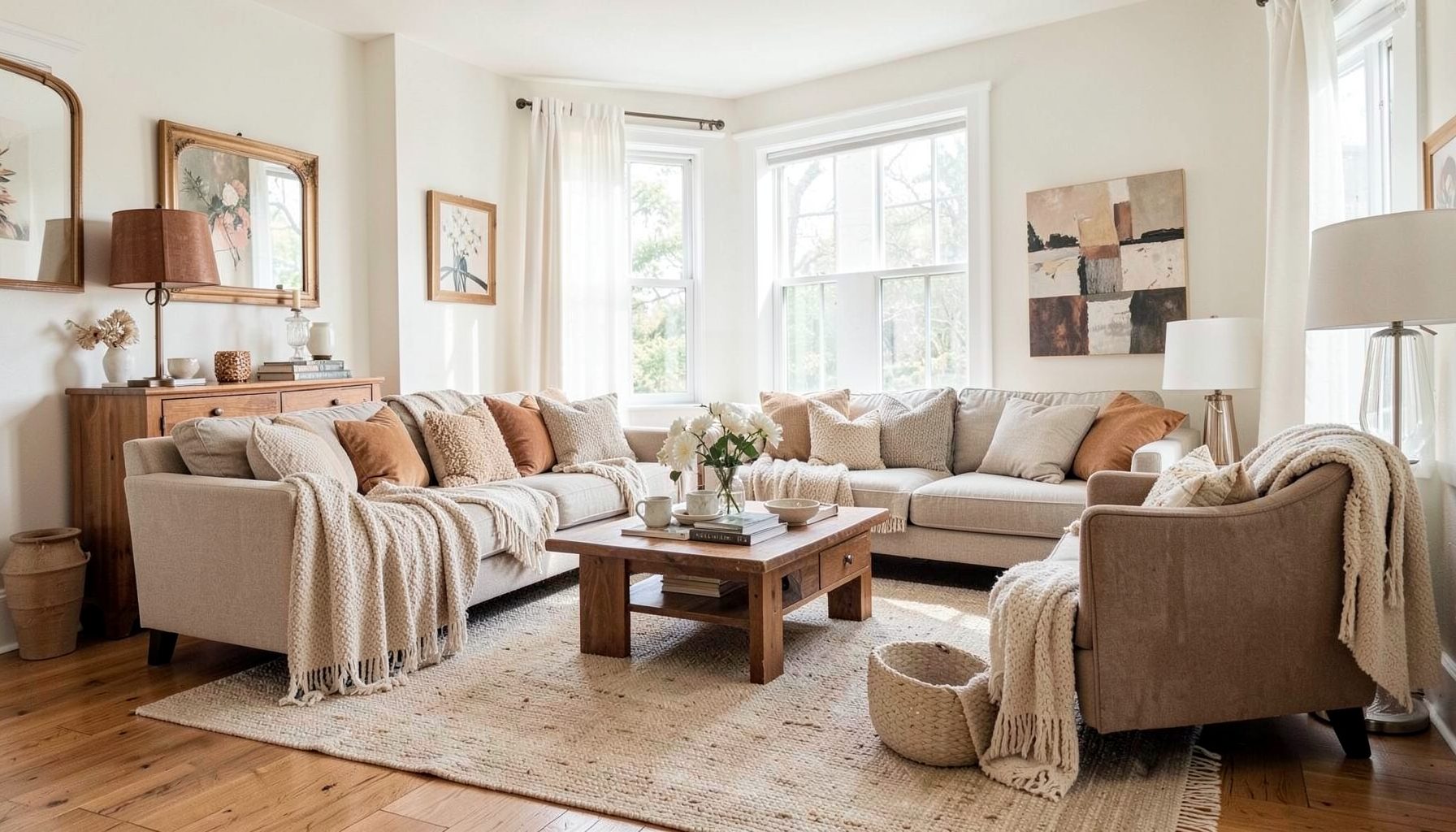
Downloads
Free curated resources for home decorating and design — guides, checklists, and inspiration to help you get started.
Learn MoreMaking a Home Office Feel Less Clinical with Plants and Personal Objects
A home office can be wonderfully efficient and still feel a little lifeless. A white desk, black task chair, bright overhead light and a tangle of technology may support a productive workday, yet the room can resemble a waiting area rather than a place that belongs to you. Plants, artwork, books and meaningful objects bring warmth back into the space without compromising its practical purpose.
This matters in Australian homes, where a study may need to perform several jobs. It could be a spare bedroom in a Melbourne terrace, a corner of an apartment in Sydney, or a compact desk tucked beneath the stairs in Brisbane. With many people working from home for at least part of the week, the office often sits in full view of the living room rather than behind a closed door.
The most inviting schemes balance order with evidence of real life. A timber tray can soften a streamlined desk, while a framed print introduces colour without creating visual noise. A leafy plant breaks up hard lines and improves the feeling of connection to the outdoors. These small details create a layered interior that feels collected rather than decorated in one afternoon.
The aim is not to fill every surface. Personal objects work best when they are edited, varied in height and connected by a loose colour story. A few well-chosen pieces can make a room feel settled, whether your style leans towards coastal, contemporary, eclectic or quietly vintage.
Start With A Softer Base
Clinical rooms often begin with too much visual uniformity. If the desk, drawers, shelving and walls are all white or cool grey, the eye has nowhere to rest. Introducing one or two warmer materials can change the atmosphere immediately. Timber, cane, linen, wool and aged brass are useful because they add texture as well as colour.
A timber desktop is an easy place to begin, but a fully wooden desk is not essential. A warm-toned desk lamp, woven wastepaper basket or cork pinboard can provide a similar effect. In a rental, removable wallpaper or a large textile wall hanging can bring softness without permanent alterations. Even a simple linen curtain can make a spare room feel less like a work zone and more like part of the home.
Consider the temperature of the room as well as its palette. Cream, mushroom, olive, tan and muted terracotta tend to feel more welcoming than stark white and blue-grey. Australian homes often receive strong natural light, particularly in north-facing rooms, so test paint samples at different times of day. A colour that looks gentle in the morning may appear much brighter in direct afternoon sun.
Your chair also has a large visual impact. Ergonomics still matter, but a bulky black office chair is not the only option. Look for an upholstered task chair, a timber-framed model with proper lumbar support, or a chair that can be upholstered in a durable fabric. If you use a conventional office chair, place a small cushion or wool throw nearby to connect it with the rest of the room.
Choose Plants That Suit The Room
Plants are one of the quickest ways to make a home office feel alive. Their irregular shapes interrupt the straight lines of monitors, shelving and desks, while green foliage adds a calm, natural note. The right plant depends on available light, ventilation and your willingness to maintain it. A healthy modest plant will always look better than an ambitious specimen struggling in the wrong position.
For a bright Australian room, consider a kentia palm, rubber plant, bird of paradise or fiddle-leaf fig, provided there is enough space and indirect light. In a smaller study, a trailing heartleaf philodendron, pothos or peperomia can sit on a shelf without taking over the desk. Snake plants and ZZ plants are practical choices for people who travel, work long hours or occasionally forget to water.
Native plants can bring a distinctly local character, although many Australian natives prefer outdoor conditions. A small eucalyptus branch in a ceramic vessel, dried banksia or sculptural kangaroo paw can add an Australian reference without pretending that every native species is suited to indoor life. Ask a local nursery about plants that will cope with your room’s conditions, especially in dry Adelaide weather or humid coastal areas around Brisbane and the Gold Coast.
Vary the height and placement of greenery. A floor plant can soften an empty corner, while a small pot near the monitor gives the desk a more personal rhythm. Hanging planters are useful in compact Sydney apartments, where floor space is limited, but keep them away from cables and areas where water could damage timber. Choose pots with character: terracotta, matte ceramic, ribbed stoneware and woven baskets feel more considered than a collection of identical plastic containers.
Display Objects With A Personal Story
Personal objects prevent a workspace from feeling like a showroom. The most successful pieces usually have a reason for being there: a small artwork bought on a trip, a pottery cup made by a local artist, a family photograph or a book connected to your interests. These items create an emotional layer that a perfectly matched accessory set cannot provide.
Try grouping objects in threes or fives, using different heights and shapes. A framed print can sit behind a small vase, with a stack of books creating a lower level in front. A timber box can gather chargers and stationery while adding warmth. If you collect ceramics, display one or two favourites rather than every piece at once. Rotation keeps the room fresh and prevents the desk from becoming crowded.
Australian makers and second-hand sources offer plenty of character at accessible prices. Browse a local makers’ market, an op shop, Gumtree or Facebook Marketplace for vintage desk accessories, framed maps, old timber stools and brass lamps. A pre-loved object may have a small mark or uneven finish, but those details often make the room feel more human. The same principle applies to budget-friendly finds from IKEA Australia or Bunnings: combine them with one distinctive vintage or handmade piece.
Use personal photographs thoughtfully. A small gallery wall can make a study feel connected to the rest of the home, while a single oversized image creates a calmer focal point. Black frames give structure, timber frames add warmth and mismatched frames support an eclectic scheme. Keep images at a comfortable viewing height and avoid placing fragile objects where an elbow, laptop bag or energetic pet could knock them over.
Layer The Desk For Comfort And Function
A welcoming workspace still needs to work hard. Begin by separating the items that support daily tasks from those that provide atmosphere. Your monitor, keyboard, notebook and lamp belong within easy reach. Decorative objects can sit at the edges or behind the main working area, where they remain visible without competing for space.
A desk mat is a simple way to soften a hard surface and define the work zone. Leather, felt, cork and woven materials are practical alternatives to glossy plastic. Add a ceramic pencil cup, a lidded box for small technology and a tray for items that might otherwise scatter across the desk. Conceal power boards beneath the desktop and use cable clips in a colour close to the wall or furniture.
Lighting deserves special attention. Bright ceiling lights can make a study feel harsh, particularly during video calls. Combine natural daylight with a warm desk lamp and, if necessary, a floor lamp that washes light across a wall. A dimmable globe lets the room shift from focused work during the day to a softer atmosphere when the office becomes a reading corner in the evening.
Be mindful of screen glare in Australia’s strong sunlight. Position monitors perpendicular to windows where possible, and use blinds or sheer curtains to control brightness rather than blocking the window completely. This preserves the connection with the outdoors while making the room more comfortable. In a Brisbane summer, a fan may be essential; choose a quiet model with a finish that suits the room instead of treating it as an afterthought.
Create A Collected Look Without Clutter
Layered interiors are built through contrast. Pair sleek technology with a worn timber frame, a modern desk with a vintage lamp, or a simple white wall with a richly textured rug. The mix should feel intentional, but it does not need to be perfectly coordinated. Repeating one or two colours across the room is enough to create cohesion.
A rug can make a significant difference in a hard-floored study. Flatweave wool, jute or a low-pile patterned rug adds comfort underfoot and helps define the office within a larger room. In a home with children or pets, choose a forgiving pattern and a material that is easy to clean. Layering a smaller rug over a larger neutral one can add interest, although the scale should suit the room rather than obstruct the chair.
Shelving provides an opportunity to combine useful and beautiful things. Keep some sections open for books, plants and artwork, then use baskets or boxes to conceal paperwork and spare cables. Leave a little empty space around each group. Negative space is what allows personal objects to be noticed; without it, even lovely pieces can look like visual clutter.
Finally, let the room evolve. You do not need to purchase every accessory at once, and a home office rarely feels personal when every item comes from the same collection. Start with the pieces you already own, then add slowly through local shops, markets and second-hand finds. A room assembled over time tends to reflect its occupant more honestly than a perfectly matched package.
The most effective transformation may be surprisingly small: move the desk towards better light, add one generous plant, replace a cool lamp with a warm-glowing one and display an object that carries a memory. From there, build with texture, practical storage and a few pieces that make you happy to spend time in the room. The practical takeaway is simple: keep the technology organised, then use living greenery and meaningful objects to make the space feel unmistakably yours.
Recent Projects