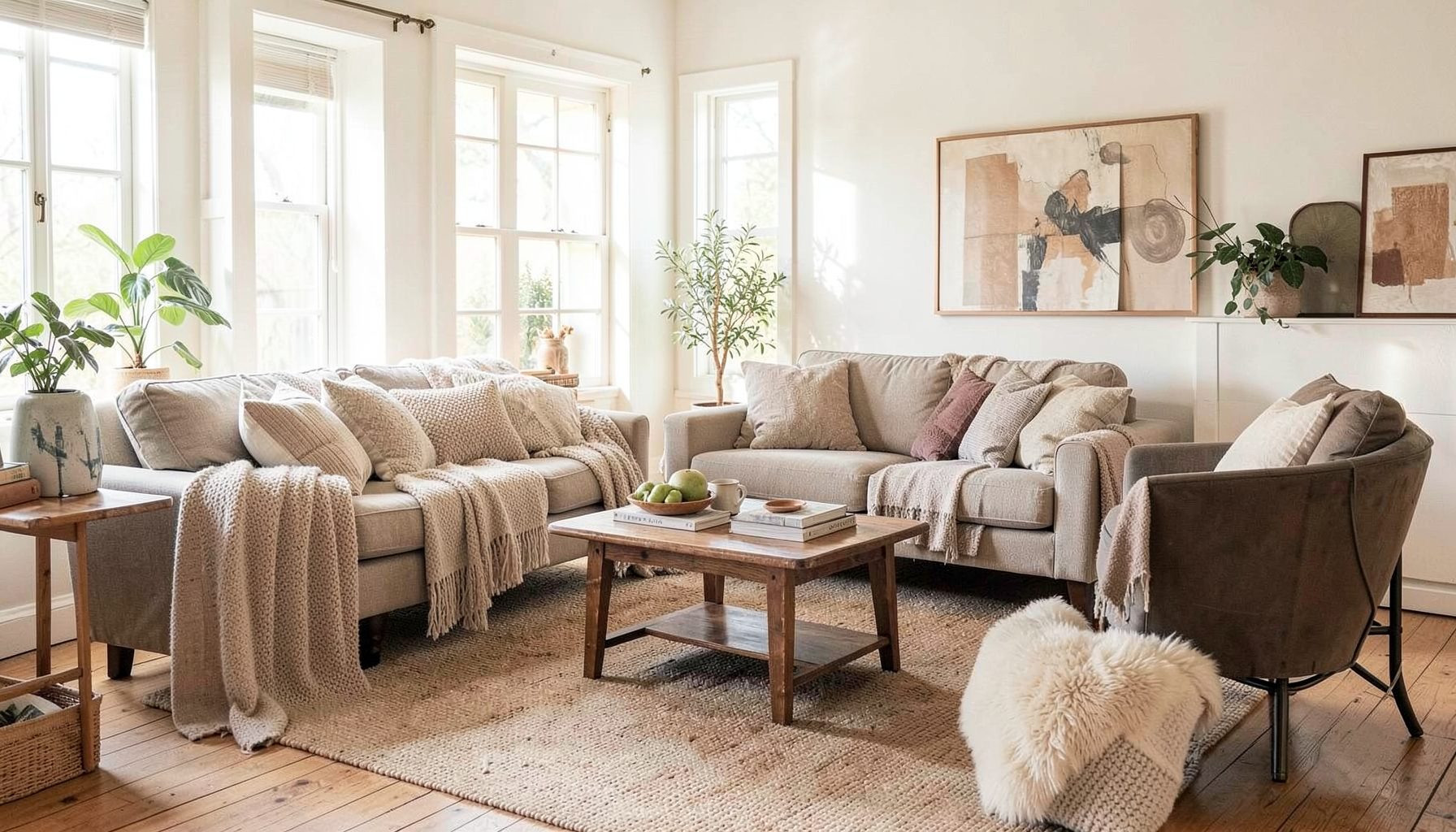
Interior Design
Full-service decorating that blends high and low, vintage finds with modern pieces for spaces that feel personal and collected.
Learn More
DIY Projects
Step-by-step tutorials for refinishing furniture, sewing pillows, styling bookshelves, and transforming rooms on a budget.
Learn More
E-Decorating
Personalized design guidance delivered online — perfect for clients anywhere in the world who want a professional eye.
Learn More
Portfolio
Browse completed room makeovers, before-and-after transformations, and styling projects from Bay Area homes.
Learn More
Blog
Interior design inspiration, fashion finds, entertaining ideas, and peeks into real home renovations and styling projects.
Learn More
Downloads
Free curated resources for home decorating and design — guides, checklists, and inspiration to help you get started.
Learn MoreMaking a Dining Room Feel Cozy with a Round Table and Bench
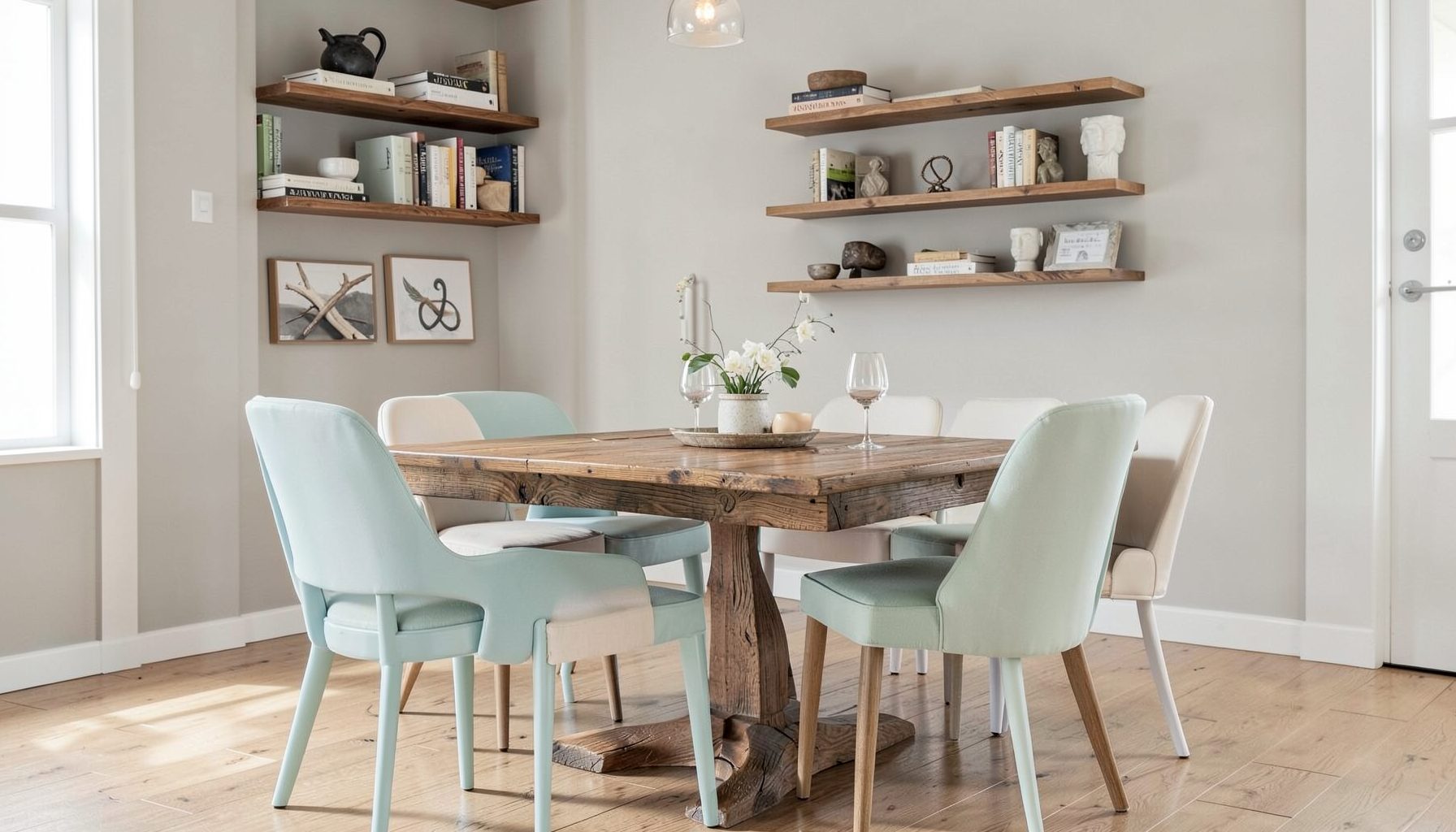
A dining room can feel warm and welcoming without becoming crowded or overly formal. A round table softens the geometry of a room, encourages conversation, and makes it easier to move around corners. Add a well-designed bench and the space gains an inviting, relaxed quality that suits everything from a quick weekday breakfast to a long Sunday lunch.
The most successful rooms balance comfort with character. Timber, linen, aged finishes, patterned textiles, thoughtful lighting, and a mix of old and new pieces can make a dining area feel collected rather than decorated in a single afternoon. In Australian homes, where dining rooms often connect directly to kitchens, living areas, or outdoor entertaining spaces, this flexible approach is especially useful.
Start With the Right Table Proportion
A round dining table works best when its diameter suits the room and the number of people who will use it. A table around 1000 to 1100 millimetres wide is generally comfortable for two to four diners, while a 1200 to 1400 millimetre table can accommodate four to six, depending on the base and chair sizes. Larger tables may look beautiful in a generous room, but they can quickly dominate a compact apartment or narrow terrace.
Measure the full dining zone rather than the table alone. Allow roughly 900 millimetres around the table where people need to pull out chairs, pass behind seated diners, or open a nearby cabinet. If the dining area sits beside a kitchen island, walkway, or sliding door to a courtyard, allow extra room for daily movement. A round shape helps eliminate sharp corners, but it cannot compensate for insufficient clearance.
The table base also affects the atmosphere. A central pedestal gives everyone more legroom and avoids the awkwardness of table legs meeting bench supports. A substantial timber pedestal creates a grounded, rustic feel, while a painted or stone base can make the room feel more tailored. In a Sydney terrace or Melbourne weatherboard home, a softly finished oak or recycled timber table can bridge traditional architecture and contemporary furnishings.
The Australian furniture market offers a wide range of options, from locally made hardwood pieces to flat-pack and online designs. Look closely at the finish, joinery, warranty, and delivery conditions rather than choosing solely by appearance. A table used every day should cope with hot serving dishes, spills, children’s craft projects, and the dry or humid conditions that vary across Australian regions.
Make the Bench Comfortable for Everyday Use
A bench brings a casual rhythm to a dining setting, but comfort depends on more than its appearance. The seat height should work with the table, generally around 450 millimetres for an adult dining bench, with enough depth to sit upright without feeling perched. A bench that is too deep can make it difficult to reach the table, while one that is too narrow may feel suitable only for short meals.
Choose a bench slightly shorter than the table diameter or length of the side it sits beneath. This allows diners to slide in and out without catching the table legs or damaging the wall. A backless bench can tuck away neatly and keep a small room visually open. A bench with a back provides greater support and can read more like a built-in banquette, especially when paired with cushions.
Upholstery introduces softness, colour, and a chance to connect the dining area to the rest of the home. Performance fabrics, washable cottons, leather, and hard-wearing textured weaves are practical choices for Australian households. For a relaxed look, use a seat cushion in a natural linen blend or a muted stripe. If the bench is timber, add a loose cushion rather than permanently attaching padding, so the surface can be cleared easily for cleaning.
Think about who uses the room most often. A family dining space may benefit from rounded bench edges, durable fabric, and cushions with removable covers. A home used for entertaining can handle a more decorative finish, such as a tailored upholstered seat or a vintage bench with visible patina. The goal is to make the bench feel like a place where people naturally linger, rather than an occasional extra seat.
Use Lighting to Create a Warm Centre
Lighting has a powerful effect on whether a dining room feels intimate or exposed. A pendant placed above a round table reinforces the shape and establishes a visual centre. Choose a fitting wide enough to relate to the table without overwhelming it. In many rooms, a pendant approximately half to two-thirds of the table’s diameter will feel proportionate, though ceiling height and shade volume also matter.
Hang the light low enough to create atmosphere while keeping faces visible across the table. A dimmable fitting is particularly valuable in Australia, where a dining area may be used for bright homework sessions, relaxed breakfasts, and evening entertaining. Always have hardwired lighting installed by a licensed electrician and ensure the work complies with the relevant Australian electrical requirements, including AS/NZS 3000 where applicable.
Apartments and strata homes in Brisbane, Sydney, and Melbourne may have restrictions affecting ceiling penetrations, electrical work, or changes to common property. Check the building’s by-laws and obtain any required approval before installing a new pendant. In a rental home, significant alterations usually require the owner’s written consent, with the exact rules governed by the relevant state or territory residential tenancy legislation.
Layer the pendant with secondary sources. A wall sconce, small lamp on a sideboard, or soft light from an adjoining kitchen can prevent the room from feeling harsh once the main light is switched off. Warm-white globes around 2700K to 3000K usually create a comfortable dining mood. Candlelight can add a beautiful glow, but battery-operated candles are a safer choice when young children, pets, or breezy outdoor connections are part of daily life.
Build Texture Through Colour and Materials
A cosy dining room rarely depends on one dramatic feature. Its warmth comes from several quieter layers working together: the grain of timber, the softness of upholstery, the irregularity of ceramics, and the depth of a painted wall. Start with a restrained base, then add two or three materials that create contrast without making the space visually busy.
Warm whites, putty, clay, olive, ochre, and muted terracotta can all complement a timber dining table. In a light-filled coastal or Queensland home, a chalky neutral with woven rattan and pale timber can feel airy while still welcoming. In a Melbourne or Hobart home, deeper wall colour, wool textiles, and aged brass may make the room feel more enveloping during cooler months.
Window treatments are often overlooked in dining spaces. Bare windows can make a room feel unfinished, particularly when the table sits beside glass doors. Linen curtains soften strong sunlight and improve acoustics, while a simple Roman blind can work well in a compact room. Consider the direction of the light: western-facing windows may need stronger sun control, especially in warmer Australian climates.
A rug can anchor the table and make the room feel more finished, provided it is large enough for chairs to remain on the rug when pulled back. For a round table, a round rug creates a coordinated look, while a rectangular rug can define a larger open-plan area. Flatweave wool, cotton, or indoor-outdoor rugs are practical options, particularly in homes where meals regularly move between the dining room and an alfresco area.
Add Personality Without Losing Breathing Room
The charm of a round table and bench comes from the feeling that the room is ready to use. Avoid filling every surface with accessories. Instead, select a few pieces with shape, history, or personal meaning. A low bowl of lemons, a hand-thrown vase, or a stack of art books can make a sideboard feel lived-in without creating clutter.
A sideboard or narrow console provides useful storage for napkins, serving pieces, candles, and table linens. Choose a piece with legs if you want the room to feel lighter, or a substantial cabinet if the dining area needs visual weight. Vintage furniture can be particularly effective beside a new table because small variations in timber tone and finish give the room a collected quality. Check that older pieces are stable, have no loose hardware, and are suitable for the way your household uses them.
Artwork should relate to the table’s scale and the surrounding architecture. A single large print can create a calm focal point, while a small arrangement of framed works can bring a more personal, layered feeling. Keep artwork high enough to avoid accidental knocks from chairs, and use appropriate fixings for the wall type. In a rental, leaning framed pieces on a sideboard may provide flexibility, subject to the property owner’s requirements.
Practical safety deserves to be part of the design. Keep pathways clear, secure unstable tall furniture where necessary, and avoid placing candles or trailing cords where they can be knocked. If purchasing from an Australian retailer, retain receipts and product information; the Australian Consumer Law provides consumer guarantees for goods bought from businesses, including that products should be of acceptable quality and fit for their intended purpose. Custom, vintage, and second-hand purchases still deserve careful inspection, particularly when they will be used every day.
A round table gives a dining room a natural sense of connection, while a bench adds ease and a little informality. The combination works best when the proportions allow people to move freely, the seat is genuinely comfortable, and the finishes invite touch. Soft lighting, tactile materials, and a handful of meaningful objects complete the atmosphere without making the room feel staged.
For an Australian home, the most useful approach is to design around real routines: morning coffee, school lunches, dinner with friends, and the occasional meal that stretches into the evening. Measure the circulation first, choose a stable pedestal table, pair it with a supportive bench, and finish with warm layered lighting. That practical foundation will make the dining room feel cosy every day, not just when it has been freshly styled.

Recent Projects