Interior Design
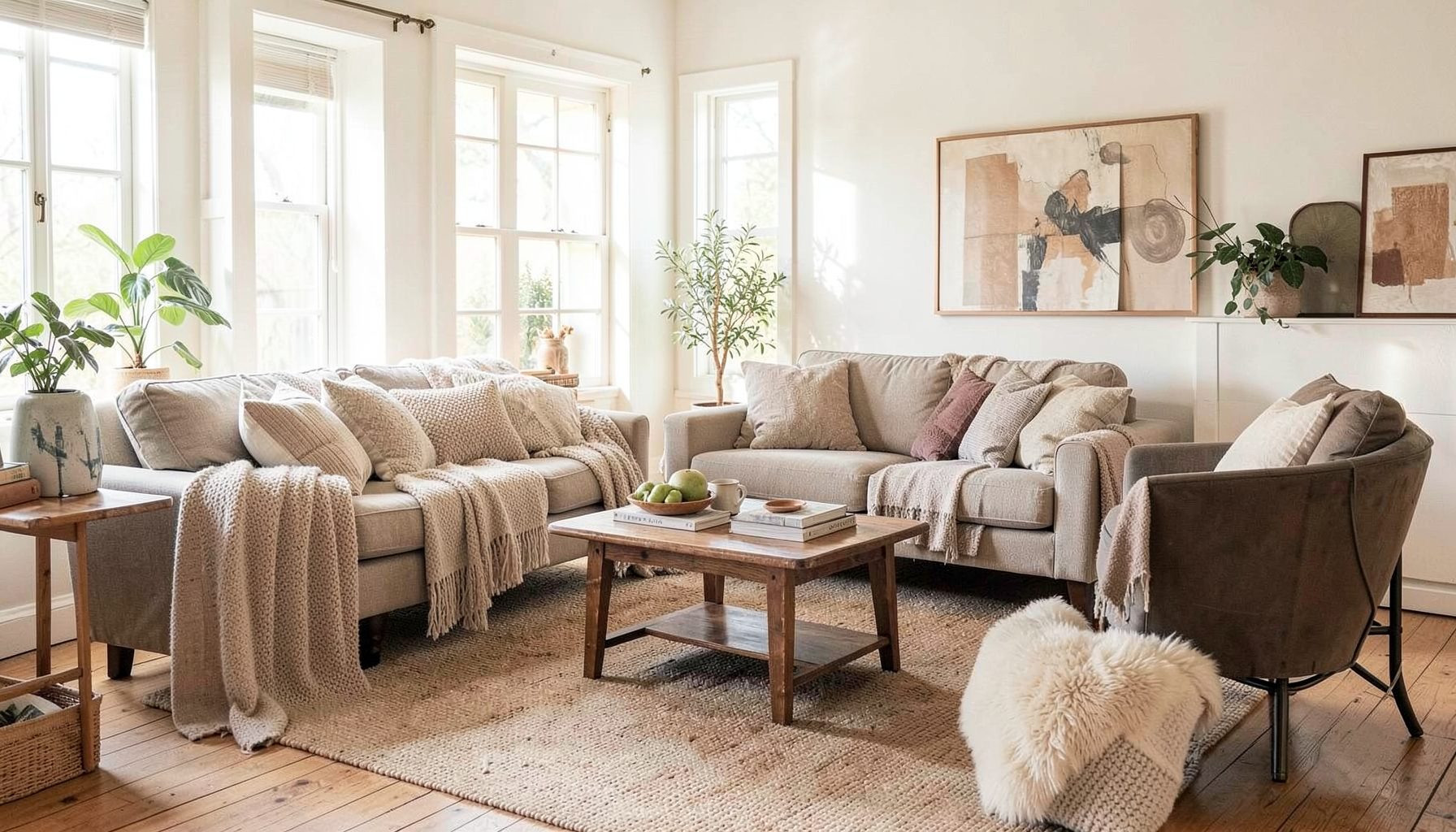
Full-service decorating that blends high and low, vintage finds with modern pieces for spaces that feel personal and collected.
Learn More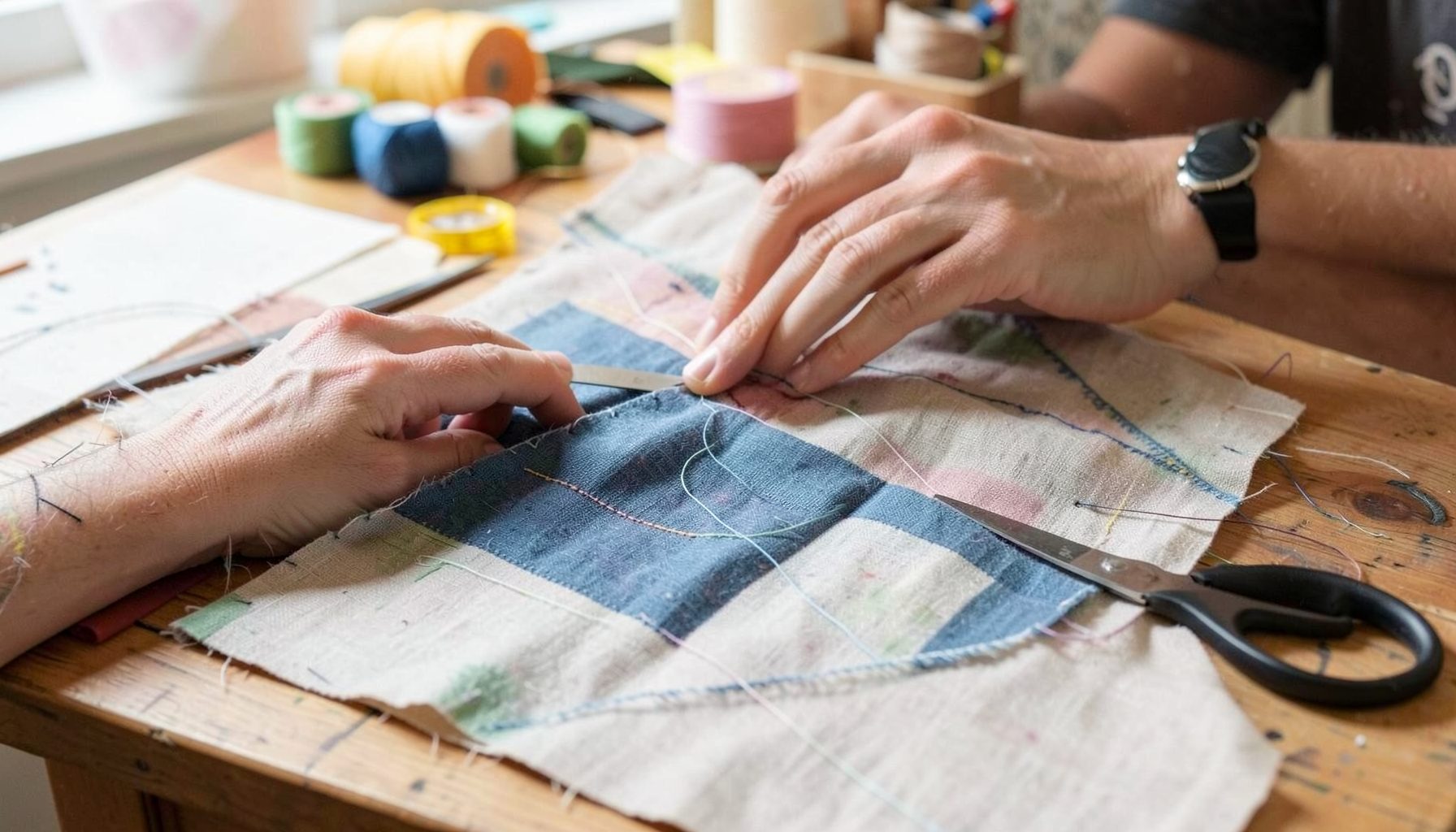
DIY Projects
Step-by-step tutorials for refinishing furniture, sewing pillows, styling bookshelves, and transforming rooms on a budget.
Learn More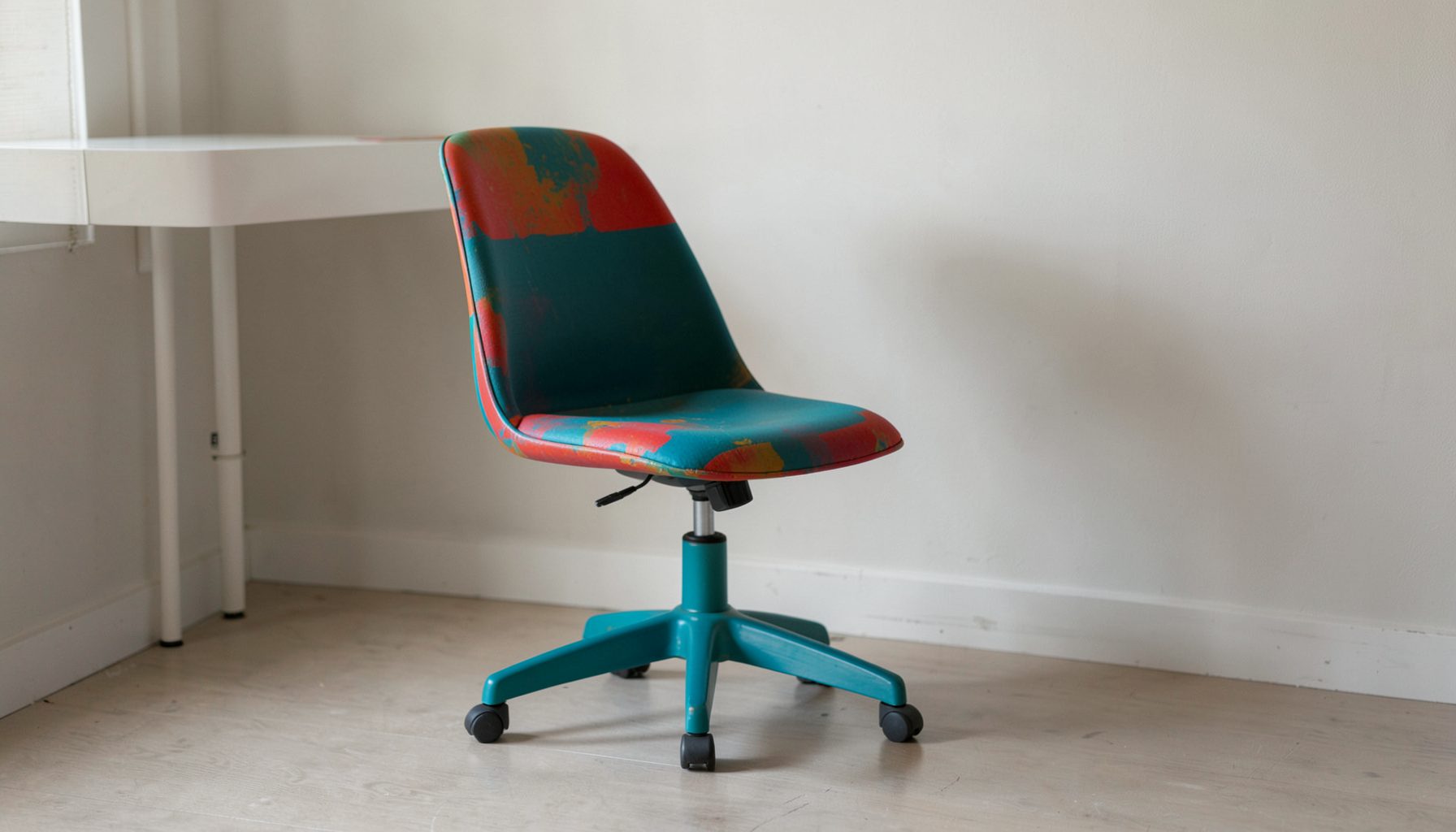
E-Decorating
Personalized design guidance delivered online — perfect for clients anywhere in the world who want a professional eye.
Learn More
Portfolio
Browse completed room makeovers, before-and-after transformations, and styling projects from Bay Area homes.
Learn More
Blog
Interior design inspiration, fashion finds, entertaining ideas, and peeks into real home renovations and styling projects.
Learn More
Downloads
Free curated resources for home decorating and design — guides, checklists, and inspiration to help you get started.
Learn MoreHow to Use Slipcovers to Refresh a Dining Chair Set
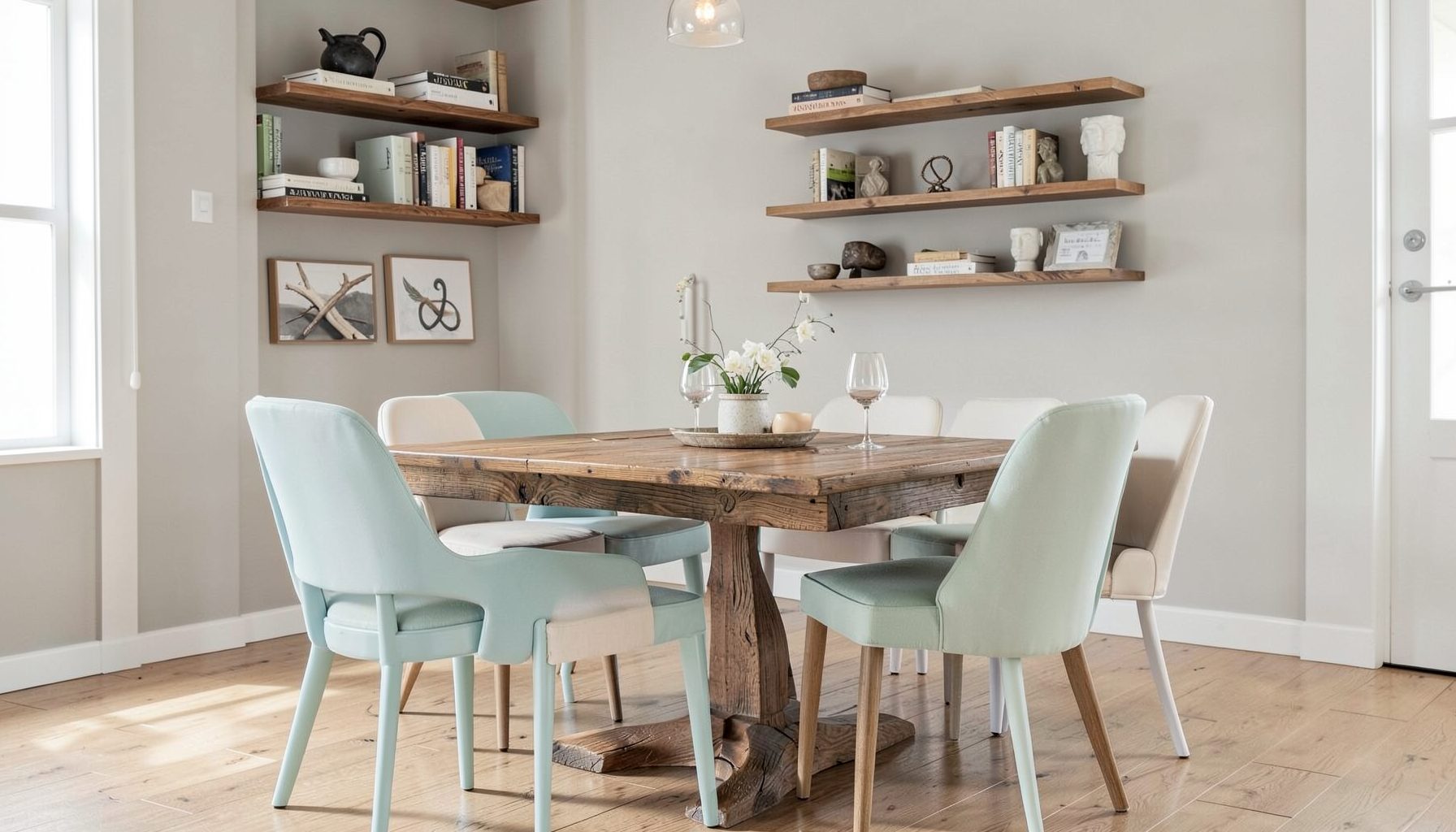
A tired dining chair set does not have to mean a costly reupholstery bill. For many Australian households, a set of well-chosen slipcovers offers a smart middle ground between living with worn seats and committing to a full re-cover. Whether the chairs are inherited heirlooms, solid timber finds from a weekend trip to a Camberwell market stall, or flat-pack pieces that have seen better days, fabric covers can completely change how a dining room feels without weeks of disruption.
The slipcover approach also suits the way many homes across Sydney, Melbourne, Brisbane, Adelaide and Perth actually live. Long summer lunches on the deck, casual weeknight dinners with the kids, and impromptu coffee catch-ups all take a toll on upholstered seating. A removable cover that can be washed, rotated or swapped with the seasons keeps the chairs looking considered, even when life around them is anything but.
Why Slipcovers Make Sense for an Existing Dining Set
Reupholstering a full set of dining chairs is a significant investment, and not every chair warrants it. Vintage timber frames, mid-century pieces sourced from second-hand shops around Sydney’s Inner West, and even newer solid oak sets from retailers like IKEA Tempe, Freedom or Harvey Norman often come with perfectly good bones. The fabric, however, may be faded, stained, dated, or simply not aligned with the current direction of the home. Slipcovers allow you to address the visible part of the chair without touching the structure.
There is also a practical angle that resonates with how Australian homes are used. Spills from a pavlova, red wine at a long Sunday lunch, crayon marks from after-school homework at the dining table, and pet hair from the family dog all happen. Removable covers that can go into a standard washing machine save a homeowner from the constant anxiety that comes with pale, fixed upholstery. For renters in particular, slipcovers can transform a generic landlord-supplied dining set into something that feels personal, then come off at the end of a lease with no damage to the underlying furniture.
From a design perspective, slipcovers offer flexibility that fixed upholstery cannot. A neutral linen cover can carry the room through most of the year, then be swapped for a heavier textured weave when the cooler months arrive in Melbourne or a Canberra winter sets in. This kind of rotation is harder to achieve when every chair has been professionally upholstered in a single fabric.
Choosing a Fabric That Works in the Australian Climate
Fabric choice matters more than most people expect, especially in a country with such varied conditions. In humid coastal suburbs from Coogee to Cairns, lightweight cotton and linen blends breathe well and resist the clamminess that heavier fabrics can trap. In contrast, homes in dry inland areas or in Adelaide’s hot summers often benefit from slightly denser weaves that hold their shape and resist fading from strong afternoon sun pouring through west-facing windows.
Durability is the next consideration. Dining chairs take more punishment than almost any other seat in the home. Look for fabrics with a high rub count, double-stitched seams, and ideally a tight weave that resists pilling. Cotton-linen blends, performance canvas, and heavyweight twills are popular choices because they soften with washing rather than breaking down. Synthetic-blend performance fabrics have improved considerably in recent years and can be a good option for households with young children, offering stain resistance without the plastic feel of older-generation coatings.
Colour and pattern are where personality enters. Pale flax, soft oat, stone and chalk are perennial favourites for Australian interiors because they sit well against both coastal palettes and earthy country schemes. Pattern can work too, but it pays to consider how it interacts with the rest of the room. A small-scale check or quiet stripe on the chairs can look beautifully relaxed in a country home in the Southern Highlands, while a graphic print might overpower a smaller dining nook in a Brisbane apartment.
Measuring, Ordering and Fitting Slipcovers the Right Way
The single biggest reason slipcovers look homemade rather than tailored is poor fit. Before ordering anything, measure each chair carefully. Note the seat width and depth at the widest points, the back height from the seat to the top, and the overall shape of the chair. A standard parson chair, a curving French provincial back, and a sleeker Scandinavian design all need different cover patterns, and assuming one size fits all will almost always end in disappointment.
For homeowners who want a truly bespoke result, a number of Australian workrooms and small textile businesses produce made-to-measure covers. Tailors in Sydney’s Surry Hills and Melbourne’s Fitzroy often take on this kind of work, and online made-to-order services will send a sample kit first so you can match the fabric to your room before committing. Where a fully tailored option is out of reach, ready-made covers with adjustable ties, elasticised hems and generous seam allowances can still look polished once properly fitted and steamed.
Fitting itself is a learned skill. Start by draping the cover over the chair back, smoothing downward, then tuck the seat panel firmly into place before working the skirt or legs into position. A handheld steamer is invaluable for settling fabric into the creases of the chair back and arms. Any excess fabric can be pinned and tacked underneath, invisible once the chair is in use. Allow yourself an afternoon to fit a full set of six to eight chairs, rather than rushing the process before guests arrive.
Styling Slipcovered Chairs Within the Dining Room
Slipcovers change the visual weight of a dining chair set, and that shift ripples through the rest of the room. A pale, softly wrinkled linen will make a dark timber table feel lighter and more coastal, while a heavier neutral weave will anchor a pale timber or painted table with more presence. Before choosing the fabric, it helps to look at the room as a whole: the rug under the table, the curtains, the artwork on the wall, and the lighting above the table all need to talk to the new seat covers.
Layering is where a dining room comes alive. Slipcovered chairs pair naturally with a textured rug, a hand-thrown ceramic vase on the table, and linen napkins in a complementary tone. In a Queenslander with high ceilings and timber floors, a relaxed linen cover echoes the breezy, indoor-outdoor feel that defines so much of Australian residential architecture. In a Victorian terrace in Melbourne’s Fitzroy or Carlton, a slightly more structured cover can lean into the period detail of the home without competing with cornices or ceiling roses.
It is also worth thinking about how slipcovers interact with other seating in an open-plan space. If the dining chairs sit alongside a sofa or occasional chairs in the same room, pulling a colour or texture from those pieces into the chair covers creates continuity. A flax linen cover on the dining chairs next to a jute-toned armchair, for instance, reads as intentional rather than piecemeal, even though the underlying furniture is completely different.
Caring for Slipcovers So They Stand the Test of Time
Slipcovers are only as good as their care routine. Most cotton, linen and cotton-blend covers can be machine washed on a gentle cycle in cool water, then line-dried. Australian sun is strong, so drying covers in indirect light rather than full midday sun will prevent fading over time. A quick press with a steamer between washes keeps the fabric looking fresh and minimises the need for frequent laundering.
For households dealing with hard water, common in parts of Adelaide and regional South Australia, an extra rinse cycle helps prevent mineral build-up that can leave fabrics feeling stiff. A small amount of white vinegar in the rinse cycle can also keep colours true. Where spills happen, prompt treatment matters more than the cleaning product used. Blotting, rather than rubbing, prevents the stain from embedding into the weave.
A practical routine that many homeowners find helpful is to keep two sets of covers per chair. One set stays in use while the other is washed, dried and ready to swap in. Over a year, this rotation significantly extends the life of each cover and keeps the dining room looking consistently tidy. When a cover eventually reaches the end of its useful life, having the original measurements on hand makes reordering simple and ensures the new covers match the original set perfectly.
A dining chair set refreshed with well-chosen slipcovers can carry a room for years, shifting with the seasons and the family’s needs without ever requiring a tradesperson through the front door. The smartest results come from treating the covers as part of the overall design rather than a quick fix: measure carefully, pick a fabric suited to the local climate, fit with patience, and care for them so they keep earning their keep. Done well, the chairs become the quiet, comfortable heart of the dining space rather than the item everyone quietly avoids sitting on.

Recent Projects