Interior Design
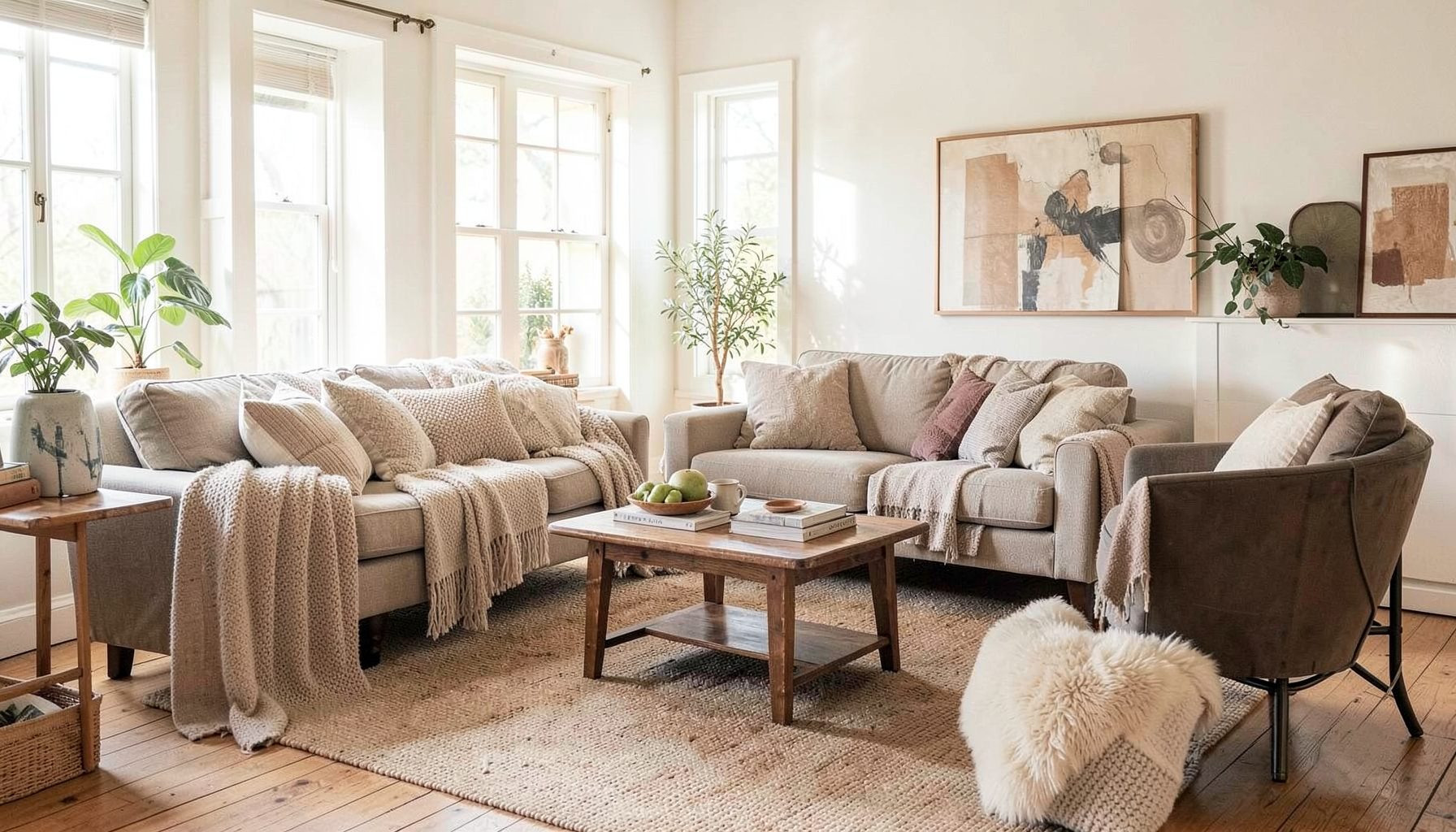
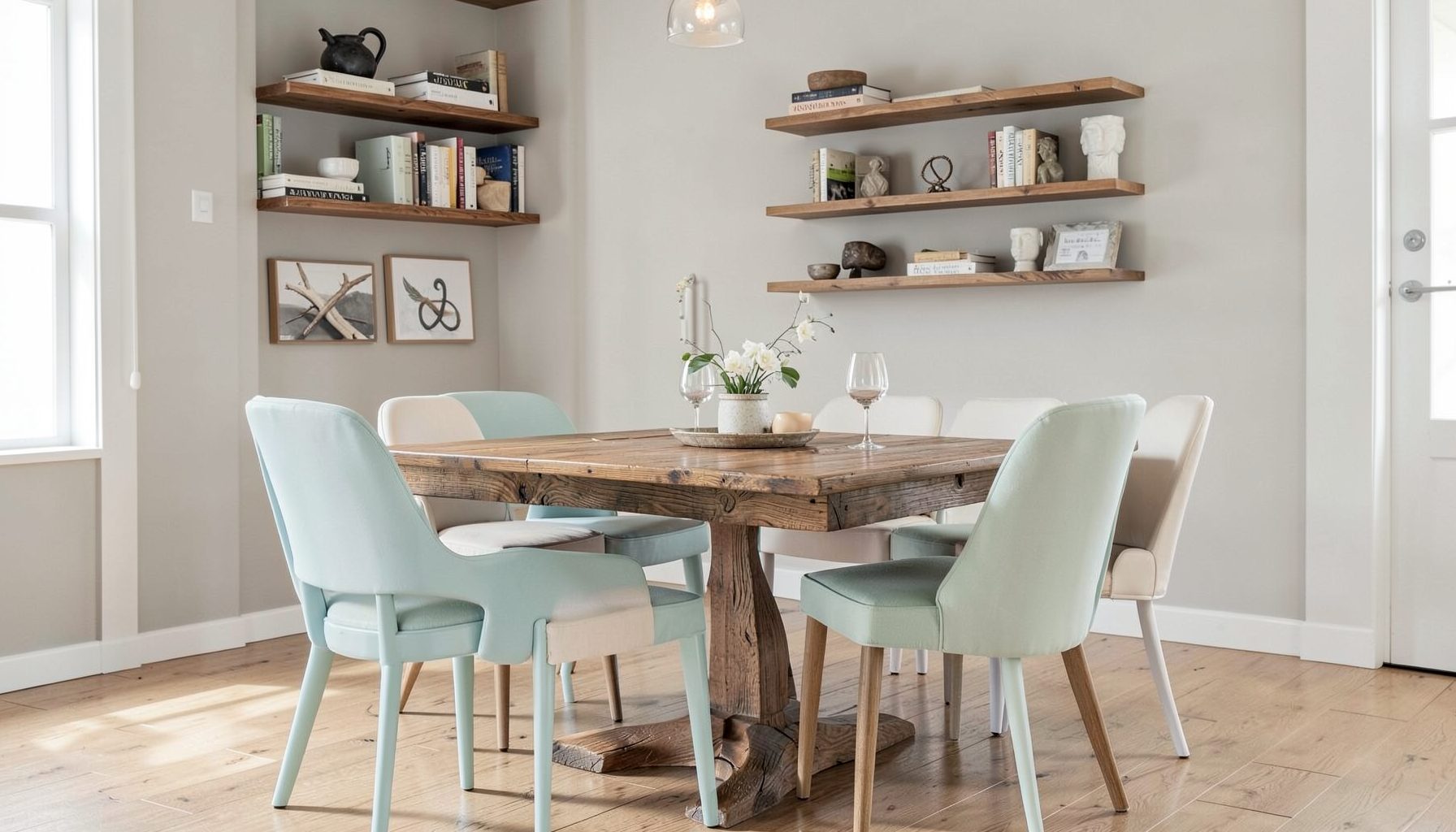
Full-service decorating that blends high and low, vintage finds with modern pieces for spaces that feel personal and collected.
Learn More
DIY Projects
Step-by-step tutorials for refinishing furniture, sewing pillows, styling bookshelves, and transforming rooms on a budget.
Learn More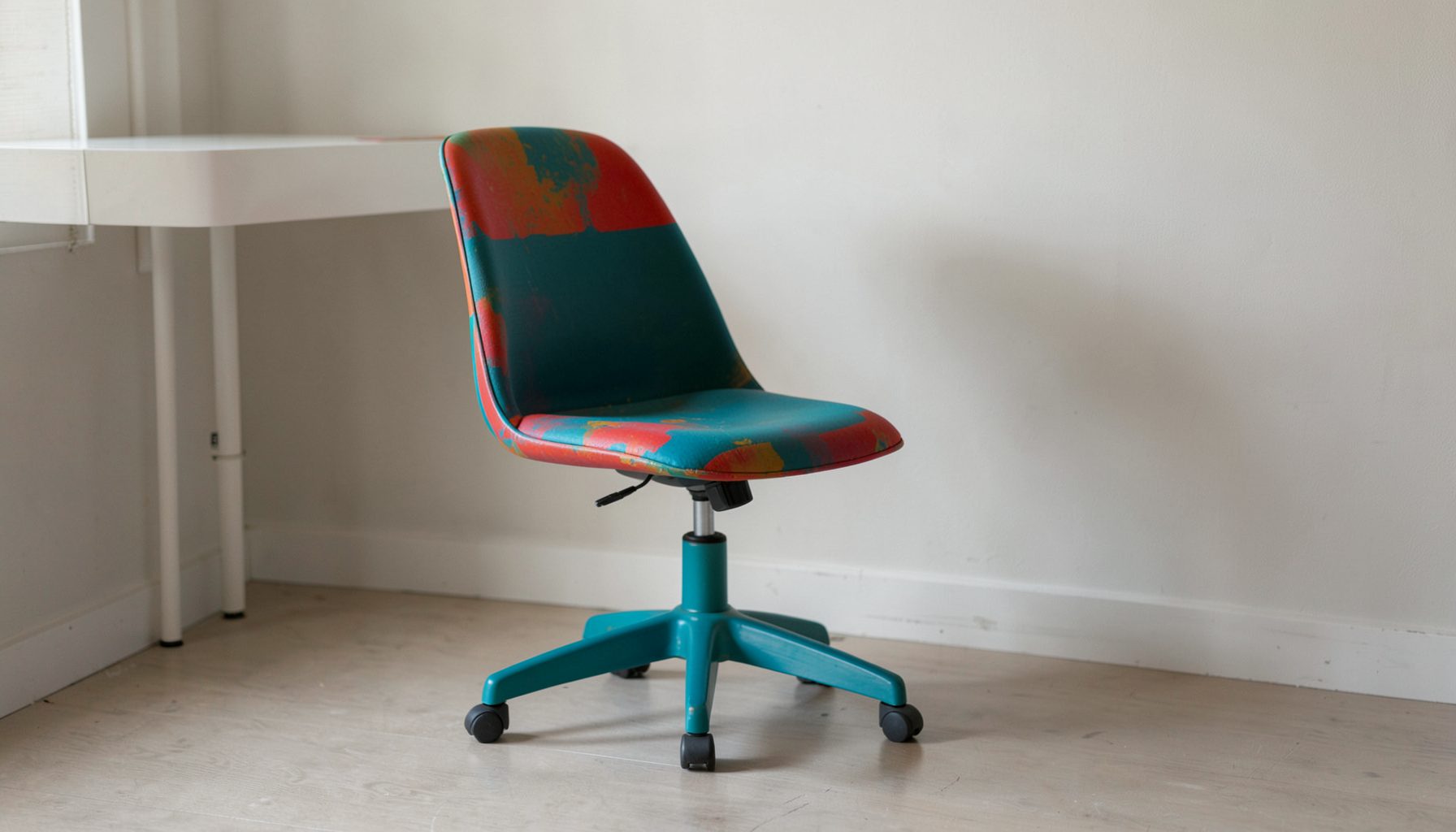
E-Decorating
Personalized design guidance delivered online — perfect for clients anywhere in the world who want a professional eye.
Learn More
Portfolio
Browse completed room makeovers, before-and-after transformations, and styling projects from Bay Area homes.
Learn More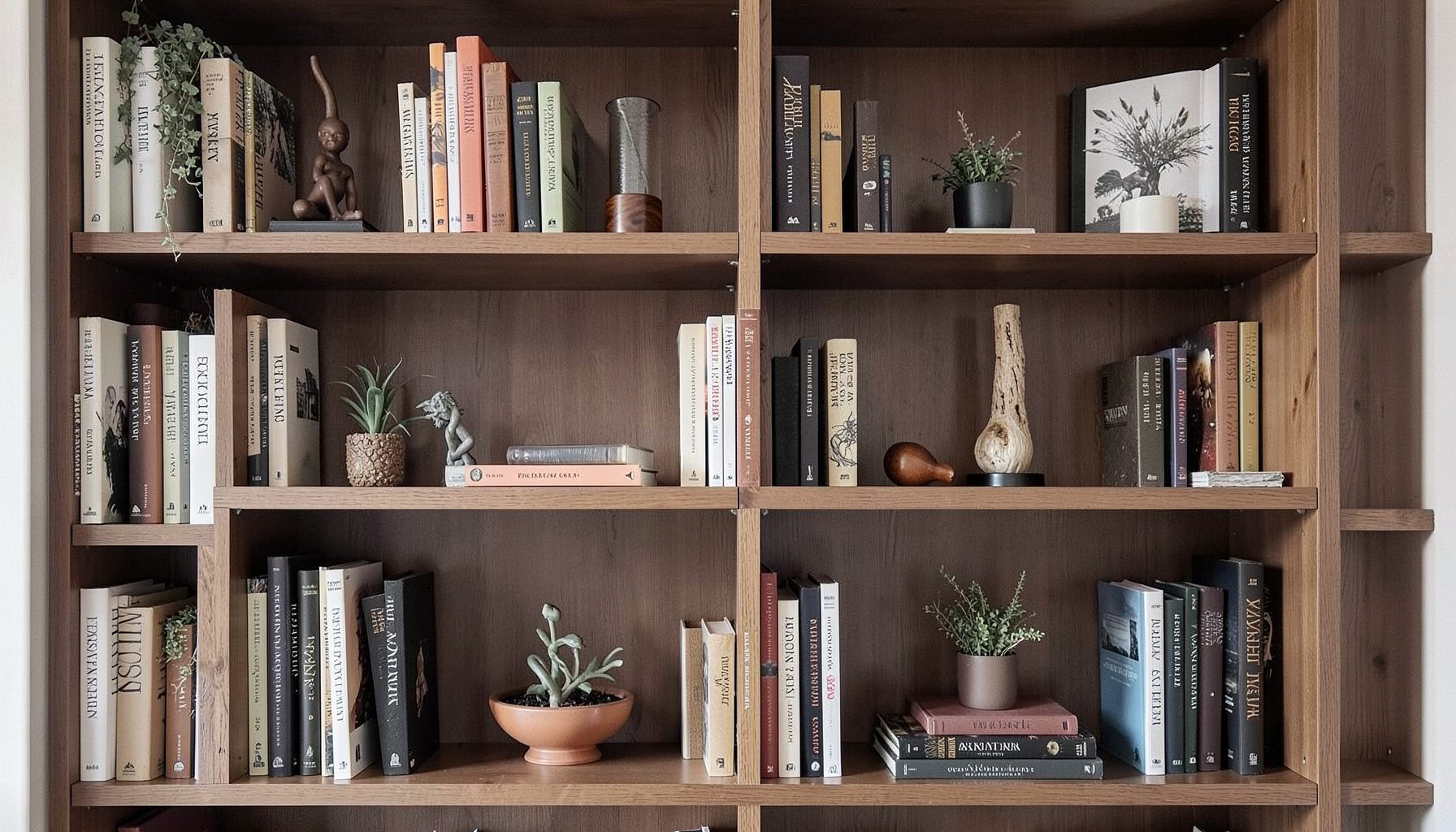
Blog
Interior design inspiration, fashion finds, entertaining ideas, and peeks into real home renovations and styling projects.
Learn More
Downloads
Free curated resources for home decorating and design — guides, checklists, and inspiration to help you get started.
Learn MoreHow to use paint to make a low ceiling feel higher
Picture a Federation-era terrace in Surry Hills or a workers' cottage in Fitzroy, and you'll quickly notice a defining feature of Australian period homes: rooms that feel intimate and grounded, often at the expense of generous ceiling height. Many properties across Sydney, Melbourne, and Adelaide were built with ornate cornices that draw the eye inward, while newer units in Brisbane and Perth frequently cap out at 2.4 metres to maximise floor space. The good news is that paint is one of the most affordable tools for reframing how a room feels, and a few strategic choices can visually lift the entire space without altering a single joist.
For homeowners and renters alike, the appeal of a paint-based fix is its reversibility and cost. A weekend project with a few tins of low-VOC acrylic from a local supplier like Bunnings, Taubmans, or Haymes can transform a compact bedroom or snug living zone into something that feels significantly taller. The trick lies in understanding how colour, finish, and application work together to manipulate how the eye perceives vertical distance.
Paint works on perception rather than architecture, exploiting principles of light, contrast, and visual weight. When applied with awareness of the room's orientation and existing trim, colour becomes a three-dimensional tool that stretches walls upward. Below are the methods designers reach for time and again, along with Australian-specific considerations that help these techniques perform at their best.
The psychology of ceiling height and colour
The human eye reads contrast. Where two surfaces meet at different values, the brain registers a hard line and fixates on it. In a low room, a bright white ceiling meeting a coloured wall creates exactly that kind of interruption, drawing the gaze horizontally rather than vertically. Designers counter this by choosing a ceiling tone that either matches the wall colour or sits very close to it on the colour wheel, allowing the eye to travel up and over without interruption.
Light reflectance value, the technical measure of how much light a surface bounces back, plays a supporting role. Dulux and Taubmans publish LRV figures for every colour in their ranges, and a higher number means more bounce. For a low ceiling, you generally want a tone with an LRV above 60, so the surface reflects rather than absorbs the available light. The ceiling itself should never be the brightest surface in the room, or it will feel like a hovering lid. Aim for a tonal value one or two shades lighter than the walls, or go fully tonal for the most dramatic lift. For more layered inspiration, the wildrobin online guide offers plenty of Australian room examples worth studying.
Choosing the right paint finish for vertical lift
Finish changes everything. A flat ceiling absorbs light and feels softer, while a higher sheen reflects it back and can highlight every imperfection in old cornices. For a sense of lift, a low-sheen or washable matt ceiling paired with a slight satin or low-sheen wall creates a subtle sheen differential that adds depth without drawing too much attention upward.
Haymes and Dulux both offer premium acrylic emulsions specifically formulated for Australian conditions, with wash-and-wear properties suited to busy households. In a low-ceilinged room, using the same product on walls and ceiling (just in different colours) ensures a consistent surface. Avoid high-gloss finishes on the ceiling of a small room, as they will exaggerate any waves in the plaster and reflect light too harshly, which can make the space feel clinical rather than lofty.
Vertical stripes and the illusion of height
Stripes are a classic tool for stretching space, and they work especially well in narrow hallways or boxed-in bedrooms. A vertical stripe pulls the eye upward in much the same way a tall window does. The trick is to keep the contrast gentle. Two close tones of the same colour, perhaps a half-strength difference, will read as texture rather than pattern from a distance.
In a Brisbane apartment with 2.4-metre ceilings, a tonal stripe in soft white and warm cream can add perceived height without overwhelming a small room. Avoid wide horizontal bands, as these compress the space visually. Instead, opt for narrow verticals, perhaps 10 to 15 centimetres wide, painted freehand with a steady hand or using a laser level and quality tape. For renters in NSW or Victoria, most leases require written permission before any paint goes on the walls, but temporary or removable applications are often permitted under standard tenancy agreements. Always check the strata by-laws or tenancy terms before committing to a stripe pattern.
The power of continuous colour from wall to ceiling
Colour drenching is the technique of painting walls, ceiling, cornices, and even trim in the same colour family. In a low room, this approach dissolves the visual boundary where wall meets ceiling, allowing the eye to glide upward in one continuous sweep. The room then reads as a unified envelope rather than a series of stacked planes. This works particularly well in light-filled spaces where the lack of contrast lets the eye travel without interruption.
In Australian homes with period features, colour drenching can feel modern and unexpected, particularly when paired with original cornices and ceiling roses painted in the same tone. A soft, muted green or warm putty across every surface creates a sophisticated cocoon that feels expansive rather than cramped. Taubmans' "Half Seafoam" or Haymes' "Elephant" are popular Australian choices for this treatment. For a bedroom with a low ceiling painted in a deeper hue, the room becomes a restful, jewel-box-like retreat rather than a boxed-in space.
Architectural details that paint can enhance
Cornices, ceiling roses, picture rails, and skirting boards are part of what makes Australian heritage homes so beloved, and paint can amplify or diminish their visual impact. In a low room, painting the cornice the same colour as the wall and ceiling softens its outline and reduces the visual heaviness of decorative plaster. A white cornice against a coloured ceiling, by contrast, creates a hard line that draws the eye downward.
In homes with original features, a heritage overlay from the local council may restrict external colour changes, but interior repainting is generally unregulated. Tenants in heritage zones should still seek permission, as some landlords prefer to keep period-correct schemes. When painting built-in shelving or window reveals, extending the wall colour into these recesses adds depth and makes them feel less like cutouts. A built-in bookcase painted the same colour as the wall appears to float rather than box in the space.
Working with Australian light and climate
Australia's intense sunlight changes how paint performs. North-facing rooms receive bright, direct light, while south-facing rooms rely on cooler, indirect rays. In a north-facing bedroom in Adelaide, a slightly cooler ceiling tone prevents the room from feeling washed out, while a south-facing room benefits from a warmer ceiling to add cosiness. Coastal homes along the Mornington Peninsula or in Sydney's eastern suburbs face salt air that fades exterior paint quickly, so a premium exterior-grade acrylic is worth the extra cost.
Bushfire Attack Level ratings, set out in the National Construction Code, govern exterior paint choices in designated bushfire-prone areas across the country. For interior work, energy efficiency requirements are more relevant. The Nationwide House Energy Rating Scheme, known as NatHERS, encourages lighter interior tones to maximise daylight and reduce artificial lighting loads, which aligns beautifully with paint strategies for low ceilings. In humid subtropical climates like Brisbane, mould-resistant acrylics help maintain a fresh ceiling line, especially in rooms with poor ventilation.
Real Australian homes, real results
A recent project in a 1920s semi in Melbourne's inner north illustrates the cumulative power of these techniques. The original 2.7-metre ceilings felt oppressive in the living zone, with a heavy dark-stained cornice and bright white ceiling. The owners chose a tonal warm white for walls and ceiling, painted the cornice to match, and added a single accent wall in a deeper complementary tone. The room now feels significantly taller, with light bouncing gently across the unified surfaces.
In a Brisbane apartment, a compact bedroom was transformed by painting the ceiling, walls, and built-in robe in a soft sage green, then adding a vertical tonal stripe behind the bed. The result is a restful room that feels taller and more intentional. Small touches like styling a bedside sconce for tight spaces, rather than relying on a table lamp, keeps the bedside table clear and lets the eye travel upward from the bed to the ceiling. Layered styling like this preserves the calm and draws the eye up.
Painting a low ceiling to feel higher is rarely about a single trick. It is the combination of tonal choice, finish, and thoughtful detail work that delivers the most generous results. Start with one wall as a test, step back, and notice how the eye behaves. A room that feels taller is a room where the eye is invited to travel freely upward, and a few well-chosen tins of paint are usually all it takes to open up even the most compact Australian home.

Recent Projects