Interior Design
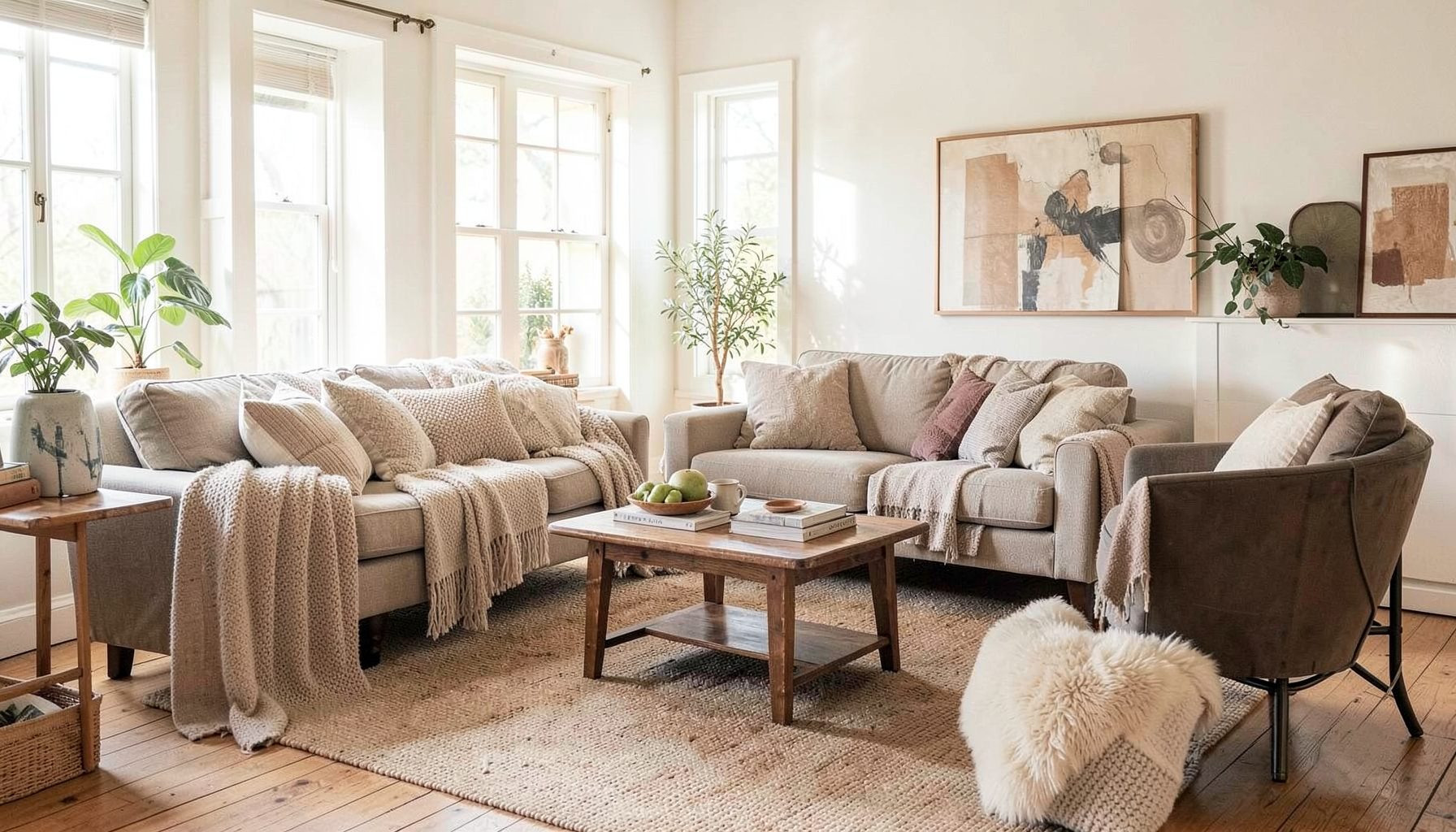
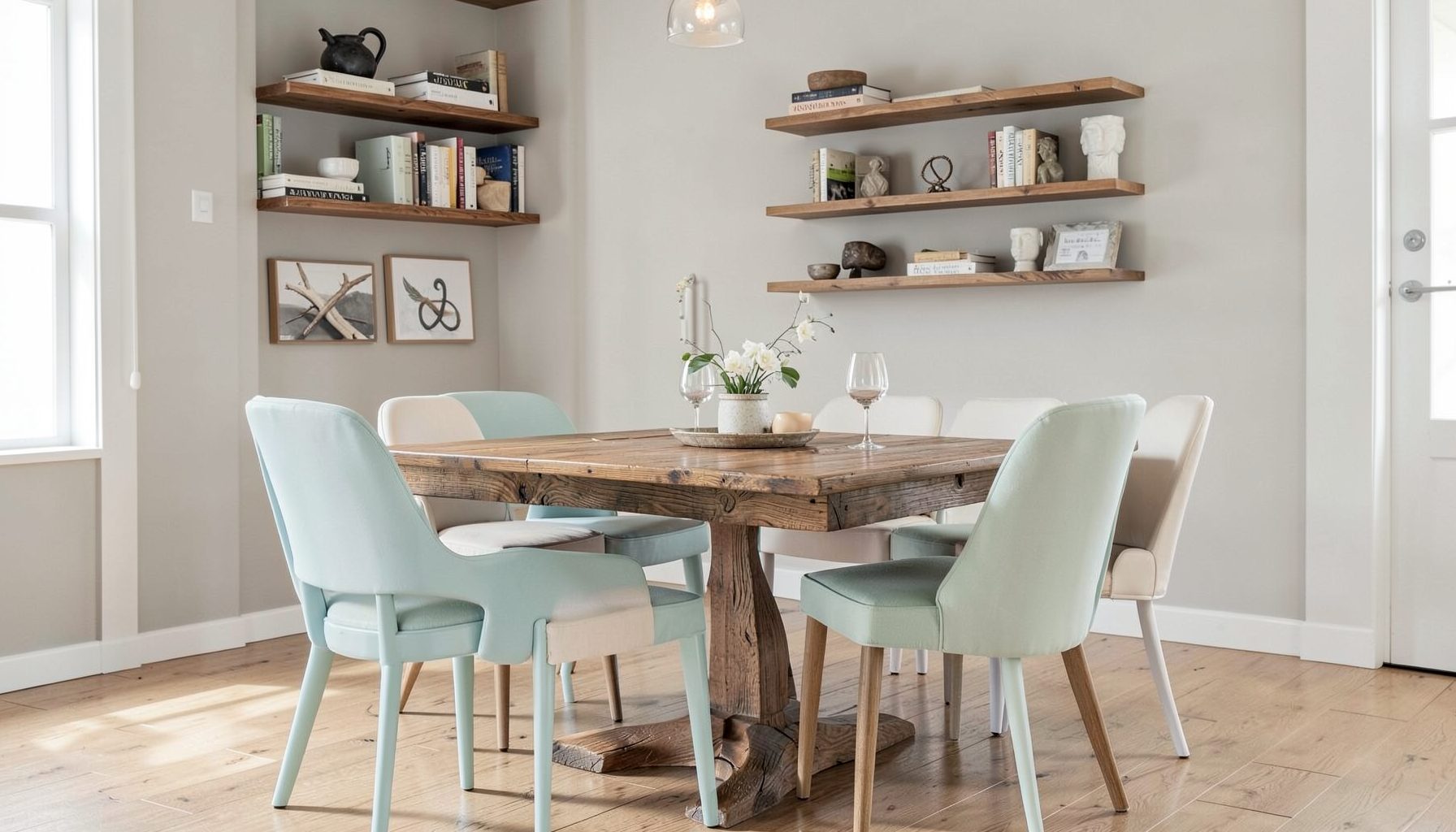
Full-service decorating that blends high and low, vintage finds with modern pieces for spaces that feel personal and collected.
Learn More
DIY Projects
Step-by-step tutorials for refinishing furniture, sewing pillows, styling bookshelves, and transforming rooms on a budget.
Learn More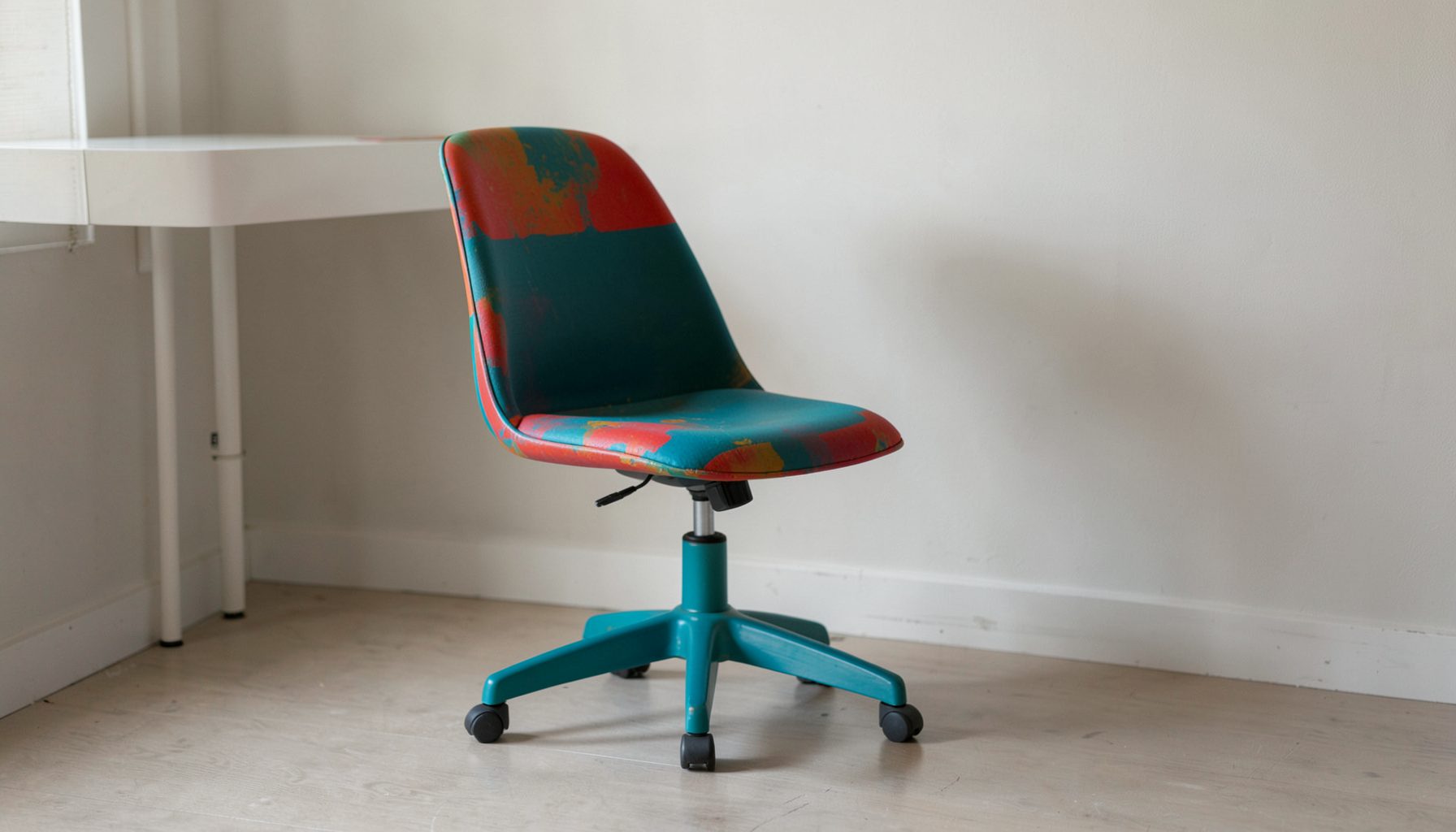
E-Decorating
Personalized design guidance delivered online — perfect for clients anywhere in the world who want a professional eye.
Learn More
Portfolio
Browse completed room makeovers, before-and-after transformations, and styling projects from Bay Area homes.
Learn More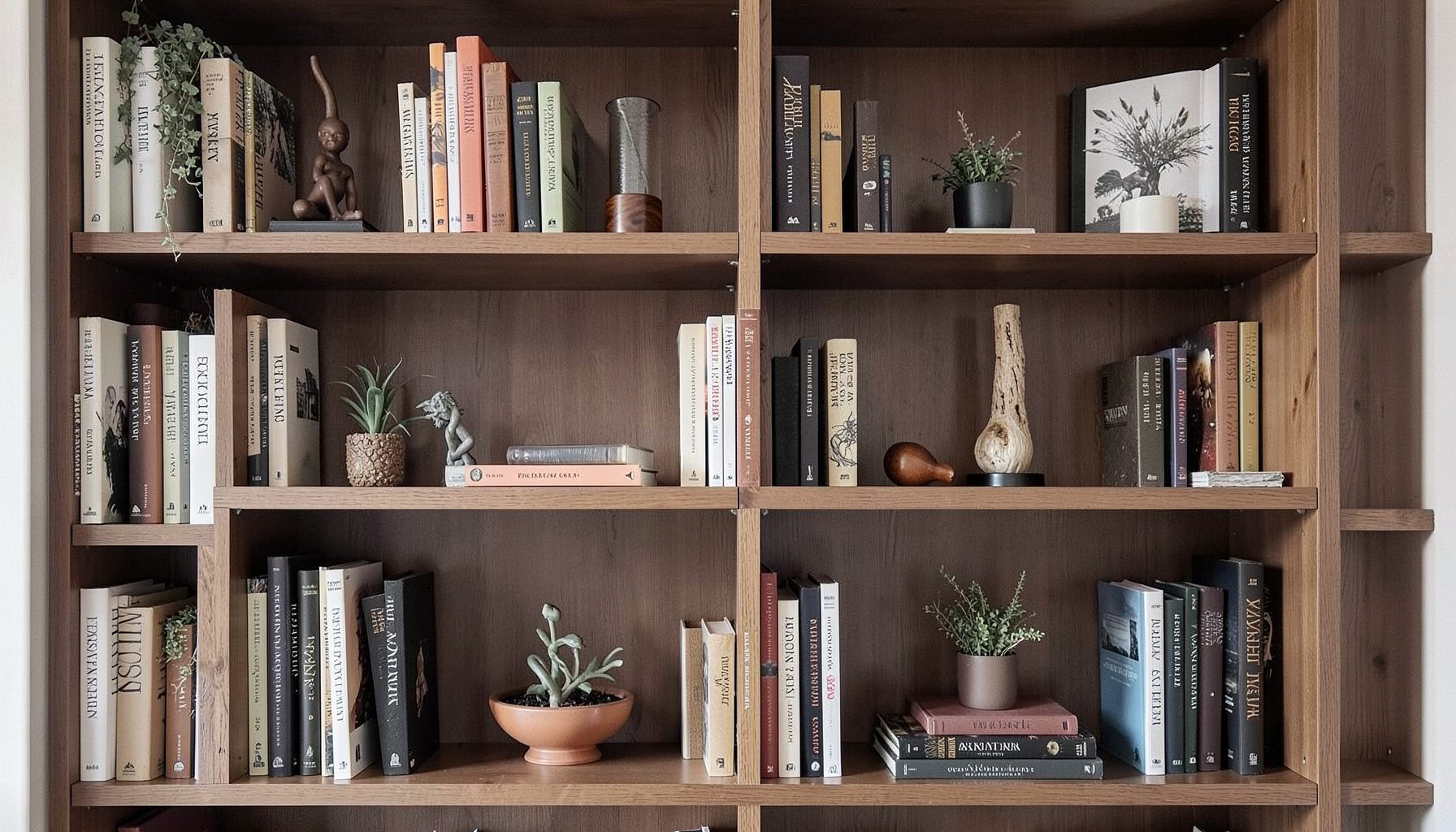
Blog
Interior design inspiration, fashion finds, entertaining ideas, and peeks into real home renovations and styling projects.
Learn More
Downloads
Free curated resources for home decorating and design — guides, checklists, and inspiration to help you get started.
Learn MoreLowering a Tall Ceiling with Paint: A Practical Decorator's Guide
Standing in a sun-drenched Queenslander in Brisbane with original 3.6-metre ceilings, or a grand federation home in Sydney's inner west, the romance of vertical space can wear thin once a room starts feeling cavernous, echoey and cold. The good news is that you don't need a builder to wrestle those proportions back into human scale. A considered paint scheme is the most affordable, most reversible, and often the most effective tool a decorator has for bringing a high ceiling down to a cosier line.
This guide walks through how to use paint — strategically and honestly — to soften the vertical pull of a too-tall room. It is written for renovators, first-home buyers and seasoned doer-uppers across Australia who would rather spend a weekend with a roller than a week with a tradesperson. Expect practical colour advice, brand notes relevant to local paint shelves, and a few pitfalls worth steering around.
Why a tall ceiling can feel like too much
Ceiling height is one of those things that looks wonderful on a floorplan and then turns hostile the day you move in. Above roughly 2.7 metres — the typical new-build ceiling in Australia — a room begins to feel generous. Above 3 metres, whether it's a Melbourne Victorian terrace or a 1970s Adelaide brick veneer, the proportions start sliding towards the impersonal. Sound bounces, heat rises, and your carefully styled sofa suddenly looks stranded at the bottom of a canyon.
There is also a climate reality we forget about in design magazines. In Perth, Brisbane and parts of Sydney, a soaring ceiling can actually be useful because hot air has somewhere to escape. In Hobart or Ballarat, the same ceiling means a sluggish heater and cold feet for half the year. Paint cannot solve physics, but it can change how your eye reads the volume of the room, which is half the battle.
Choosing a colour that grounds the room
The fastest shortcut to lowering a ceiling is to pick a colour with real depth and put it where it counts. In Australian showrooms, the easy move is to reach for the popular warm whites from Dulux or the crisp neutrals from Taubmans, but those shades often make a tall room feel even taller. The shades that bring the ceiling down are the ones with a noticeable pigment load: smoky blues, mossy greens, dusty plums, terracotta, mushroom, charcoal, even a confident ink near-black.
Haymes Paint, an Australian-owned maker out of Melbourne, has a particularly rich earthy palette that suits federation and Victorian homes. Dulux's Dieskau, Domino or Deep Ocean are firm choices for a room that needs to feel anchored. Taubmans' Edgeware or Marquee in a deep tone behaves similarly. The colour itself is less important than the depth — anything noticeably darker than your walls will read as a "ceiling" rather than open sky.
A practical tip for choosing at the counter: hold the swatch at arm's length and squint. If the colour goes black or near-black, it has enough pigment to do the job. If it still looks pastel, keep walking.
Painting the ceiling itself
The boldest move is the simplest: paint the ceiling darker than the walls. This is counterintuitive for anyone who has spent years being told to keep ceilings bright, and it works. A ceiling in a deep, slightly muted tone will appear to come forward, slicing the room's height down by a third or more, without any structural change.
In a Sydney Victorian with original plaster roses, a smoky aubergine ceiling against creamy walls turns the height from intimidating to intimate. In a Brisbane Queenslander with VJ walls, a forest green ceiling pulls the eye down into the room rather than up into the rafters. In a coastal Perth build with white walls, a muddy indigo ceiling warms the whole space and makes a hot afternoon read as evening.
Two technical points worth flagging. Ceilings need a flat or matte finish — anything with sheen will catch light and highlight every imperfection, which works against the lowering effect. Ceilings are also the most UV-exposed surface in an Australian home, so it pays to use a quality washable matt like Dulux Wash & Wear Ceiling or Taubmans Endure. The extra dollars pay back in years of not having to repaint after one wet summer.
Introducing a horizontal colour band
If committing the whole ceiling feels too dramatic, a horizontal band of deeper colour around the top of the walls can achieve a similar result. The classic trick, borrowed from English and Italian country houses and seen in plenty of Adelaide heritage homes, is to paint the upper third of the wall in a darker shade and the lower two-thirds in a lighter one, with a clean break at picture-rail height or just below the cornice.
This break does something very clever to the eye: it stops the wall from acting as a runway to the ceiling. Instead of sweeping the gaze upward, the line interrupts and parks it horizontally. The taller band stays recessive, the lower band reads as the "real" room, and the ceiling — now grouped with the upper wall — quietly lowers.
For renters or the commitment-shy, the same effect can be achieved with a wide horizontal stripe of wallpaper or a dado rail painted in a contrasting tone. Australian Bunnings warehouses stock picture rails in primed pine for very little, and a Saturday afternoon with a mitre saw and a tin of Haymes will transform a generic rental in Marrickville or Northcote into something with real architectural rhythm.
Working with cornices, beams and ceiling roses
Paint can do more than colour flat surfaces. A tall ceiling often comes with architectural detail — a deep cornice, exposed beams, a decorative ceiling rose — and these features are gold when you want to bring the height down. The trick is to either blend them up into the ceiling colour, so the eye reads them as one mass, or paint them in the same dark tone as the ceiling so they visually "drop" the ceiling line.
In a federation home with a 300mm ornate cornice, painting the cornice the same deep tone as the ceiling will soften its projection and lower the visible ceiling line by the depth of the moulding. In a 1980s brick-veneer with exposed Oregon beams — common across Melbourne's eastern suburbs and Brisbane's older suburbs — painting the beams in a darker version of the wall colour pulls them into the room rather than letting them disappear into the void above.
For ceiling roses, the choice is yours. Painting the rose the same colour as the ceiling de-emphasises it, which is helpful in a tall room that needs visual quiet. Painting it in a soft metallic — or even a pale plaster-pink — turns it into a feature and gently lowers the eye down to the centre of the room, away from the perimeter and the height.
Sheen, finish and the realities of Australian paint
Finish matters as much as colour in this exercise. A high-sheen ceiling will catch every skylight beam, every downlight halo, every west-facing sunset glare — and in doing so, will visually push the ceiling back up. A matte or flat ceiling absorbs light, softens edges, and reads as a closer, lower surface. Dulux SuperCeiling, Taubmans Ceiling White in flat, or Haymes Ultralow Sheen are all dependable choices at Bunnings, Bristol or your local independent paint shop.
Climate also dictates product choice. Across most of Australia, a washable matt is non-negotiable: ceiling fans stir up dust, summer humidity breeds mildew in bathrooms and laundries, and bushfire-prone areas such as the Adelaide Hills or the Blue Mountains benefit from a quality scrubbable finish. A couple of dollars more per litre is the difference between repainting in three years and repainting in ten.
Heritage overlays in parts of Sydney, Melbourne and Adelaide can restrict exterior paint colours, but interior colour is almost always fair game. If you live in a council area with heritage controls — think Paddington, Fitzroy or Norwood — run the interior scheme past your building surveyor, then commit with confidence.
Mistakes that undo the lowering effect
A handful of common errors will quietly undo the work. Painting the ceiling lighter than the walls does the opposite of what you want. Painting the cornice a bright white against a deep ceiling also lifts the ceiling visually rather than lowering it. Using a high-gloss finish on a ceiling with any imperfection will highlight every old hairline crack common in Australian plaster.
Another easy mistake is ignoring the room's natural light. A north-facing room in Sydney will absorb a deep colour far more intensely than a south-facing room in Hobart, so the same Dulux colour sample can read as two different rooms. Always sample a large swatch on the actual ceiling, look at it morning and afternoon, and live with it for a weekend before committing.
Finally, resist the urge to over-decorate the walls. The point of lowering the ceiling is to bring focus back down to the human-scaled bits — the rug, the sofa, the artwork at eye line. Cramming the upper walls with busy art or floating shelves above 2.4 metres drags the eye up again and undoes the calm.
Pick a Saturday, grab three sample pots in deep tones from your local Bunnings or paint shop, and brush large A2 swatches directly onto the ceiling. Stand back, live with each colour across a full day of shifting Aussie light, and the right one will make itself obvious.

Recent Projects